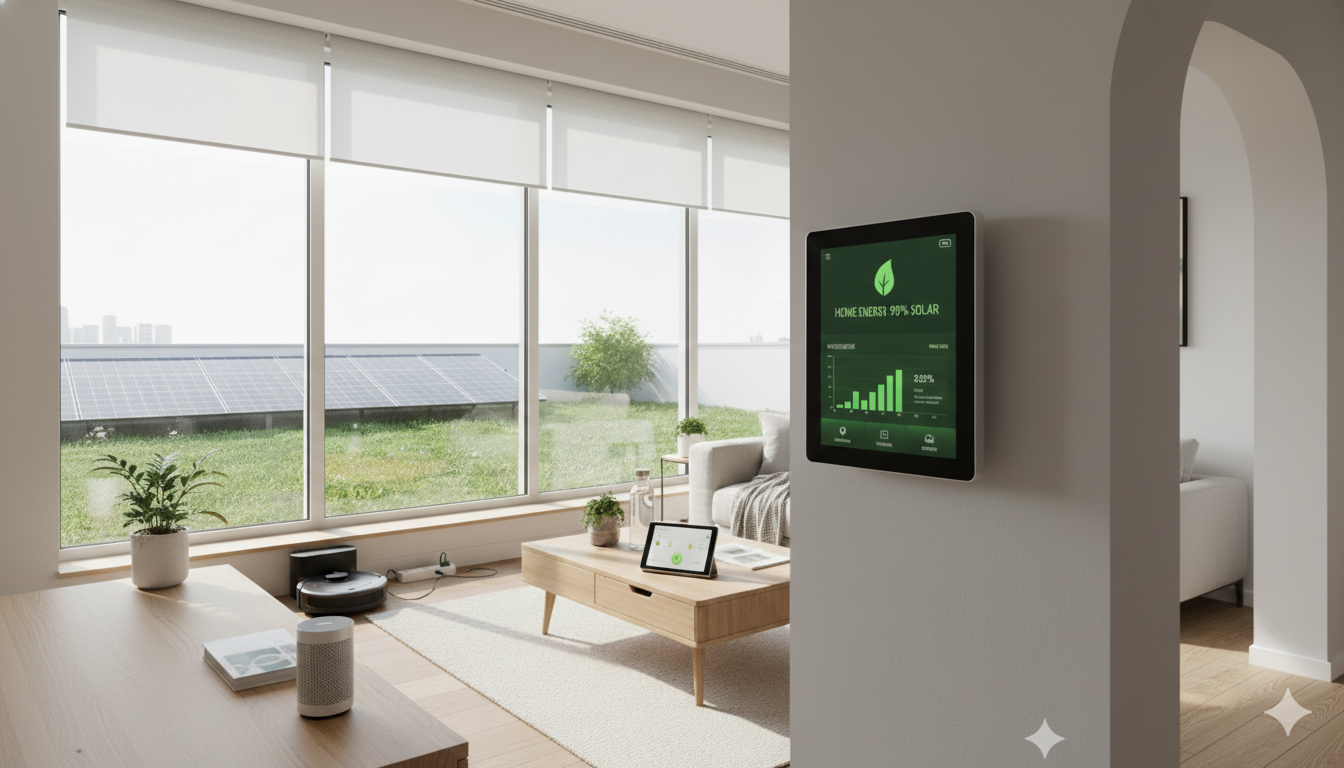
As lifestyles evolve and environmental concerns become more urgent, the concept of home is undergoing a significant transformation. Modern homes are no longer designed solely for comfort and aesthetics. Instead, they’re increasingly expected to support sustainability, efficiency, and intelligent living. The future home trends shaping today’s housing landscape reflect a growing desire for spaces that are environmentally responsible, technologically advanced, and aligned with long term wellbeing.
Sustainability and smart living are no longer optional features. They’re becoming essential components of modern home design. Homeowners, architects, and developers are rethinking how living spaces can reduce environmental impact while enhancing everyday life.
The Rise of Sustainable Living in Modern Homes
Sustainable living has become a global priority as climate change, energy costs, and resource scarcity continue to affect daily life. Homes account for a significant portion of energy consumption and carbon emissions, making residential sustainability a critical area of focus.
The sustainable home movement encompasses multiple dimensions, from renewable energy integration and water conservation systems to the selection of eco-friendly building materials and waste reduction strategies. Smart Home Market Size And Trends Report indicates that environmentally conscious homeowners are increasingly adopting technologies that monitor and optimize resource usage in real-time.
Modern sustainable homes prioritize both immediate cost savings and long-term environmental impact, creating spaces that reduce utility bills while minimizing carbon footprints. This dual benefit has accelerated adoption rates across diverse demographics, making sustainability accessible to mainstream homeowners rather than just environmental enthusiasts.
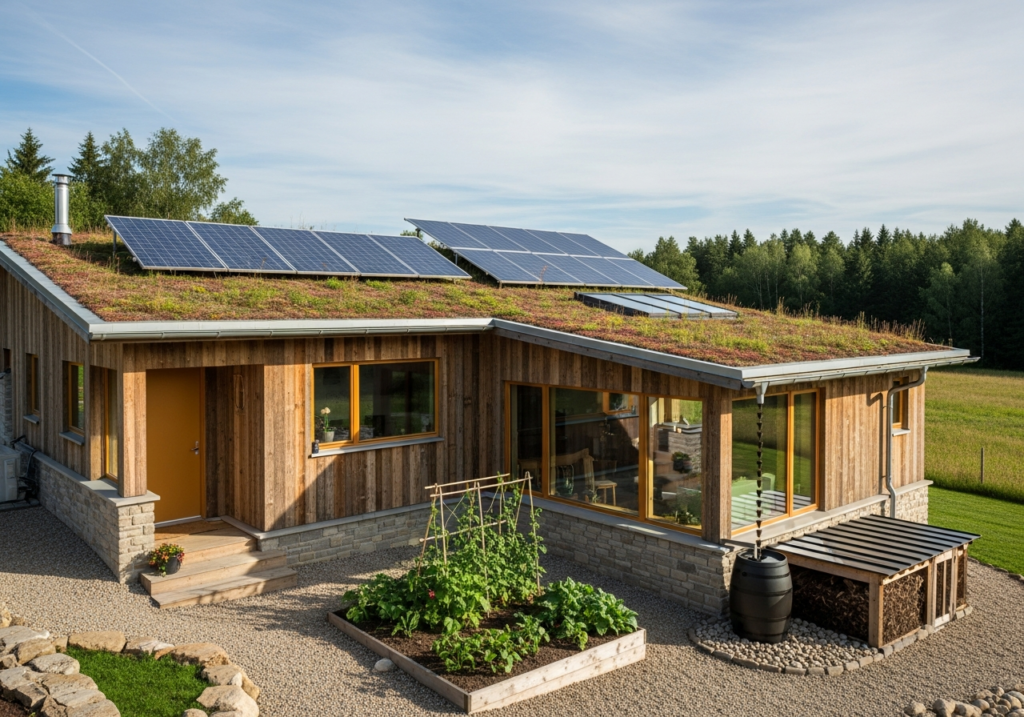
Modern homeowners are increasingly aware that sustainability is not only about protecting the planet but also about improving quality of life. Homes designed with sustainability in mind tend to offer better air quality, improved thermal comfort, and lower ongoing maintenance costs.
Energy-Efficient Systems and Innovations
The shift toward energy efficiency represents one of the most impactful future home trends, with homeowners increasingly adopting advanced systems that dramatically reduce consumption while maintaining comfort.
Advanced insulation, energy efficient windows, and optimized building orientation help regulate indoor temperatures naturally. These features reduce reliance on heating and cooling systems, leading to lower energy usage throughout the year.
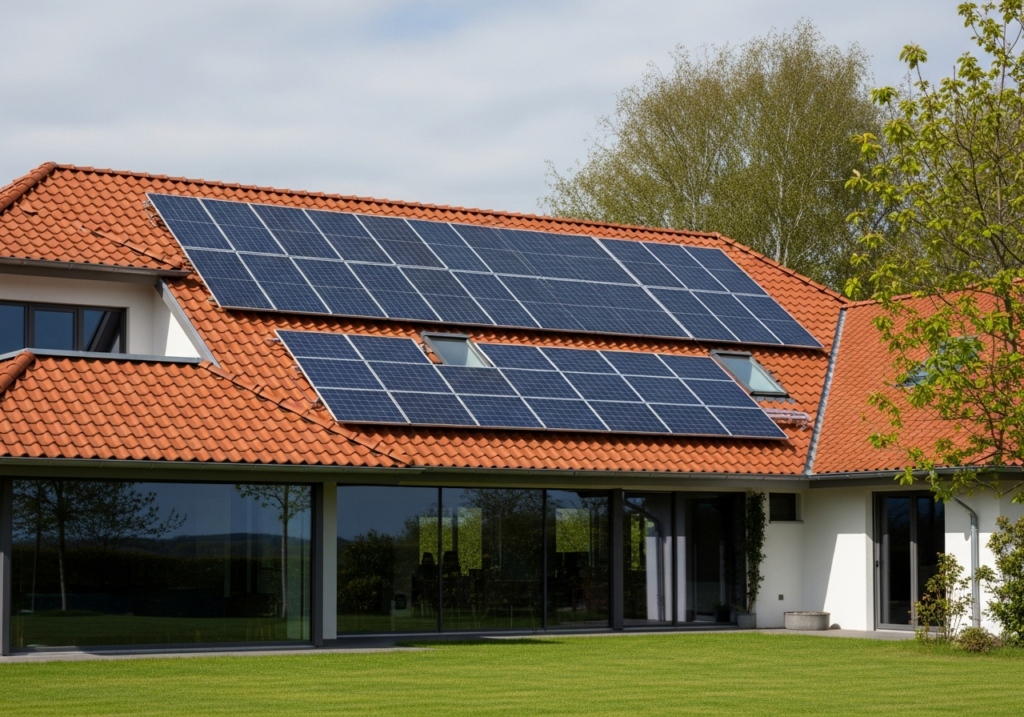
Renewable energy solutions such as solar panels are also becoming more common. As technology improves and costs decrease, homeowners are viewing renewable energy as a long term investment rather than a luxury feature. Energy efficient homes not only reduce environmental impact but also offer financial benefits over time.
Smart Homes: Integrating Technology for Convenience
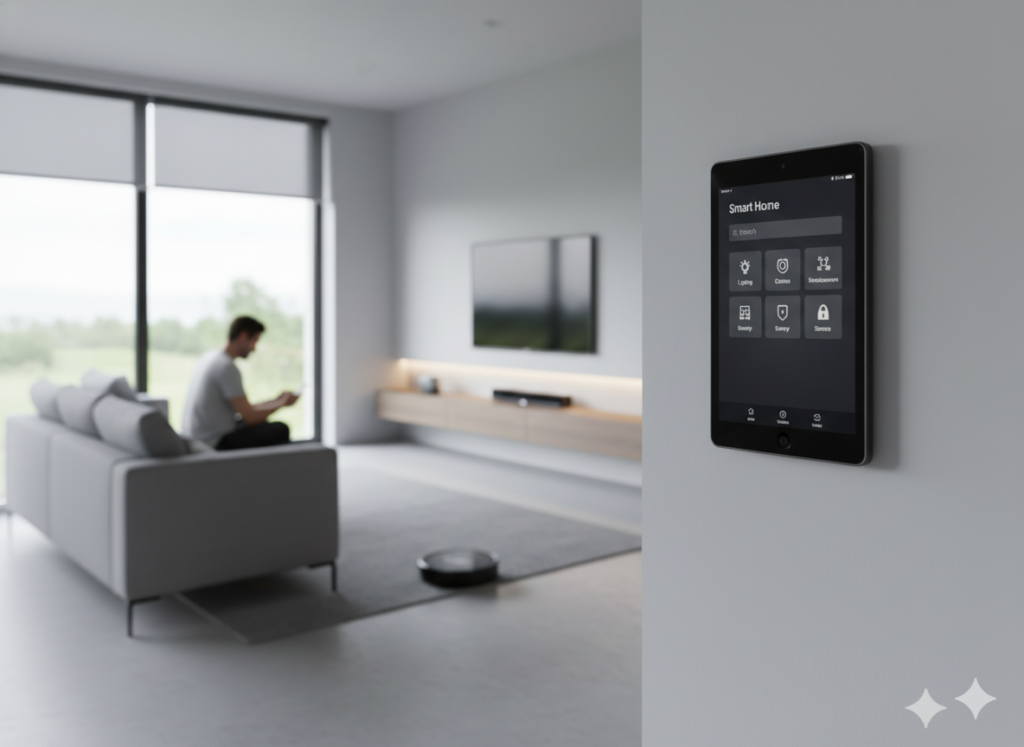
Smart homes represent the next evolution in residential living, seamlessly blending cutting-edge technology with daily routines to create unprecedented levels of comfort and efficiency. The global smart home market is experiencing explosive growth, with projections indicating the sector will reach $537 billion by 2030, driven by homeowners’ increasing demand for integrated, intelligent living solutions.
Modern smart home ecosystems extend far beyond basic automation, incorporating voice-controlled assistants, adaptive lighting systems, and predictive climate control that learns from occupant behavior patterns. These interconnected devices create a responsive environment that anticipates needs before they’re expressed, from automatically adjusting temperature settings based on daily schedules to optimizing energy consumption during peak usage hours.
Challenges and Considerations in Future Home Development
While the future of smart and sustainable homes appears promising, several practical limitations warrant careful consideration. AI-driven homes face significant challenges around data privacy, with many consumers remaining hesitant about devices that continuously monitor household behavior and usage patterns.
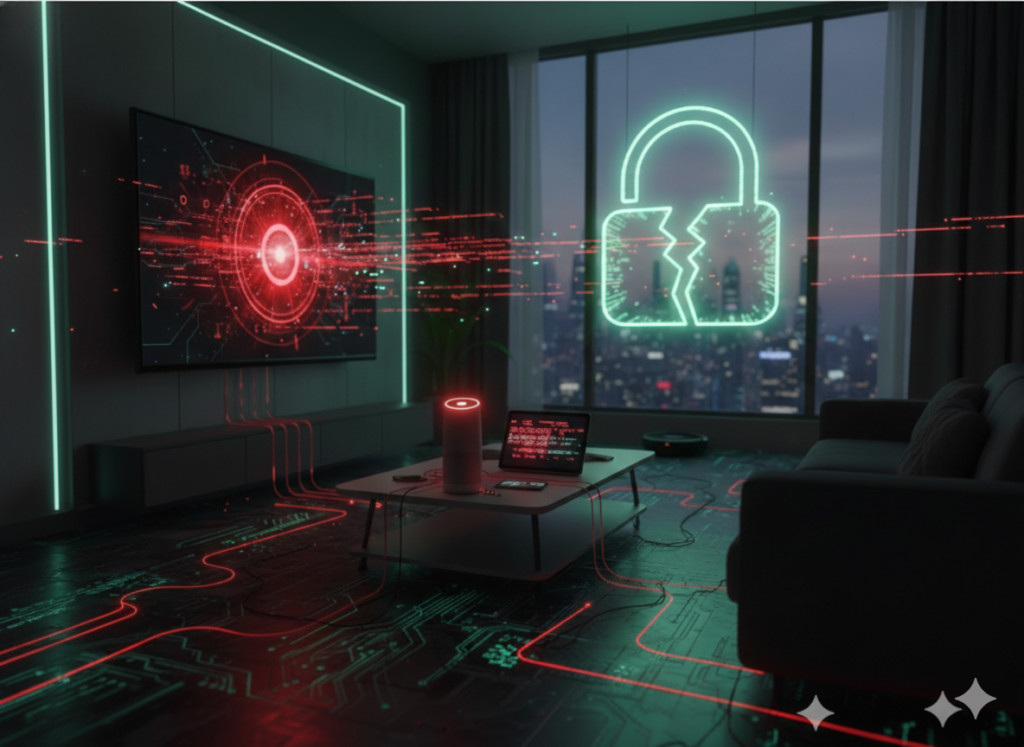
Cost barriers continue to be substantial for comprehensive implementations. Initial investments for whole-home automation systems can range from $15,000 to $40,000, making these technologies accessible primarily to higher-income households. In addition, the fast speed of technological innovation raises concerns about obsolescence, as smart home devices that are considered advanced today may become outdated within three to five years.
Technical complexity is another challenge. Many homeowners struggle with system integration, especially when combining products from different manufacturers. Interoperability issues can lead to frustrating user experiences and ongoing technical support needs.
Infrastructure limitations also constrain adoption. Rural areas often lack the robust internet connectivity required for advanced smart home features, while older homes may need significant electrical upgrades to support modern systems safely.
Furthermore, the environmental benefits of smart homes can be offset by increased electronic waste and the energy consumption of constantly connected devices. A balanced approach requires weighing these considerations against potential long-term benefits when planning modern home innovations.
Which Modern Renovation Trends Are Practical?
Not all emerging trends deliver equal value for the average homeowner. Smart thermostats and LED lighting systems consistently rank among the most practical upgrades, offering immediate energy savings and user convenience without extensive infrastructure changes.
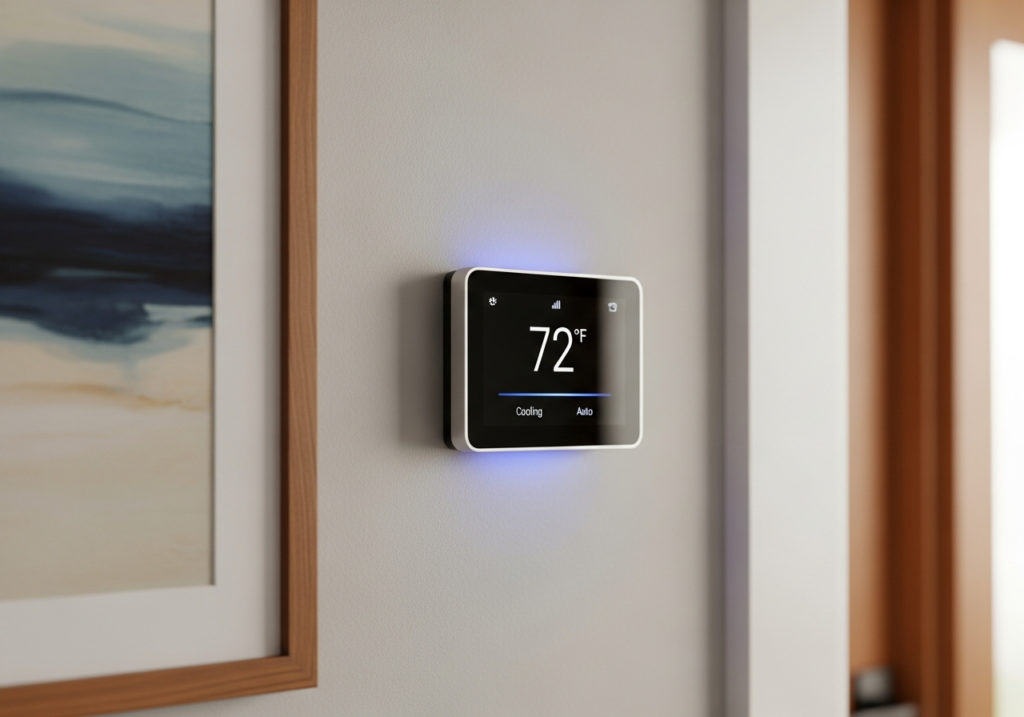
Home automation systems show varying practicality depending on implementation scope. Basic automation like programmable lighting and smart door locks provide excellent return on investment, while whole-house systems may require substantial upfront costs that exceed their practical benefits for many families.
Energy-efficient windows and improved insulation deliver consistent long-term value across all climate zones. These renovations typically reduce utility costs by 15-25% while improving comfort year-round. However, trendy features like smart mirrors or voice-controlled appliances often provide more novelty than genuine utility.
Solar panels represent a middle ground, highly practical in sunny regions with favorable net metering policies, but less viable in areas with limited sun exposure or restrictive utility regulations. A practical approach involves prioritizing upgrades that address specific household needs rather than pursuing comprehensive smart home transformations.
The key lies in selecting renovations that enhance daily living while providing measurable returns, setting the foundation for understanding which investments truly transform modern homes.
Final Thoughts
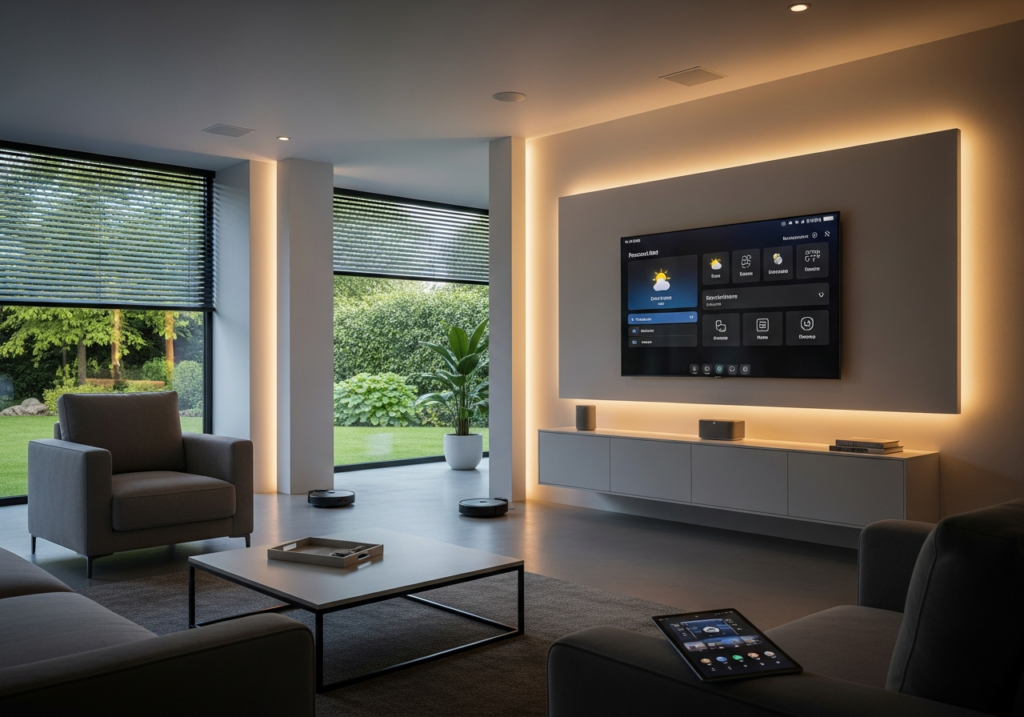
Future home trends clearly show that sustainability and smart living are no longer emerging ideas but defining elements of modern home design. As environmental pressures increase and technology continues to evolve, homes are being reimagined as efficient, responsive spaces that support both daily comfort and long-term wellbeing. Sustainable materials, energy-efficient systems, and smart home technologies are reshaping how people interact with their living environments.
Ultimately, the future of modern homes lies in mindful design choices that align with real household needs. By prioritizing sustainable living and functional smart technology, homeowners can create resilient living spaces that adapt over time, support environmental responsibility, and improve quality of life without unnecessary complexity.