

The average gas bill for 1 bedroom apartment renters runs about $30 to $80 a month, with most landing near $50 to $60 (Move.org, 2026). The catch is how much it swings: a heating-heavy winter can double or triple the summer figure, and a cold region costs far more than a mild one (U.S. Energy Information Administration [EIA], 2026). This Home Tips Daily guide breaks the number down by season and region, explains what drives it, and lists the habits that bring it down. If your place is all-electric, you may have no gas bill at all.
Figures are 2026 averages that vary by location, usage, and provider. Check your own bills and local rates.
What’s the Average Gas Bill for 1 Bedroom Apartment?
For a one-bedroom, the typical gas bill falls between about $30 and $80 a month, and the yearly average lands somewhere near $50 to $60 for most renters (Move.org, 2026). That covers gas used for heating, hot water, and a gas stove where the unit has them. Some apartments are all-electric, with no gas service and therefore no gas bill, so check what your unit actually uses. Where you do pay for gas, the monthly figure moves with the season more than anything else.
Average Gas Bill by Season
Season is the single biggest reason your gas bill changes month to month. In winter, heating can push the bill to two or three times its summer level, while summer bills often cover little more than hot water and cooking (EIA, 2026). The table shows the rough pattern.
| Season | Typical gas use | Relative bill |
| Winter (Dec to Feb) | Heating runs constantly | Highest, often 2 to 3x summer (EIA, 2026) |
| Spring (Mar to May) | Heating tapers off | Falling |
| Summer (Jun to Aug) | Hot water and cooking only | Lowest |
| Fall (Sep to Nov) | Heating starts up again | Rising |
Average Gas Bill by Region
Climate makes the region the second big factor. Cold parts of the country, like the Northeast and Midwest, run higher gas bills because heating season is long and intense, while the milder South and West pay less for gas, though they may spend more on summer electricity for cooling (EIA, 2026). EIA data tracks these regional differences.
| Region | Heating demand | Relative gas bill |
| Northeast | High, long winters | ~$60 to $80 (Higher) (EIA, 2026) |
| Midwest | High, cold winters | ~$50 to $70 (Higher) |
| South | Low, short winters | ~$30 to $50 (Lower) |
| West | Mild to moderate | ~$40 to $60 (Lower to moderate) |
What Affects Your Gas Bill
Your bill is not one fixed number. Several things push the average gas bill for 1 bedroom apartment renters up or down, and heating leads them all.
- Climate and season. Heating demand is the biggest driver, so a cold month or a cold region raises the bill most (EIA, 2026).
- Gas versus electric systems. If your heat, hot water, and stove all run on gas, the bill is higher than in a unit where those run on electricity.
- Building insulation and drafts. A poorly sealed or older building leaks heat, making the furnace work harder and the bill climb.
- Unit size and layout. A larger or open one-bedroom takes more gas to heat than a compact one.
- Usage habits. Thermostat setting, shower length, and how you cook all move the number.
- Local gas rates. The price per unit of gas varies by provider and region, so the same usage costs more in some markets.
How to Lower Your Gas Bill in a 1 Bedroom Apartment
>>> Deep Cleaning 1 Bedroom Apartment Cost: Is It Worth It?
A handful of low-cost habits cut a gas bill more than anything else, and most work best in winter:
- Lower the thermostat a few degrees. Every degree down in winter cuts heating gas, and a programmable or smart thermostat trims it further while you sleep or are out.
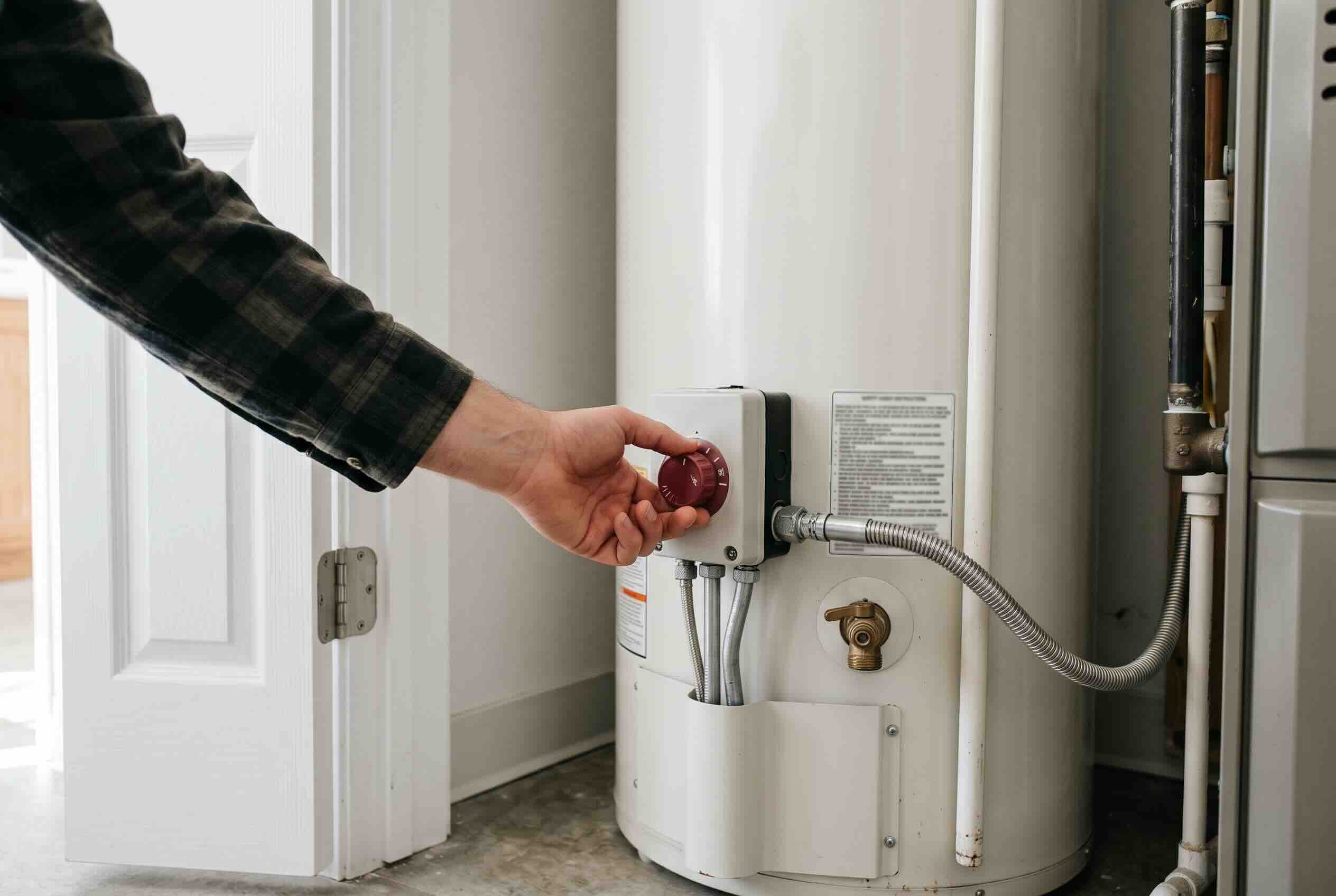
- Set the water heater to 120°F. Many are set higher than needed, so dropping to 120 degrees saves gas without a noticeable difference in your showers.
- Weatherstrip drafts. Sealing gaps around doors and windows keeps heated air inside, one of the cheapest ways to cut a winter bill, and the same sealing helps lower your electric bill in an apartment too.
- Take shorter hot showers. Hot water is a steady gas cost, so shorter showers and a low-flow head chip away at it year-round.
- Cover drafty windows. Removable film or heavy curtains add insulation to single-pane windows and keep heat from escaping.
FAQ
Why is my gas bill so high in a small apartment?
Usually heating, especially in winter or a drafty, poorly insulated building, since the furnace runs hard to keep up. An old furnace or water heater, a high thermostat, or long hot showers add to it. A sudden spike can also point to a rate increase or a leak worth checking.
Do you pay gas separately or is it included in rent?
It depends on the lease. Some buildings include gas in the rent, especially where units are not individually metered, while many bill it separately in your name. Confirm which before you sign, since it changes your real monthly cost.
What happens if you don’t pay your gas bill while renting?
The provider can shut off service, add late fees, and report the debt, which can hurt your credit, since gas in your name is your responsibility. Losing heat can also create a habitability problem, so contact the provider early if you are struggling to pay.
Does an old furnace or water heater raise the gas bill?
Yes. Older, less efficient equipment burns more gas for the same heat or hot water, so an aging furnace or water heater can noticeably raise the bill. When it is the landlord’s equipment, report inefficiency or problems in writing.
Is it cheaper to cook with a gas or electric stove?
Gas is often cheaper to run per meal where gas prices are low, though the difference is small next to heating and hot water. Cooking is a minor part of the average gas bill for 1 bedroom apartment living, so it rarely moves the total much.
Conclusion
Budget around $50 to $60 a month for gas in a one-bedroom, knowing it will run lighter in summer and heavier in a cold-winter month. Heating is what drives the average gas bill for 1 bedroom apartment living up or down, so the biggest savings come from the thermostat, the drafts, and the water heater rather than the stove. Set realistic expectations for winter, apply a few of the fixes above, and the bill stays manageable across the year.