

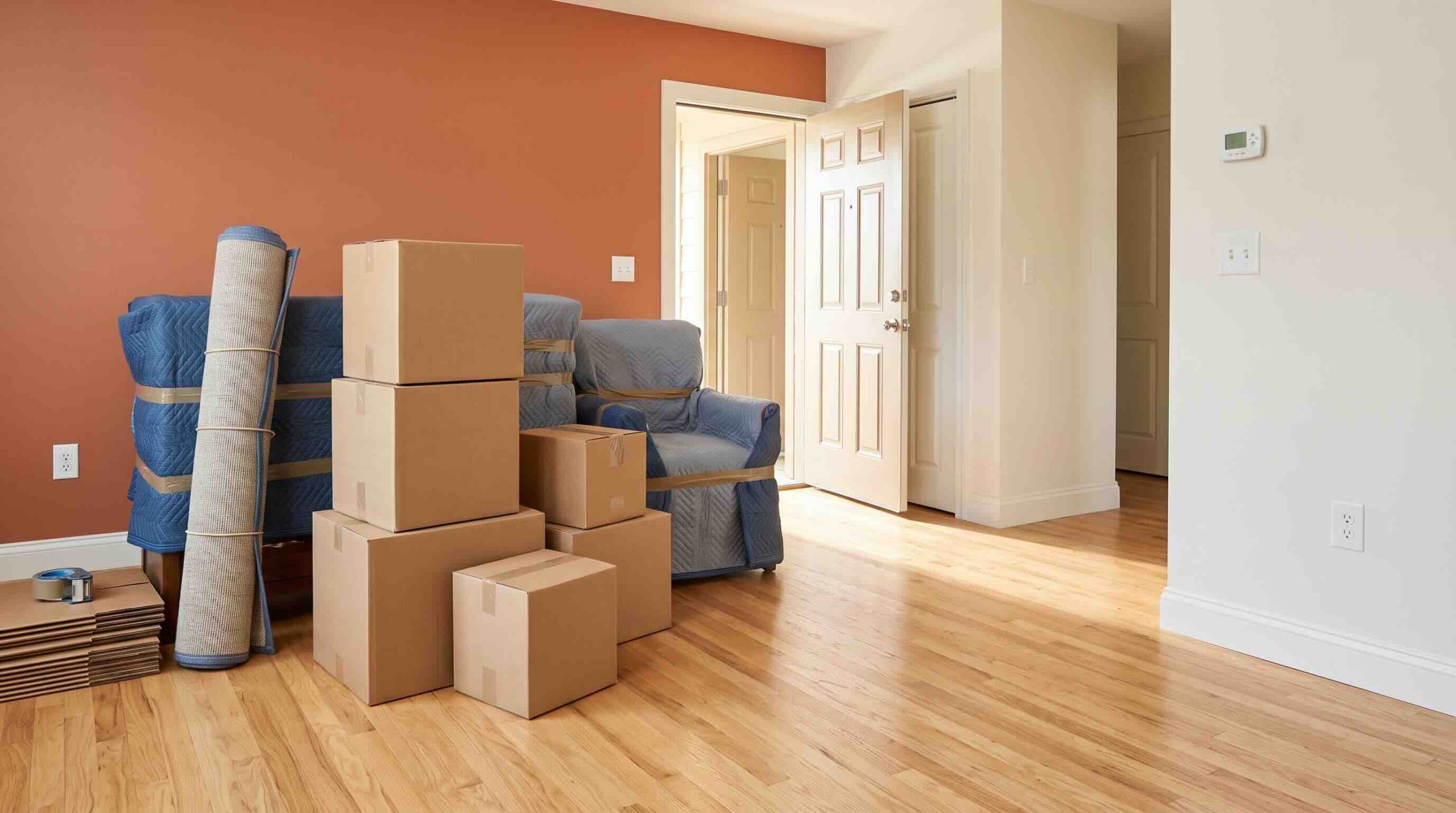
A local one-bedroom move usually runs somewhere between $400 and $1,600, while a long-distance one climbs to $2,000 to $5,000 or more, with the national average landing around $1,850 (moveBuddha, 2026). Those ranges are wide because the cost to move a one-bedroom apartment depends on distance, weight, access, and timing, not just the size of your place. This guide breaks down where the money goes, the hidden fees that pad the bill, and the moves that cut it. Treat the numbers as starting points, then get quotes for your own move.
Figures here are 2026 national-average estimates that vary by location, company, and date. Get quotes for an accurate number.
How Much Do Movers Cost For a One-Bedroom Apartment?
The price splits into three broad options, from doing it yourself to full-service long-distance movers. The table shows the typical ranges.
| Option | Typical cost | Notes |
| DIY (truck rental) | ~$150 to $600 | Rental truck, gas, and supplies; you do the labor (U-Haul, 2026) |
| Local movers | ~$400 to $1,600 | Hourly, usually 2 to 3 movers for a half day |
| Long-distance movers | ~$2,000 to $5,000+ | Priced by weight and distance (Federal Motor Carrier Safety Administration [FMCSA], 2026) |
What Affects the Cost to Move a One-Bedroom Apartment
The same-size move can cost hundreds more or less depending on the details, and these six factors explain why.
Distance (Local vs Long-Distance)
The biggest single factor is how far you are going. A local move, generally under 50 to 100 miles, is usually billed by the hour, while a long-distance move is priced by weight and mileage, which is why crossing state lines multiplies the cost.
Weight and Volume
Movers estimate a one-bedroom at roughly 1,800 to 3,500 pounds, and long-distance pricing rides directly on that weight. The more you own, the more you pay, which is why decluttering before a long move saves real money.
Labor and Number of Movers
Local moves are usually priced by the hour and the crew size, often two or three movers for a one-bedroom. More belongings or a tight timeline means more movers or more hours, both of which raise the bill.
Building Access (Stairs, Elevator, Long Carry)
Stairs, a long walk from the door to the truck, or a reserved elevator all slow a crew down and add labor charges. A third-floor walk-up costs more to move than a ground-floor unit with a loading dock. Mention your access when you get a quote so it is priced in from the start.
Packing Services and Supplies
Having the movers pack for you adds convenience and cost, while packing yourself saves labor but takes time. Boxes, tape, and padding add up too, though free and reused boxes cut that to near zero.
Time of Year and Day
The timing of your move directly impacts the total cost. Summer, weekends, and the start and end of the month are peak times that cost more, while a weekday in the off-season, roughly October through April, is cheaper and easier to book.
Cost to Move a One-Bedroom Apartment by City
Where you move shifts the price, since labor rates, parking, and building access vary by market. Dense, expensive cities like New York and Los Angeles sit at the higher end of the ranges above, while more spread-out, lower-cost metros like Houston tend to land lower, and cities like Miami fall in between (RentCafe, 2026).
| City | Typical local one-bedroom move |
| New York, NY | ~$800 to $1,050 |
| Los Angeles, CA | ~$493 to $900 |
| Miami, FL | ~$670 to $834 |
| Houston, TX | ~$330 to $1,000 |
Hidden Moving Costs to Watch For
The quoted price is rarely the final price. Several extras can pad the cost to move a one-bedroom apartment beyond the base estimate, so budget for these before they surprise you:
- Valuation and insurance. Basic mover coverage is minimal, often around 60 cents per pound, so full-value protection or third-party insurance costs extra but protects your belongings.
- Heavy or specialty item fees. Pianos, safes, gym equipment, and oversized furniture often carry surcharges.
- Elevator, stair, or long-carry surcharges. Difficult access is frequently billed on top of the base rate.
- Last-minute supplies. Running out of boxes or tape mid-move means buying at full price, so stock up early or reuse.
- Tipping. It is customary to tip movers, commonly 10 to 20 percent of the bill, or roughly $4 to $5 per mover per hour for a good job.
DIY vs Hiring Movers: Which Is Cheaper?
>>> See more: Can 2 People Live in a 1 Bedroom Apartment? Rules and Tips
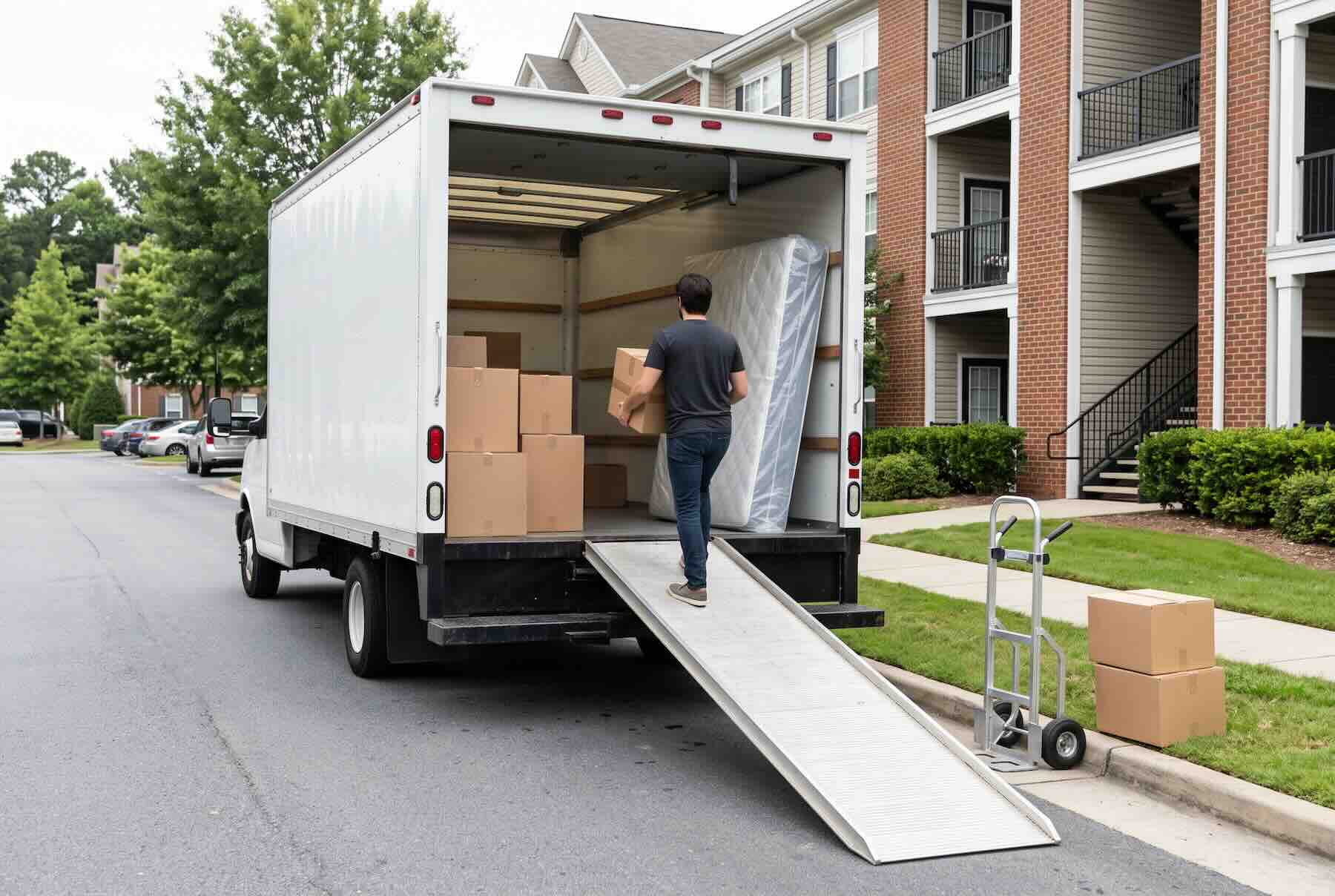
DIY is usually cheaper on paper, since you pay for a truck and supplies instead of labor, but it costs your time and effort and carries the risk of damage or injury. Full-service movers cost more while handling the heavy lifting, the driving, and often the packing. The right call depends on your budget, your distance, and how much you value your weekend.
| DIY (truck rental) | Hiring movers | |
| Cost | Lower | Higher |
| Effort | High, you do it all | Low |
| Speed | Slower | Faster |
| Risk | On you | On the movers |
| Best for | Short moves, tight budgets | Long moves, no time, heavy items |
How to Lower the Cost of Your Move
A few moves cut the bill the most, and none of them mean spending more:
- Declutter before you pack. Less weight and volume means a smaller, cheaper move, especially long-distance, so sell or donate what you will not miss.
- Pack yourself. Doing your own packing skips the biggest labor add-on, and starting early keeps it from swallowing moving week. Knowing how many boxes it takes to move a one-bedroom helps you buy the right amount.
- Book off-peak. A weekday in the middle of the month, in the October-to-April off-season, costs less than a summer weekend.
- Compare three quotes. Prices vary between companies, so get at least three written estimates and confirm what each one includes.
- Use free or reused boxes. Grocery stores, buy-nothing groups, and friends who recently moved are free sources that cut supply costs to near zero.
FAQ
How much should you tip movers for a one-bedroom?
A common guideline is 10 to 20 percent of the total bill split among the crew, or roughly $4 to $5 per mover per hour for solid work. Tip more for stairs, heat, or heavy items, and it is fine to hand it out at the end of the job.
How much does a one-bedroom move cost with just boxes and no furniture?
The cost to move a one-bedroom apartment drops sharply with just boxes and no furniture, since weight and labor fall away. A box-only move can be a small DIY trip or a cheap hourly booking, and shipping boxes long-distance may even beat a full mover for a light load.
How is moving a studio cheaper than a one-bedroom?
A studio has less to move, so it weighs less, takes fewer hours, and needs fewer boxes, which lowers every part of the bill. Expect a studio move to run below the one-bedroom ranges here.
Conclusion
For a one-bedroom, plan on roughly $400 to $1,600 to move across town and $2,000 or more to move across the country, then adjust for your specifics. What pushes the cost to move a one-bedroom apartment up or down is mostly distance, stairs, weight, and the week you book, more than the furniture itself. Declutter before you pack, book off-peak, and compare three quotes, and you can often shave hundreds off the bill. Home Tips Daily has more guides for moving smart and spending less.