

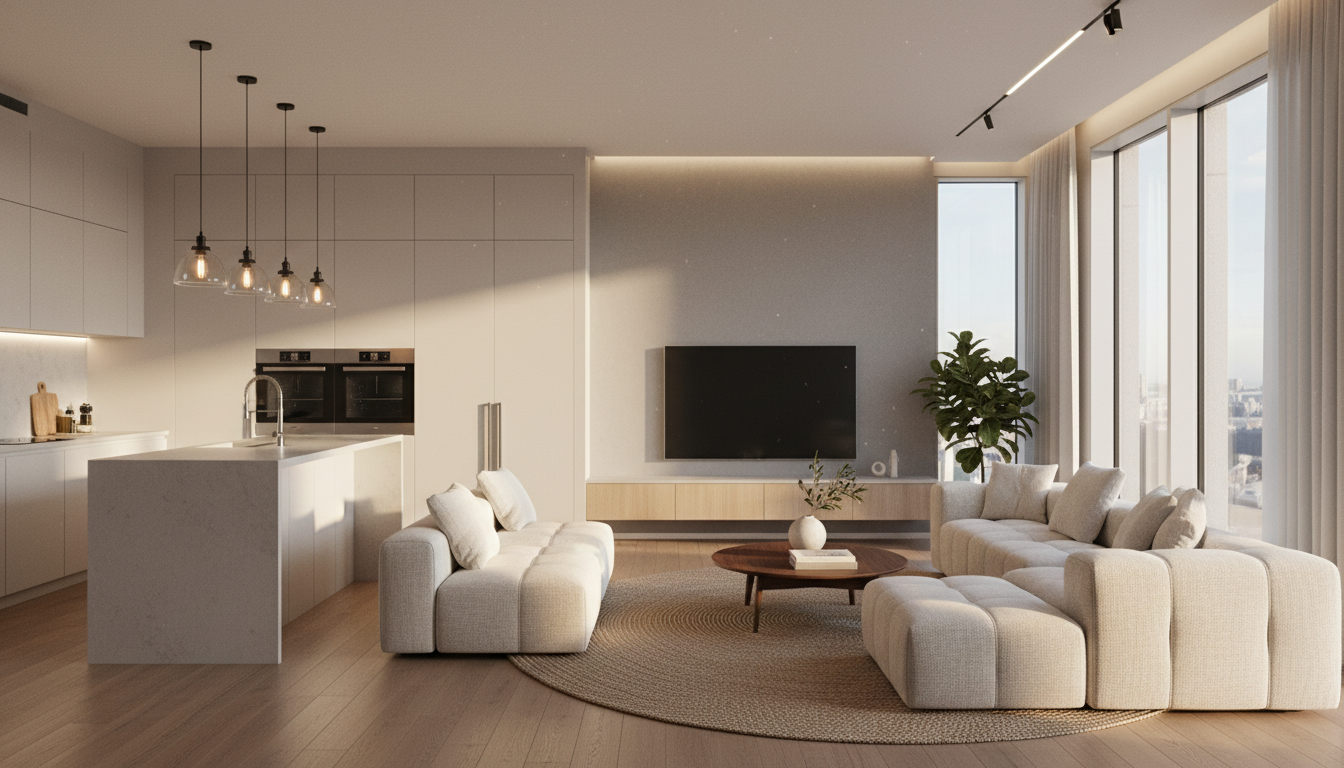
A home can look beautiful and still feel frustrating to live in if the layout, storage, and daily-use details don’t support real routines. Smart functional interior design focuses on practical comfort: clear pathways, easy organization, durable finishes, and simple upgrades that reduce stress and save time. If you’re refreshing a few rooms or planning a bigger update, these ideas can help you create a home that works better every day without losing style.
Start With Function First and Style Second
The fastest way to improve everyday living is to design around how you move through the home. Think about morning routines, meal prep, laundry, remote work, and how you unwind at night. If a space looks great but creates bottlenecks or forces constant tidying, it won’t feel comfortable long term.
Begin by identifying friction points. Maybe shoes pile up at the entry, cords clutter the living room, or the kitchen lacks landing space near the fridge. A functional plan addresses those issues before you pick paint colors or décor. Once your home flows well, styling becomes easier because you aren’t decorating around a daily mess.
Improve Traffic Flow With Simple Layout Tweaks
Many homes feel cramped even when they aren’t small, simply because furniture blocks movement. Clear circulation paths reduce stress, prevent accidents, and make rooms feel more spacious.
Aim for a natural “loop” where possible, especially in open plan living areas. Avoid placing furniture in a way that forces people to squeeze between a sofa and a coffee table or step around an awkward corner. In tighter rooms, consider smaller side tables, nesting tables, or wall-mounted shelves to free up floor space.
If you’re remodeling, widen key pinch points. Small adjustments like shifting a doorway or changing a swinging door to a pocket or barn-style track can dramatically improve usability. In rentals, even swapping a bulky chair for a slimmer one can make movement feel smoother.
Build Storage That Matches Your Actual Habits
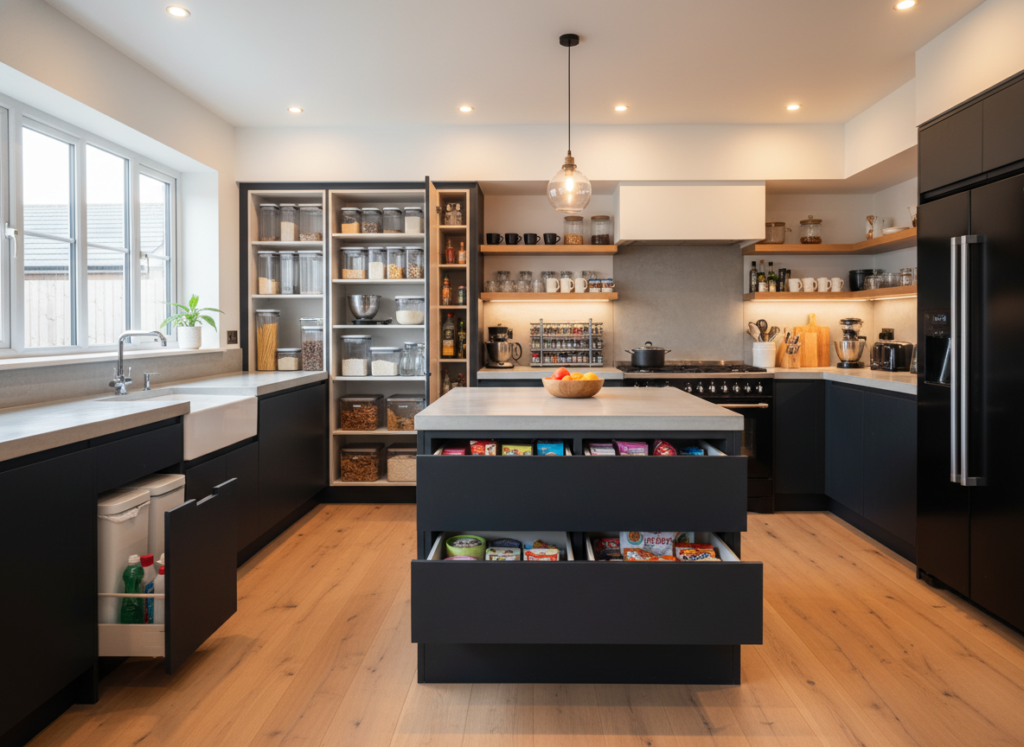
A functional home doesn’t rely on constant discipline. It relies on storage that supports how you already live. Instead of adding random bins everywhere, create storage zones that align with daily routines.
An effective approach is to build storage where clutter tends to land. If mail and keys collect on the kitchen counter, add a tray, wall hooks, and a small drawer unit nearby. If backpacks end up in the hallway, install hooks at the right height and add a narrow bench for putting on shoes.
Closed storage helps spaces look calmer, especially in living rooms and bedrooms. Consider furniture with hidden compartments, such as storage ottomans, beds with drawers, and media consoles with doors. Open shelving can work too, but it needs consistent organization to avoid visual noise.
Design an Entryway That Reduces Household Chaos
Even a small entry can improve the entire home’s organization. The goal is to create a reliable drop zone so everyday items don’t spread into other rooms.
A functional entry typically includes a place to sit briefly, a spot for shoes, and hooks for bags and jackets. If you don’t have room for a bench, a slim shoe cabinet and sturdy wall hooks can still do the job. A mirror near the door makes the space feel larger and helps with quick checks before heading out.
For households with kids or pets, add a dedicated bin for leashes, umbrellas, or sports gear. When every item has a home near the entry, you’ll spend less time searching and less time cleaning up.
Create a Kitchen Layout That Saves Steps and Time
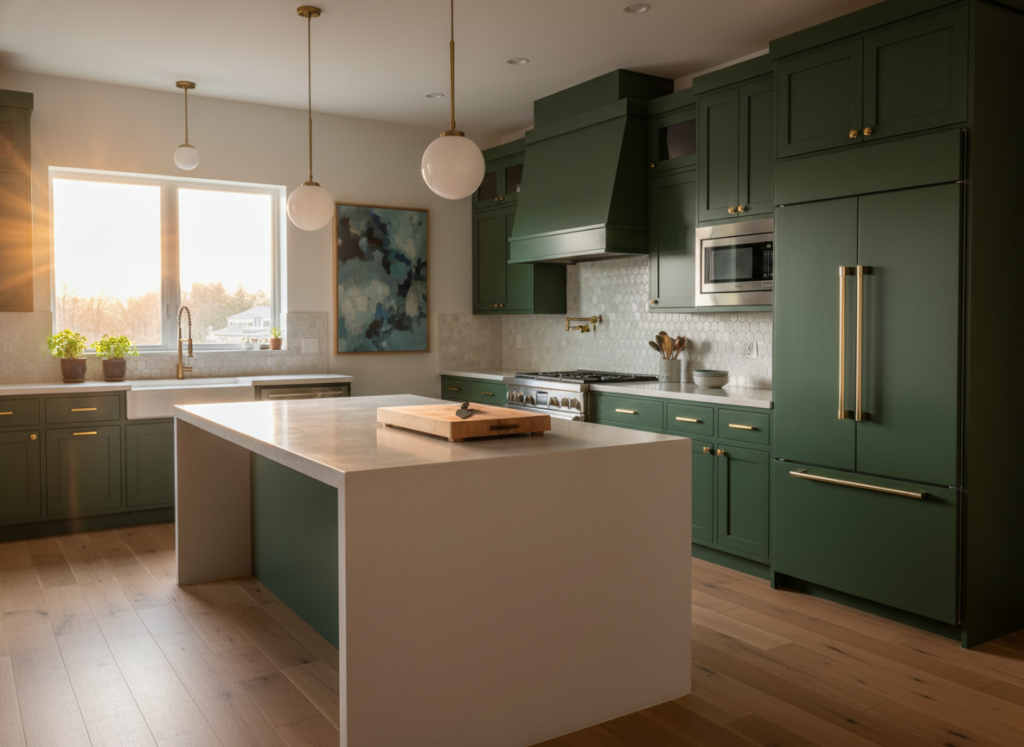
Functional interior design often shows its value most clearly in the kitchen. Cooking gets easier when storage and work zones are planned around how you prep, clean, and serve meals.
Keep daily-use items close to where they’re used. Store cutting boards and knives near your main prep surface. Place dishes near the dishwasher for fast unloading. Keep spices close to the stove, and avoid storing heavy pots in high cabinets.
If you’re renovating, prioritize sufficient landing space near the fridge and microwave, plus an uncluttered prep zone. Good lighting is another practical upgrade. Under-cabinet lights reduce shadows and improve safety when chopping and cooking. A pull-out trash and recycling setup can also make cleanup quicker and more hygienic.
Make Bathrooms Easier With Better Layout and Finishes
Bathrooms tend to feel messy because they’re small, humid, and used multiple times a day. A few functional changes can improve daily routines immediately.
Choose storage that separates categories, such as drawer dividers for grooming items and lidded containers for backups. Wall-mounted shelves or recessed niches can reduce countertop clutter. If you share a bathroom, consider adding double towel hooks, extra lighting at the mirror, and a second set of everyday essentials to avoid constant moving and restocking.
Finishes matter too. Easy-clean surfaces reduce time spent scrubbing. Matte finishes can hide fingerprints, while well-sealed tile grout helps prevent staining. Ventilation is also key. A properly sized exhaust fan helps control moisture and reduces the chance of mildew buildup.
Use Lighting That Supports Real Tasks
Lighting should match what happens in the room. A single overhead fixture rarely provides the comfort or functionality most households need. Layered lighting improves everything from cooking to reading to relaxing at night.
In kitchens and bathrooms, prioritize task lighting that reduces shadows. In living rooms and bedrooms, add lamps and dimmers so the space can shift from bright daytime use to softer evening settings. In hallways, stairwells, and closets, motion-activated lighting adds convenience and improves safety without leaving lights on all day.
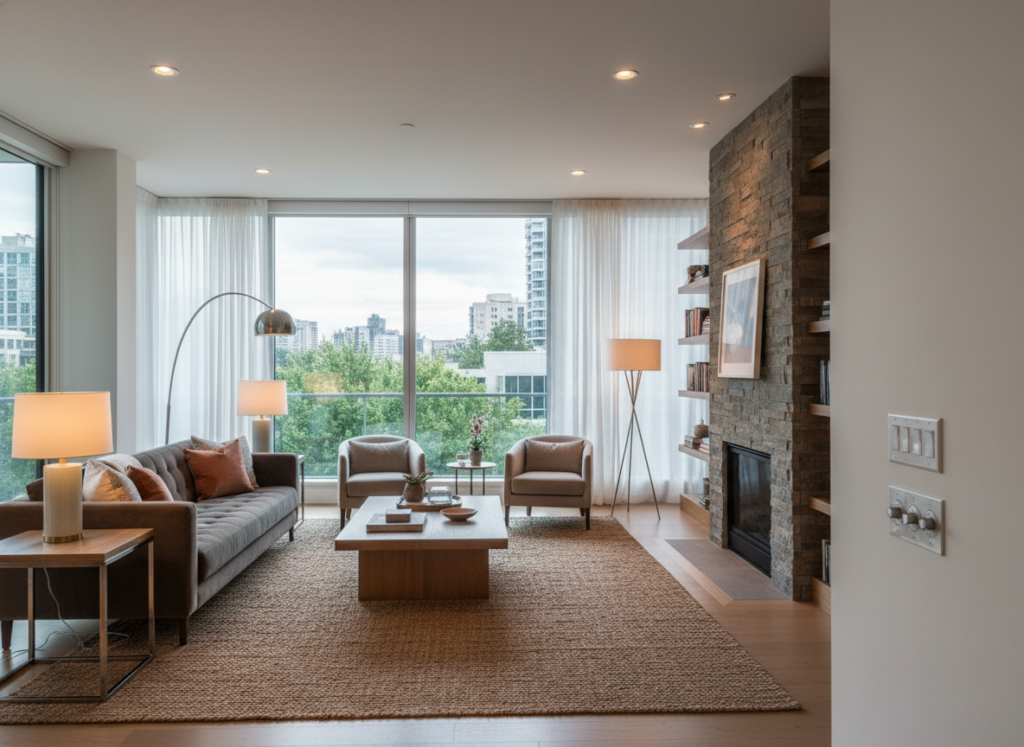
Natural light supports comfort too. If you can, keep window treatments flexible so you can adjust privacy while still letting in daylight.
Choose Materials That Can Handle Everyday Wear
Functional design goes beyond storage solutions and floor plans; it includes selecting durable finishes that can handle everyday wear and tear. Durable materials reduce repairs, prevent constant touchups, and make the home feel easier to maintain.
In high-traffic areas, consider flooring that’s resilient and easy to clean, such as quality engineered wood, luxury vinyl plank with a strong wear layer, or well-sealed tile. Washable, stain-resistant upholstery can be a game changer for families and pet owners. For walls, scrubbable paint finishes work well in hallways, kitchens, and kids’ rooms.
If you’re replacing hardware, choose sturdy knobs and pulls that feel comfortable in the hand. Small upgrades like soft-close drawers and cabinets can also reduce noise and prevent wear over time.
Design a Home Office That Encourages Focus
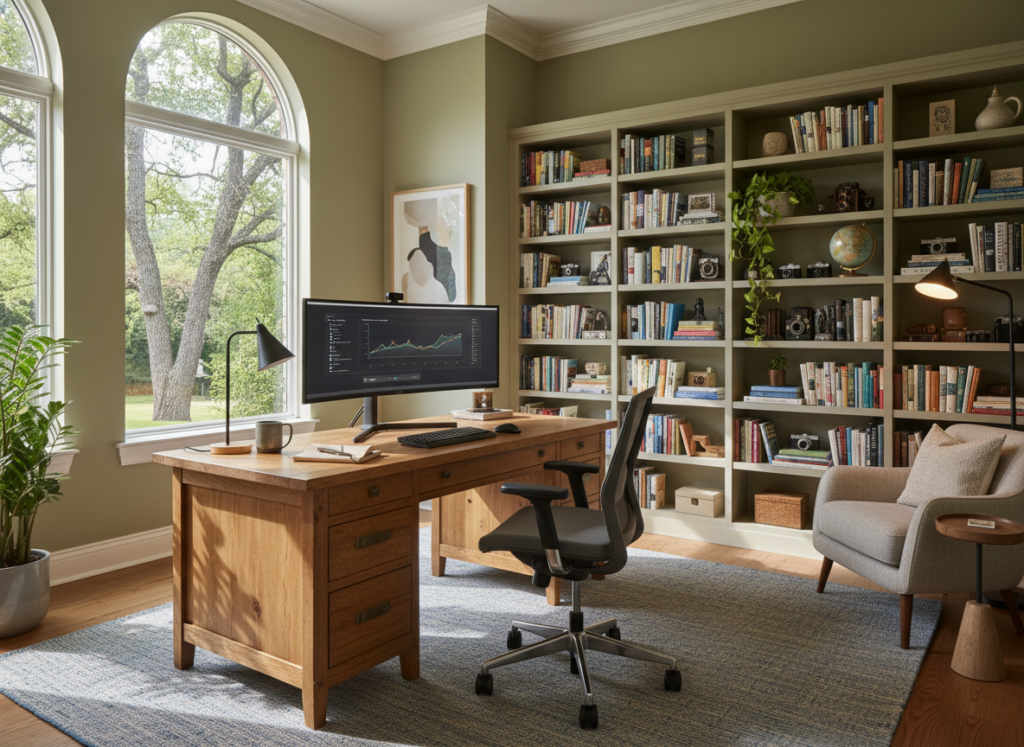
With more people working from home at least part of the week, a functional home office setup matters. It doesn’t need a dedicated room, but it does need boundaries and organization.
Start with a comfortable chair and proper lighting, then prioritize cable management to keep the space tidy. A small filing system for documents and a dedicated drawer for chargers can reduce daily clutter. If your office is in a shared area, consider a screen, curtain, or bookshelf to visually separate work from relaxation.
Acoustics also matter. A rug, curtains, or upholstered seating can reduce echo and make calls sound clearer, especially in apartments or open floor plans.
Add Smart Home Features That Genuinely Help
Smart technology can support functional living when it solves real problems instead of adding complexity. A smart thermostat helps manage comfort and energy use. Smart locks make it easier to manage busy entry routines. Voice or app-controlled lighting can simplify evenings and mornings, especially for households with varying schedules.
The most effective upgrades are subtle. Focus on systems that reduce repetitive tasks, such as scheduling lights, controlling temperature remotely, and improving home security. Keep devices consolidated and plan for discreet placement of routers and hubs so they don’t become visual clutter.
Keep Clutter Low With Simple, Repeatable Systems
A functional home is easier to maintain when organization is built into daily habits. The goal isn’t perfection. It’s making tidying quick and predictable.
Two practical strategies help in most homes. First, create a “reset routine” that takes five to ten minutes each evening, focused on clearing surfaces and returning items to their zones. Second, use containers to group like items, especially in pantries, linen closets, and under-sink areas. Grouping makes it easier to see what you have and prevents overbuying. Use a few labels where it helps, but don’t label everything. If a system feels complicated, it won’t last.
Conclusion
Smart functional interior design makes everyday living easier by reducing friction, improving organization, and choosing materials that hold up over time. When you prioritize flow, storage zones, layered lighting, and durable finishes, your home becomes more comfortable and less demanding to maintain. Add a few smart upgrades that support your routines, and you’ll spend less time managing your space and more time enjoying it. With a function-first plan and thoughtful details, a stylish home can also be the easiest home to live in.
Related Articles
- 15 Multipurpose Room Ideas to Create Efficient, Space-Saving, and Highly Functional Living Areas in Your Home
- 10 Thrift Store Finds for Home Organization to Save Money, Reduce Clutter, and Create Functional Spaces
- 12 Craft Corner Organization Ideas to Reduce Clutter and Create a Functional, Inspiring Creative Space