

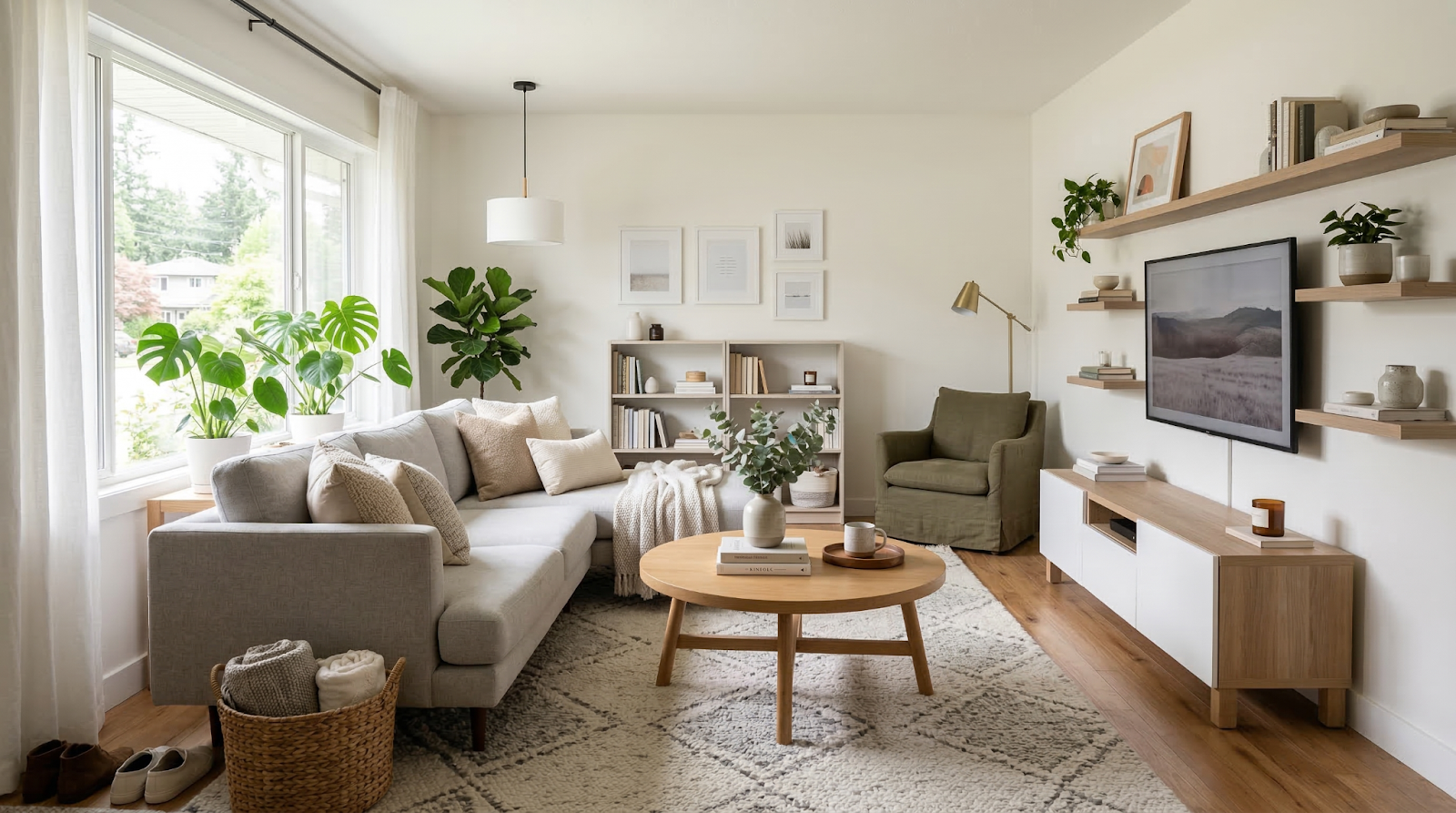
Keeping a home organized every day can feel difficult when life is busy, schedules change constantly, and clutter seems to return almost as quickly as it’s cleared away. The good news is that daily home organization usually comes down to a set of practical habits rather than a perfect system. With a few realistic changes, it becomes much easier to stay organized, reduce stress, and keep your home feeling clean, functional, and under control.
Why Daily Home Organization Makes Life Easier
A well-organized home supports more than appearance. It can save time, lower daily frustration, and make routines smoother from morning to night. When commonly used items are easy to find and clutter doesn’t pile up in every room, everyday life tends to feel more manageable.
For many households in the United States, home has to serve multiple purposes at once. It may function as a place to relax, work, study, cook, host, and recharge. That’s why organization matters. A clutter-free home helps each room work better and makes it easier to keep up with regular cleaning, family routines, and unexpected busy days.
1. Give Everyday Items a Permanent Home
One of the most effective home organization tips is also one of the simplest. Everyday items need a consistent place to live. When things like keys, chargers, mail, wallets, reusable bags, and school papers don’t have a designated home, they tend to end up scattered across counters and tables.
Permanent storage spots remove a lot of unnecessary decision-making. Instead of setting something down wherever there’s space, you already know where it belongs. That small shift makes it far easier to stay organized day after day.
2. Focus on Function Before Buying More Storage
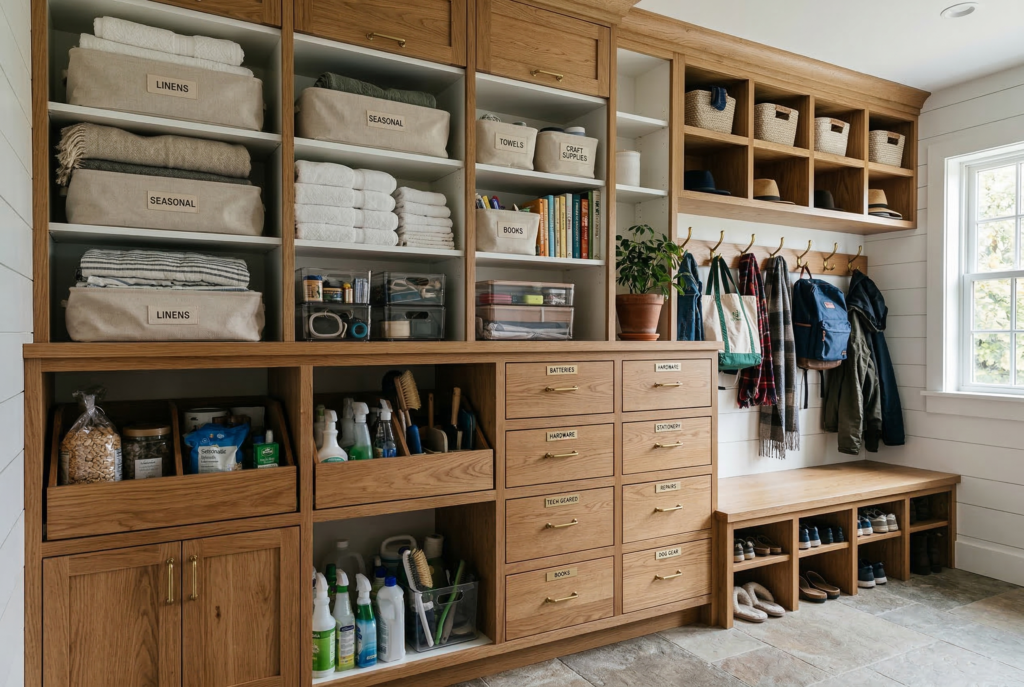
It’s tempting to think an organization problem can be fixed with more bins, baskets, or shelving. Sometimes extra storage helps, but it won’t solve clutter if the real issue is that too many items are being kept or the setup doesn’t match daily habits.
Before buying anything new, pay attention to where clutter collects most often. If shoes always end up by the front door, that area may need a better entryway solution. If paperwork piles up in the kitchen, that might be where a simple sorter belongs. Organization works best when it supports real behavior instead of forcing a system that looks good but doesn’t hold up in daily life.
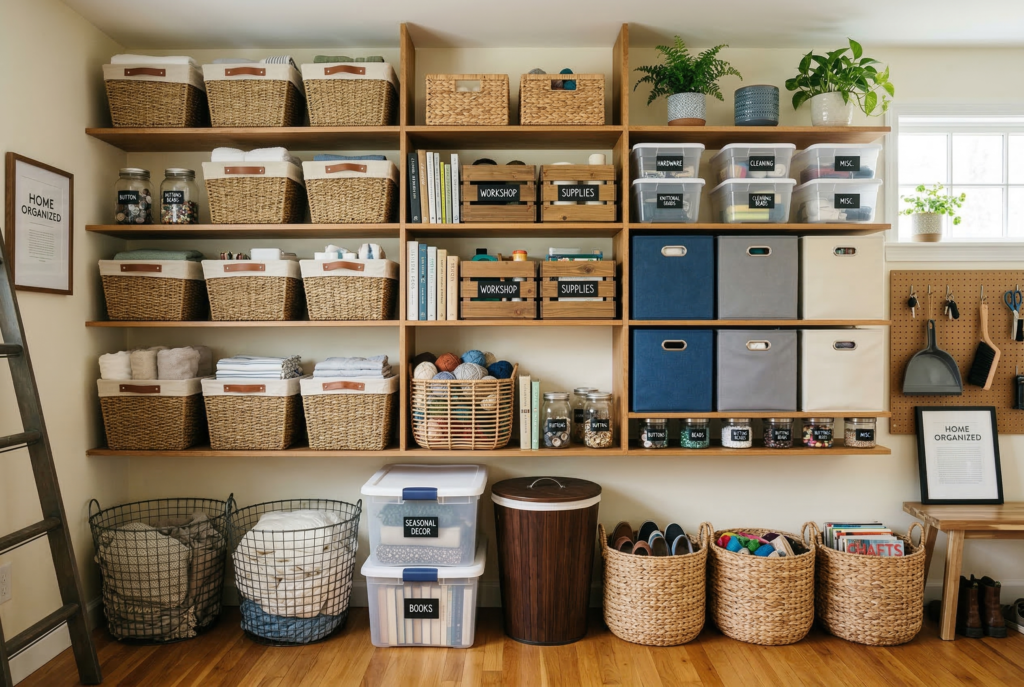
3. Keep Flat Surfaces as Clear as Possible
Counters, tables, dressers, and kitchen islands tend to attract clutter quickly. These surfaces often become default holding areas for everything from unopened packages to random household items that were never put away.
Keeping flat surfaces mostly clear can instantly make a home feel more organized. It also helps reduce visual stress, which makes rooms feel calmer and easier to maintain. You don’t need to remove every decorative object, but it helps to be selective. The fewer unnecessary items left out, the easier it is to clean and reset the room.
4. Use Small Daily Resets to Prevent Bigger Messes
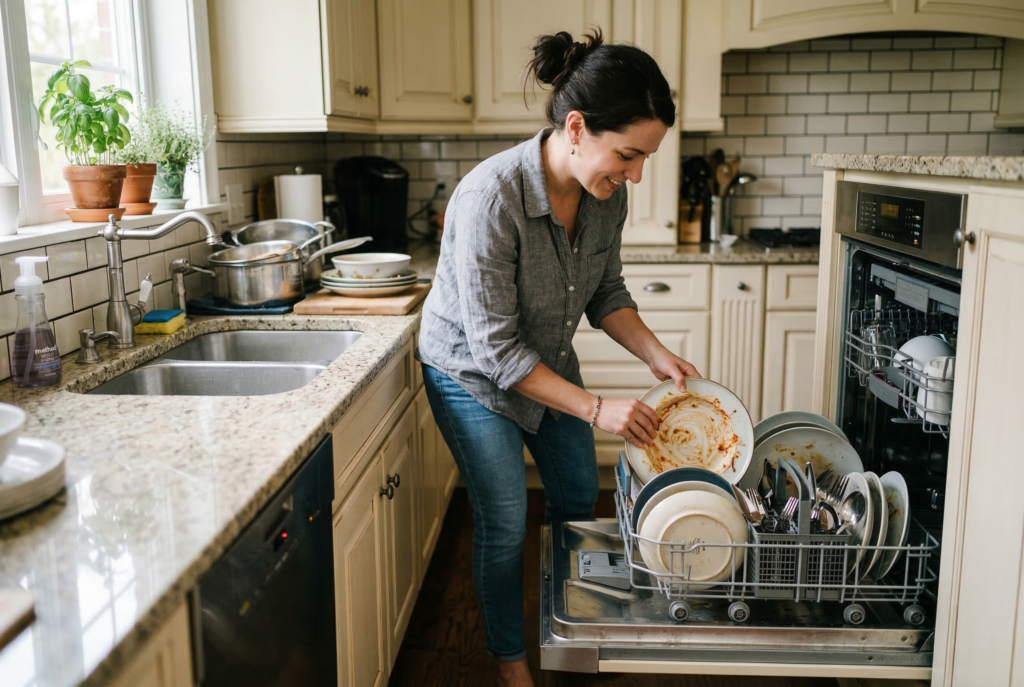
A home usually stays organized through short resets, not occasional marathon cleaning sessions. A few minutes in the morning or evening can keep clutter from building into something overwhelming.
This could mean putting blankets back in place, loading the dishwasher, tossing junk mail, folding a small pile of laundry, or returning items to their storage spots before bed. These quick resets are especially useful for busy households because they prevent mess from spreading across multiple rooms.
5. Organize by Routine, Not by Category Alone
Traditional organizing advice often focuses on categories, but daily home organization works even better when you think in terms of routines. Consider what you need in the morning, what tends to get used after work, and what creates stress during meal prep or bedtime.
For example, a coffee station near the mugs and filters makes mornings easier. A basket near the sofa for remote controls and chargers supports evening routines. A small bin in the bathroom for frequently used products keeps the start of the day running smoothly. When organization reflects the way people actually move through their home, systems become easier to maintain.
6. Make Entryways Work Harder
The entryway is one of the most important areas in any organized home because it sets the tone for what happens to clutter as soon as someone walks in. When this area isn’t functional, shoes, coats, backpacks, purses, and mail tend to spread into the rest of the house.
You don’t need a large mudroom to make this space work better. A few wall hooks, a narrow bench, a shoe tray, or a basket for grab-and-go items can make a big difference. A strong entryway system helps contain daily mess before it moves deeper into the home.
7. Stop Letting Paper Clutter Take Over
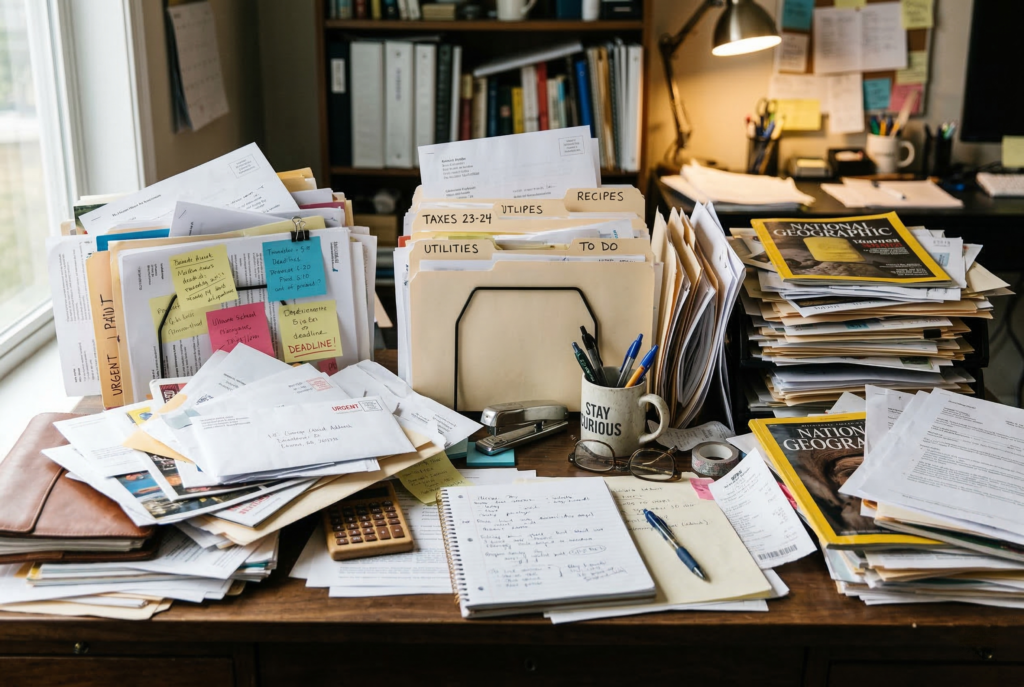
Paper clutter is one of the most common sources of household disorder. Bills, school forms, receipts, flyers, and notes can pile up quickly, especially when there’s no plan for processing them.
A simple paper routine can help keep this under control. Open mail regularly, recycle what isn’t needed right away, and keep one clearly defined place for important documents that need action. The key is to avoid letting papers drift from one surface to another. Once paper clutter starts spreading, it can make the entire home feel more chaotic than it really is.
8. Store Items Close to Where They’re Used
One of the smartest ways to stay organized is to store items where they naturally belong in daily life. This sounds obvious, but many homes end up with storage that looks tidy while making routines less convenient.
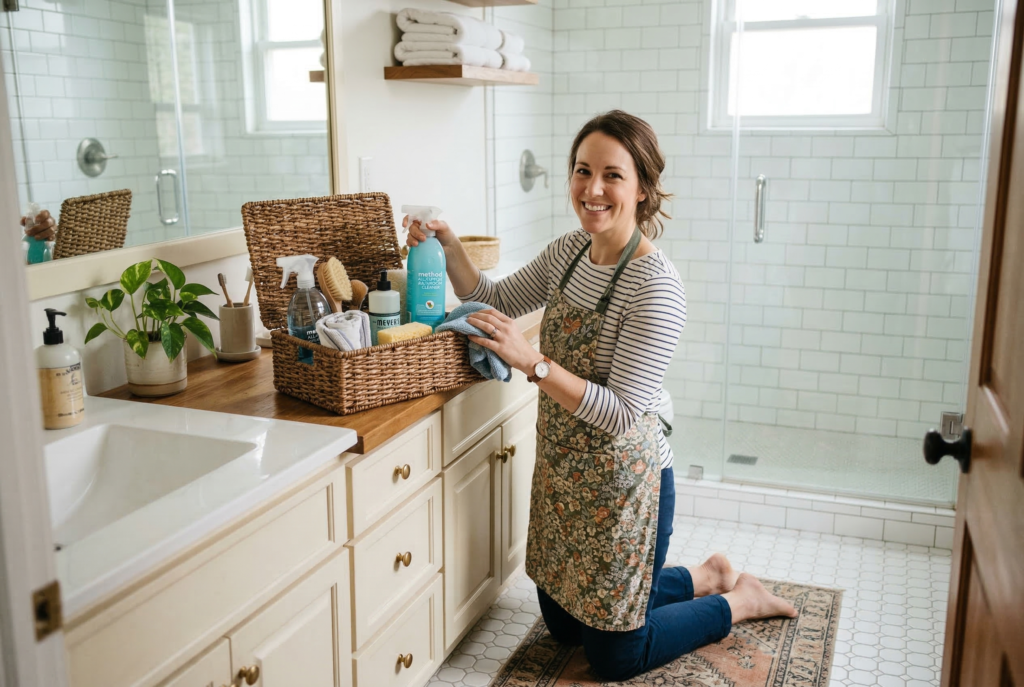
Cleaning supplies for the bathroom should be easy to reach from that bathroom. Cooking tools should be close to the prep space where they’re used most. Kids’ art supplies should live where kids actually use them, not in a distant closet that makes cleanup harder. Convenient storage increases the chances that items will be put away properly.
9. Limit Duplicates That Create Hidden Clutter
Duplicate items often build up quietly. Extra water bottles, extra food containers, multiple scissors, too many throw blankets, and backup toiletries can fill drawers and cabinets before anyone notices. While having a few extras is practical, too many duplicates create hidden clutter that makes storage harder to manage. Editing these categories regularly can free up a surprising amount of space. It also makes it easier to see what you already have, which can reduce unnecessary shopping and simplify daily routines.
10. Use Containers to Create Boundaries
Containers are most helpful when they define limits, not when they simply hide clutter. A basket for pet supplies, a bin for toys, or a tray for kitchen oils and seasonings creates a clear boundary for what belongs there.
That boundary matters because it helps prevent gradual overflow. Once a container becomes too full, it’s usually a sign that the category needs to be edited. This approach keeps organization realistic and gives every group of items a visible structure without making the home feel rigid.
11. Build Organization Into Cleaning Tasks
Cleaning and organizing work best when they support each other. A room is much easier to clean when clutter has already been reduced, and a home is much easier to organize when regular cleaning helps reveal what doesn’t belong.
As you vacuum, wipe counters, or straighten the living room, take a moment to notice what repeatedly ends up out of place. These patterns often reveal where a storage system isn’t working. Instead of treating clutter as a separate problem every time, use daily cleaning as a chance to fine-tune the way your home functions.
12. Keep Your Systems Simple Enough to Maintain
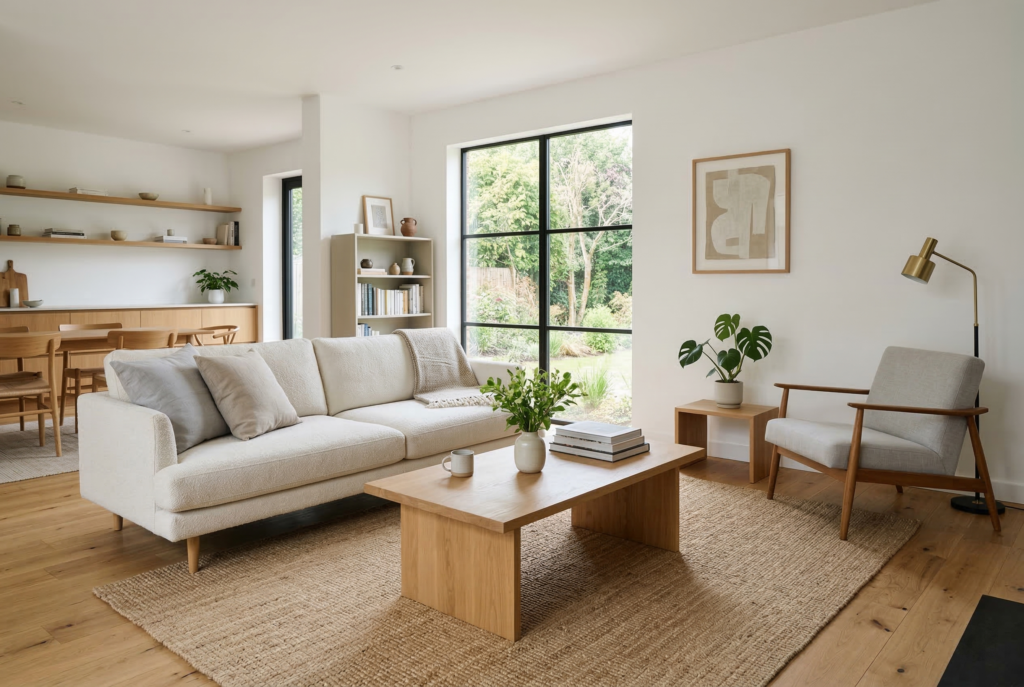
The best organization systems are usually the easiest ones to stick with. If a setup requires too many steps, too much folding, or too much effort to put things away properly, it probably won’t last. Simplicity matters more than perfection.
A clutter-free home doesn’t depend on elaborate labels or highly styled storage in every room. It depends on systems that fit real schedules, real habits, and real energy levels. When organization feels easy to maintain, it becomes part of everyday life rather than another task that keeps getting postponed.
Conclusion
Staying organized every day doesn’t require a spotless home or a perfectly styled system. It comes from practical habits, better storage decisions, and routines that reflect the way your household really lives. When everyday items have a place, surfaces stay clearer, and clutter gets handled in small doses, it becomes much easier to keep your home clutter-free without constant effort.
These simple home organization tips can help create a space that feels calmer, works better, and supports daily life more smoothly. Over time, even modest changes can make a noticeable difference in how your home looks, feels, and functions every single day.
Related Articles
- 5 Small Space Organization Hacks: Simple Tips to Maximize Space and Tackle Clutter
- 10 Practical Tips to Keep Your Home Clean and Organized Even with Kids and Busy Family Life