

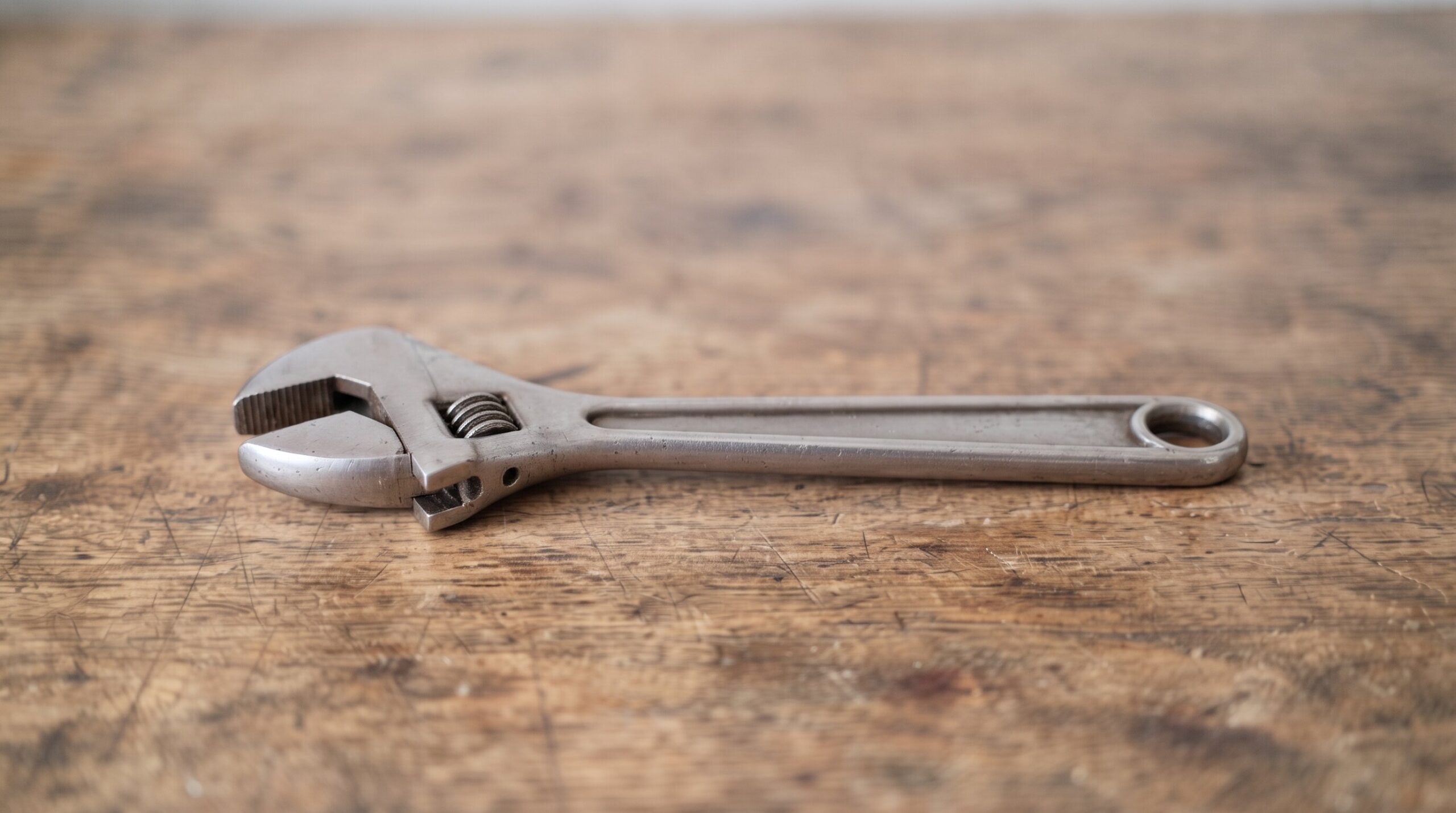
Rust has a way of making useful items look ruined before they actually are. A hand tool, bike part, grill grate, or old hardware can seem beyond saving, but in many cases it isn’t. The real question usually isn’t whether rust can be removed. It’s which method makes the most sense for the item in front of you. If you’re comparing a simple DIY soak with a commercial rust remover for metal, the best choice depends on how severe the rust is, how fast you need results, and whether the object has paint, rubber, or delicate finishes. If you’ve been wondering how to remove rust from metal without wasting time or damaging the surface, here’s the practical breakdown.
The Core Difference: Acids vs. Chelating Agents
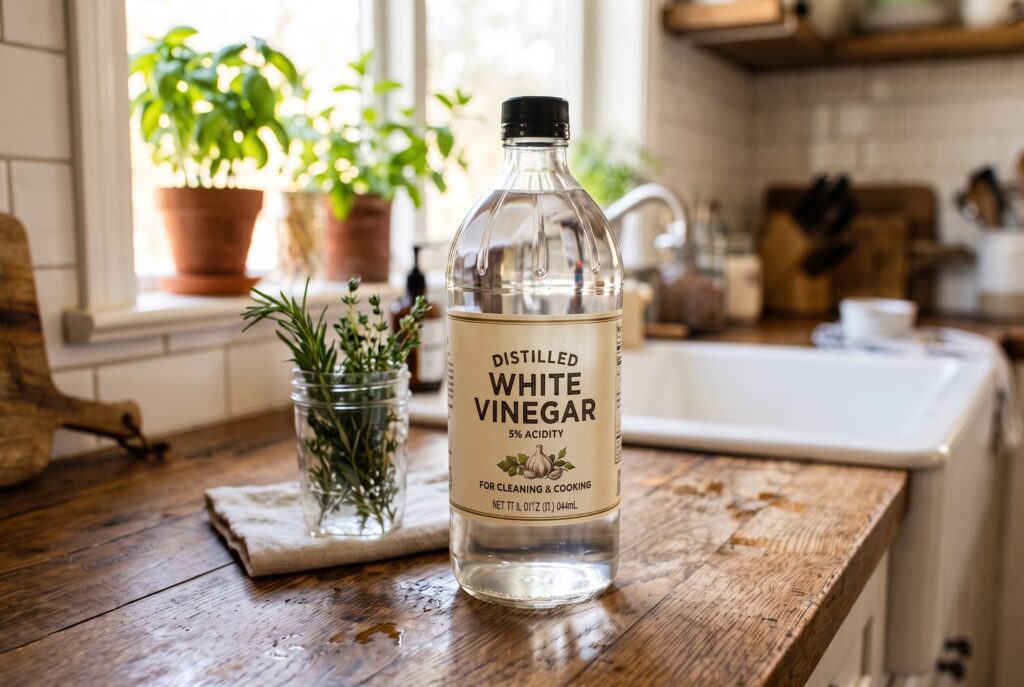
Most homemade methods work because acids loosen or dissolve rust. White vinegar is the classic example. It’s affordable, easy to find, and often effective on small to medium rust buildup. Add salt and the reaction becomes more aggressive, which is why many people treat it as a reliable DIY rust remover. The tradeoff is that acids don’t only target rust. If you leave the metal soaking too long, they can also affect the base surface, especially on softer metals or older finishes.

Store bought removers often work differently. Many modern soaking solutions use chelating chemistry, which targets rust while being gentler on the underlying metal. That’s why they’re often the better fit when you want a low scrub approach, need to preserve paint or plastic parts nearby, or don’t want to babysit the process. In other words, a DIY soak is cheap and accessible, while a commercial rust remover usually gives you more control and less mess.
The Best DIY Method: The Salt and Vinegar Soak
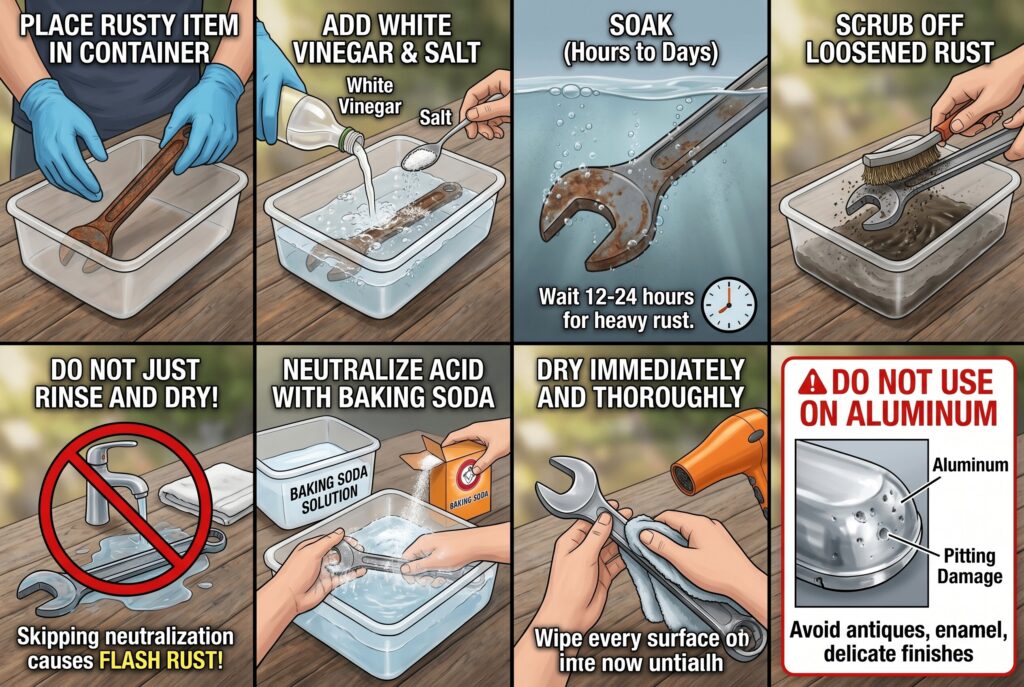
If you want the strongest pantry based method, the salt and vinegar soak is the one worth trying first. It’s especially useful for bare metal tools, old hardware, and small parts you can fully submerge.
Start by placing the rusty item in a container and covering it with white vinegar. Add salt to help speed up the reaction, then leave the item to soak. Light rust may loosen in a few hours, but more stubborn corrosion can need 12 to 24 hours. After soaking, scrub the surface with a brush, steel wool, or an abrasive pad until the loosened rust comes away.
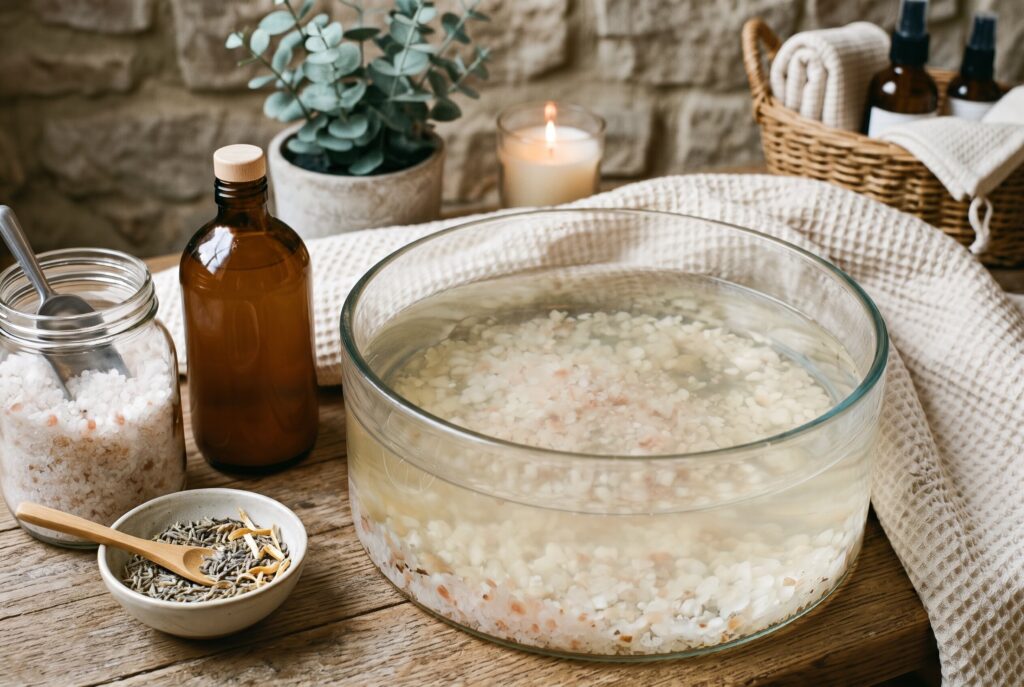
This is where many people make the mistake that causes rust to come back fast. After the item is clean, don’t just rinse it and walk away. If you want to know how to clean rust off metal properly, you need to neutralize the acid. Wash the piece in water mixed with baking soda, then dry it immediately and thoroughly. If you skip that neutralizing step, flash rust can appear surprisingly fast.
This method is inexpensive and effective, but it isn’t universal. Don’t use an acidic soak on aluminum. Vinegar can pit and damage it. You should also be careful with antiques, enamel coated pieces, and old finishes that may lift or discolor during soaking.
Top Store-Bought Solutions for Stubborn Rust
Sometimes DIY works, but it isn’t always the smartest route. For heavier rust, tight schedules, or parts that need a more controlled treatment, store bought products can save a lot of effort.
Evapo-Rust: The Ultimate Zero Scrub Soak
Evapo rust remover is one of the most practical options for people who want a no fuss soak. It’s popular because it removes rust effectively without being harsh on many surrounding materials. For tools, hardware, and parts with awkward shapes, it can be a huge time saver. If your main goal is minimal scrubbing, Evaporust is often the easiest upgrade from vinegar.
WD-40 Specialist Rust Remover Soak
WD 40 rust remover products are a solid choice for automotive parts, workshop tools, and metal components that need something stronger than a pantry solution. They’re useful when the rust is too stubborn for vinegar but you still want a relatively simple soak based treatment. For many users, this is the middle ground between DIY and heavy duty restoration work.
CLR and Rust Remover Spray for Large Surfaces
If the item is too big to soak, a CLR rust remover or rust remover spray may be the better route. These are practical for vertical surfaces, patio equipment, bike frames, outdoor fixtures, and grill parts. A spray format makes sense when immersion isn’t realistic and when you need to target visible rust patches quickly. For broad surface cleanup, this can be far more convenient than trying to improvise with bowls of vinegar and repeated wiping.
Head to Head Comparison: Vinegar vs. Commercial Soaks
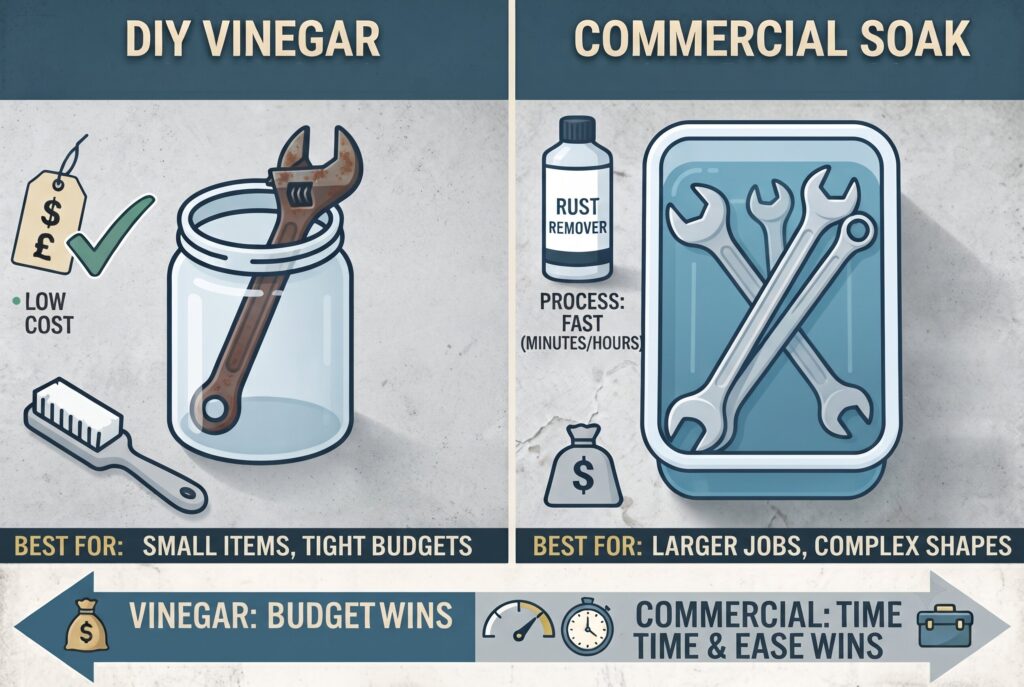
The biggest advantage of vinegar is cost. Nearly everyone already has it, and it works well enough for many small restoration jobs. The downside is time and effort. It can be slow, it usually needs scrubbing, and it can be risky on certain finishes or metals.
Commercial soaks cost more upfront, but they often work faster and with less labor. They’re also usually the safer choice when you’re dealing with painted sections, plastic adjacent parts, or shapes that are hard to scrub by hand. If you only need to clean one rusty bolt, vinegar may be enough. If you’re restoring multiple tools or trying to save time, a dedicated rust remover often earns its price. So if you’re comparing rust remover options in plain terms, DIY wins on budget, while commercial products win on speed, ease, and flexibility.
Warning: Critical Mistakes to Avoid
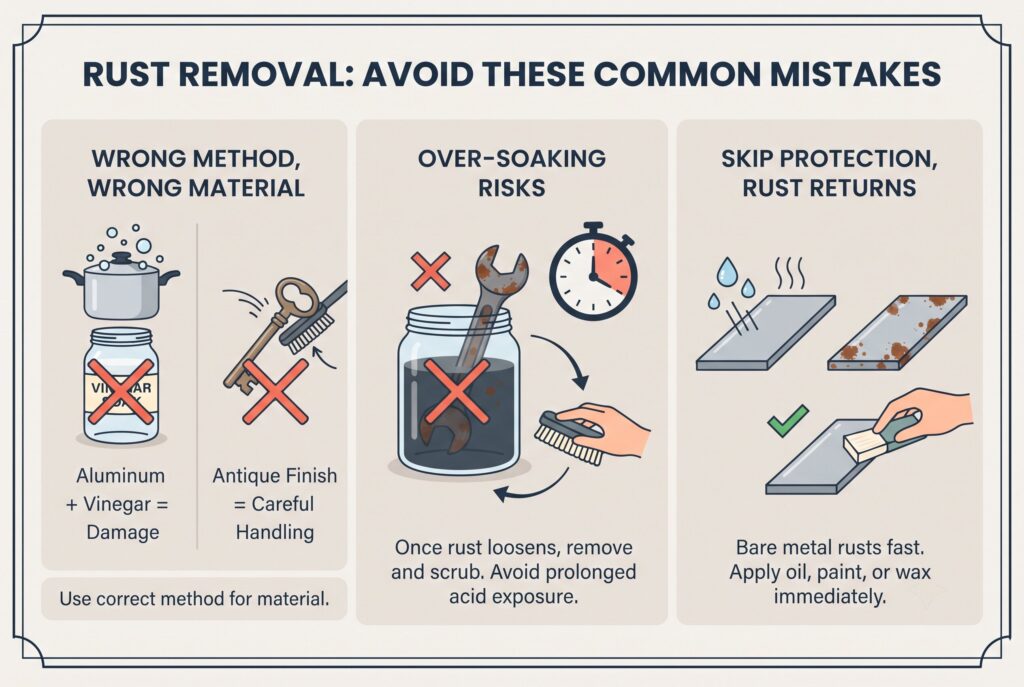
The first mistake is using the wrong method on the wrong material. If you’re figuring out how to get rust off metal, don’t assume every metal reacts the same way. Aluminum should stay away from vinegar based soaks. Delicate antique finishes should also be treated carefully, because aggressive cleaning can remove more than just rust.
The second mistake is over soaking. People often think longer always means better, but once rust loosens, the item should be removed, scrubbed, neutralized, and dried. Leaving it sitting in acid for too long creates unnecessary risk. The third mistake is skipping the protection step. Rust removal is only half the job. Bare metal exposed to moisture can start corroding again almost immediately.
Conclusion
Once the rust is gone, dry the metal completely. Then add protection. A light coat of mineral oil works well for tools and bare metal pieces. A clear protective spray can make more sense for decorative or outdoor items. The point is simple: don’t leave freshly cleaned metal exposed.
So what’s the best rust remover for metal? For small bare items and budget friendly cleanup, salt and vinegar still works well. For stubborn rust, sensitive surfaces, or low scrub convenience, a commercial rust remover is usually the smarter choice. Either way, if you remove the rust carefully, neutralize the surface, and seal it afterward, the item doesn’t have to stay rusty for long.
Related Articles
- Best Rust Remover Spray? How to Clean Rust Off Metal Fast
- How to Get Rust Off Stainless Steel: The Safe and Easy Way