

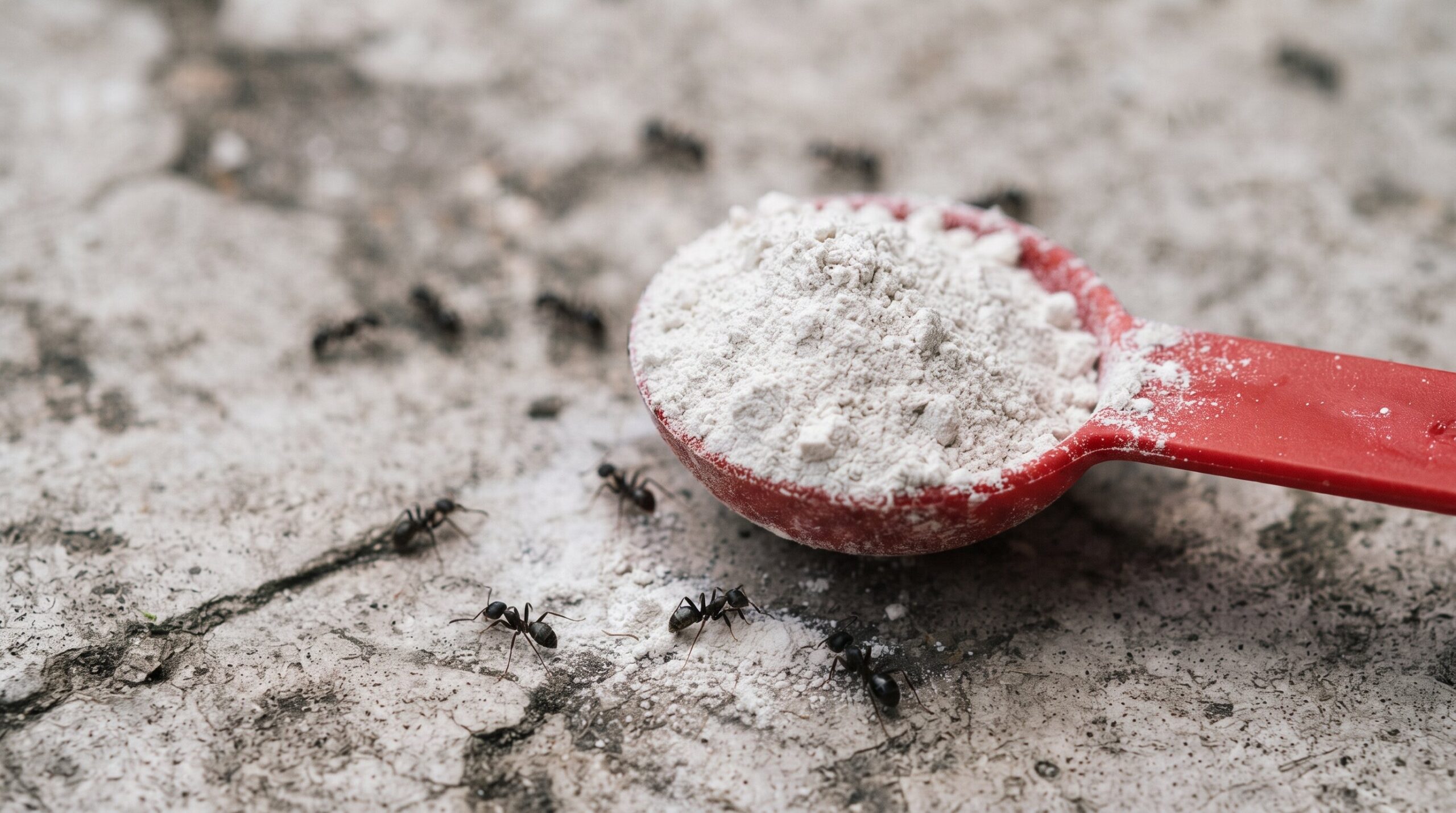
Does diatomaceous earth kill ants? Yes, food-grade diatomaceous earth can work as a natural ant killer when ants walk through it. It doesn’t poison them like a chemical spray. Instead, DE damages their outer coating and dries them out over time. The key is applying it correctly. If you dump too much powder, ants may simply walk around it. If it gets wet, it stops working. Used the right way, diatomaceous earth ants treatment can reduce indoor trails and help you keep ants away without harsh sprays. If you’re wondering, does diatomaceous earth kill ants effectively in the long term, the answer depends on consistent dry application and proper placement along ant paths.
The Science: How Diatomaceous Earth Actually Works
Diatomaceous earth is made from fossilized algae called diatoms. On a microscopic level, the particles have sharp edges. When ants crawl over the powder, it scratches and disrupts the protective waxy layer on their bodies. Once that outer layer is damaged, ants lose moisture and slowly dehydrate. This is why DE is considered a natural ant killer, but it requires patience. It may take two to three days before you notice a major drop in ant activity. It also works only on ants that touch it. It doesn’t automatically reach the queen or hidden colony.
Rule 1: Always Buy Food-Grade Diatomaceous Earth
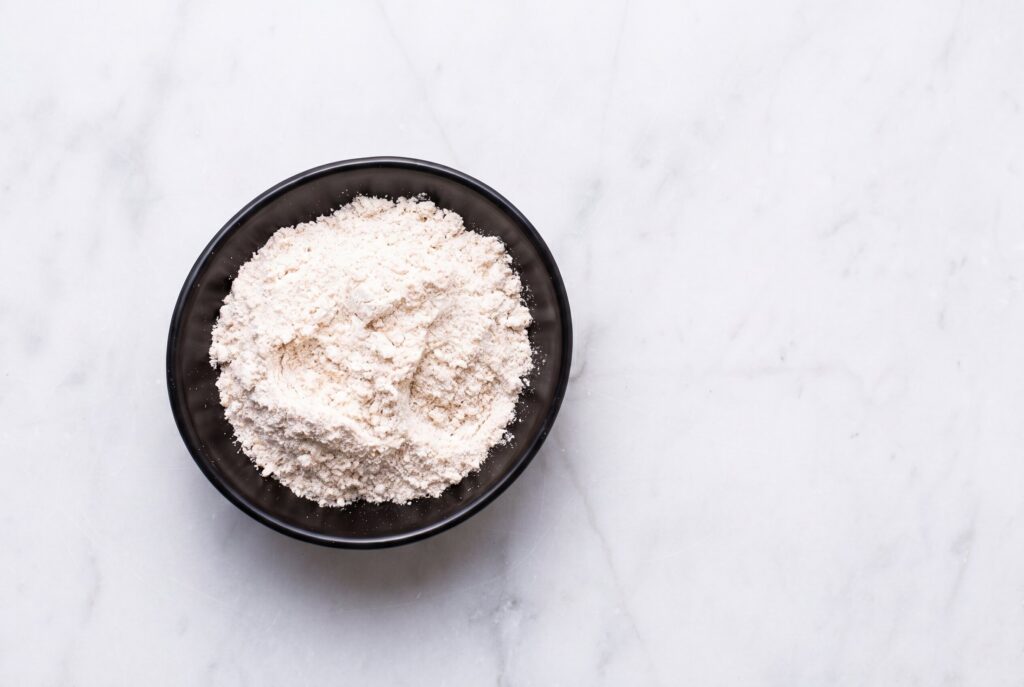
Use food-grade diatomaceous earth for ants inside the home. Avoid pool-grade DE, which is processed differently and isn’t appropriate for household pest control.
Even food-grade DE should be used carefully. It may be low-toxicity when applied correctly, but the dust can irritate lungs, eyes, and skin. Wear a mask when applying it, keep children and pets away during application, and avoid creating airborne clouds.
Food-grade DE is useful around baseboards, cracks, wall gaps, pantry corners, and dry entry points. Don’t apply it directly on food surfaces.
Rule 2: The Dust, Don’t Dump Technique

The biggest mistake is dumping thick piles of powder. Ants don’t need to climb through a mountain of DE. They’ll often avoid it. To get rid of ants effectively, apply a micro-fine layer. Use a bulb duster, small brush, makeup brush, or condiment bottle with a narrow tip. Dust along ant trails, baseboards, under appliances, window frames, door gaps, and wall cracks. The layer should be so light that you can barely see it. If it looks like spilled flour, you used too much.
Rule 3: Erase the Pheromone Trails First
Before applying DE, clean the ant trail. Ants follow pheromone trails, which are invisible scent paths that guide other ants toward food. Mix white vinegar and water in a 50/50 solution. Wipe counters, floors, cabinets, and entry points where ants have been walking. Let the area dry fully before applying DE. This step matters because DE kills ants that cross it, but cleaning trails helps stop new ants from following the same route. To keep ants out of house, you need both: remove the scent map and block the path.
Rule 4: Moisture Is the Enemy of DE
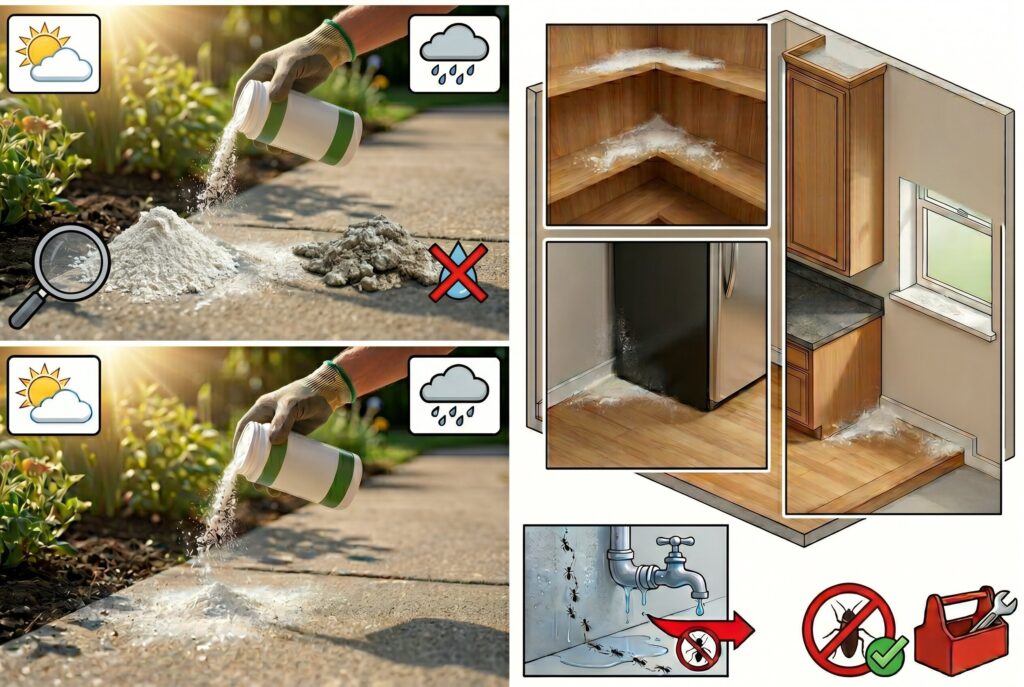
DE works best when dry. Once it gets wet, it clumps, loses its sharp dry texture, and becomes far less effective. Don’t use DE on wet patios, damp bathrooms, under leaky pipes, or outdoors before rain. If you apply it outside, reapply after rain, irrigation, or heavy humidity. For indoor use, focus on dry zones: pantry edges, behind refrigerators, under dry cabinets, window sills, and door thresholds. If ants are coming from a wet area, fix the moisture source first.
Rule 5: Know When to Switch to Borax for Ants
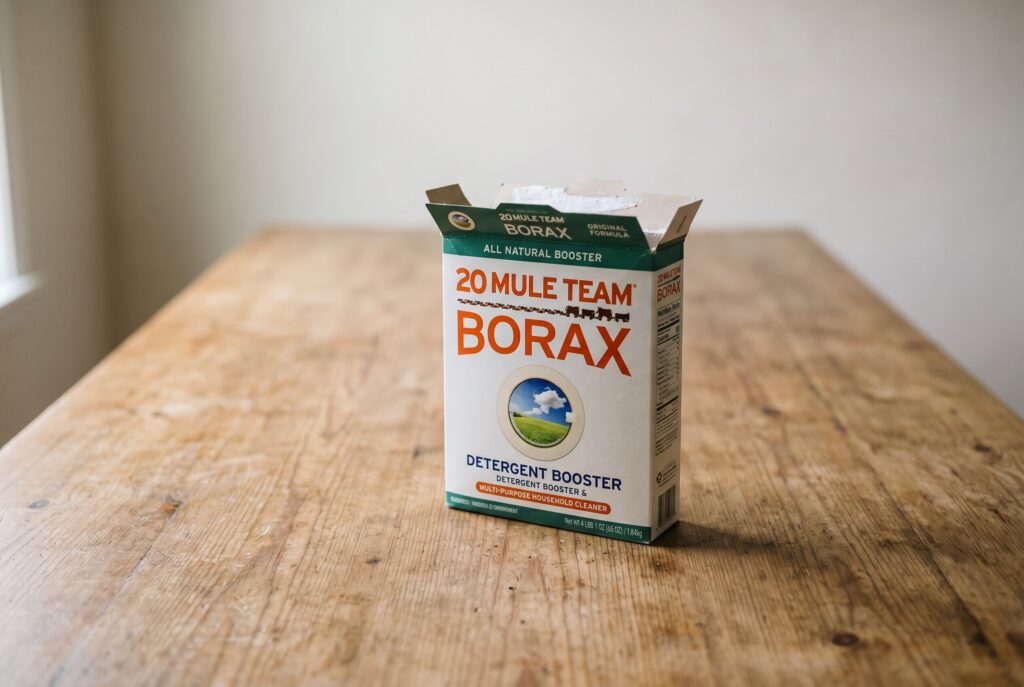
DE is a barrier method. It kills ants that walk through it. But if you want to target the hidden colony, borax for ants may be more effective because ants carry bait back to the nest. Use DE when you want a dry boundary, a crack treatment, or a chemical-free way to reduce visible ants. Use bait when ants keep returning from the same hidden colony. The best ant killer depends on the goal. DE is best for dry barriers and visible trails. Borax bait is better for colony-level control.
Conclusion
Diatomaceous earth can kill ants, but it isn’t magic. If you’re asking, does diatomaceous earth kill ants effectively, the answer is yes, but it works slowly, only when dry, and only when ants contact it. Use a thin layer, clean pheromone trails first, avoid damp areas, and switch to bait if the colony keeps sending new ants. For a natural ant killer, diatomaceous earth ants treatment is useful. For a serious infestation, it should be part of a larger plan: clean food sources, seal entry points, manage moisture, and use bait when needed.
Related Articles
How to Get Rid of Ants in the House: 7 Safe Hacks to End Them For Good