

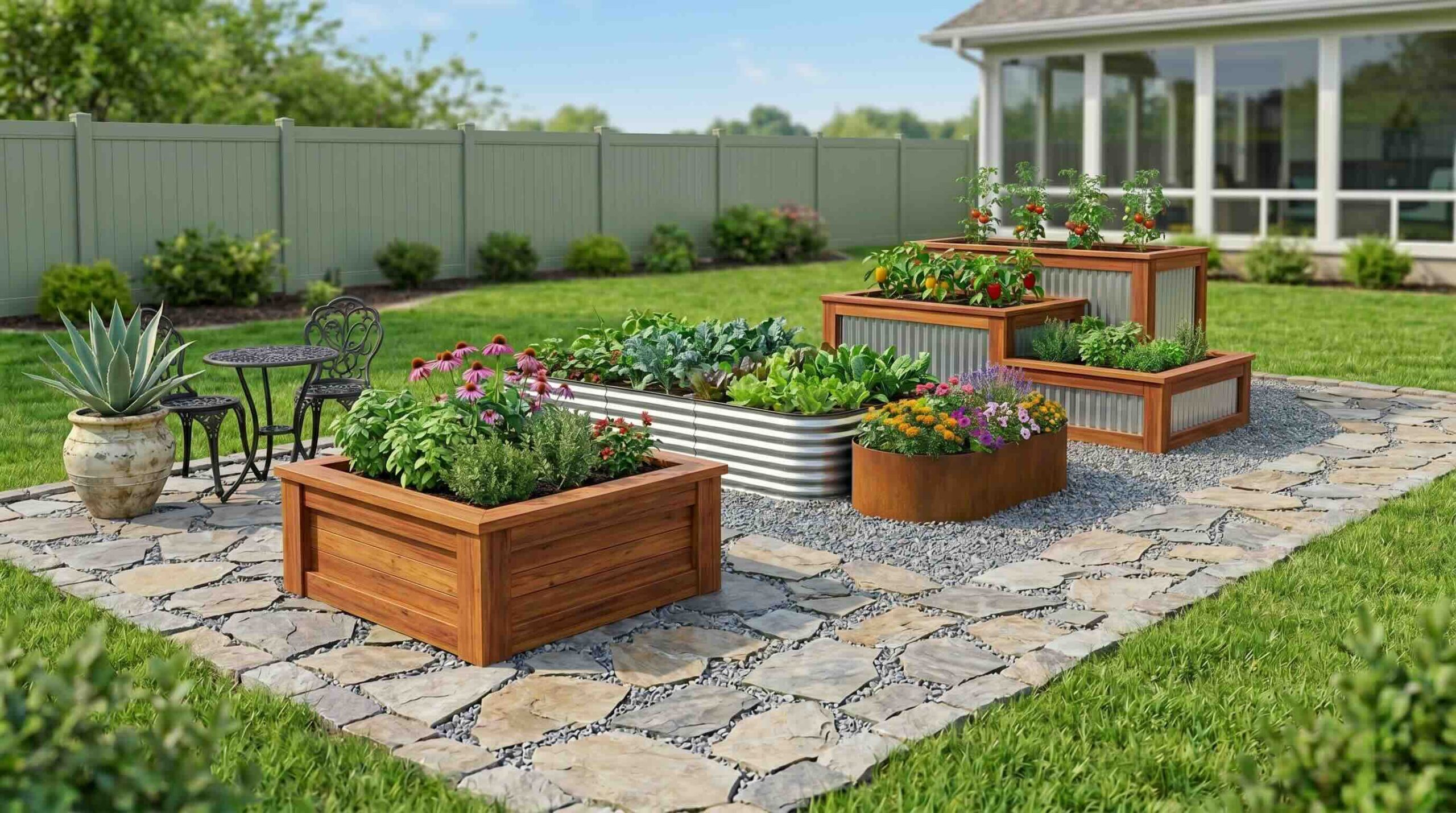
Metal raised garden beds are becoming a go-to solution for gardeners who want a durable, low-maintenance, and visually appealing option. Whether you’re a busy homeowner with limited yard space, a renter with a small patio, or a gardening enthusiast looking to maximize productivity, metal beds provide a modern alternative to traditional wood. However, there are misconceptions and costly mistakes that can turn what seems like a simple upgrade into a frustrating experience. This guide breaks down everything you need to know, from pros and cons, to common pitfalls, to ensuring your raised metal beds thrive with vegetables, herbs, and flowers in 2026.
Why Metal Raised Garden Beds Are Worth Considering
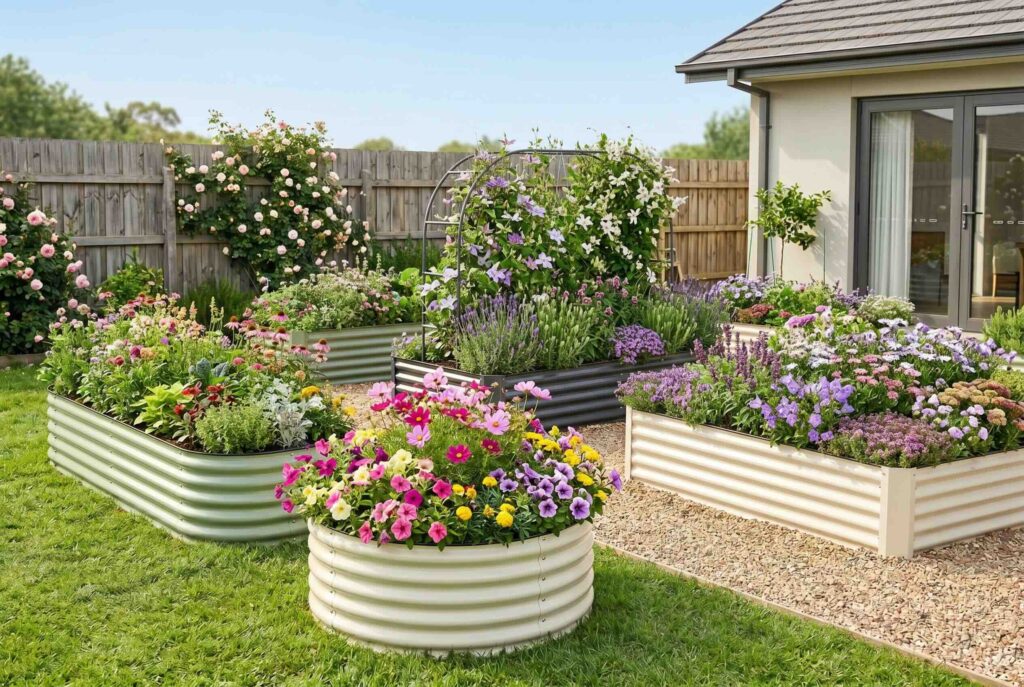
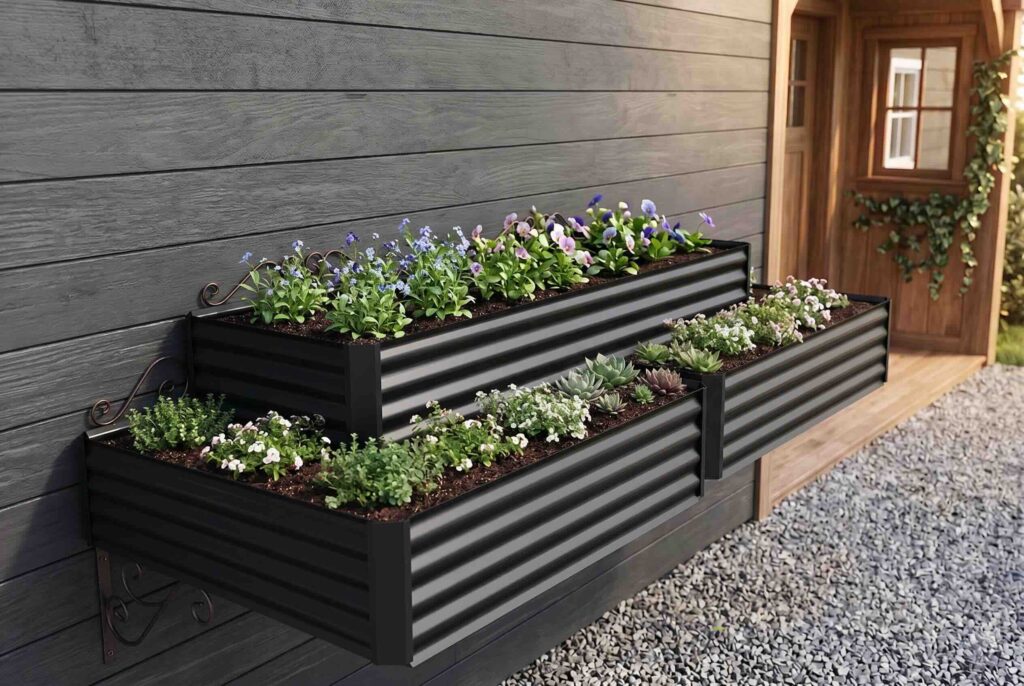
Metal beds, especially galvanized steel raised beds, have several clear advantages. First, they’re exceptionally durable, often lasting 15–20 years with minimal maintenance. Unlike wood, they’re immune to rot, insects, and warping. Second, metal beds offer clean lines and modern aesthetics, making them perfect for urban gardens or contemporary landscapes. Third, because the material is rigid, it allows for taller beds, which means less bending over for planting or harvesting, ideal for gardeners concerned about ergonomics or back pain.
Another benefit is soil control. Metal beds let you define the depth and quality of soil, ensuring that your plants have the right nutrients and drainage. You can even use Hügelkultur techniques to layer organic materials at the base, saving money on purchased soil and naturally enriching your bed.
Pros & Cons of Metal Raised Beds

When considering metal raised garden beds, it’s important to weigh both the advantages and potential drawbacks. Understanding these factors can help you choose the right bed for your space and avoid costly mistakes.
Pros
1. Exceptional Longevity and Durability
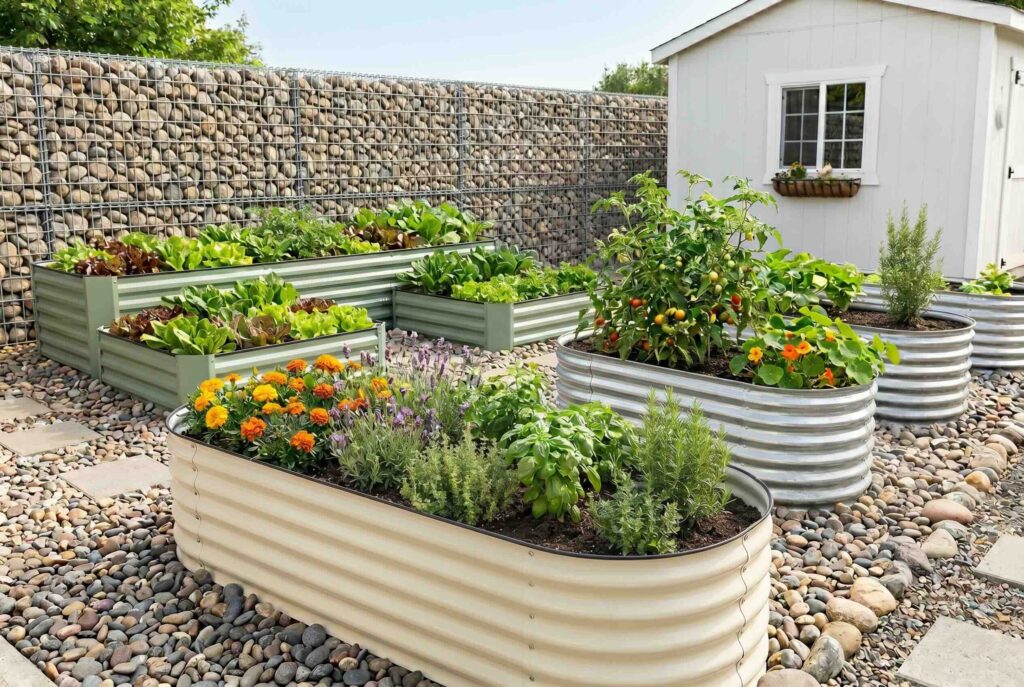
Metal beds, especially those made from galvanized steel or powder-coated metal, are built to last. Unlike wood, they won’t rot, warp, or suffer from termite damage. With proper installation, a metal bed can last 15–20 years or more, giving you long-term value and reducing the need for replacement.
2. Pest and Rot Resistance
Because metal doesn’t decompose like wood, you won’t have to worry about mold, rot, or insect infestations. This is particularly valuable for gardeners growing edible crops, as it reduces the risk of contamination or crop loss.
3. Food-Safe and Non-Toxic
Modern galvanized steel raised beds are safe for vegetables, herbs, and flowers. Unlike older materials, contemporary beds use coatings that prevent rust without introducing harmful chemicals into the soil, ensuring that your produce is safe to eat.


Cons
1. Higher Upfront Cost
Metal beds are more expensive initially compared to wood or concrete block alternatives. A high-quality galvanized or powder-coated bed may cost $150–$300 for a standard 4×8 ft kit, which can be intimidating for beginners. However, this upfront investment is offset by long-term durability.
2. Temperature Sensitivity
Metal can heat up faster in summer and cool faster in winter. In hot climates, the edges of the bed may warm more than the center, potentially stressing heat-sensitive plants. In colder areas, soil may take longer to warm in spring. Using mulch, shade, or insulation can mitigate these issues.
Metal vs. Wood Raised Garden Beds: Side-by-Side Comparison
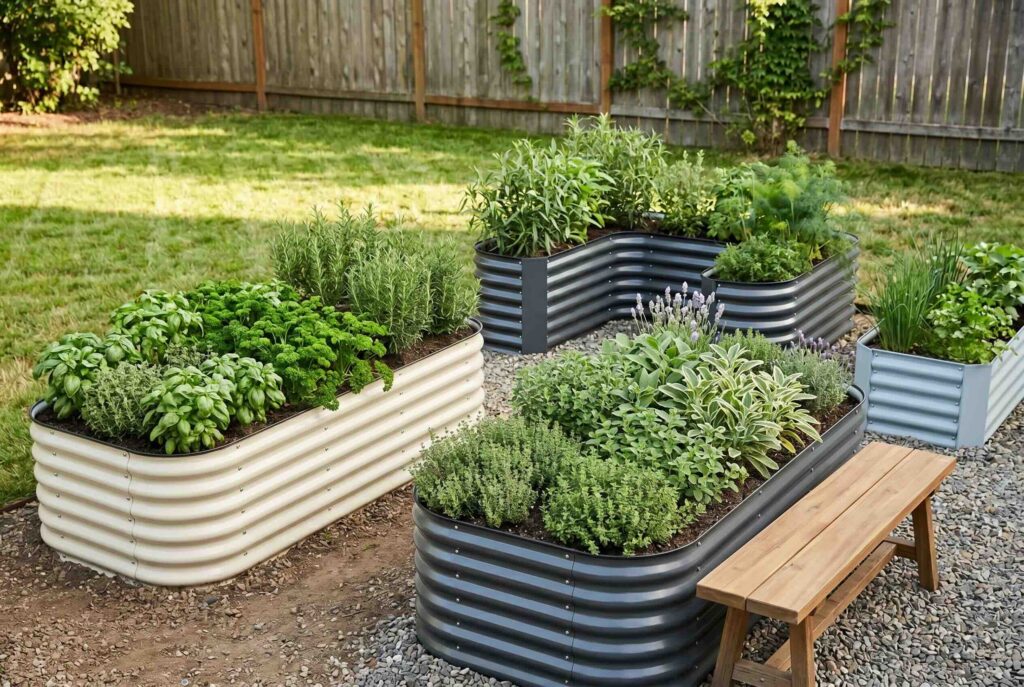
Metal raised beds have clear advantages over wood for long-term use. While wood provides a natural look and lower initial cost, it requires sealing and replacement over time. Metal beds, particularly galvanized steel raised beds, provide long-term value, are resistant to pests and rot, and support taller and more versatile designs.
| Feature | Metal Raised Beds | Wood Raised Beds |
| Material | Galvanized steel or powder-coated metal | Cedar, Pine, or pressure-treated wood |
| Durability / Lifespan | 15–20+ years, highly resistant to rot, pests, and weather | 5–10 years for pine; 10–15 years for cedar if properly maintained |
| Maintenance | Minimal, occasional screw tightening and cleaning | Requires sealing, staining, or treatment periodically to prevent rot and pests |
| Initial Cost (2026) | $150–$300 per 4×8 ft kit (powder-coated or galvanized steel) | Cedar: $50–$70 for 4×8 ft bed; Pine: $30–$50; pressure-treated wood is $40–$60 |
| Food Safety | Food-safe galvanized coating ensures no chemical leaching | Cedar is naturally safe; avoid older pressure-treated wood for vegetables |
| Weight & Handling | Heavier; may require 2 people for assembly | Lighter; easier to move and adjust placement |
| Aesthetic / Design | Modern, sleek, customizable in height and shape | Rustic, natural look; can blend into garden landscaping |
| Climate Considerations | Metal warms faster in summer, cools faster in winter | Wood insulates soil slightly better, reducing temperature swings |
| Suitability for Beginners | Excellent for low-maintenance, long-term investment | Great for DIY projects and smaller budgets, but requires upkeep |
3 Costly Mistakes to Avoid with Raised Metal Beds
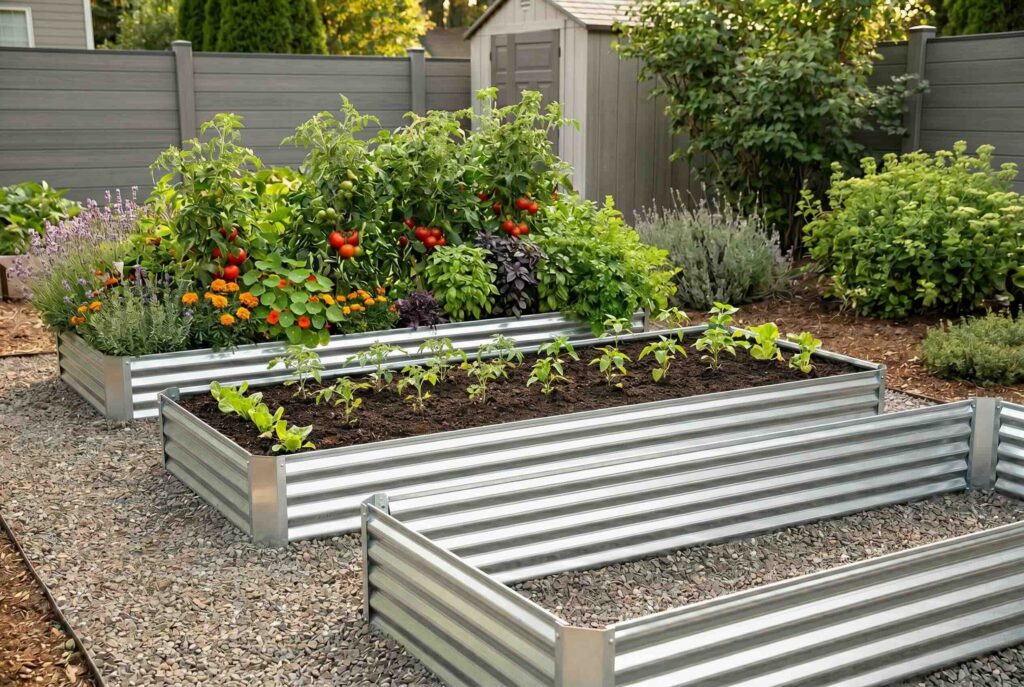
This is one of the most important sections for anyone considering a metal raised garden bed. Avoiding these common pitfalls will save you money, frustration, and ensure a productive, long-lasting garden.
Mistake #1: Believing the “Overheating” Myth
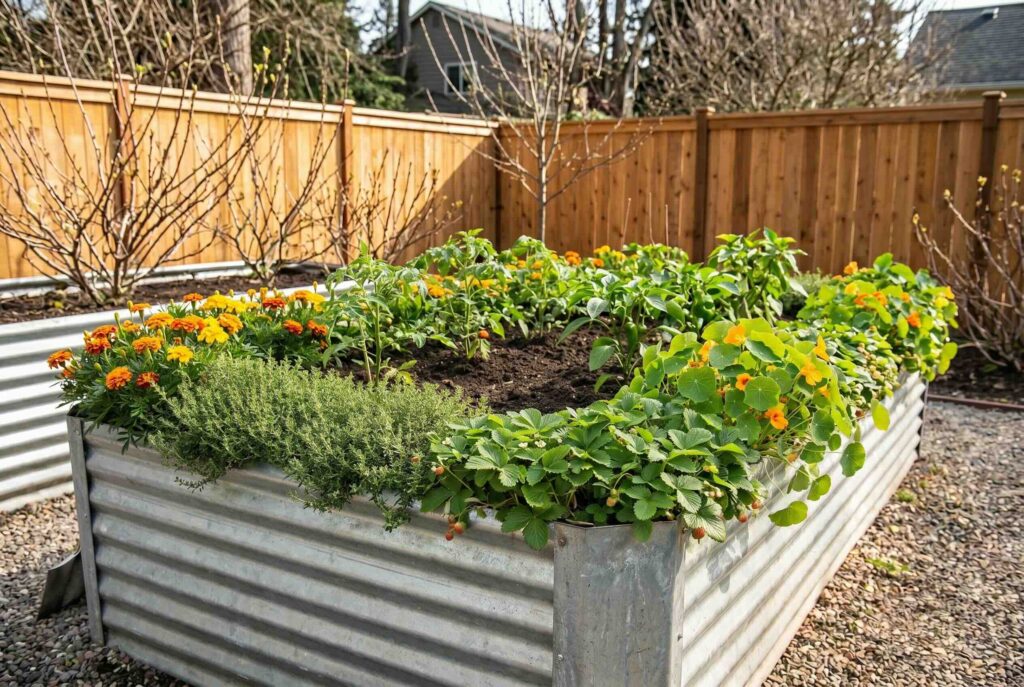
One of the biggest misconceptions about metal raised garden beds is that they will “cook” plant roots in the summer. In reality, soil in a metal bed retains moisture very effectively, and the metal itself reflects much of the sunlight rather than heating the soil excessively. Only the topmost edges may warm slightly, but the root zone where your vegetables and herbs grow stays safe and healthy. To further protect heat-sensitive plants, consider positioning the bed to get morning sun and afternoon shade, and adding a light mulch layer or companion plants along the edges to help regulate temperature.
Mistake #2: Spending a Fortune on Garden Soil

Many beginners assume they need to buy enough soil to completely fill a deep metal bed. For example, a standard 4×8 ft bed with a depth of 12 inches can require around 12 cubic feet of garden soil, which can easily cost $50–$80 if purchased entirely. This is the most common and expensive mistake people make.
How to avoid it: Use the Hügelkultur method, also called lasagna gardening. Start by placing a layer of dry wood, sticks, and fallen leaves at the bottom of the bed. This decomposing layer not only enriches the soil naturally but also reduces the amount of purchased soil needed by up to 50%, saving both money and effort. On top of this base, add your garden soil and compost to create a nutrient-rich environment for plants.
Mistake #3: Ignoring the Surface Leveling

Metal beds are rigid and have no flexibility like wood, which means uneven ground can cause the bed to warp, twist, or lean over time. This can result in poor drainage, soil erosion, and uneven plant growth.
How to avoid it: Before assembling your bed, ensure the site is perfectly level. Use a string line or spirit level to check for flatness, and add gravel or sand to correct any dips. For larger beds, consider having a second person help hold the panels in place while you secure them with screws or brackets. Proper leveling prevents future headaches and ensures water drains evenly, giving your plants the best chance to thrive.
Final Verdict: Are Metal Raised Garden Beds Worth It?
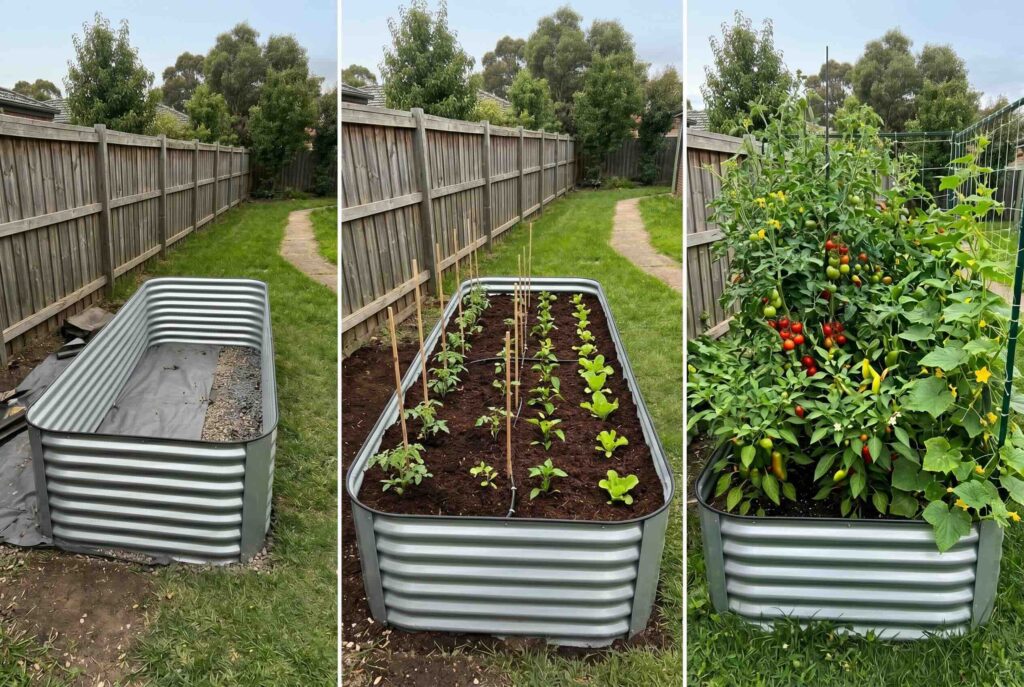
Metal raised garden beds offer longevity, low maintenance, and sleek aesthetics. By avoiding common mistakes, such as overheating fears, overspending on soil, and uneven installation, these beds can provide decades of productive gardening. For beginners and experienced gardeners alike, DIY galvanized steel raised beds are an investment in efficiency, durability, and style. With proper care, your bed will become a centerpiece for vegetables, herbs, and companion flowers, making your garden both functional and beautiful.
Related Articles
- 5 DIY Raised Garden Bed Plans: Step-by-Step for Beginners (2026)
- Vertical & Tiered Raised Planter Boxes: Smart Garden Layout Ideas
- Small Garden Ideas: Cheap Flower Beds for Tight Spaces
- 25 Raised Garden Bed Ideas: DIY Plans, Metal Kits & Clearance Finds