

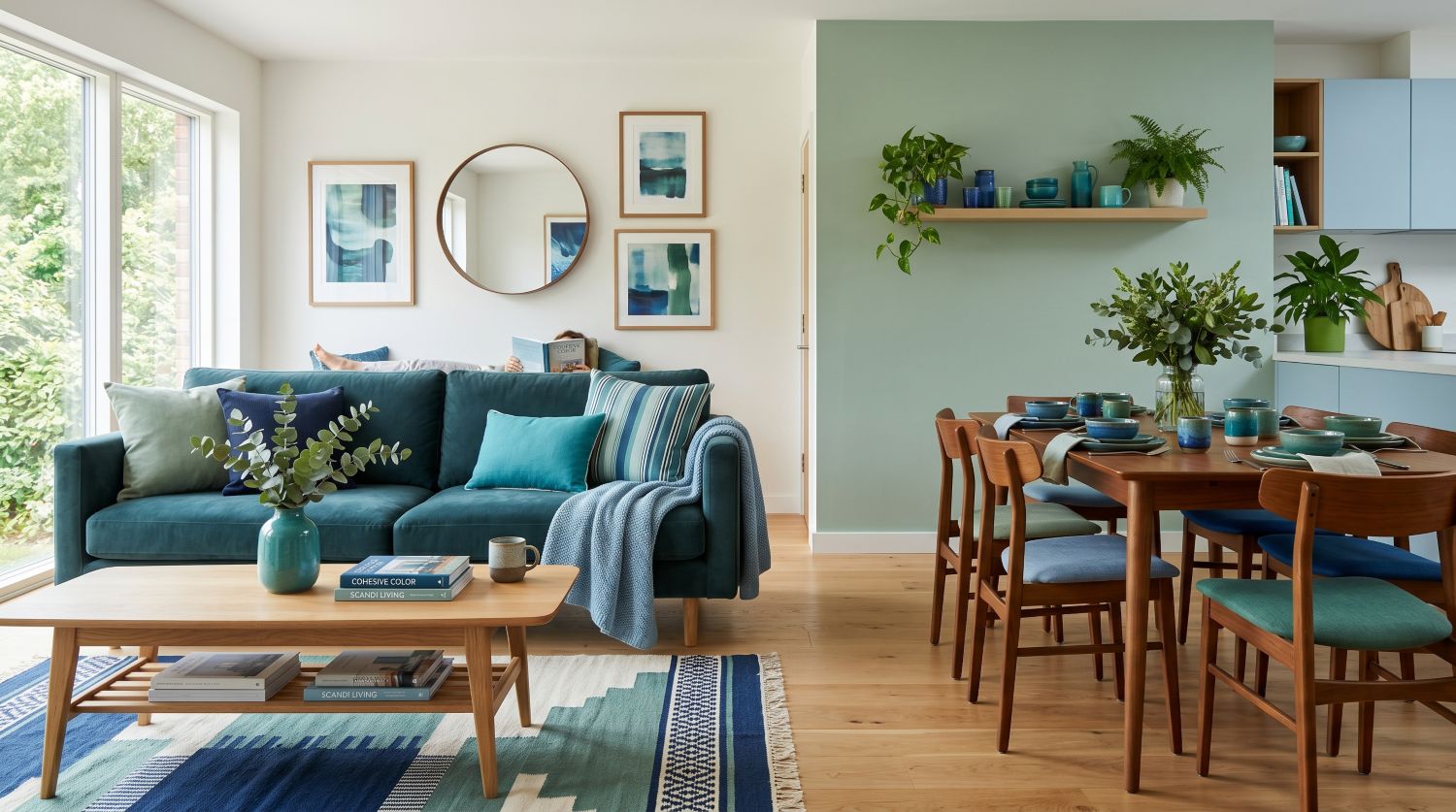
Choosing room colors can feel harder than it should. You want a home that feels stylish and pulled together, but you don’t want one room to clash with the next. If you’ve ever stared at paint swatches and wondered what analogous colors are, the good news is that this is one of the easiest design tools to use well. An analogous color scheme helps create a smooth, intentional look by using colors that naturally belong together. For homeowners who want a calm, cohesive space without guesswork, it’s one of the most reliable ways to decorate with confidence.
The Analogous Definition: Understanding the Color Wheel
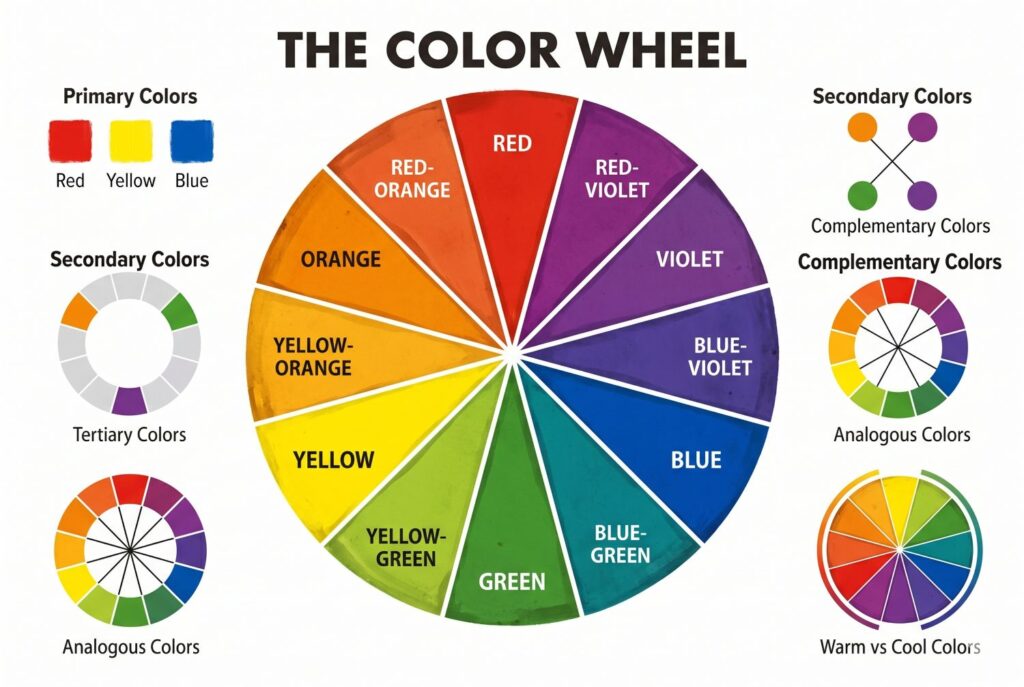
Let’s start with the exact answer. The analogous definition is simple: analogous colors are colors that sit next to each other on the color wheel. A classic set usually uses three colors, though some palettes stretch to four or five for more variety. Think of blue, blue green, and green, or red, red orange, and orange. Because these hues are closely related, they create harmony instead of contrast. That soft visual flow is what makes analogous colors so appealing in interiors.

Another way to think about the analogous colors definition is this: instead of building a room around opposites, you build it around neighbors. That makes the result feel gentler and more unified. It also explains why this approach works so well in homes. Most people don’t want a room that feels loud all the time. They want balance, warmth, and a color story that feels finished.
If you’re still asking what are analogous colors in practical terms, imagine a living room with sage walls, olive curtains, and muted yellow accents. Nothing fights for attention, yet the space doesn’t feel flat. That’s the power of an analogous color scheme. It creates interest without chaos.
Analogous Colors Examples: 3 Palettes for a Beautiful, Tidy Home
The easiest way to understand color harmony is to see it in action. These analogous colors examples translate theory into rooms that feel livable, current, and easy to love.
1. The Organic Modern Oasis: Green, Yellow Green, and Yellow
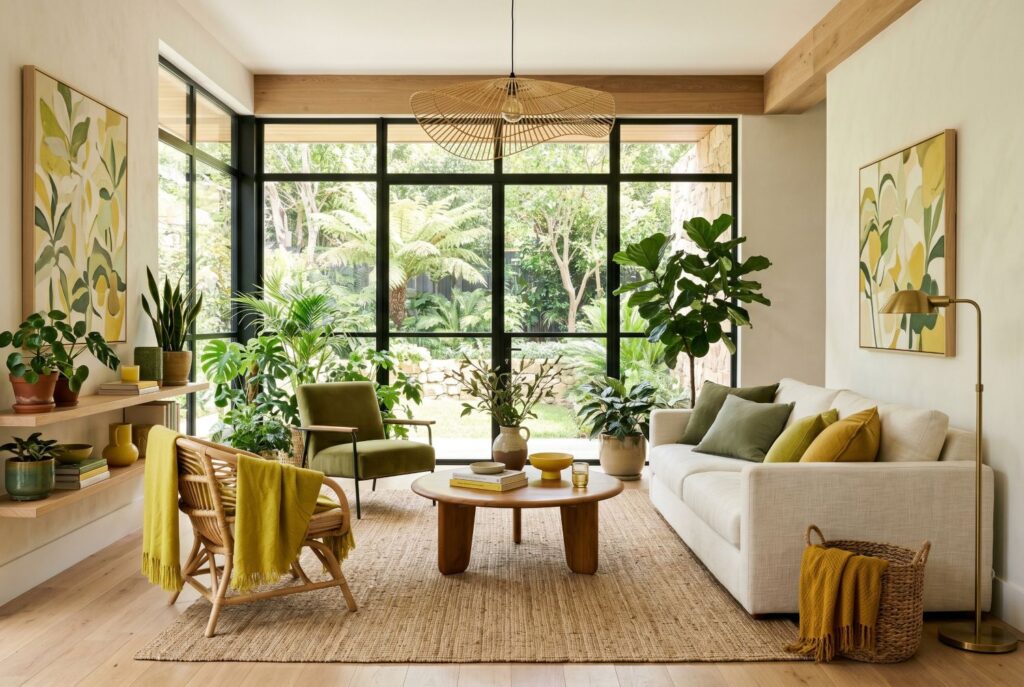
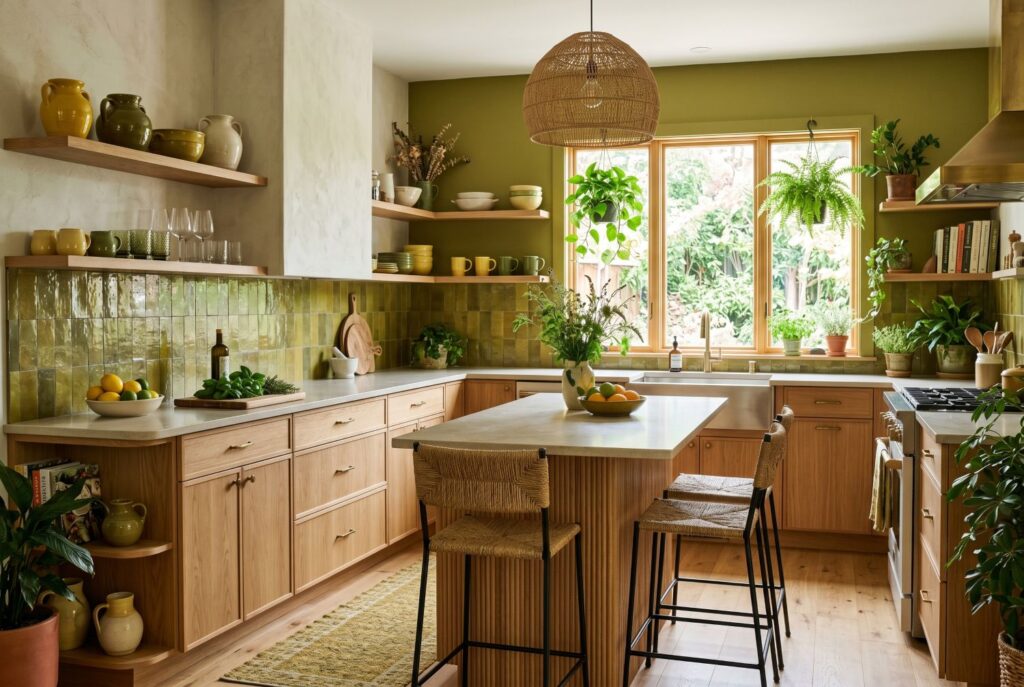
This palette feels fresh, airy, and restorative. Green, yellow green, and yellow work beautifully in rooms with natural wood, linen textures, and lots of sunlight. Picture soft olive walls, a moss-toned chair, and pale ochre accents in throw pillows or artwork. This is one of the strongest analogous colors examples for homeowners who want a nature-inspired home that still feels modern. It works especially well in living rooms, sunrooms, and kitchens. If you like spaces that feel tidy but not cold, this palette delivers. It also pairs nicely with woven textures, light oak, and stone surfaces.
2. The Japandi Retreat: Red, Red Orange, and Orange
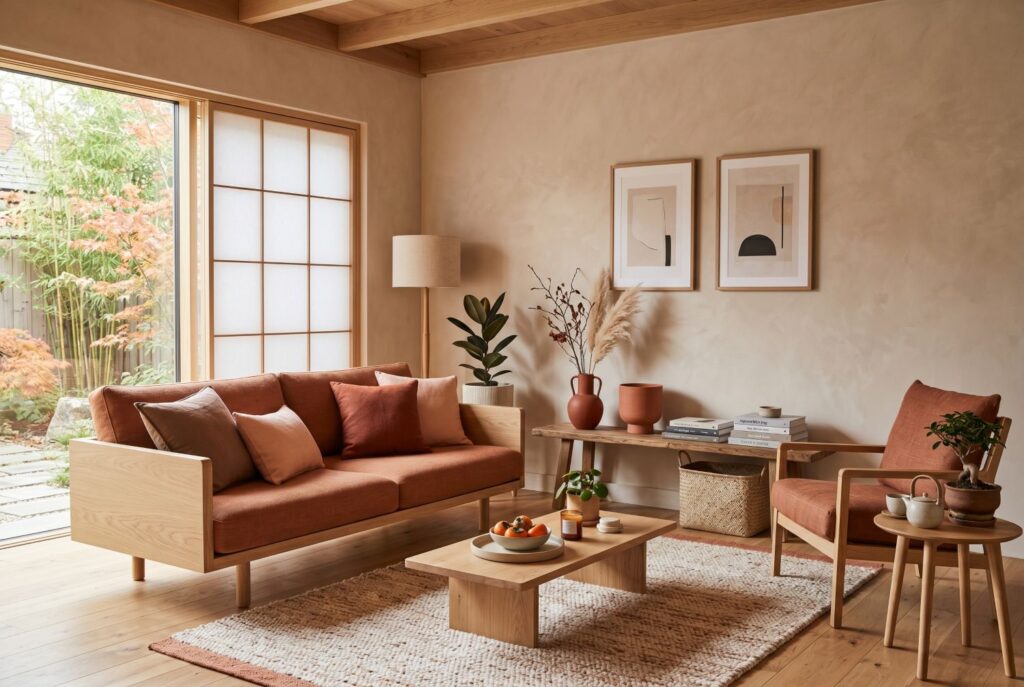
Warm palettes can still feel calm when they’re softened. Instead of using bright red and orange at full intensity, shift them into terracotta, clay, rust, and soft peach. This creates a grounded room with warmth and depth, not visual overload.
A muted red orange sofa, soft peach walls, and earthy terracotta decor can make a dining room or reading nook feel inviting and settled. This palette is ideal for homeowners who want warmth without the noise of high contrast decorating. Among analogous colors examples, this one is especially effective for cozy, minimalist interiors.
3. The Moody Industrial Space: Blue, Blue Violet, and Violet
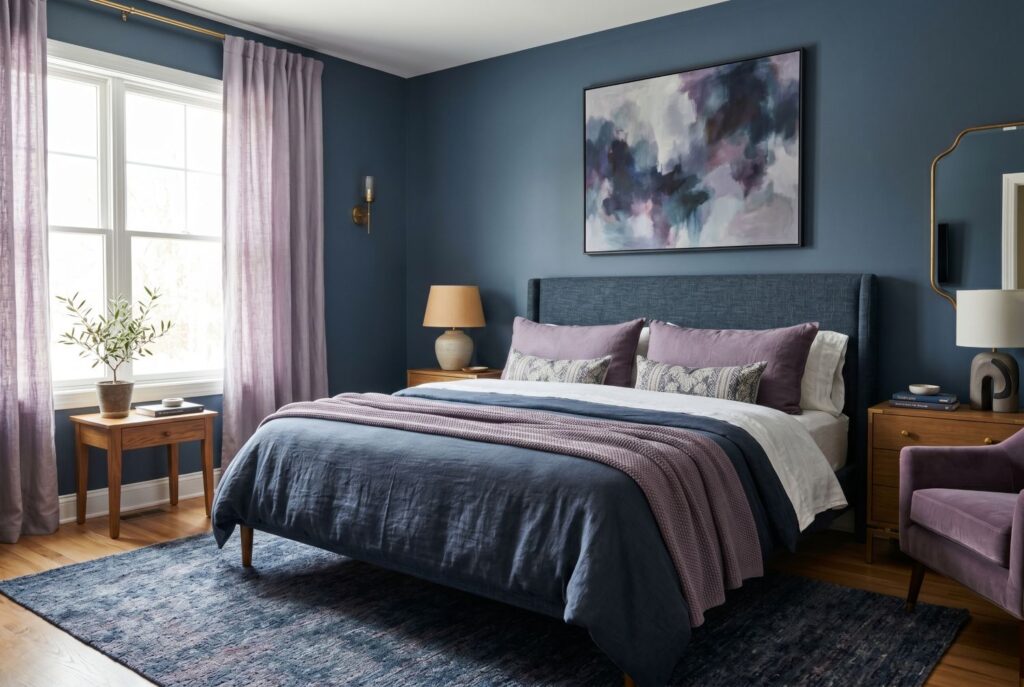
Cooler analogous colors can create a more dramatic mood when used in rich tones. Deep slate blue, smoky indigo, and dusty violet can turn a bedroom, office, or media room into a refined, focused space.
This palette feels polished and intimate. It suits darker woods, black accents, metal finishes, and tailored furniture. If your goal is a room that feels elegant and a little cocooning, this is a smart direction. These analogous colors examples prove that harmony doesn’t have to mean pale or boring. It can also feel bold in a controlled way.
How to Apply an Analogous Color Scheme: The 60 30 10 Rule

A beautiful palette still needs structure. That’s where the 60 30 10 rule helps. In an analogous color scheme, use one dominant color for around 60% of the room, a second color for 30%, and a third accent color for the final 10%. This keeps the room balanced and prevents every shade from competing equally.
Your 60% color usually belongs on walls, large rugs, or major furniture pieces. The 30% color can show up in curtains, bedding, or an accent chair. The 10% color is where you add personality through art, pillows, ceramics, or a vase on a coffee table.
For example, in a green based room, your walls might be soft sage, your sofa might lean olive, and your accents might be muted yellow. The result feels intentional because the color wheel is doing the hard work for you. This rule also helps keep a room looking tidy. When color placement is controlled, the room feels calmer. That’s one reason analogous colors work so well in homes where people want visual peace, not constant stimulation.
Analogous vs. Complementary Colors: What Is a Color Scheme?

So, what is a color scheme? A color scheme is the planned combination of colors used in a space to create a certain effect or mood. Some schemes are designed for harmony, while others are built around contrast.
An analogous color scheme uses neighboring colors, which creates flow and softness. Complementary colors definition is different: complementary colors sit opposite each other on the color wheel, like blue and orange or red and green. That opposite placement creates energy and contrast instead of subtle blending.
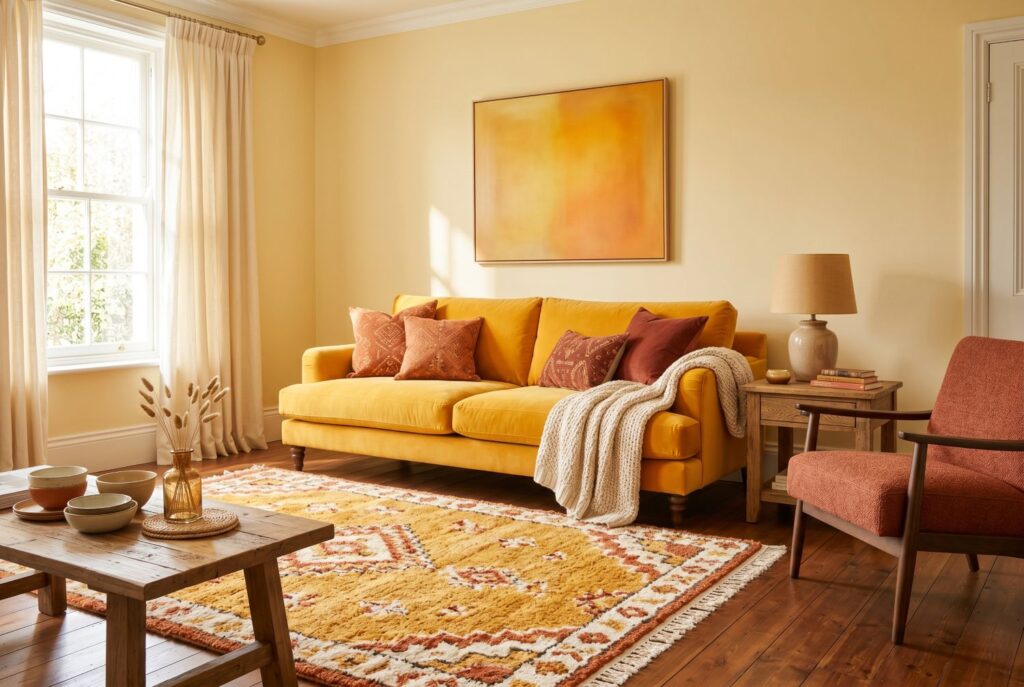
Neither approach is wrong. It depends on the feeling you want. Analogous colors are usually better for a serene bedroom, an inviting living room, or a cohesive open plan home. Complementary pairings can be useful when you want a stronger focal point or more visual drama. But for most homeowners trying to make a space feel polished and easy to live in, analogous colors are the simpler choice.
Setting the Mood: Warm vs. Cool Analogous Palettes
Warm analogous palettes use reds, oranges, and yellows. These colors suit social spaces like dining rooms, breakfast nooks, and family rooms because they feel welcoming and energetic. When softened into clay, sand, peach, or golden tones, they still feel cozy instead of overpowering.
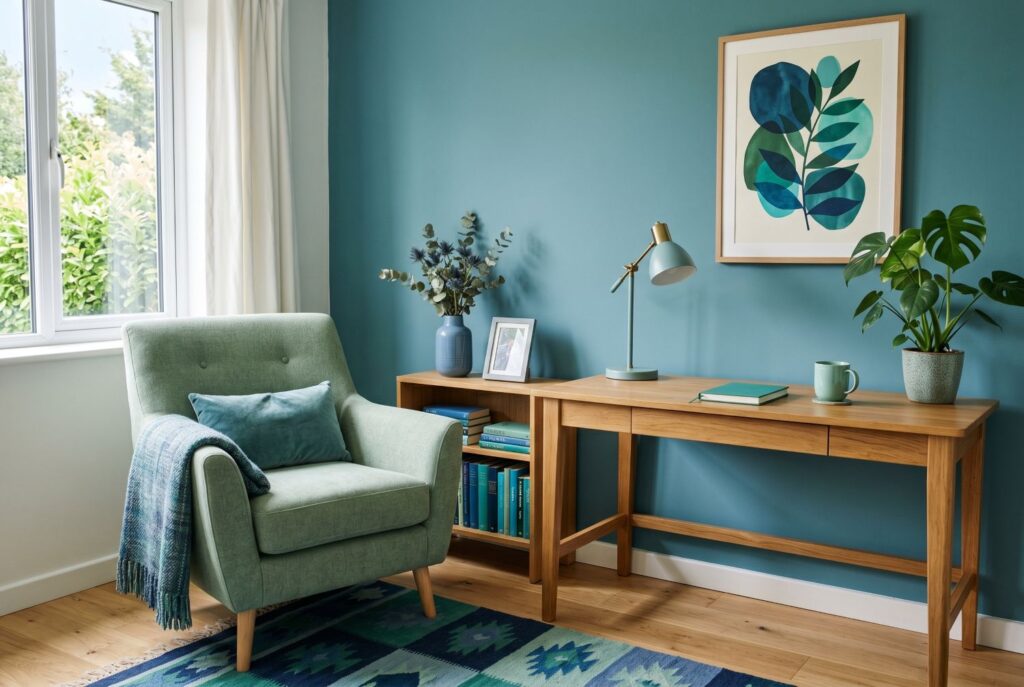
Cool analogous palettes use blues, greens, and blue greens. These are ideal for bedrooms, bathrooms, and home offices because they support rest, focus, and a sense of order. If your home already includes cool flooring, marble, or brushed metal finishes, this direction often feels especially natural. The key is matching the mood to the function of the room. That’s where analogous colors become more than a theory term. They become a practical design shortcut.
Conclusion
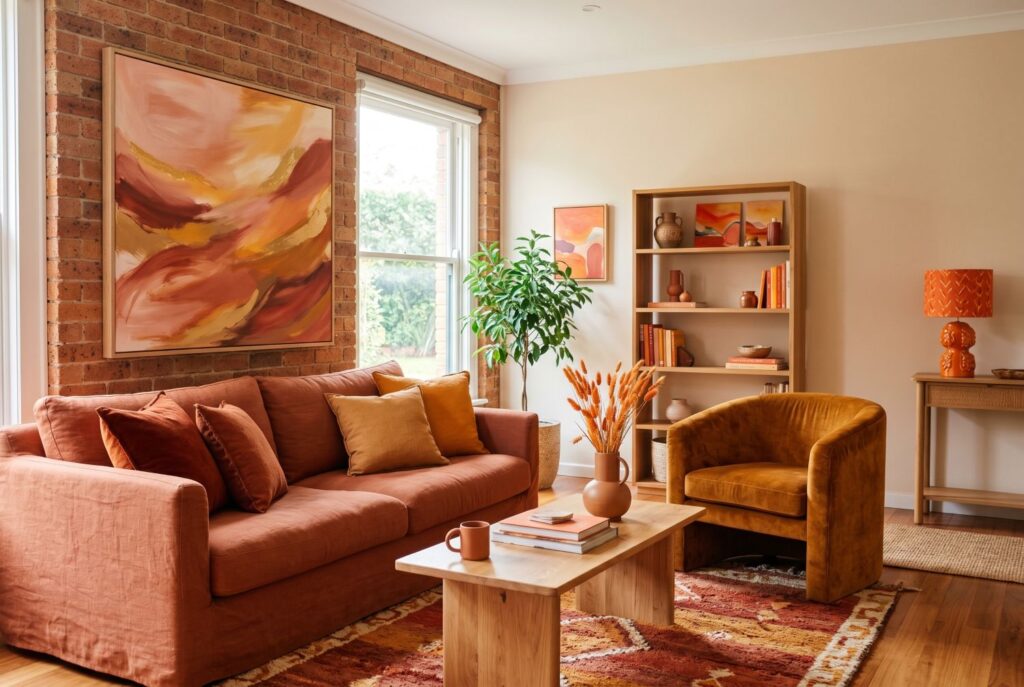
If you’ve been wondering what analogous colors are, the answer is refreshingly usable: they are neighboring colors on the color wheel that make a home feel connected, calm, and intentional. An analogous color scheme takes the guesswork out of decorating because the colors are already built to work together. Whether you prefer warm terracotta layers or cool green and blue tones, this approach helps every room feel more cohesive.
A good place to start is with what you already own. Look at your sofa, rug, art, or favorite chair and identify the base color. From there, build outward with neighboring shades. That’s often the easiest path to a home that feels beautifully unified without feeling overdone.
Related Articles
- Color Psychology in Interior Design and How It Affects Mood
- Analogous vs. Tertiary Colors: Which Scheme Fits Your Home Best?