A well organized home supports how you move, work, and relax every single day. Storage isn’t simply a design feature. It’s a practical system that shapes how smoothly daily life runs. When clutter builds up, rooms feel smaller, tasks take longer, and stress rises without you fully realizing why. Thoughtful storage reduces friction in daily routines and helps your home function the way it’s meant to.
Across the country, households are balancing work from home schedules, busy school calendars, online shopping deliveries, and multi use spaces. Closets aren’t just closets anymore. Living rooms double as offices. Kitchens serve as command centers. Practical storage ideas need to reflect how people actually live today rather than how homes looked in staged photos ten years ago.
This guide explores realistic, adaptable storage strategies grounded in design principles and everyday functionality. The goal is to help you build systems that last, not quick fixes that won’t hold up over time.
Start With Function Before Furniture
Before buying bins or installing shelves, assess how each room is truly used. Storage works best when it’s aligned with behavior patterns.
Ask yourself:
- Where does clutter naturally accumulate
- What items are used daily versus occasionally
- Which spaces feel cramped or visually chaotic
- What routines slow you down
If mail piles up near the entryway, that area needs a sorting system. If kitchen counters constantly feel crowded, vertical storage may be underutilized. When storage reflects habits instead of idealized organization goals, it’s far more sustainable.
Professional organizers often emphasize zoning. Group items by activity rather than by category alone. For example, in a family kitchen, baking tools should live near the mixer and measuring cups rather than in separate cabinets. This reduces friction and saves time.
Use Vertical Space Intentionally
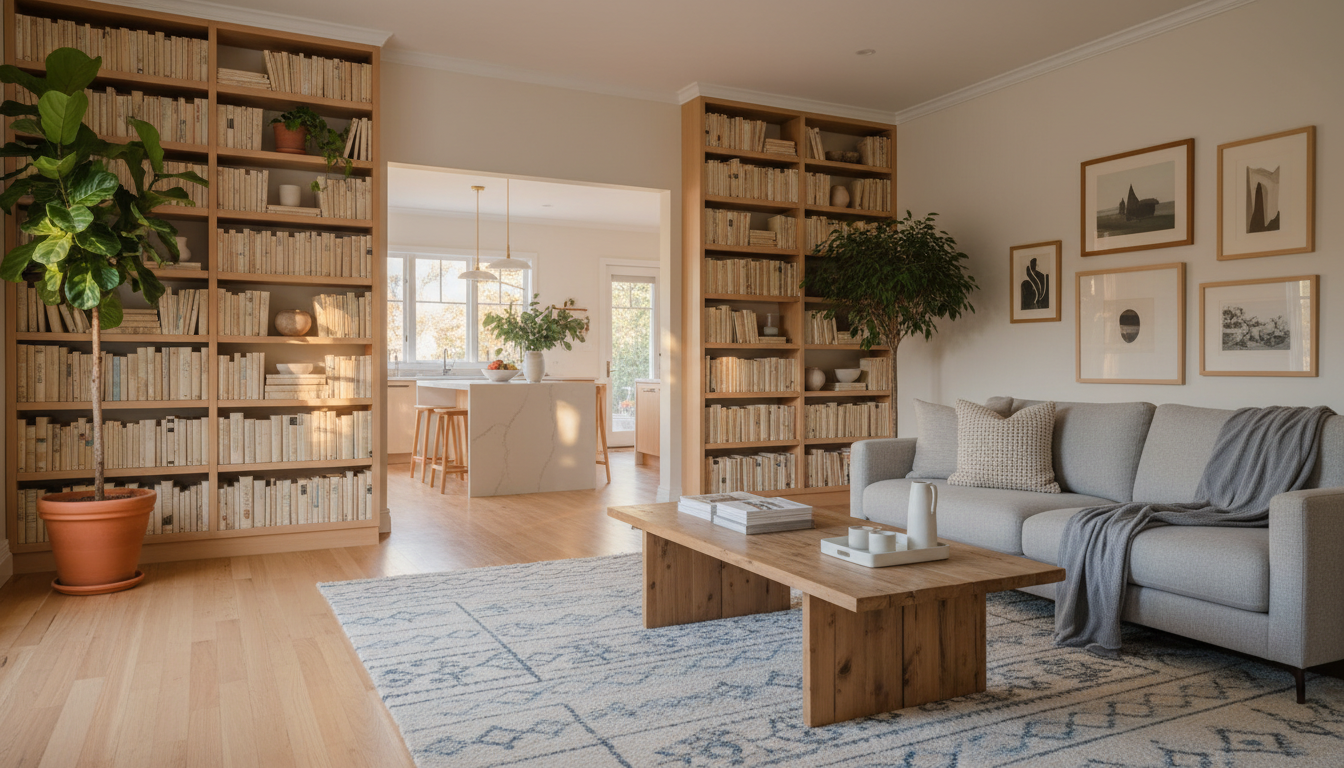
In many homes, especially in suburban and urban settings, square footage isn’t limitless. Walls offer untapped potential. Floor to ceiling shelving creates visual height while maximizing storage capacity. Built in units can frame fireplaces or windows, adding architectural interest while serving a practical purpose. In smaller rooms, tall bookcases draw the eye upward, making ceilings feel higher.
Open shelving works well when styled carefully. Keep visual balance in mind. Combine books, baskets, and decorative objects to avoid a cluttered look. Closed cabinets, on the other hand, hide visual noise and are ideal for less aesthetic essentials.
Hooks are another underrated vertical solution. Entryways benefit from sturdy wall hooks for coats and bags. Bathrooms can use mounted hooks for towels instead of bulky racks. In kitchens, rails with hanging utensils free up drawer space and keep frequently used tools within reach.
Hidden Storage That Reduces Visual Stress
Not everything needs to be on display. In fact, too much visible storage can create visual overload. Furniture with concealed compartments is especially effective in multi purpose spaces. Ottomans with interior storage can hold blankets or board games. Bed frames with built in drawers reduce the need for extra dressers. Coffee tables with lift tops can store remote controls and paperwork.
In bedrooms, under bed storage works best when items are contained in uniform bins. Clear containers allow visibility, but opaque bins maintain a cleaner aesthetic. Choose one consistent style to avoid visual chaos. Closet systems can also be upgraded without full renovations. Adjustable shelving and modular components allow you to adapt as needs change. As families grow or routines shift, storage systems must evolve.
Kitchen Storage That Supports Daily Flow
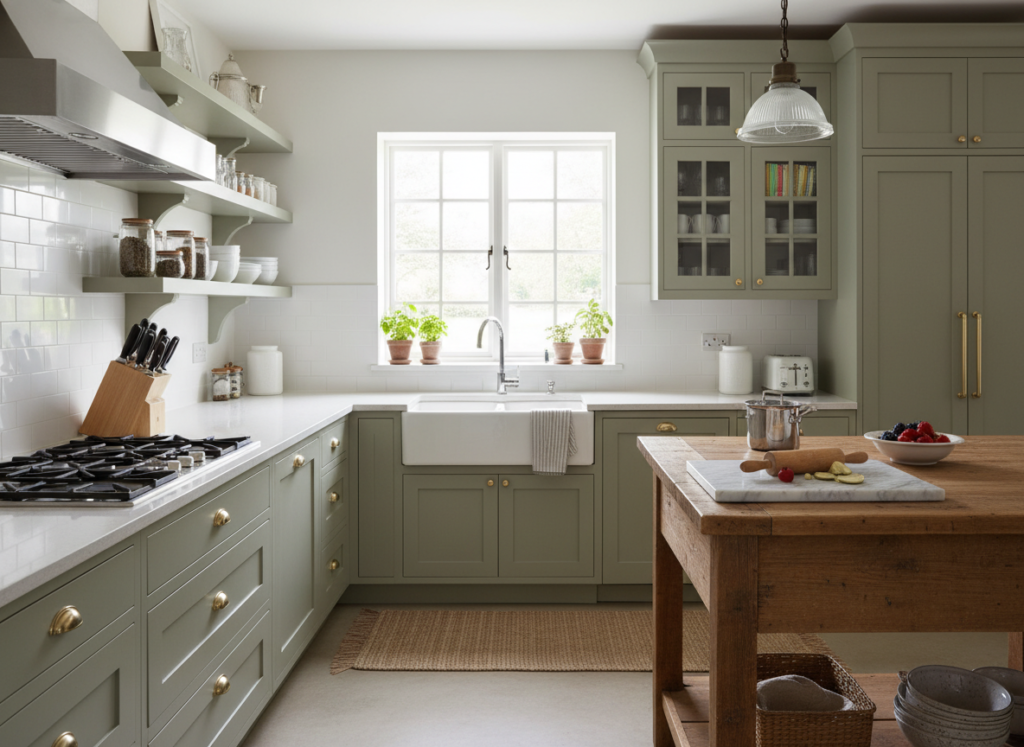
Kitchens tend to be the busiest rooms in the house. Storage should support efficiency rather than interrupt it. Pull out pantry shelves make items accessible without digging through deep cabinets. Drawer dividers keep utensils separated and easy to find. Tiered organizers maximize cabinet height and prevent stacking items in unstable piles. Corner cabinets can be optimized with rotating trays. Deep drawers are often more practical than lower cabinets because they’re easier to access without kneeling.
A few simple adjustments can dramatically improve kitchen organization:
- Install drawer organizers for utensils and cooking tools
- Add pull out trays to deep cabinets
- Use clear containers for pantry staples
- Mount hooks or rails for frequently used tools
- Store everyday dishes within easy reach
These changes reduce daily friction. Cooking becomes smoother because everything has a designated place.
Entryway Systems That Prevent Clutter Spread
The entryway sets the tone for the entire home. When this area lacks structure, clutter spreads quickly. A narrow console table with drawers can hold keys, sunglasses, and mail. Wall mounted organizers create vertical zones for each family member. Shoe cabinets with slim profiles prevent piles near the door. Labeling can be helpful in high traffic households. Even subtle labels inside drawers maintain order without disrupting design. If space is limited, floating shelves paired with hooks provide both storage and display without consuming floor area.
Bathroom Storage That Balances Practicality and Calm
Bathrooms often feel overcrowded because toiletries multiply quickly. Storage should promote calm rather than congestion. Medicine cabinets with interior shelving maximize hidden storage. Drawer dividers prevent small items from getting lost. Vertical shelving above toilets uses otherwise empty space.
Matching containers unify visual presentation. When bottles and products are decanted into consistent containers, the room feels less chaotic. For shared bathrooms, assigning drawers or bins to each person prevents overlap and confusion. Clear boundaries reduce frustration in busy morning routines.
Living Room Storage That Blends In
Living rooms serve multiple purposes. They’re gathering spaces, entertainment zones, and sometimes home offices. Storage should integrate seamlessly. Built in cabinetry surrounding a television can conceal cords and electronics. Baskets stored on lower shelves hide toys or magazines while maintaining accessibility.
Media consoles with closed doors reduce visual clutter. If the room doubles as a workspace, consider storage cabinets that hide office supplies at the end of the day. Strike a thoughtful balance between open and closed storage. Too many exposed items can make a space feel cluttered and overwhelming, while too much closed cabinetry may appear bulky or visually heavy. Blending the two creates harmony, adds depth, and establishes a natural visual rhythm throughout the room.
Storage That Grows With You
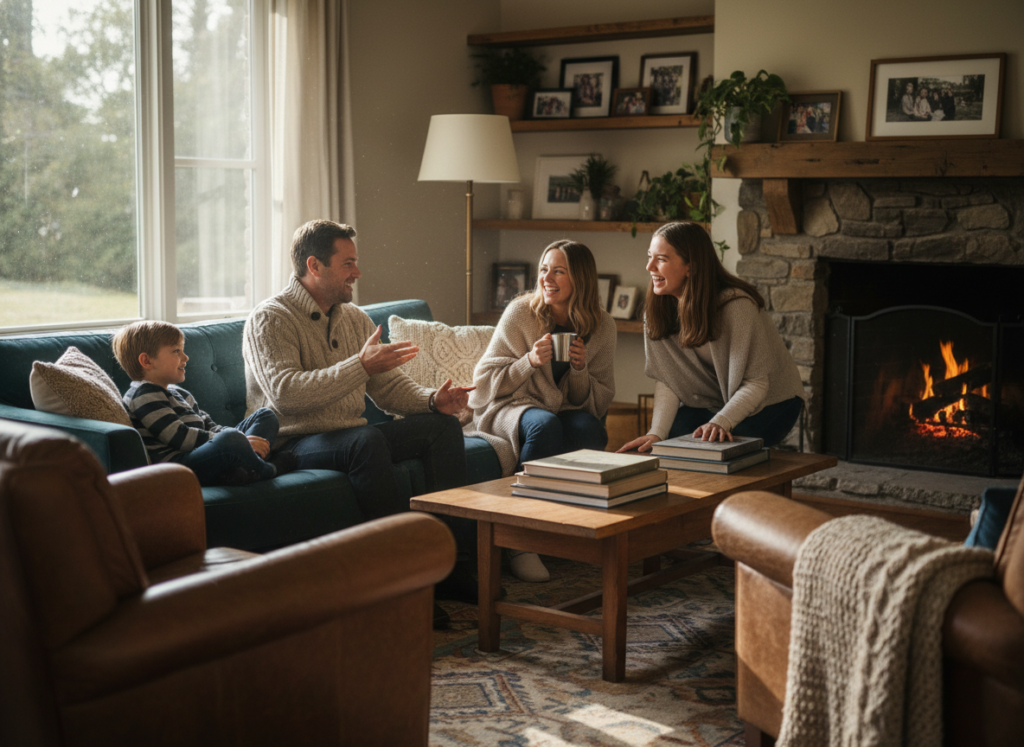
Practical storage is never static because life itself is constantly evolving. As children grow older, remote work becomes permanent, and hobbies change over time, your storage needs naturally shift along with your daily routines and priorities. Modular storage systems allow flexibility. Adjustable shelving, stackable bins, and movable dividers can be reconfigured as needed.
When investing in larger solutions, prioritize durability over trends. Solid materials and timeless designs ensure longevity. Trend driven pieces may not align with future needs. Storage decisions should reflect realistic daily patterns rather than idealized minimalism. Homes aren’t showrooms designed for display, they’re lived in every day, where comfort and convenience matter far more than perfection.
The Psychology of Organized Spaces
There’s a measurable connection between organized environments and mental clarity. When surroundings feel controlled, stress decreases. Tasks become more manageable. Clutter often represents postponed decisions. By creating defined storage systems, decision fatigue is reduced. You know exactly where items belong. Organization doesn’t require perfection. It requires consistency. Small daily resets prevent overwhelming buildup. Even simple systems such as designated mail trays or labeled pantry bins create a sense of order that extends beyond the physical environment.
Conclusion
Practical home storage ideas for everyday living focus on functionality, adaptability, and realistic routines. Effective storage aligns with how people actually move through their homes. It maximizes vertical space, integrates hidden compartments, supports kitchen efficiency, and prevents clutter from spreading in high traffic areas. When storage reflects daily behavior rather than aspirational ideals, it lasts. Organized spaces reduce friction, support mental clarity, and make everyday tasks smoother. The goal is a home that works. By implementing thoughtful systems one room at a time, you create an environment that supports your lifestyle now and can evolve as your needs change. Practical storage is a foundational element of a home designed for real life.
Related Articles
- Budget-Friendly Home Organization Ideas: Cheap Storage Hacks and Low-Cost Ways to Declutter and Maximize Space
- 15 Modern Mudroom Bench & Cubby Ideas to Maximize Storage and Style
- Affordable Storage Ideas for Renters: Clever Solutions for Small Spaces
- What Are Modular Tool Storage Systems and Which Brands Offer the Best Solutions for Your Space?