


A tidy home rarely comes from one big cleaning marathon. In most households, it comes from a series of small daily habits that prevent mess from building up in the first place. When those habits become part of your routine, your home feels easier to manage, more comfortable to live in, and far less overwhelming to reset at the end of the day. The aim is to build a home that stays functional, calm, and easy to maintain, even during a busy week, rather than focusing on achieving perfection.
Why Daily Cleaning Habits Make Home Maintenance Easier
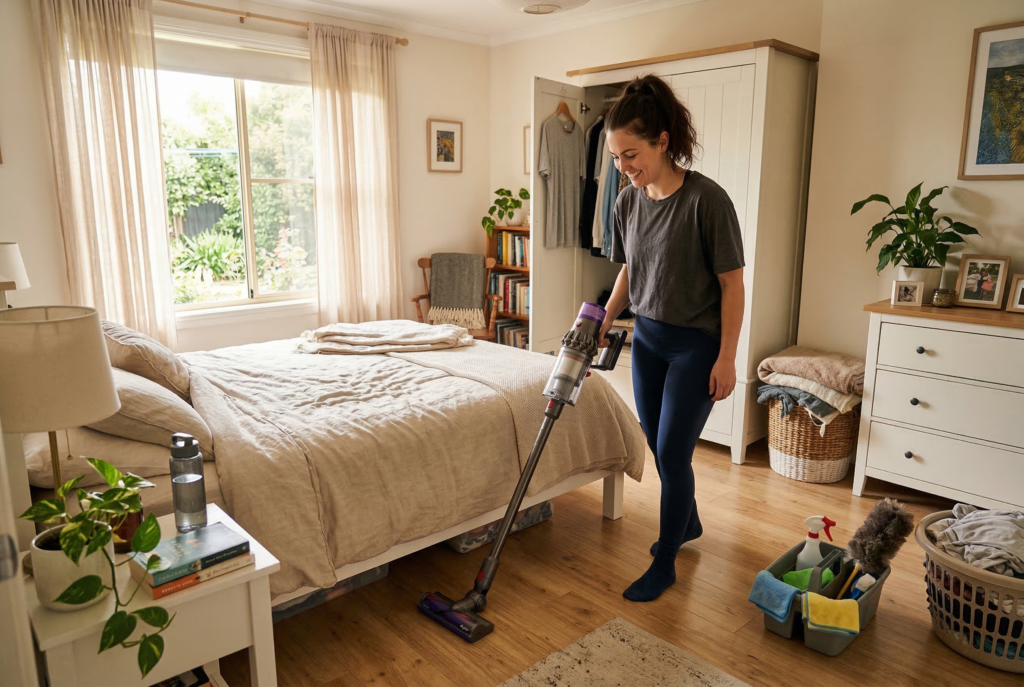
Many people think of cleaning as something that has to happen in large blocks of time. That approach can work once in a while, but it often leads to cycles of buildup, frustration, and catch-up. Daily cleaning habits change that pattern. Instead of waiting until the mess becomes obvious, you deal with small problems while they’re still easy to handle.
That matters in real life, especially in homes with children, pets, work-from-home routines, shared spaces, or packed schedules. A few consistent habits can reduce visual clutter, cut down on deep-cleaning time, and make your home feel more organized without requiring constant effort. Daily upkeep also helps protect surfaces, keeps dirt from spreading, and makes each room easier to use the way it was meant to be used.
1. Make the Bed Every Morning
Making the bed is one of the simplest daily cleaning habits, but it has an immediate effect on how a bedroom looks and feels. Even if the rest of the room isn’t spotless, a made bed makes the whole space look more settled.
This habit also creates a small sense of order early in the day. It takes only a few minutes, yet it helps anchor the room and reduces the visual chaos that can make bedrooms feel untidy. In homes where bedrooms double as workspaces or quiet retreat areas, this simple reset matters even more. You don’t need a perfect showroom bed. Straightening the sheets, fluffing the pillows, and pulling up the comforter is enough to make a noticeable difference.
2. Wipe Kitchen Counters After Every Meal
Kitchens collect mess fast. Crumbs, spills, grease, food packaging, and random items tend to pile up when counters aren’t cleared regularly. Wiping down the counters after meals keeps buildup from turning into a bigger cleaning job later.
This habit also supports better hygiene, especially in homes where cooking happens daily. A quick wipe with a damp cloth or gentle cleaner helps remove food residue before it hardens or attracts pests. It also keeps the kitchen looking more open and manageable, which can make it easier to prepare the next meal without frustration.
When paired with putting ingredients away right after use, this routine helps the kitchen stay cleaner throughout the day instead of becoming a mess zone by evening.
3. Wash Dishes or Load the Dishwasher Right Away
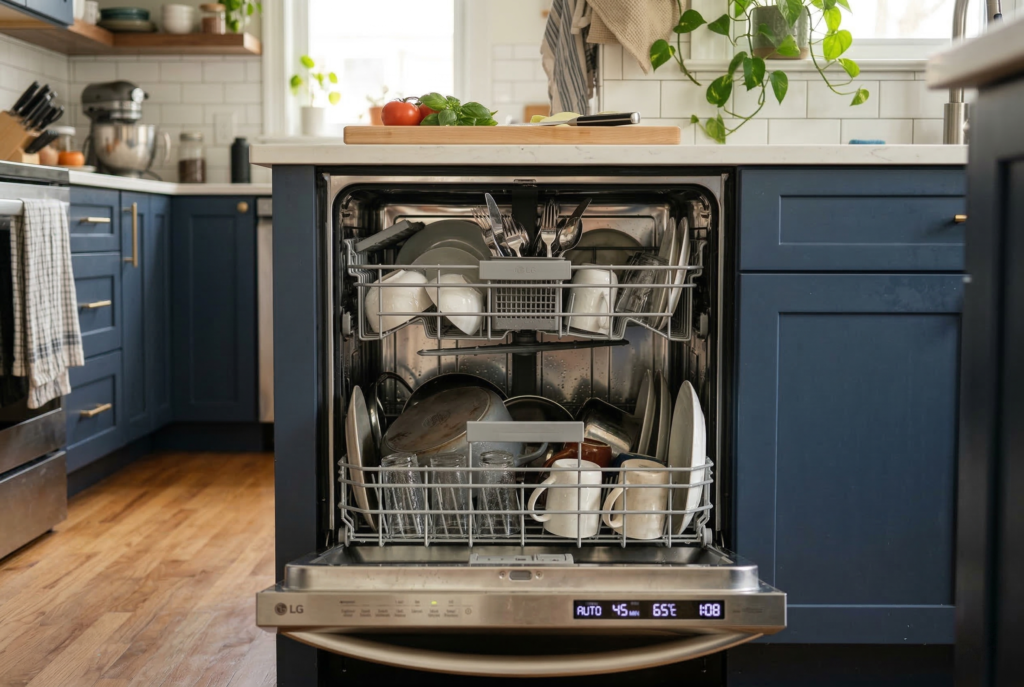
One of the fastest ways for a home to feel chaotic is a sink full of dishes. Even a fairly clean kitchen can start to look neglected when plates, cups, and pans are left sitting out for hours.
Washing dishes promptly or loading them into the dishwasher right after meals keeps the mess from spreading. It also prevents food from drying onto surfaces, which makes cleanup harder later. For busy households, this habit is often less about deep cleaning and more about avoiding the kind of buildup that steals time and energy at the end of the day.
If your schedule gets tight, even a partial reset helps. Clearing the sink, rinsing cookware, and starting the dishwasher before bed can make the next morning feel much more manageable.
4. Do One Load of Laundry Before It Becomes a Pile
Laundry tends to feel overwhelming when it’s left to accumulate for several days. Once baskets overflow and clean clothes mix with wrinkled ones, the entire process becomes more time-consuming.
Doing one load regularly keeps laundry in motion and prevents it from taking over bedrooms, bathrooms, or laundry areas. In many homes, this might mean one small load each day or a consistent rhythm that matches your household size. The key is keeping it from reaching the point where it becomes a half-day project. Just as important, finish the cycle completely when possible. Washing clothes is helpful, but putting them away is what keeps piles from shifting from one surface to another.
5. Put Things Back After You Use Them
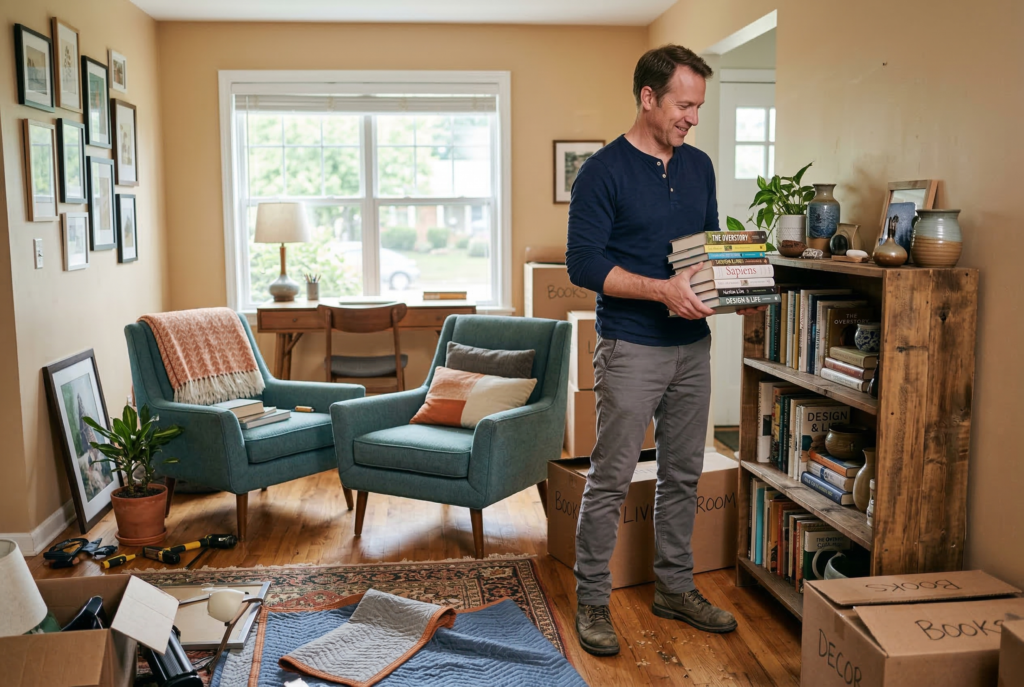
A lot of household clutter doesn’t come from having too much stuff. It comes from items being left in the wrong place over and over again. Shoes by the door, mail on the counter, chargers on the sofa, and toiletries on the bathroom vanity may not seem like much individually, but together they create constant visual noise.
Returning items to their home after using them is one of the most effective ways to keep a house organized. This habit supports cleanliness because surfaces stay clearer, floors stay easier to vacuum, and rooms stay more functional. It also helps every part of the home work better. When things are where they belong, you spend less time looking for them and less time doing emergency resets before guests arrive.
6. Do a Nightly Living Room Reset
Living rooms tend to collect the leftovers of daily life. Blankets get tossed aside, remote controls disappear into cushions, cups end up on side tables, and kids’ items or work materials drift into the space and stay there.
A quick evening reset can prevent that mess from carrying into the next day. Straighten pillows, fold throws, put away stray items, and clear visible surfaces. This doesn’t need to take long. In many homes, five to ten minutes is enough.
That short reset helps the home feel calmer at night and more welcoming the next morning. It’s especially useful in open-concept homes, where clutter in one main area can affect how the entire space feels.
7. Clean As You Go in the Bathroom
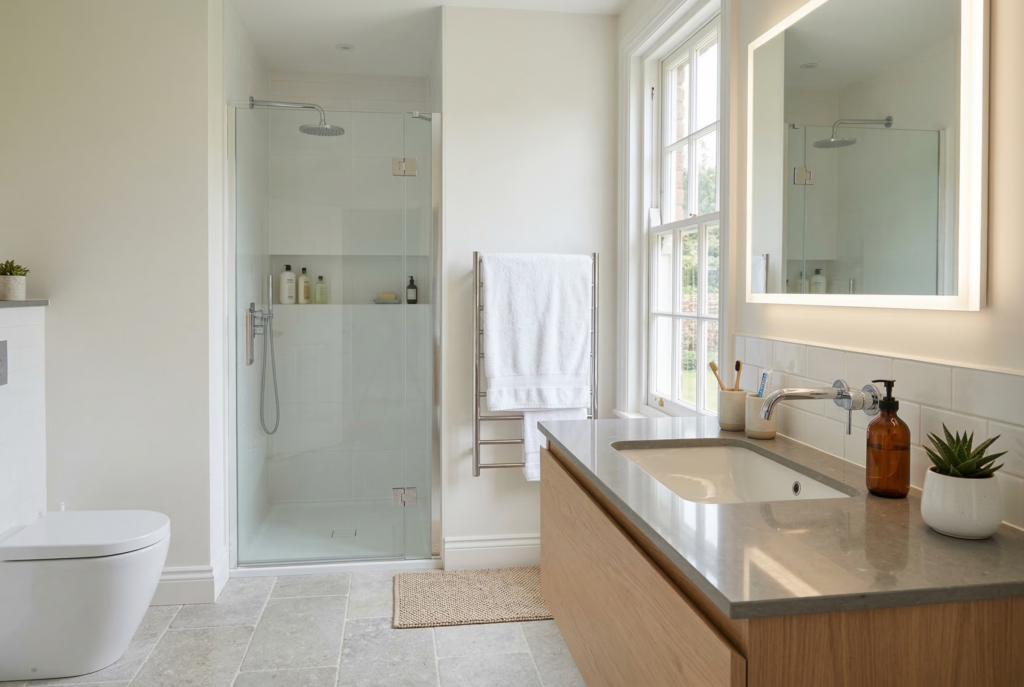
Bathrooms stay easier to maintain when small messes are handled in real time. Wiping the sink after getting ready, hanging up towels properly, and doing a quick mirror check can make a big difference over the course of a week.
This habit reduces water spots, toothpaste residue, product buildup, and the kind of gradual grime that makes bathrooms feel harder to clean than they really are. It also helps guests and family members use the space more comfortably. For households with multiple people sharing a bathroom, daily upkeep matters even more. A little consistency keeps the room from slipping into disorder between deeper weekly cleanings.
8. Sort Mail and Paper Right Away
Paper clutter builds fast and often spreads across kitchen counters, entry tables, desks, and dining surfaces. Mail, school forms, receipts, flyers, and delivery notices can pile up almost invisibly until a surface no longer feels usable.
Sorting paper as it comes in helps stop that buildup. Recycle junk mail immediately, set aside bills or forms that need attention, and place important documents in one designated spot. This habit keeps flat surfaces clearer and reduces the mental clutter that often comes with paper piles. In many homes, paper management has a bigger impact on tidiness than people expect. Once it’s under control, common areas instantly feel more organized.
9. Sweep High-Traffic Floors Frequently
Entryways, kitchens, mudrooms, and dining areas usually need more attention than the rest of the house. Dirt, crumbs, pet hair, and outdoor debris tend to collect there first, especially in homes with kids, pets, or regular foot traffic.
A quick daily sweep or vacuum in these zones can keep dirt from traveling into other rooms. It also helps protect flooring and keeps the house feeling cleaner overall, even if the rest of the home only needs light upkeep. You don’t need to clean every floor every day. Focusing on the busiest spots gives you the biggest return for your effort and keeps maintenance more realistic.
10. End the Day With a Ten-Minute Whole-House Tidy
One of the most effective daily cleaning habits is a short reset before bed. Spend ten minutes walking through the main areas of the home and putting things back where they belong. Pick up clutter, fold a blanket, toss trash, clear a counter, and check the most visible surfaces.
This habit prevents small messes from becoming tomorrow’s bigger problem. It also helps your home start the next day in better shape, which often makes it easier to stay on track with other routines. For families, couples, or roommates, this works even better when everyone helps. A short shared reset can make the home feel lighter without placing the entire burden on one person.
How to Make Daily Cleaning Habits Stick

The best cleaning habits are the ones that fit naturally into your routine. They don’t need to be elaborate, and they don’t need to happen perfectly every day. What matters is consistency. Tie habits to moments that already happen, such as wiping counters after dinner, sorting mail when you walk in the door, or resetting the living room before you brush your teeth at night.
It also helps to focus on the habits that reduce stress most in your own home. For one household, that may be staying on top of dishes. For another, it may be laundry or floor care. Start where the mess tends to build fastest and create simple systems around those areas first.
Conclusion
A clean, organized home is usually the result of repeated small choices rather than constant deep cleaning. When you make the bed, wipe the counters, manage dishes, reset common areas, and stay ahead of clutter, your home becomes easier to maintain day after day. These habits don’t require perfection, and they don’t need to take over your schedule. They simply create more order, less buildup, and a home that supports everyday life more smoothly.
The most useful daily cleaning habits are the ones that make your space feel calmer and more functional without adding unnecessary pressure. Once they become routine, keeping your home tidy feels less like a chore and more like a steady rhythm that works in your favor.