

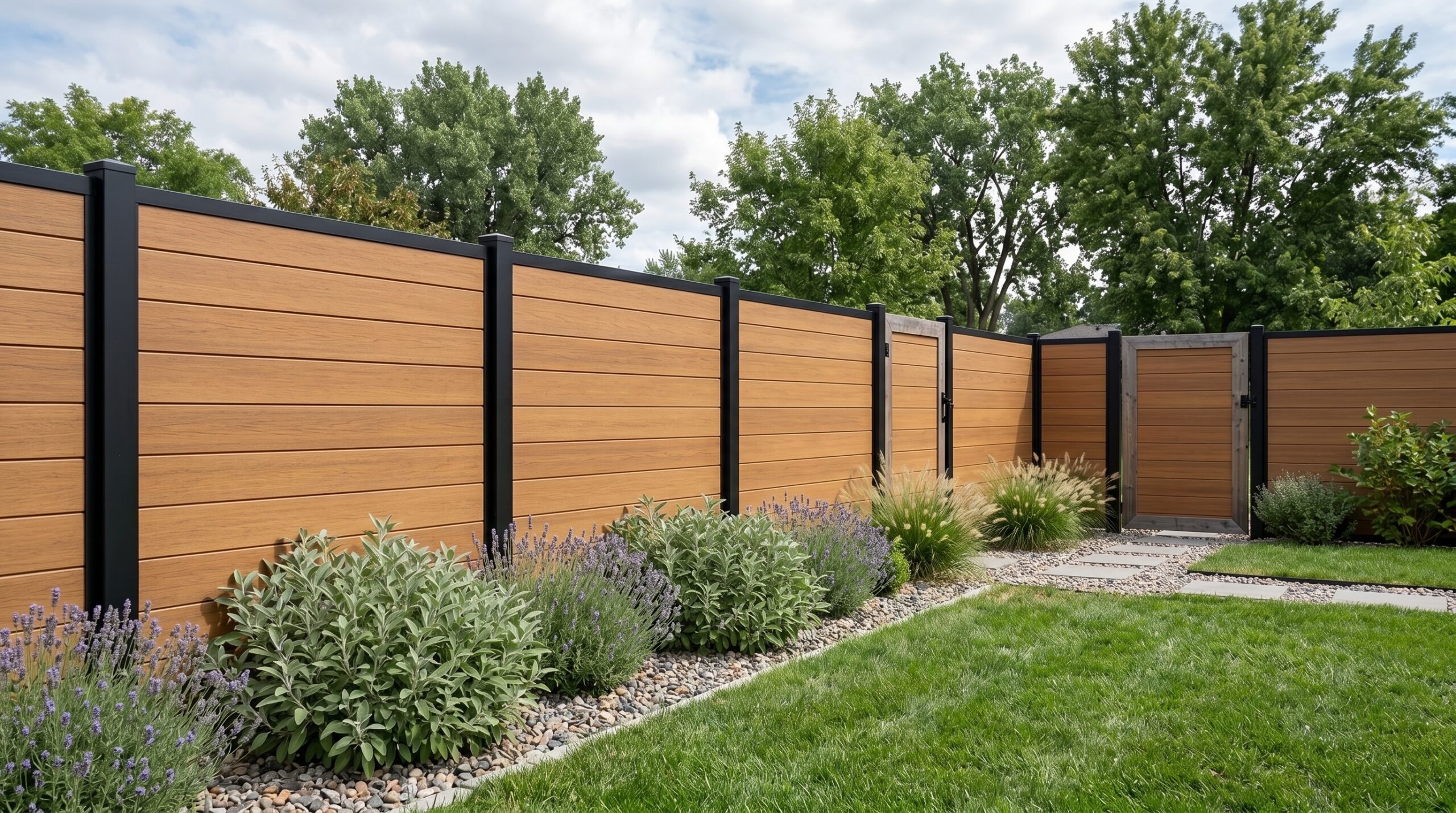
The best privacy fence ideas do more than block a view. They shape how your yard feels, reduce noise, and give you a sense of comfort when using your outdoor space. But inspiration alone isn’t enough. Before building any privacy fence, homeowners also need clear answers about privacy fence cost, materials, and installation. In 2026, the smartest approach is to balance style with practicality so your fence looks good, fits your budget, and actually works long term.
Top Privacy Fence Ideas & Styles for 2026
A great fence should match your home, your climate, and your real privacy needs. Some designs focus on full coverage, while others aim for a lighter, more decorative effect.
Classic Wood & Modern Vinyl
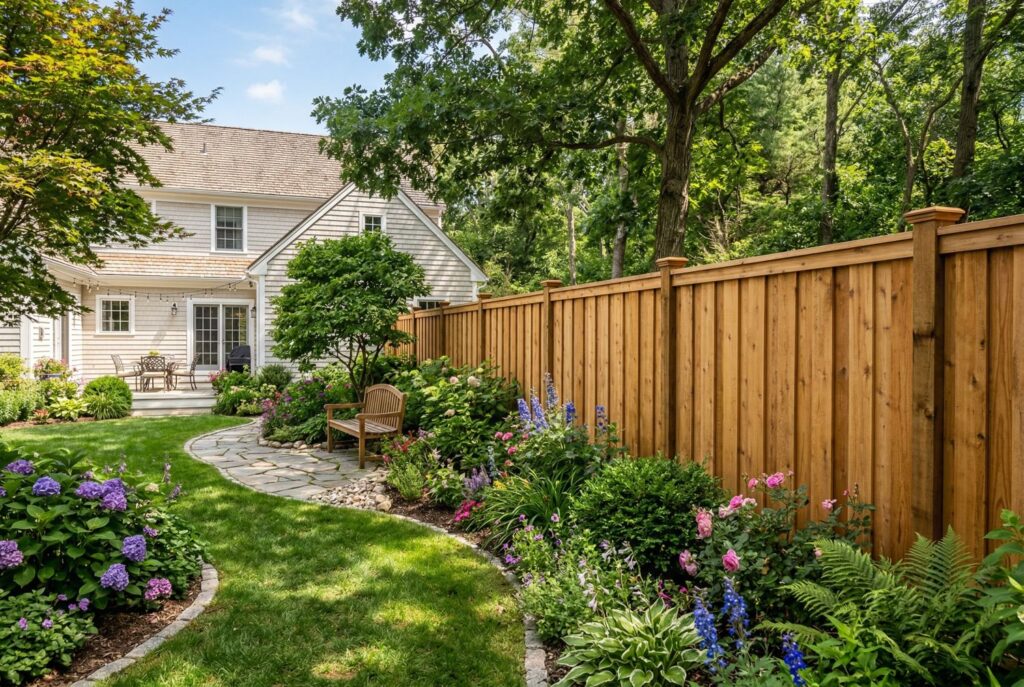
A wood privacy fence remains one of the most reliable and versatile options. Board on board cedar, in particular, creates a dense structure that blocks visibility from most angles, making it a strong choice if full privacy is your goal. At the same time, it gives a warm and natural appearance that blends well with traditional homes and landscaped yards.
However, this type of fence isn’t the easiest DIY project. While experienced homeowners can build it themselves, it usually requires precise spacing, leveling, and long hours of installation. Maintenance is also part of the equation, since wood needs sealing or staining to stay in good condition.
A vinyl privacy fence offers a more modern alternative with a clean, structured look. It provides a similar level of privacy to wood but with far less maintenance. Vinyl panels resist moisture, don’t require painting, and are often preferred by homeowners who want a long lasting solution without ongoing upkeep.
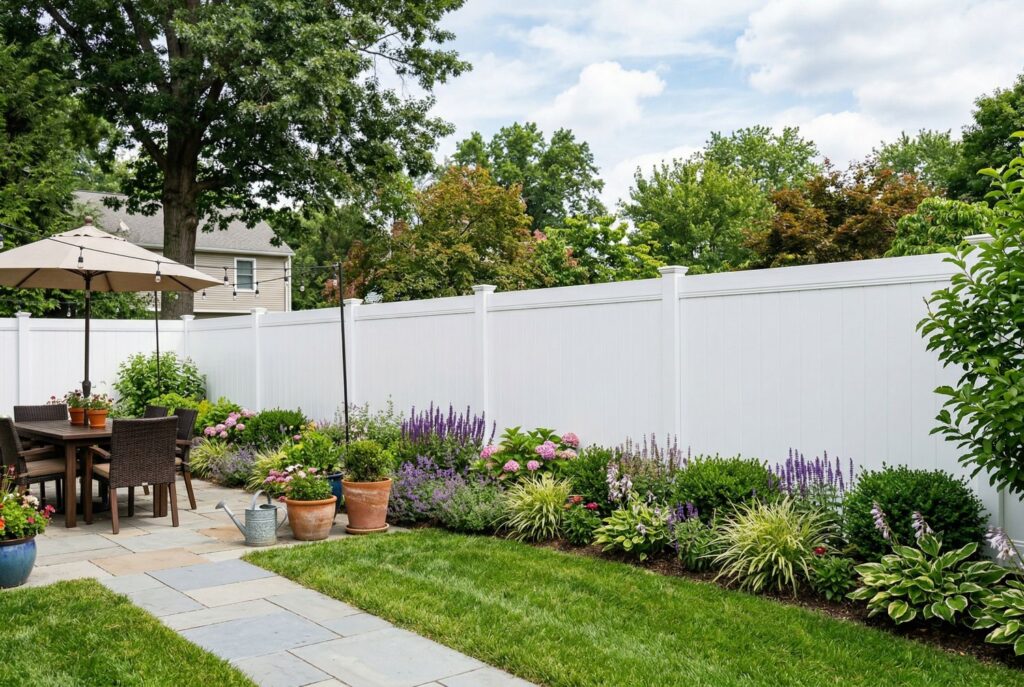
From an installation perspective, vinyl is typically easier to handle than wood, especially when using pre-made panels. That said, alignment and post setting still need to be done carefully to avoid long term issues.
Budget Friendly Solutions
If you’re working with a limited budget, there are still plenty of cheap privacy fence ideas that can deliver solid results. One of the simplest approaches is using chain link fencing combined with privacy screens. This setup doesn’t fully block sound or create a premium look, but it provides decent visual coverage at a much lower cost.
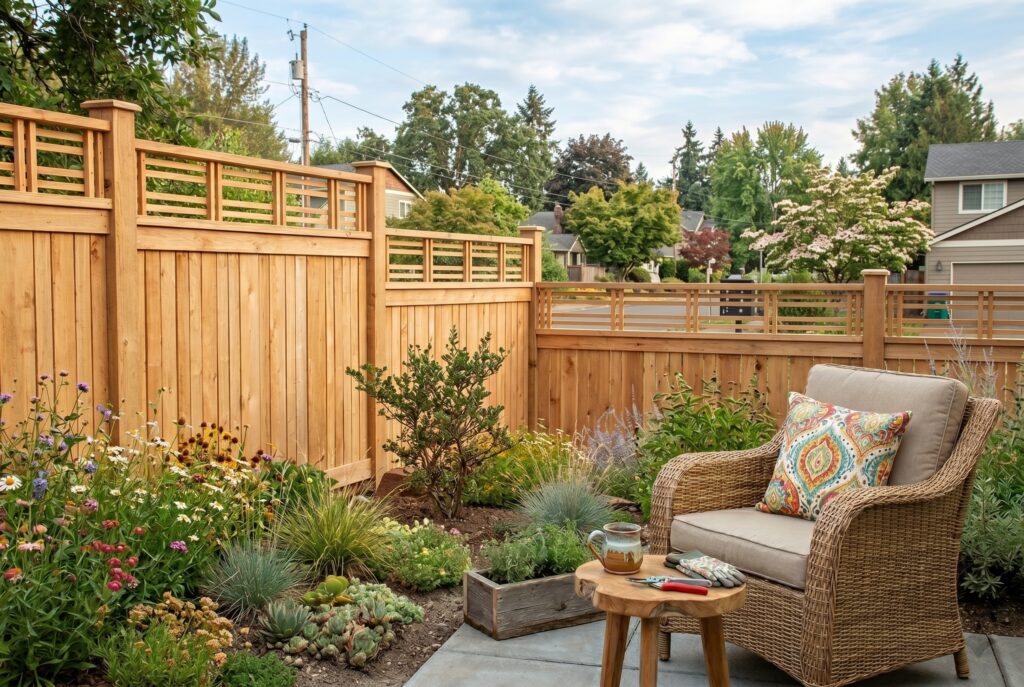
It’s also one of the more beginner friendly DIY options, making it a practical choice if you want quick results without complex construction. Another option is a DIY privacy fence built from pallet wood. This approach can offer surprisingly strong privacy if the boards are installed tightly. It works especially well for backyards where aesthetics are more relaxed or rustic.
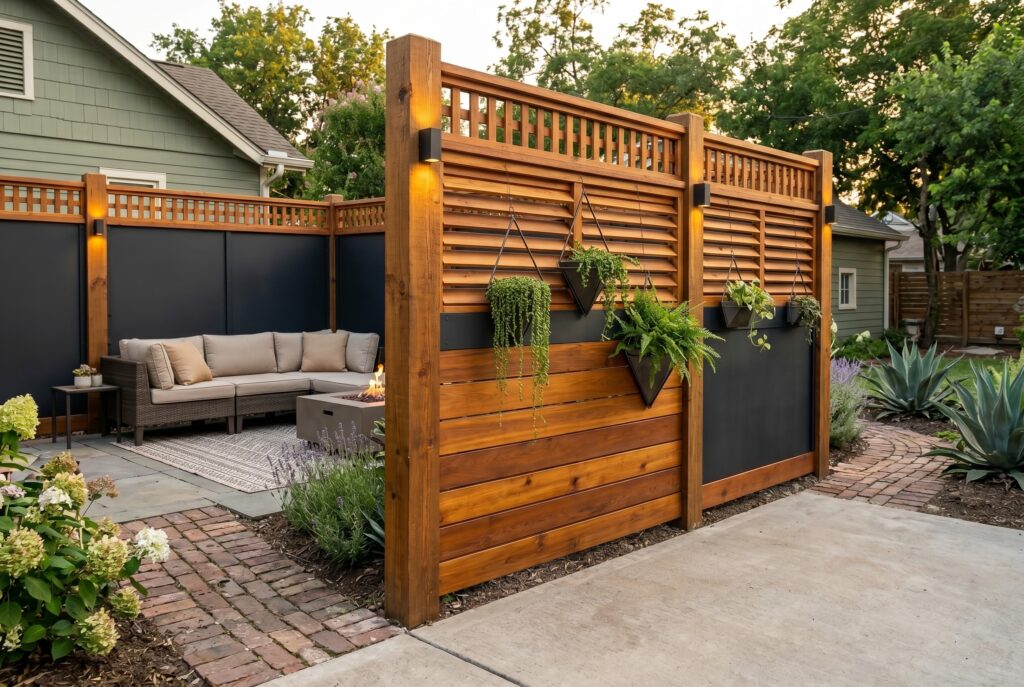
That said, pallet fences aren’t as easy as they seem. They require sorting materials, reinforcing weak sections, and careful assembly. So while the material cost is low, the effort involved is significantly higher.
Soft Privacy & Mixed Materials
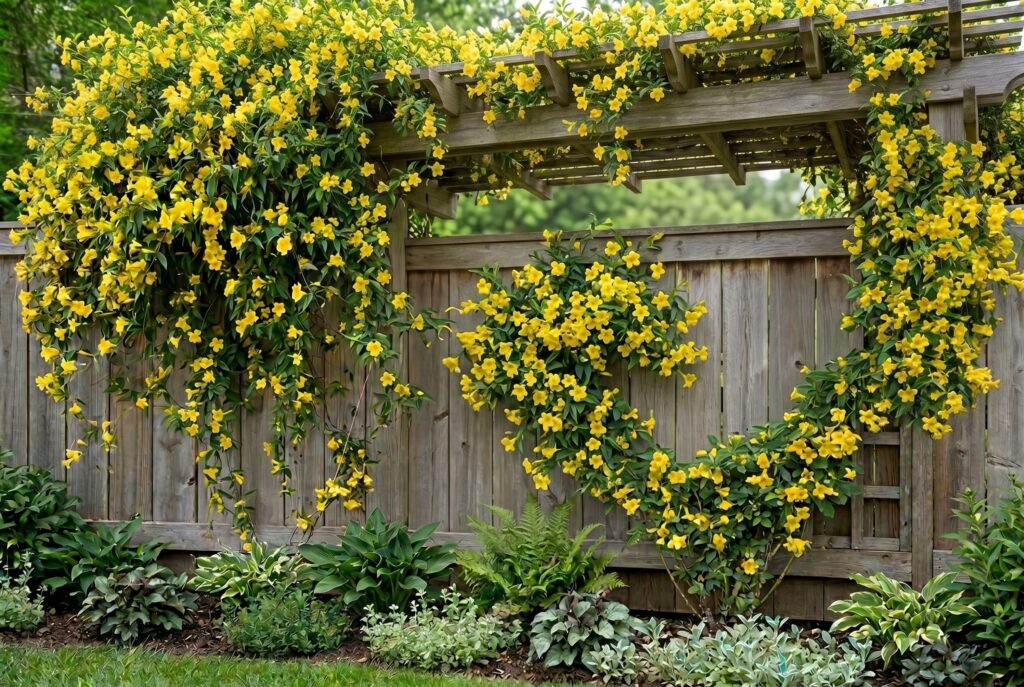
Not every backyard needs a solid wall. In some cases, a softer approach creates a more inviting and open environment. Living hedges, trellises with climbing plants, and mixed materials like gabion walls can provide partial privacy while still allowing airflow and light.
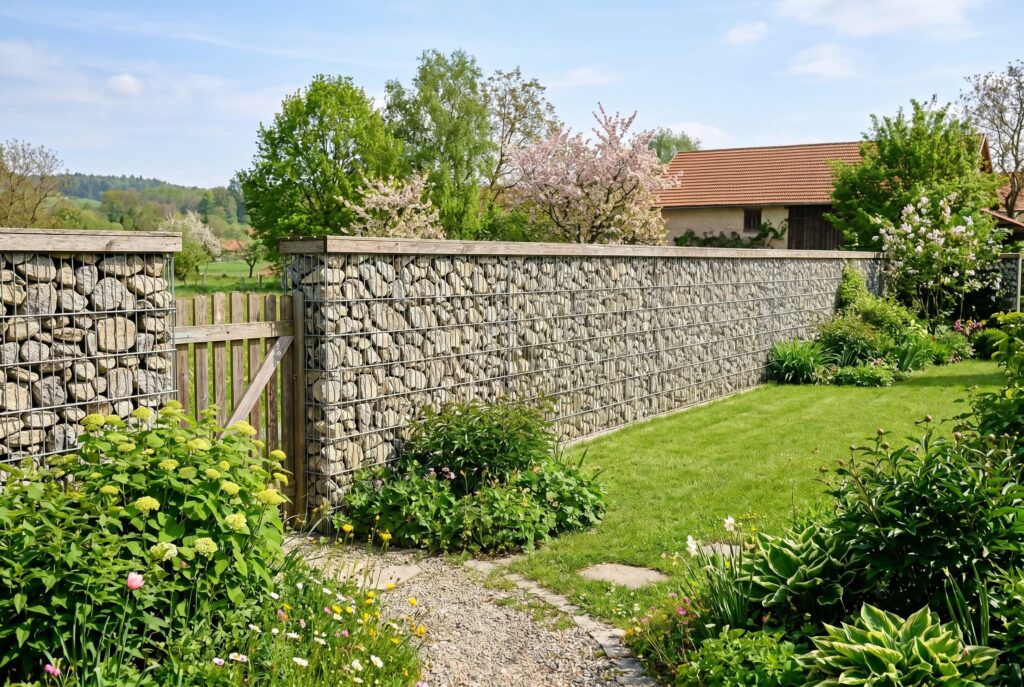
These options usually don’t offer complete visual blocking right away, especially with plants that need time to grow. But they excel at creating a layered, natural feel that enhances the overall design of the space. In terms of installation, these solutions sit somewhere in the middle. They aren’t as simple as basic panels, but they also don’t require the same structural precision as a full height fence.
The Magic Number: How Much Does a Privacy Fence Cost?
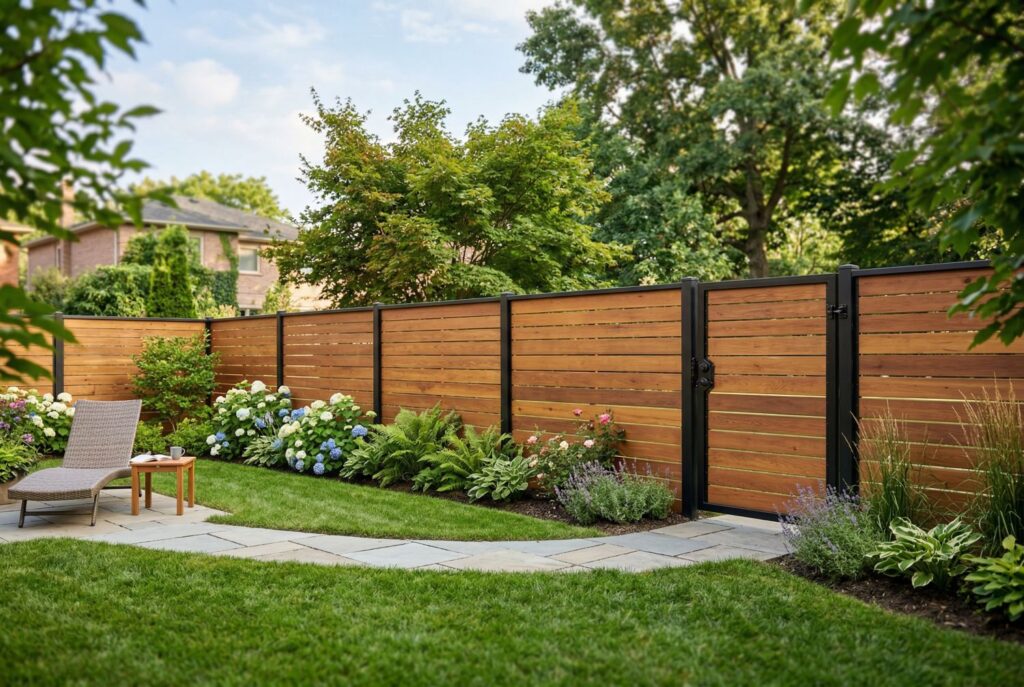
One of the most common questions homeowners ask is: how much does a 6-foot privacy fence cost per foot? The answer depends heavily on materials, labor, and site conditions.
Here’s a simplified comparison:
| Material | Lifespan | Maintenance | Cost per Foot |
| Chain link with screen | 10 to 20 years | Low | $15 to $30 |
| Basic wood privacy fence | 10 to 15 years | Medium to High | $25 to $45 |
| Cedar board on board | 15 to 20 years | Medium | $35 to $60 |
| Vinyl privacy fence | 20 to 30 years | Low | $30 to $55 |
| Composite | 20 to 30+ years | Low to Medium | $45 to $80+ |
So when evaluating how much a 6-foot privacy fence costs per foot, most projects fall between $25 and $60. A DIY privacy fence can reduce labor costs, while complex layouts or premium materials will push the total higher.
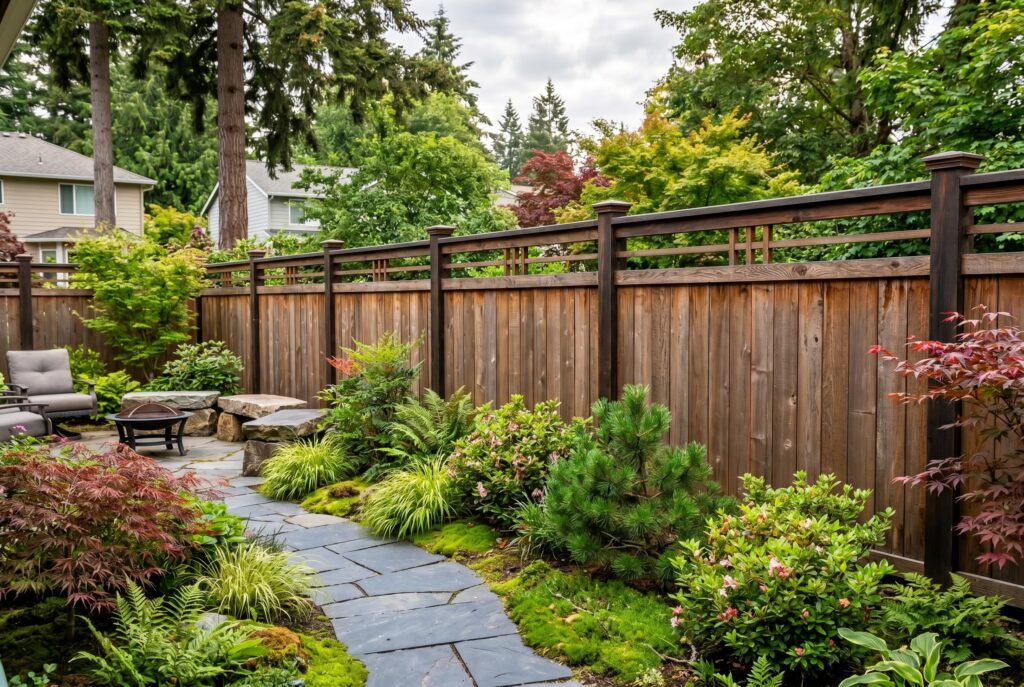
The key is to think beyond the initial price. A cheaper fence may cost more over time if maintenance is high, while a higher upfront investment can reduce long term effort.
The Hidden Fencing Rules: Codes, Permits, and Going Tall
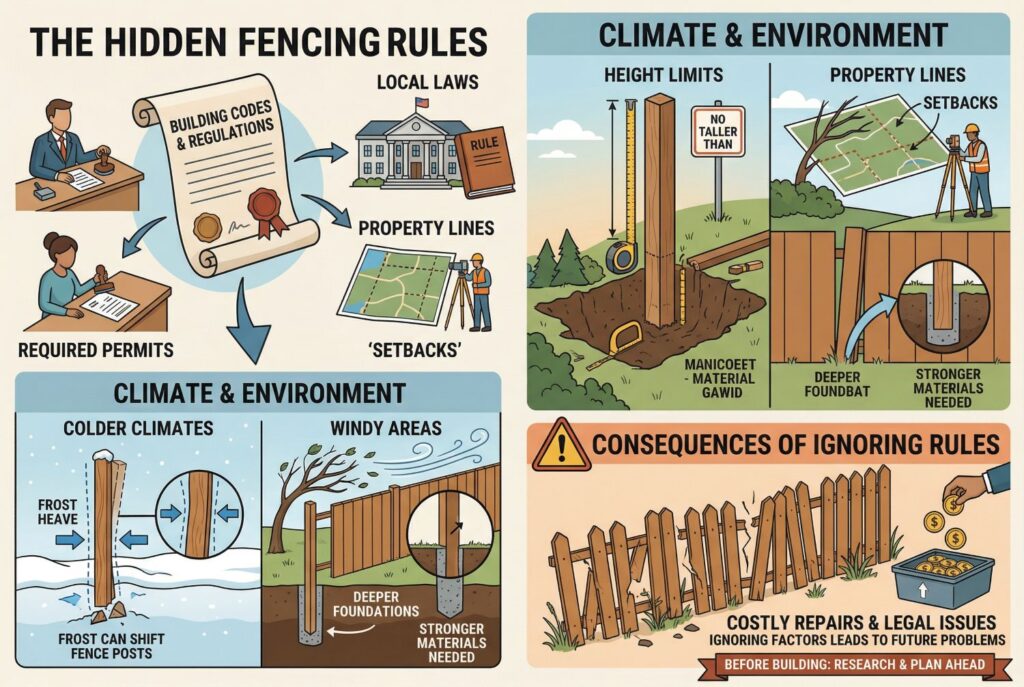
Before building, it’s essential to understand local regulations. Many areas limit fence height, require permits, or have rules about placement near property lines. Climate also plays a role. In colder regions, frost can shift fence posts over time. In windy areas, stronger materials and deeper foundations are often necessary. Ignoring these factors can lead to costly repairs later.
Can I Build an 8 Foot Privacy Fence?
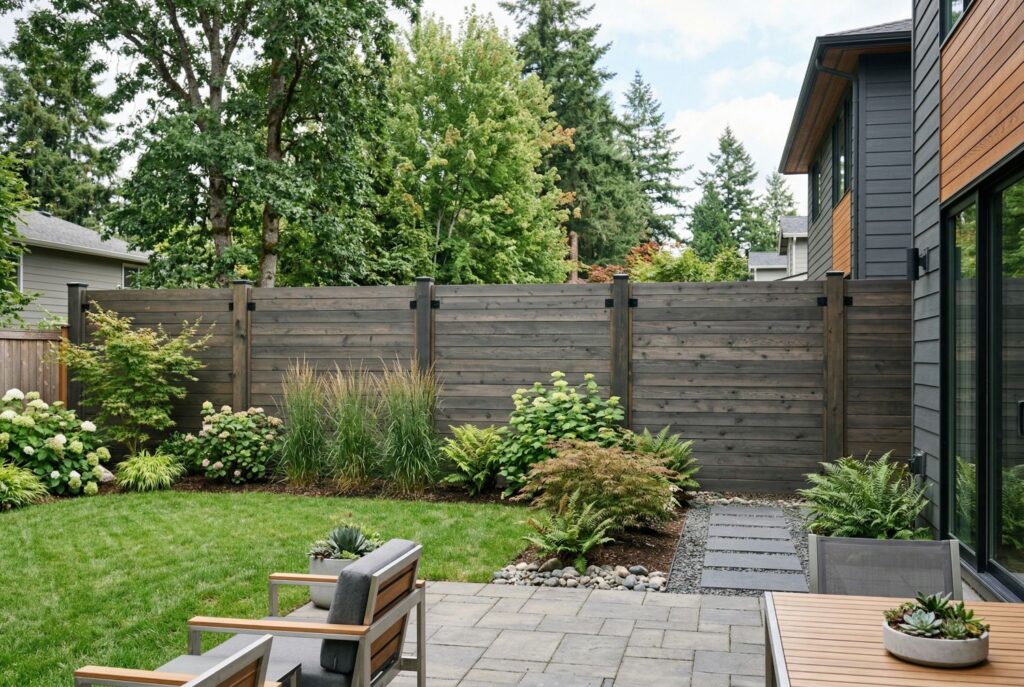
A tall privacy fence can provide better screening, especially in dense neighborhoods or near busy roads. However, an 8-foot privacy fence often comes with stricter rules. Some locations only allow this height in backyards, while others require special approval. Structurally, taller fences also need stronger support to handle wind pressure and long term stability.
Installation Strategy: DIY vs. Hiring a Pro
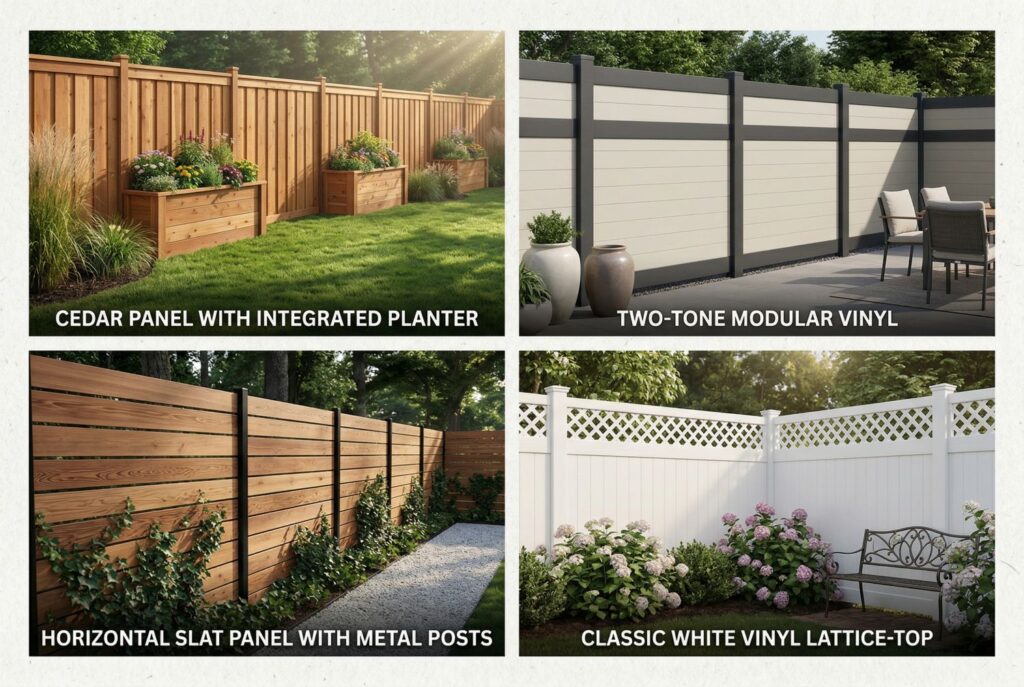
A DIY privacy fence can be a great option if your project is simple and your yard is level. Pre-built panels and modular systems make installation more manageable for homeowners with basic tools and patience.
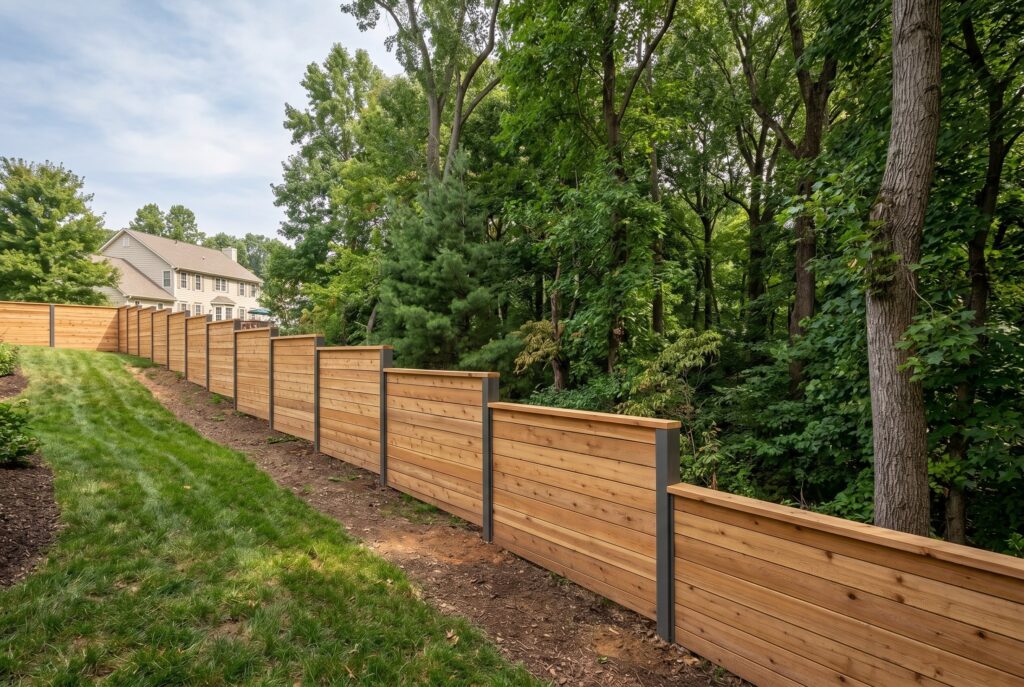
But not every project is suitable for DIY. Sloped terrain, tall fence designs, or complex layouts usually require professional privacy fence installation. Hiring a pro can save time, reduce mistakes, and ensure the fence meets local requirements. The best decision comes down to your experience and the complexity of the build. A well installed fence lasts for years, while a rushed job can create problems almost immediately.
Conclusion
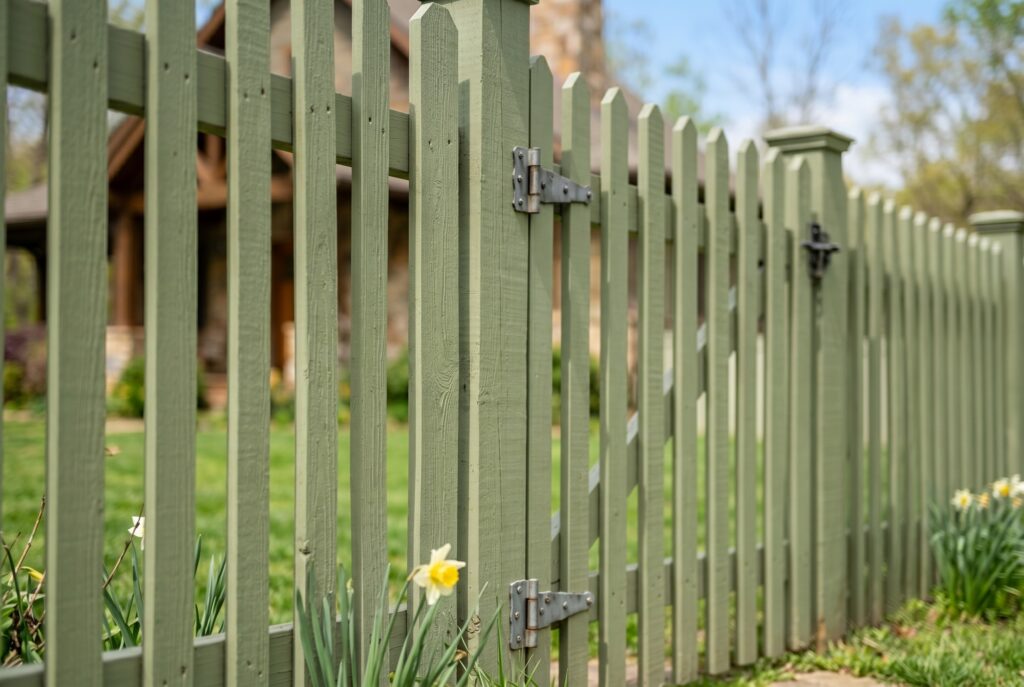
To build a successful privacy fence, start with a clear plan. Check local codes and height limits first. Then choose materials based on your climate, budget, and maintenance expectations. Decide whether a DIY privacy fence is realistic or if professional privacy fence installation makes more sense. Finally, move forward with a design that fits both your space and your lifestyle. The best privacy fence ideas aren’t just about looks. They create a space that feels private, comfortable, and truly yours.
Related Articles
Wood vs. Vinyl Privacy Fence: Which Panels Are Best for Your Yard?