

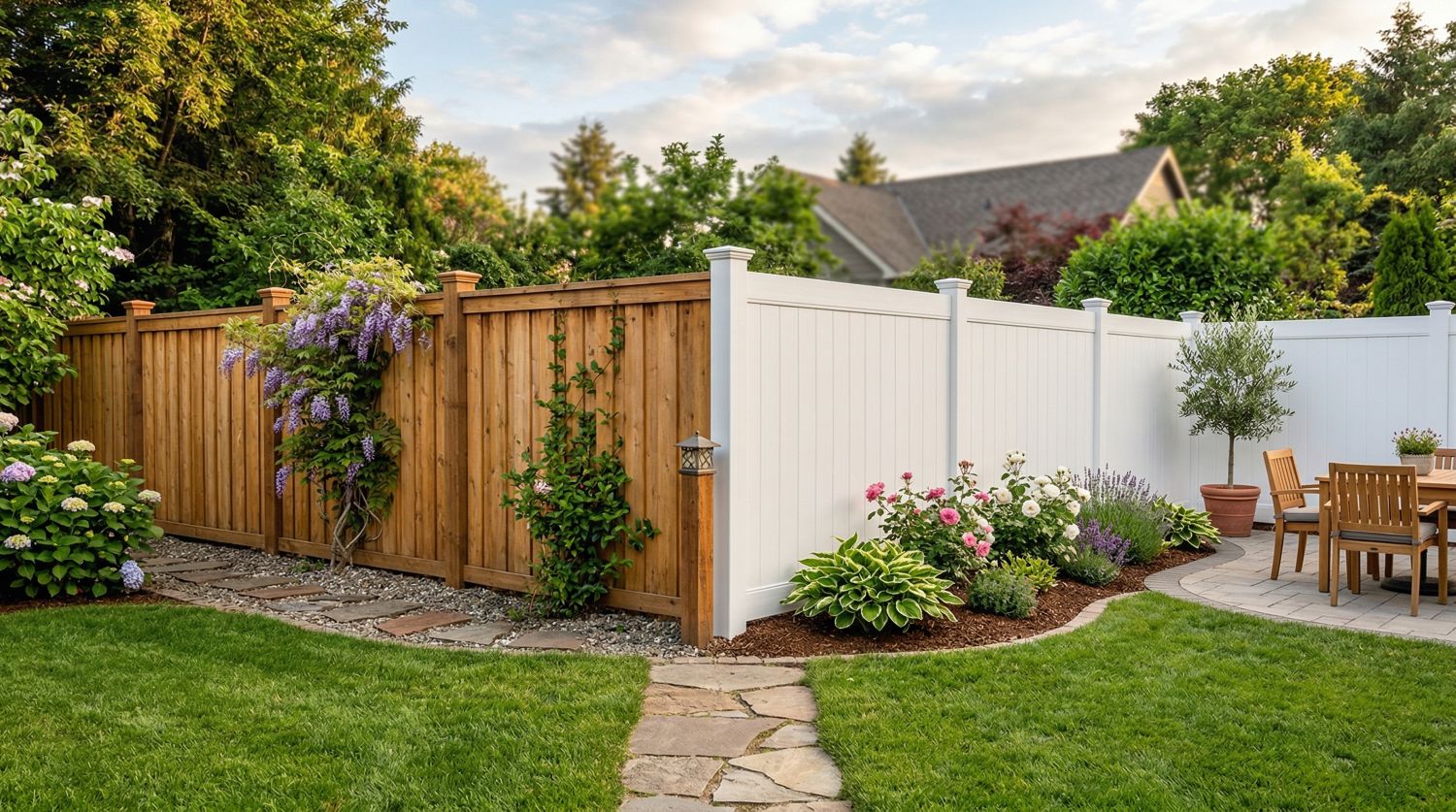
Choosing between a wood privacy fence and a vinyl privacy fence is one of the biggest decisions homeowners make when planning a backyard upgrade. On one side, wood offers warmth, texture, and a timeless natural look. On the other, vinyl promises easier upkeep, longer-term durability, and a cleaner finish with less weekend maintenance. If you’re comparing privacy fence panels for a family yard, pet area, pool boundary, or simple backyard privacy project, the right answer depends on more than appearance alone. You also need to think about privacy fence cost, long-term upkeep, climate, installation, and how the fence fits the look of your home.
Wood vs. Vinyl Decision Matrix
Before getting into the details, here’s the fastest way to compare privacy fence panels side by side.
| Feature | Wood Privacy Fence | Vinyl Privacy Fence |
| Upfront Cost | Usually lower | Usually higher |
| Maintenance Level | Medium to high | Low |
| Lifespan | Good with upkeep | Often longer with minimal upkeep |
| Wind and Weather Resistance | Varies by wood type and maintenance | Strong, especially with better-grade products |
| Appearance | Natural and customizable | Clean, polished, more uniform |
| Best For | Homeowners who want character and flexibility | Homeowners who want durability and less maintenance |
In simple terms, wood wins on charm and often on initial budget, while vinyl wins on convenience and lower long-term effort.
The Case for Wood Privacy Fences: Natural Beauty and Versatility
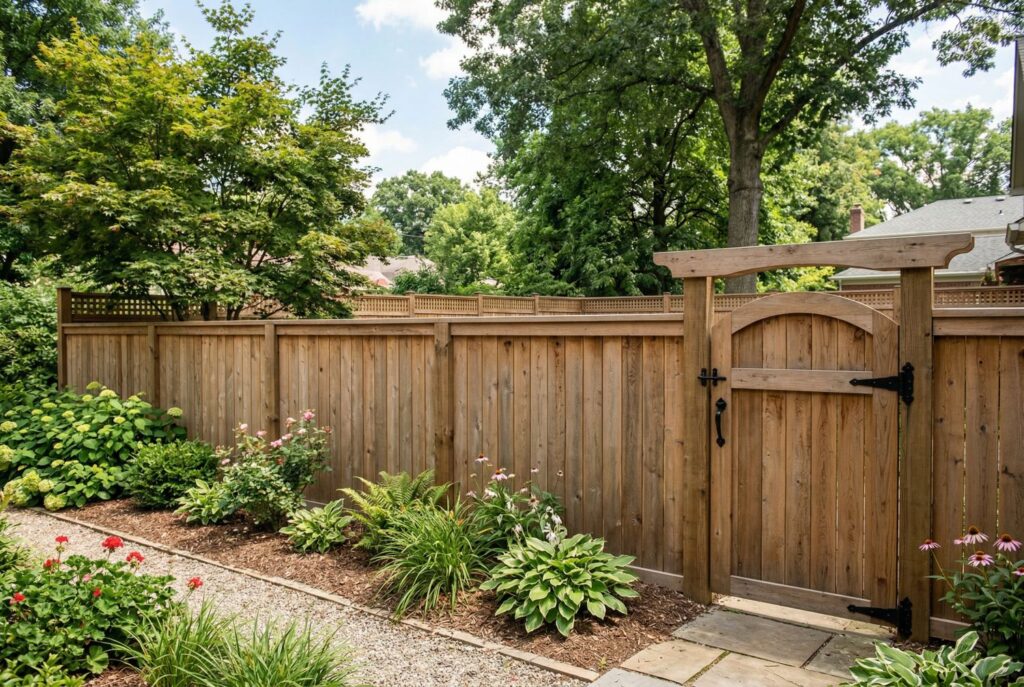
A wood privacy fence remains popular for a reason. It gives a yard warmth that many synthetic materials still struggle to match. If you want a fence that feels natural, blends into landscaping, and can be stained or painted to match your home, wood is hard to beat.
Another advantage is flexibility. A wood fence can feel classic, rustic, modern, or refined depending on the boards, finish, and layout. That’s why so many homeowners still search for wood fence ideas before making a final decision. Even a simple wooden fence can look premium when the proportions, stain color, and style are chosen carefully.
Wood is also attractive from a pricing perspective. In many cases, the upfront cost of a wood privacy fence is lower than vinyl, which makes it easier to start the project without stretching the budget too far. The tradeoff, of course, is that wood needs more attention over time.
Best Wood Types for Fencing
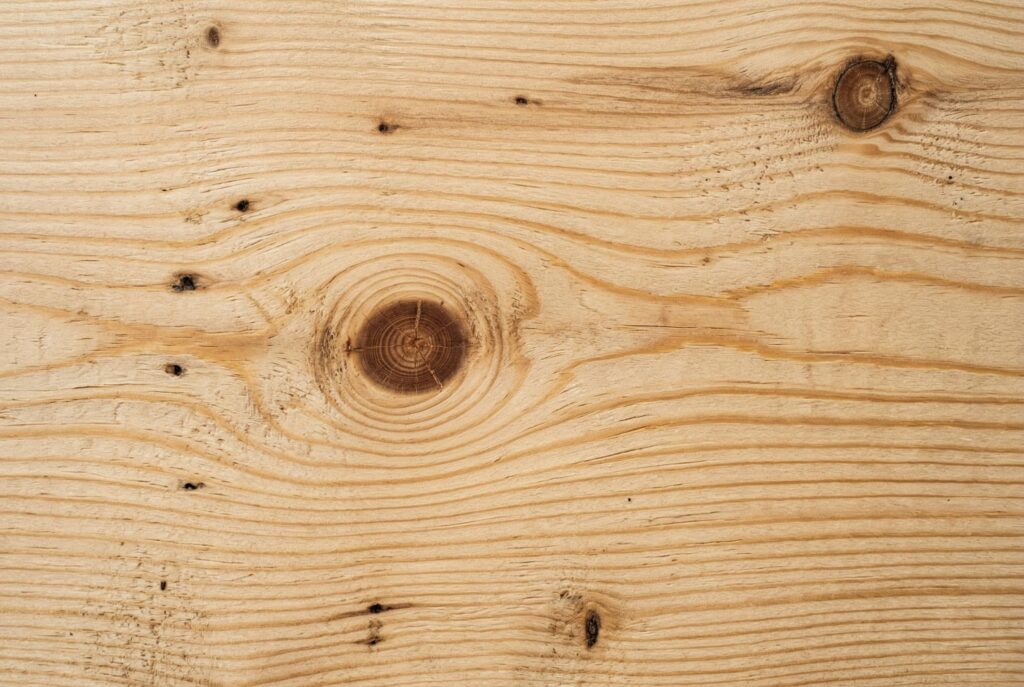
Not all wood performs the same. Cedar is one of the most desirable choices because it resists insects and moisture better than many cheaper alternatives. It also ages beautifully and tends to hold its shape well, which is why cedar is often the go-to option for higher-end wood fence styles.
Pine is usually more budget-friendly, but it often needs more maintenance and protection to last well outdoors. Spruce can work for some fence projects, though it may not offer the same durability as cedar. Pressure-treated lumber is another common option because it’s built to resist rot and decay more effectively than untreated boards.
The best choice depends on your priorities. If your goal is lower upfront cost, pressure-treated pine may make sense. If you want a more refined finish and better natural durability, cedar is often worth the upgrade.
Popular Wood Fence Styles
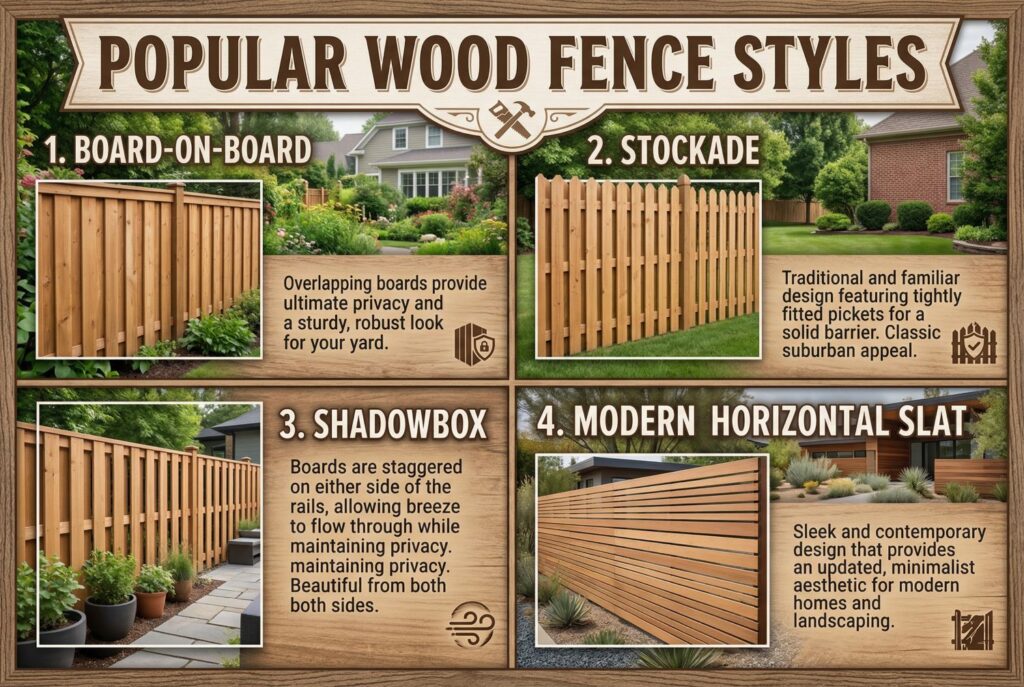
One of the biggest reasons homeowners prefer wood is the variety of design options. Board-on-board fences are excellent for strong privacy because overlapping boards reduce visible gaps. Stockade fences create a more classic solid barrier and are a familiar choice for many suburban yards. Shadowbox designs are useful when you want some airflow without giving up too much coverage.
Modern horizontal slat fences are also growing in popularity. They feel more architectural than traditional vertical layouts and fit well with updated homes and minimalist landscaping. If you’ve been browsing wood fence ideas, this is probably one of the looks you’ve seen most often. Because wood is easy to cut, stain, and customize, it offers more freedom than many prefabricated materials. That flexibility is part of what makes a wooden fence so appealing.
The Case for Vinyl Privacy Fences: Durability and Low Maintenance
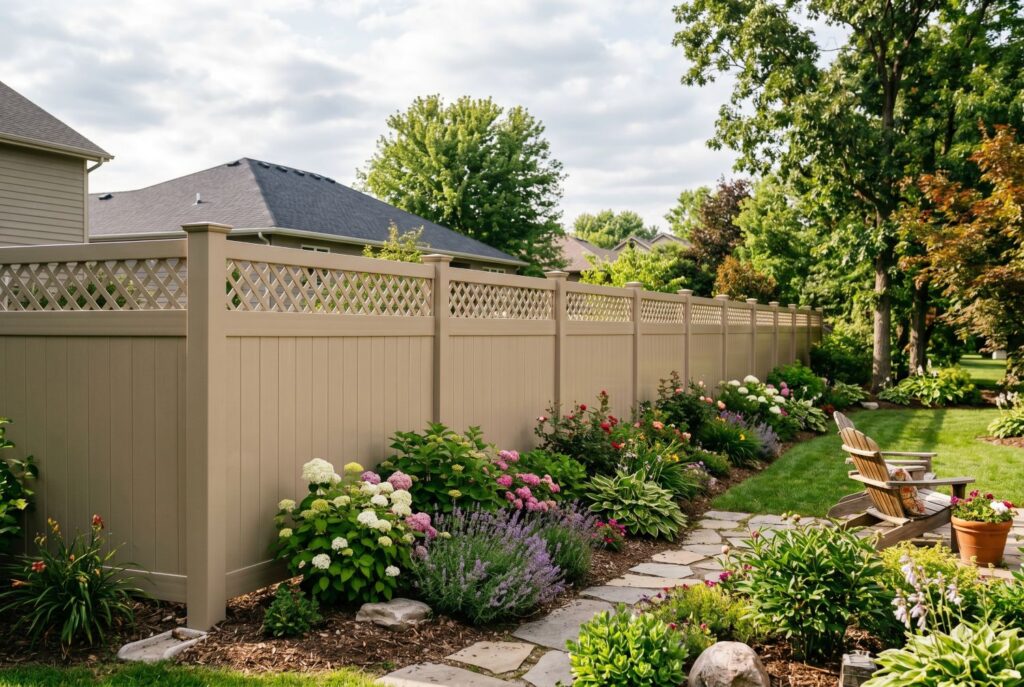
A vinyl privacy fence is often the right choice for homeowners who care less about staining and sealing and more about long-term ease. While the upfront cost is usually higher, vinyl fencing often earns that money back in time saved and maintenance avoided.
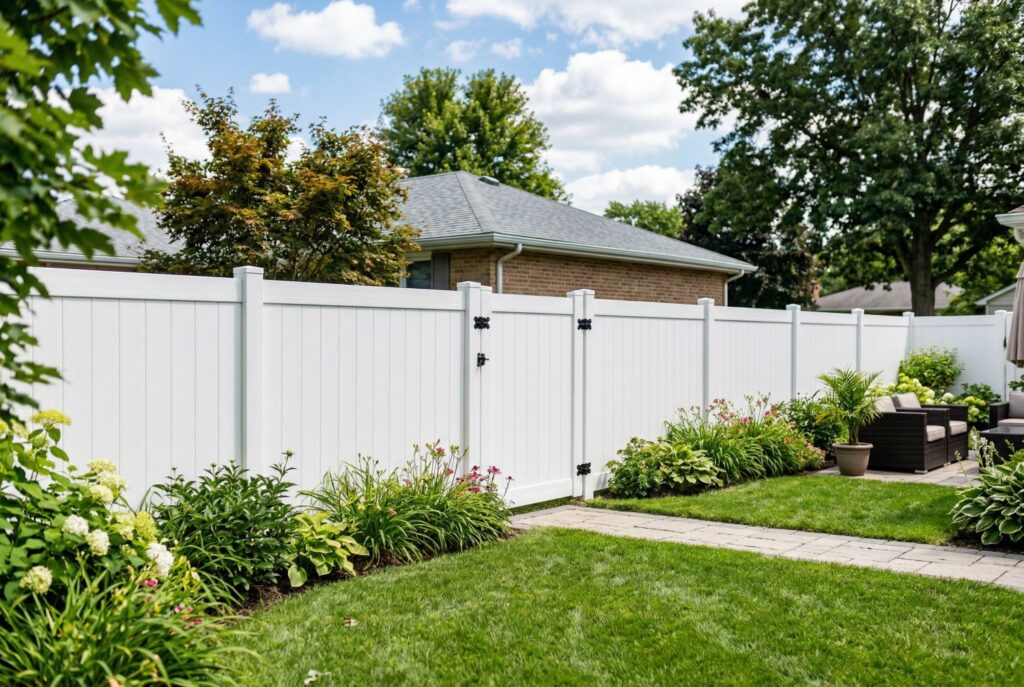
Unlike wood, vinyl doesn’t need regular repainting or sealing. It won’t rot, and in most cases it can be cleaned with little more than a hose or power washer. That alone makes it attractive for busy households or anyone who doesn’t want to spend future weekends maintaining a fence.
Vinyl fence panels also offer a more uniform finish. If you like crisp lines, predictable color, and a cleaner overall appearance, vinyl delivers that very well. It’s especially popular in neighborhoods where homeowners want a neat, polished look that stays consistent year after year.
Weather Resistance and Warranties
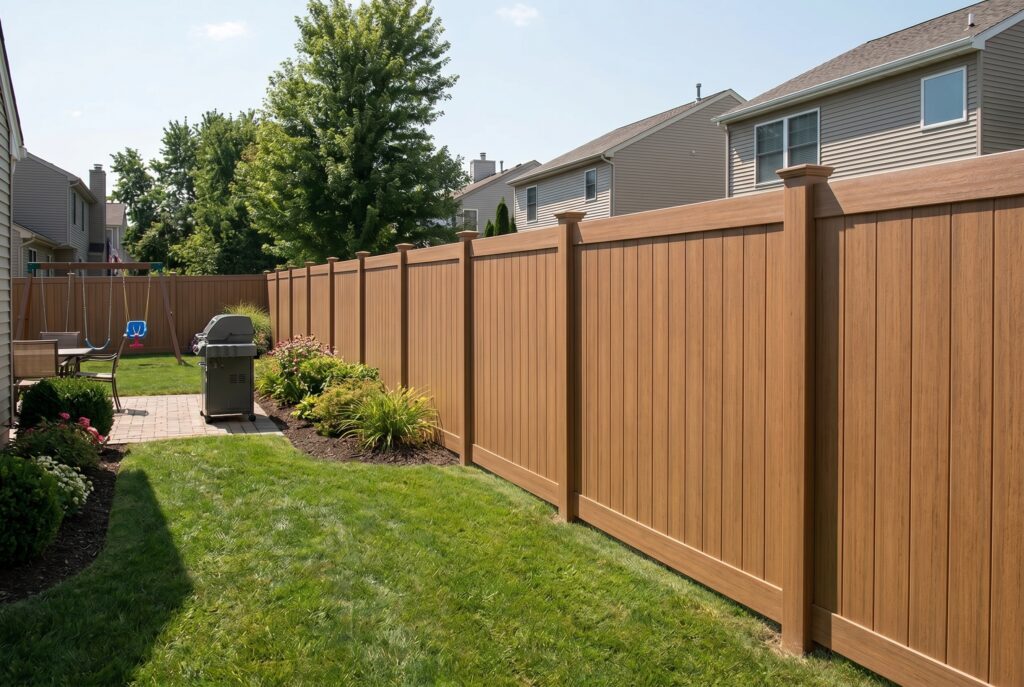
One of the strongest selling points of vinyl is weather resistance. Better products are designed to handle moisture, sun exposure, and in some cases high wind conditions more effectively than standard wood fencing. Some buyers are also drawn to the idea of longer warranties, which can make the higher vinyl fence cost feel easier to justify.
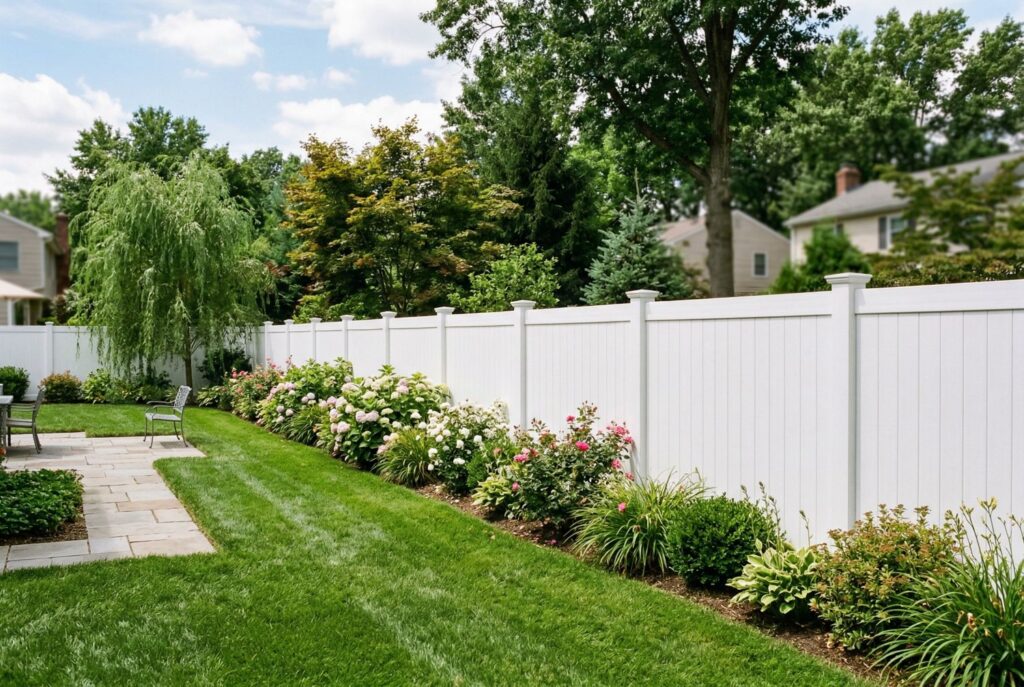
This matters even more in tougher climates. In wet areas, wood may need extra care to prevent deterioration. In places with intense sun or heavy seasonal weather, vinyl can be a more practical long-term choice if the product quality is strong enough.
Colors and Textures
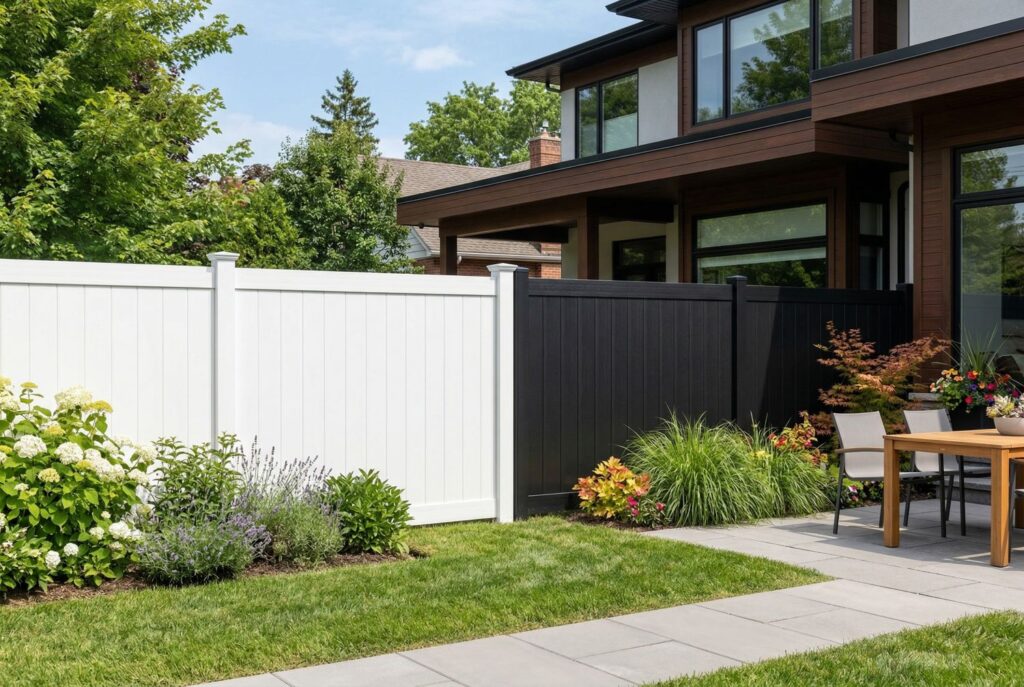
Vinyl isn’t limited to the old all-white look anymore. A white vinyl fence is still a classic choice, especially for bright, clean curb appeal, but there are more options now for homeowners who want something different.
A black vinyl fence can feel more modern and dramatic, especially around contemporary homes or dark-trim exteriors. Some products also imitate stone textures or wood-grain finishes, giving buyers a middle ground between synthetic durability and a more natural look. That variety makes vinyl fencing more flexible than many homeowners assume at first.
The True Cost: Upfront Pricing vs. Lifetime Upkeep
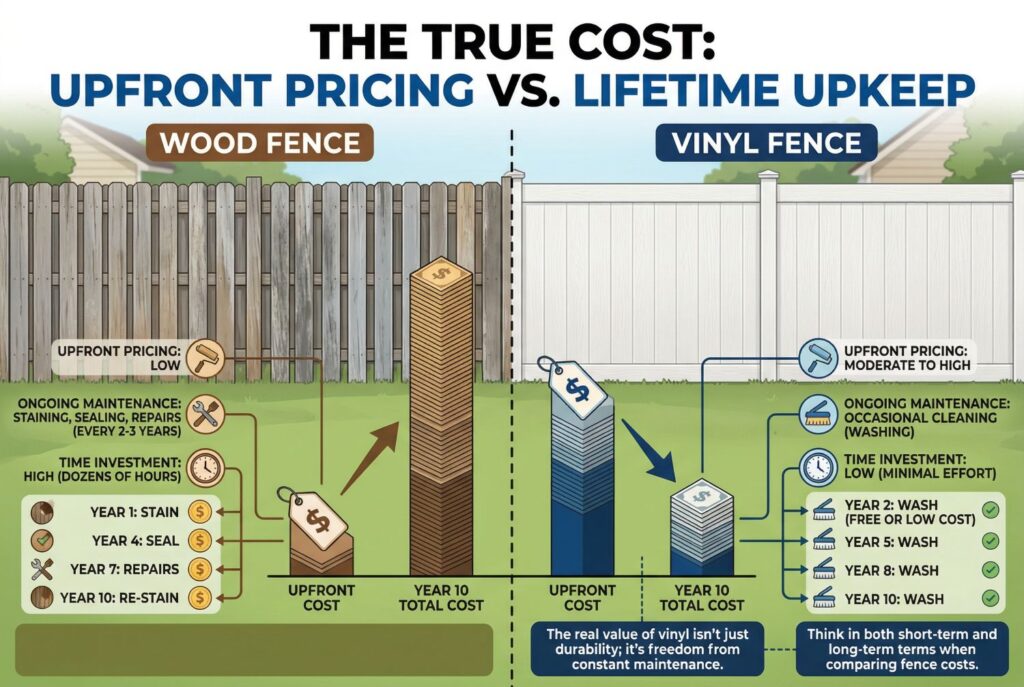
The biggest mistake buyers make is only comparing the initial quote. Yes, a wood fence often starts out cheaper. Yes, a vinyl fence cost estimate is often higher. But the smarter question is what the fence will cost you over time.
With wood, you need to budget for sealing, staining, cleaning, and occasional repairs. Even if each maintenance cycle doesn’t feel overwhelming, those costs add up over 10 years. There’s also the time factor. If you don’t maintain the fence, appearance and performance can decline faster.
Vinyl usually flips that equation. The higher upfront price can feel painful at first, but long-term upkeep is dramatically lower. For many homeowners, that means the real value of vinyl isn’t just durability. It’s freedom from constant maintenance. So if you’re comparing privacy fence costs, make sure you’re thinking in both short-term and long-term terms.
Installation Realities: Which Is Easier to Build?
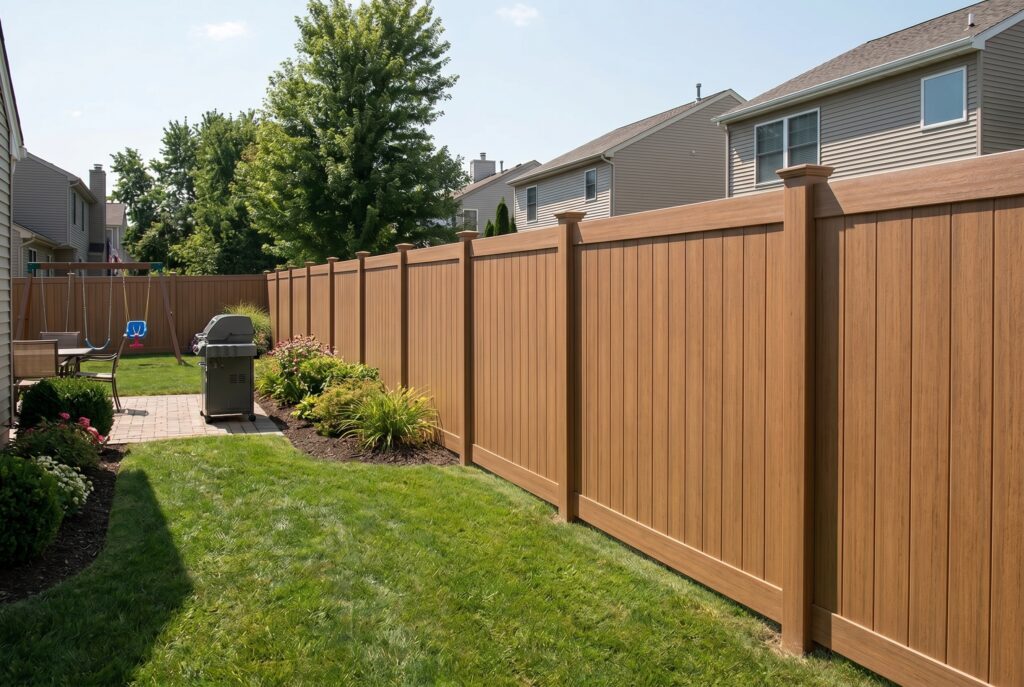
Installation is another area where the difference matters. Wood can be very flexible, but that often means more work. Some homeowners build from scratch board by board, while others use prebuilt sections. Either way, wood tends to involve more cutting, more adjustments, and heavier manual setup.
Vinyl fence installation often feels more system-based. Many vinyl fence panels are designed to work with modular posts and snap-together sections, which can make the process more straightforward. That doesn’t mean it’s effortless, but it can reduce some of the guesswork.

For both materials, privacy fence installation still depends on the basics being done right. Post spacing matters. Frost depth matters. Leveling matters. A great-looking fence of either type will fail early if the posts are poorly set or the layout is rushed.
DIY homeowners may prefer wood if they want customization and already have carpentry confidence. Others may prefer vinyl if they want a more guided system. For larger yards or difficult terrain, hiring a pro is often the safer path regardless of material.
Conclusion
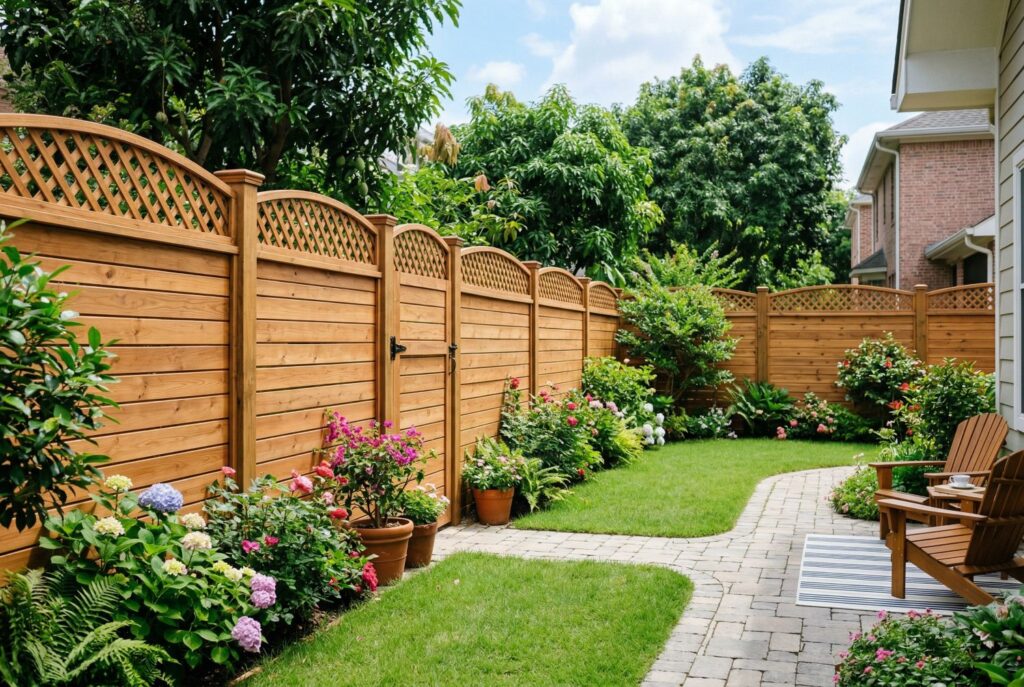
If you want lower upfront cost, natural texture, and more design freedom, a wood privacy fence is often the better fit. If you want long-term durability, less maintenance, and a cleaner finish, a vinyl privacy fence may be the smarter investment.
Neither choice is universally better. The right answer depends on your budget, your climate, your tolerance for upkeep, and the overall look you want for your yard. Some homeowners love the warmth of a wooden fence and don’t mind regular maintenance. Others would rather pay more now and avoid years of staining, sealing, and repair work.
Before you decide, check your HOA rules, confirm any local restrictions on materials or colors, and measure your yard carefully. Once you know the size of the project and the style you want, it becomes much easier to compare quotes and choose the fence that fits your home for the long run.
Related Articles
7 Fence Privacy Screen & Topper Ideas for Instant Backyard Seclusion