

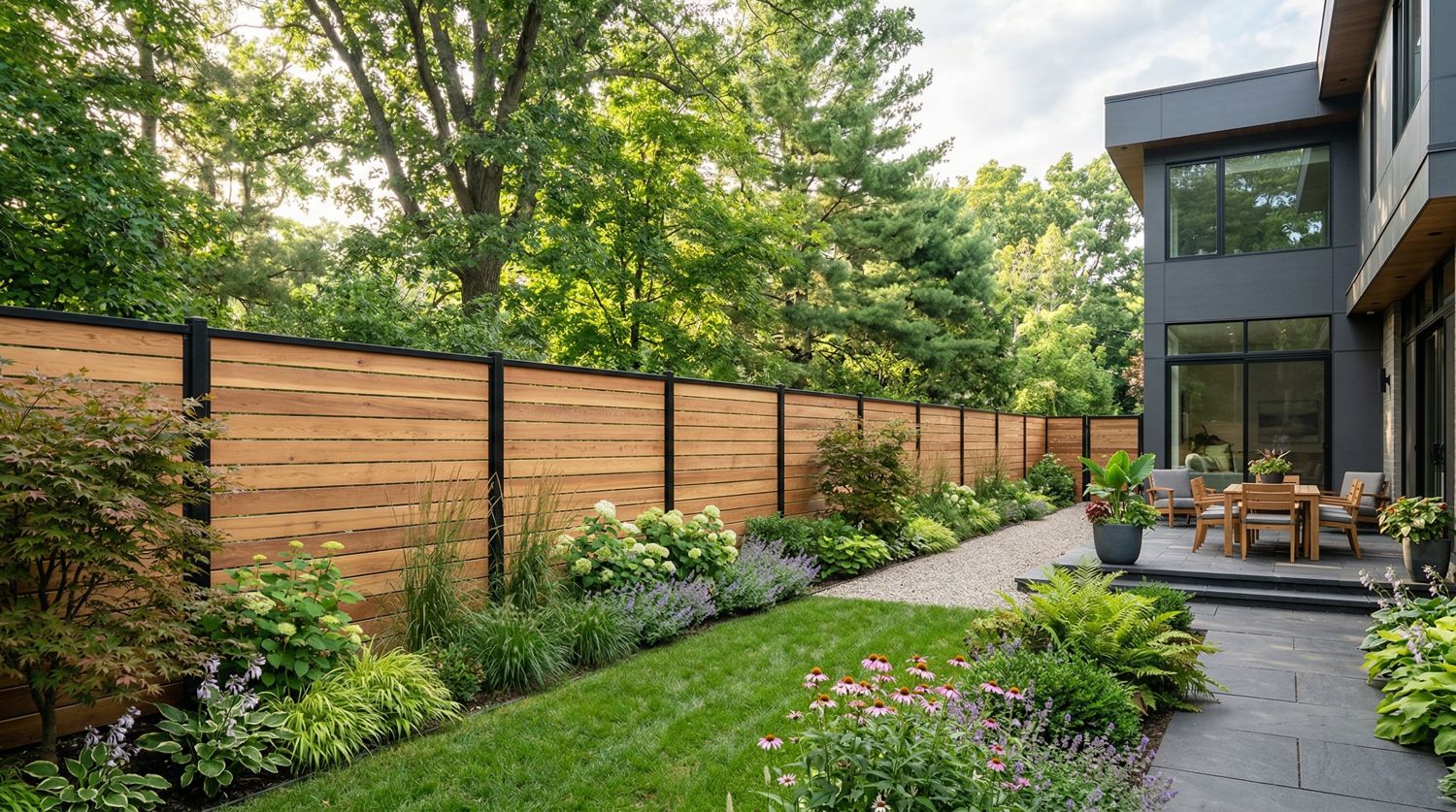
Creating a private, family-friendly backyard doesn’t have to cost a fortune. The right fence can help keep pets and kids safe, reduce visual clutter from nearby homes, and give your yard a more finished look without draining your budget. That’s why so many homeowners start searching for cheap privacy fence ideas that feel practical but still look stylish. The challenge, though, is that many articles give you inspiration without telling you the real privacy fence cost behind each option. This guide solves that problem by combining affordable design ideas with actual pricing context, so you can choose a fence that fits both your yard and your wallet.
Top Inexpensive Privacy Fence Ideas for Your Yard
Not every low-cost fence looks cheap. Some of the best budget choices become far more attractive when you match the material to the right use case.
Bamboo Privacy Fence
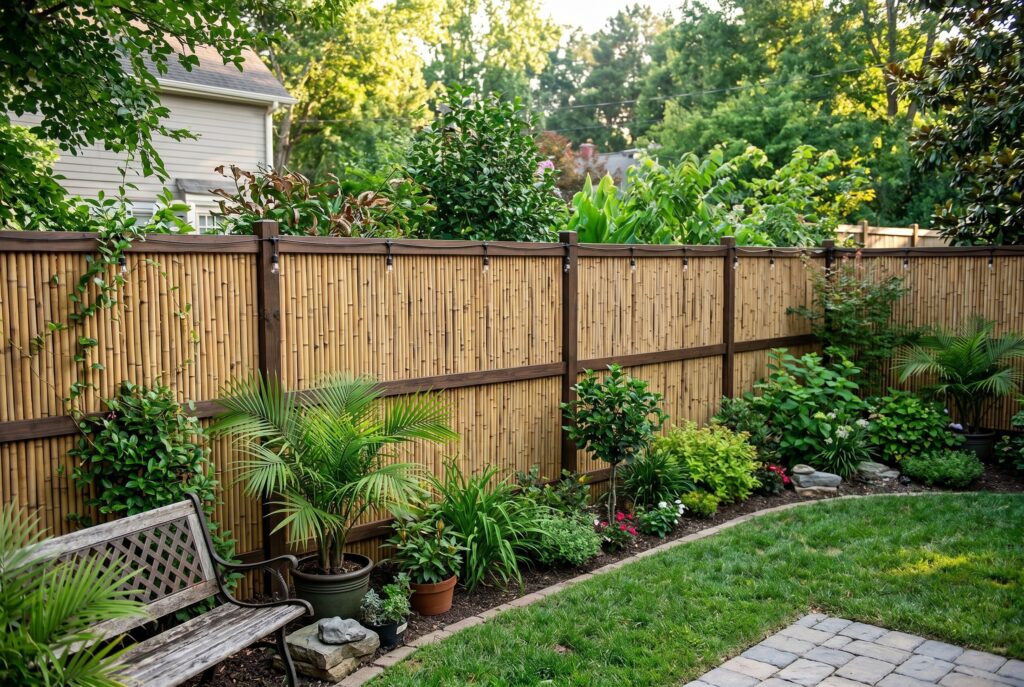
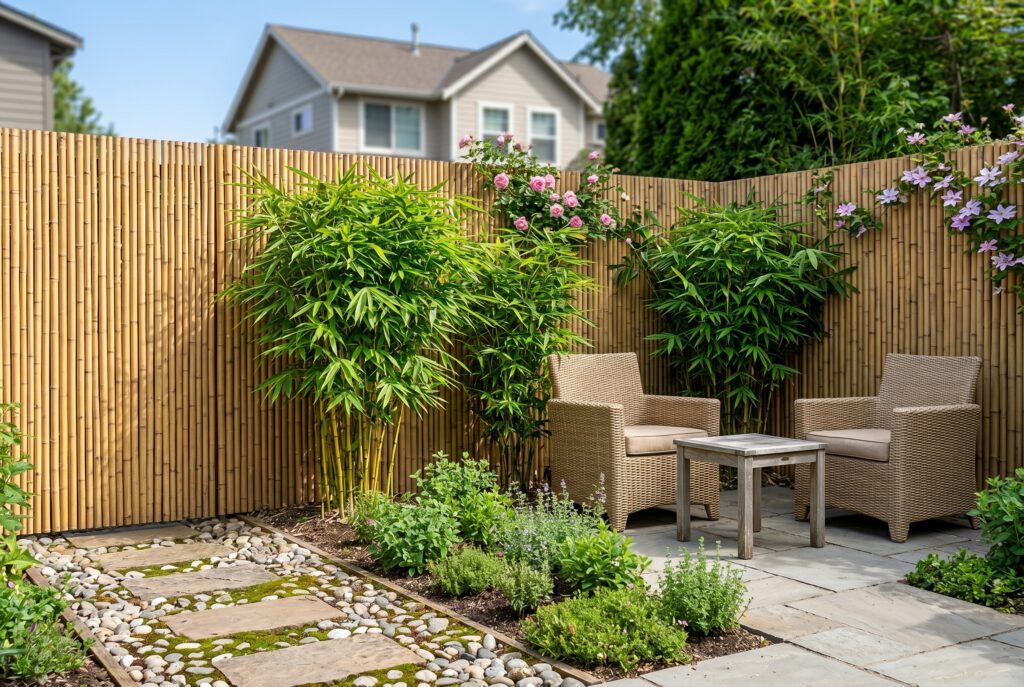
One of the smartest starting points is bamboo privacy fence design. Bamboo has a light, natural appearance that works especially well in casual backyards, patio corners, or tropical-inspired landscaping. It’s often one of the cheapest ways to add privacy quickly, especially if you use rolled bamboo panels attached to an existing frame. For homeowners who want an organic look without investing in a full wood build, bamboo privacy fence options can be a very budget-friendly compromise.
Pallet Fences
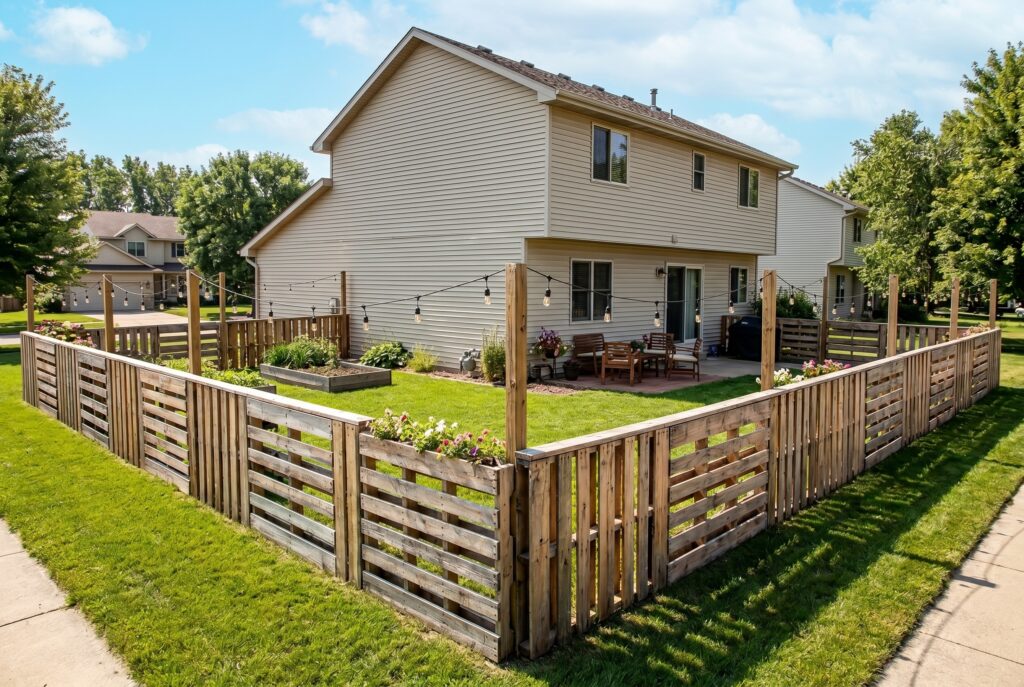
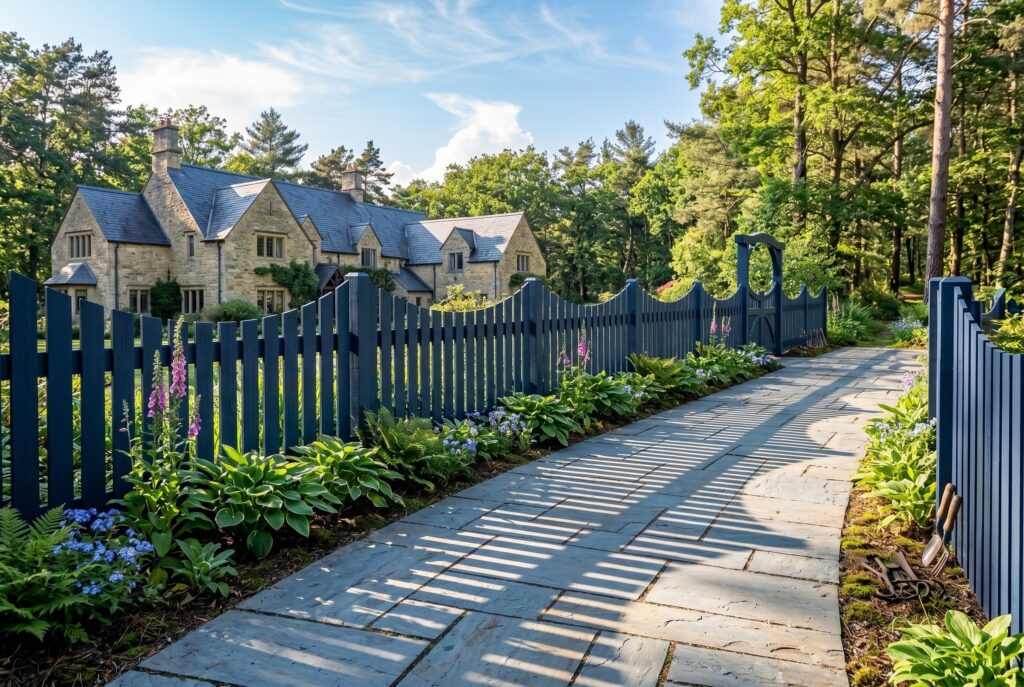
Pallet fences are another classic choice for people hunting for true cheap privacy fence ideas. Reclaimed pallet wood can cost very little compared with new lumber, and it creates a rustic style that suits garden zones, side yards, or informal outdoor spaces. The downside is labor. If children or pets use the area, pallet boards need to be thoroughly sanded to prevent splinters, and weaker pieces often need reinforcing. So while the cash outlay is low, the hands-on work is higher than many people expect.
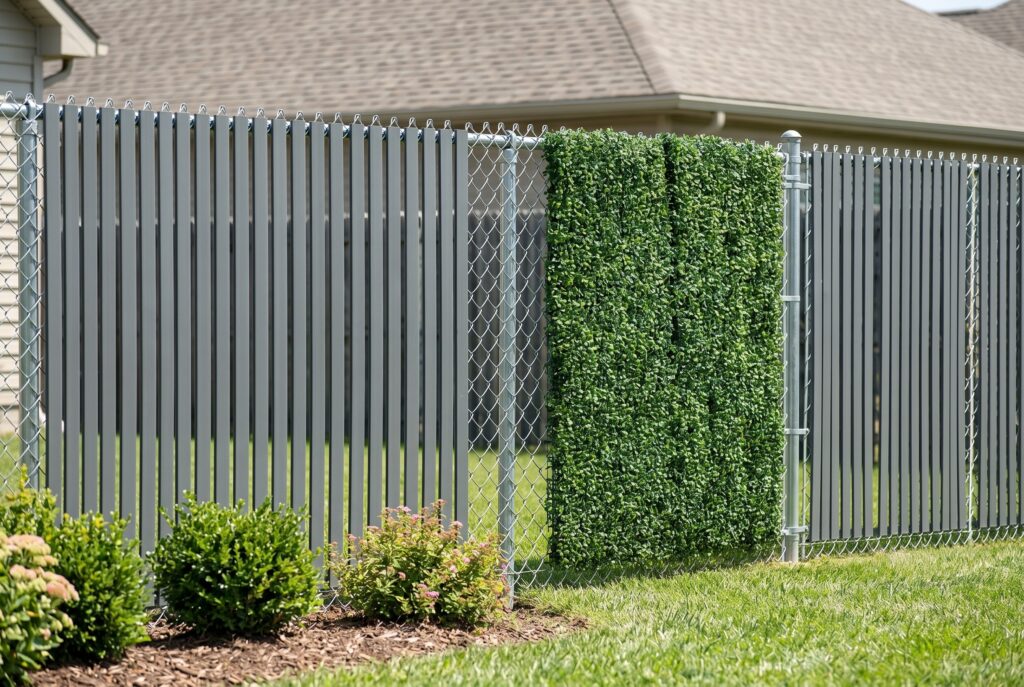
If you already have chain links around your property, improving chain link fence privacy may be your cheapest upgrade. Instead of replacing the whole fence, you can add privacy slats, mesh screens, or fabric panels to get more coverage at a fraction of the cost of a new installation. This is one of the most practical fixes for homeowners who need fast results and don’t mind a more functional look.
Wood Fences
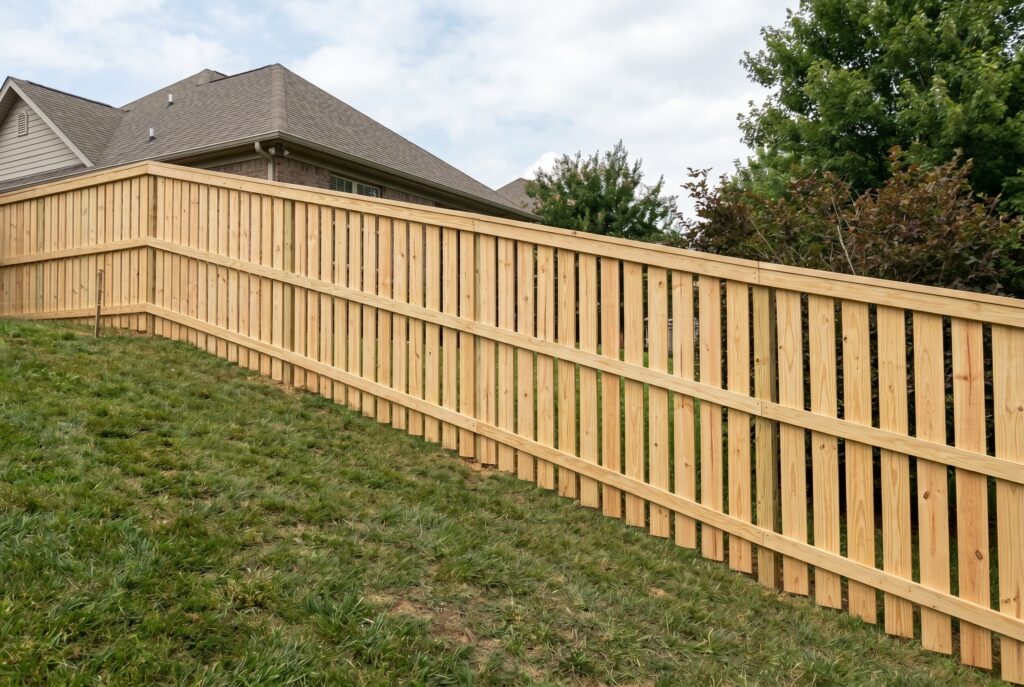
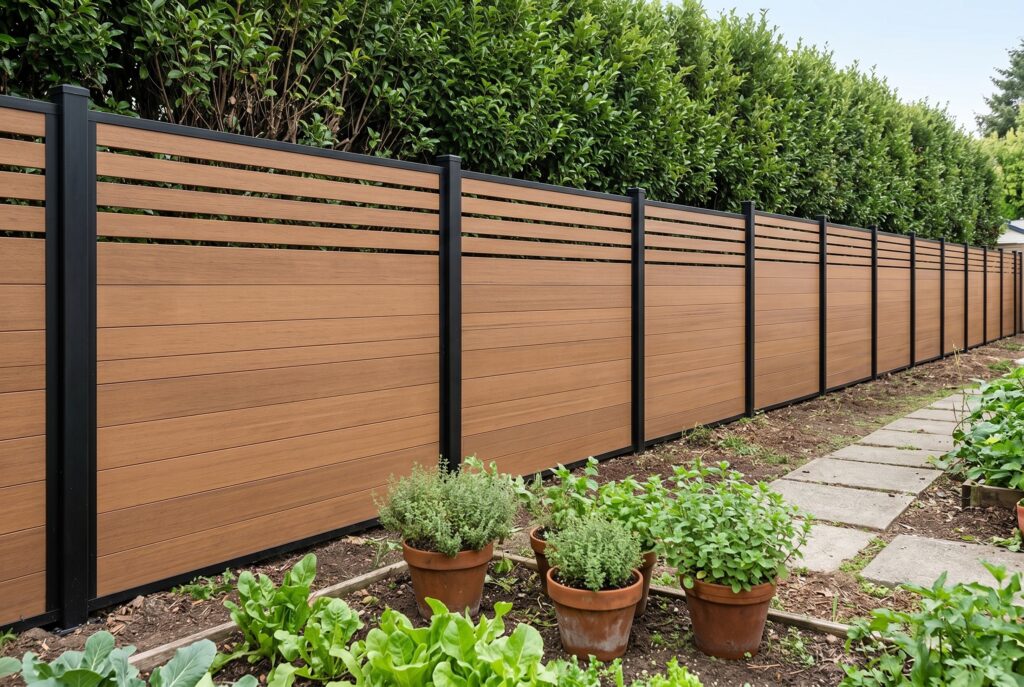
For more classic curb appeal, wood fence ideas still hold strong value. A simple wood picket fence often runs about $17 to $25 per linear foot, making it one of the more affordable traditional styles. And if you want a privacy-focused look rather than an open picket design, inexpensive wood panels stained in a deep brown or charcoal shade can look much more premium than their price suggests. That’s one reason wood fence ideas continue to perform well with budget-conscious homeowners: they’re flexible, familiar, and easy to customize.
Vinyl Privacy Fence
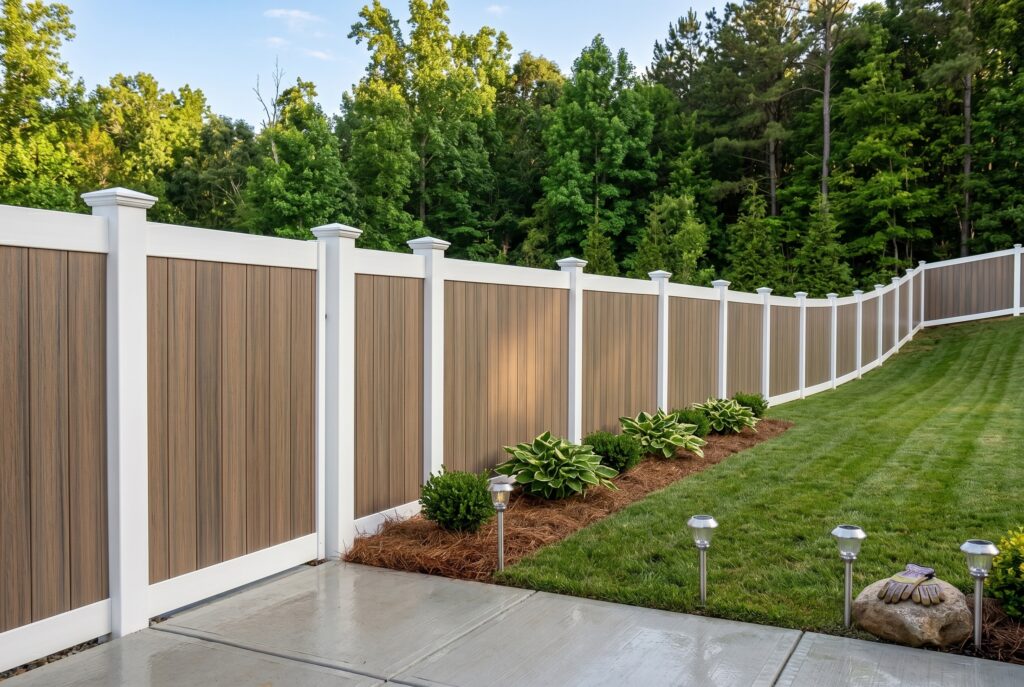
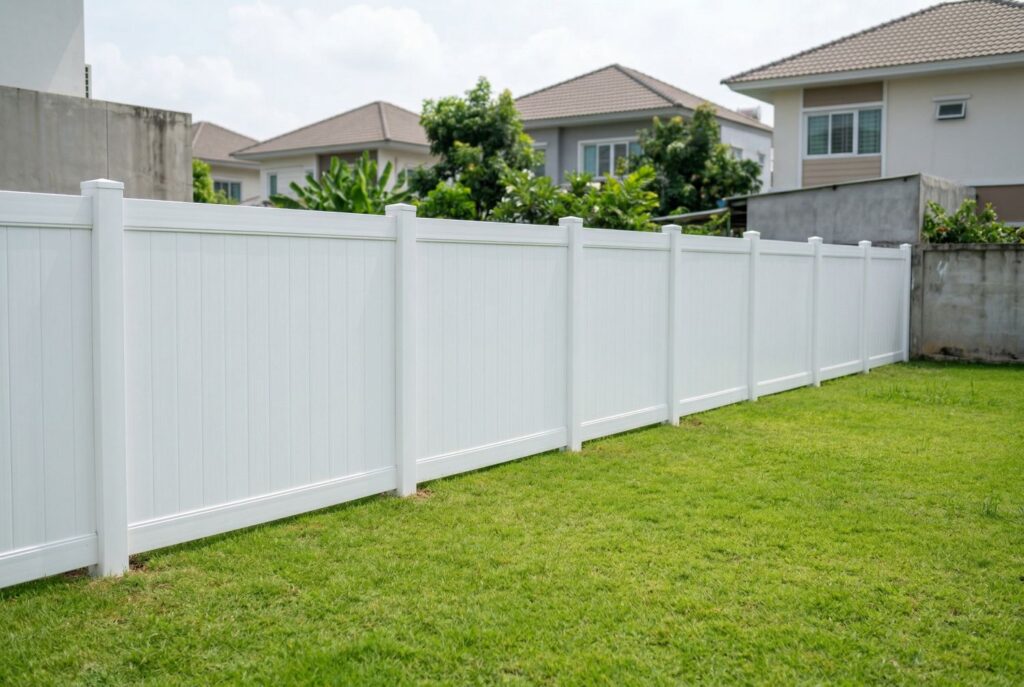
If you prefer cleaner lines and lower upkeep, a vinyl privacy fence may be worth considering. It usually costs more upfront than basic wood, but it saves time and money later because it doesn’t need staining, sealing, or frequent repainting. For homeowners planning to stay in the same house for years, that lower maintenance burden can make vinyl a smarter long-term value.
Modern and alternative materials can also work surprisingly well on a budget. Hog wire fences, for example, often cost around $3 to $5 per linear foot for the wire portion, and they create a more open look that pairs well with wood framing. Concrete is another material people overlook. While a full concrete privacy wall is a major project, decorative sections or reinforced bases can add structure at roughly $5 to $10 per 80-pound bag, depending on the scope of the build.
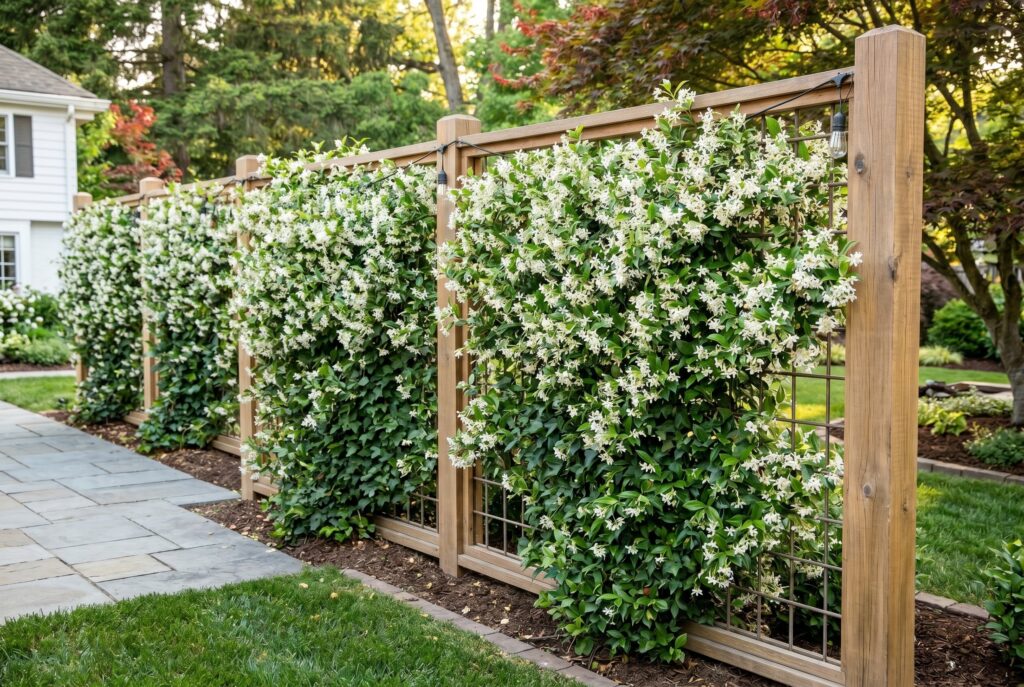
For softer screening, living privacy elements are worth a look. Ivy-covered trellises, natural reed fencing, and private hedges don’t always provide instant full coverage, but they can create an attractive sense of privacy while blending beautifully into the landscape.
The Numbers: How Much Does a 6-Foot Privacy Fence Cost Per Foot?
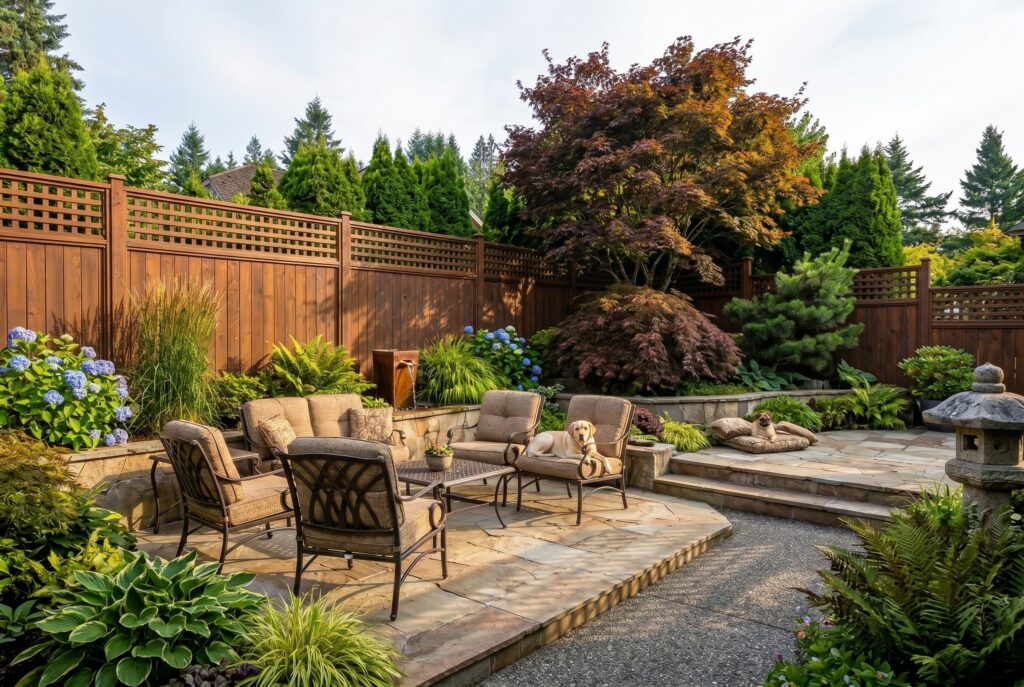
The direct answer to how much does a 6-foot privacy fence cost per foot is this: professionally installed wood or vinyl usually averages between $25 and $60 per linear foot. That’s the range most homeowners should use as a realistic planning baseline.
For a standard yard with roughly 200 feet of perimeter, that often puts total project cost between $5,000 and $12,000. The wide range comes from differences in materials, labor, terrain, gate needs, and local pricing.
Labor is a major part of the bill. In many U.S. markets, labor costs fall around $5 to $20 per foot, which means labor alone may account for 30% to 50% of the overall project budget. If your lot slopes sharply, has difficult soil, or needs old fence removal first, your final price can rise quickly.
Here’s a simple comparison to make the numbers easier to scan:
| Material | Typical Cost per Foot | Expected Lifespan | 10-Year Maintenance Cost |
| Basic wood privacy fence | $25 to $45 | 10 to 15 years | Medium to high |
| Cedar wood fence | $30 to $55 | 15 to 20 years | Medium |
| Vinyl privacy fence | $30 to $60 | 20 to 30 years | Low |
| Aluminum privacy fence | $35 to $70 | 20+ years | Low |
| Chain link with privacy add-ons | $15 to $30 | 15 to 20 years | Low |
| Bamboo or reed screening | $10 to $25 | 3 to 8 years | Medium |
When comparing a vinyl privacy fence, a wood privacy fence, and an aluminum privacy fence, the cheapest upfront choice isn’t always the best value over time. Wood often costs less to install, but maintenance adds up. Vinyl costs more at the start, yet tends to stay cleaner and simpler for years.
The DIY Privacy Fence: Building on a Budget

A DIY privacy fence can absolutely save money, but only if the project matches your skill level. Pre-made wood panels, vinyl sections, aluminum systems, and some no-dig kits are usually more beginner-friendly than building a fence board by board from scratch.
If you’re wondering how to build a privacy fence on a tighter budget, the core process usually looks like this: map the layout, mark post positions, dig or anchor post supports, install baseboards or rails, attach panels or boards with consistent spacing, and finish the material with stain or sealer if needed.
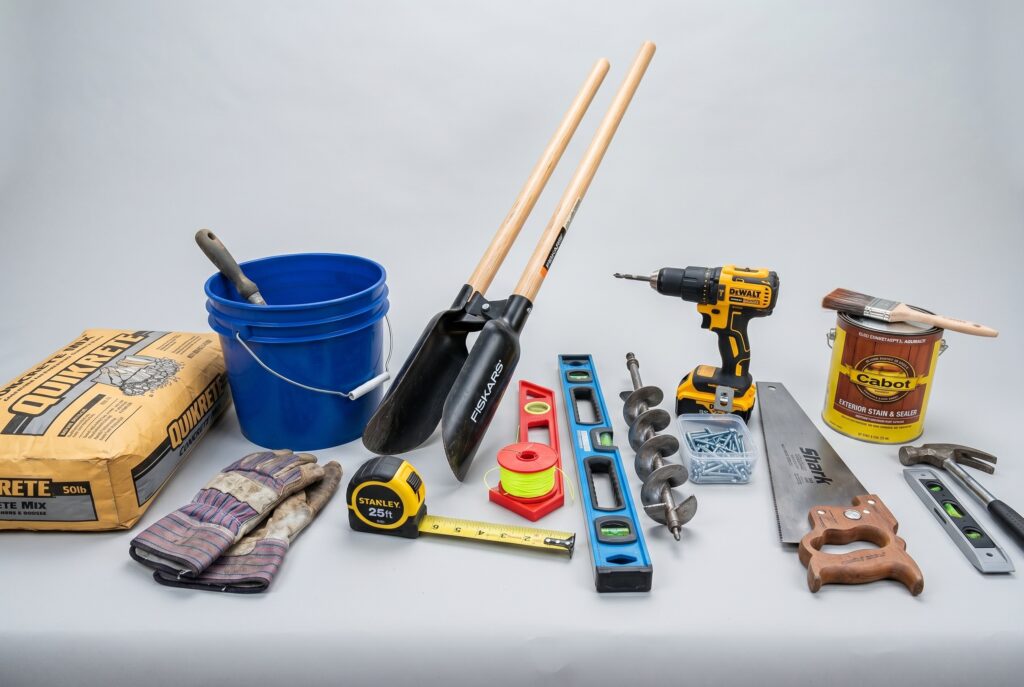
A basic tool checklist includes a tape measure, post hole digger or auger, level, string line, drill, saw, fasteners, concrete mix, work gloves, and exterior stain or sealer if you’re using wood. For a small to mid-size DIY privacy fence, expect at least one full weekend for planning and post setting, then another weekend for panel installation and finishing. Larger yards can take much longer.
DIY makes the most sense when the fence is short, the yard is level, and the material system is straightforward. If you’re dealing with slopes, wind exposure, or custom gates, hiring a pro may save you from expensive mistakes.
Hidden Costs: HOAs, Permits, and Maintenance
One of the biggest planning mistakes is focusing only on material price. Hidden costs can change the total budget fast. Before building, check local municipal codes, permit fees, and HOA rules. Some neighborhoods have strict fence height limits, color restrictions, or placement rules near sidewalks and property lines. A fence that looks perfect on paper may not be allowed where you live.
You should also budget for gates, hardware upgrades, old fence demolition, hauling debris away, and ongoing upkeep. Wood requires staining or sealing. Bamboo and reed screening may need earlier replacement. Even lower-maintenance materials can still need cleaning and occasional repairs.
Conclusion
The best cheap privacy fence ideas balance upfront affordability with long-term durability. Start by checking local zoning and HOA rules. Next, measure your yard’s linear footage so you can estimate real privacy fence cost with confidence. Then compare materials based not just on price, but on maintenance, lifespan, and how much privacy you actually need.
If you’re comfortable with tools and your project is simple, a DIY privacy fence may be the most cost-effective path. If not, getting multiple quotes can help you avoid overspending and choose the right system the first time. A smart fence doesn’t just save money today. It keeps your yard functional, private, and attractive for years ahead.
Related Articles
Privacy Fence Ideas & Costs: What to Know Before You Build in 2026