

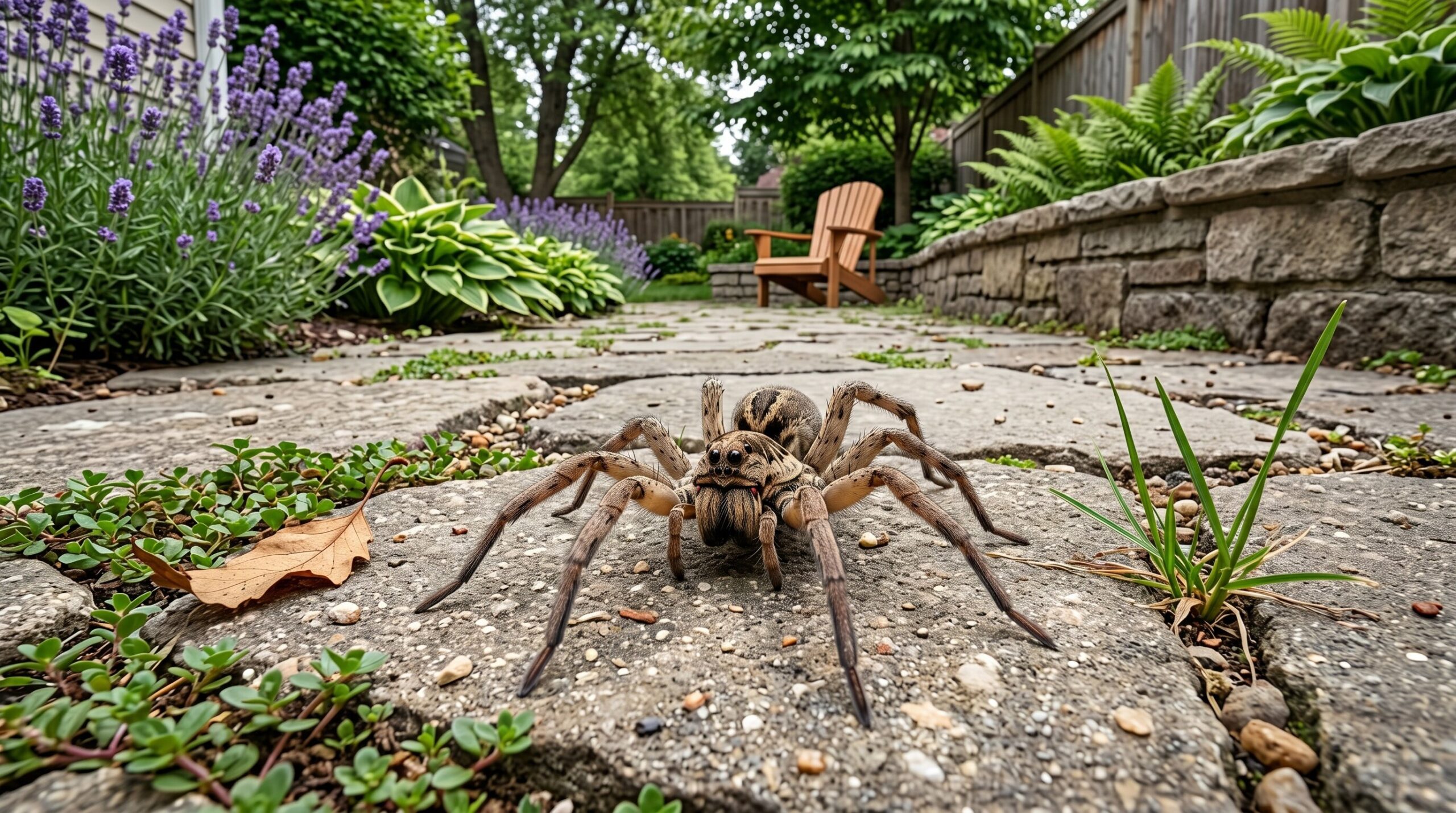
Walking into a sticky spider web on your porch, patio, or garden path is frustrating. If you want to know how to get rid of spiders outside without spraying every corner of your yard, start by changing the environment that invites them in. Outdoor spiders usually gather where three things exist: flying insects, quiet hiding places, and sturdy anchor points for webs. A smart spider control plan doesn’t begin with panic. It begins with landscaping, lighting, cleaning, and targeted prevention.
The Outdoor Spider Defense & Plant Matchmaker
A plant matchmaker should help homeowners choose the right spider deterrent based on sunlight, location, and pet safety. For full sun patios, choose lavender or rosemary. For containers near doors, choose peppermint, but keep it in pots. For seasonal flower beds, chrysanthemums can help, but they aren’t ideal where pets chew plants. For seating areas, lemon balm gives a pleasant scent and works well in containers.
The tool should also ask one key question: are you dealing with a few webs or a heavy infestation? Plants can help prevent webs, but they won’t erase a serious spider problem overnight.
The Science: Why Spiders Build Webs on Your House
Spiders don’t care about your siding, deck, or porch. They care about food and structure. Porch lights attract moths, gnats, mosquitoes, flies, and other small insects. Spiders build webs near those lights because prey traffic is high. Eaves, deck rails, window corners, soffits, fences, and patio furniture also give spiders strong anchor points for webs.
That means the real question isn’t only how to get rid of spiders. It’s how to make your outdoor space less profitable for them. Fewer insects, fewer hiding spots, and fewer web anchors mean fewer spiders.
Plant 1: Peppermint, the Aggressive Spider Deterrent
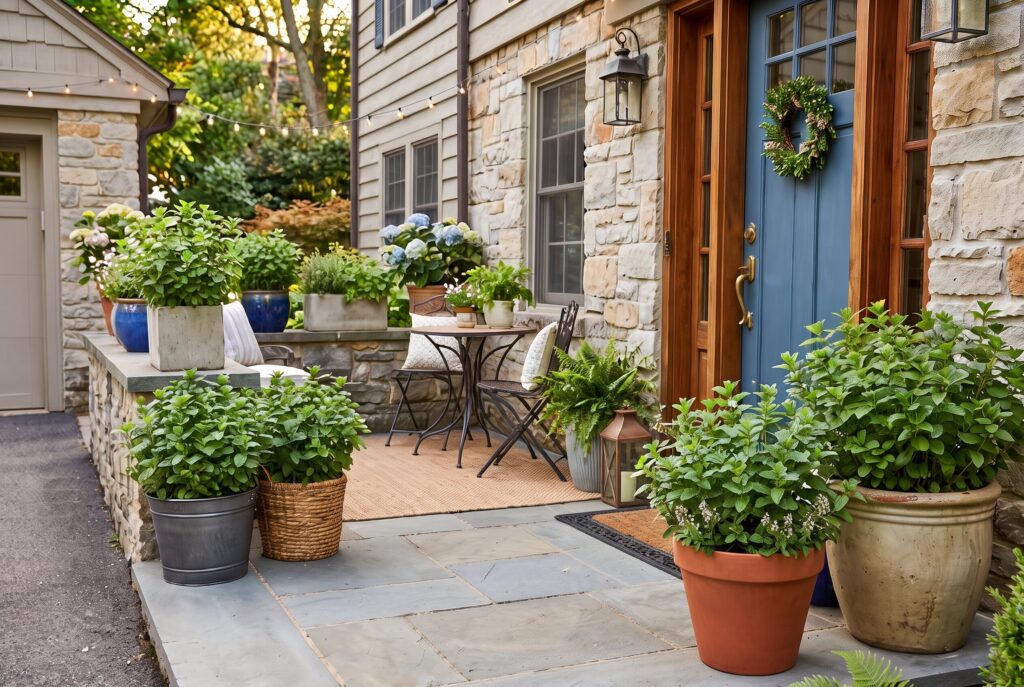
Peppermint is one of the most popular natural spider repellent plants because its strong scent can overwhelm spiders’ sensory organs. It also helps discourage some insects spiders feed on.
Place peppermint in containers near patios, doorways, garage entries, and seating areas. Brush the leaves occasionally to release more scent. But never plant mint directly into the ground unless you want it spreading everywhere. Mint is invasive and can take over beds, crowd nearby plants, and creep into grass. Keep it in pots where you can control it.
Plant 2: Lavender, the Pollinator-Safe Shield

Lavender is a beautiful way to make outdoor living spaces less spider-friendly without turning the yard into a sterile pest-control zone. Its strong fragrance may help deter spiders and some insects, while its flowers attract bees and butterflies.
Plant lavender along walkways, patio edges, and sunny borders. It prefers full sun, well-drained soil, and less frequent watering. That makes it perfect for dry, bright areas where you want scent and color. Lavender is best as part of a wider plan. It won’t replace cleaning webs or changing lights, but it can help create a more balanced outdoor perimeter.
Plant 3: Chrysanthemums, Nature’s Spider Killer
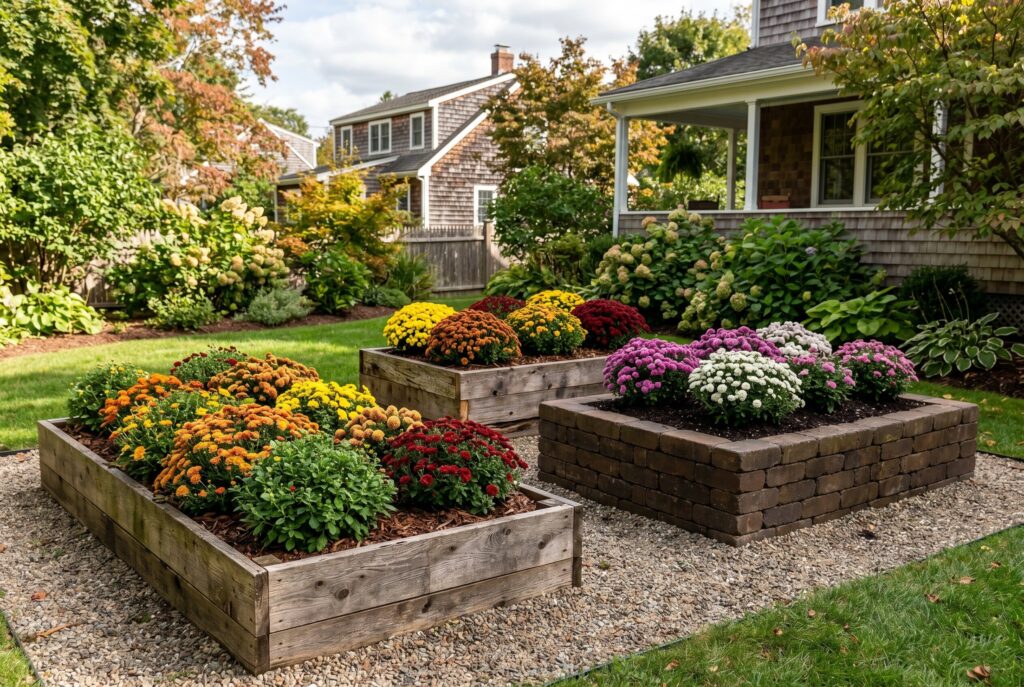
Chrysanthemums are more than fall decoration. They naturally contain pyrethrins, compounds used in many insect-control products. That makes them one of the closest plant-based options to a botanical spider killer.
Use chrysanthemums in garden beds, containers, and seasonal porch displays. They can help reduce insects around the area, which indirectly reduces spider activity. However, they need a serious safety note. Chrysanthemums can be toxic to pets if chewed or eaten. If you have dogs or cats that nibble plants, keep mums out of reach or choose rosemary or lavender instead.
Plant 4: Rosemary, the Evergreen Barrier
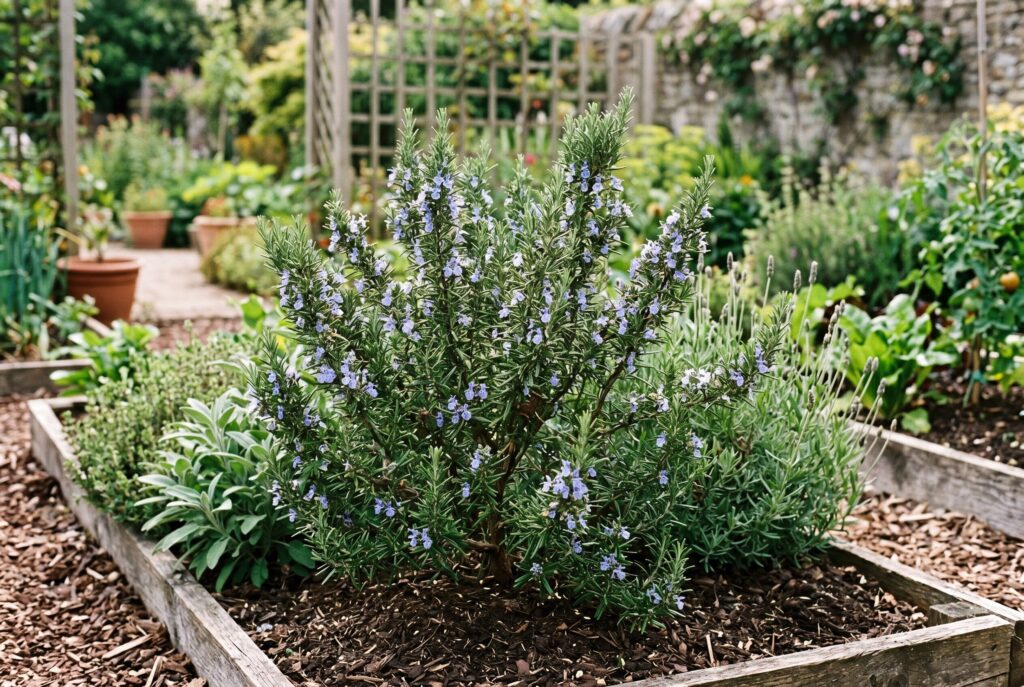
Rosemary is a strong, woody herb that works well as a long-term spider deterrent around foundations, basement windows, patios, and sunny doorways. Its scent is intense, and the plant stays attractive with minimal care. In warm climates, rosemary can act like an evergreen barrier. In colder areas, grow it in pots and move it when temperatures drop. Rosemary also has a practical advantage: it doesn’t spread aggressively like mint. It’s easier to manage, drought-tolerant once established, and useful in the kitchen.
Plant 5: Lemon Balm, the Citrus Alternative
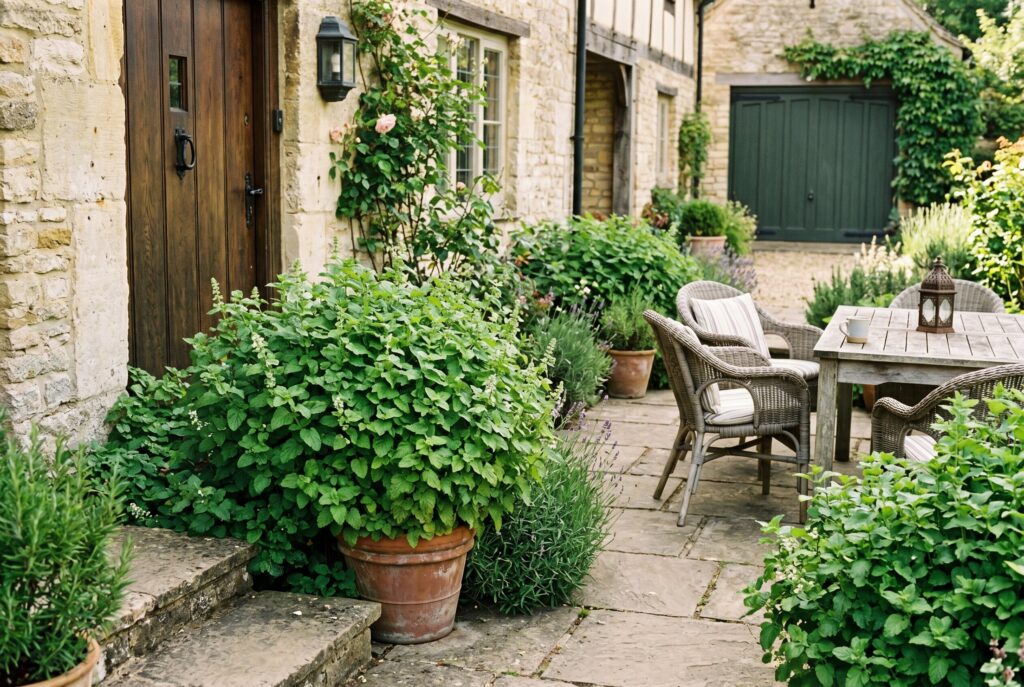
Lemon balm gives off a fresh citrus scent when leaves are brushed or crushed. It works well around seating areas, garden paths, and patio containers. It’s a gentler alternative to citrus oil sprays, which can be inconsistent as spider repellents. Lemon balm’s real value is ambient prevention: it makes the area smell less attractive while adding greenery. Like mint, lemon balm can spread. Use containers if you want control. Trim it regularly to keep it dense and fragrant.
When Plants Aren’t Enough: Safe Spider Spray Rules

Plants are preventive. They aren’t a complete solution for a porch covered in webs. If you need spider spray, use it carefully. Choose an exterior product labeled for spiders and apply it only where spiders hide or enter: under eaves, along cracks, around window frames, porch corners, garage door edges, and foundation gaps.
Protect pollinators. Don’t spray blooming flowers. Don’t spray during the middle of the day when bees are active. Apply targeted treatments at dusk or very early morning, and never broadcast spray over the whole garden. A spider spray should support your prevention plan, not replace it.
3 Non-Plant Tactics to Stop Web Building Today
- First, change the bulbs. Bright white porch lights attract insects. Warm yellow LED bug lights attract fewer flying insects, which means fewer spiders.
- Second, sweep the webs weekly. Use a broom or extendable duster to remove webs and egg sacs from eaves, windows, deck rails, porch ceilings, and patio furniture. If you leave egg sacs, the next generation may hatch right where you sit.
- Third, clear hiding spots. Move firewood, leaf piles, unused pots, cardboard, toys, and yard debris at least five feet away from the foundation. Trim shrubs and grass touching the house.
Conclusion
The best outdoor spider control plan is layered, especially if you’re looking for practical ways on how to get rid of spiders outside without relying heavily on chemicals. Using natural spider repellent plants around patios, walkways, and entry points can make outdoor spaces less inviting, while better lighting helps reduce the insects that attract spiders in the first place. Regularly removing webs before they become nurseries and clearing away wood piles, dense vegetation, or other clutter also limits the shelter and web-building spots spiders prefer.
Peppermint, lavender, chrysanthemums, rosemary, and lemon balm are all popular choices for homeowners researching how to get rid of spiders outside naturally, but plants alone are rarely enough. The most effective long-term approach comes from combining these natural repellents with smart habitat control, because when your yard provides less food, fewer hiding places, and fewer stable web anchors, spiders are far more likely to move elsewhere on their own.
Related Articles
- How to Get Rid of Spiders: 7 Pro Steps to Eradicate Them For Good
- Does Peppermint Oil Repel Spiders? 6 Natural Scents They Hate
- How to Keep Spiders Away: 4 Invisible Barriers to Seal Your Home (2026)