

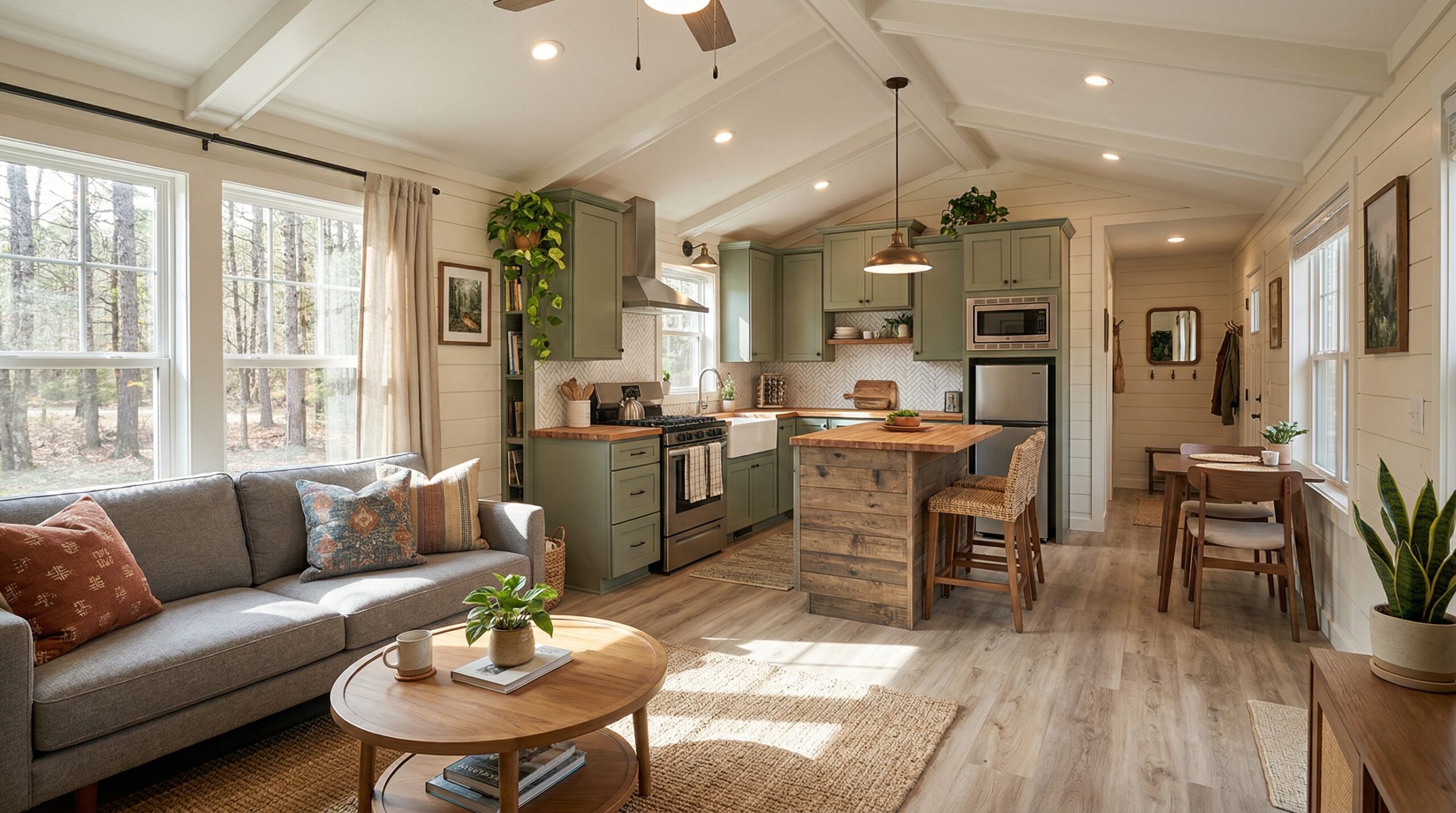
A well-designed mobile home can feel surprisingly spacious, functional, and inviting when every area is used with more intention. Smart planning matters even more in smaller homes because layout, storage, furniture scale, and visual flow all affect how comfortable daily life feels. With the right mobile home design ideas, it’s possible to make compact rooms work harder, reduce clutter, and create a home that feels easier to maintain and more enjoyable to live in.
1. Start With a Layout That Supports Daily Movement
One of the most important design decisions in a mobile home has nothing to do with decor. It starts with how the space flows. In smaller homes, even minor layout problems become more noticeable. A chair that blocks a walkway, a table that crowds the kitchen, or a poorly placed storage unit can make the entire room feel tighter.
A better layout supports the way people actually move through the home each day. Keep major pathways open between the living room, kitchen, bathroom, and bedrooms. Avoid oversized furniture that makes it harder to circulate. In narrow rooms, place larger pieces along walls whenever possible so the center remains more open. This kind of planning helps the home feel calmer and more functional right away. It also reduces the visual pressure that often makes small interiors feel cluttered even when they’re technically organized.
2. Choose Furniture That Fits the Scale of the Home
One of the fastest ways to improve a mobile home interior is to choose furniture that suits the actual size of each room. Many standard furniture pieces are too bulky for smaller floor plans, especially in living rooms, dining spaces, and bedrooms with limited clearance.
Instead of trying to fit full-size pieces everywhere, look for options with slimmer profiles, visible legs, and more flexible proportions. Apartment-size sofas, compact dining sets, nesting tables, and narrower nightstands often work much better. In bedrooms, consider whether a queen bed leaves enough room for movement before assuming a larger bed is worth it.
Scale affects both comfort and appearance. When furniture fits properly, rooms feel easier to use and more visually balanced. That makes the home feel more intentional rather than crowded.
3. Use Vertical Storage to Free Up Floor Space
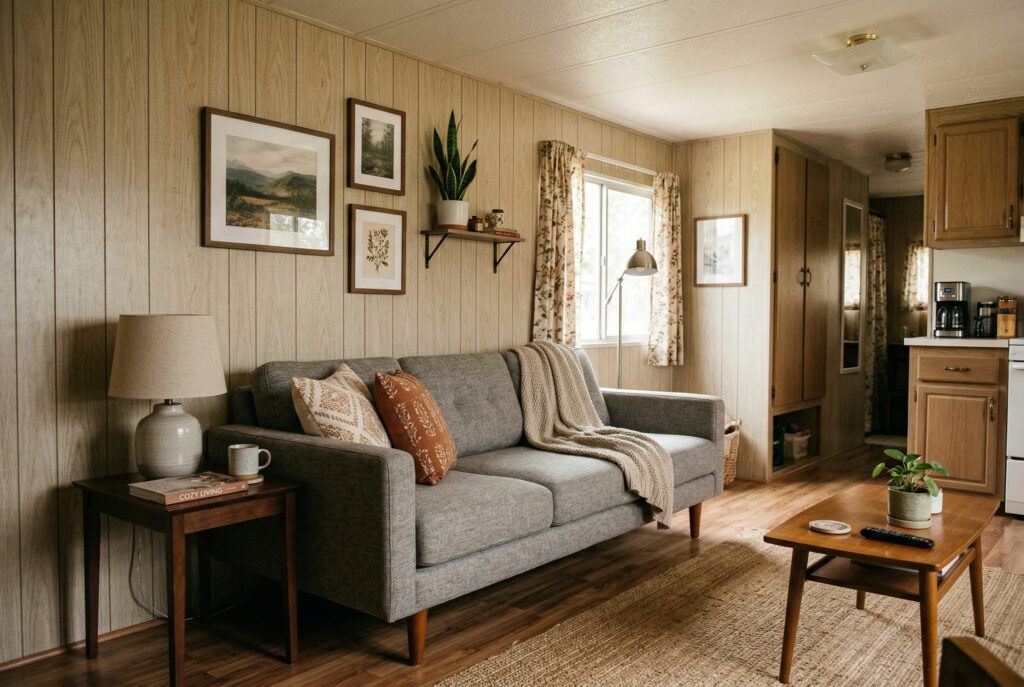
In a mobile home, floor space is limited, so walls become especially valuable. Vertical storage can help homeowners keep daily essentials accessible without filling every corner with furniture. The goal is to make use of height without making the room feel heavy or overfilled.
Floating shelves, tall bookcases, wall hooks, mounted baskets, and over-toilet shelving can all add storage in useful ways. In kitchens, vertical organizers inside cabinets and pantry zones can increase capacity without requiring more square footage. In bedrooms, wall-mounted lighting and shelves can reduce the need for bulky side tables.
The best vertical storage solutions support everyday habits. If the system feels awkward or difficult to maintain, it won’t help for long. Practical placement matters more than adding storage just for the sake of it.
4. Make Hidden Storage Part of the Design
A clutter-free small home usually depends on having places to store things out of sight. Hidden storage helps keep surfaces clear, which makes the home feel larger and more restful. It also helps everyday items stay nearby without contributing to visual mess.
Storage ottomans, beds with drawers, benches with lift-up lids, and coffee tables with compartments can all work well in a mobile home. In entry areas, even a small bench with concealed storage can help manage shoes, bags, or pet supplies. In children’s rooms, under-bed bins and storage cubes can keep toys more contained without overwhelming the room.
This approach works especially well because it combines function and simplicity. Instead of adding more visible containers everywhere, the home stays cleaner looking while still handling real storage needs.
5. Keep the Color Palette Light and Cohesive
Color has a strong effect on how spacious a home feels. In smaller interiors, too many competing colors or heavy contrasts can make rooms feel busier than they need to be. A lighter, more cohesive palette often helps the home feel brighter, calmer, and more open.
Soft whites, warm neutrals, muted grays, pale greens, and gentle earth tones are common choices because they reflect light well and create a more unified look. That doesn’t mean every room has to feel plain. Texture, wood tones, layered fabrics, and a few deeper accents can still add personality.
Consistency matters more than keeping everything identical. When the main palette flows from one room to the next, the home tends to feel larger and better connected.
6. Improve the Kitchen With Smarter Storage Zones
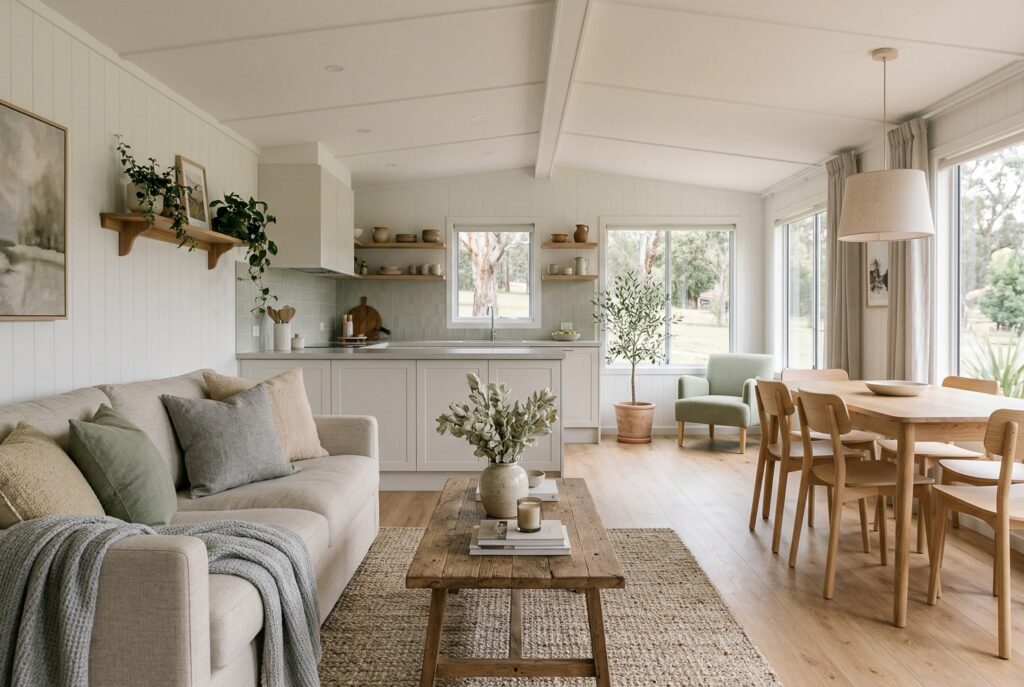
The kitchen often becomes one of the biggest pressure points in a mobile home because storage is limited and counters can fill up quickly. A more effective setup usually comes from better organization rather than trying to force in more furniture or decorative pieces.
Group items by use so the kitchen works more efficiently. Keep cooking tools near the stove, dishes near the dishwasher or drying area, and breakfast items in one dedicated zone if possible. Add drawer dividers, shelf risers, cabinet door organizers, and clear bins where they genuinely improve access.
Clearing the counters also matters. A small kitchen usually looks and functions better when only the most-used items stay out. This makes food prep easier and helps the room feel less crowded on a daily basis.
7. Create Multiuse Spaces Without Making Them Feel Temporary
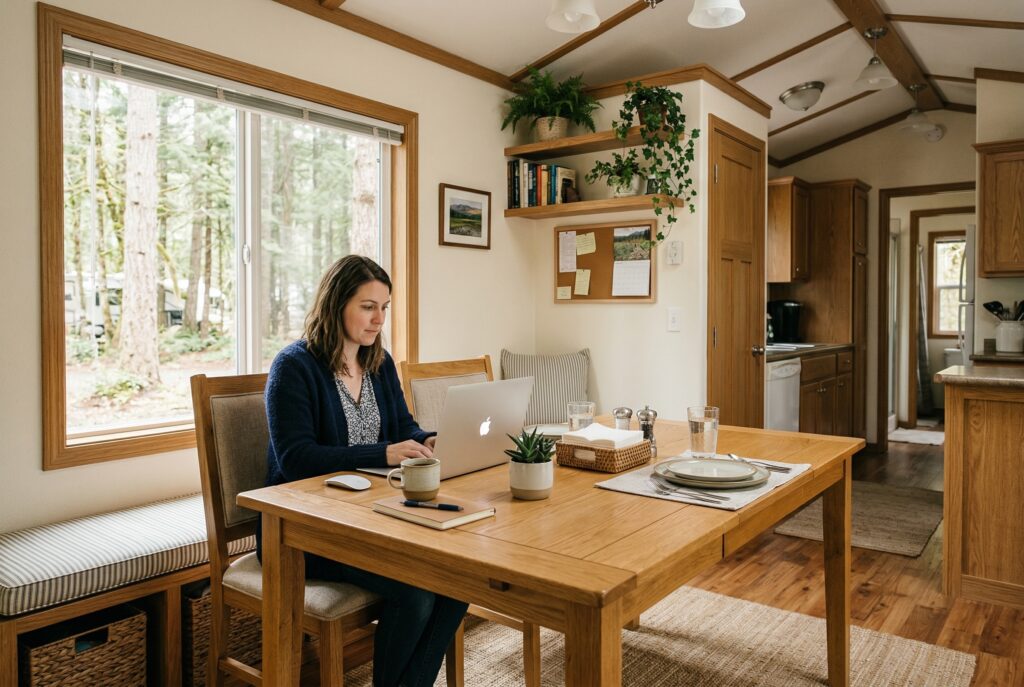
Many mobile homes require rooms to serve more than one purpose. A dining area may also function as a work zone. A guest room may need to handle storage or hobbies. A living room may need space for family time, reading, and occasional overnight guests.
The key is to make these spaces feel intentional. A small desk can be integrated into a bedroom corner with proper lighting and storage. A dining nook can double as a workspace if the seating is comfortable and clutter is controlled. A daybed or sleeper sofa may help a second room stay flexible without feeling unfinished.
Multiuse design works best when each purpose has some structure. Even a compact room feels more comfortable when every activity has a clear place instead of competing with everything else.
8. Use Mirrors and Lighting to Make Rooms Feel Bigger
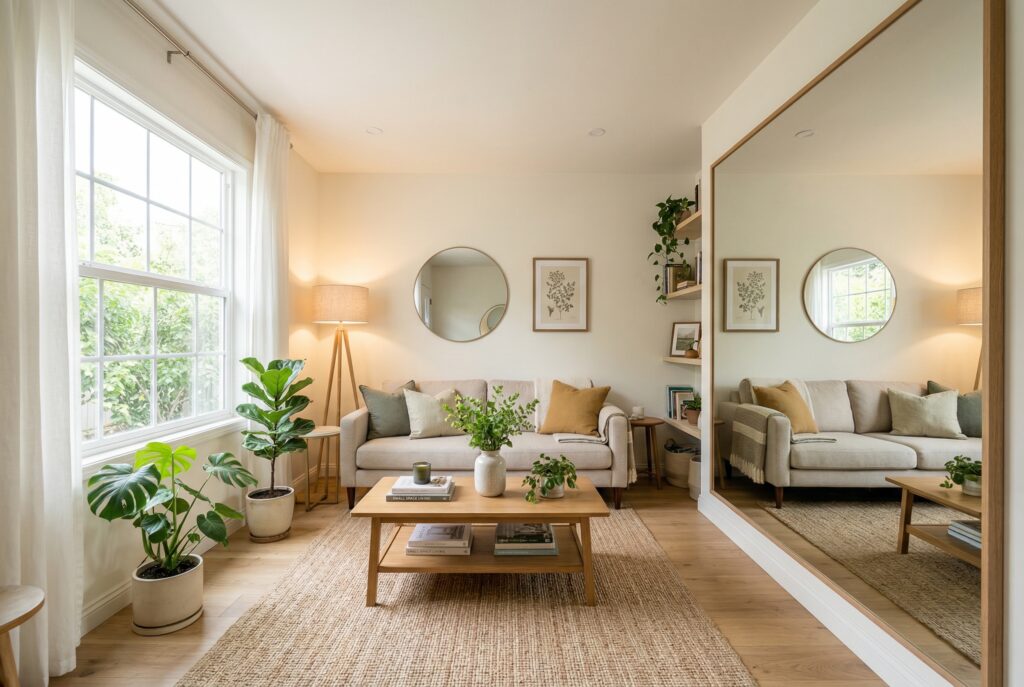
In small homes, light changes everything. Dark corners and poor lighting can make even tidy rooms feel tighter. A brighter space usually feels more open, cleaner, and more inviting, which is why lighting should be treated as a functional design tool, not just a finishing detail.
Let in as much natural light as possible by avoiding heavy window coverings unless privacy requires them. Use layered lighting instead of relying only on one overhead fixture. Table lamps, wall sconces, under-cabinet lights, and bedside lighting can make the home feel more comfortable and usable.
Mirrors can help as well, especially when placed to reflect windows or brighten narrow spaces. Used thoughtfully, they can increase the sense of openness without adding clutter.
9. Make Every Room Easier to Reset
A comfortable home isn’t only one that looks good after a full cleaning session. It should also be easy to reset during normal daily life. That matters a lot in mobile homes, where clutter spreads quickly and even a few misplaced items can affect how the whole space feels.
Design choices should support simple routines. Entry baskets can catch everyday essentials. A laundry area needs practical storage instead of becoming overflow space. Bathroom organizers should keep basics accessible without crowding the vanity. In living rooms, throws, remotes, and chargers should have a home so surfaces stay under control. When a house is easier to reset, it stays more comfortable with less effort. That kind of livability matters more than decorative perfection.
10. Add Personality Without Overfilling the Space
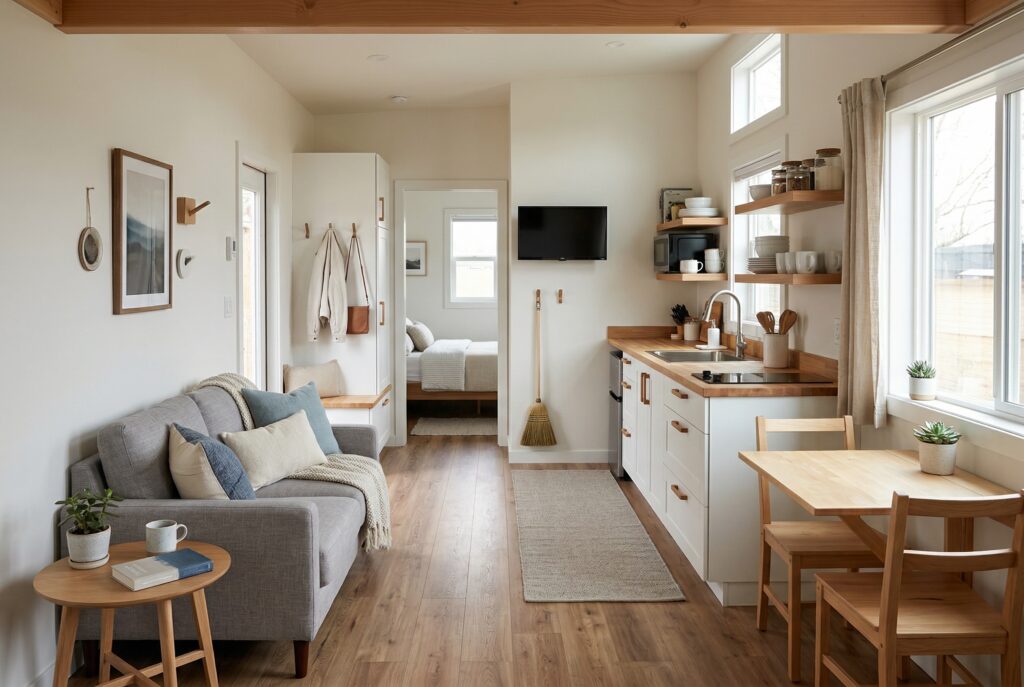
A small home should still feel personal, warm, and reflective of the people living in it. The challenge is bringing in character without making the rooms feel crowded. The most effective approach is to be selective.
Choose a few meaningful pieces of art instead of filling every wall. Use textiles such as rugs, curtains, and pillows to bring in softness and color. Display favorite items in grouped arrangements rather than scattering them throughout the home. Plants can also help a mobile home feel fresher and more lived in, as long as they don’t compete for every available surface.
This balance matters because comfort comes from both function and identity. A home should work well, but it should also feel like it belongs to the people who live there.
Conclusion
The best mobile home design ideas focus on making smaller spaces work better for real daily life. A thoughtful layout, scaled furniture, hidden storage, brighter lighting, and well-defined zones can all make a major difference in how the home looks and feels. When design choices support movement, organization, and comfort, even a compact home can feel far more spacious and manageable.
A successful mobile home interior doesn’t depend on having a lot of square footage. It depends on using the space with more clarity and purpose. With smart updates and practical planning, homeowners can create a home that feels organized, comfortable, and genuinely supportive of everyday living.