

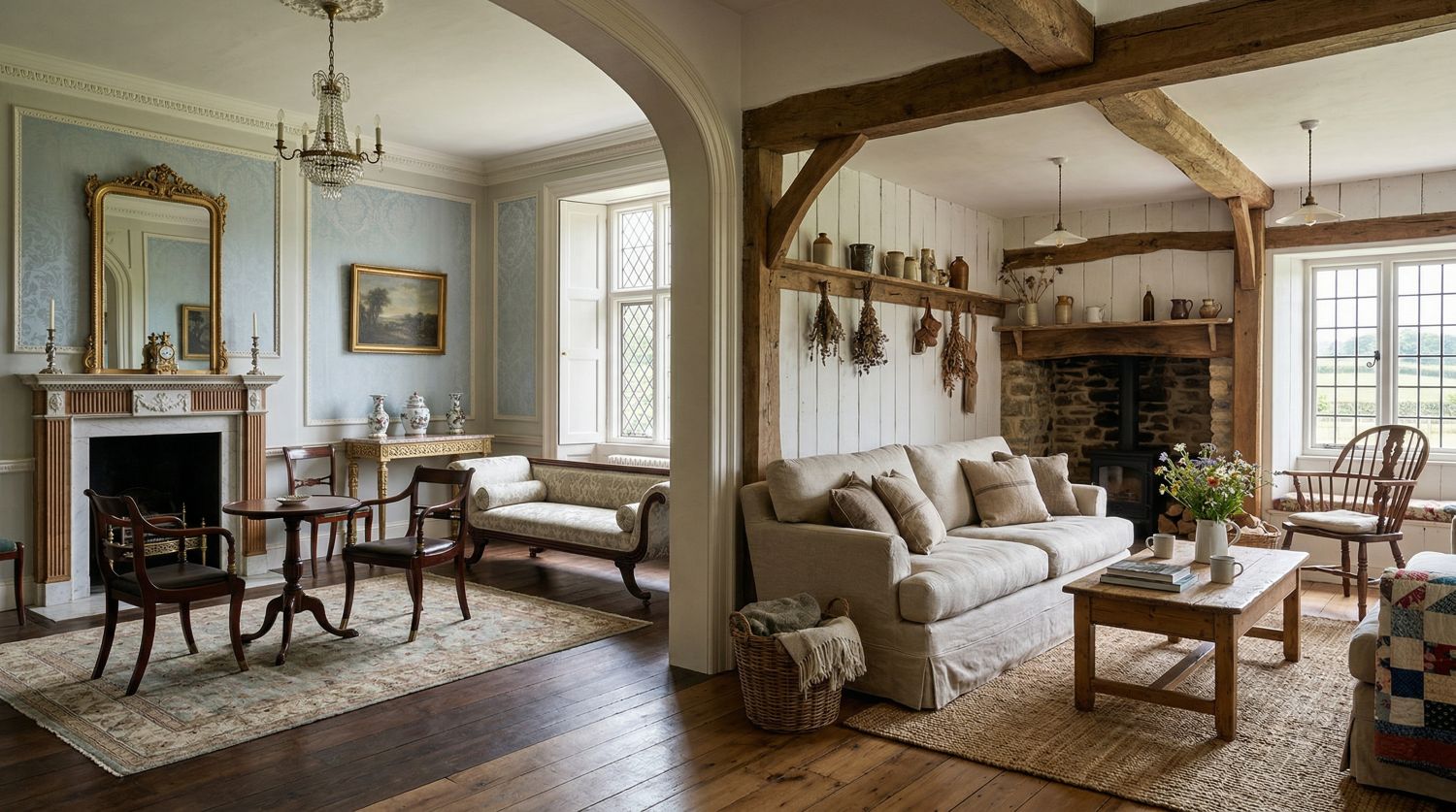
Understanding interior design styles can feel overwhelming at first. You may know what you like when you see it, but putting a name to it and figuring out how to use it in your own home is a different challenge. That’s why learning the types of interior design styles matters. Once you understand the visual language behind a room, it becomes much easier to decide what fits your space, your budget, and your daily life.
Some homes feel calm and layered. Others feel bold, glamorous, or collected over time. The good news is that you don’t need to follow one formula exactly. The best interiors usually take ideas from different interior design styles and shape them into something personal. This guide will help you decode the most recognizable looks, from modern farmhouse decor and farmhouse interior ideas to regency furniture, boho wall decor, japandi interior design, and organic modern style.
Decoding the Most Popular Types of Interior Design Styles
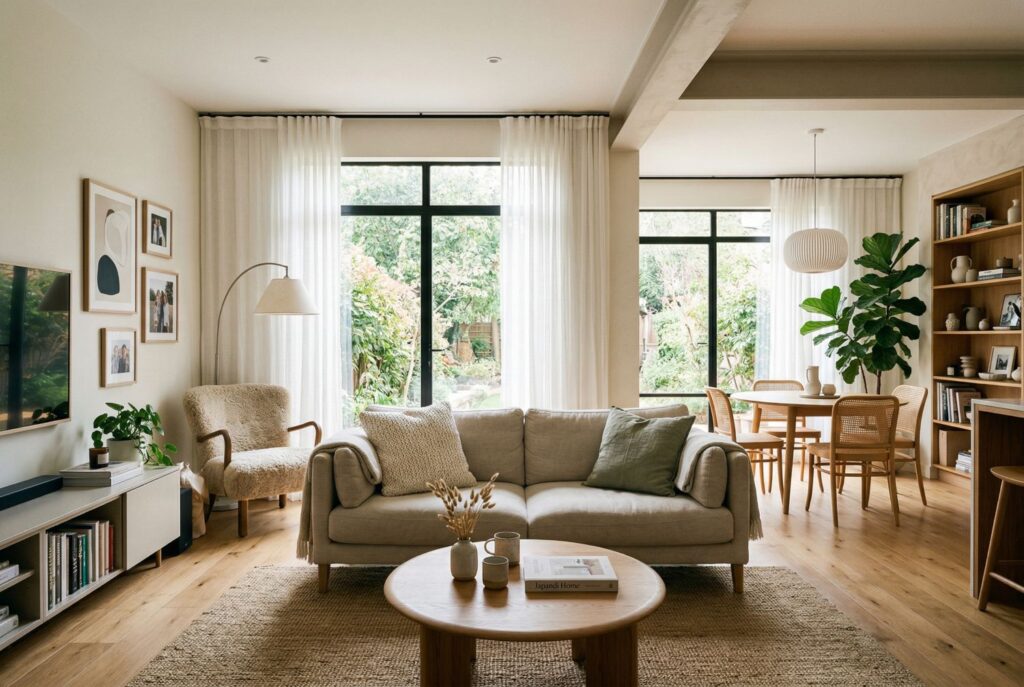
The easiest way to understand different interior design styles is to stop thinking of them as labels first and start thinking of them as lifestyle choices. A style should support how you actually live, not just how a room photographs.
If your home has classic trim, traditional architecture, and older details, a heavily industrial look may feel forced. If your space is bright, open, and modern, you may prefer cleaner lines and fewer decorative layers. Budget matters too. Some styles depend on architectural upgrades or statement materials, while others can be built slowly through furniture, paint, and decor.
This is why the types of interior design styles that work best for one person may not work for another. A family with kids may prefer warmth, durability, and easy maintenance. Someone living in a small apartment may want lighter furniture, multifunctional pieces, and more visual simplicity. The goal isn’t to copy a perfect room. It’s to recognize which interior design styles make sense for your home and your habits.
The Modern Farmhouse Interior: How to Do It Right Without the Clichés
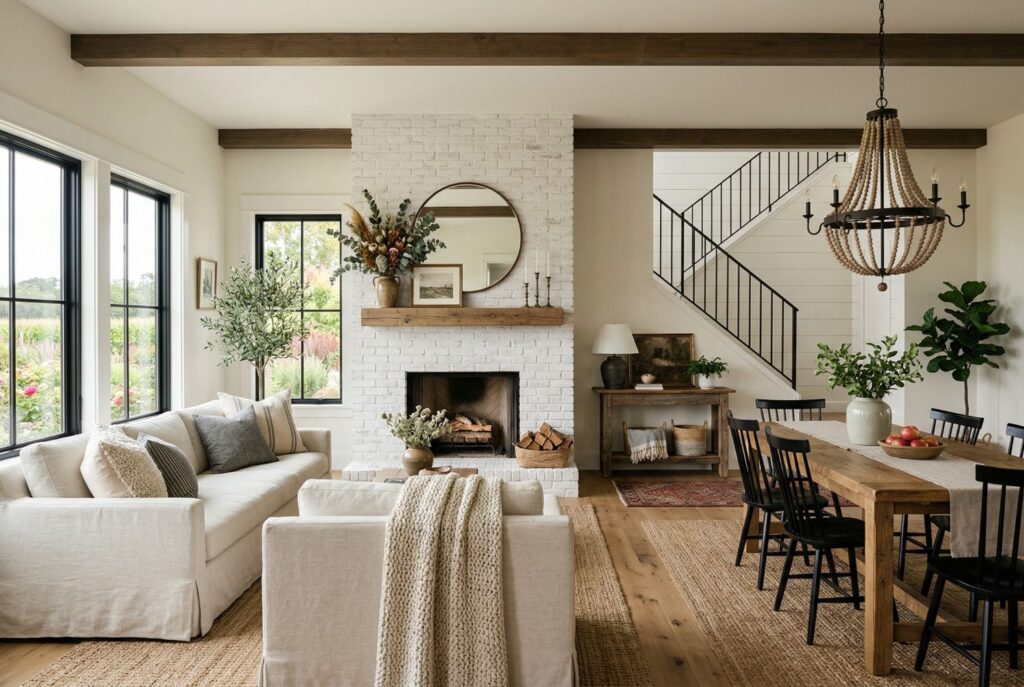
Modern farmhouse is still one of the most recognizable looks in home design, but it works best when it feels edited. A good modern farmhouse interior doesn’t rely on obvious rustic clichés. It should feel warm, grounded, and relaxed, but still polished enough for modern life.
Key Elements of Modern Farmhouse Decor
The foundation of modern farmhouse decor usually starts with natural materials and contrast. Think warm wood tones, soft neutral walls, black accents, simple silhouettes, and a mix of old and new pieces. The best version of modern farmhouse decor feels balanced. It isn’t overloaded with distressed finishes, signs, or overly themed accessories.
Texture does a lot of the work here. Linen curtains, vintage rugs, matte black lighting, reclaimed wood, and layered fabrics give the space softness and depth. This is what makes a modern farmhouse feel timeless rather than trendy. It’s less about copying one specific image and more about building a room that feels both lived in and intentional.
Bringing Warmth to a Farmhouse Interior
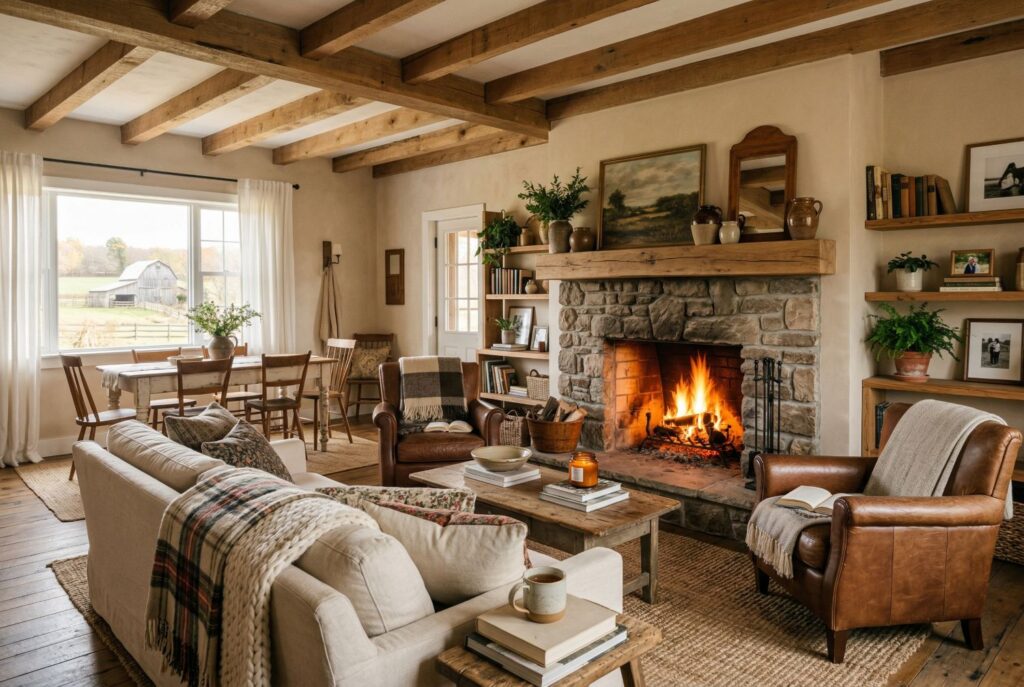
A farmhouse interior should feel welcoming, but it doesn’t need a full renovation to get there. You can bring warmth into a room through smaller changes. Mix wood finishes instead of matching everything perfectly. Use warm white or creamy paint instead of a colder bright white. Add woven baskets, ceramic pieces, soft upholstery, and aged metal accents.
Modern farmhouses work especially well when the room still breathes. Let one or two larger pieces set the tone, then layer in supporting details. That’s how a modern farmhouse stays fresh. It feels collected, not staged.
Hollywood Glamour: Elevating Your Space with Regency Furniture
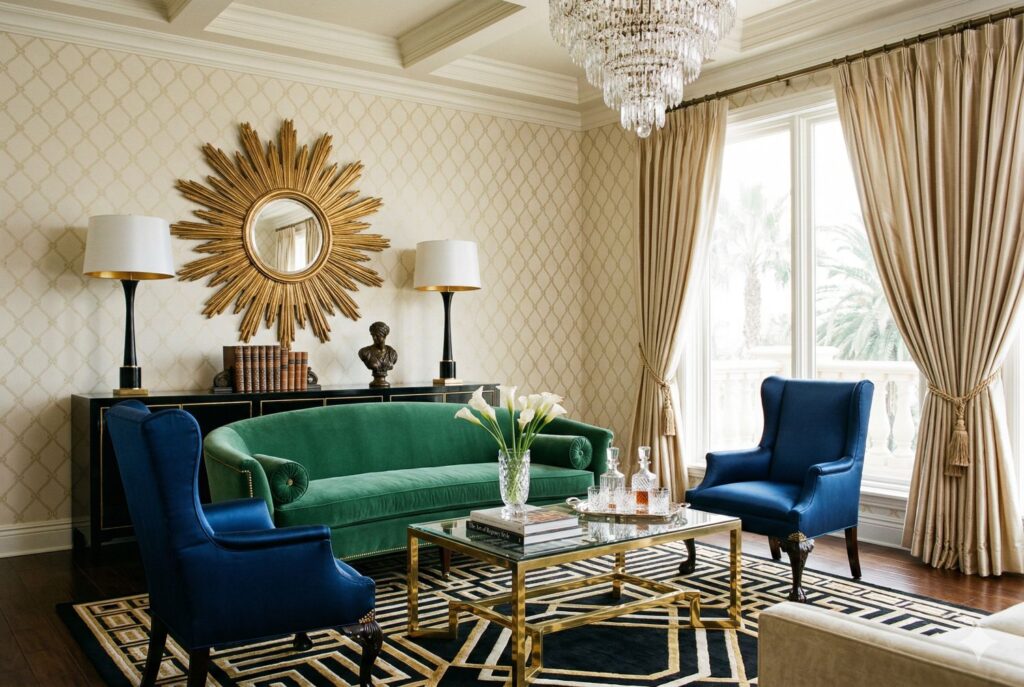
If a modern farmhouse feels soft and grounded, regency furniture moves in the opposite direction. This style is polished, dramatic, and a little glamorous. It uses shape, shine, and contrast to make a room feel elevated.
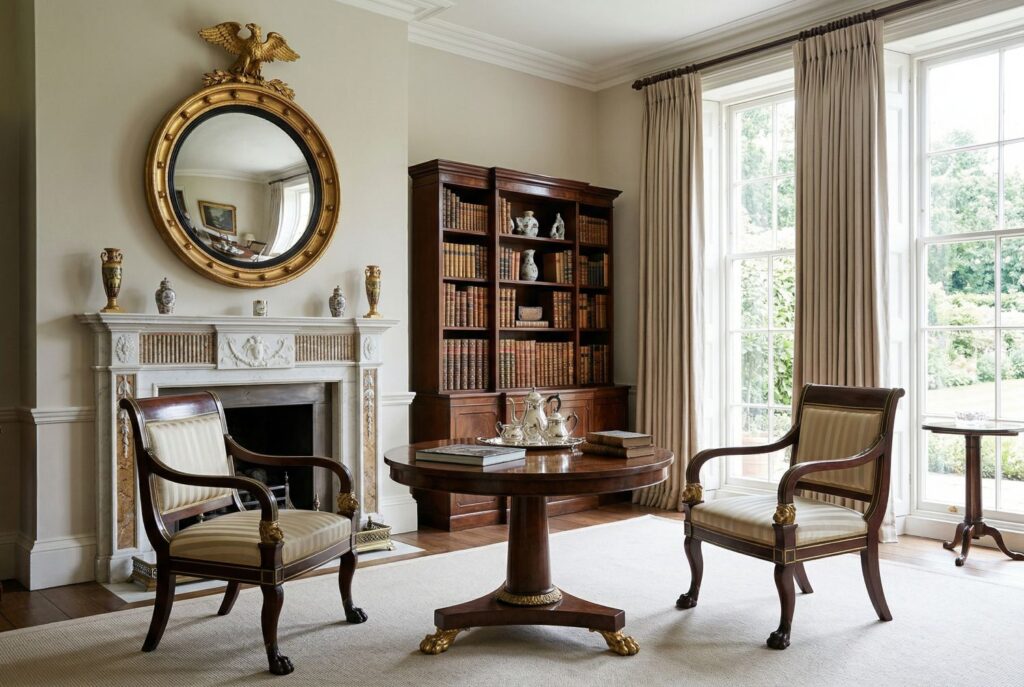
Regency furniture often includes curved legs, glossy finishes, mirrored surfaces, metallic details, tufting, and elegant silhouettes. It doesn’t have to dominate a room to make an impact. Even one piece can shift the mood. A regency style chair, console, or side table can bring a sharper, more refined edge to a softer space.
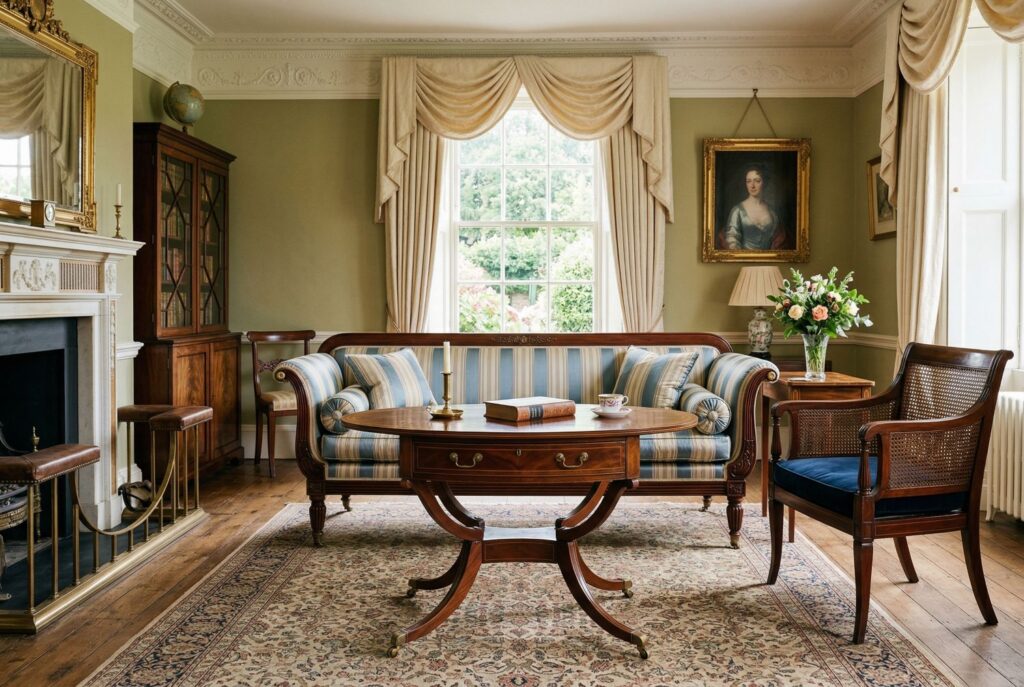
This style works best when it has room to stand out. Too many dramatic pieces can make a room feel heavy, but one or two well placed items create a sense of sophistication. Regency furniture is especially useful if you want to add contrast to a quieter backdrop.
The Relaxed Aesthetic: Boho Wall Decor and Eclectic Mixing
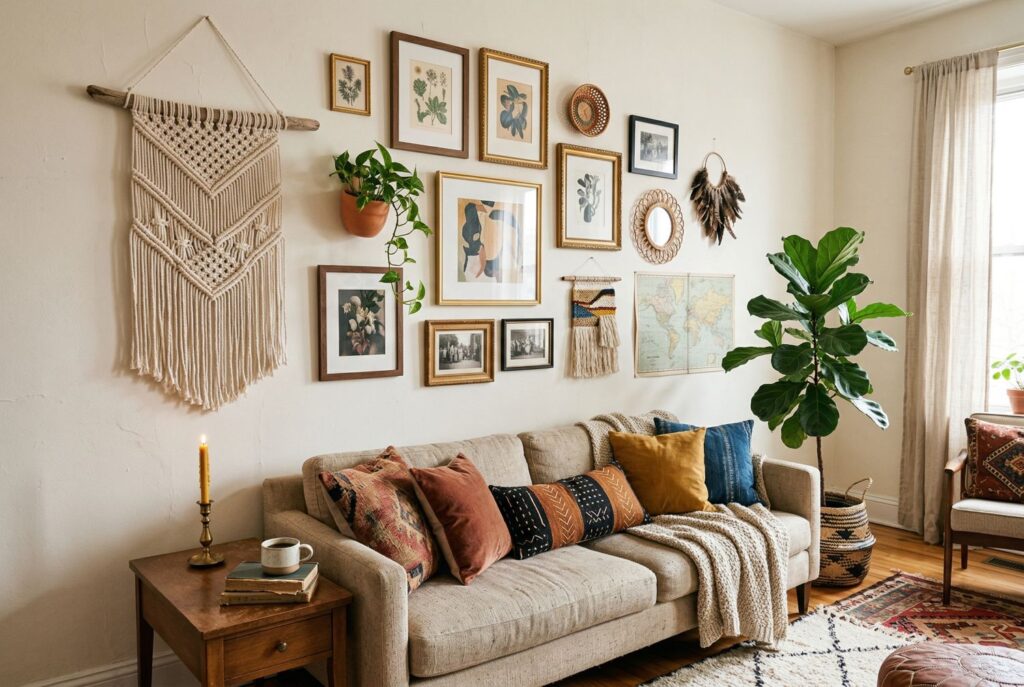
For people who want something more personal and expressive, boho wall decor and eclectic interior design offer much more freedom. This style feels relaxed, layered, and less formal. It mixes textures, colors, and objects that look like they’ve been gathered over time rather than bought all at once.
Boho wall decor often includes woven hangings, macrame, framed textiles, handmade art, or pieces with organic texture. It helps soften a room and adds character without needing major furniture changes. This is one reason it works so well for renters or anyone who wants easy aesthetic room ideas without a full redesign.
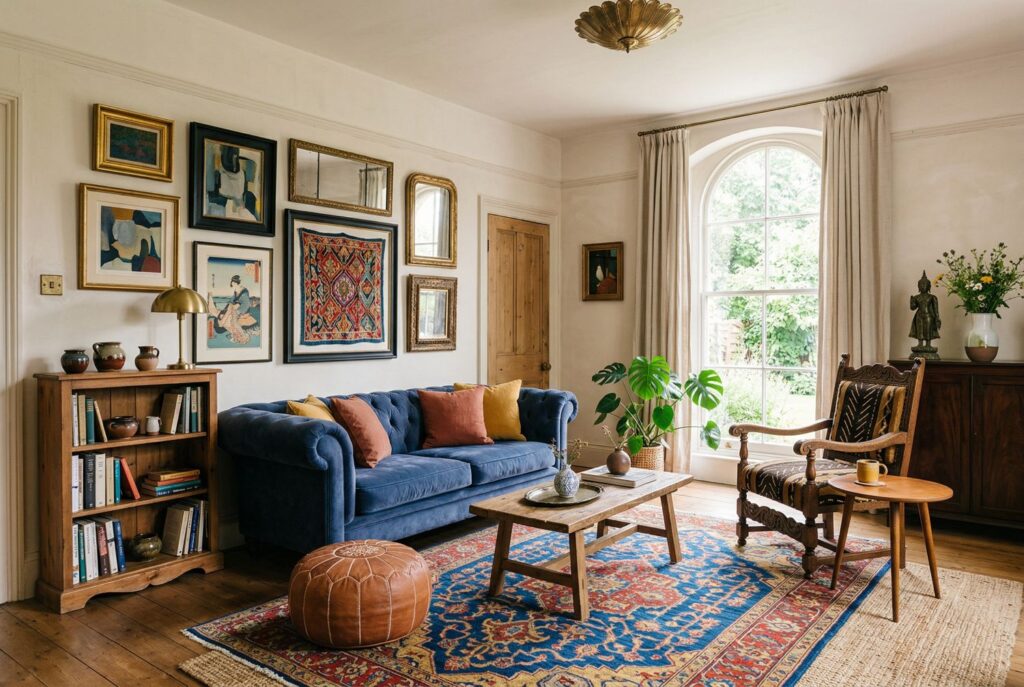
Eclectic interior design goes one step further. It allows different influences to exist together, as long as the room still feels intentional. The key isn’t to include everything you love in one space, but to create a sense of connection by repeating colors, materials, or shapes throughout the room. Done well, this style creates some of the strongest aesthetic room ideas because it feels personal instead of generic.
Minimalist Hybrids: Japandi and Organic Modern Style
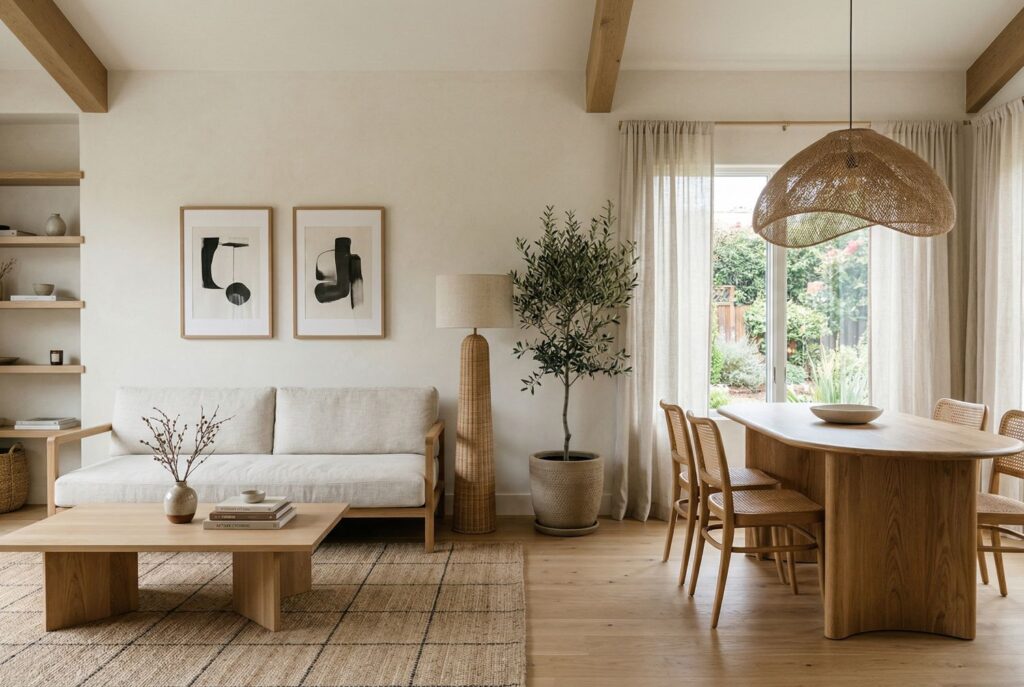
Some of the most popular current interiors fall into hybrid categories, and two of the strongest are japandi interior design and organic modern style. Both are minimalist, but neither feels cold.
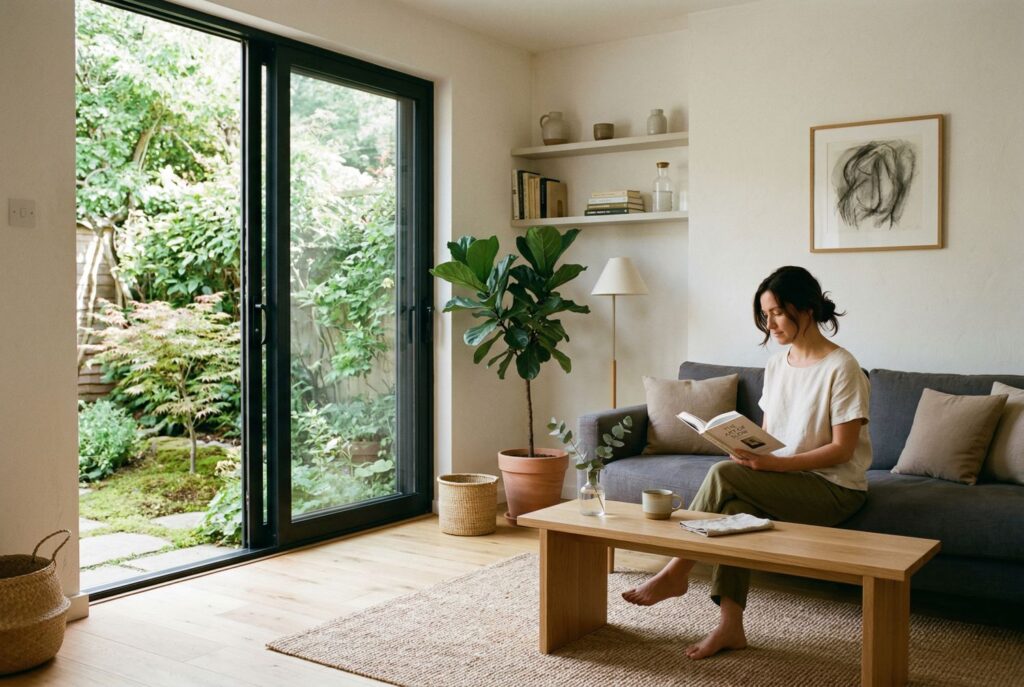
Japandi interior design blends Japanese simplicity with Scandinavian warmth. It uses muted colors, natural wood, soft textures, and clean lines. The mood is calm, quiet, and intentional. Rooms in this style often feel restful because nothing unnecessary competes for attention.
Organic modern style shares some of that simplicity, but it usually feels softer and more sculptural. It combines modern lines with natural materials like stone, wood, linen, and clay. Curved shapes, warm neutrals, and subtle contrast help the room feel clean without becoming flat. Both styles work especially well in homes where you want a sense of peace. They’re ideal for people who like minimalism but don’t want their home to feel stark or impersonal.
Implementation: How to Mix Different Interior Design Styles Like a Pro
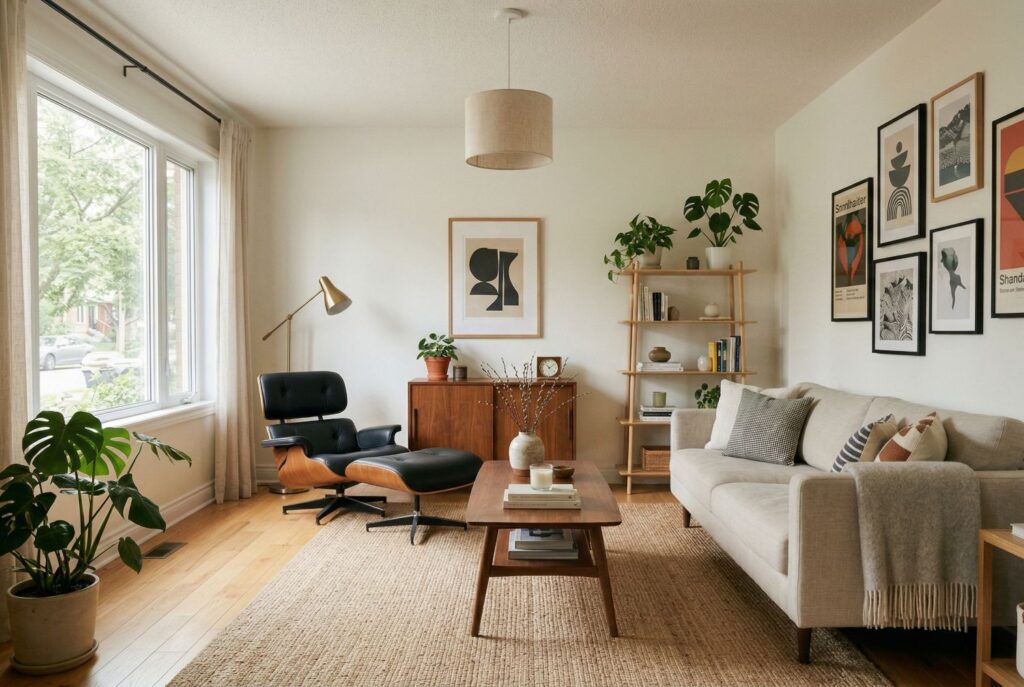
Most homes don’t follow only one style perfectly, and they don’t need to. The easiest way to mix different interior design styles is to use the 80 20 rule. Let one style lead the room about eighty percent of the way, then use another style for contrast and personality.
For example, you might keep the room rooted in modern farmhouse decor through wood tones, soft neutrals, and simple upholstery. Then you can add one piece of regency furniture, like a glossy side table or brass accented chair, to create tension and elegance. That contrast makes the room more memorable without making it feel confused.
The same principle works with boho wall decor in a japandi interior design space, or with organic modern style layered into a farmhouse interior. The key is consistency. Even when you mix styles, repeat colors, finishes, or textures so everything still feels related.
Conclusion
The best interior design styles are the ones you can interpret and adapt, rather than simply copy. Once you learn the types of interior design styles and what makes each one feel distinct, you can build a home that reflects your own rhythm, taste, and lifestyle.
Maybe you love the warmth of modern farmhouse decor, the elegance of regency furniture, the freedom of eclectic interior design, or the calm of japandi interior design and organic modern style. You don’t need to pick one label and stay inside it forever. The most interesting homes usually borrow, refine, and evolve. That’s the real power of interior design styles. They give you a starting point, but your personal aesthetic is what makes the home feel finished.
Related Articles
How to Choose the Right Interior Design Style: Practical Tips to Transform Your Space