

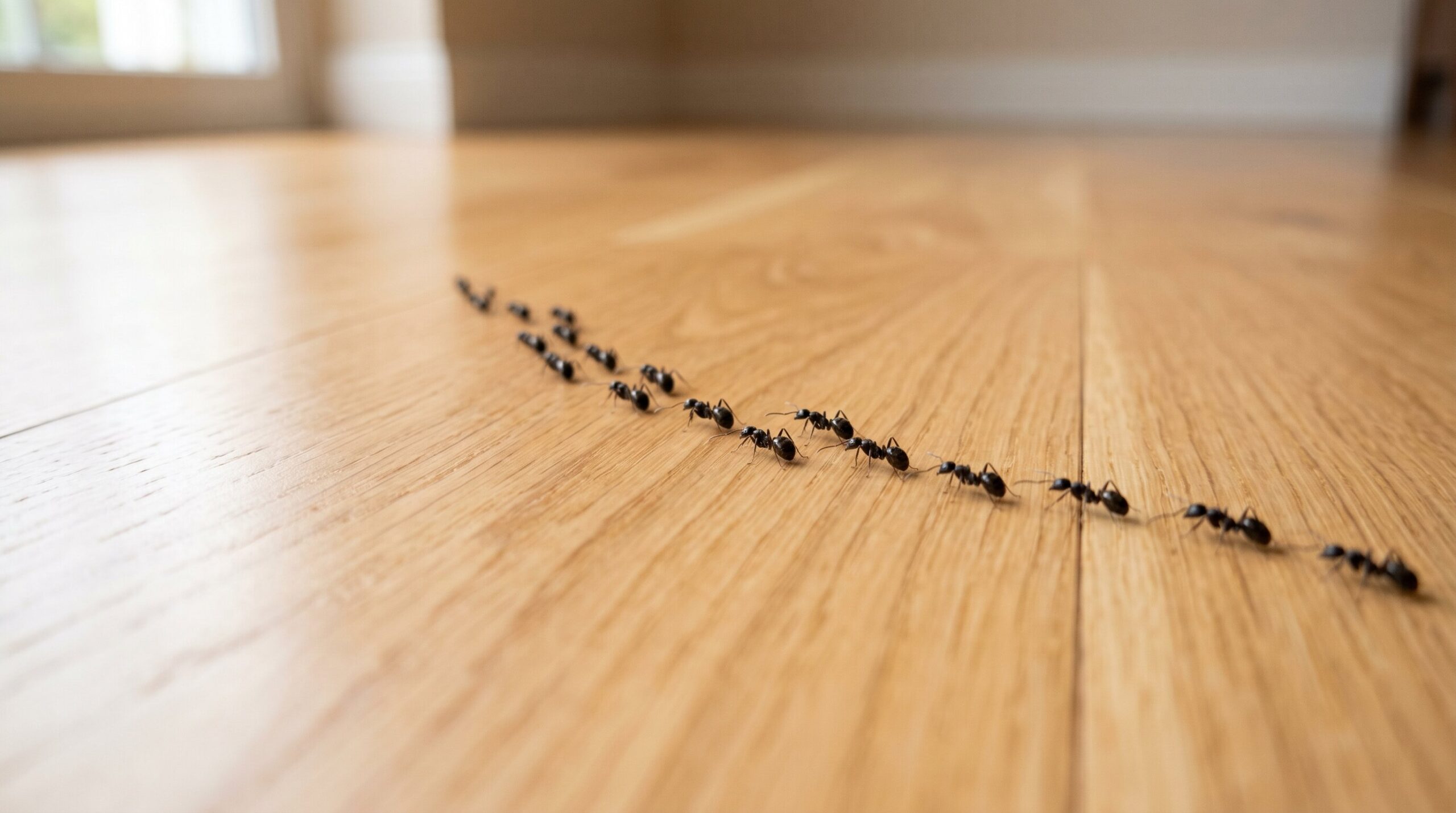
Looking for a natural ant repellent that works in the kitchen without harsh chemical sprays? The best first step is to disrupt the scent trails ants use to find food. If you’re wondering how to get rid of ants in the kitchen naturally, start with common pantry ingredients like vinegar, peppermint oil, citrus peels, cinnamon, and cloves. These won’t always kill the colony, but they can stop worker ants from marching across your counters.
The Science: Repellents vs. Killers
Natural repellents usually don’t destroy an ant colony. They work by disrupting pheromone trails. Worker ants leave these chemical trails so other ants can follow the path to food.
When you wipe the trail with vinegar, citrus, or strong essential scents, the ants lose their map. That can reduce activity fast, especially in kitchens where ants are searching for sugar, crumbs, pet food, or sticky spills. But repellents aren’t the same as colony killers. If ants keep returning every day, the nest is probably still active nearby. In that case, repellents may help short term, but bait or professional pest control may be needed for long-term control.
Formula 1: The Pheromone Eraser
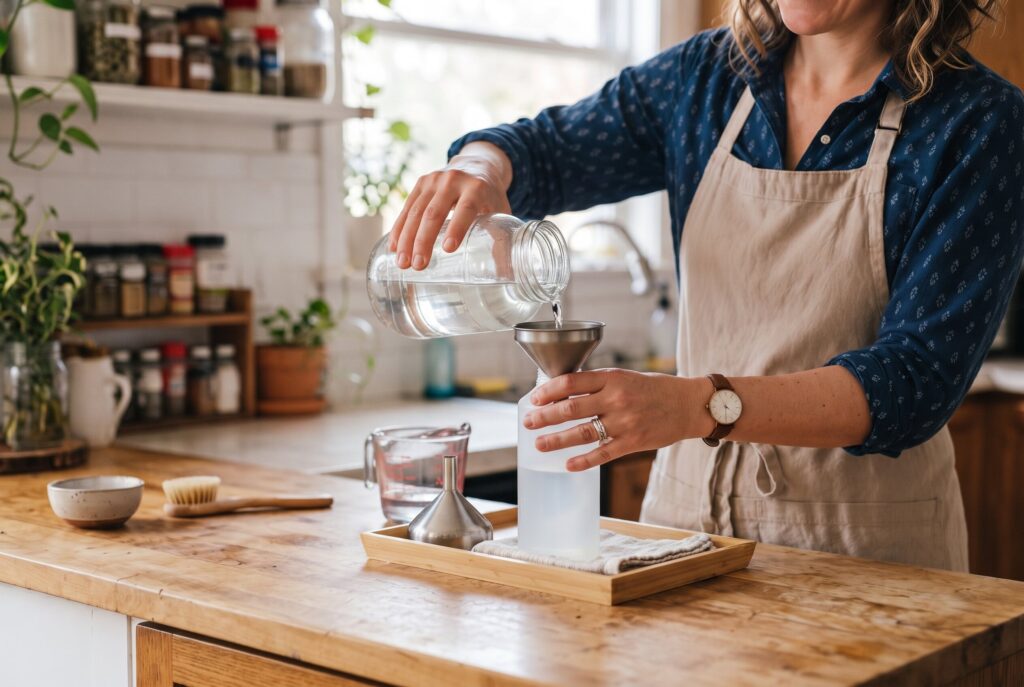
Does vinegar kill ants? Usually, no. Vinegar may kill a few ants if sprayed directly, but its main value is trail removal.
Mix equal parts white vinegar and water in a spray bottle. Spray the solution on countertops, baseboards, windowsills, floor edges, and anywhere you see ants walking. Let it sit briefly, then wipe clean. This formula is best for kitchens because it removes food smells and breaks pheromone trails. Avoid using vinegar on natural stone surfaces like marble or granite, because acid can damage them.
Formula 2: The Peppermint Oil Perimeter
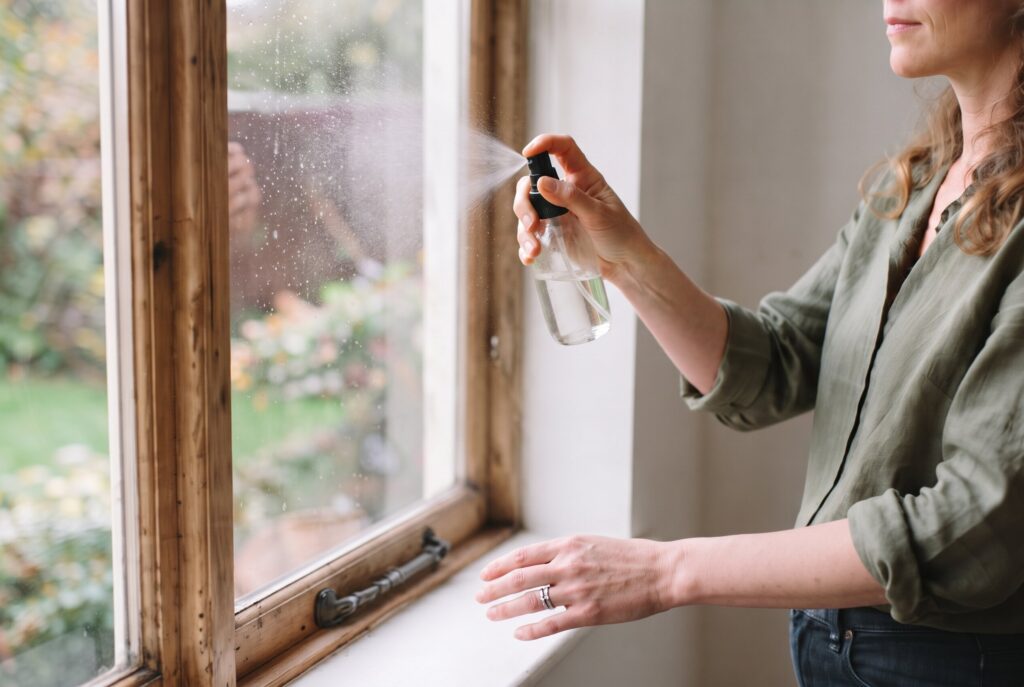
Peppermint oil for ants works because ants dislike the strong smell. It can help create a scent barrier around entry points. Mix 10 to 15 drops of peppermint oil with one cup of water. Spray lightly near door gaps, window frames, trash areas, and pantry corners. You can also add a few drops to cotton balls and place them near ant paths.
Important safety note: peppermint oil can be dangerous for cats and other pets. If you have cats, don’t use peppermint oil in areas they can touch, lick, or breathe heavily. Choose vinegar or citrus cleaning instead.
Formula 3: Lemon Juice & Citrus Peels
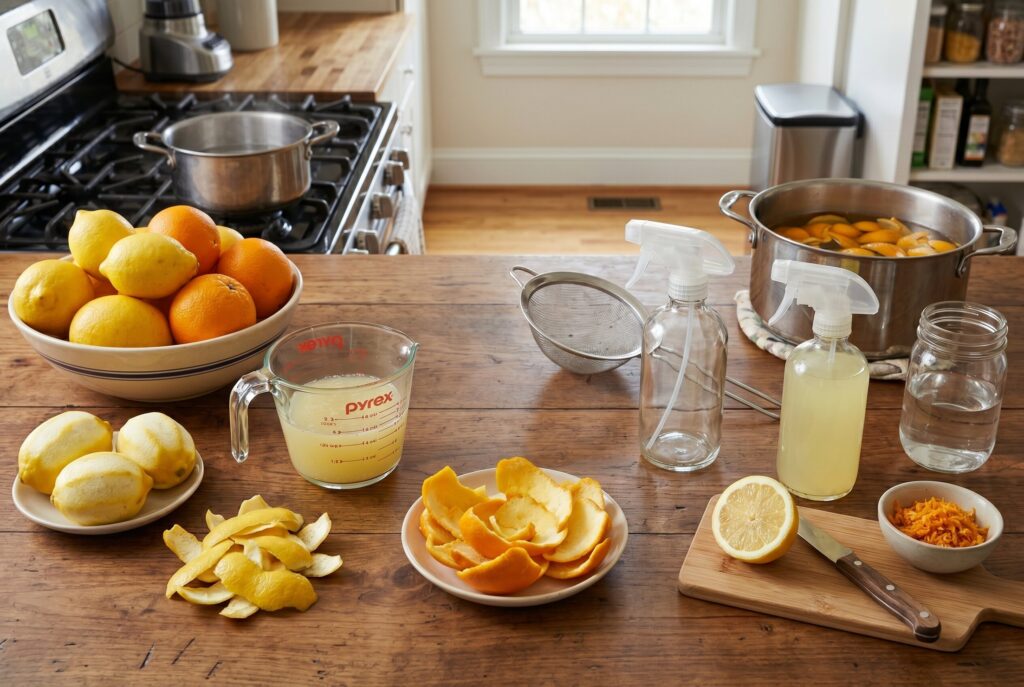
Citrus is another answer to what keeps ants away. Lemon juice and citrus peels contain strong compounds that interfere with ant trails and make treated areas less attractive.
Squeeze lemon juice along entry points, or mix lemon juice with water and use it as a quick wipe-down spray. For a stronger kitchen cleaner, simmer orange or lemon peels in water, let the liquid cool, strain it, and pour it into a spray bottle. Use citrus spray around trash cans, under sinks, near pantry shelves, and along baseboards. It smells fresh and helps remove the food scents that attract ants in the first place.
Formula 4: The Cinnamon & Clove Barrier
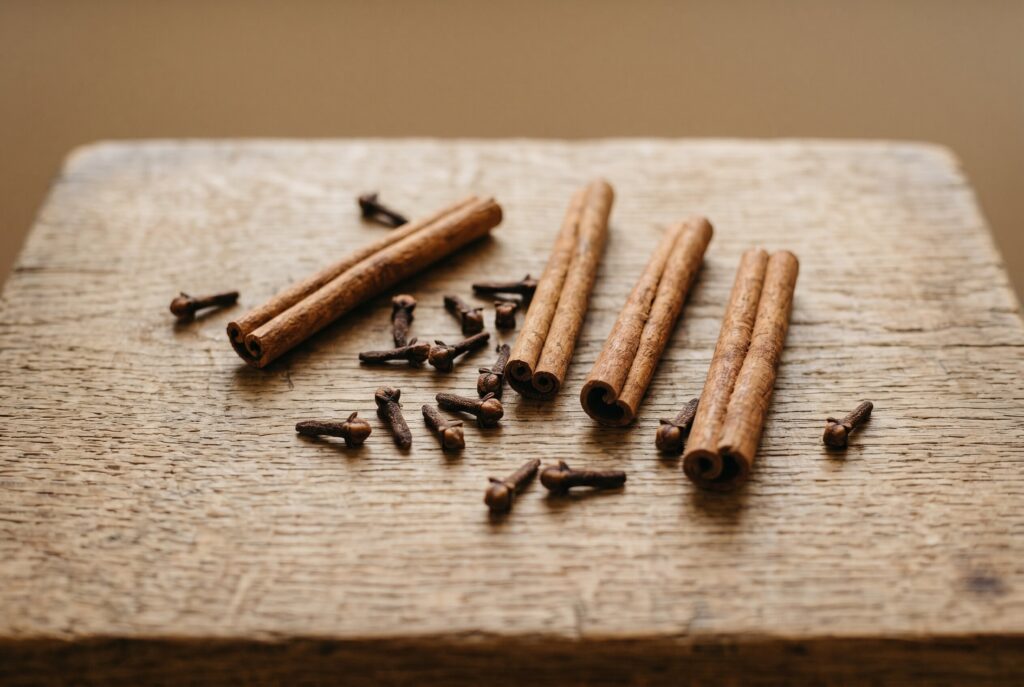
Cinnamon and cloves work well as dry barriers. They’re useful where you don’t want to spray liquid, such as wooden windowsills, cabinet corners, or dry pantry edges.
Sprinkle a thin line of ground cinnamon near ant entry points. You can also place whole cloves in corners, behind appliances, or near small cracks. This method is best for prevention. It may not stop a major infestation, but it can help keep ants out of house by making common entry routes unpleasant.
Mythbusting: Does Baking Soda or Bleach Kill Ants?
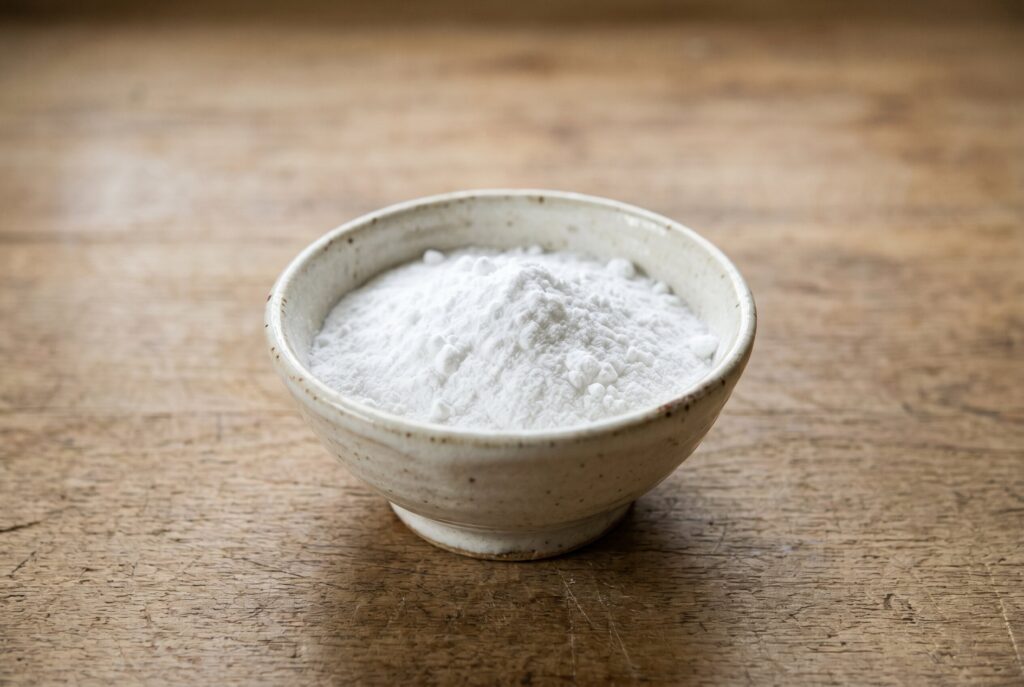
Does baking soda kill ants? Not by itself. Ants usually ignore plain baking soda. It may work only when mixed with powdered sugar as bait, because the sugar attracts ants and the baking soda is eaten with it. Even then, results can be inconsistent.
Does bleach kill ants? Yes, bleach can kill ants it directly contacts. But it isn’t a smart kitchen ant-control method. Bleach is harsh, can damage surfaces, creates strong fumes, and won’t solve the colony problem. It may erase trails, but vinegar is usually safer for routine kitchen cleanup. The better approach is to use repellents for trails and entry points, then use proper bait if ants keep coming back.
Conclusion
A natural ant repellent is useful for stopping worker ants, cleaning trails, and protecting kitchen entry points. Vinegar, peppermint oil, citrus, cinnamon, and cloves can all help reduce ant activity when used consistently. But if ants return every week, the colony is still active. At that point, switch from repelling to baiting. Borax-based ant baits can target the colony more effectively, but they must be used carefully around children and pets.
Start with the pantry mixer approach: clean the trail, block the entry, remove food sources, and reapply your chosen formula. If the invasion continues, it’s time for a stronger colony-control plan.
Related Articles
- How to Get Rid of Ants in the House: 7 Safe Hacks to End Them For Good
- Pet Safe Ant Killer: 5 Natural Remedies Safe for Dogs & Cats (2026)
- DIY Ant Killer: The Borax & Sugar Trap Gone in 24 Hours
- Does Diatomaceous Earth Kill Ants? 5 Mess-Free Rules to Use It