

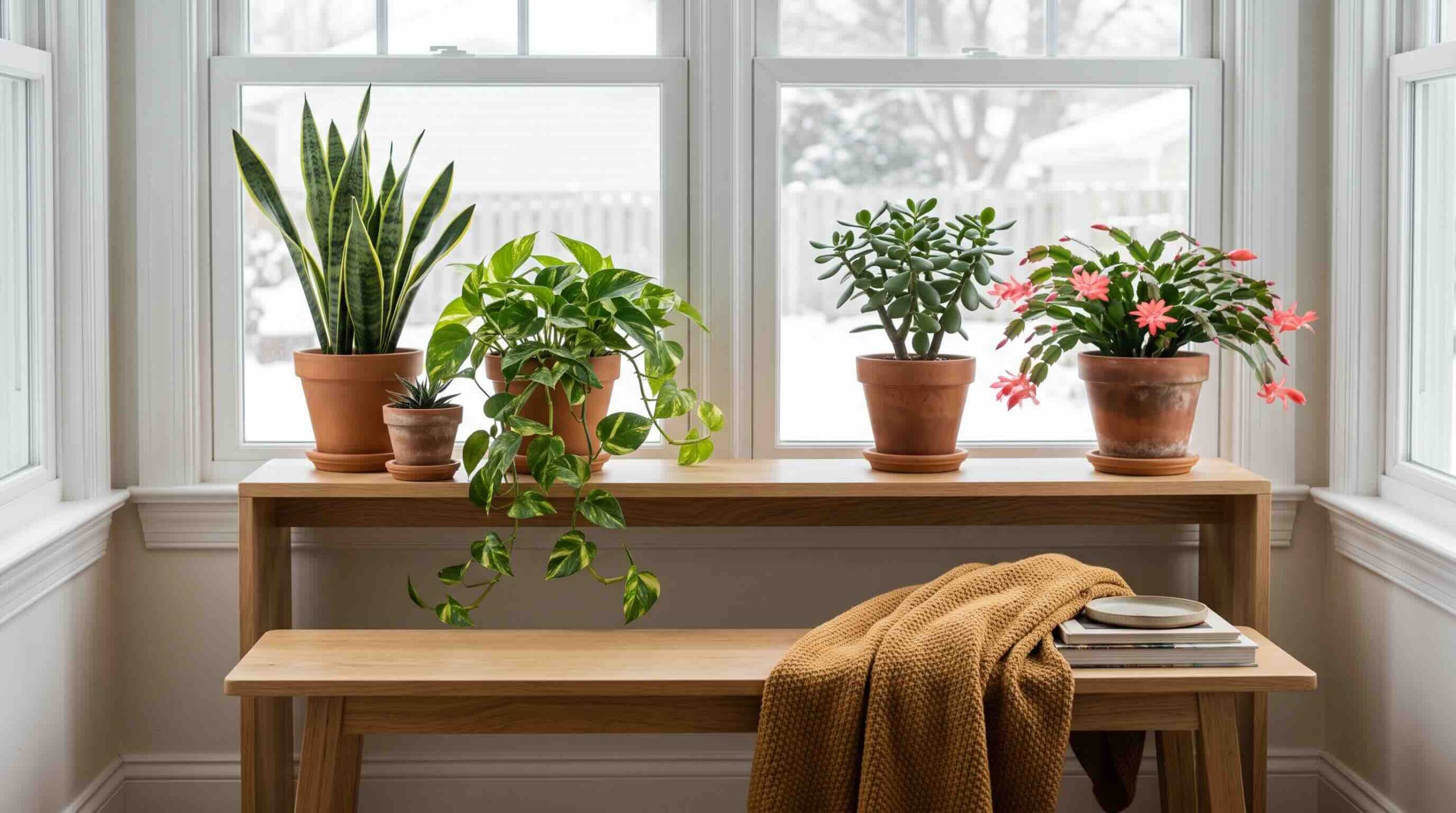
Got a chilly spare room or a windowsill that stays cold all winter? A handful of house plants that tolerate cold shrug off temperatures that would finish most indoor plants, with no extra heating. This Home Tips Daily list covers 15 of them, each with the low temperature it handles, the light it wants, and one tip to carry it through winter. Pick one matched to your room, and the cold corner stops being a plant graveyard.
What Makes a House Plant Cold-Tolerant?
Cold-tolerant does not mean frost-proof. These resilient plants can handle ambient room temperatures dropping into the 40s and low 50s Fahrenheit. In contrast, a typical tropical houseplant will begin to struggle if the room drops below 55°F. Most cold-hardy varieties originate from climates with cool seasons or possess thick, water-storing tissues that insulate them against the chill.
However, none of these plants will survive a hard freeze. A leaf pressed directly against a frozen windowpane will still sustain severe damage. To protect them, you must keep foliage off cold glass and drastically reduce watering during winter. Cold, wet roots cause significantly more harm than cool air alone.
Note: If you are unsure how cold a specific spot gets, leave a basic thermometer on the windowsill overnight. The actual temperature near the glass is often much lower than your central thermostat reads.
15 House Plants That Tolerate Cold
Each of these house plants that tolerate cold holds up in a cool room. The temperature given is a comfortable low, not a survival limit, so leave the plant a margin above it.
1. Snake Plant (Sansevieria)
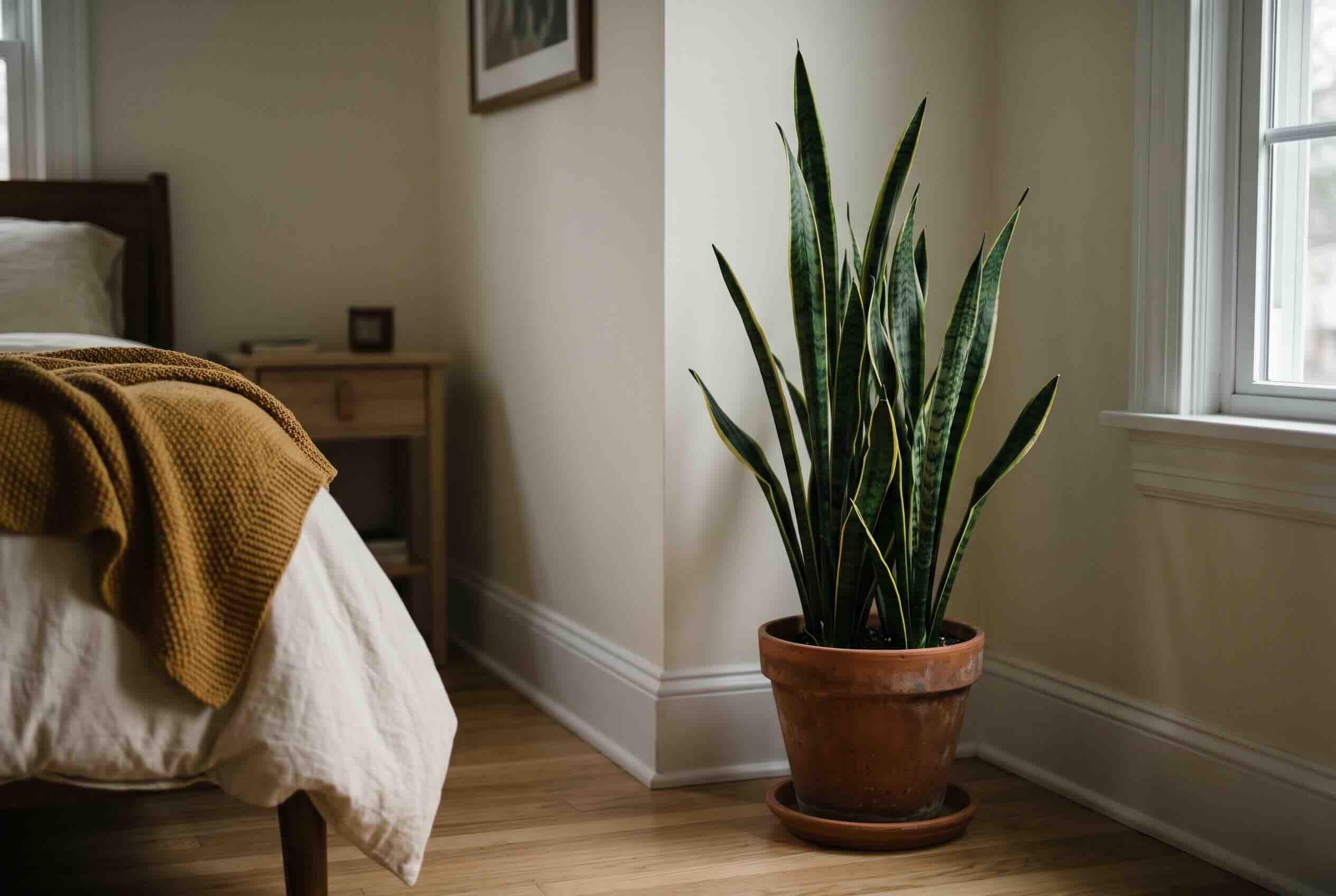
One of the toughest houseplants you can own, it handles a room down to about 50°F without complaint. It takes low light but grows faster in bright, indirect light. Its thick, water-storing leaves are part of why cold and dry air bother it so little. Let the soil dry fully between waterings, since cold, wet roots are the one thing that rots it. Growth stalls in winter, so one watering a month is often plenty. Mildly toxic to pets.
2. Pothos
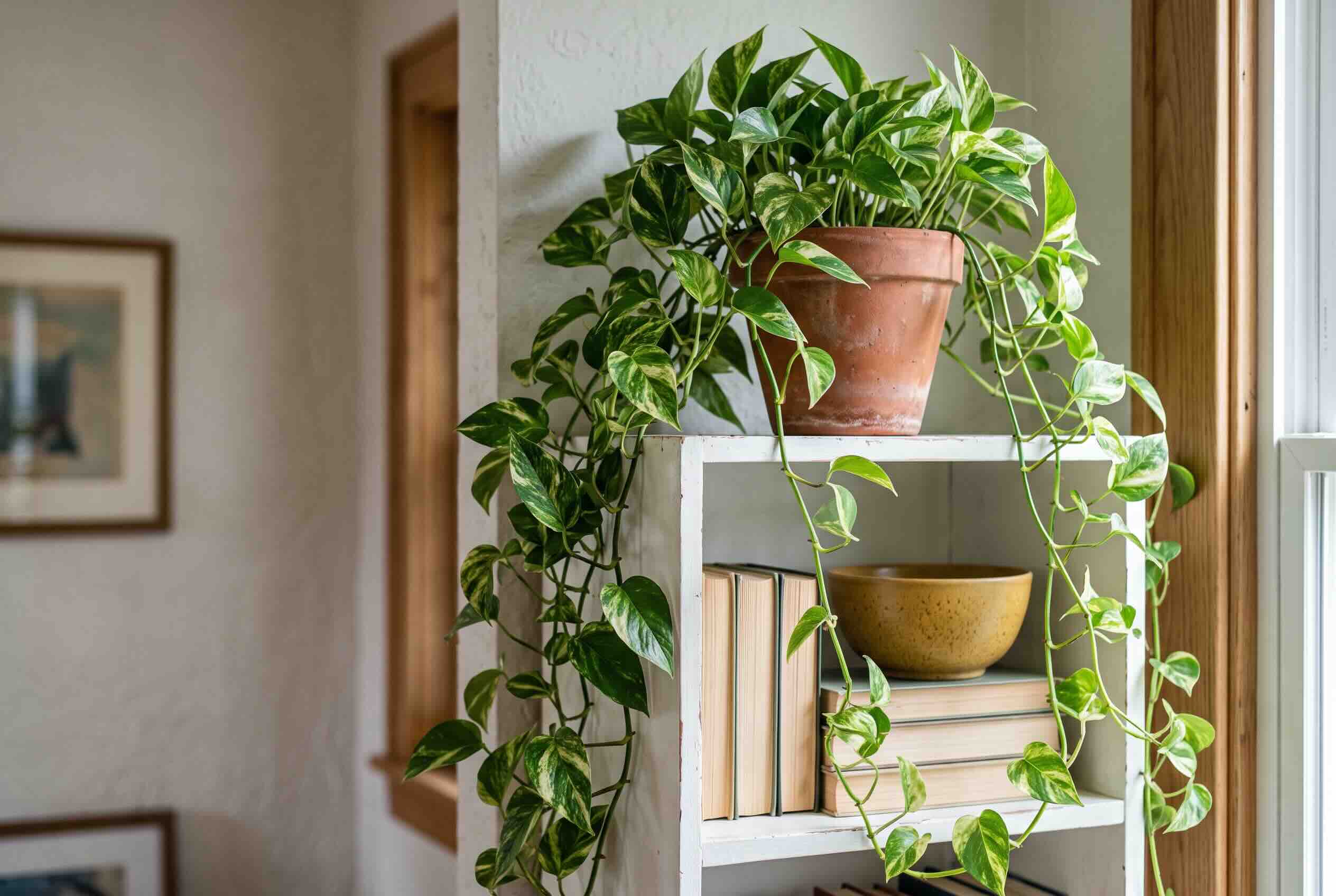
A trailing vine that grows almost anywhere, pothos stays happy down to around 50°F and in light from low to bright indirect, which makes it a natural for a dim, cool corner. In winter it drinks less, so let the top inch of soil dry before you water. Prune a leggy vine back and root the cuttings in water to fill the plant out again. Yellowing lower leaves usually mean too much water rather than too little. Toxic to cats and dogs if chewed.
3. ZZ Plant
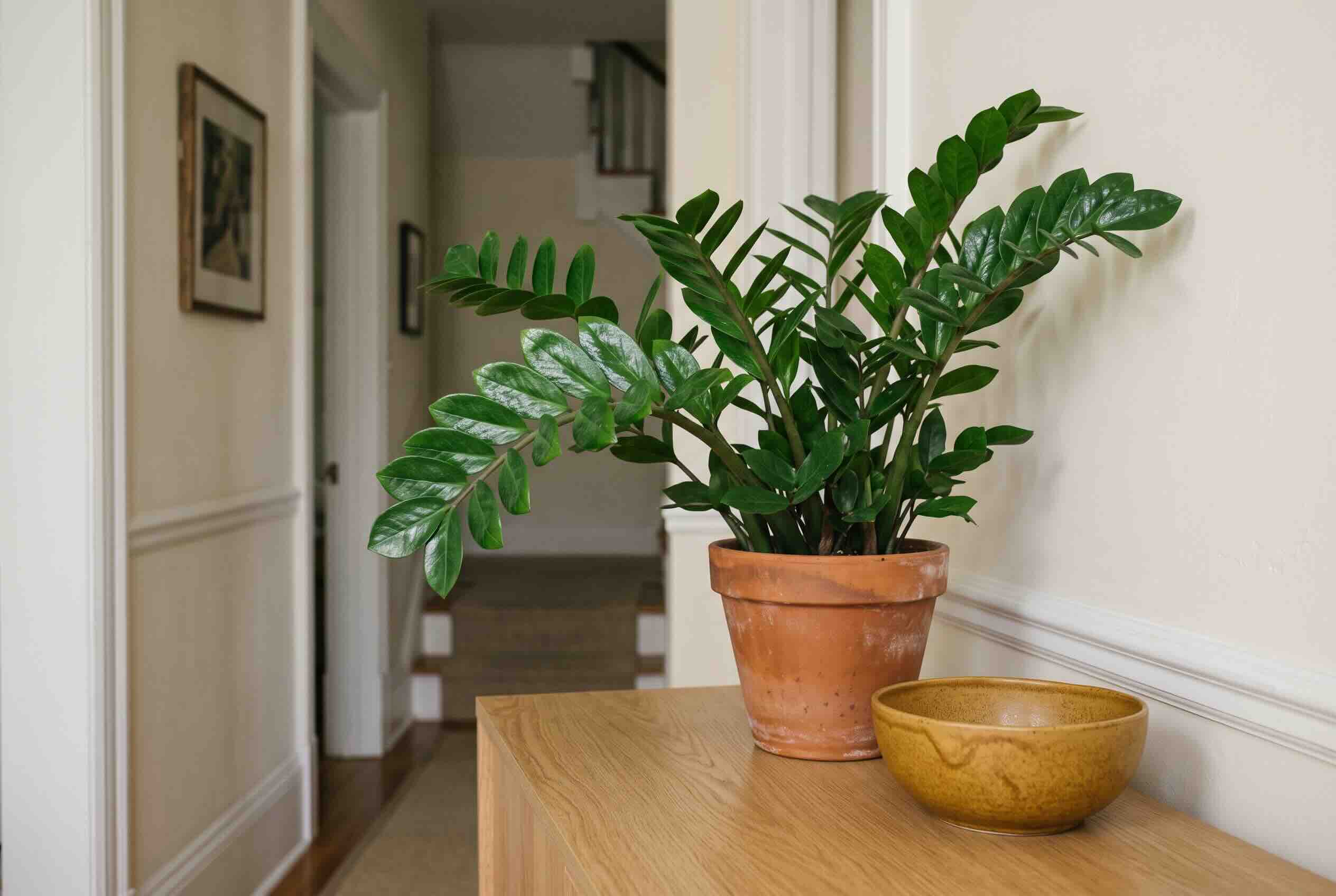
The ZZ stores water in fat underground rhizomes, so it forgives a cold room, low light, and a missed watering, handling down to about 45°F. Its waxy leaves also shrug off the dry air of a heated house. Water it rarely in winter, since the rhizomes carry it through, and treat overwatering as the main risk. It is one of the few that does fine well away from any window. Toxic to pets.
4. Spider Plant
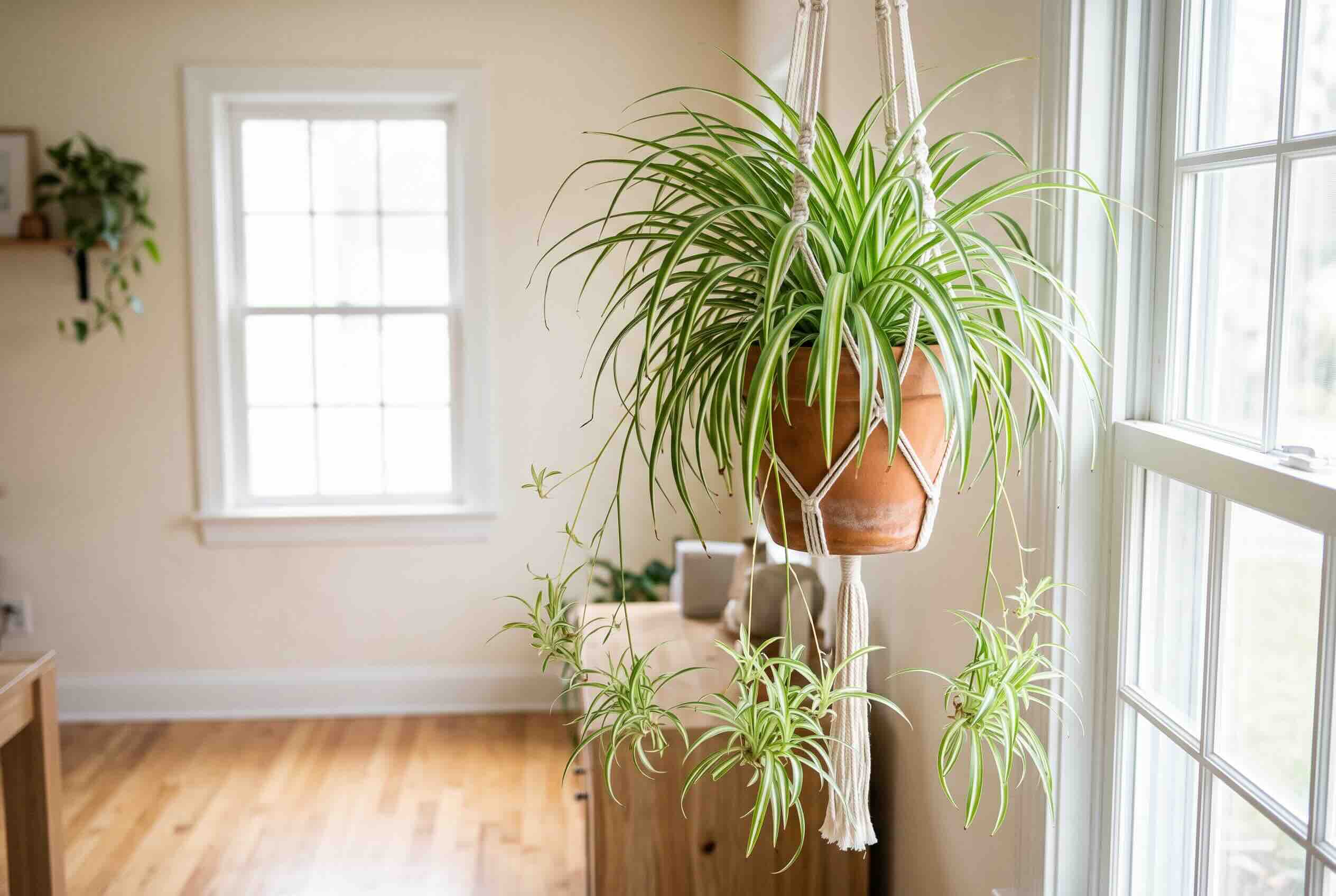
An easy, fast grower, the spider plant is comfortable down to about 40°F in bright, indirect light, and it sends out baby plantlets you can pot up. Keep it off freezing glass and cut the water back in winter. The plantlets it throws off root easily in water or soil to make new plants. Brown leaf tips point to dry air, cold drafts, or mineral buildup, so move it and raise the humidity if they appear. Pet-safe, which makes it a good choice around cats and dogs.
5. Cast Iron Plant (Aspidistra)
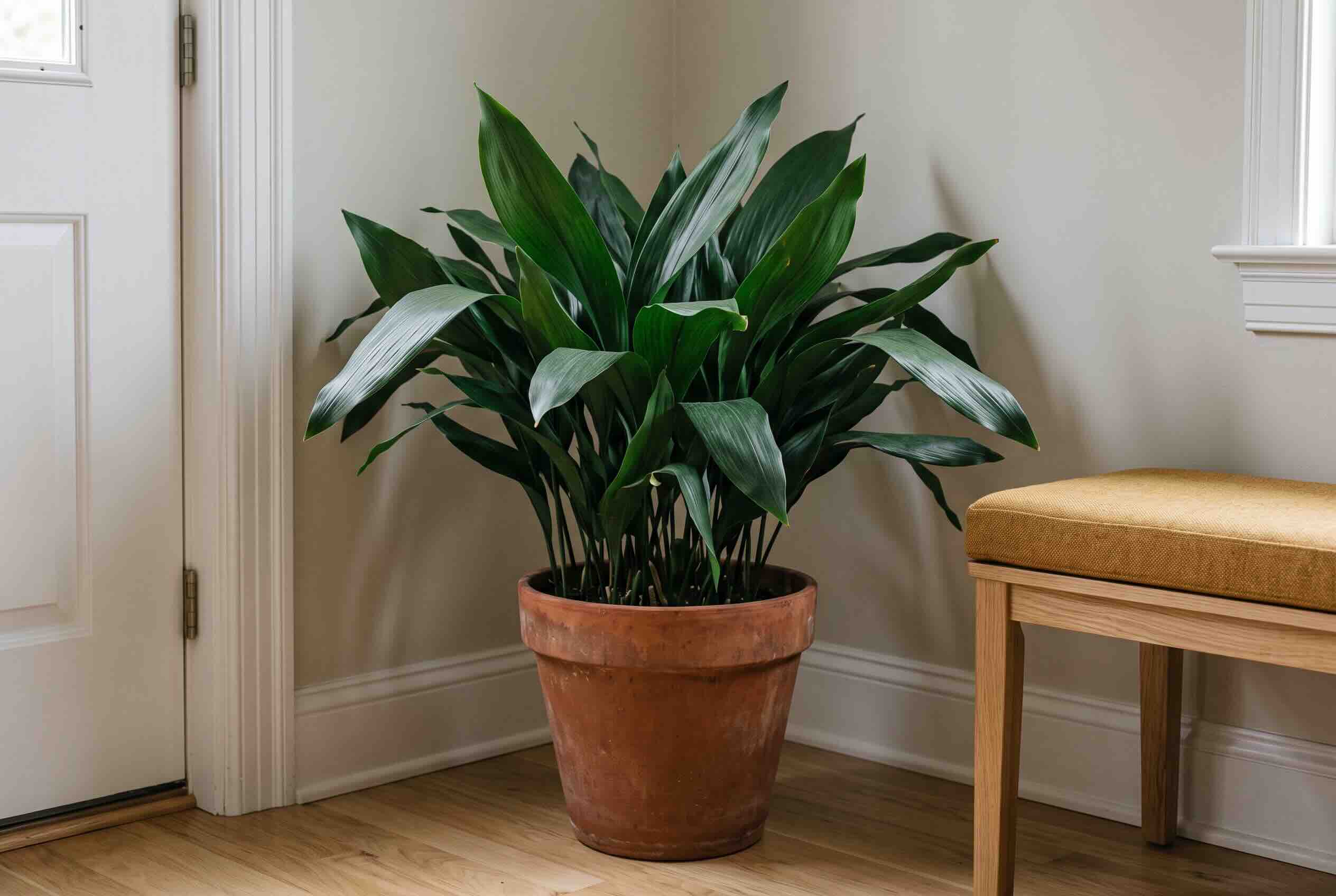
It earns the name, taking a room down to about 40°F and the kind of deep shade that defeats most plants. It grows slowly, so a single plant holds a dim, cool spot for years. Water it sparingly and wipe the broad leaves clean of dust so they can use what light there is. About the only way to harm it is to overwater it or set it in hot sun. Pet-safe.
6. Jade Plant
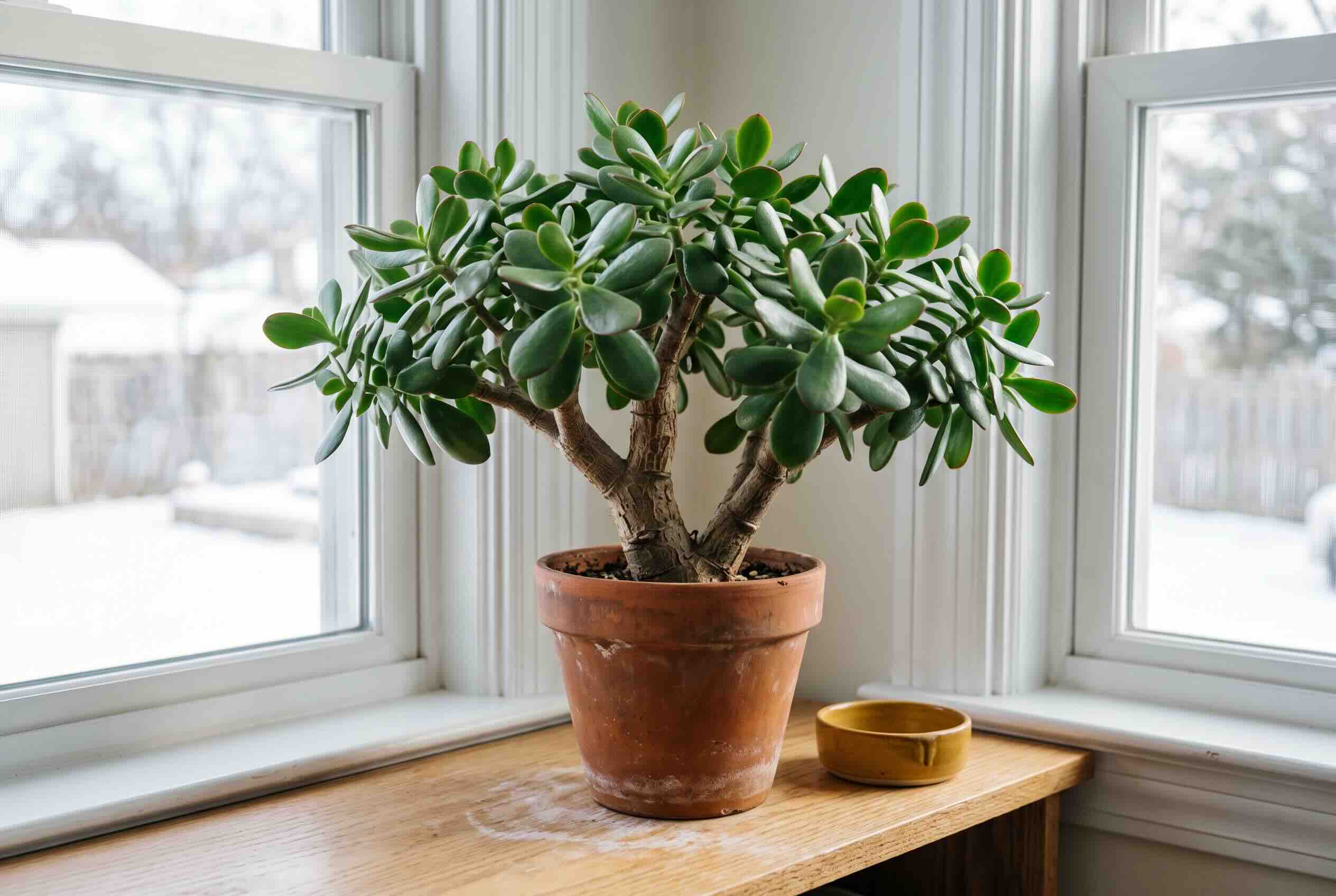
A thick-leaved succulent, jade likes a cool, dry winter rest down to about 40°F and bright light year-round. That cool rest is what helps a mature plant bloom. Cut the water back hard in the cold months, since it lives off its stored reserves. Soft, shriveled stems mean overwatering, not thirst. Leaves it drops in a cold snap often regrow once it warms, so do not toss it early. Toxic to pets.
7. Christmas Cactus
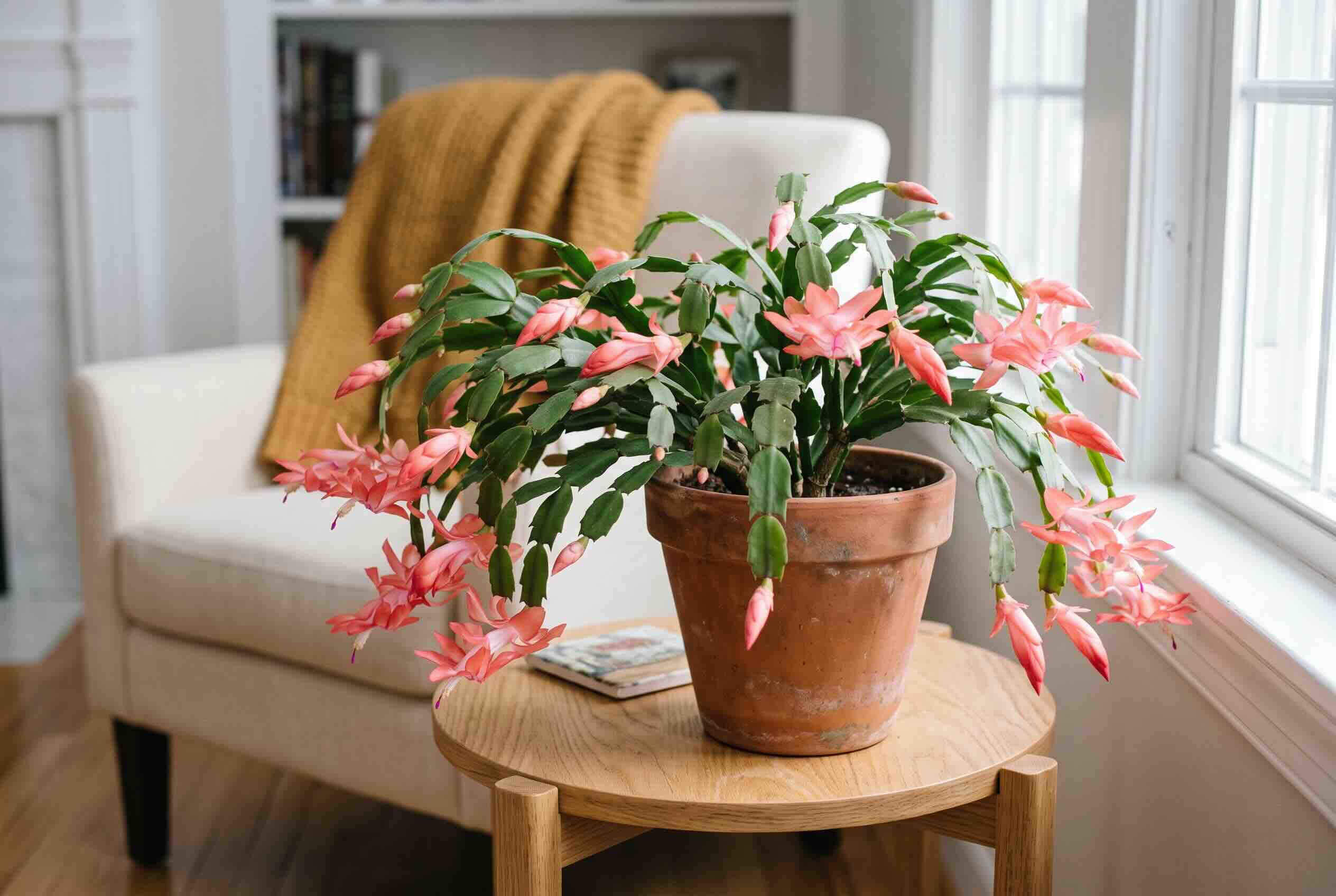
This one prefers it cool, around 50°F, and a cool, darker fall with long nights is what sets its winter blooms. Give it bright, indirect light and keep it clear of cold drafts and heat vents while it buds. Do not move it once the buds form, since a change in light or temperature makes it drop them. Water when the top of the soil dries. Non-toxic to pets.
8. English Ivy
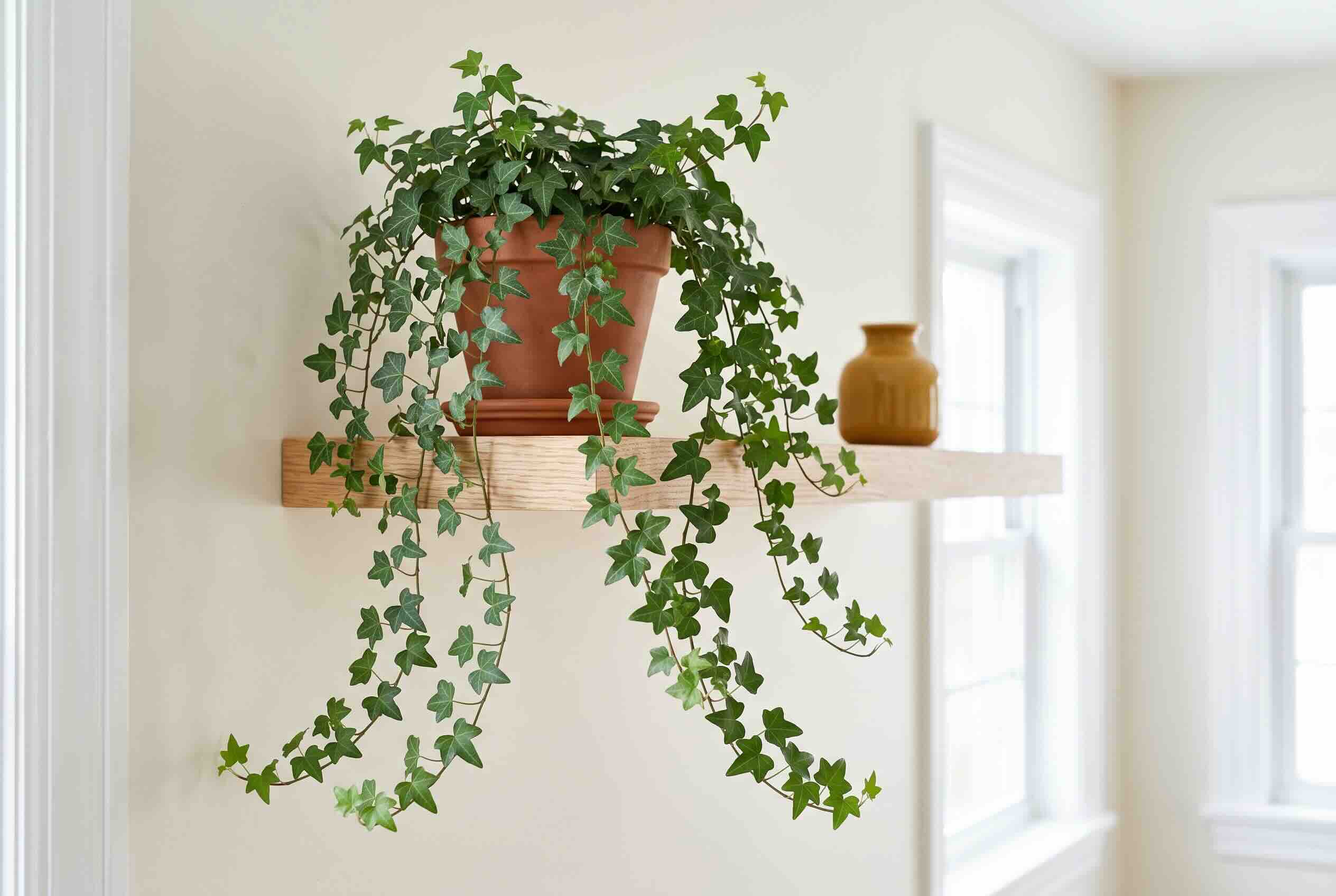
A classic trailer, ivy takes a cold room down to about 40°F in bright, indirect light and looks good spilling from a cool shelf. Keep the soil lightly moist and mist it in dry heat. Good airflow and the odd rinse in the sink keep spider mites down, which thrive on ivy in a warm, dry room. Pinch the growing tips now and then to keep it bushy rather than straggly. Toxic to pets.
9. Peace Lily
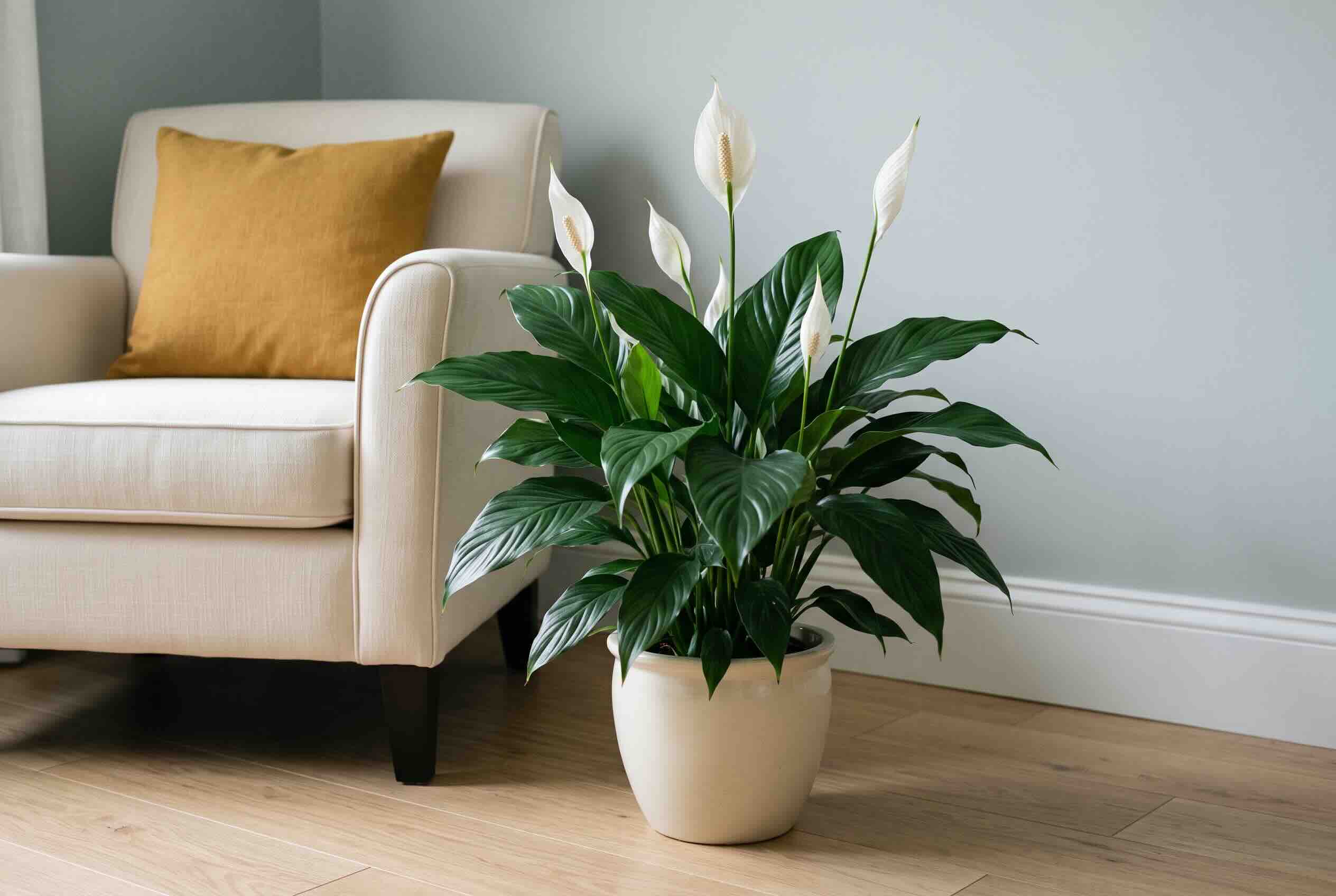
The cold-tolerant pick among common tropicals, the peace lily is comfortable down to about 45°F in low to medium light, with white blooms as a bonus. It wilts dramatically when thirsty and perks back up after a drink, so let the leaves be your gauge. It also yellows when overwatered, so let the surface dry between waterings. Brown leaf tips often come from tap-water minerals, so switch to filtered water if they persist. Toxic to pets.
10. Cyclamen
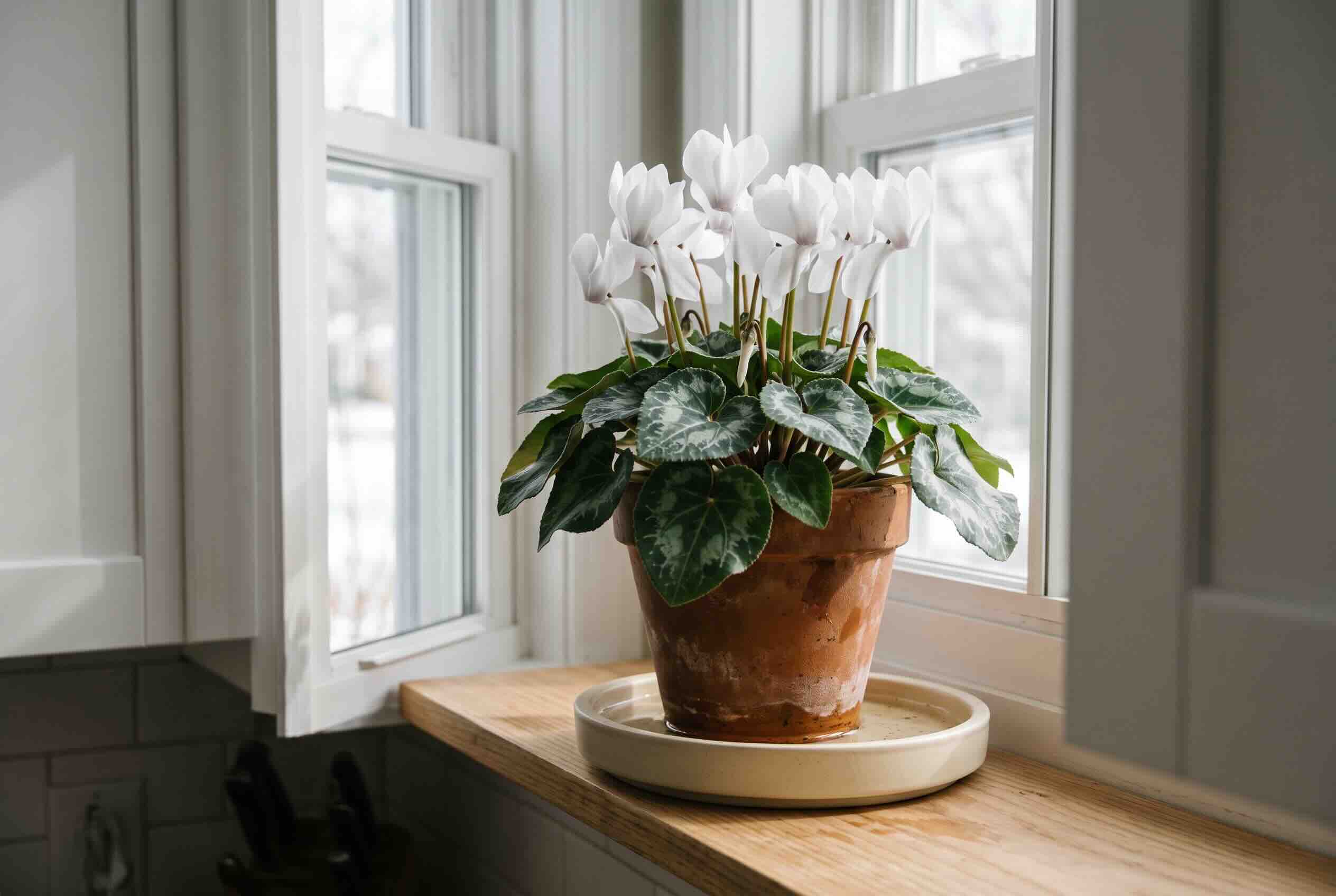
A true cool-lover, cyclamen blooms through winter and sulks in heat, happiest around 50 to 60°F in bright, indirect light. Water it from the bottom to keep the crown dry, since water sitting in the center rots it. After it blooms it dies back and rests, which is normal rather than a sign it is failing. Toxic to pets, the tubers most of all.
11. Ferns (Certain Types)
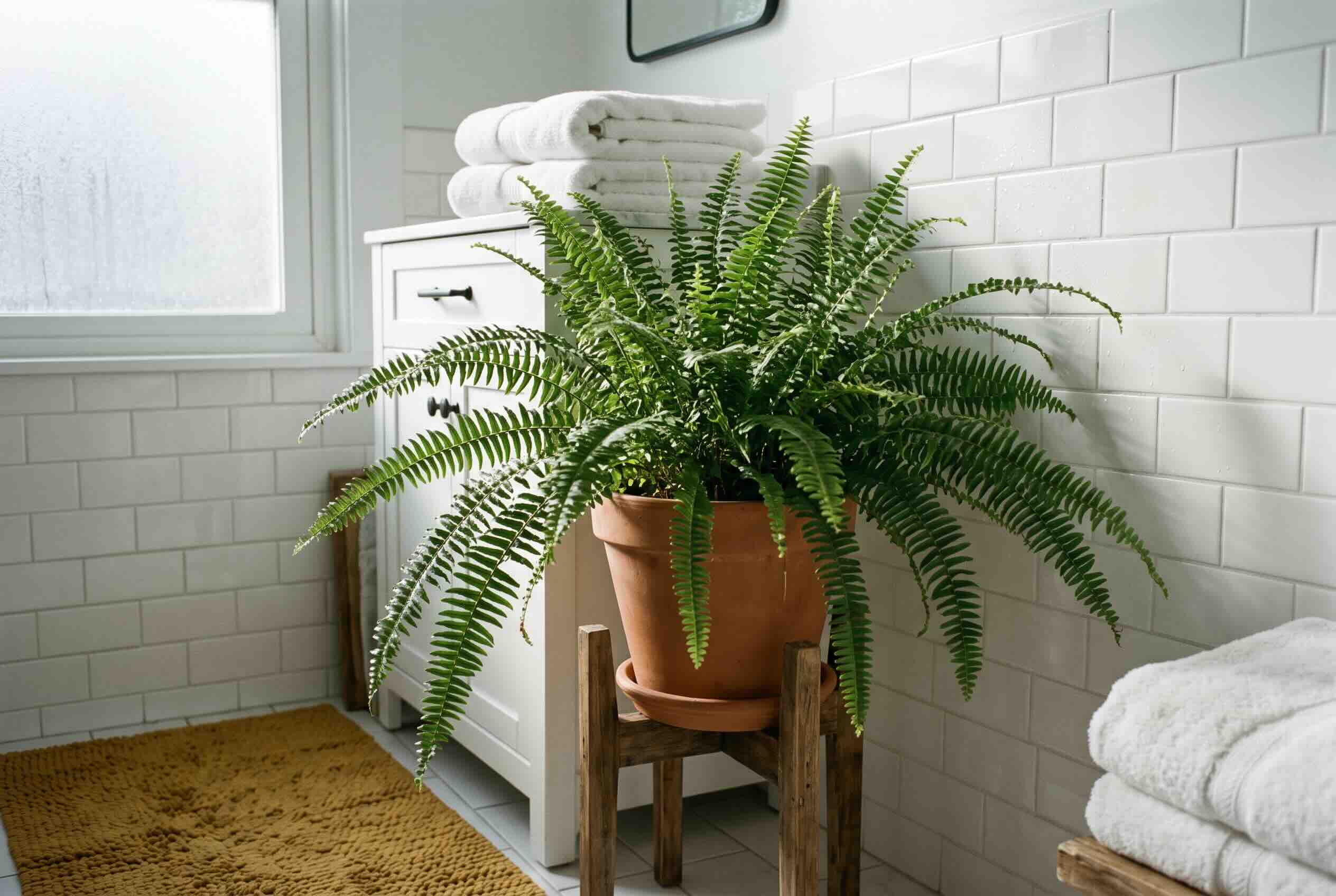
Hardy ferns like the Boston fern and holly fern take a cool room down to about 45°F in indirect light. They want steady humidity more than warmth, so a cool bathroom or a pebble tray of water suits them. Crisping fronds mean the air is too dry or too warm, so cooler and damper fixes most of their troubles. Trim brown lower fronds as they appear and keep the crown clear. Most common ferns are pet-safe.
12. Aloe and Cool-Hardy Succulents
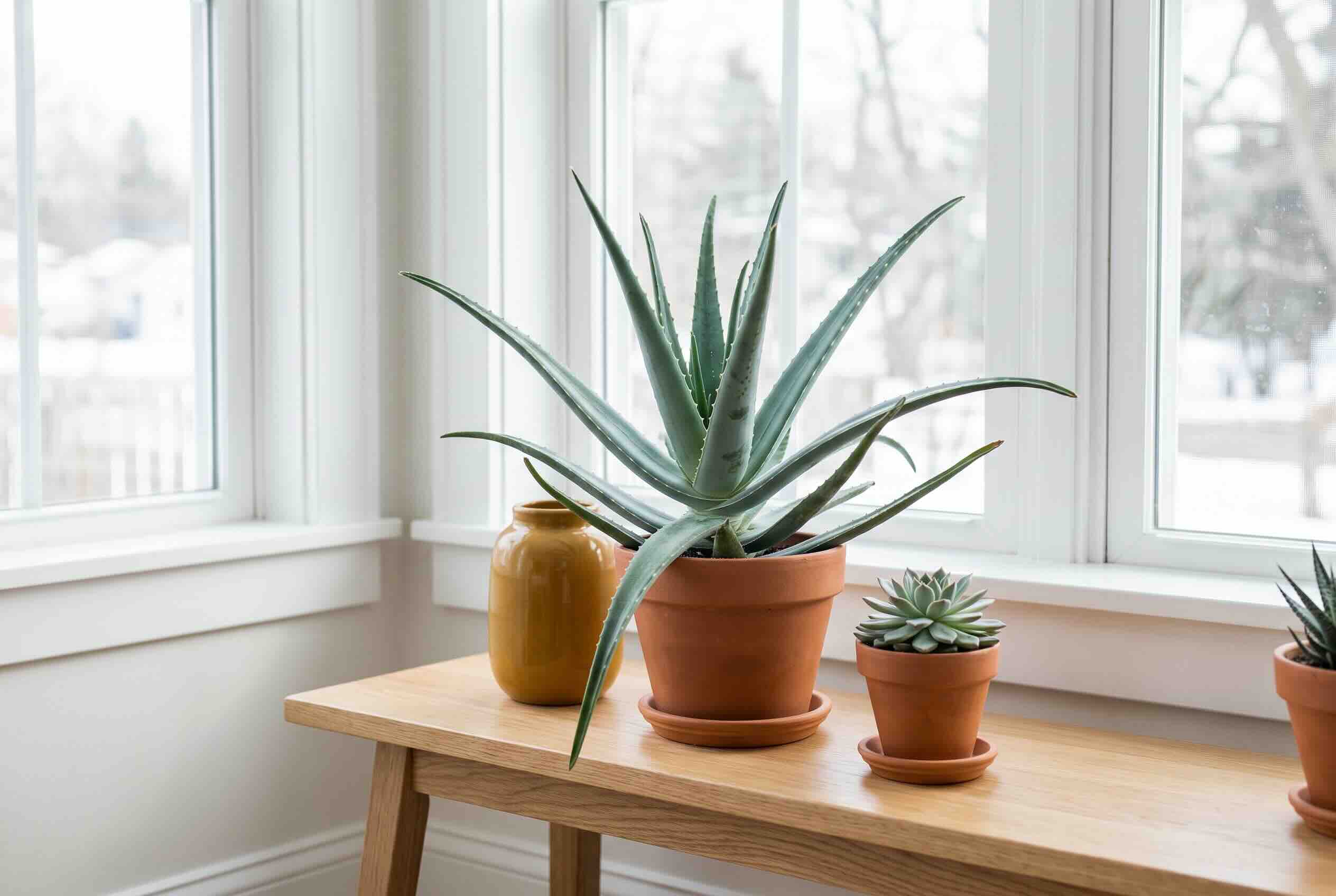
Aloe and many succulents rest over a cool, bright winter and handle down to about 40°F. Water them little and give them the brightest spot you have, since weak winter light stretches them thin and leggy. Soft, mushy leaves are the sign of overwatering, the main risk in a cool season. Move one into brighter winter light over several days, since a sudden change browns the tips. Aloe is toxic to pets.
13. Ponytail Palm
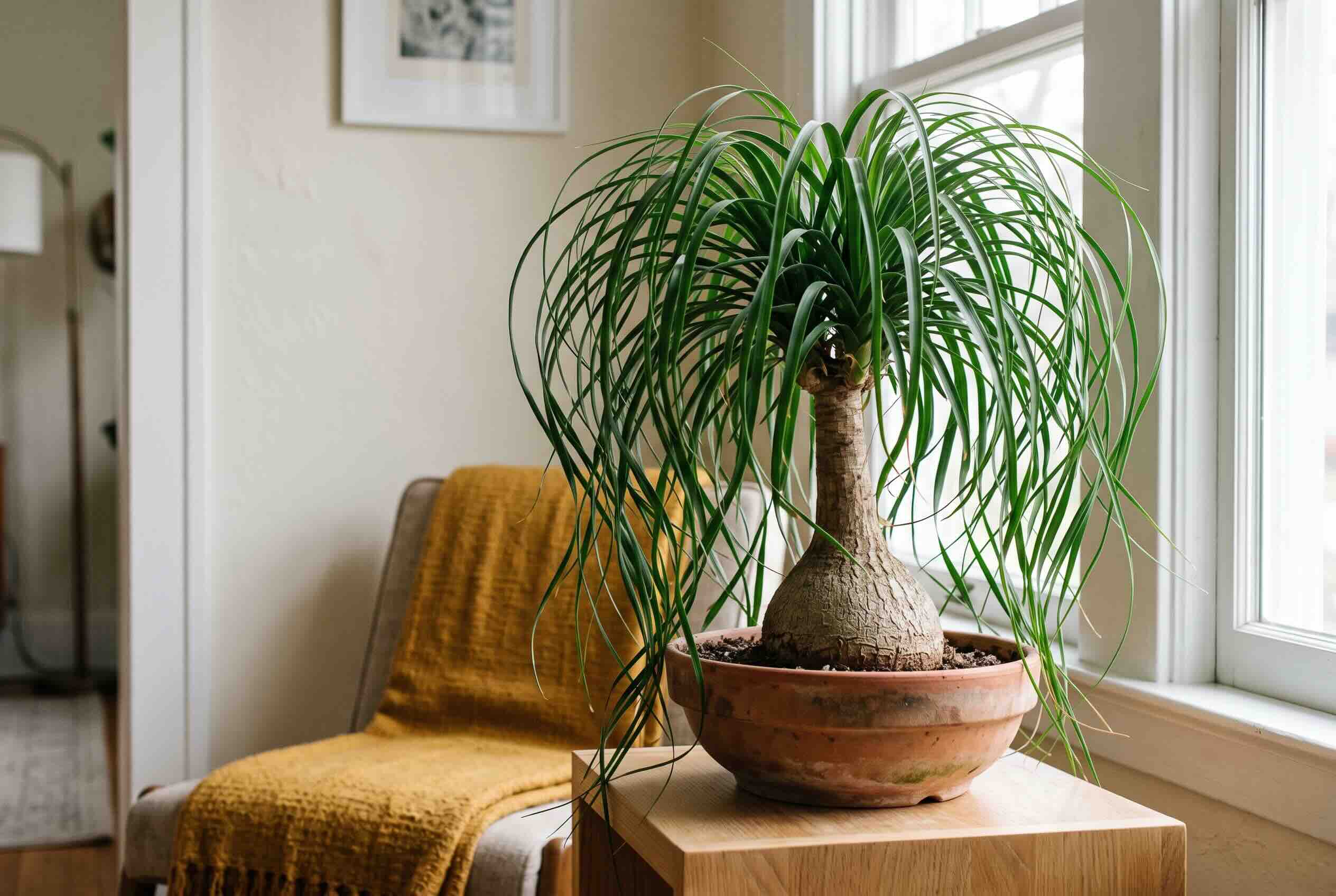
A succulent-like plant rather than a true palm, the ponytail handles about 50°F and bright light, storing water in its swollen base. That reservoir means it wants watering only now and then, less so in winter. A thinner pot and leaner soil dry faster, which suits it fine. It is slow, so it rarely needs repotting more than every few years. Pet-safe.
14. Kalanchoe
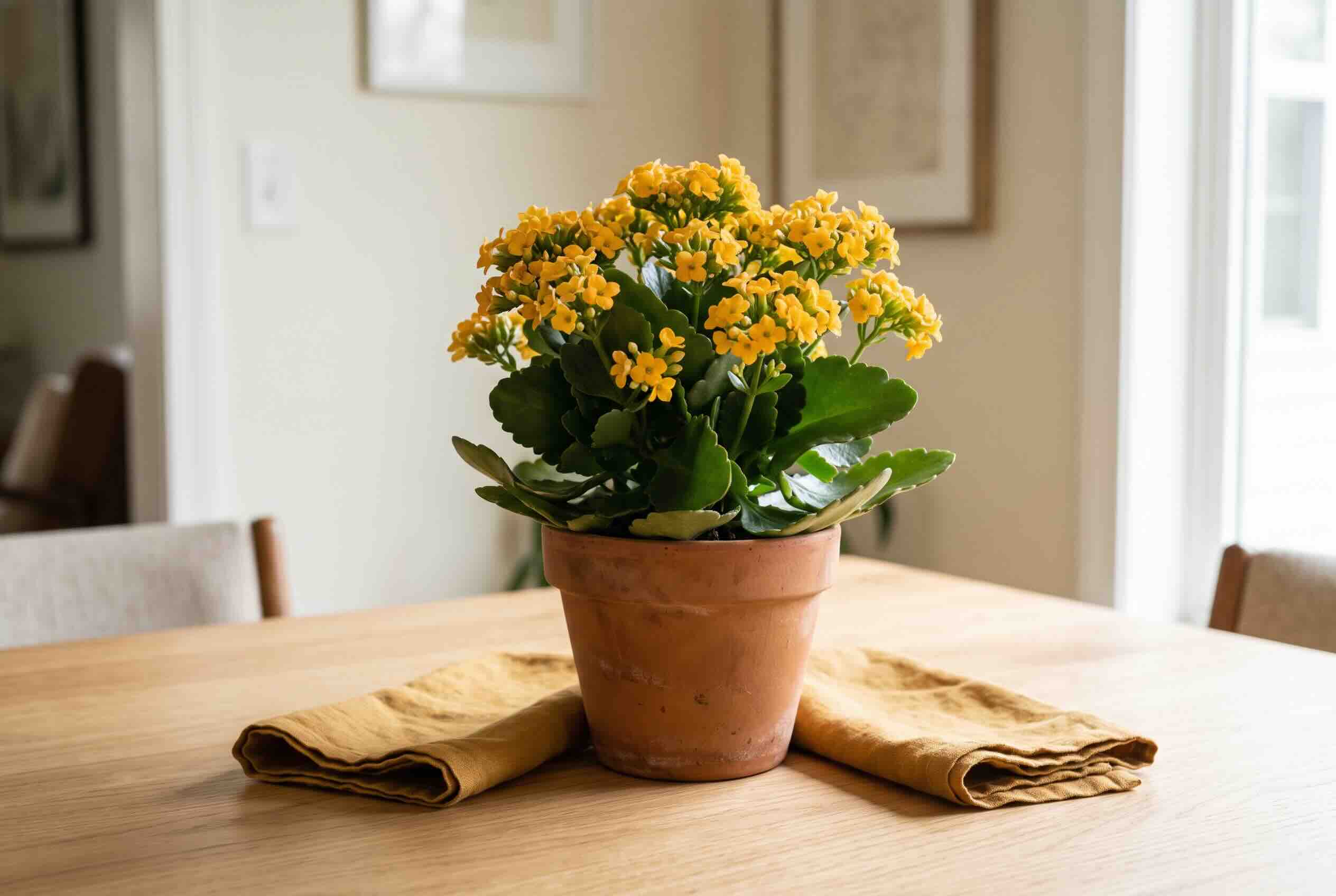
A flowering succulent, kalanchoe is comfortable around 50°F in bright light and blooms in clusters through the cool months. Let it dry out between waterings, since its fleshy leaves hold their own supply. A spell of long, dark nights in fall brings on the next round of flowers. Pinch off the spent blooms to tidy it and nudge more along. Toxic to pets.
15. Oxalis (Shamrock)
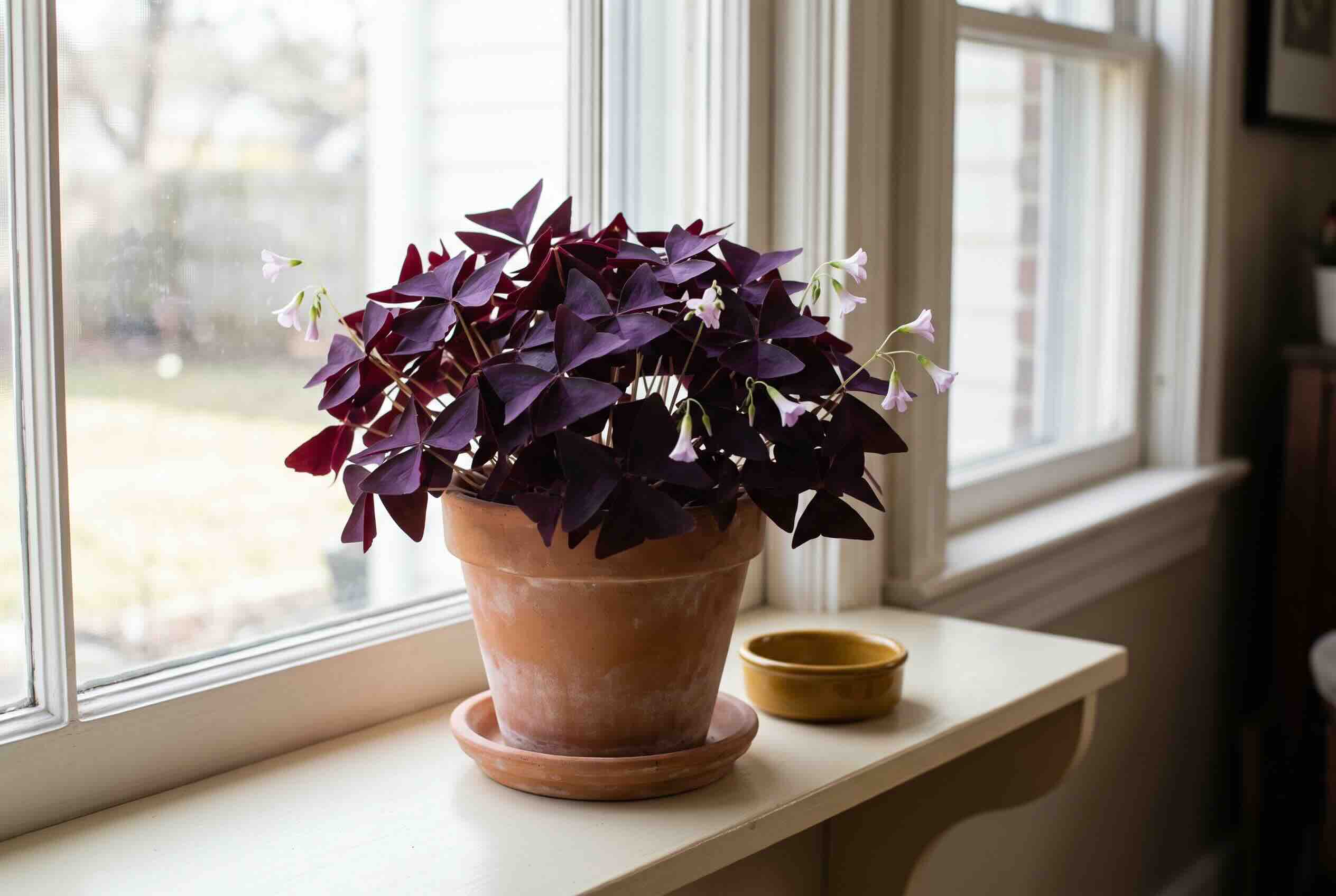
The purple or green shamrock takes a cool room down to about 50°F in bright, indirect light, folding its leaves at night. It often rests and regrows from its bulbs, so a dieback is not the end. Water when the top soil dries, and if it fades, hold the water and let it go dormant until it pushes new leaves in a few weeks. Toxic to pets.
FAQ
Can these plants stay outside in winter?
No. Cold-tolerant houseplants handle a cool room, but they are not frost-hardy, and a freeze outdoors kills them. If you want plants for the yard instead, that is a different list, covered in how to keep plants alive in winter outside. Bring any of these indoors well before the first frost, and keep them off an unheated porch once the nights turn cold.
Why is my cold-hardy plant still wilting in a cold room?
Cold is usually not the direct cause. The common culprits are overwatering in winter, when the plant drinks less, and roots sitting cold and wet, which rot. A draft of freezing air off a window, or leaves touching cold glass, does it too. Ease off the water, move the plant back from the glass, and check that the pot drains freely, since a soggy pot in a cool room is the fastest way to lose one of these.
What cold-tolerant plant is best for a cold bedroom or unheated room?
For a dim, cool bedroom, the snake plant, ZZ plant, cast iron plant, and pothos are the safest picks among house plants that tolerate cold, since they take both low light and low warmth. For a bright but cold room, add a jade plant or aloe. Match the plant to the light first, then the temperature, and keep it off the coldest glass. If pets share the room, favor the pet-safe options like the spider plant or cast iron plant.
Conclusion
A cold, drafty room does not have to remain empty. Pothos, snake plants, and the rest of this list of house plants that tolerate cold will confidently hold up in corners that would quickly kill typical tropicals. Keep their leaves off freezing glass, drastically cut back your watering schedule, and match each plant to its preferred light level. Pick the variety best suited to your space, bring it home this week, and rely on Home Tips Daily for the expert advice you need to keep it thriving year-round.