

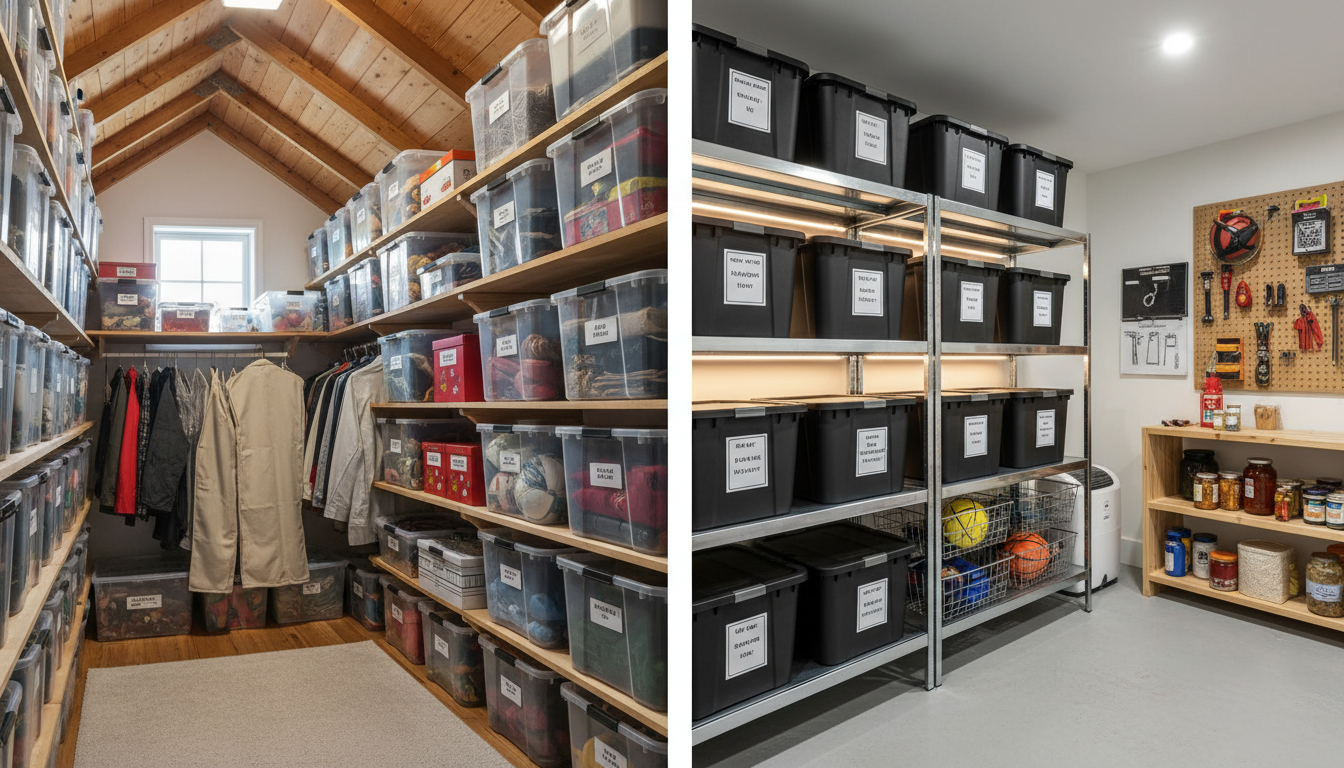
When it comes to home storage solutions, attics and basements are two of the most common places people look to maximize their space. Both offer valuable storage areas, but they come with their own unique advantages and challenges. The key is understanding how to use them efficiently while addressing common issues like moisture and accessibility. In this article, we’ll compare attic vs. basement storage and offer smart tips to help you maximize space and avoid moisture problems.
1. Attic Storage: Maximizing Unused Space

Attic storage is a great solution for households with limited space or those seeking additional storage without sacrificing valuable living areas. However, there are several things to consider before storing your belongings in the attic.
Advantages of Attic Storage
- Utilizes unused space: Most attics are often overlooked and unused, making them a great area to store seasonal items, old furniture, or holiday decorations.
- Temperature control: In certain areas of the home, attics may have relatively stable temperatures compared to basements, though this varies by the type of insulation and ventilation present.
Challenges of Attic Storage
- Poor accessibility: Getting in and out of the attic can be inconvenient, especially if access requires a ladder or a pull-down staircase.
- Temperature fluctuations: Attics can get excessively hot in summer and very cold in winter, making them unsuitable for items that require stable temperatures (e.g., electronics or valuable documents).
- Pests and moisture: Attics are prone to issues like pests, rodents, and moisture, especially if the space isn’t properly sealed or ventilated.
For storing non-sensitive items such as seasonal decorations or old luggage, attics can be a great solution. However, if you have sensitive items, additional precautions may be needed, such as humidity control and pest management.
2. Basement Storage: A Cooler, More Accessible Option
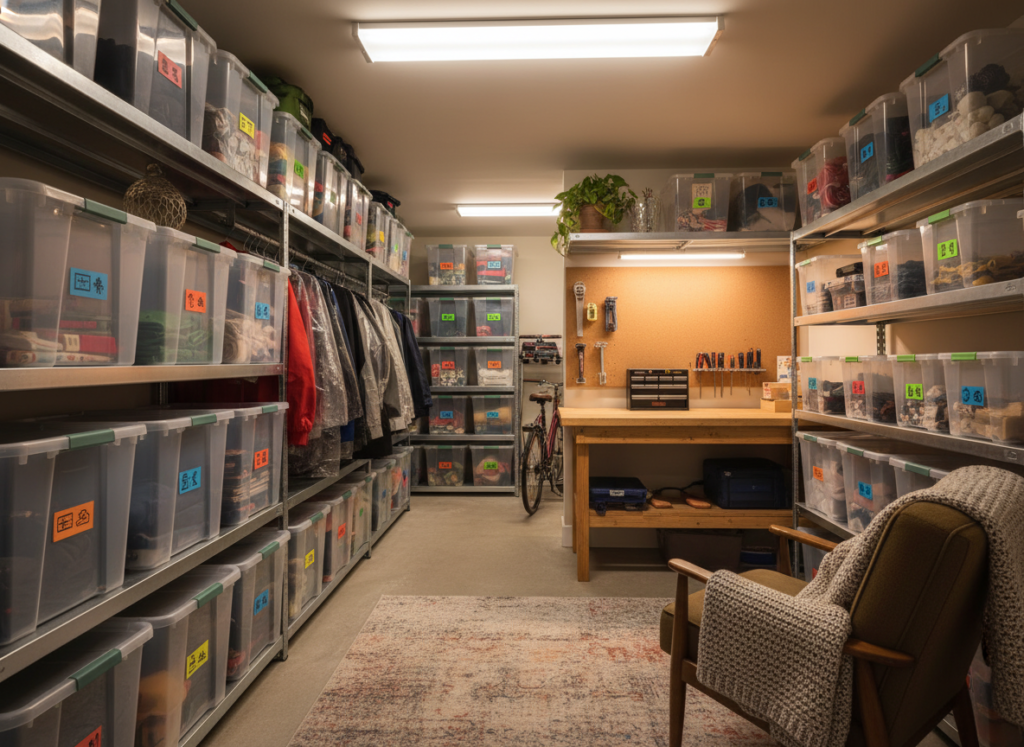
Basements offer easy access and can provide consistent temperature storage, making them a desirable option for many homeowners. However, basements also come with their own set of challenges that need to be addressed to ensure proper storage.
Advantages of Basement Storage
- Easier access: Basements are typically more accessible than attics, with direct stairway entry. This makes it easier to store and retrieve items regularly.
- Climate stability: In general, basements tend to maintain a more consistent temperature throughout the year, which is ideal for storing temperature-sensitive items.
- Versatility: Basements can be used for a variety of purposes, from storing bulk food items to more fragile possessions, as long as you control the environmental factors.
Challenges of Basement Storage
- Moisture problems: Basements are often prone to moisture issues, including humidity and potential flooding. Moisture can cause significant damage to your belongings if not properly managed.
- Pest infestations: Like attics, basements can also suffer from pest issues, especially if they aren’t properly sealed.
- Limited lighting: Basements often have limited natural light, making it harder to see and organize items effectively.
While basements can work well for bulkier items or seasonal goods, it’s essential to manage moisture and ensure proper organization to make the space functional.
3. Moisture Control: A Key Factor for Both Storage Spaces
Whether you choose to store your items in the attic or the basement, moisture control is one of the most critical factors to consider. Both spaces can face issues with humidity, condensation, and potential flooding, especially during certain times of the year.
One way to reduce moisture issues is to install a dehumidifier in either space. Dehumidifiers work by reducing excess moisture in the air, which is crucial for preventing mold, mildew, and musty odors. If your attic or basement lacks proper ventilation, a dehumidifier can make a significant difference in maintaining dry conditions.
Additionally, sealing any cracks and gaps in the attic or basement will help prevent moisture from entering. Check for cracks in walls, ceilings, or floors and seal them using caulk or weatherproof materials.
4. Cost Comparison: Which Option is More Affordable?

When considering attic vs. basement storage, cost is another important factor. Attic storage often comes at no extra cost if the space is already available in your home. However, the cost of maintaining the attic, such as insulating, sealing gaps, and preventing moisture, should be factored into your decision.
On the other hand, basement storage may require a greater upfront cost to address moisture issues, like installing a dehumidifier or applying waterproofing solutions. If you’re planning to store sensitive items, you might need to further invest in climate-controlled storage options to avoid damage from fluctuating temperatures.
Ultimately, attic storage may be more budget-friendly for households with minimal needs, but basement storage may require more investment to ensure your items are safe from humidity and other issues.
5. Best Uses for Attic Storage
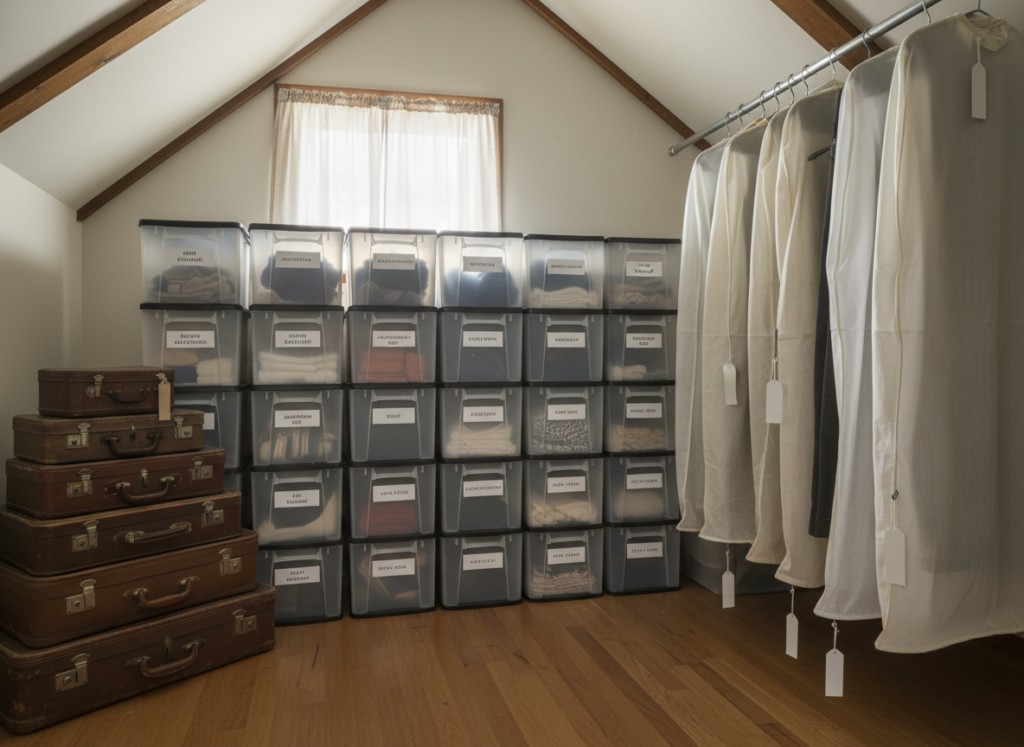
When deciding what to store in your attic, it’s best to think of items that don’t require easy access and can tolerate temperature fluctuations.
For example, holiday decorations, off-season clothing, and old luggage are great candidates for attic storage. These items are typically used only a few times a year and don’t require constant access. As long as your attic is dry and sealed from pests, it can be an excellent place to store these items.
However, for sensitive items like electronics, documents, or valuables, the extreme temperature changes in the attic may not be ideal.
6. Best Items for Basement Storage
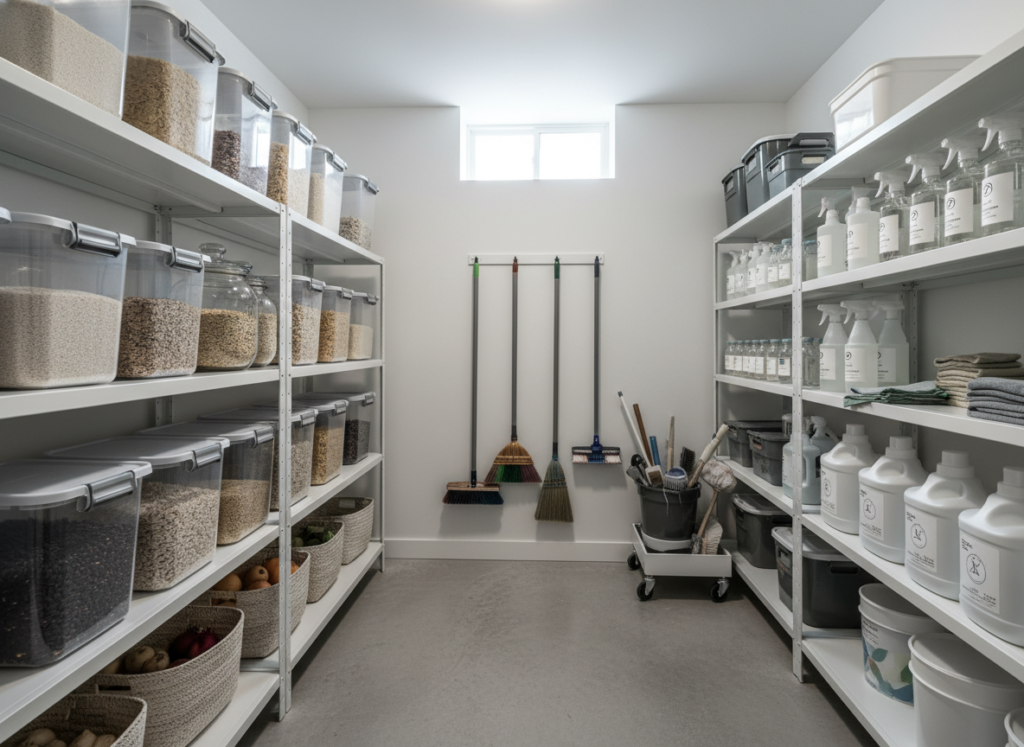
Basements are ideal for storing items that require more consistent temperatures and easy access. Unlike attics, basements tend to provide a stable environment for temperature-sensitive materials.
For instance, items like bulk food, cleaning supplies, and seasonal clothing are great for basement storage. Because basements are typically cooler, they can also be a good place to store wine or other items that require a more stable environment.
In addition, basements are usually easier to access compared to attics, making them better suited for items you need to access more frequently.
7. Choosing the Right Storage Space
Ultimately, the decision between attic and basement storage comes down to personal preference and the unique conditions of your home. If you’re looking for easier access and a more stable temperature, the basement may be your best option. If you’re looking to maximize unused space and store items that don’t require climate control, the attic could be perfect.
Both options have trade-offs, but understanding the strengths and weaknesses of each will help you make a more informed decision.
8. Regular Maintenance: Preventing Issues Before They Happen
Whether you choose to store your items in the attic or basement, regular maintenance is essential to keep the space organized and prevent problems from arising.
- Regularly inspect the attic or basement for any signs of moisture buildup, pest activity, or damage to stored items.
- Rotate your items seasonally to keep your storage space tidy and ensure everything remains in good condition.
- Use air-tight containers to protect your items from dust, humidity, and pests.
By taking the time to maintain your attic or basement, you can extend the life of your storage space and keep everything in top condition.
Conclusion: Making the Right Storage Choice for Your Home
Both attic and basement storage offer great options for maximizing your home’s space. While attics are ideal for storing seasonal items or things you don’t need to access frequently, basements are often better for temperature-sensitive goods and bulkier items.
The key to making the right decision is understanding the risks, such as moisture issues in basements or poor accessibility in attics, and implementing smart solutions like moisture control and proper ventilation. With these tips, you can maximize your storage potential, keep your home organized, and ensure that your belongings are safely stored.
Related Articles
- Affordable Storage Ideas for Renters: Clever Solutions for Small Spaces
- Maximize Your Home Space with Genius Hidden Storage Solutions for Clutter-Free Living
- What Are Modular Tool Storage Systems and Which Brands Offer the Best Solutions for Your Space?