

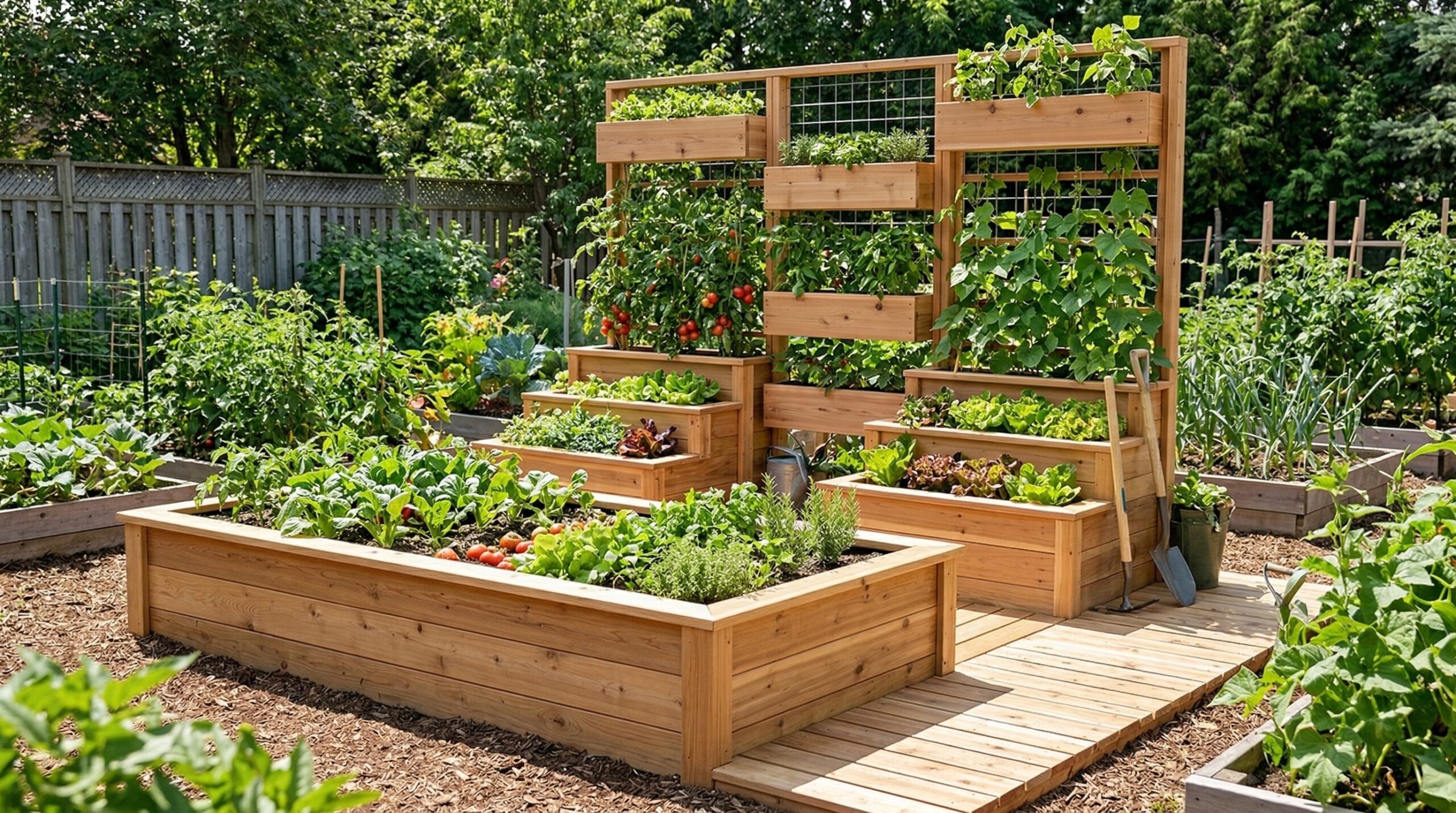
Gardening in small spaces doesn’t have to feel like a challenge. Whether you’re a renter, live in a townhouse, or have a small urban apartment, there are creative solutions for you to grow your favorite plants.
In this guide, we’ll explore smart garden layout ideas using vertical garden beds and tiered raised planter boxes. These solutions are especially great for small garden ideas, providing practical methods to enhance your space while boosting your garden’s productivity.
Why Tiered & Vertical Designs Boost Your Garden Productivity
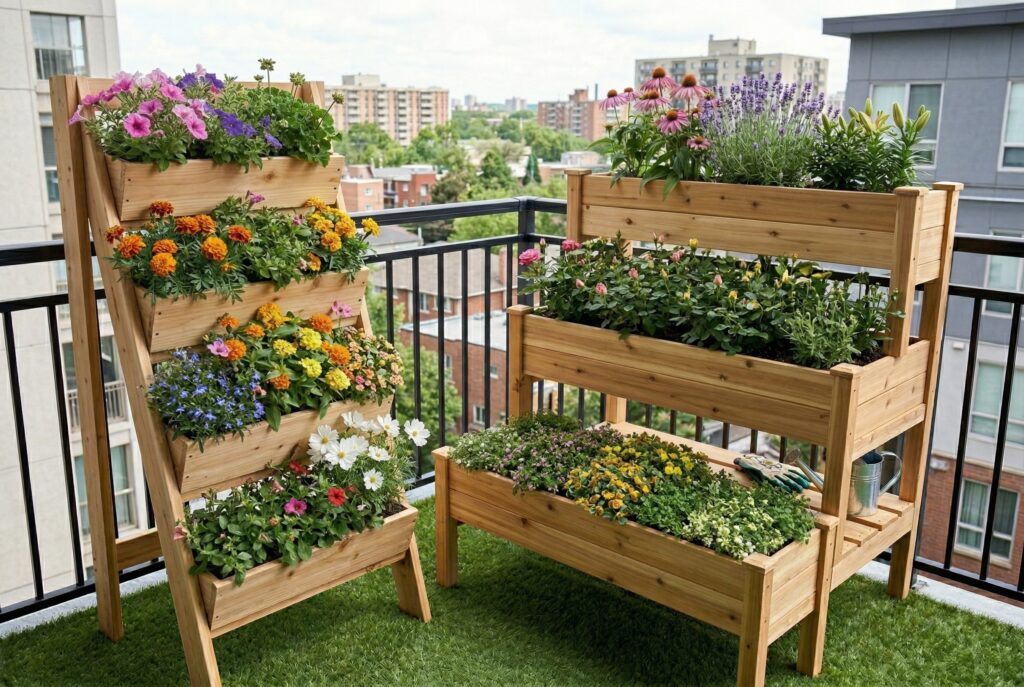
When working with small spaces, garden productivity is key. Vertical gardening and tiered raised planter boxes help increase your yield without taking up much space. These designs allow you to grow more plants on a smaller footprint by utilizing vertical space and layering plants in a way that maximizes sunlight exposure and root depth.
By stacking plants in tiers, you can make use of different sunlight levels in your garden, as the higher tiers get more sun while the lower ones receive more shade, which benefits certain types of plants. Additionally, vertical garden layouts allow you to grow plants like vines, tomatoes, or strawberries that would typically require more horizontal space.
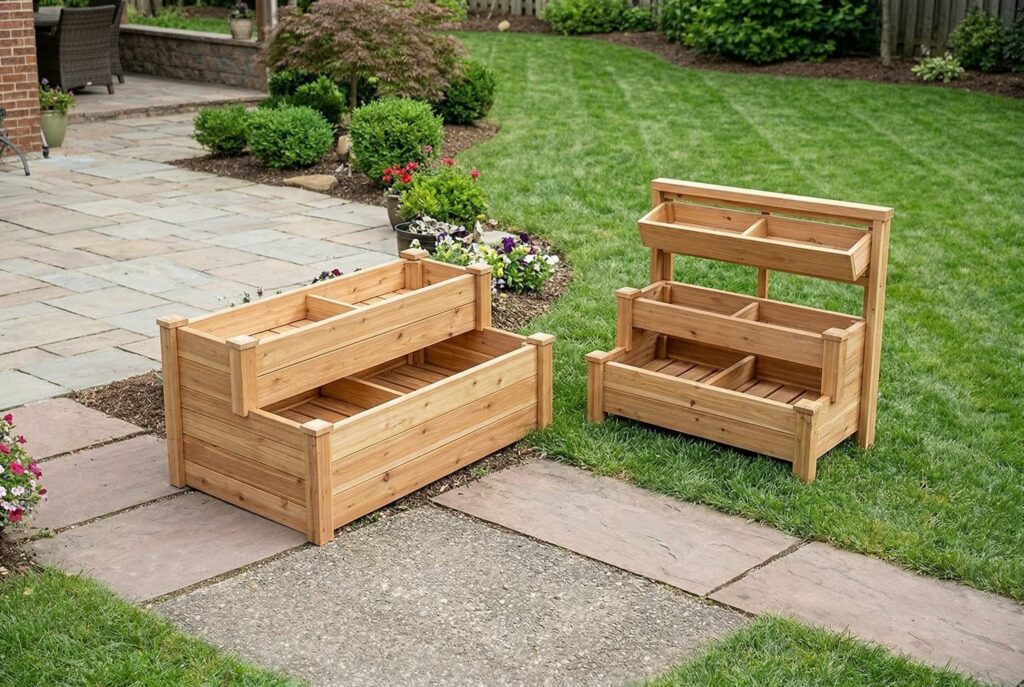
Incorporating tiered planters into your layout can double or even triple the amount of usable gardening space in your yard or balcony. As a result, these layouts not only optimize space but also increase garden productivity, allowing you to grow a wider variety of plants in a smaller area.
3 Smart Garden Layout Ideas for Every Tight Space
Gardening in tight spaces can be tricky, but with a little creativity and the right raised planter boxes, you can transform even the smallest outdoor areas. Here are three small garden ideas that are perfect for urban spaces, patios, or even balconies.
The Balcony Garden: Vertical Planter Boxes for Herbs and Greens
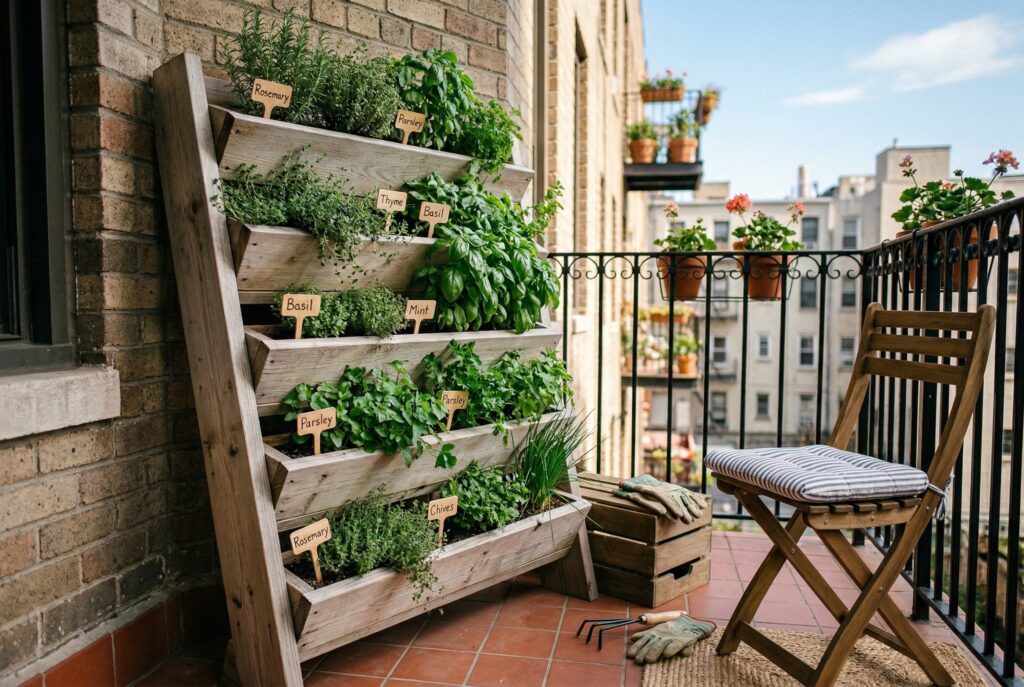
If you’re working with a small balcony or patio, vertical planters are your best friend. Use stacked planter boxes or hanging planters to create a vertical garden for growing herbs and small vegetables. You can hang planters on the railing or install wall-mounted shelves to keep the plants off the ground, maximizing your space. Vertical planter boxes also help to keep plants organized and out of the way, creating a clean and tidy outdoor space.
For a truly space-saving garden layout, consider vertical garden planters made from eco-friendly materials. They not only conserve space but also enhance the aesthetic appeal of your balcony, giving it a lush, green look.
The Patio Garden: Multi-Tiered Raised Beds
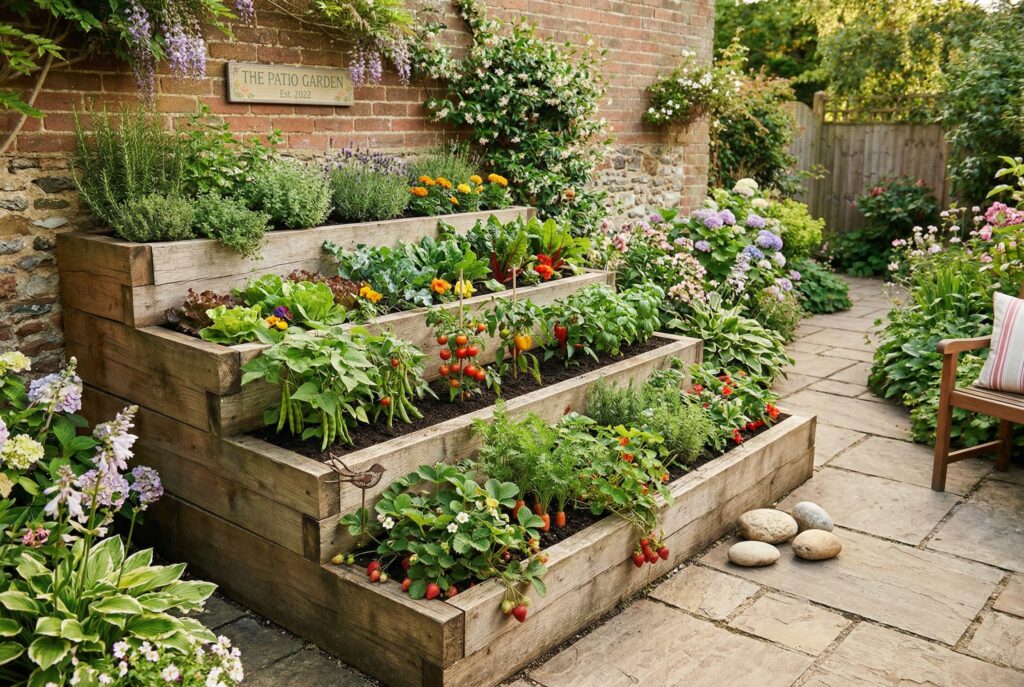
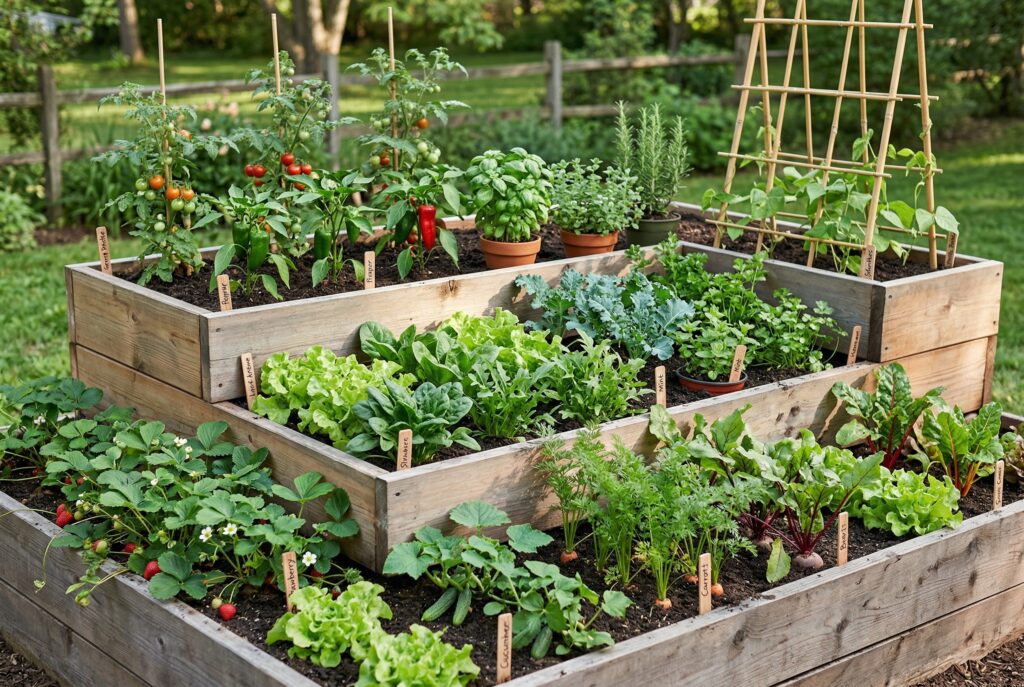
For those with a little more space, tiered raised garden beds are an excellent option. These beds allow you to create multiple planting levels, which helps you maximize the growing space. You can start with a small 3-tier raised bed design to grow everything from vegetables to flowers. By creating multiple layers, you create more space for planting while still keeping the structure compact.
A tiered garden layout allows you to grow different plants at different heights, ensuring each plant gets the sunlight and space it needs. You can use the top tier for sun-loving plants like tomatoes and peppers, while the lower tiers are perfect for leafy greens or herbs that prefer some shade.
Front Yard Flower Bed Ideas: Add Curb Appeal with Raised Planters
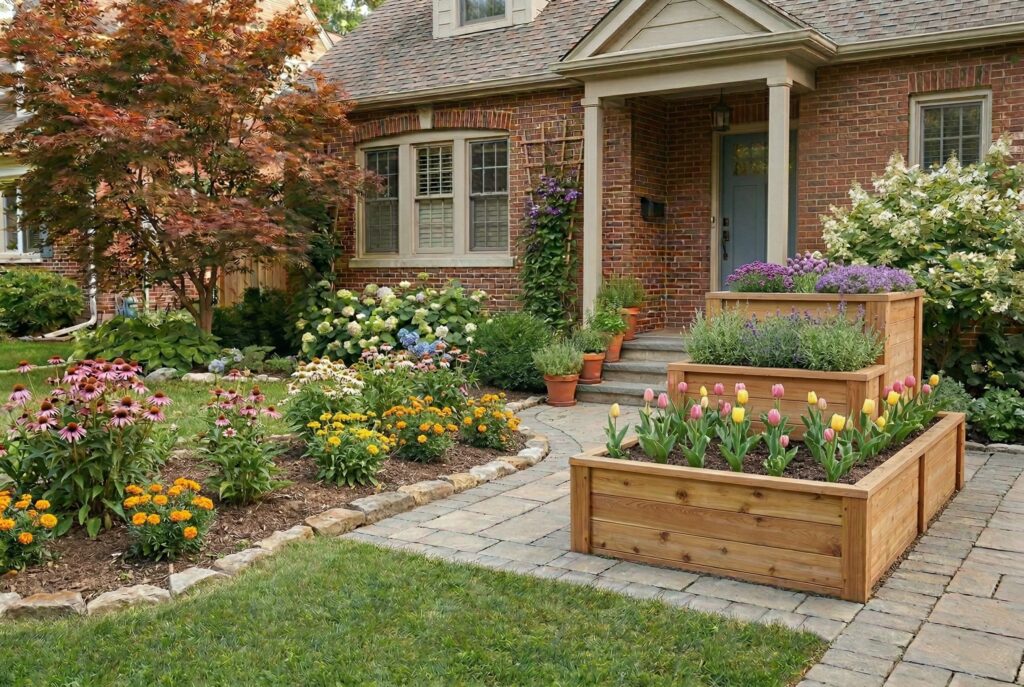
If you’re looking to improve your home’s curb appeal, front yard flower bed ideas like tiered raised garden beds are a fantastic choice. A simple and cheap flower bed idea can be achieved by using tiered planters made from recycled materials or inexpensive wood, making it a budget-friendly way to enhance your home’s exterior. Cedar planter boxes are perfect for this, offering both durability and aesthetic value.
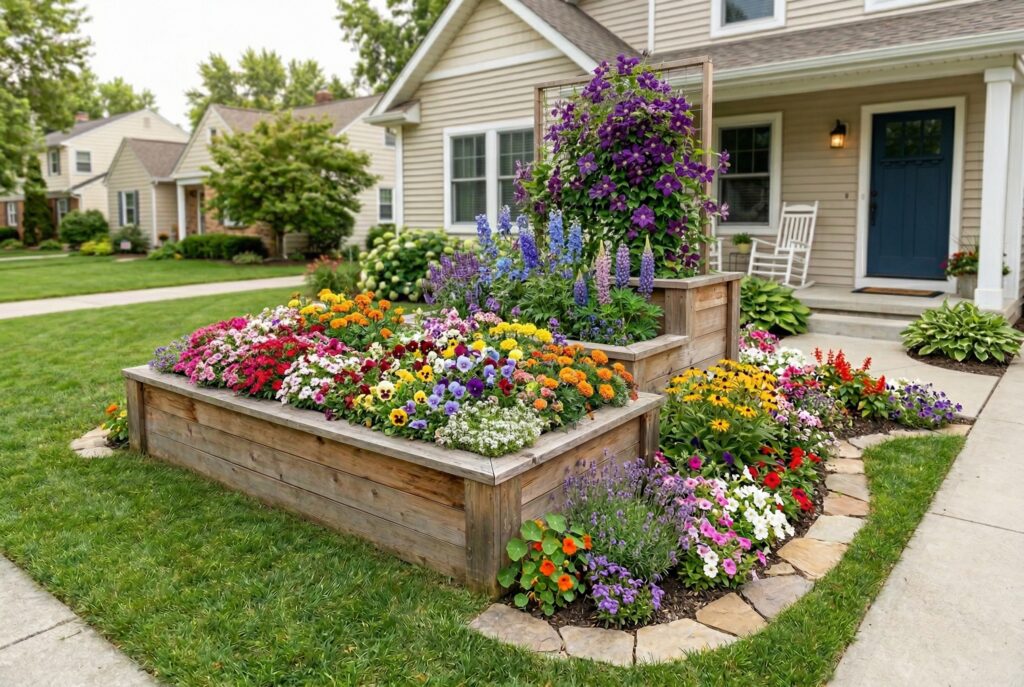
These flower bed ideas also provide flexibility in plant selection. You can choose a variety of plants for each tier, using low-maintenance perennials for a long-lasting, vibrant display or seasonal flowers for a fresh look throughout the year. Whether you’re after a simple design or a more elaborate arrangement, tiered planter boxes allow you to create a beautiful, organized garden that adds color, texture, and life to your front yard, complementing your home’s exterior perfectly.
Blueprints & Cost: Tiered Planter Box Plans
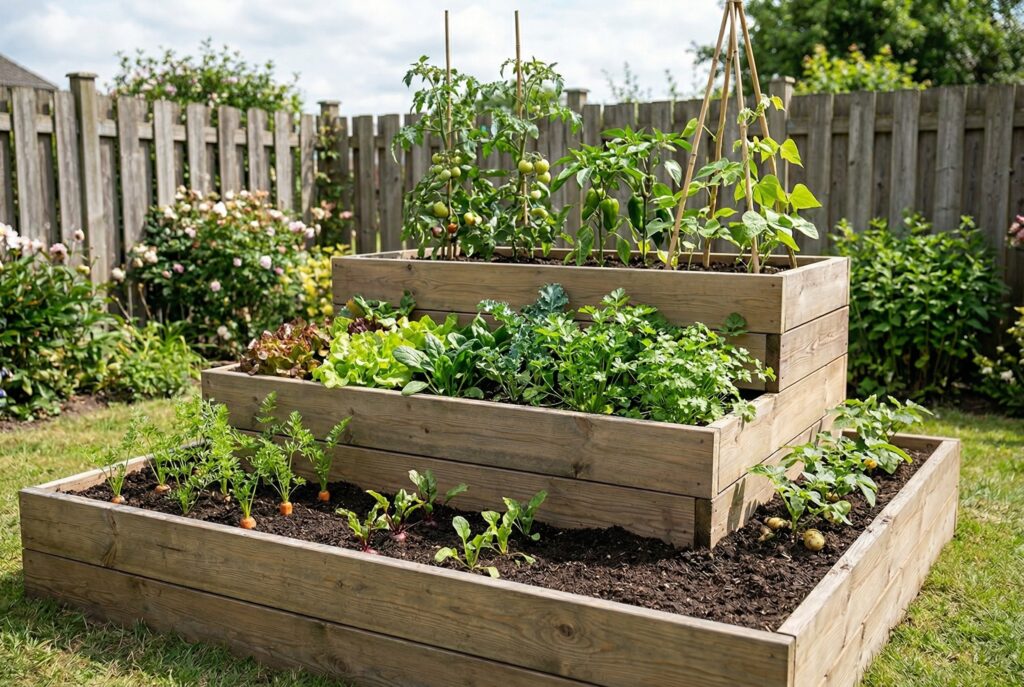
Tiered Garden Bed Blueprint
A 3-tier raised bed consists of three levels, each providing enough room for different plant types based on their sunlight and water needs.
- Tier 1 (bottom level):
- Height: 12 inches.
- Purpose: This is perfect for root vegetables such as carrots, potatoes, and beets, which need deep soil to grow well.
- Plant suggestions: Root crops, perennials.
- Height: 12 inches.
- Tier 2 (middle level):
- Height: 18 inches.
- Purpose: Ideal for leafy greens and herbs that do well in moderate sunlight and moisture.
- Plant suggestions: Lettuce, spinach, kale, parsley, and cilantro.
- Height: 18 inches.
- Tier 3 (top level):
- Height: 24 inches.
- Purpose: The highest level gets the most sunlight, making it great for plants that thrive in full sun and need a bit more space for vertical growth.
- Plant suggestions: Tomatoes, peppers, beans, cucumbers, and other tall crops or vine plants.
- Height: 24 inches.
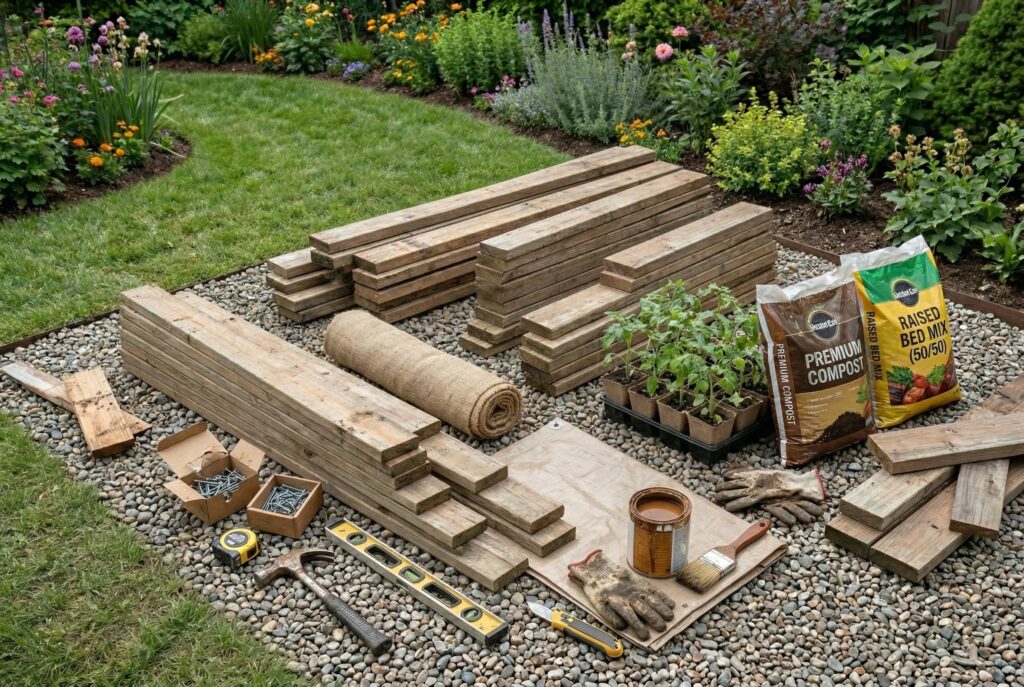
Materials and Estimated Costs
Material | Estimated cost (4×8 ft bed) |
|---|---|
Cedar wood (for tiers) | $50 – $70 |
Pine wood (for tiers) | $30 – $40 |
Screws/Nails | $5 – $10 |
Landscape fabric (for drainage) | $10 – $15 |
Soil and compost | $40 – $60 |
Wood sealer (optional) | $10 – $15 |
Total Estimated Cost
The total for materials ranges from $85 to $150 for a standard 4×8 ft tiered raised bed. If you’re using recycled materials (like reclaimed wood or pallets) or opting for a more inexpensive wood (like pine), you can lower the costs. Cedar is more durable and naturally resistant to decay, but it comes at a higher price.
The Beginner Basic Vegetable Garden Layout for Tiered Beds
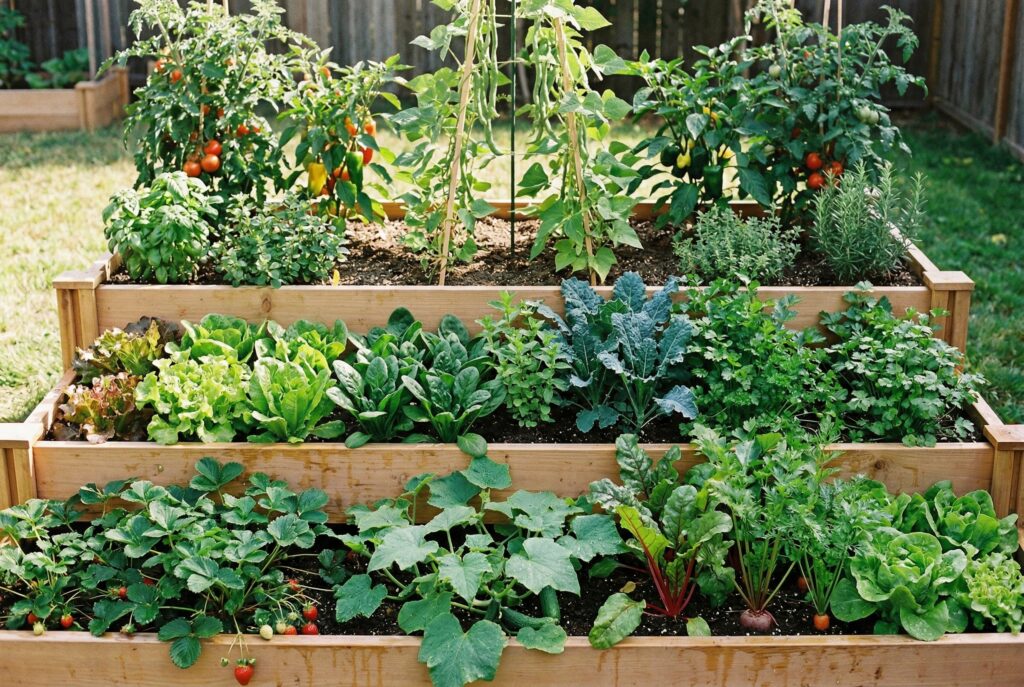
When planning your vegetable garden layout in a tiered bed, it’s crucial to consider the specific light, water, and space needs of each plant. A well-organized layout will ensure that your plants receive optimal conditions for growth, allowing you to maximize the productivity of your garden.
Top Tier (Full Sun, Drier Conditions)
The top tier of your raised bed is the most exposed to sunlight, so it’s the ideal spot for sun-loving plants that can tolerate slightly drier conditions. Vegetables like tomatoes and peppers, both of which require full sunlight to produce fruit, will do well on this top level. You can also plant herbs like basil, oregano, and rosemary, which appreciate the warmth and sunlight. Additionally, pole beans can be grown here, as they take advantage of vertical space, benefiting from the sunlight and elevated position.
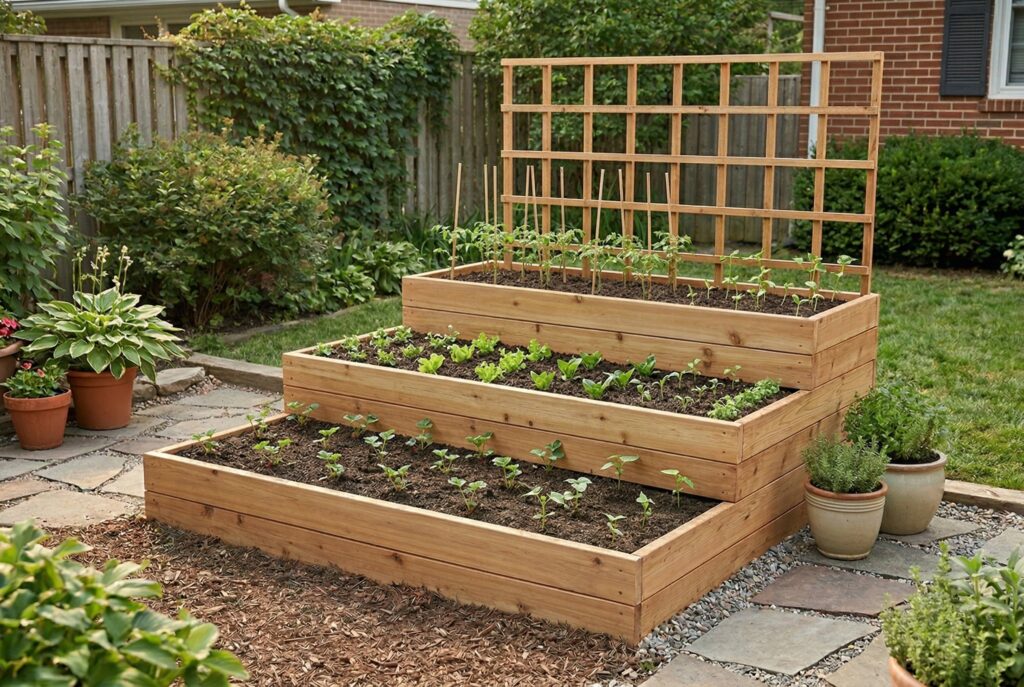
Middle Tier (Moderate Sun, Moderate Moisture)
The middle tier receives partial sunlight throughout the day and may have some shading in the afternoon, making it ideal for vegetables that thrive in moderate sun. This tier is also more likely to retain moisture, which is great for leafy greens and vegetables that need a bit more hydration. Plants like lettuce, spinach, and arugula will flourish here. Kale, a hardy green, will also do well in this middle section. For additional flavor, consider planting herbs like parsley, cilantro, and mint here, though mint should be contained to prevent it from overtaking the bed.
Bottom Tier (Shaded, Moisture-Loving Plants)
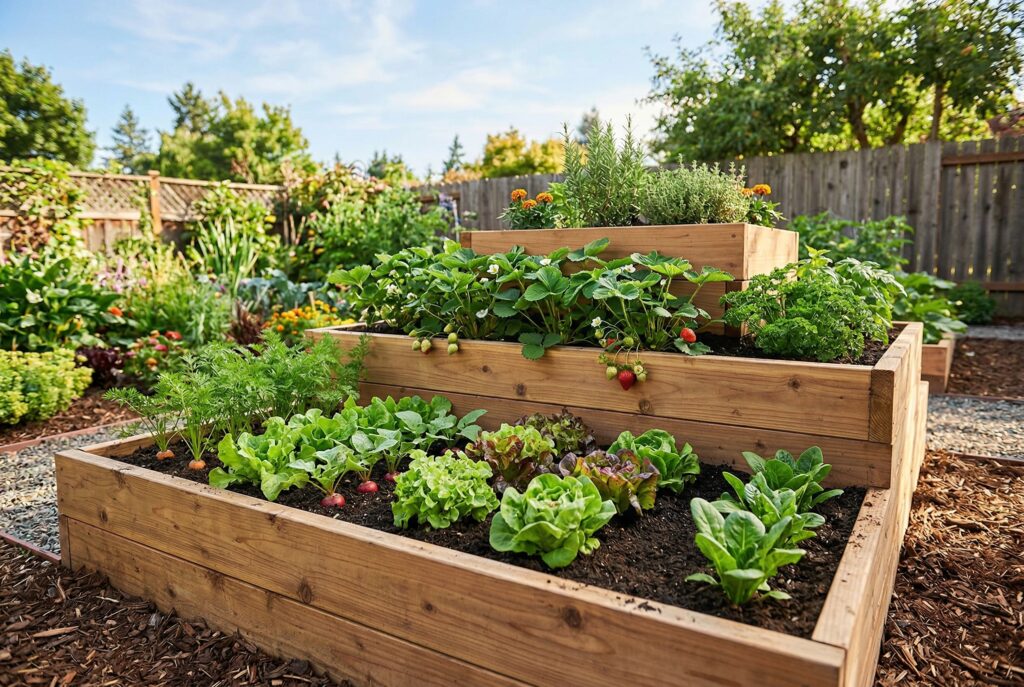
The bottom tier is naturally more shaded and gets the least amount of sunlight, making it perfect for plants that thrive in cooler, moister conditions. Strawberry plants, cucumbers, or root vegetables like Swiss chard, beets, and carrots will thrive in this shaded spot. Lettuce can also grow here, benefiting from the cooler conditions that protect it from the heat of summer.
By carefully considering sunlight exposure, water requirements, and plant heights, this vegetable garden layout maximizes space, ensuring that each plant gets the optimal conditions it needs to thrive. The tiered design also makes watering easier, as water flows naturally from the top to the bottom, providing moisture to the plants that need it most.
Maintenance Secrets: Watering & Airflow in Vertical Gardens
Vertical gardens come with their own set of maintenance needs, especially when it comes to watering and airflow. The design of vertical planter boxes can cause the soil to dry out quickly, particularly on the top tiers where the plants are exposed to the most sunlight. To combat this, consider installing a drip irrigation system that delivers consistent moisture to the roots.
Airflow is also crucial for vertical gardens, as dense plantings can lead to mold and mildew growth. Ensure that your vertical garden has enough space between plants for air to circulate freely. Regularly trim any overgrown foliage and remove dead leaves to maintain healthy airflow and prevent diseases from spreading.
Conclusion: Your Vertical Garden Awaits
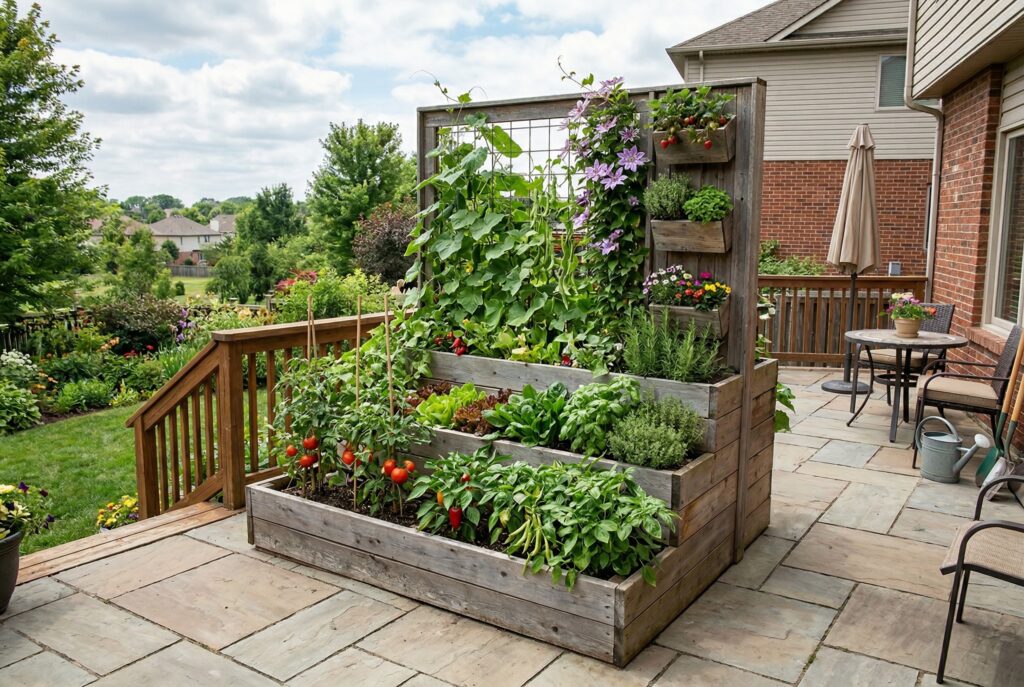
Vertical and tiered raised planter boxes are the perfect solution for gardeners with limited space who still want to maximize their growing potential. Whether you’re working with a balcony, patio, or front yard, these designs provide the perfect combination of functionality and aesthetics. With a little planning and the right materials, you can easily transform your space into a thriving, productive garden.
Start your journey today and experiment with these smart garden layout ideas to create a beautiful, sustainable garden that suits your lifestyle!
Related Articles
- 25 Raised Garden Bed Ideas: DIY Plans, Metal Kits & Clearance Finds
- 5 DIY Raised Garden Bed Plans: Step-by-Step for Beginners (2026)
- Metal Raised Garden Beds: 5 Pros, Cons & Costly Mistakes to Avoid