

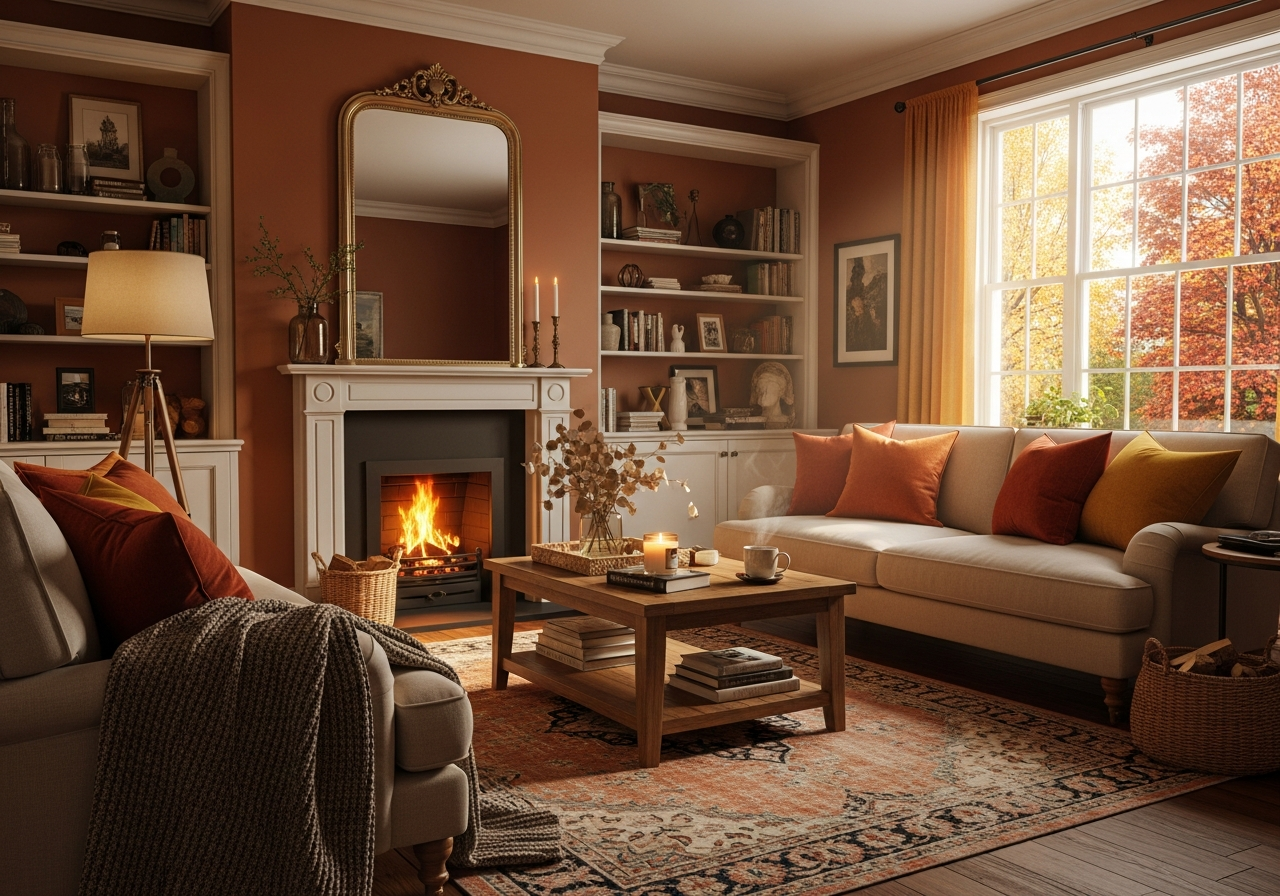
A cozy home isn’t defined by size or budget. For many households, coziness comes from how a space makes them feel at the end of a long day. Interior design plays a powerful role in shaping emotional comfort, helping homes feel warm, welcoming, and deeply personal.
Cozy interior design blends aesthetics with function. It supports relaxation, connection, and a sense of belonging. Whether living in a suburban house or a city apartment, thoughtful design choices can transform everyday spaces into places people truly enjoy spending time in.
Introduction: The Art of Cozy Interior Design
Cozy interior design is rooted in balance. It combines soft textures, warm lighting, personal details, and intentional organization to create spaces that feel calm and inviting. Rather than following rigid design rules, it focuses on how environments support comfort and wellbeing.
Cozy design has gained renewed importance for homeowners and renters alike, as homes increasingly serve multiple roles. Living spaces now accommodate work, rest, and social connection. A cozy home supports all of these needs while offering a sense of emotional refuge.
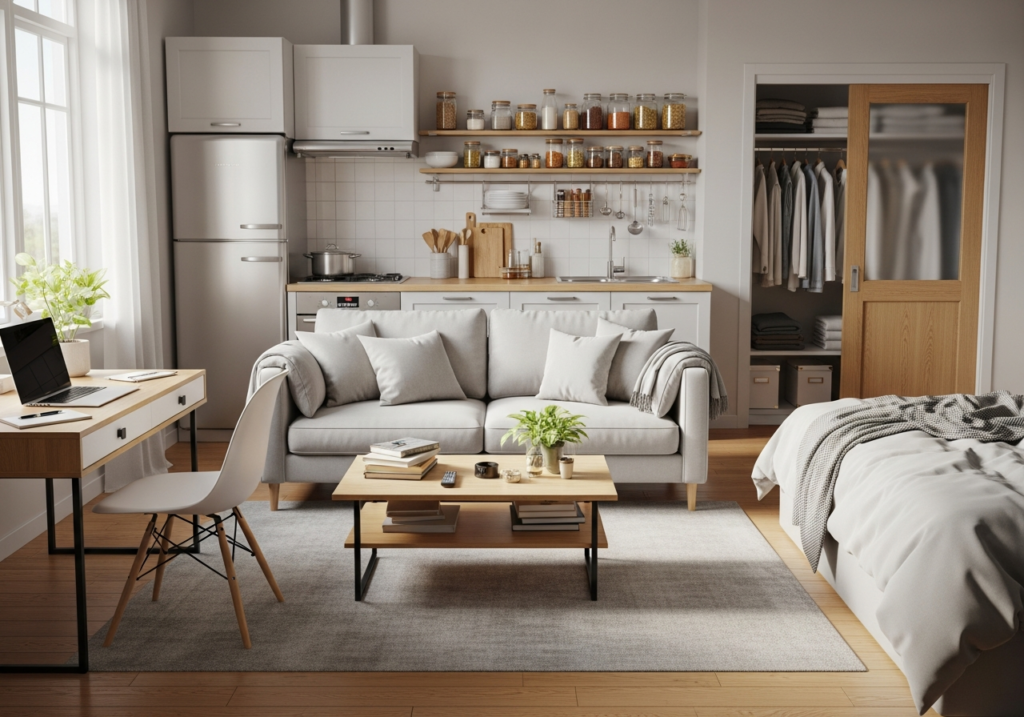
1. Layer Textiles and Fabrics for Comfort
Textiles are foundational to cozy interiors. Layering fabrics adds warmth both visually and physically. Soft throws, plush cushions, upholstered furniture, and fabric curtains help soften hard surfaces and reduce visual tension.
In living rooms and bedrooms, mixing materials such as cotton, wool, linen, and knits creates depth and comfort. For colder regions, heavier textiles enhance warmth. In warmer climates, lighter fabrics maintain coziness without feeling heavy. Layered textiles encourage relaxation and make spaces feel lived in rather than overly styled.
2. Incorporate Warm Lighting
Lighting dramatically influences how a space feels. Warm lighting creates a sense of intimacy and calm, especially during evenings and colder seasons.

Using table lamps, floor lamps, and wall sconces instead of relying solely on overhead lighting adds softness. Warm toned bulbs help reduce harsh contrasts and support a more relaxed atmosphere. In American homes with open layouts, layered lighting allows different zones to feel cozy without sacrificing functionality.
3. Use Earthy and Rich Colors
Color has a strong psychological impact. Earthy and rich tones such as warm beige, soft browns, muted greens, deep blues, and terracotta create grounded and comforting environments.
These colors connect interiors to nature and add warmth without overwhelming the space. Accent walls, furniture pieces, or decorative elements allow homeowners to experiment without committing to full room transformations. Color choices should support calm rather than visual stimulation, reinforcing a sense of ease.
4. Create Cozy Nooks
Cozy homes often include small, intentional spaces designed for rest or quiet activities. Reading corners, window seats, or small lounge areas provide moments of retreat within the home. These nooks don’t require large square footage. A comfortable chair, a side table, and soft lighting are often enough. In busy households, cozy nooks offer personal space while maintaining connection to the larger home environment. They’re especially valued in American homes where shared spaces dominate daily life.
5. Add Personal Touches
Personal details are what truly make a home feel warm and inviting. Family photos, meaningful artwork, travel souvenirs, and handmade items add emotional depth. These elements tell a story and reflect the people living in the space. Rather than following trends, personal touches anchor the home in authenticity. Cozy interiors feel genuine when they prioritize memory and meaning over perfection.
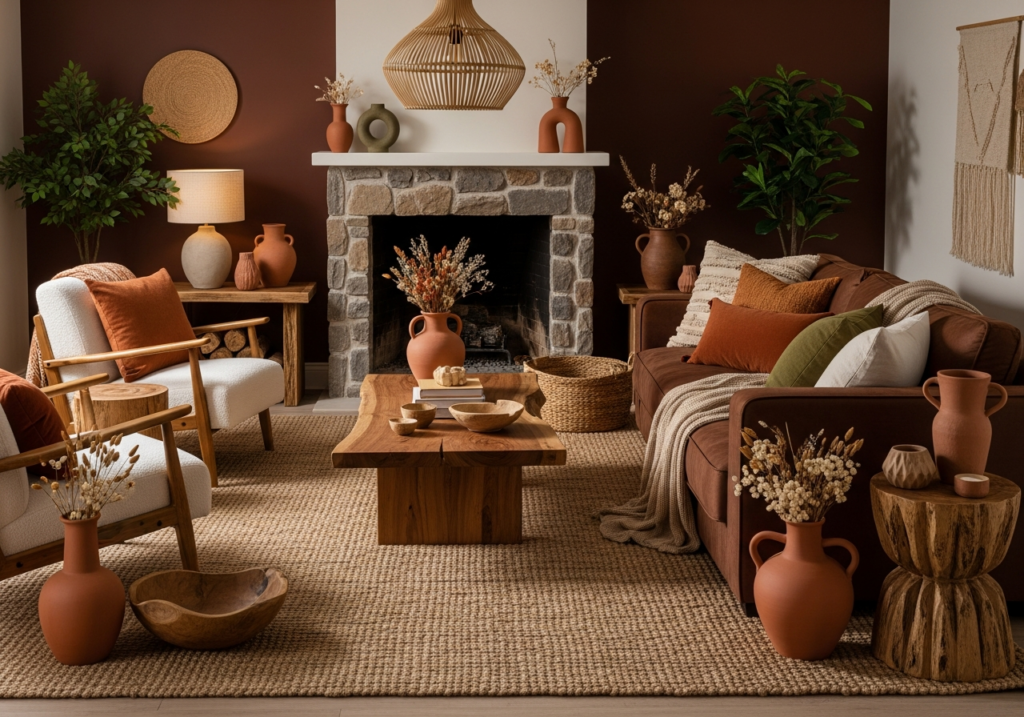
6. Incorporate Natural Materials
Natural materials bring warmth, texture, and timelessness into interior spaces. Wood, stone, rattan, leather, and clay introduce organic variation that softens modern interiors. In many homes, incorporating natural materials through furniture, decor, or architectural elements creates a sense of connection to the outdoors. This connection supports comfort and emotional grounding. Natural materials also age gracefully, adding character over time rather than looking worn.
7. Use Rugs and Carpets to Define Spaces
Rugs and carpets contribute significantly to coziness by adding warmth underfoot and reducing noise. They also help define spaces within open floor plans. Layering rugs or choosing plush textures enhances comfort in living areas and bedrooms. In dining or seating zones, rugs visually anchor furniture and create a sense of enclosure. Well chosen rugs make rooms feel complete and inviting.
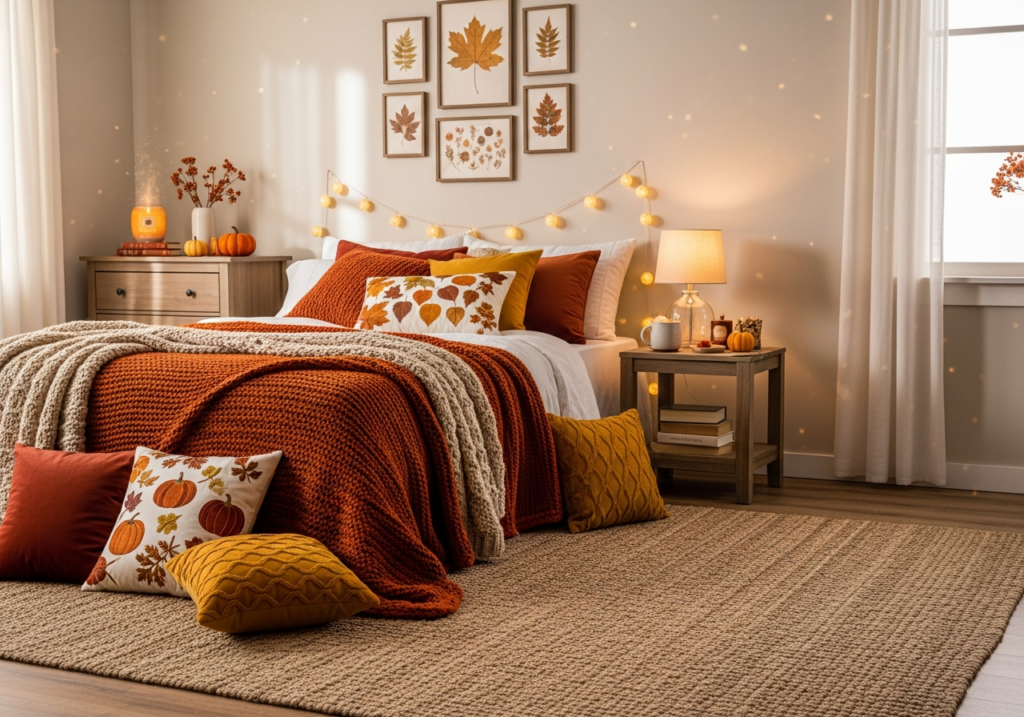
8. Embrace Seasonal Decor
Seasonal decor allows homes to evolve throughout the year. Simple changes such as swapping throw pillows, blankets, or decorative accents help spaces feel fresh while maintaining comfort. In colder months, heavier fabrics and warm tones add coziness. In warmer seasons, lighter materials and natural elements keep interiors inviting without feeling closed in. Seasonal updates help a number of households stay emotionally connected to their living spaces year round.
9. Keep Spaces Tidy and Organized
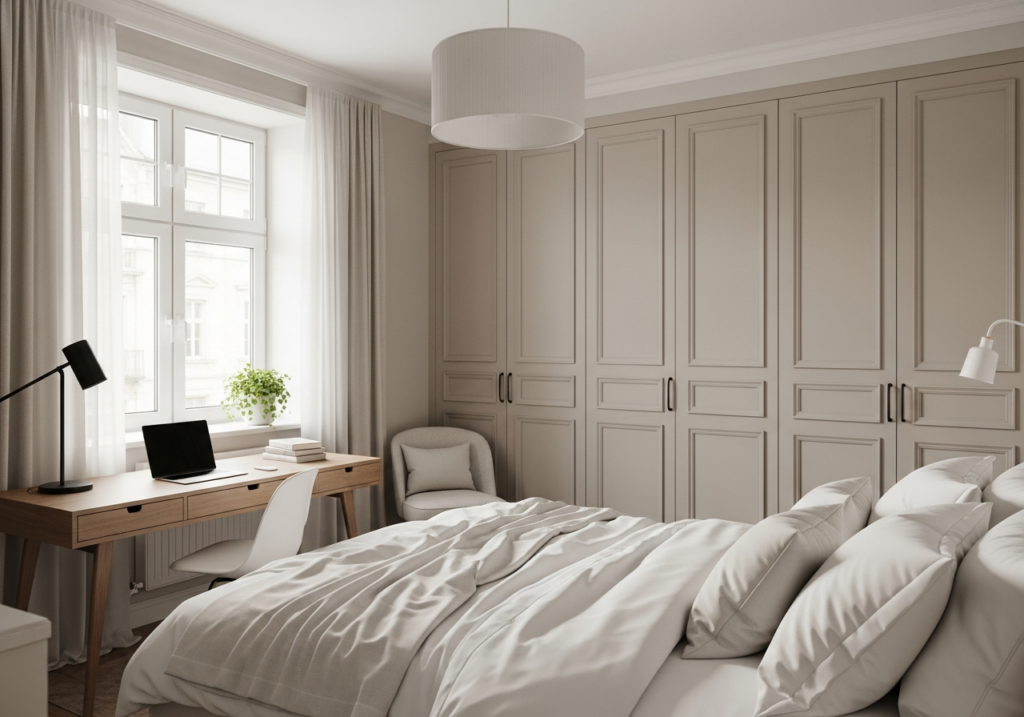
Clutter disrupts comfort. Cozy homes prioritize organization to support calm and clarity. Thoughtful storage solutions allow daily items to be accessible without overwhelming the space. Tidiness doesn’t require minimalism. It requires intentional placement and regular maintenance. Organized spaces allow design elements to shine and make relaxation easier. A tidy home feels more welcoming to both residents and guests.
10. Incorporate Scent as a Cozy Element
Scent is a powerful but often overlooked aspect of interior design. Subtle fragrances influence mood and perception of space. Candles, essential oil diffusers, and natural scents such as wood or herbs add another layer of comfort. Warm scents like vanilla, amber, or cinnamon often enhance feelings of coziness. Scent should be gentle and consistent, supporting relaxation rather than overwhelming the senses.
Conclusion
Creating a cozy interior is an intentional process that blends comfort, function, and personal expression. Through thoughtful use of textures, lighting, color, and sensory elements, homes become places of warmth and emotional ease.
Cozy interior design offers more than visual appeal for households navigating busy lives. It supports wellbeing, connection, and daily comfort. When spaces are designed with care, they invite people to slow down and truly feel at home.
Related Articles
15 Boho Home Décor Ideas to Create a Cozy, Eclectic, and Stylish Bohemian-Inspired Living Space