

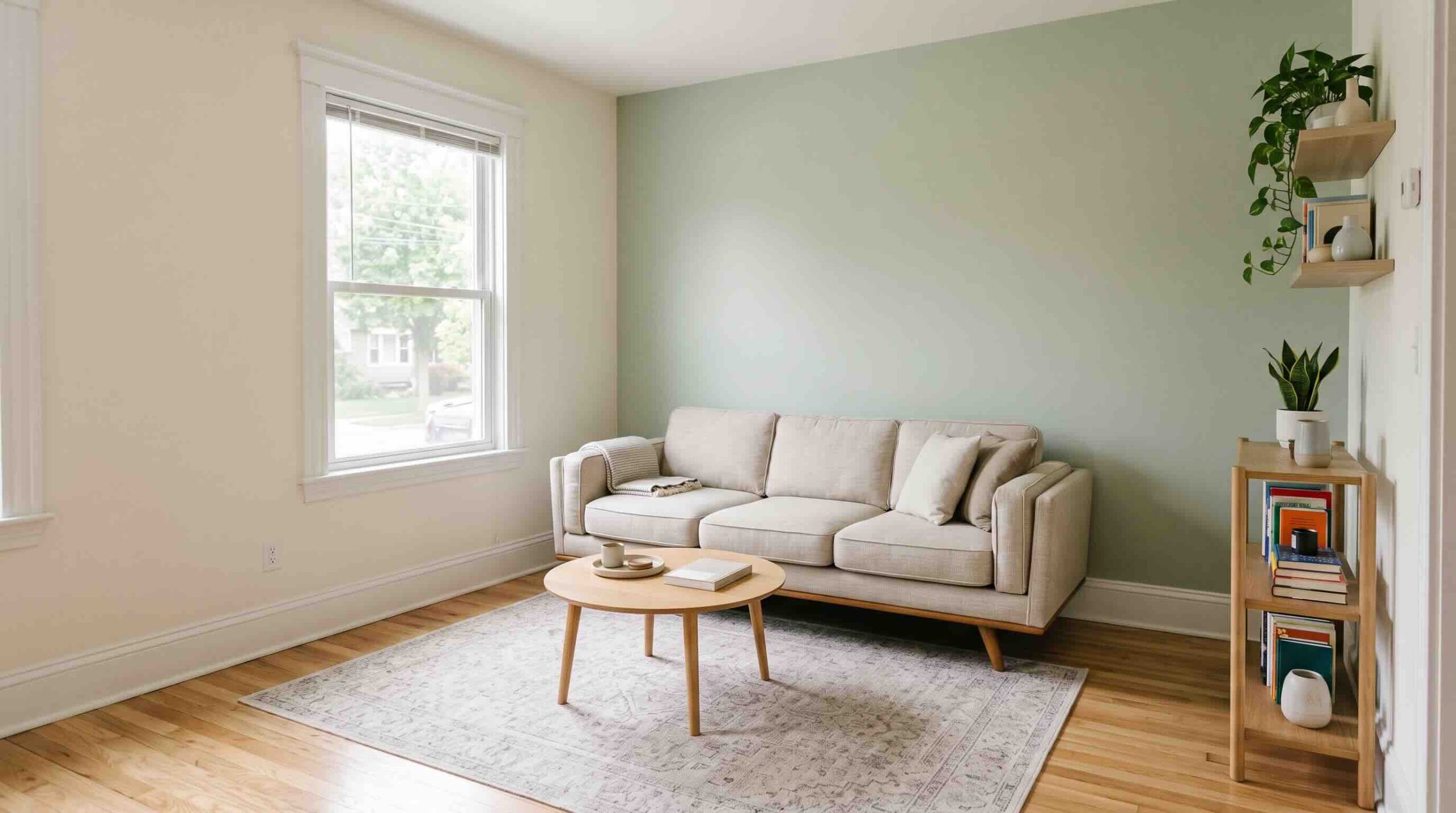
Furnishing a small apartment without draining your savings comes down to three moves: choose pieces that fit and multitask, buy them cheap, and resist the urge to furnish it all in one weekend. Get those right and how to furnish a small apartment stops being a lump-sum expense and becomes a series of small decisions. This guide covers the planning, the pieces, the cheap sources, and the room-by-room order, all aimed at 2026 budgets.
How to Plan and Budget Before You Furnish a Small Apartment
The cheapest furnishing mistakes are the ones you head off before spending a dollar, making planning a crucial first step. Two steps safely set you up before anything gets bought.
Measure the Room and the Doorway
Before you fall for a sofa online, measure the room, the wall it will sit against, and every doorway and stairwell it has to clear to get inside. A piece that fits the room but not the entryway becomes a costly return or a stuck-in-the-hall disaster. Sketch the layout with rough dimensions so you can see what fits before you pay for it.
Set a Budget and Buy One Room at a Time
Decide a total you are genuinely comfortable spending, then systematically split it across rooms rather than blowing it on the very first showroom trip. Furnishing one room at a time spreads the cost and lets you learn what you actually need before buying more. When you do spend, follow a priority order:
- Bed and mattress first. You use it every night, so it deserves the biggest share of the budget and the least corner-cutting.
- Seating next. A sofa or a pair of chairs turns a room from empty to livable.
- A small table. One surface that handles both meals and work covers a lot of daily use.
- Storage. Add shelving or bins once you see where clutter actually collects.
- Decor and extras last. Rugs, art, and accents finish the space, and they are the easiest to find cheap or add over time.
What Furniture to Choose for a Small Apartment
The right pieces make a small space feel roomy instead of crammed, and the wrong ones do the opposite no matter how much you spend. Three rules guide the choice.
Prioritize Multi-Purpose, Double-Duty Furniture
>>> See more: How to Live in a One-Bedroom Apartment Without Feeling Cramped
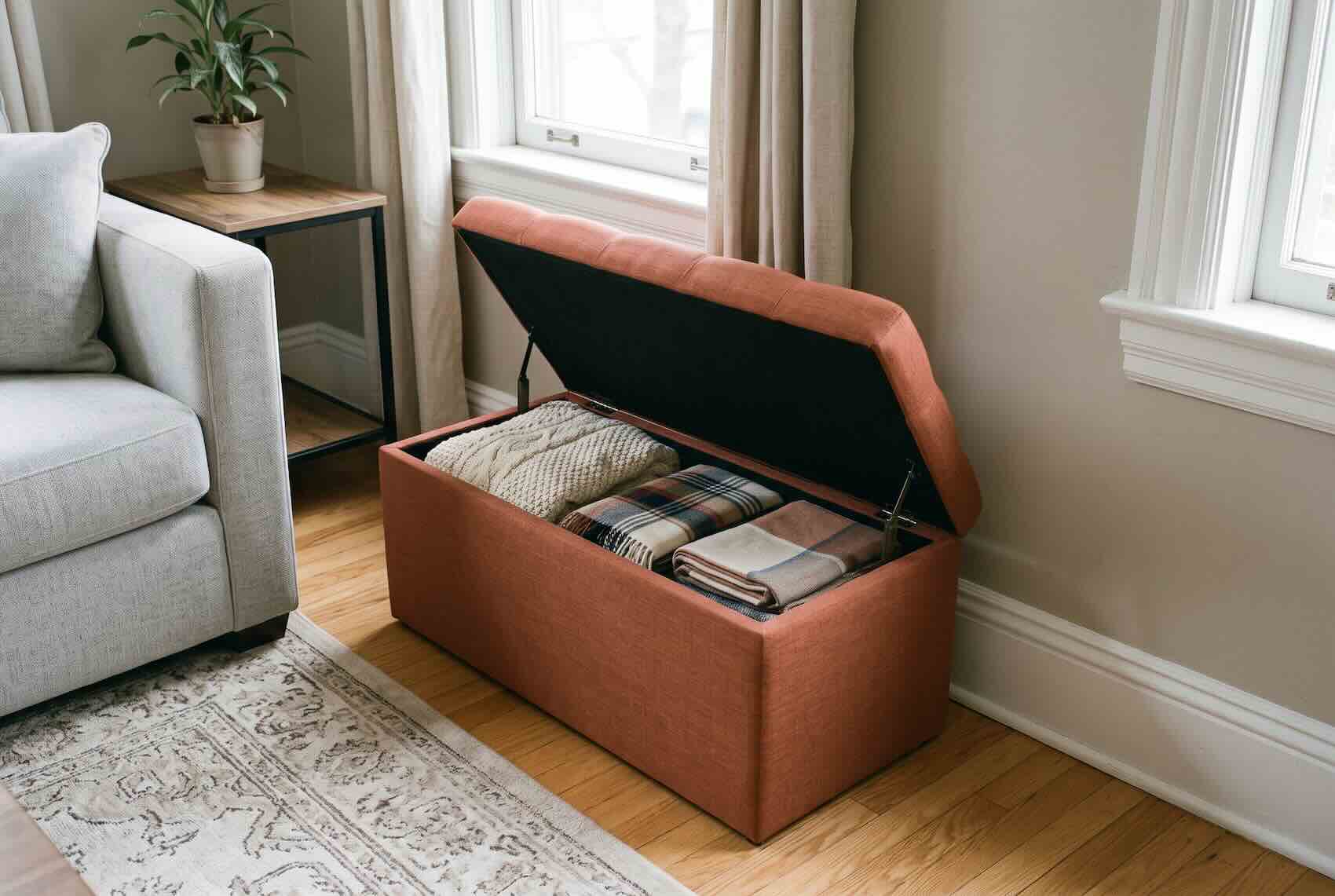
In a small space, the best pieces do two jobs at once: a sofa bed, a storage ottoman, a bed frame with drawers, a nesting or drop-leaf table. Each one you choose replaces two you would otherwise buy and find room for. This deliberate double-duty approach is completely central to living well in a one-bedroom or smaller apartment.
Get the Scale Right (Fewer, Larger Pieces)
It sounds backward, but a few appropriately sized pieces make a small room feel larger than many tiny ones. Undersized furniture creates a cluttered, doll’s-house look, while one right-scaled sofa reads as intentional. Choose fewer, better-proportioned items and leave breathing room around them.
Choose Furniture With Legs and Foldaway Designs
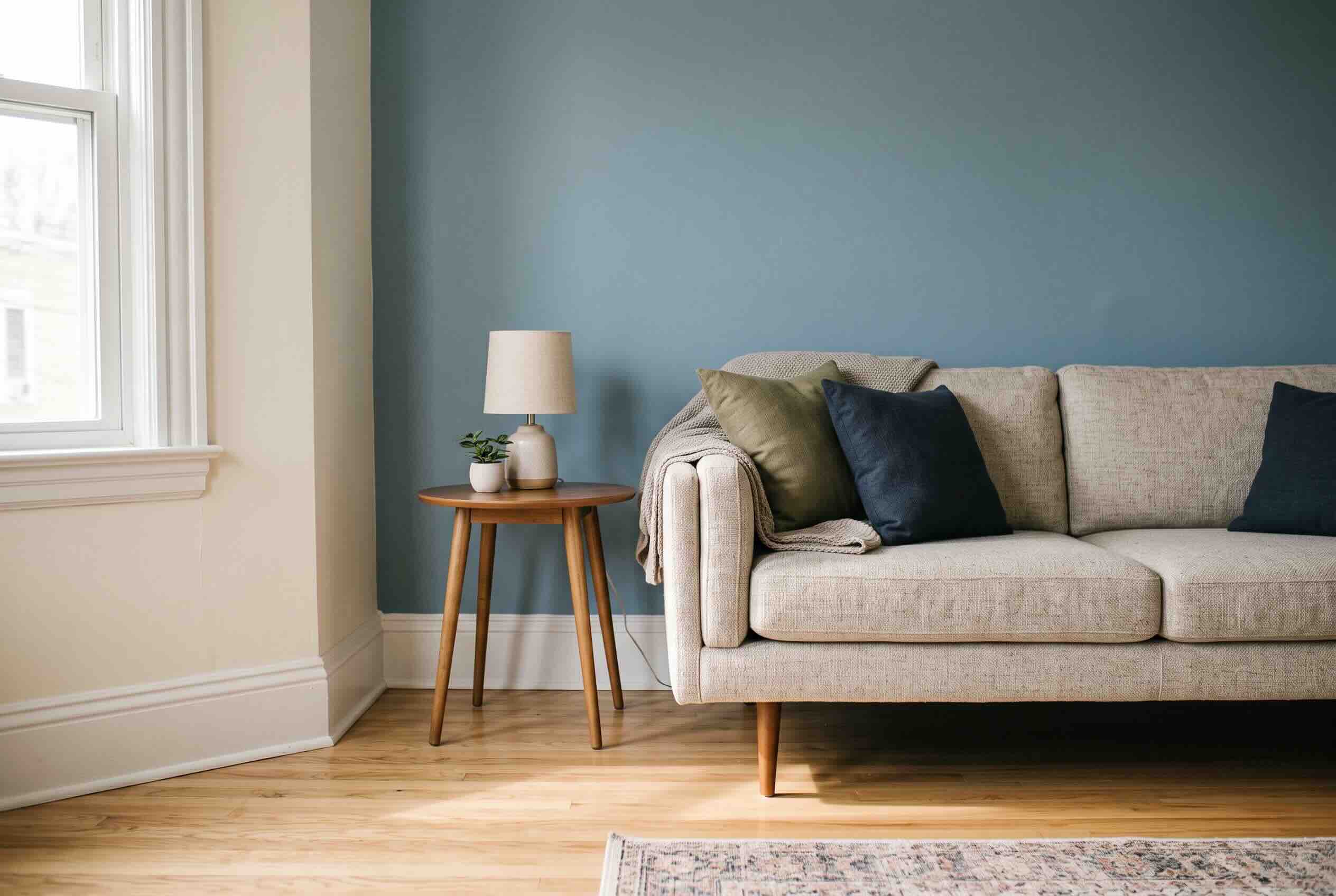
Furniture raised on legs lets light and floor show underneath, which keeps a room feeling open rather than blocked. Foldaway and expandable designs, like drop-leaf tables and folding chairs, appear only when you need them and disappear when you do not. Both tricks buy you visual and physical space for free.
How to Furnish a Small Apartment Cheaply
Once you know what to buy, the savings come from where and how you buy it. These three habits cut the bill the most.
Buy Second-Hand and Marketplace Finds
The biggest savings come from skipping retail: online marketplaces, thrift stores, estate sales, and even curb finds turn up solid furniture for a fraction of new prices. Solid-wood pieces in particular are often cheaper used and better made than new budget furniture. Inspect for damage and pests, and be ready to move quickly when a good listing appears.
Let One Piece Replace Several
A single well-chosen piece can retire a whole shopping list: a storage bed removes the need for a dresser, and a bench with bins handles seating and storage together. Before buying anything, ask whether something you already own, or one smarter purchase, could cover the job. Fewer pieces means less money spent and less floor filled.
Refresh With Covers, Not New Furniture
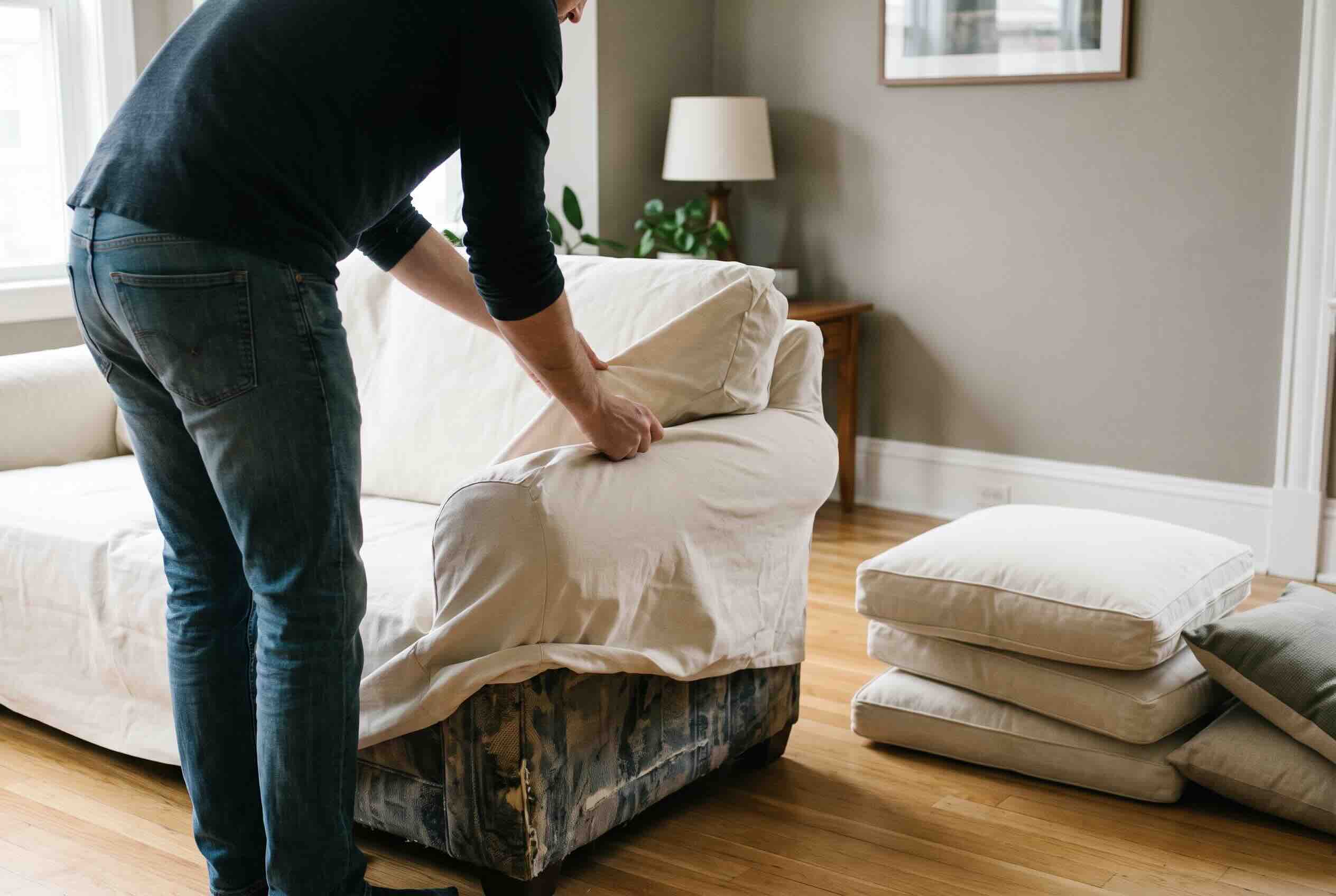
When a piece is worn but sound, a slipcover, fresh cushions, or a coat of paint revives it for a fraction of the replacement cost. A tired sofa or a dated table usually needs a cover or a finish, not a trip to the landfill. Cosmetic fixes stretch a budget and keep usable furniture in play.
How to Furnish Each Room in a Small Apartment
Each area of a small apartment has its own space traps, so the right piece changes from room to room.
Living Room and Sleeping Area
In a studio or open layout, the living and sleeping areas share the room, so lean on a sofa bed or a daybed plus a divider to keep them distinct. Anchor the lounge with a single rug and keep the bed to the quietest corner. Multi-use seating earns its place here more than anywhere else.
Kitchen and Dining
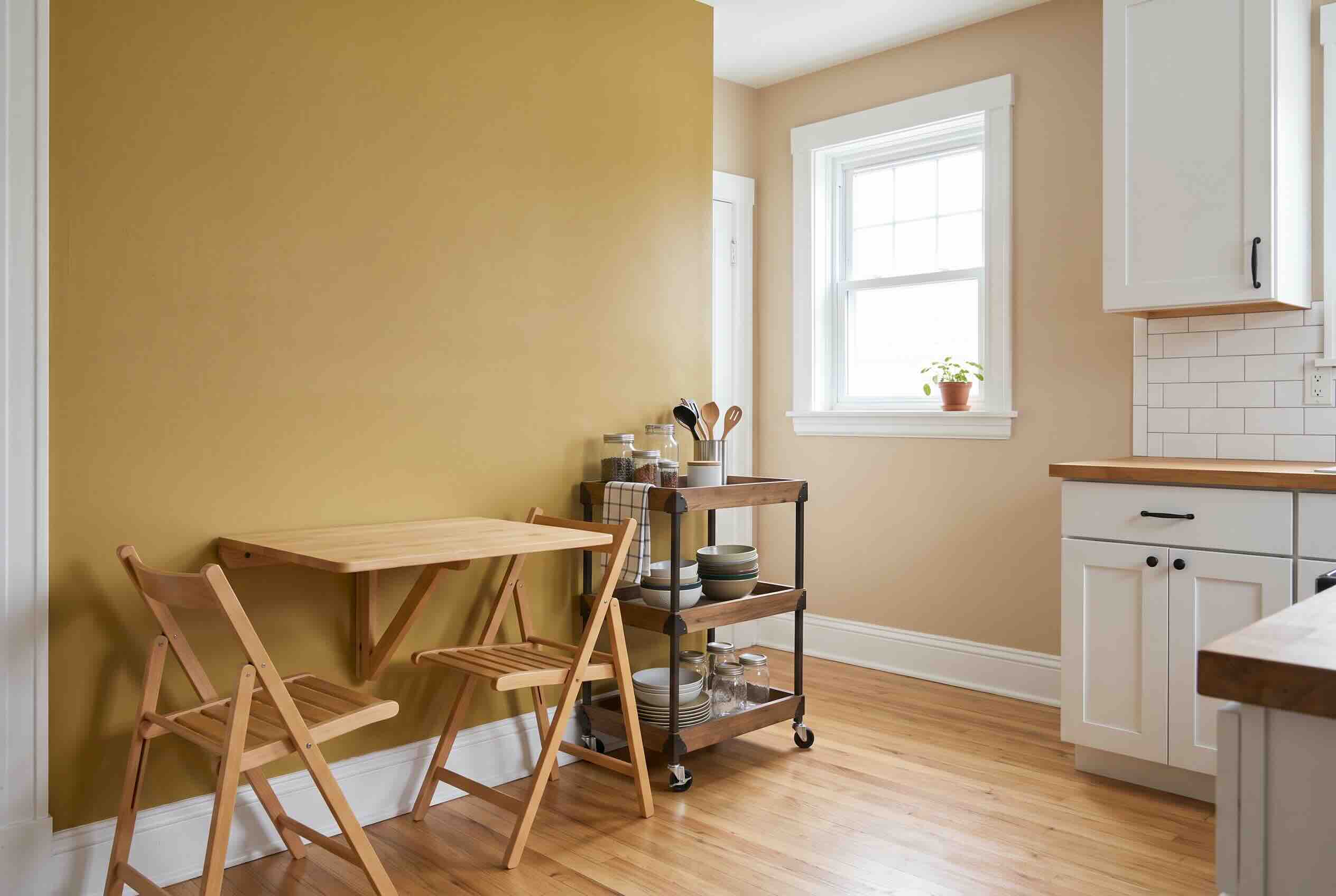
Small kitchens rarely fit a full dining set, so a drop-leaf or wall-mounted table with folding chairs gives you a place to eat without a permanent footprint. A rolling cart adds counter space and storage that tucks away when you are done. Vertical racks and hooks free up the little counter you have.
Work-From-Home Corner
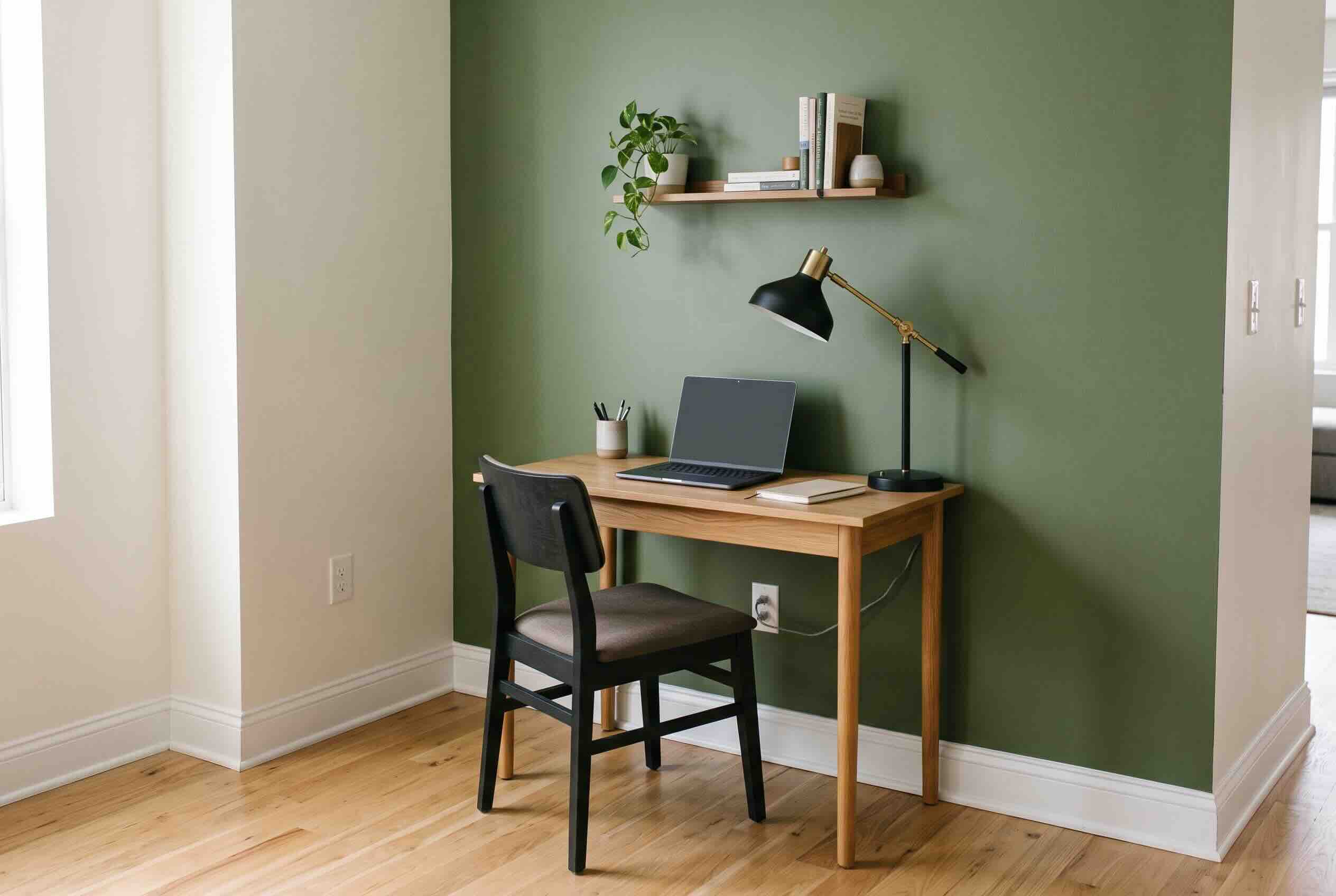
A narrow desk, a fold-down wall surface, or even a console against a wall carves out a work spot without a whole room. Face it away from the bed or sofa so you can mentally clock out, and add a good lamp for the long hours. A chair that suits the space keeps the corner from taking over.
Common Small-Apartment Furnishing Mistakes to Avoid
A few predictable mistakes cost small-apartment renters the most money and space, and all of them are easy to sidestep.
- Buying too small. Undersized pieces create a cluttered doll’s-house look and rarely function well, so scale beats cuteness.
- Buying everything at once. A single big haul locks in choices before you know the space, and it strains the budget in one hit.
- Skipping measurements. Guessing dimensions leads to returns, stuck deliveries, and pieces that swallow the room.
- Overcrowding with single-use pieces. Every item that does only one thing eats floor space a multitasker would have saved.
FAQ
How much does it cost to furnish a small apartment?
It varies a great deal, from a few hundred dollars if you buy mostly secondhand to several thousand for all-new furniture. Building it up over time and mixing used with new keeps the total manageable.
Should you furnish a small apartment all at once or over time?
Over time, in most cases. Spreading purchases lets you learn the space, catch sales, and avoid buyer’s remorse, and it eases the hit to your budget. Buy the essentials first and fill in the rest as you go.
Where’s the cheapest place to buy small-apartment furniture?
Online marketplaces and local resale, like thrift stores, estate sales, and community groups, are usually cheapest, followed by budget flat-pack retailers for new pieces. Free curb finds and hand-me-downs beat them all when you can get them.
Is it cheaper to rent or buy furniture for a small apartment?
Buying is usually cheaper over the long run, since rental fees add up past the value of the furniture quickly. Renting can suit a short, temporary stay or a staged space, but for anything beyond a year, owning wins.
What furniture should you buy first for a small apartment?
Start with the bed and a mattress, then seating and one small table. Those cover sleeping, sitting, and eating or working, which is most of daily life, while storage and decor can wait until you see what the space needs.
Conclusion
A small apartment furnished well on a budget rarely comes together in one weekend, and that is the point. When you buy deliberately, one right-sized, hard-working piece at a time, the cost stops being a wall of expense and turns into a set of small choices you can afford. The room fills in slowly, but it fills in with things you chose rather than things you settled for. That is how to furnish a small apartment without overspending: patience does the work a big budget usually would. Home Tips Daily has more budget-friendly ways to set up a place you will want to come home to.