

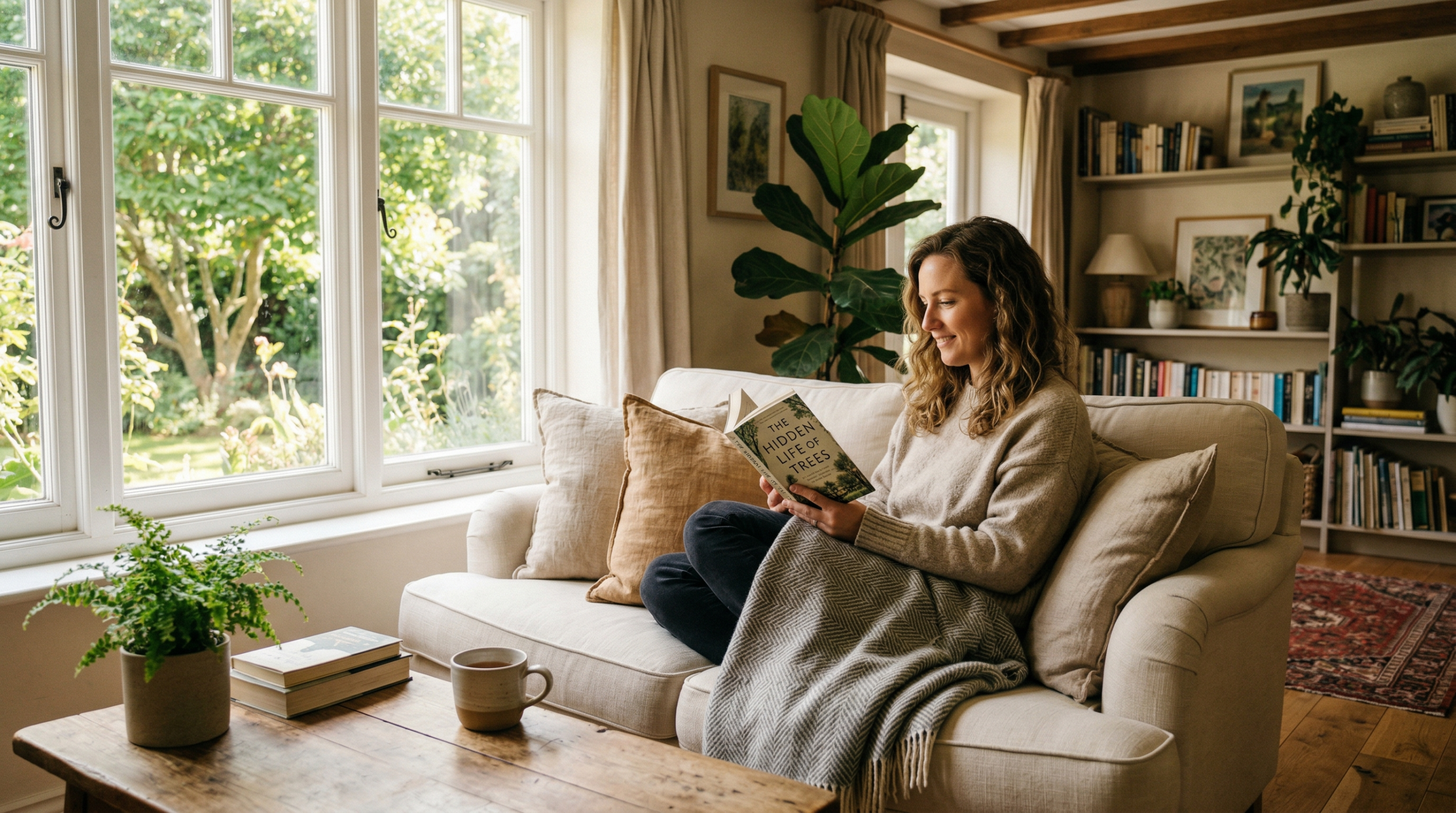
Natural light can change the entire experience of living in a home. It affects how rooms look, how comfortable they feel, and even how people move through their daily routines. A brighter space often feels cleaner, calmer, and more welcoming without needing a major redesign. Beyond appearance, natural light can also influence mood, energy, and the overall atmosphere of everyday life. When a home gets better light, even small spaces can start to feel more open, more livable, and easier to enjoy.
Why Natural Light Matters More Than Many People Realize
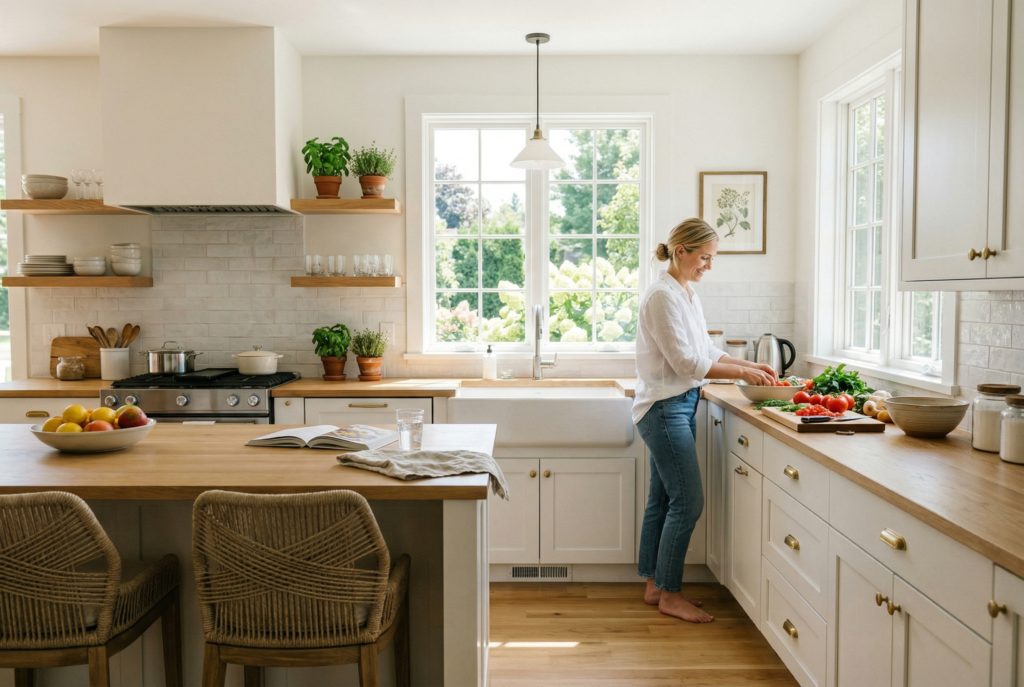
Light shapes the emotional tone of a room. A dim space can feel closed in, heavy, or harder to use, even when it’s organized and well furnished. A naturally lit room often feels more relaxed and more functional right away. That’s one reason people are so drawn to bright kitchens, sunny bedrooms, and living rooms filled with daylight.
For many households in the United States, home now serves multiple purposes throughout the day. It may be a place to work, cook, rest, spend time with family, and recover from a busy schedule. Because of that, natural light matters in a very practical way. It can make a room feel easier to wake up in, easier to focus in, and easier to unwind in later on.
1. Natural Light Makes Rooms Feel Bigger and More Open
One of the most immediate ways natural light transforms a home is by changing how spacious a room feels. Bright rooms tend to look larger because daylight reduces visual heaviness and helps the eye move more easily through the space.
Corners feel less closed off, ceilings seem higher, and the room often feels more breathable overall. This is especially helpful in smaller homes, apartments, and rooms with limited square footage. A modest bedroom or narrow living area can feel much more comfortable when daylight fills it well. The space itself may not change, but the perception of it often does. That shift can make the home feel more pleasant and less cramped on an everyday basis.
2. Better Light Can Improve Mood Throughout the Day

Natural light has a strong connection to how a space feels emotionally. A bright room often feels more uplifting, while a darker one can sometimes feel more draining or flat. When daylight comes into the home consistently, it can help create an atmosphere that feels lighter and more positive.
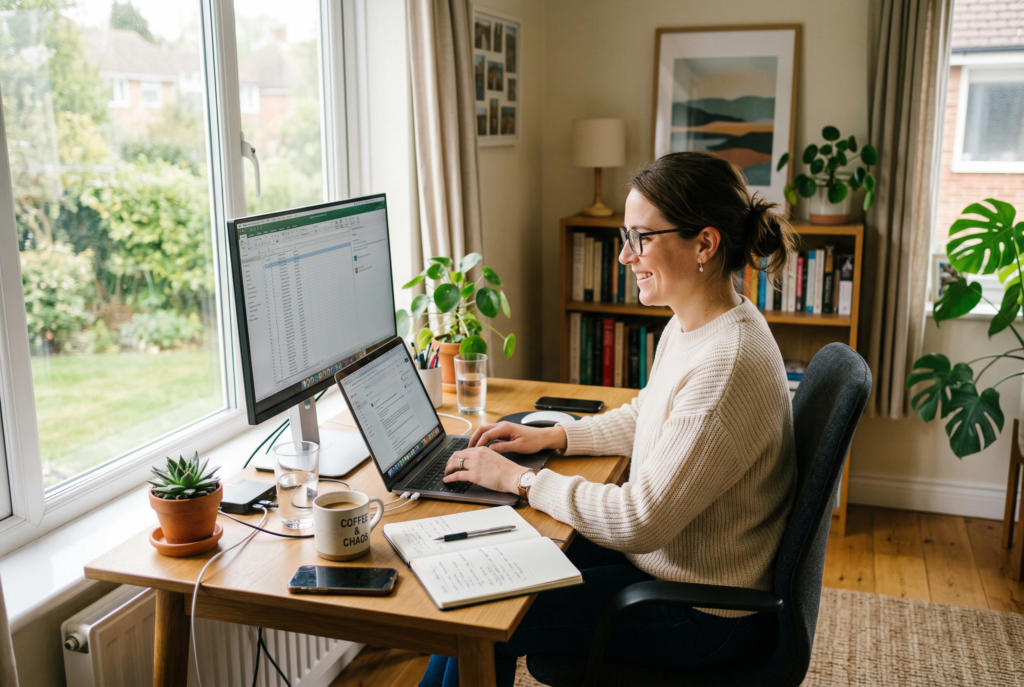
This matters in daily life because the emotional effect of a home builds over time. A kitchen that gets morning sun may feel more energizing. A living room with soft afternoon light may feel more inviting. Even a home office with better daylight can feel less mentally heavy during long work hours. Small improvements in natural light can change how people feel in a room without changing anything else.
3. Natural Light Helps Daily Routines Feel Easier
A well-lit home is often easier to use. Getting dressed, preparing food, reading, working, cleaning, and organizing all feel more manageable when the room has enough natural brightness. In darker spaces, even simple tasks can feel slightly more tiring because the environment doesn’t support them as well.
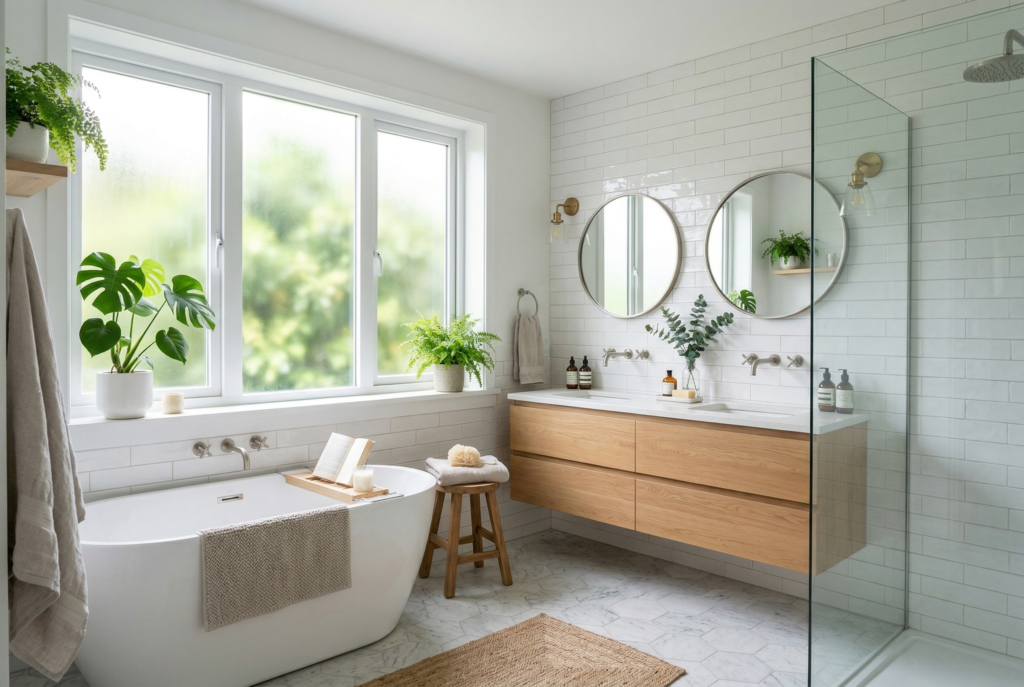
This is one reason natural light has such a practical effect on daily living. It improves how the home looks while also making each room work more effectively. A bathroom with daylight often feels fresher during the morning routine. A bright kitchen can make cooking feel less like a chore. A naturally lit entryway can make coming and going feel calmer and more organized.
4. Daylight Brings Out the Best in Colors and Materials
The way a home looks depends heavily on its lighting. Paint colors, wood tones, fabrics, plants, and finishes all appear differently in natural light than they do under artificial lighting. Daylight tends to reveal more depth, warmth, and texture, which helps a room feel more balanced and visually comfortable.
This is especially important in homes where people want a calm, cohesive atmosphere. Natural light can soften the look of furniture, make neutral tones feel richer, and help decorative details feel more intentional. It often gives rooms a fresher, more lived-in quality that can’t be recreated in quite the same way with overhead lighting alone.
5. A Brighter Home Often Feels Cleaner and More Inviting
Natural light has a powerful effect on how clean a home feels. Bright spaces usually feel fresher and more welcoming because light creates clarity.
It helps rooms feel more open and cared for, even when the decor is simple and the layout is practical rather than polished. This can influence the way people experience the home every day. Walking into a bright room often feels more pleasant than stepping into one that feels dim and closed off.
Guests notice it too. A naturally lit space tends to feel warmer and more comfortable without needing a lot of extra styling. That’s one reason light can do so much of the work in making a home feel inviting.
6. Natural Light Supports a More Comfortable Sense of Time and Rhythm
The home feels different when daylight moves through it naturally. Morning light, midday brightness, and softer evening light all help create a sense of rhythm in the space. Rooms shift gently throughout the day, which can make the home feel more connected to everyday life and less static.
This matters because it can influence how people move through their routines. A bedroom that brightens naturally in the morning may make waking up feel easier. A home office with daylight during work hours can feel more grounding. A room that softens as the sun lowers can support a calmer evening atmosphere. Natural light gives the home a changing quality that often makes life inside it feel more natural and less artificial.
7. Better Natural Light Can Make Home Feel More Emotionally Restorative
A home doesn’t only need to be functional. It also needs to feel restorative. For many people, one of the quietest but most powerful parts of a restorative home is light. A room filled with daylight often feels easier to breathe in, easier to sit in, and easier to enjoy without needing constant stimulation.
This is especially valuable during stressful or busy seasons of life. When home feels bright and open, it often becomes easier to settle mentally. A sunny corner for reading, a bright breakfast area, or even better light in a hallway can subtly improve how the home supports emotional well-being. That kind of everyday comfort matters more than most people think.
Common Mistakes That Block Natural Light

One common mistake is using window treatments that are heavier or darker than the room needs. Another is placing bulky furniture in ways that interrupt the flow of daylight. It’s also easy to overlook how much visual clutter can reduce the feeling of brightness.
When surfaces are crowded and rooms feel busy, even good light may not have the effect it could. Some homes also rely too heavily on artificial lighting during the day without taking advantage of available daylight first.
Paying attention to how the light moves through the house can help reveal small changes that make a noticeable difference. Often, the goal isn’t creating more light from scratch. It’s making better use of what’s already there.
Conclusion
Natural light transforms a home in ways that are both practical and emotional. It can make rooms feel bigger, lift mood, improve daily routines, highlight the beauty of materials and colors, create a cleaner and more inviting atmosphere, support a better sense of rhythm, and make the home feel more restorative overall.
The effect doesn’t always come from dramatic changes. Often, it comes from noticing how light already enters the home and making simple choices that help it work better. When natural light is allowed to do more, the entire space tends to feel brighter, calmer, and much easier to enjoy every single day.
Related Articles
- 10 Creative Lighting Ideas for Home Interiors That Enhance Mood and Space
- Lighting in Design: Essential Tips and Techniques to Transform Your Space and Enhance Ambiance