

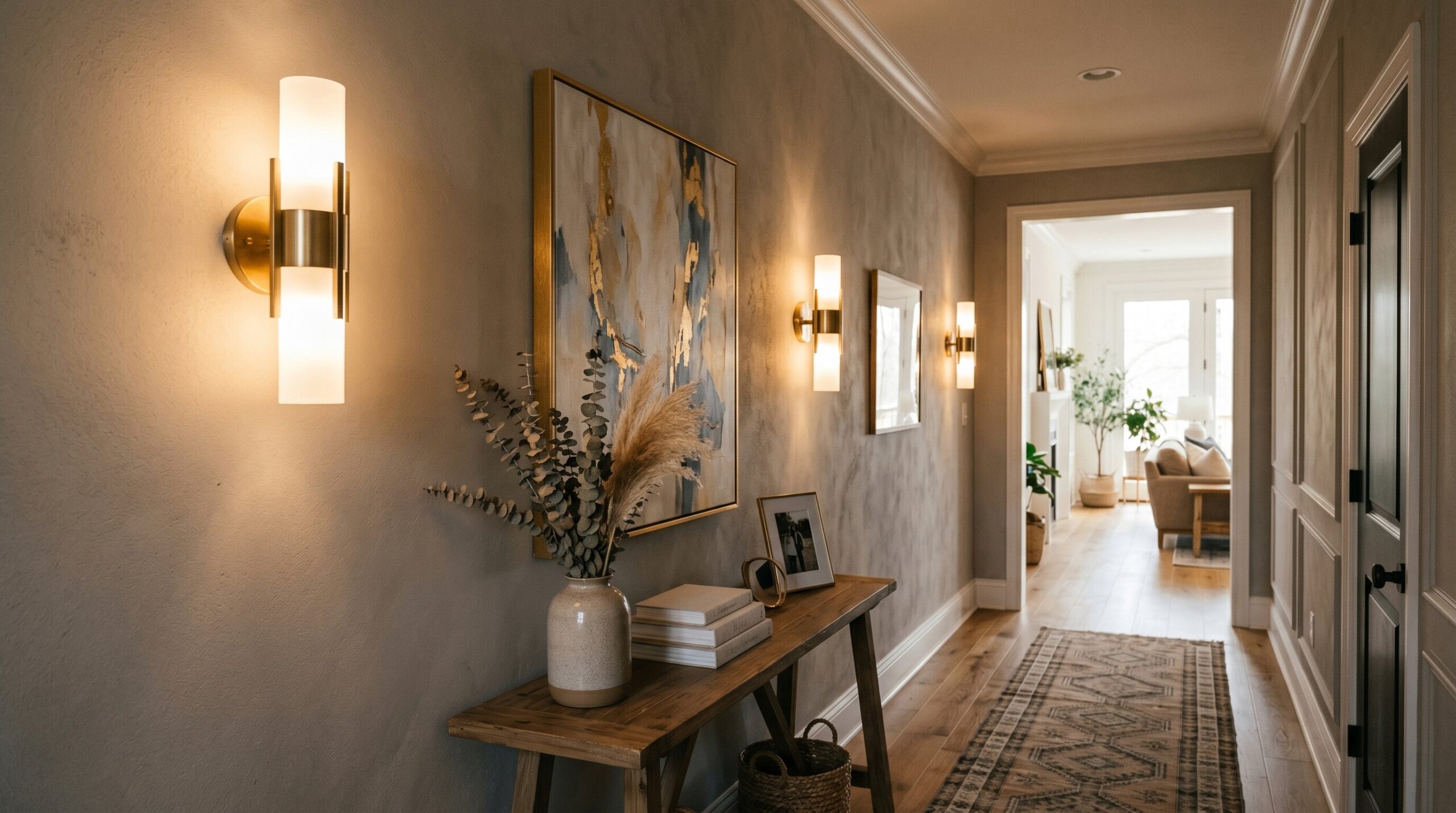
If you’ve been browsing lighting ideas and keep seeing the term what is a sconce, you aren’t alone. Wall-mounted lighting has quietly become one of the most important design tools in modern homes. A well-placed wall sconce doesn’t just add light. It softens harsh overhead fixtures, creates atmosphere, and turns blank walls into intentional design features. That’s why wall sconces are everywhere right now, from bedrooms to hallways to bathrooms. The real question isn’t just what a sconce light is, but how to choose the right type and place it correctly so your space actually feels better, not just brighter.
What is a Wall Sconce? (Definition & Purpose)
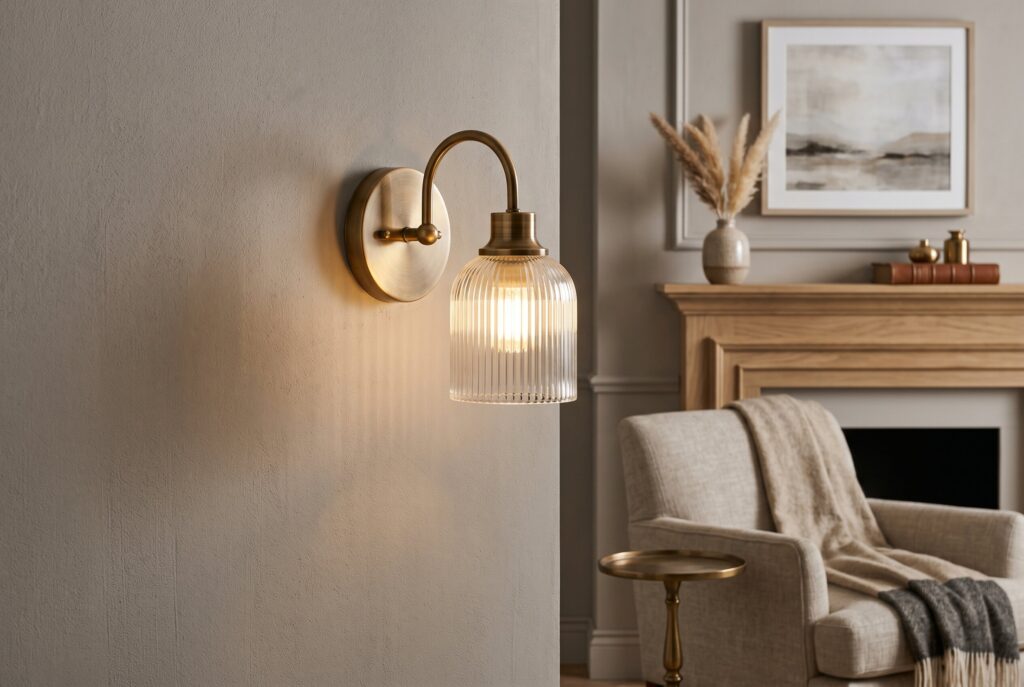
A wall sconce is a light fixture that mounts directly to the wall instead of sitting on the floor or a table. It can function as ambient lighting, task lighting, or accent lighting depending on the design and placement. Unlike ceiling lights, which often flood a space with direct illumination, sconces tend to create a softer, more layered effect.
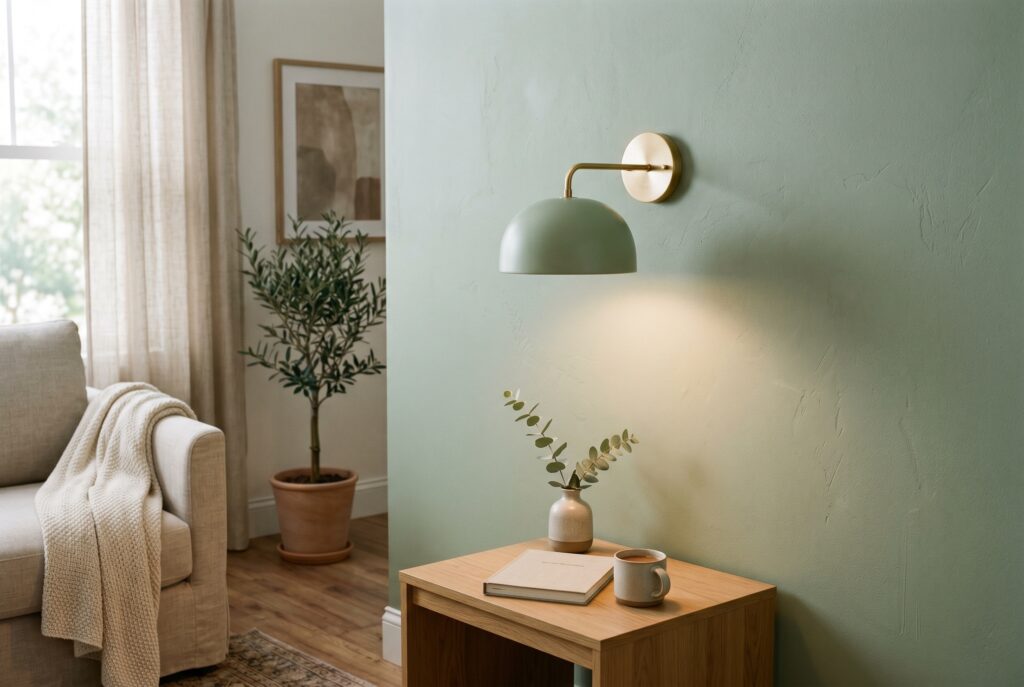
That’s the real reason they’ve become so popular. Modern interiors are shifting away from relying on a single overhead light source. Instead, designers now use layered lighting, combining ceiling fixtures, lamps, and wall sconces to create depth and balance. A sconce light can highlight artwork, frame a mirror, or provide subtle glow along a hallway without overwhelming the space.
In practical terms, a wall sconce gives you flexibility. It can make a small room feel more open, reduce glare, and add a decorative focal point at the same time. That combination of function and style is what makes wall sconces one of the easiest upgrades in home lighting.
The 3 Main Types of Sconces (By Installation Method)
Before choosing a fixture, it’s important to understand the three main installation types. This is where most people make their first real decision.
1. Hardwired Wall Sconces
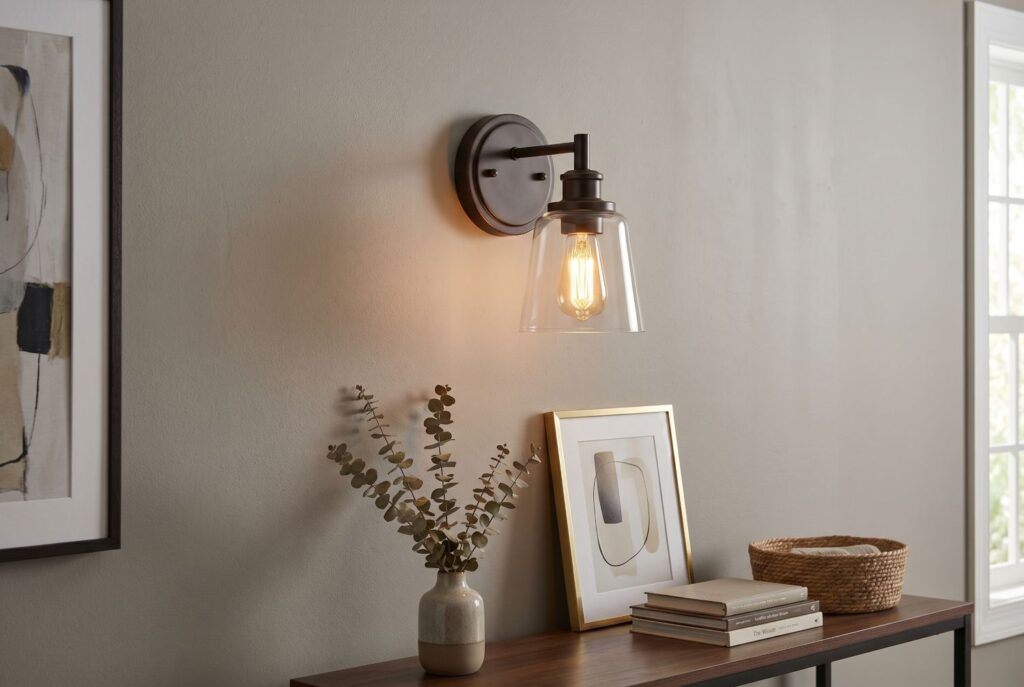
Hardwired wall sconces connect directly to your home’s electrical system. They don’t have visible cords, which creates a clean, built-in look. This type is ideal for permanent installations, especially in bathrooms, hallways, or new renovations where wiring is already planned.
The biggest advantage is aesthetics. There’s no visible cable, and the fixture feels like part of the architecture. The downside is flexibility. Installation usually requires electrical work, so it isn’t the best choice for renters or quick updates.
2. Plug-In Wall Sconces
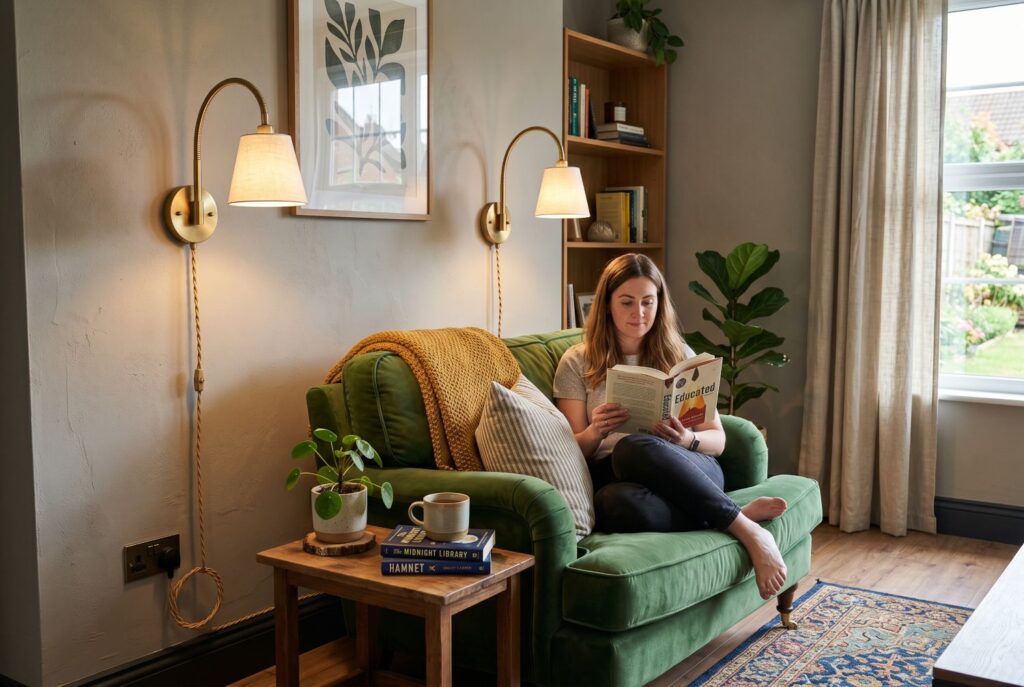
A plug in wall sconce is one of the easiest ways to upgrade lighting without major work. These fixtures mount on the wall but plug into a standard outlet. That makes them extremely practical for apartments or homes where rewiring isn’t an option. This is why plug in sconces are often called the renter-friendly solution. You get the look of a wall-mounted fixture without committing to permanent installation. Some people even use cord covers or route the cable behind furniture to make the setup feel cleaner.
3. Battery-Operated & Rechargeable Sconces
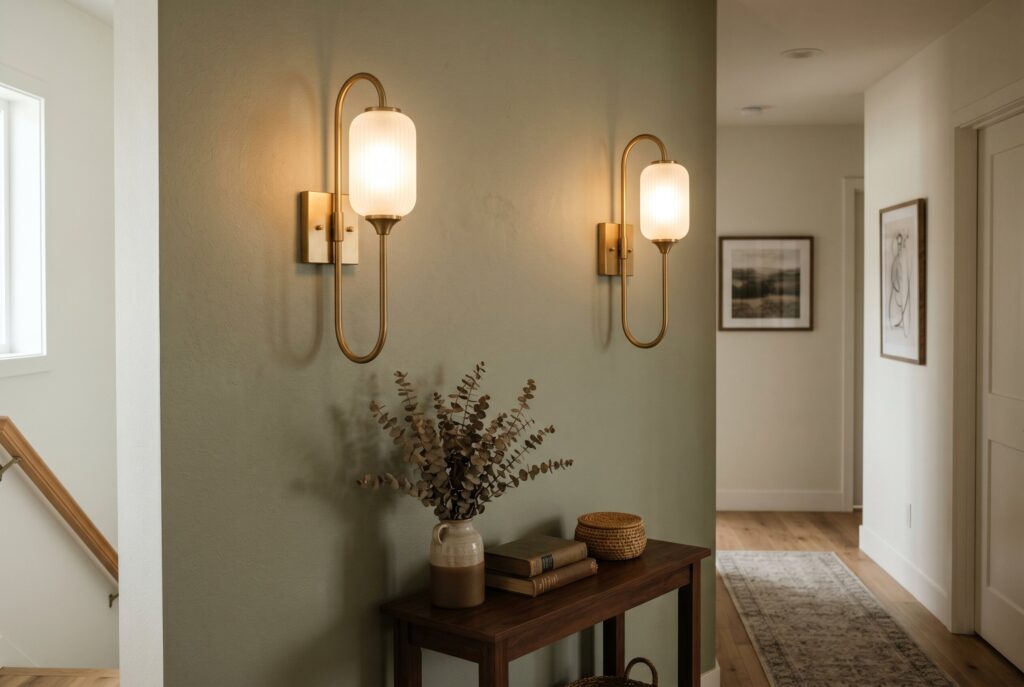
The newest trend is the battery wall sconce or rechargeable wall sconce. These fixtures use wireless power, often through removable or magnetic LED puck lights. They’re perfect for areas where outlets are limited, such as narrow hallways, staircases, or decorative gallery walls.
While they may not provide the same brightness as hardwired options, they’re incredibly flexible. Installation takes minutes, and placement options expand dramatically because you aren’t tied to wiring at all.
The Golden Rules of Sconce Placement (Heights & Measurements)
This is where most guides fall short, but placement is what determines whether your lighting looks intentional or awkward.
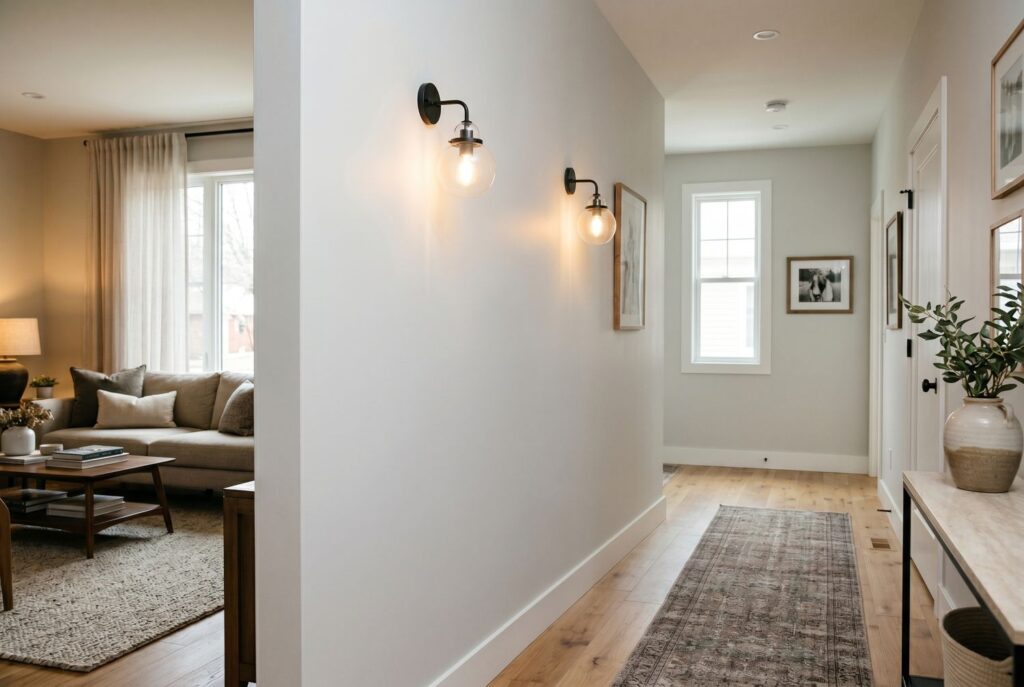
For general spaces like hallways and living rooms, a good starting point is mounting wall sconces around 60 inches from the floor. This aligns roughly with eye level for most people. Spacing should usually fall between 6 to 8 feet apart, depending on wall length and ceiling height.
In bedrooms, especially for bedside lighting, placement changes slightly. A common guideline is installing sconces about 30 to 36 inches above the top of the mattress, or roughly 6 to 12 inches above shoulder height when sitting up in bed. This keeps the light functional for reading without shining directly into your eyes.
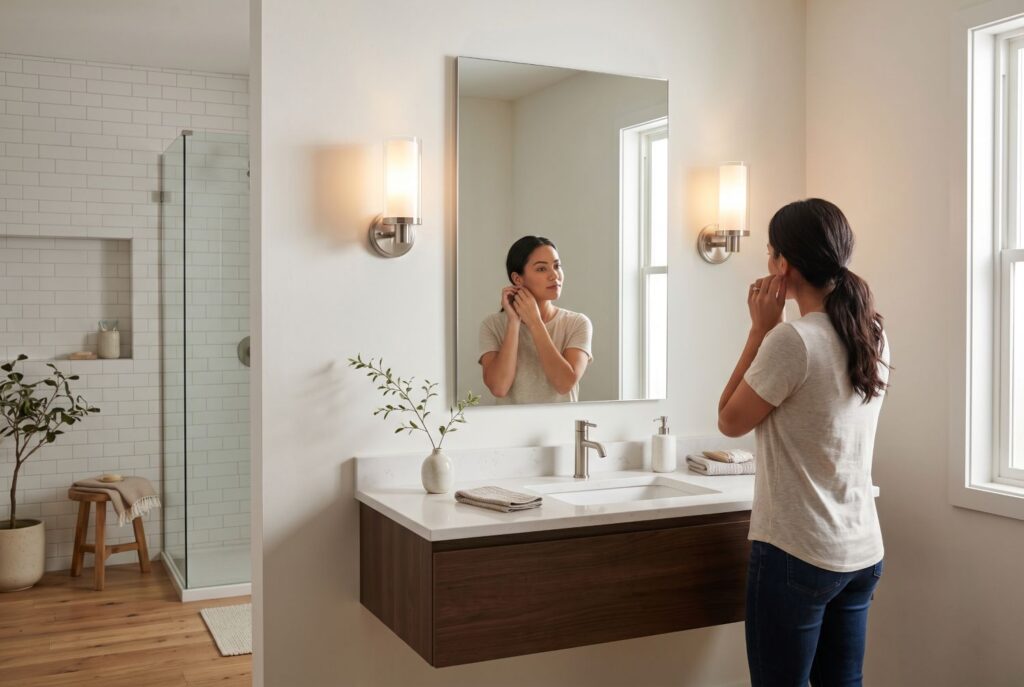
For bathrooms, placement becomes even more important. Instead of relying on overhead lighting, sconces should flank the mirror at about 60 to 65 inches from the floor. This helps reduce shadows on the face and creates more flattering, even lighting.
These numbers aren’t rigid rules, but they provide a strong starting framework. Adjustments may be needed based on ceiling height, fixture size, and furniture layout.
Room-by-Room Sconce Ideas & Styling
Once placement is clear, the next step is choosing how sconces fit into each space.
Wall Sconces for Bedroom
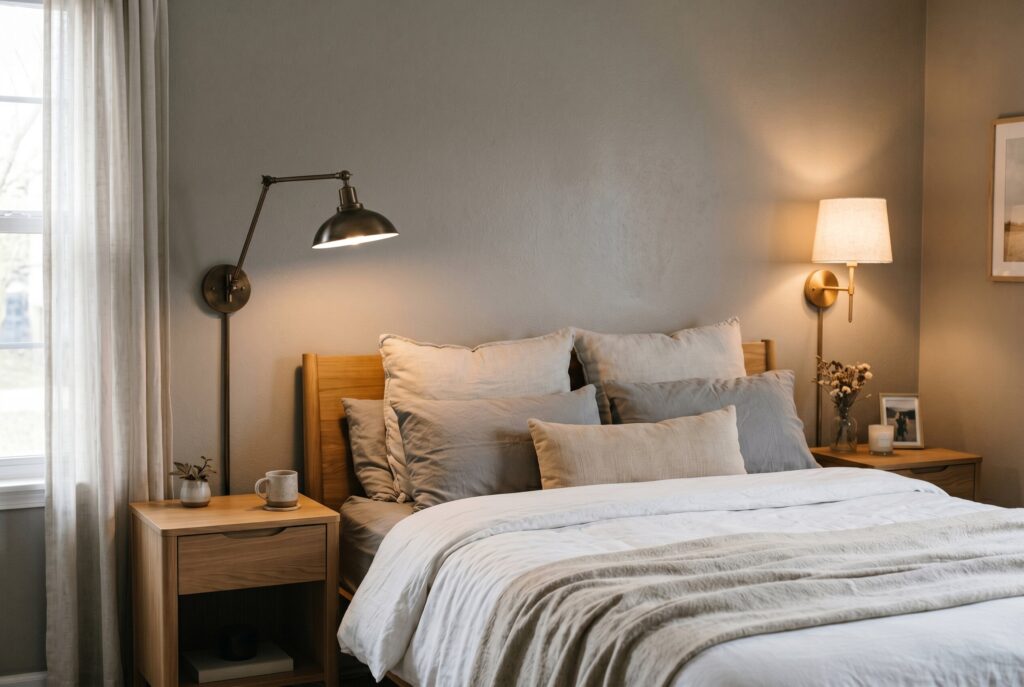
Wall sconces for bedroom setups often replace traditional bedside lamps. This frees up nightstand space and creates a cleaner look. Adjustable-arm sconces are especially useful for reading, while softer shaded designs work better for ambient lighting.
Wall Sconces for Living Room
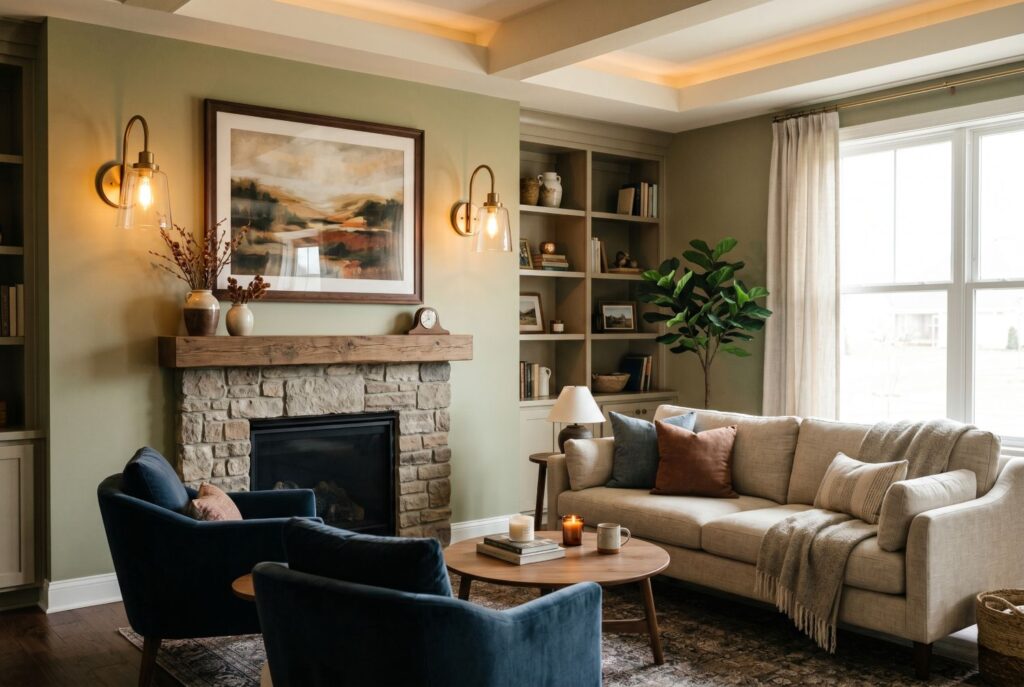
Wall sconces for living room spaces are often used to frame architectural features. Placing sconces on either side of a fireplace, artwork, or a large mirror creates balance and draws attention to that focal point. They can also act as secondary lighting for reading corners or seating areas.
Bathroom Vanity Sconces
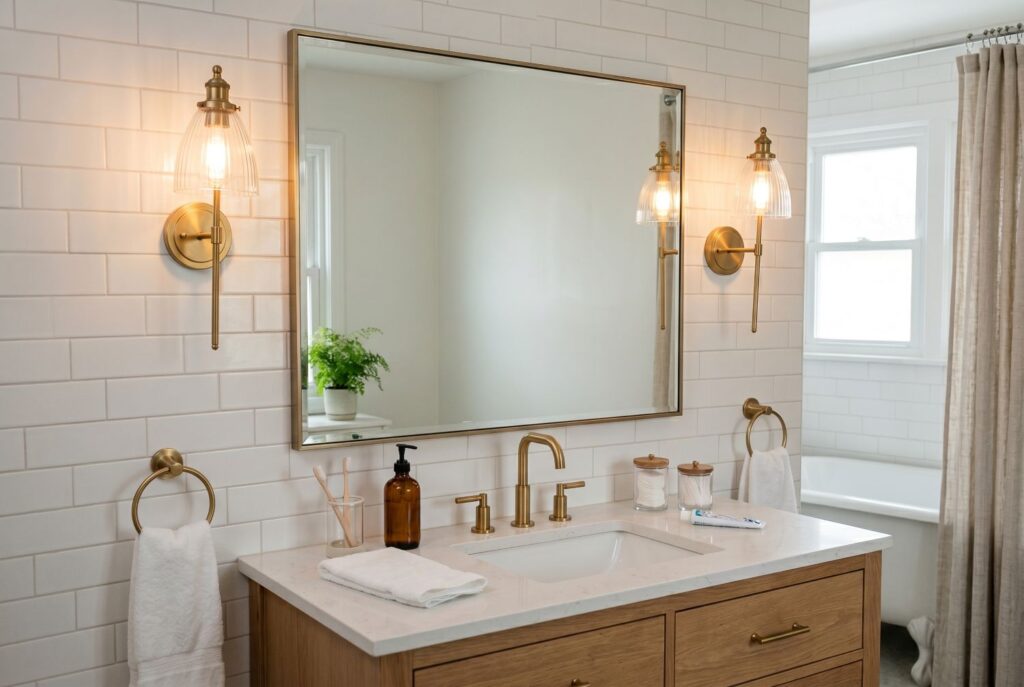
In bathrooms, sconces should almost always be placed at face level rather than above the mirror. This creates more even lighting and avoids harsh shadows. Paired fixtures on both sides of the mirror are usually the most effective setup for daily grooming tasks.
Navigating Trends: Modern Wall Sconces vs. Classic Styles
Modern wall sconces tend to focus on clean lines, organic materials, and softer light diffusion. You’ll often see finishes like matte black, brushed brass, or natural wood paired with simple shapes or sculptural glass.
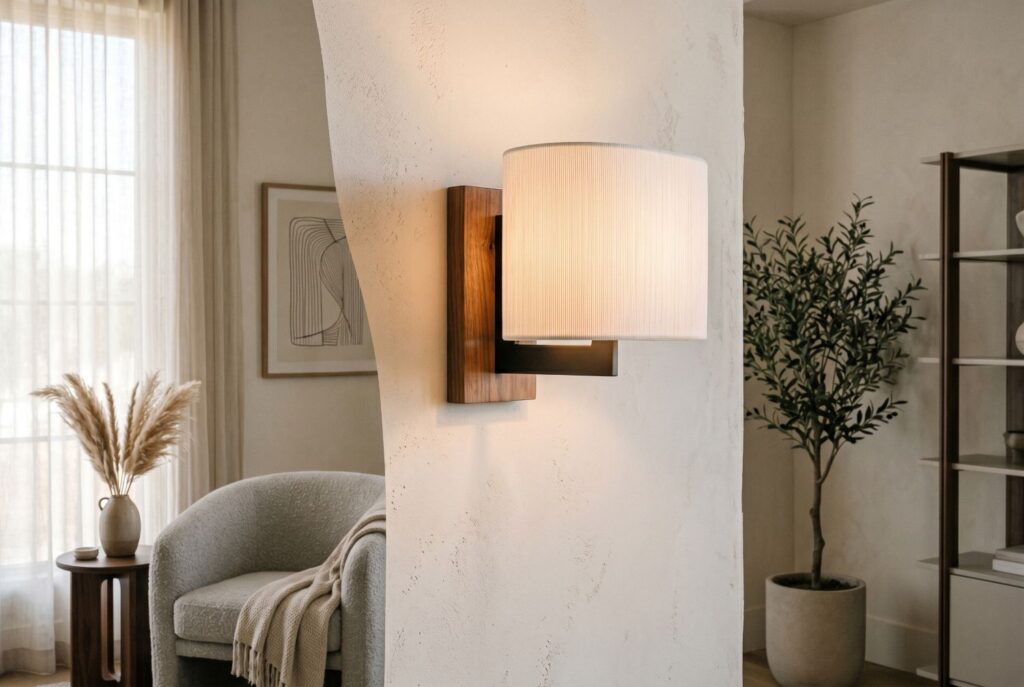
Classic styles, on the other hand, lean toward traditional forms like candle-style sconces or fabric shades. These can still work beautifully, especially in more formal or traditional interiors.
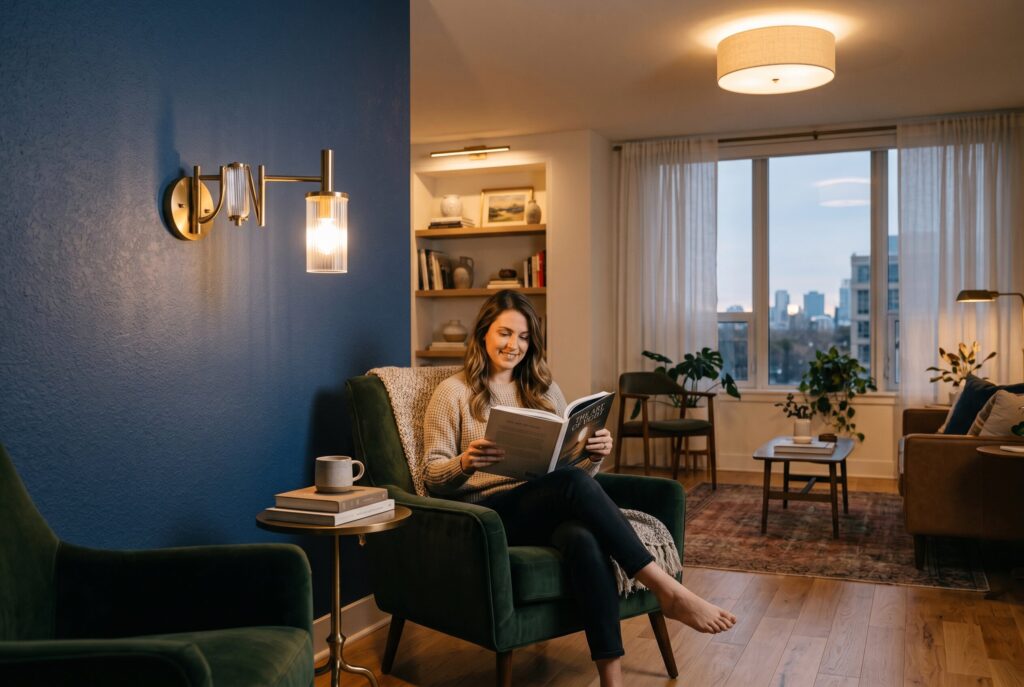
Right now, the biggest trend is mixing functions with the atmosphere. Instead of using sconces purely for decoration, homeowners are using them as part of a layered lighting plan. That means combining ambient glow with practical task lighting while still maintaining a cohesive style.
Conclusion
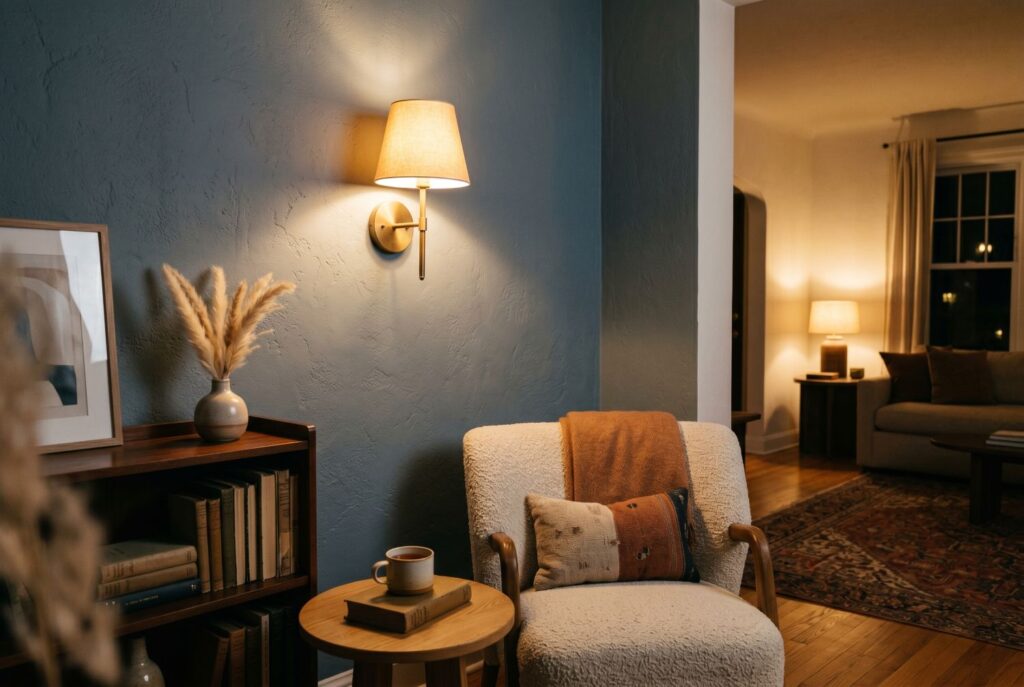
A well-placed wall sconce can completely change how a room feels. It softens harsh light, adds depth, and turns empty walls into design features that actually serve a purpose. The key isn’t just choosing a stylish fixture. It’s understanding placement, function, and how different types of sconces fit your space.
Before buying anything, measure your walls, think about how you use the room, and decide whether a hardwired, plug-in, or battery option fits your needs. Once you get those basics right, wall sconces become one of the easiest ways to elevate your home from basic to thoughtfully designed.
Related Articles
10 Creative Lighting Ideas for Home Interiors That Enhance Mood and Space