

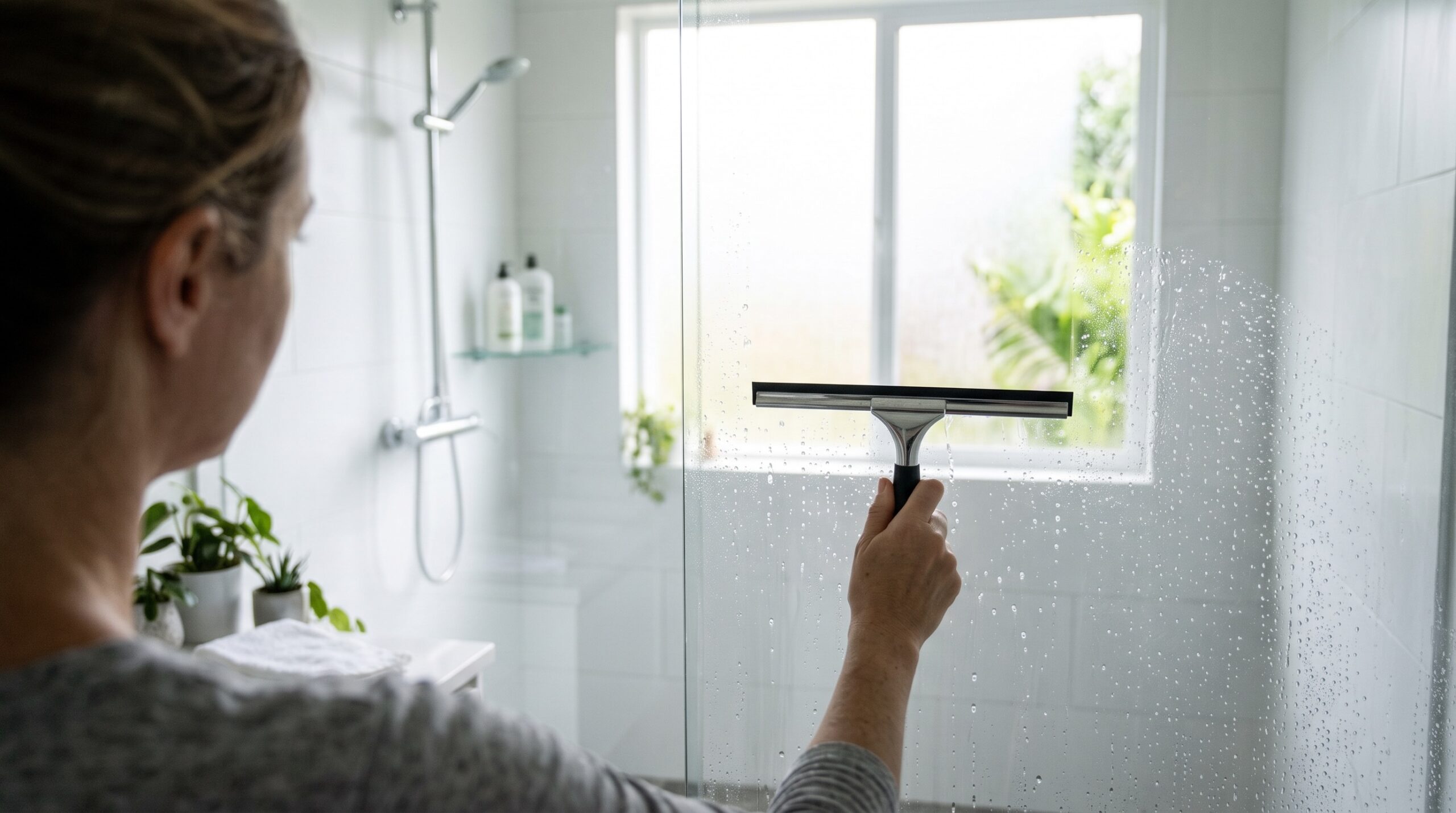
Mold and mildew are two of the most common and persistent problems homeowners face, especially in areas prone to moisture. These fungi can lead to not only aesthetic issues but also health concerns and long-term damage to your property. The good news is, preventing mold and mildew doesn’t have to be a difficult or expensive task. With some regular maintenance and a few proactive strategies, you can safeguard your home from moisture-related damage and keep your environment healthy and comfortable. This guide provides you with practical, real-world tips for preventing mold and mildew from invading your home.
Why Mold and Mildew Are a Problem
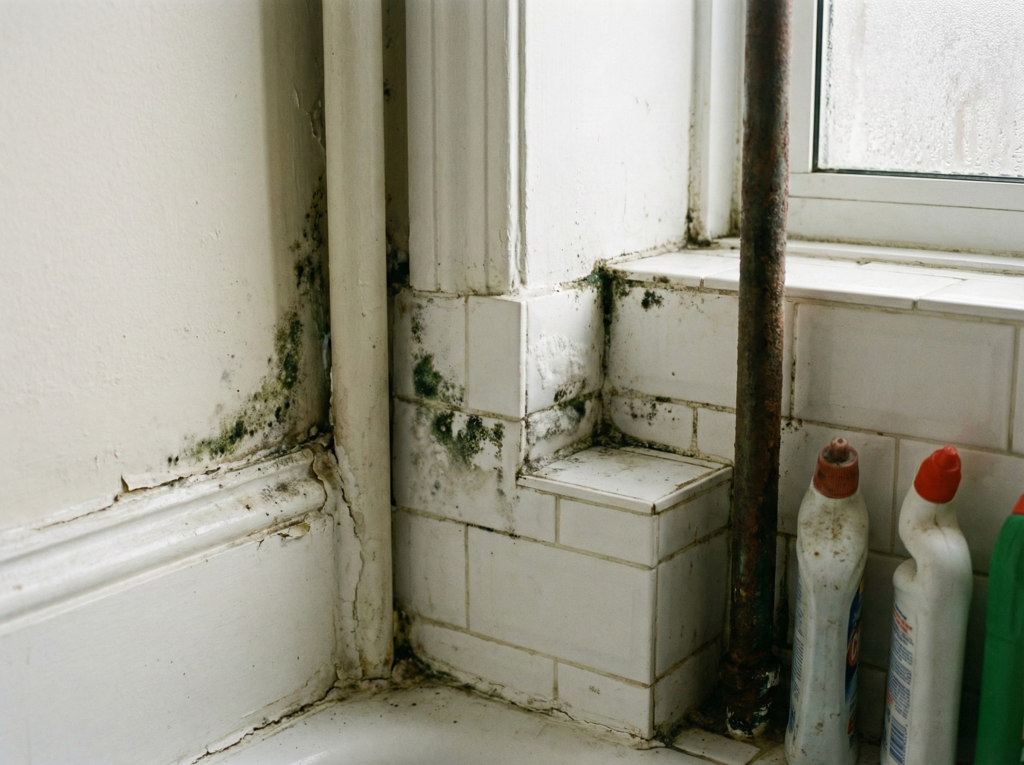
Mold and mildew thrive in damp, warm environments, and the damage they cause can go beyond just unpleasant odors. Mold can lead to structural damage, especially to wood, drywall, and fabric. The growth of these fungi can also trigger allergies, respiratory issues, and other health concerns, particularly in individuals with pre-existing conditions like asthma or weakened immune systems.
When mold or mildew takes root, it can spread quickly, affecting entire rooms or areas, especially if the underlying moisture problem isn’t addressed. Therefore, preventing mold growth at the earliest stages is key to preserving both your home and your health.
1. Control Humidity with Dehumidifiers
One of the primary conditions that encourage mold and mildew growth is excess moisture. To prevent this, you need to control humidity levels in your home. The ideal indoor humidity level is between 30% and 50%. A dehumidifier can help maintain these levels, particularly in rooms like basements, bathrooms, and laundry rooms, where humidity tends to be higher.
Real-Life Tip
If you live in a region with high humidity or frequent rainfall, investing in a whole-home dehumidifier might be a wise decision to control moisture throughout your home, reducing the risk of mold and mildew before it starts.
2. Improve Ventilation in High-Risk Areas

Good airflow is essential for preventing mold and mildew. Bathrooms, kitchens, and basements are especially vulnerable to mold growth due to their higher moisture levels. Ensure these rooms are well-ventilated by installing exhaust fans, opening windows, or using air circulators.
If your bathroom doesn’t have an exhaust fan, consider installing one to help reduce humidity levels after showers. Alternatively, run the fan during and after activities that produce moisture, like cooking or showering. In rooms like basements, you may need to invest in a ventilation system to direct humid air outside.
Make it a habit to open bathroom windows when possible to allow steam to escape. A cheap window fan in the kitchen after cooking can also push moisture out of your home.
3. Clean and Dry Damp Areas Immediately
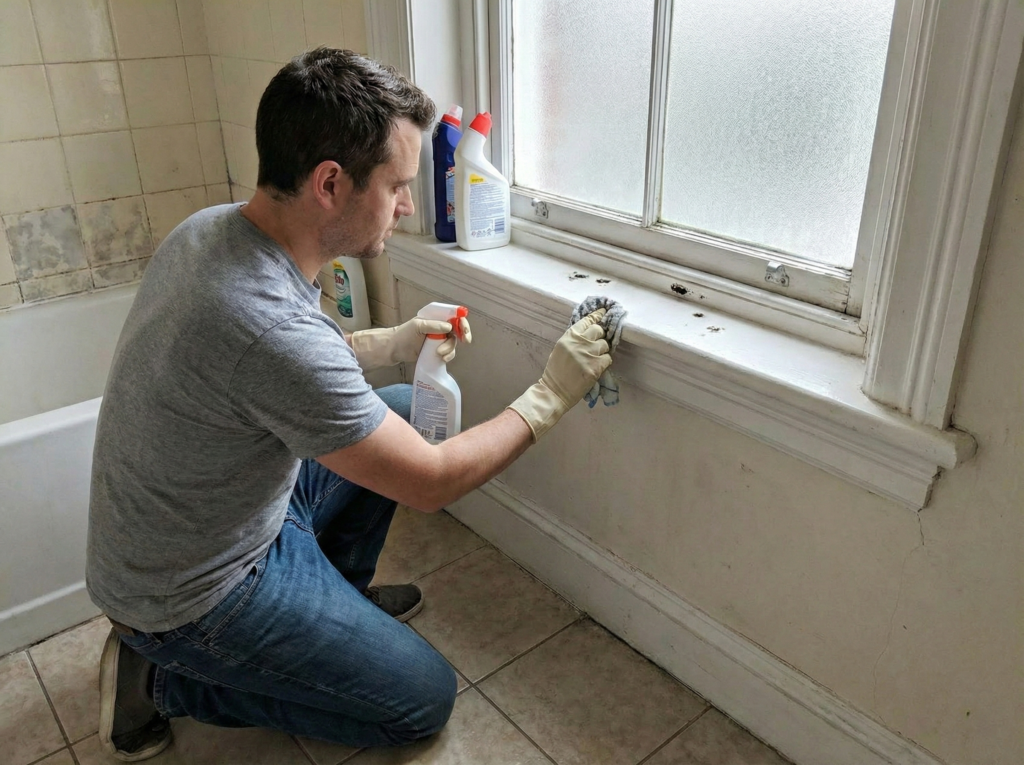
Mold thrives in any moist environment, and a single spill or leak can provide the perfect breeding ground. It’s essential to clean up spills and leaks right away, whether it’s a bathroom puddle or a leak under the kitchen sink. Do not allow moisture to sit, instead dry and clean the affected areas promptly.
How to Prevent It
If you notice moisture building up in corners, under sinks, or near windows, wipe these areas down immediately and make sure they dry completely. Regularly check for leaks around your pipes, sinks, and faucets. For example, if you notice condensation building up around your bathroom window, wipe it down regularly, and keep a small towel in the area to absorb excess moisture.
Real-Life Example
In my home, I noticed moisture accumulating on the windowsills after showers. To prevent mold, I wiped them down right after every use and installed a small towel rack by the window to catch the water.
4. Regularly Check for Leaks and Fix Them Immediately
Leaks from plumbing or the roof are among the most common causes of moisture buildup, which in turn creates the perfect environment for mold and mildew. A small leak left unchecked can lead to significant damage, especially when it goes unnoticed for a long period.
Action Plan
Inspect your plumbing, roofing, and windows regularly for any signs of leaks. Even minor leaks can lead to significant mold problems if left unresolved. If you find a leak, fix it immediately. For larger issues, such as roof leaks, it may be necessary to call a professional for repairs.
Pro Tip
If you live in an older home, consider replacing old, worn-out seals around windows and doors to prevent moisture from entering.
5. Use Mold-Resistant Paints and Sealants
If you’re renovating or painting, consider using mold-resistant paints and sealants in moisture-prone areas like bathrooms, kitchens, and basements. These products provide a protective layer on surfaces, making it harder for mold to take hold.
How to Do It
Choose paints and sealants that specifically advertise mold-resistant properties. These paints are designed to prevent mold growth on walls and ceilings, especially in areas that are regularly exposed to water. When renovating, use mold-resistant drywall and waterproof materials in bathrooms and kitchens to give these high-moisture areas added protection against mold growth.
6. Properly Dry Wet Clothes and Towels
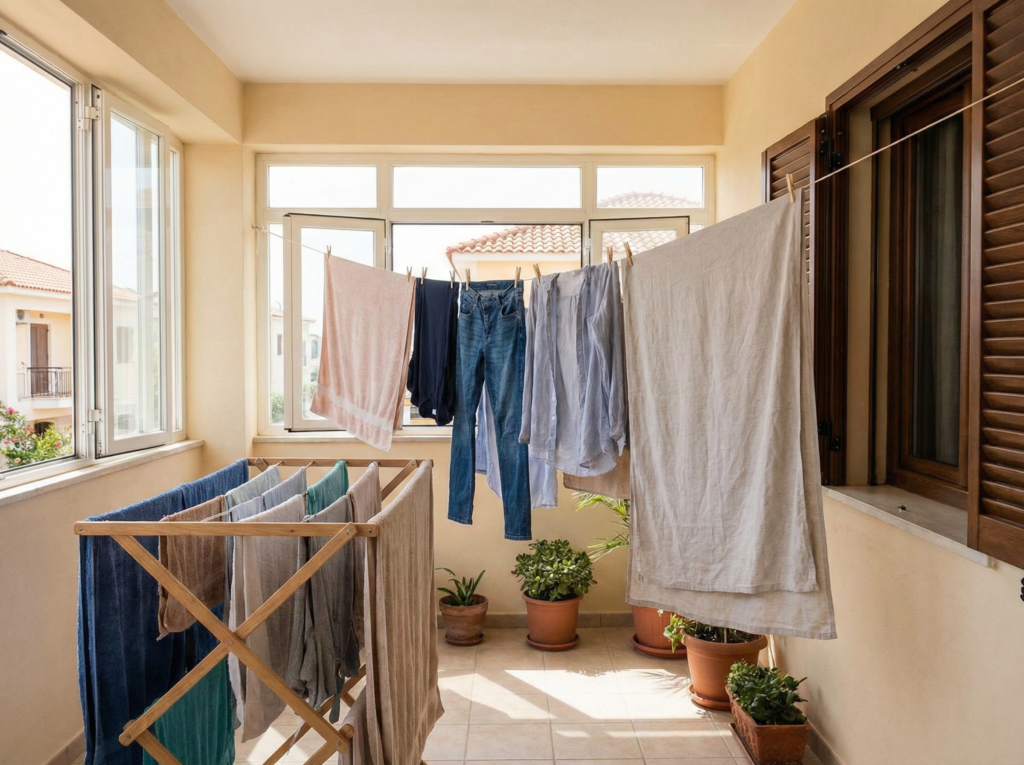
Damp clothes, towels, and linens left lying around can breed mold and mildew quickly, especially in bathrooms or laundry rooms. To avoid this, make sure to dry wet items as soon as possible.
After washing, don’t leave clothes in the washer or dryer for long periods. Hang damp towels and clothes in well-ventilated areas or use a dryer to ensure they dry quickly. Make sure your laundry room is ventilated properly, or use a dehumidifier in the room.
7. Clean and Maintain Your HVAC System
Your HVAC system can be a potential source of mold if not properly maintained. The ducts and filters in your HVAC system can trap moisture and lead to mold growth if not cleaned regularly. Clean or replace filters as recommended by the manufacturer, and schedule annual professional HVAC inspections.
If you live in a particularly humid climate, consider installing a dehumidifier in the HVAC system to help keep moisture levels in check. Regularly cleaning the system will help prevent mold from circulating throughout your home.
8. Use Air Purifiers with HEPA Filters
Air purifiers can help reduce mold spores and allergens in the air, especially if you live in a humid environment. Choose an air purifier with a HEPA filter to trap airborne mold spores and prevent them from spreading throughout your home.
Place air purifiers in rooms prone to moisture, such as basements, bathrooms, or kitchens. These purifiers will help remove mold spores, dust, and allergens from the air, improving the overall air quality in your home.
Pro Tip
Smart air purifiers are a great option, as they can automatically adjust their settings based on air quality and humidity levels.
9. Keep Gutters Clean and Water Flowing Away from the House
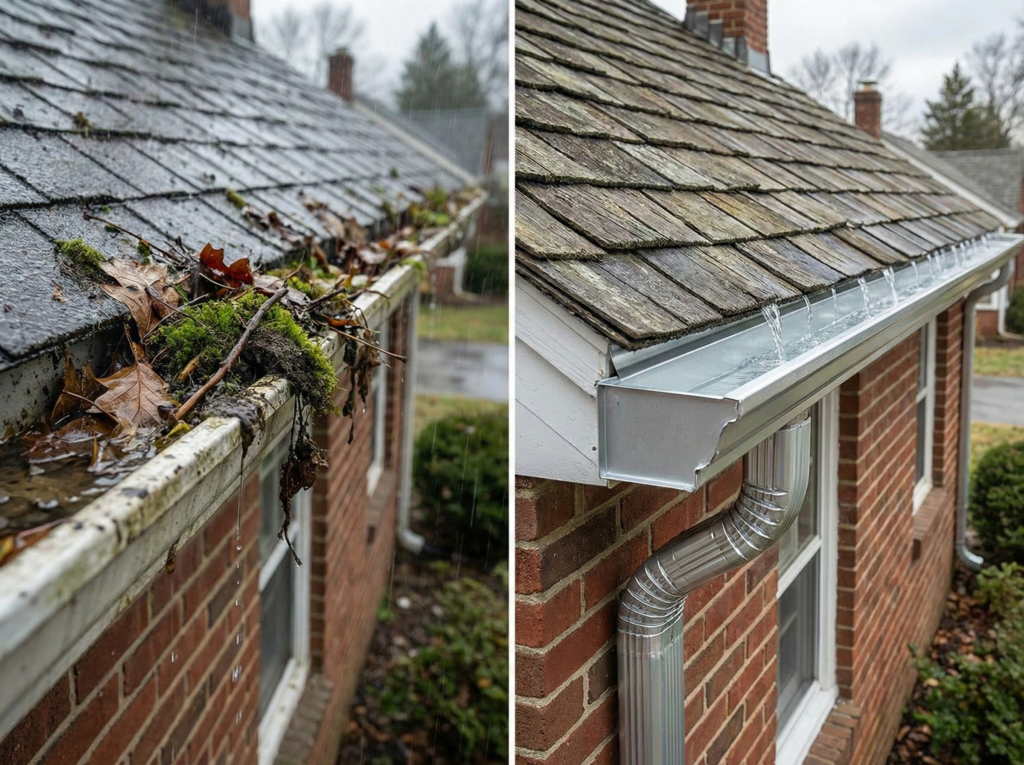
Clogged gutters can prevent water from draining properly, leading to water damage around your home’s foundation. Overflowing water can seep into your home’s structure, promoting mold and mildew growth in the walls and basement.
Clean your gutters at least twice a year to remove leaves and debris. Make sure water is flowing away from the house by checking that the downspouts direct water well away from the foundation.
10. Use Moisture Barriers in High-Risk Areas
If you have a crawl space or basement, consider installing moisture barriers to prevent mold from taking root in these naturally damp areas. A moisture barrier, often made of plastic sheeting or other materials, prevents ground moisture from seeping into your living spaces.
Install a vapor barrier on the floor and walls of your basement or crawl space. You can also install a sump pump in basements to help manage groundwater and prevent water from collecting around the foundation.
Conclusion

Mold and mildew are common household issues, but they don’t have to be a constant concern. By implementing these 10 practical steps to prevent mold and mildew growth, you can protect your home, improve air quality, and save money on expensive repairs. Regular maintenance, proper moisture control, and the use of mold-resistant materials are key to keeping your living spaces safe and healthy. Protect your home from moisture damage today, and enjoy a cleaner, healthier environment for years to come.