

By the time homeowners start asking what happens if you don’t clean your gutters, they may already notice signs of water damage. A clogged gutter forces roof runoff directly into the wood, walls, and foundation it was built to protect, causing damage that compounds every season it goes unchecked. Knowing the real risks, and how fast they arrive, is what turns an easy chore into an easy decision.
A quick note before the list: the repair-cost, insurance, and rental details below are general information, not legal or financial advice, and they vary by your policy, your lease, and your state.
What Happens If You Don’t Clean Your Gutters? (8 Risks)
Gutters have one job: to carry roof runoff away from the house. When they clog, water spills over the edges instead of draining safely away. That single failure leads directly to every risk listed below.
Water Damage to Fascia, Soffits, and Siding
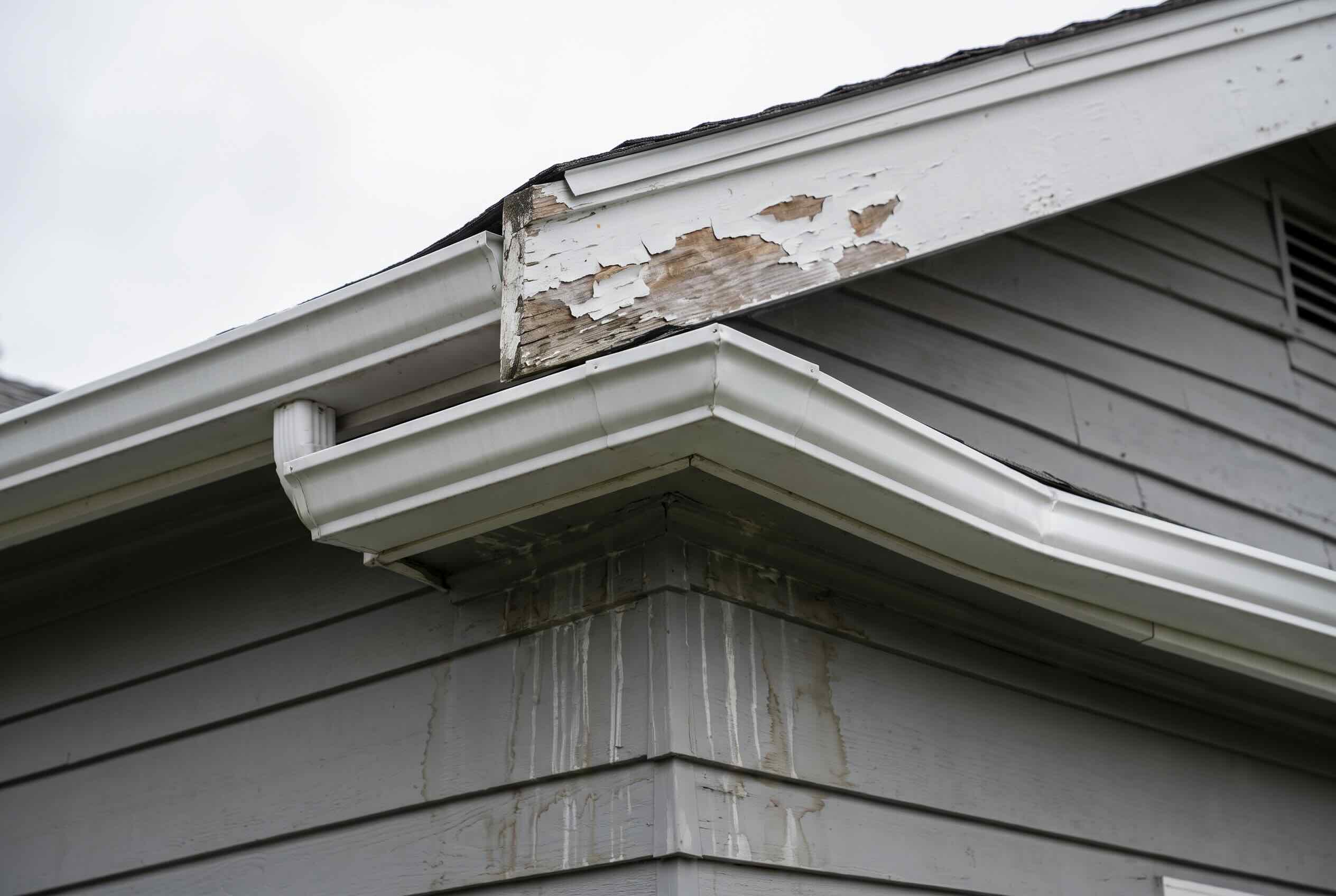
The first thing to suffer is the wood closest to the gutter. When water overflows the back edge, it soaks the fascia board the gutter hangs from and the soffit tucked under the eave, and that steady wetness rots them out over a season or two. From there it runs down the siding, staining it, warping panels, and lifting paint. This is usually the earliest visible damage, and catching it here costs a fraction of what it does once it spreads. A fascia board that feels soft when you press it, or paint that keeps peeling under one stretch of gutter, is the cue to look closer.
Foundation Cracks and Basement Flooding
Gutters exist mostly to keep water away from the foundation, so a clog defeats their main purpose. The overflow dumps a concentrated sheet of water at the base of the house, where it pools against the foundation, saturates the soil, and works into any crack it finds. In freezing weather that trapped water expands and widens the cracks, and in a heavy storm it can seep through into the basement or crawl space. Foundation repair is among the costliest fixes a house can need, which is what makes this risk the one to take seriously. Because most of it happens below grade and out of sight, it tends to go unnoticed until a wall cracks or the basement takes on water after a storm.
Roof Rot, Leaks, and Shingle Damage
When a clogged gutter backs up, it forces water directly under the roof edge. It wicks beneath the shingles and into the roof deck and rafters, rotting the wood and eventually showing up as a stain on a ceiling inside. Standing debris also holds moisture against the shingles and shortens their life. A roof leak that began as a clogged gutter is a common repair, and an avoidable one. Trapped moisture in the deck also feeds rot and mold that a roofer cannot spot from the shingles above, so the problem is often larger than the stain suggests.
Pest and Mosquito Infestations
A gutter packed with wet leaves is a ready-made habitat. Standing water breeds mosquitoes in about a week, while the damp debris draws carpenter ants, termites, and rodents looking to nest close to the roofline. Birds and squirrels settle into the mess too. Once pests reach the soft, rotting fascia, they have found their way into the house itself. Furthermore, wasps and hornets often claim the remaining dry pockets, turning a neglected gutter into a dangerous stinging hazard.
Landscape and Soil Erosion
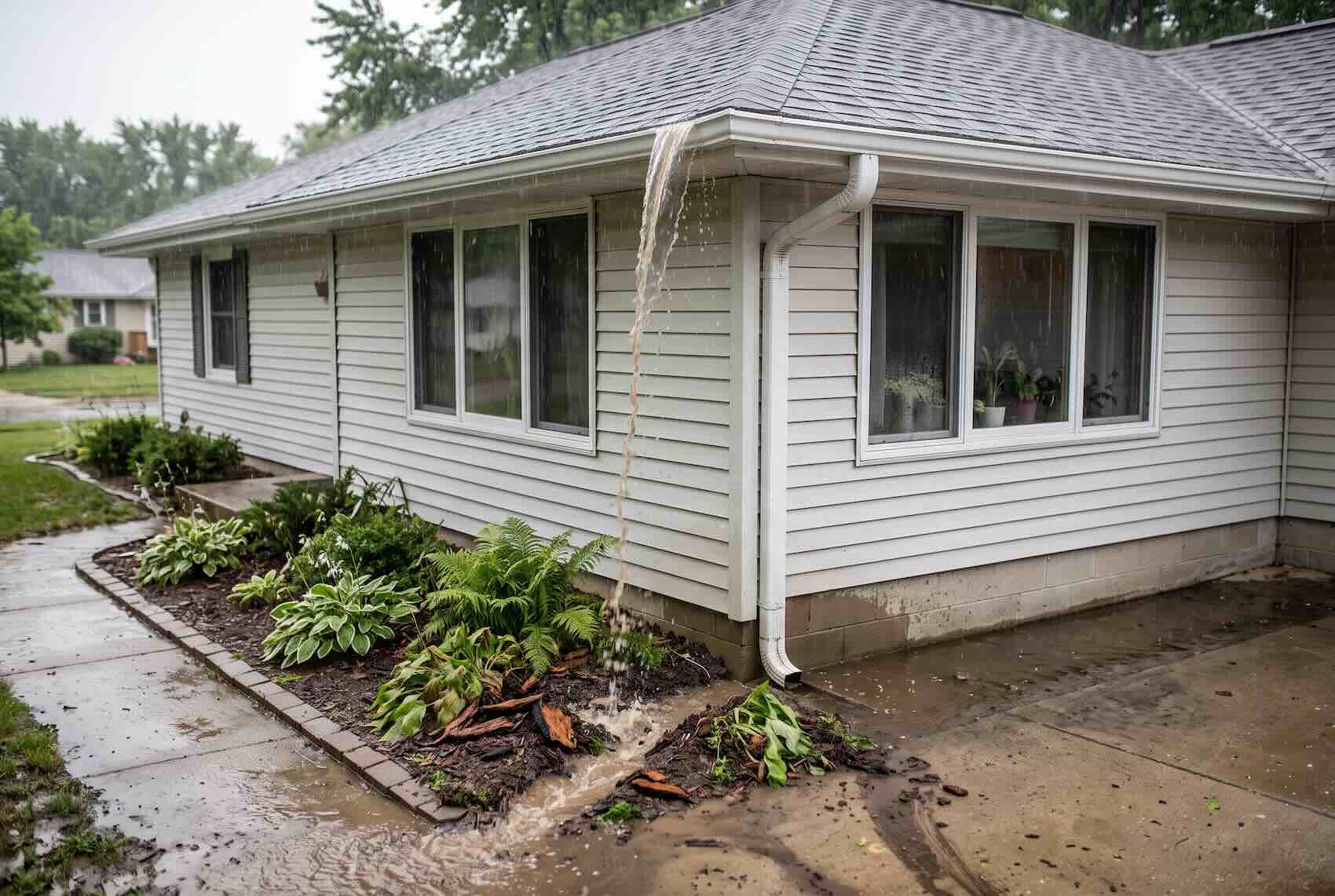
All the water a gutter should be routing to a safe spot instead pours off in a curtain wherever it overflows. That runoff digs trenches in flower beds, drowns plants, washes away mulch and topsoil, and over time carves channels that steer even more water back toward the foundation. A garden that keeps washing out below one stretch of roofline is often a gutter problem wearing a plant disguise. On a slope, that steered runoff can undermine a walkway, patio, or retaining wall over a few seasons, which is a far larger bill than a lost flower bed.
Sagging or Collapsing Gutters
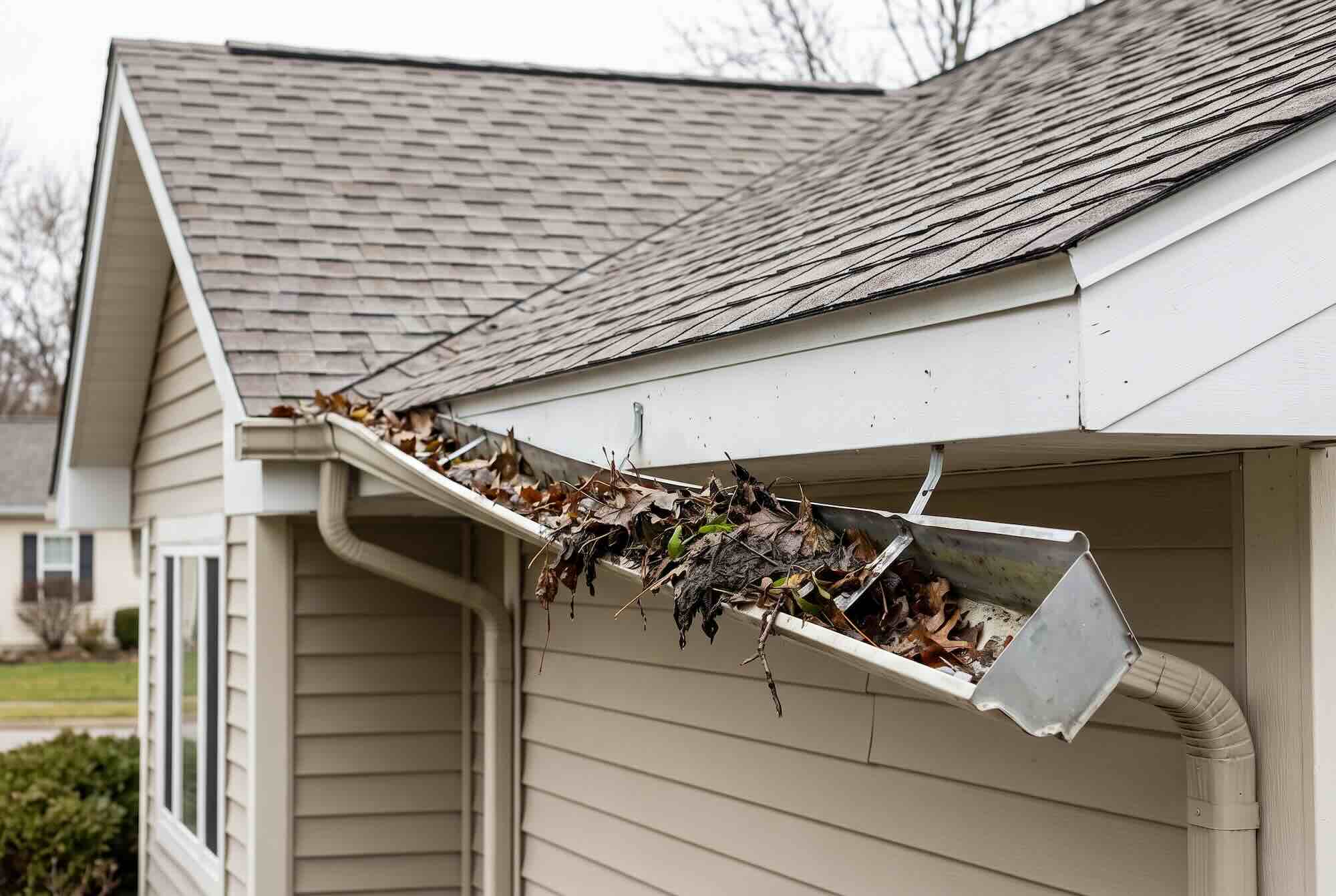
Debris is heavy, and it gets heavier once it soaks up rain. A full gutter can carry a heavy load of wet leaves and standing water. That weight pulls the hangers loose from the fascia, until the run sags, tilts the wrong way, or tears off the house. Once a gutter pulls away it drains right where you least want it, against the wall, so you end up buying new gutters on top of paying for the water damage. Addressing the problem while the gutter is only beginning to sag may help avoid a full replacement.
Ice Dams in Winter
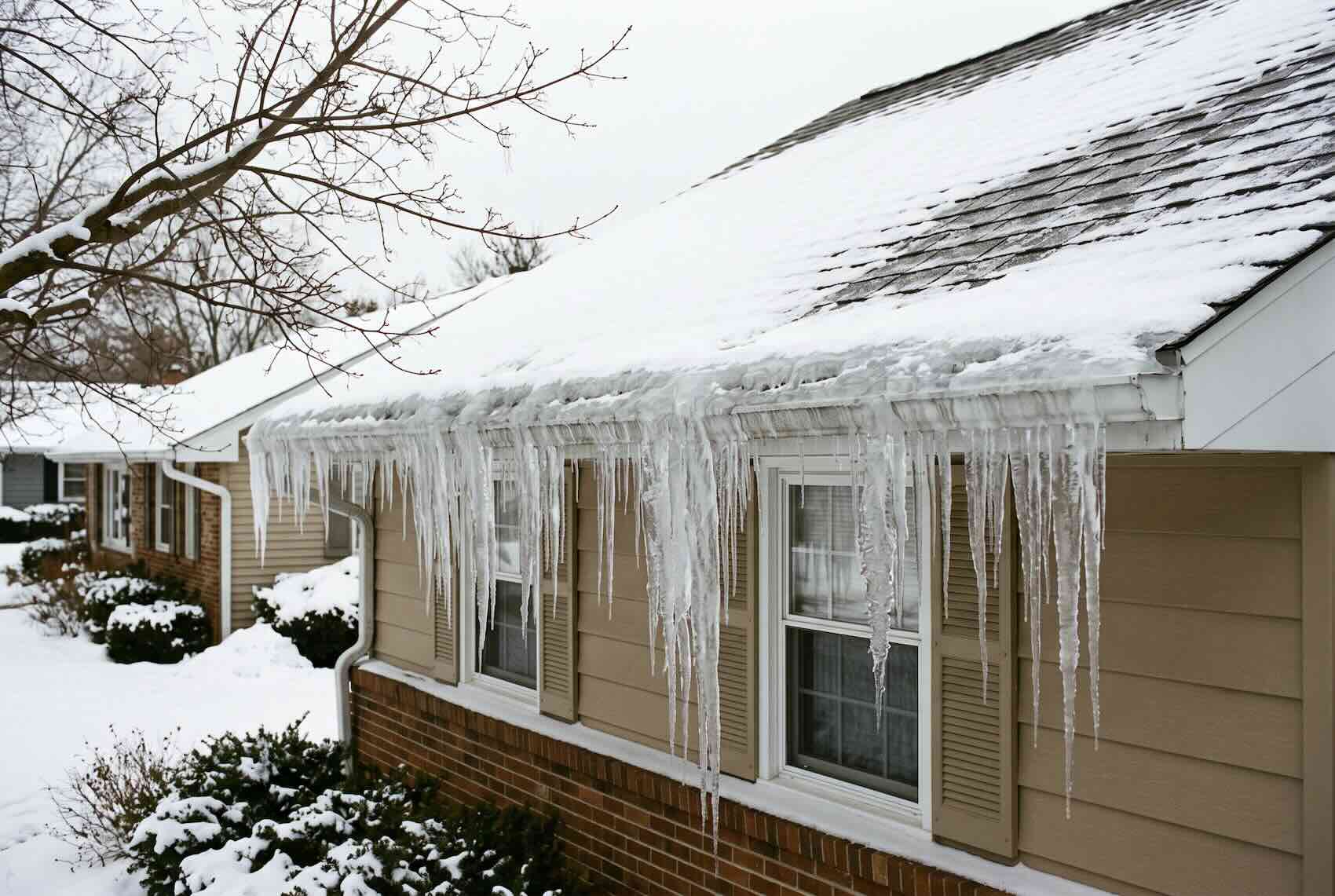
In cold climates, a clogged gutter quickly escalates into a destructive ice dam. Because debris traps standing water in the trough, it freezes solid at the roof edge and creates a barrier that stops melting snow from draining off. The backed-up melt then finds its way under the shingles and into the house. Homes with poor attic insulation see the worst of it, since heat escaping through the roof melts the snow that then refreezes at the cold eave. Clearing the blockage before winter is the real fix, and if a dam has already formed, how to clear ice from gutters covers doing it safely.
>>> Read more: How to Clean Gutters With a Pressure Washer: Safe and Fast Methods
Mold and Interior Water Damage
The exterior water damage caused by overflowing gutters inevitably breaches the inside of your home. Water that reaches the walls, ceilings, and basement brings damp, and mold takes hold in it within a day or two. It spreads behind drywall and insulation, where you cannot see it. Beyond the repair bill, that is a health matter, since mold spores aggravate allergies and asthma. By the time a stain appears on the ceiling, the growth behind it has usually been building for a while.
How Fast It Happens and How to Spot It
The damage does not arrive all at once, and knowing the timeline helps you judge how urgent your own gutters are.
How Fast These Problems Develop
The full arc of what happens if you don’t clean your gutters unfolds on a fairly predictable timeline, shifted faster or slower by your climate:
- Within one wet season: overflow at the edges, stained siding, and the first soft spots in the fascia.
- Over a year: the water reaches the roof deck, the foundation soil stays saturated, and pests settle in.
- After several years: the damage compounds into rotted framing, foundation cracks, and interior mold, the repairs that dwarf what a cleaning would have cost.
Each stage opens the door to the next. Wood that has already softened soaks up more water, and a foundation crack that has started widens faster than it began. The longer the gap, the steeper that curve gets.
Signs Your Gutters Are Already Clogged
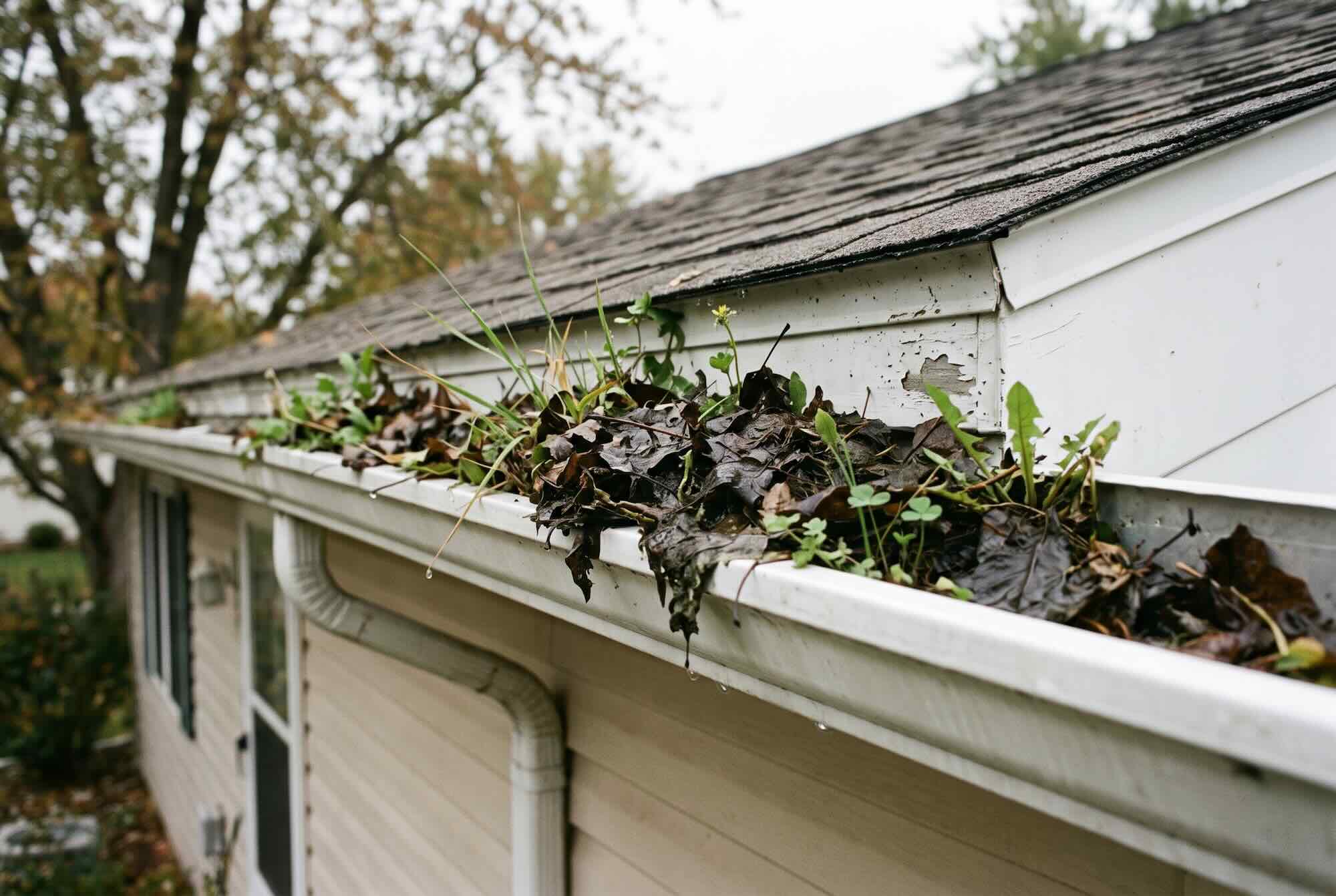
You do not need to climb up to know a gutter is backing up. You can spot a clog from the ground by watching for these tell-tale signs:
- Water sheeting over the edge during rain instead of running to the downspout.
- Plants or weeds sprouting from the trough, which means soil has collected in it.
- Gutters that visibly sag, tilt, or pull away from the fascia.
- Stains or streaks down the siding and peeling paint on the fascia board.
- Pooling water, eroded beds, or a damp smell at the base of the house.
- Birds, insects, or nests around the eaves, which mean the debris has sat a while.
FAQ
How often should you clean your gutters?
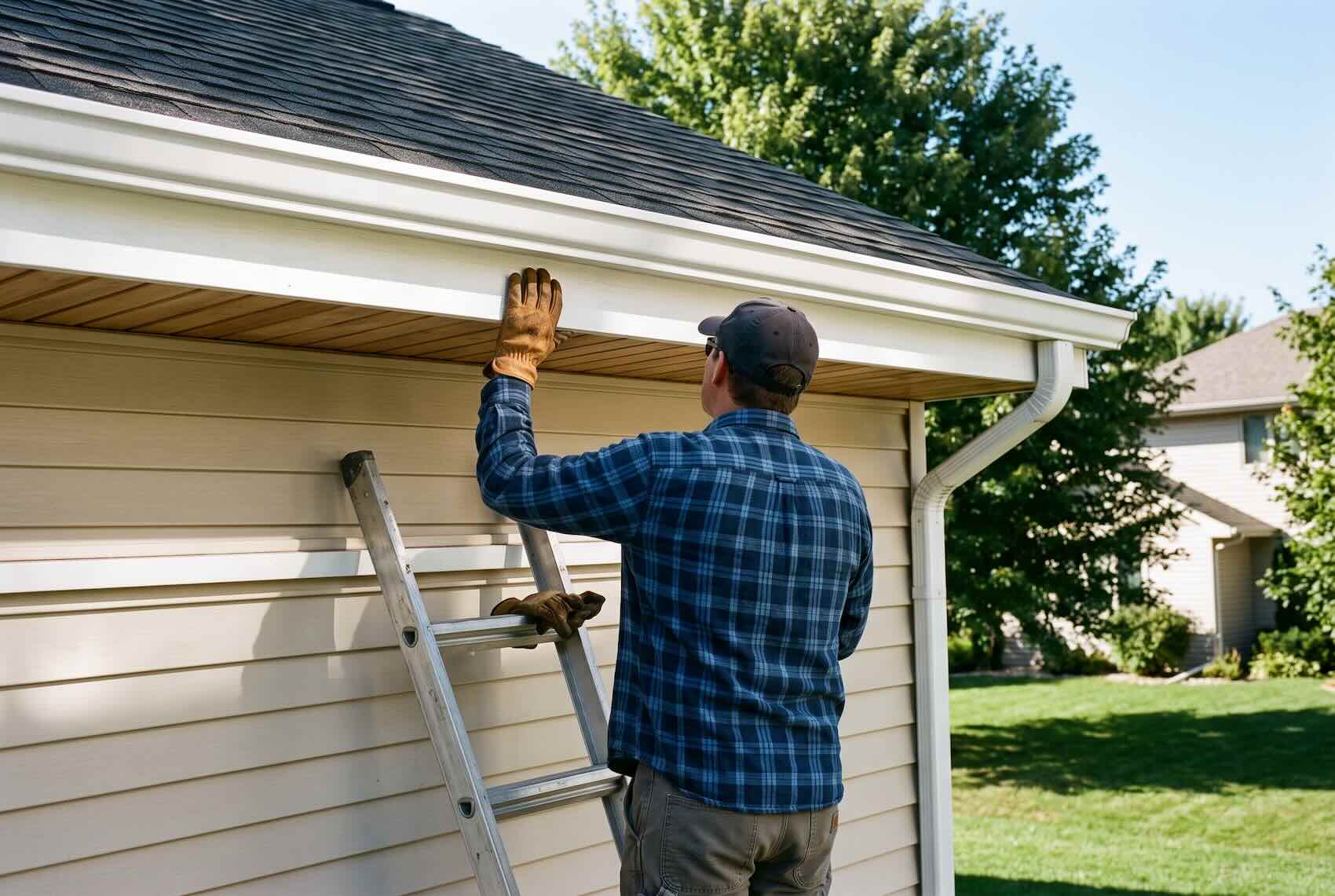
Twice a year is the usual standard, once in late spring and again in fall after the leaves drop. Homes surrounded by pine, oak, or other heavy shedders may need three or four passes a year, while a home with few trees can sometimes stretch to a single cleaning. Add a check after any major storm, since a single big blow can drop enough leaves to clog a gutter that had been running clear only the week before.
How much does gutter damage cost to repair?
While routine cleaning or minor gutter repairs are relatively inexpensive, the secondary damage caused by clogs is not. Fixing rotted fascia, roof leaks, foundation cracks, or mold can easily cost thousands of dollars. This massive price difference is exactly why regular maintenance is essential.
Is it too late if my gutters haven’t been cleaned in years?
No, but you need to act fast. Clean the system immediately to restore drainage, then inspect your fascia, ceilings, and foundation for water damage. If you find water stains or soft wood, call a professional. Catching these issues before they become major structural failures is exactly why regular maintenance is necessary.
Can dirty gutters affect my home insurance claim?
They can. Home insurance generally covers sudden, accidental damage but not damage from neglected maintenance, and an insurer may deny a water-damage claim if clogged gutters are judged to be the cause. Keeping gutters clean and holding on to dated records of the work helps your case. This is general information rather than a coverage promise, so read your own policy and talk to your insurer, since terms vary.
Who’s responsible for gutter cleaning in a rental?
It depends on the lease and local law. For a single-family rental the landlord is usually responsible for exterior upkeep like gutters, though some leases pass routine maintenance to the tenant. Read your lease closely, and report any clogged gutters to the landlord in writing so the responsibility is documented if damage follows. This is general information, not legal advice, and the rules vary by state and by lease.
Conclusion
Ignoring a clogged gutter might save you a few hours this weekend, but the resulting rot, pest infestations, and foundation cracks will eventually cost thousands. The harsh reality of what happens if you don’t clean your gutters proves that a quick seasonal sweep is the most effective insurance policy your house has. Don’t wait for a leak to remind you to do the work. Make clearing the debris a non-negotiable habit, and bookmark Home Tips Daily for more no-nonsense guides to keeping your home in top shape.