

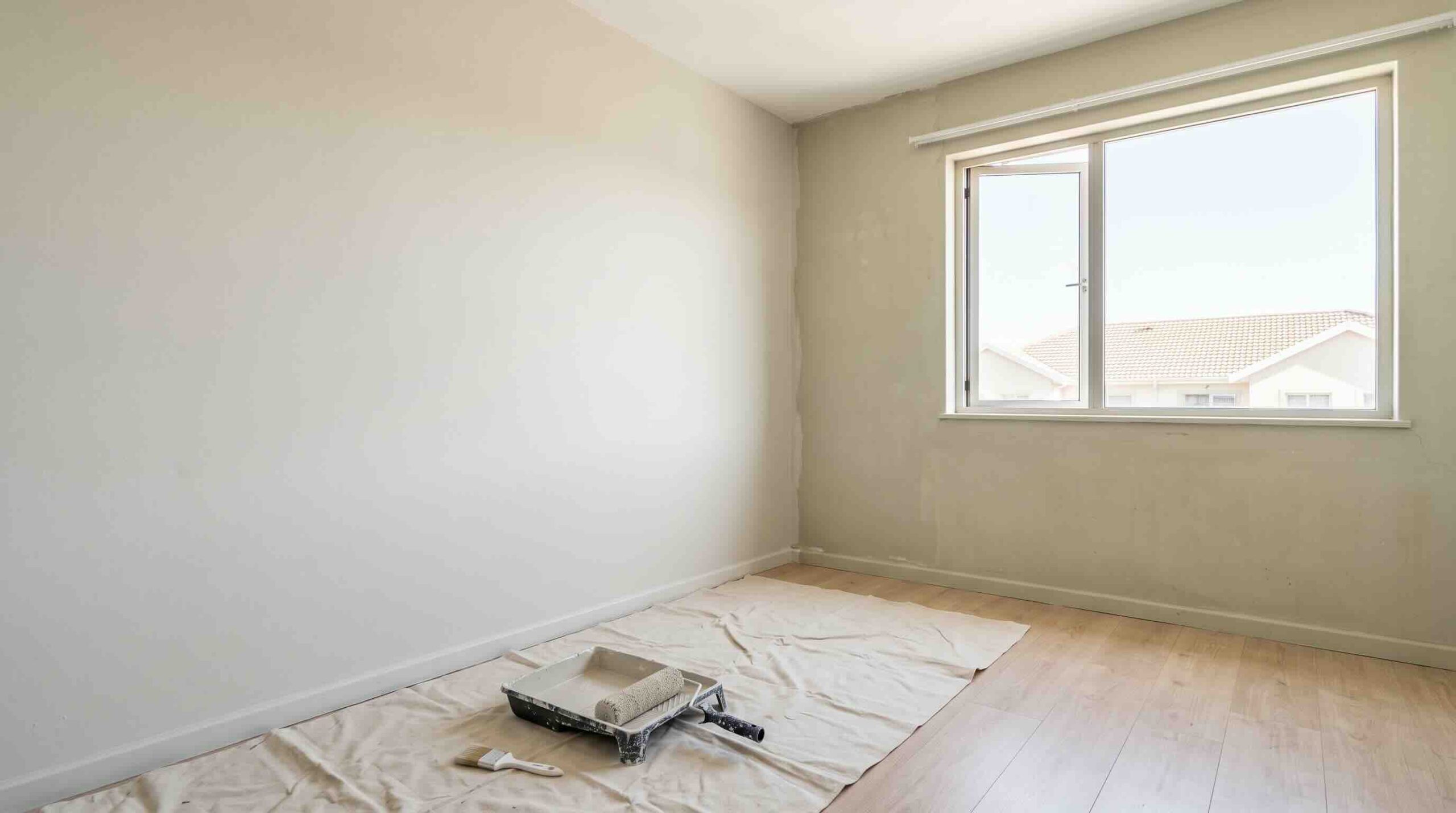
When asking how often do landlords have to paint, the honest answer for most of the country is rarely on any fixed schedule. The law ties repainting obligations directly to habitability rather than the calendar. A handful of cities set a specific clock. Everywhere else, a landlord only has to repaint when conditions like peeling lead paint or moisture damage make a unit unsafe. Even with this loose legal standard, property owners typically repaint every three to five years because paint wears out and a vacant unit rents faster with fresh walls.
General information, not legal advice. Repaint rules vary by state and city, so always confirm local regulations.
How Often Do Landlords Have to Paint Legally?
Legally, the answer is “almost never on a schedule”: no federal rule and, in most states, no statute sets a repaint interval. The real lever is the implied warranty of habitability that nearly every U.S. lease carries: the landlord’s duty to keep a unit safe and sanitary. Courts fold paint into that promise only when its condition threatens health or safety, not when it simply looks dated, which is why a tenant can rarely demand a repaint over tired walls but can when the paint itself becomes a hazard. Those hazards fall into three main situations.
Lead Paint (Pre-1978 Buildings)
Federal law requires landlords to disclose known lead paint to tenants in homes built before 1978. The government banned lead-based paint for residential use that year. Many local codes also require owners to repair deteriorating lead surfaces a child could reach. The duty here centers on disclosure and hazard repair, not a blanket requirement to repaint the whole unit.
Mold, Moisture, and Water Damage
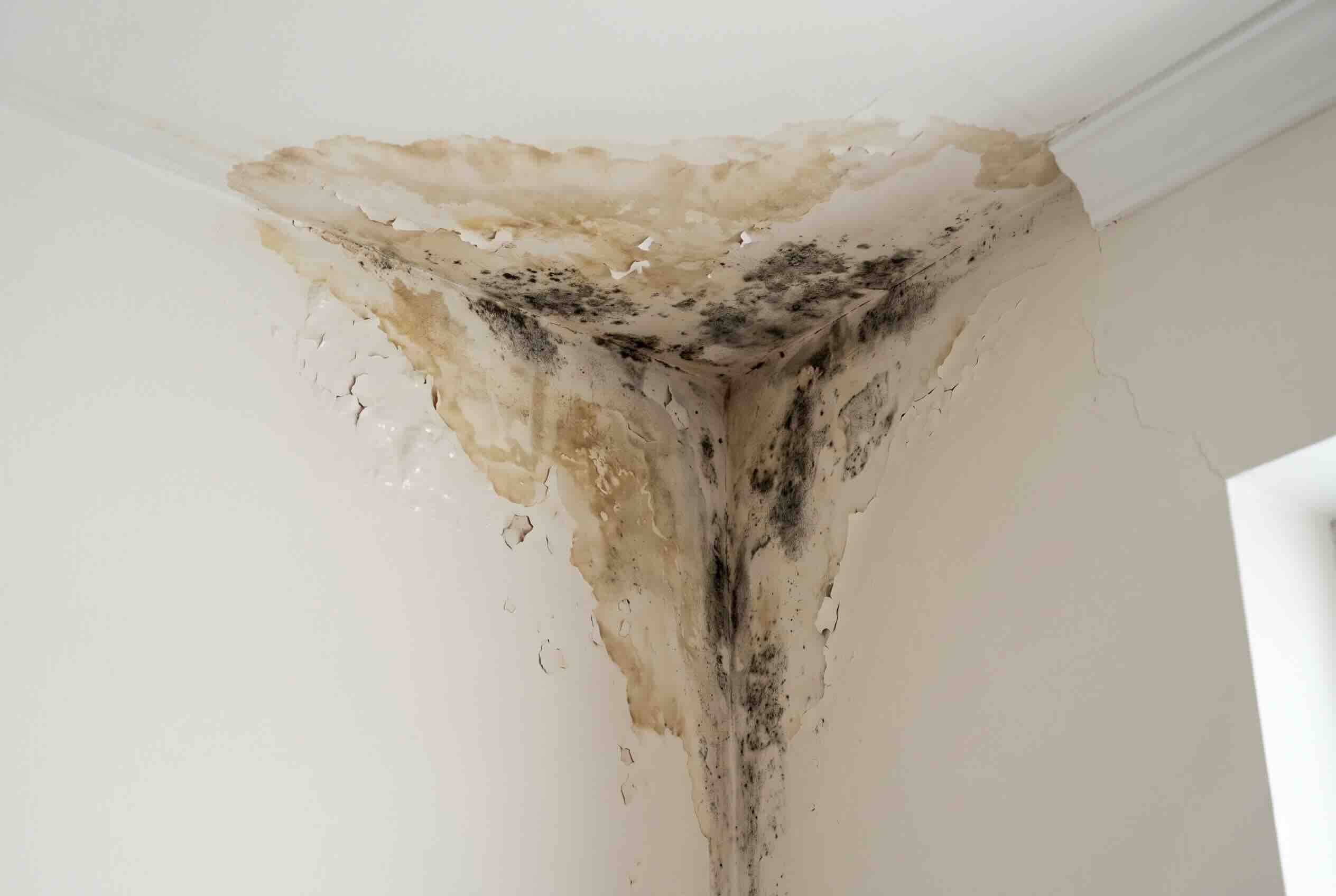
Repainting becomes part of a required repair when a leak, flood, or ongoing dampness leaves walls stained, bubbling, or growing mold. The trigger is the underlying condition that affects habitability, not the paint itself. A landlord generally has to fix the source, remediate the damage, and then repaint the affected area to restore the surface.
>>> See more: Can a Landlord Charge for Carpet Cleaning? Know Your Rights
Peeling or Deteriorating Paint That Affects Habitability
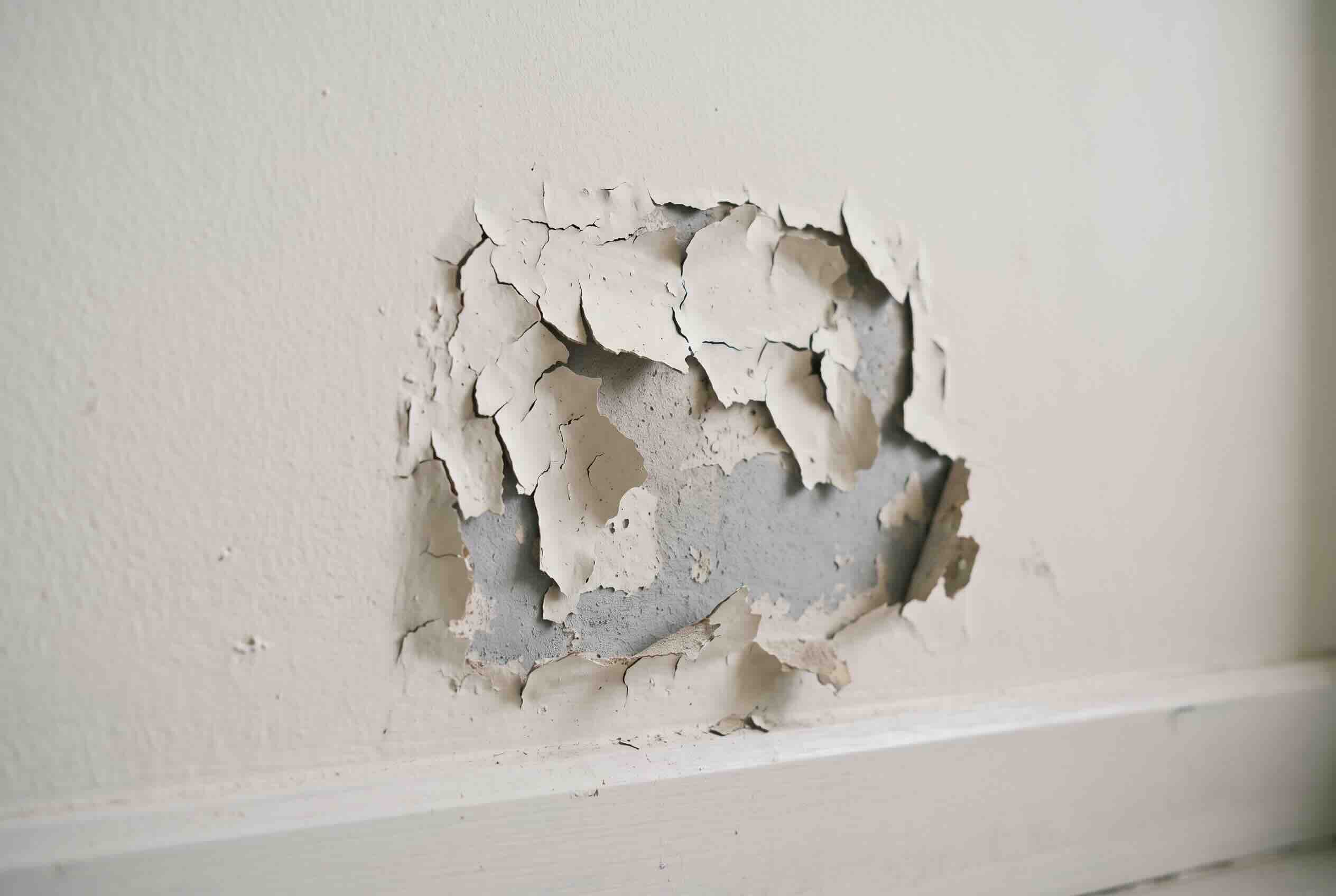
Paint that is badly peeling, flaking, or chipping can violate housing codes on its own. This becomes an issue when it creates a hazard or exposes older lead layers underneath. Many local housing authorities treat paint in poor condition as a habitability defect the landlord must correct. Cosmetic fading or a handful of minor scuffs rarely rises to that level.
State and Local Laws on Repainting
A few places set a real interval for repainting, while most jurisdictions leave it to the habitability standard. When wondering how often do landlords have to paint in regulated areas, looking at city-specific ordinances provides the answer. The table below shows some well-known examples, though local rules frequently change.
| Location | Repaint requirement |
| New York City | Roughly every 3 years in multi-unit rentals. Per the NYC Housing Maintenance Code, owners must repaint or recover interior walls every three years. |
| West Hollywood, CA | Roughly every 4 years. The local Rent Stabilization Ordinance dictates painting the unit once every four years. |
| California (statewide) | No fixed schedule; habitability standard applies. |
| Most other states | No fixed schedule; habitability standard applies. |
Because these ordinances vary and undergo updates, you should confirm the current rule with your city or county housing authority before relying on it.
How Often Should Landlords Paint? (Best Practice)
Most property owners follow a practical standard of repainting interior walls every three to five years. High-traffic units, busy hallways, homes with kids, or frequent turnover often need fresh paint every two to three years. A few factors move that window in either direction.
Paint quality and proper wall prep stretch a job’s lifespan. Heavy foot traffic, high humidity, and quick tenant turnover shorten it. If a unit is thoroughly prepped and coated with high-quality, durable paint, the walls can easily maintain a clean appearance well beyond the five-year mark. On the other hand, if a landlord rushes the job using cheap materials in a busy apartment, that paint might start looking heavily worn in less than three years. Landlords who plan repaints around turnover tend to spend less over time than those who wait for complaints.
Can a Landlord Charge You for Painting or Deduct It From the Deposit?
A routine repaint is part of a landlord’s normal cost of doing business, so they generally cannot bill you for it or pull it from your deposit. This holds true especially once the old paint has passed its useful life. They can charge for anything beyond ordinary wear and tear. Examples include walls painted an unapproved color, deep gouges, crayon or marker stains, or holes that need patching before a fresh coat goes on. The dividing line is the same one governing every deposit deduction: aging is the owner’s responsibility, while tenant-caused damage is not.
What Tenants Can Do If a Rental Needs Painting

A clear paper trail is what moves a landlord to act if your unit’s paint has crossed from worn into a genuine problem. Work through these steps in order.
- Document the problem with dated photos. Capture the peeling, mold, or water damage up close and in context, using timestamps. This creates a record of the condition and when it appeared.
- Put the request in writing. Email or message your landlord describing the issue and asking for a repair. A written request carries more weight than a phone call you cannot prove later.
- Check your lease and local code. Confirm whether your lease addresses repainting. Check whether your city sets a repaint schedule or a habitability standard you can point to.
- Give a reasonable time to respond. Allow a fair window to fix a habitability issue before escalating. Keep copies of every message you send along the way.
- Escalate to the housing authority. File a complaint with your local housing or code-enforcement office if the paint is a health or safety hazard and the landlord ignores it.
How Much Does It Cost to Repaint a Rental?
Cost usually settles the question for anyone weighing whether to handle painting themselves. Professional interior apartment painting averages $2 to $6 per square foot depending on paint quality and project scope. Hiring a painter by the hour typically falls in the $25 to $75 range.
Instead of billing by the hour, many professional painters prefer to quote a single, flat rate for the entire project. Alternatively, taking the DIY route allows you to eliminate those expensive labor costs entirely, though you will need to invest your own time and cover the out-of-pocket expenses for the paint and necessary supplies.
FAQ
Can a landlord make a tenant repaint before moving out?
Usually only if you painted without permission or damaged the walls. A landlord can require you to restore an unapproved color or repair damage. They cannot make you repaint over the ordinary wear they would have refreshed anyway.
Can I paint my rental apartment myself?
Only with the landlord’s written permission. Most leases prohibit painting without approval. Doing it anyway can cost you part of your deposit if the landlord has to repaint back to a neutral color.
Does a landlord have to remove lead paint or just disclose it?
Federal law requires disclosure of known lead paint in pre-1978 units, not automatic removal. Landlords do have to repair deteriorating lead surfaces that pose a hazard, especially in homes where children live.
How long should a professional paint job last in a rental?
A quality interior job generally holds up for five to seven years. It sometimes lasts longer in low-traffic rooms. Cheaper paint or skipped prep can cut that down to two or three years.
Can a landlord raise the rent after repainting?
In most cases yes, subject to your lease and any local rent-control limits. A fresh coat on its own is not a separate charge, but it can factor into a renewal increase where rent is not capped.
Conclusion
The calendar rarely decides when fresh paint goes up. Habitability laws do the heavy lifting, with a practical three-to-five-year rhythm filling the gap. Knowing how often do landlords have to paint helps tenants watch for conditions that force a repaint and document them early. It also helps landlords paint on a sensible cycle and understand which costs land on whom at move-out. Whichever side of the lease you are on, Home Tips Daily has more guides on rental repairs, deposits, and keeping a place in rentable shape.