

A crawl space provides a quiet, hidden entryway for mice, often going unnoticed until you hear scratching overhead. For how to keep mice out of crawl space, you must follow a strict order: seal the entry points first, then eliminate what attracts them. (Note: Large infestations or heavy droppings pose severe health risks and often require professional cleanup).
Why Mice Get Into Crawl Spaces
A crawl space provides everything a mouse needs in one location. The dark, damp, and quiet environment is perfect for a nest. Overhead insulation offers soft material to shred and burrow into. Meanwhile, the surrounding foundation vents, cracks, and pipe openings provide easy entryways. Once inside, mice use these same utility gaps to climb directly into your living spaces. The core strategy to stop them is simple: physically block the exterior entrances, then eliminate their reasons to stay.
How to Keep Mice Out of Crawl Space Step by Step
Sealing comes before anything else, since a clean, dry crawl space still lets mice in while the gaps are open. These are the core steps in how to keep mice out of crawl space, in the order that works best.
1. Inspect for Entry Points and Signs of Mice
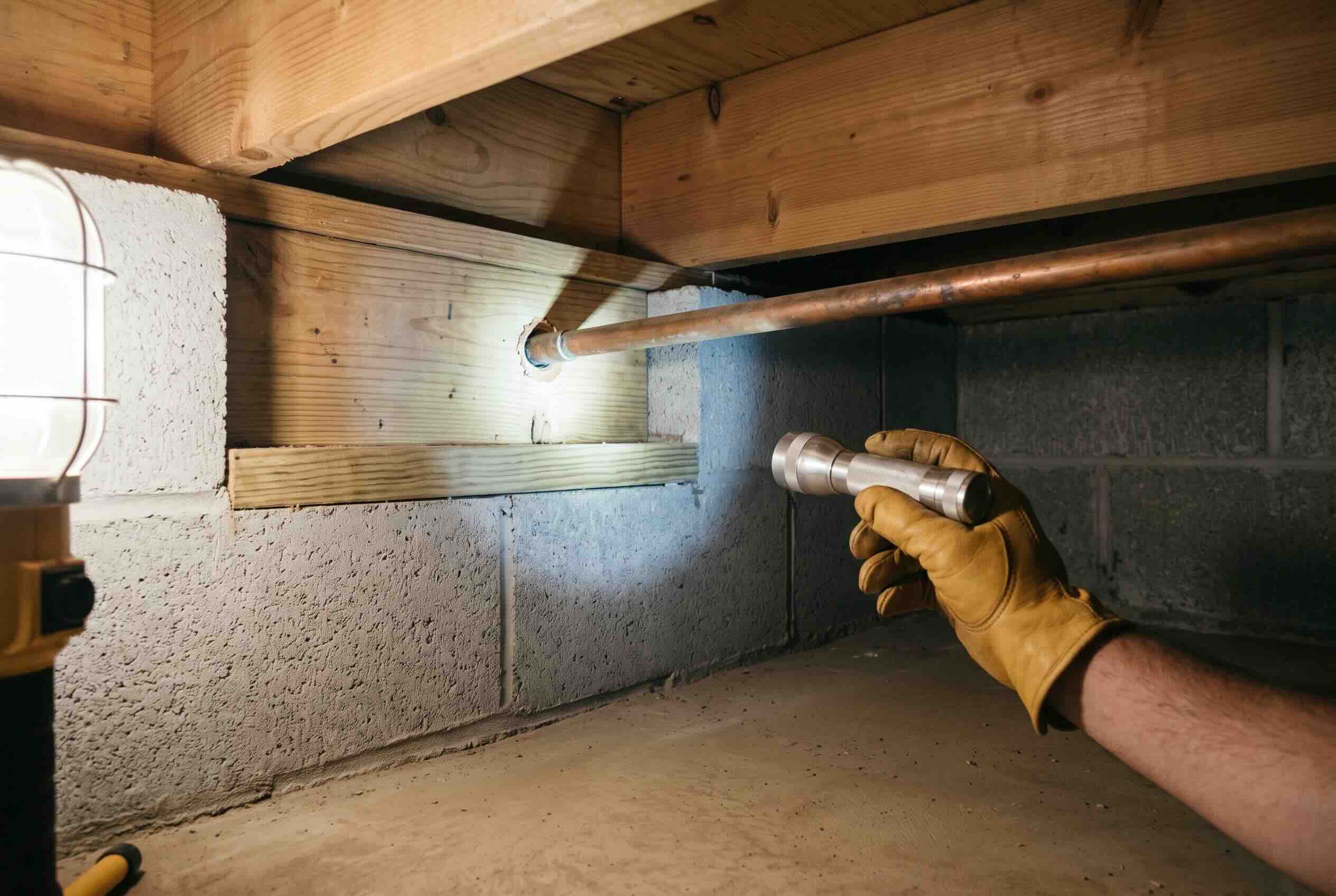
- Look for interior signs: Walk the crawl space with a flashlight to find droppings, grease smears along joists, gnaw marks, and torn insulation.
- Check the perimeter: Inspect vents, pipe penetrations, the sill plate, and the access door for any gaps.
- Use light and drafts: On a bright day, turn off your flashlight to spot daylight leaking through gaps. Alternatively, hold a lit incense stick near edges to detect drafts.
2. Seal Foundation Vents With Hardware Cloth
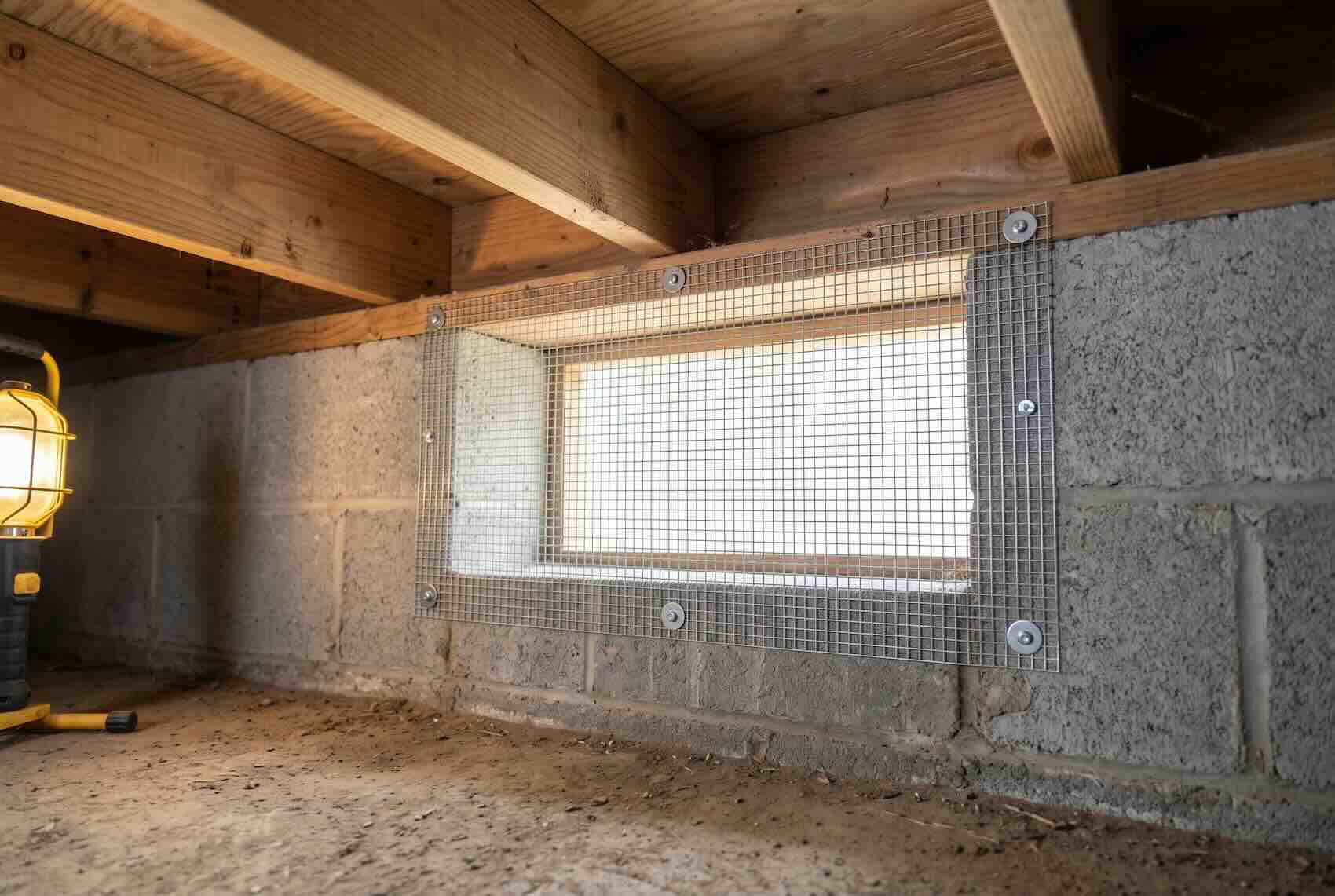
- Upgrade the mesh: Standard louvers or insect screens cannot stop a mouse. Cover the inside of each vent with galvanized hardware cloth.
- Secure it properly: Cut the mesh slightly larger than the opening and screw it down flat to allow airflow while blocking pests.
- Inspect the housing: Ensure the frame around each vent is structurally sound. A rusted or broken housing creates an easy entryway
3. Seal Gaps, Cracks, and Pipe Penetrations
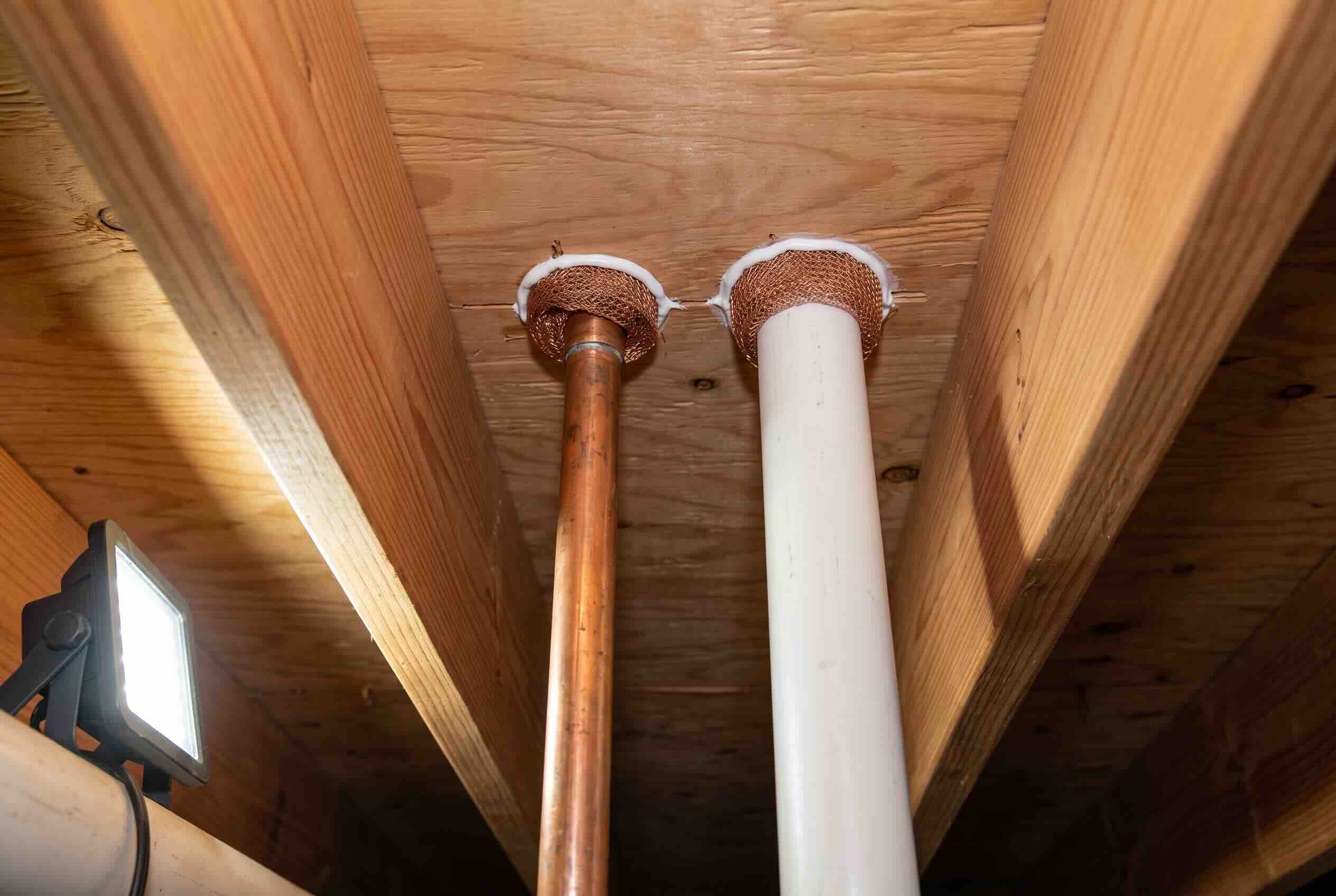
- Pack the holes: Tightly pack gaps around pipes and wires with steel wool or copper mesh.
- Apply caulk: Run caulk over the packed metal to hold it in place and seal the edges. The metal acts as the actual barrier, not the chewable caulk.
- Fix foundation cracks: Use mortar to patch wide cracks in concrete or block foundations.
4. Secure the Crawl Space Door or Access
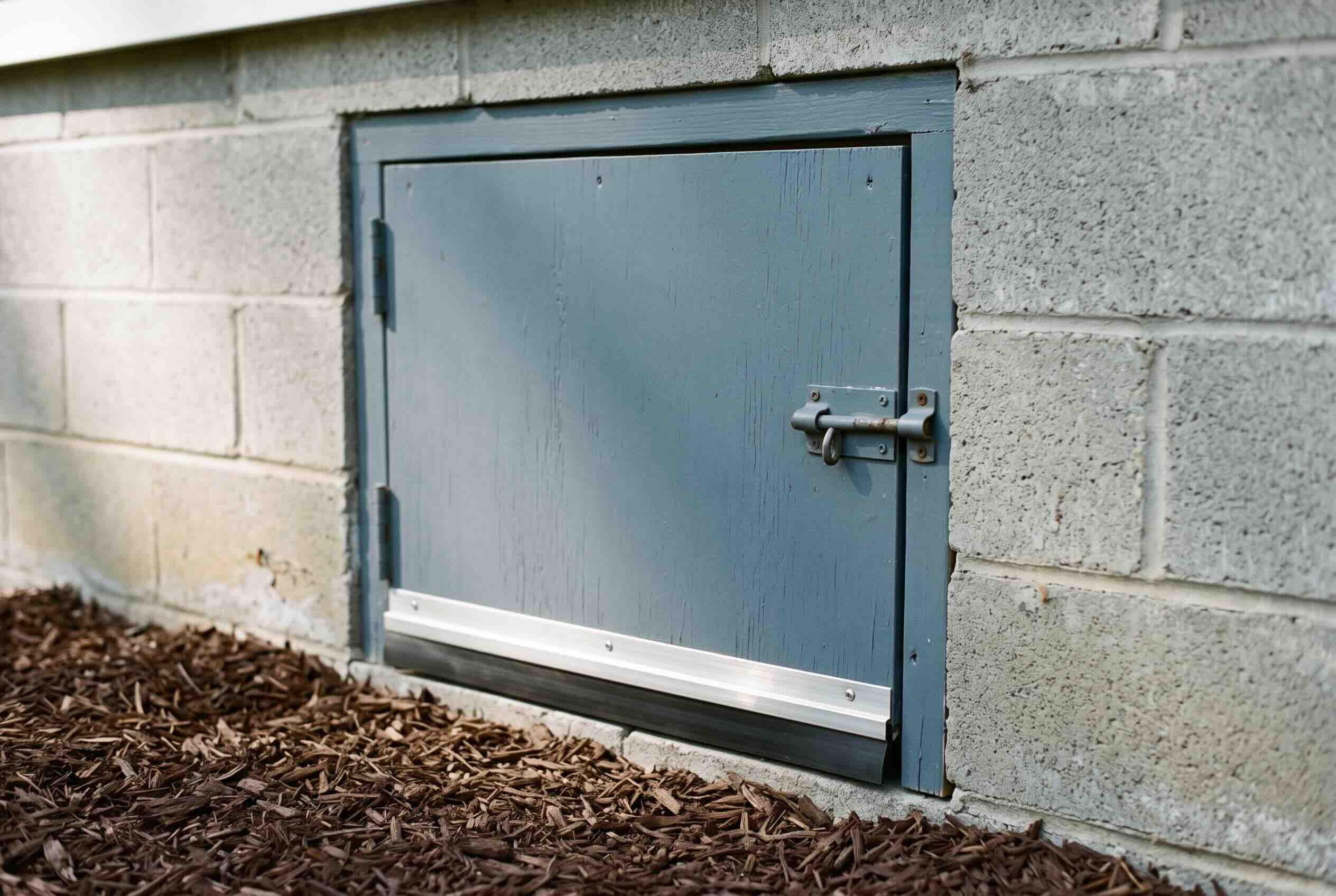
- Ensure a flush fit: Verify that the access door sits completely flush within its frame and latches tightly.
- Close the bottom gap: Install weatherstripping or a metal-edged door sweep to block the gap at the floor level.
- Reinforce weak spots: Line any previously chewed edges with sheet metal to prevent mice from gnawing through again.
5. Remove What Attracts Them (Moisture, Debris, Food)
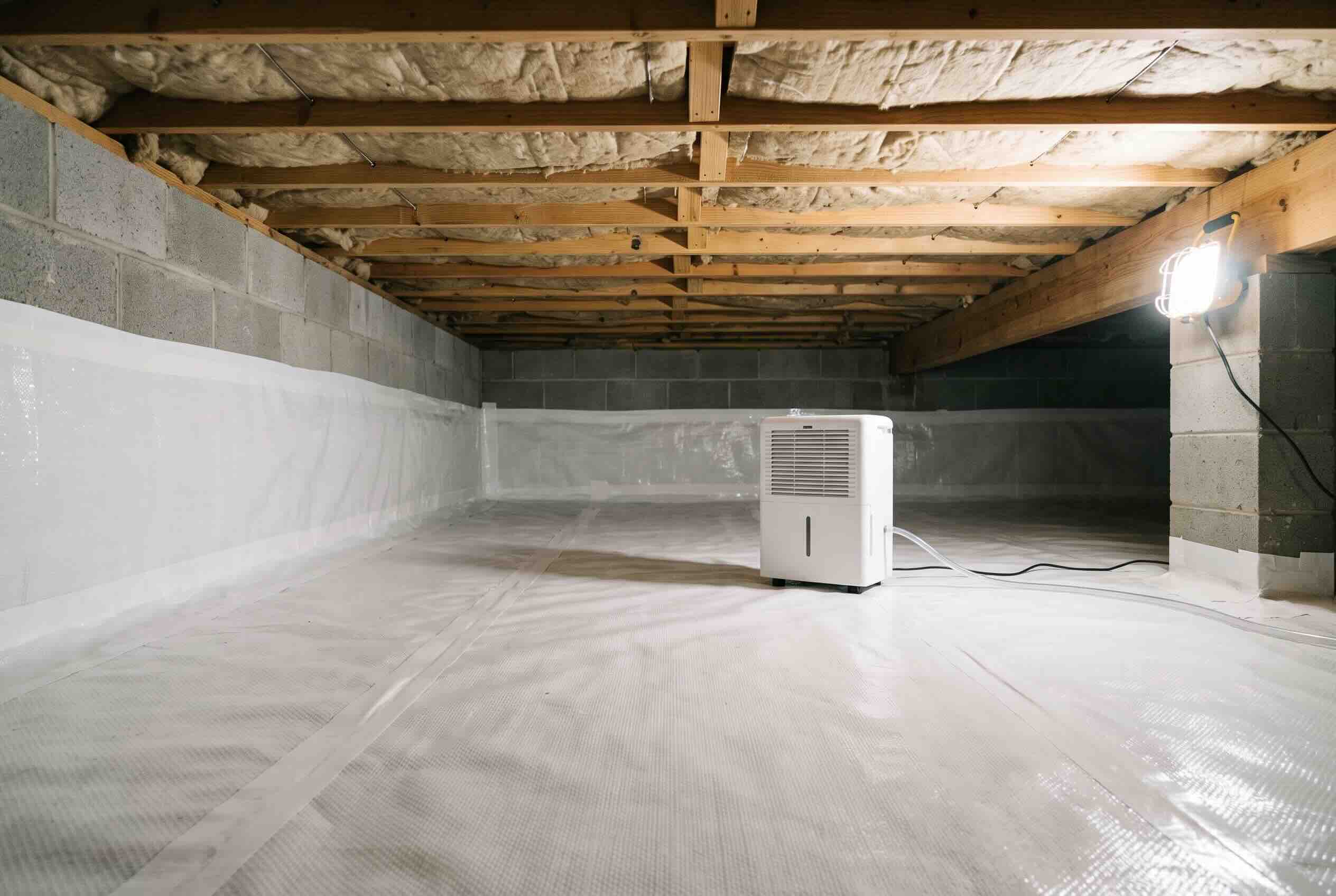
- Control moisture: Repair plumbing leaks and use a dehumidifier or vapor barrier. For chronically wet spaces, consider full encapsulation.
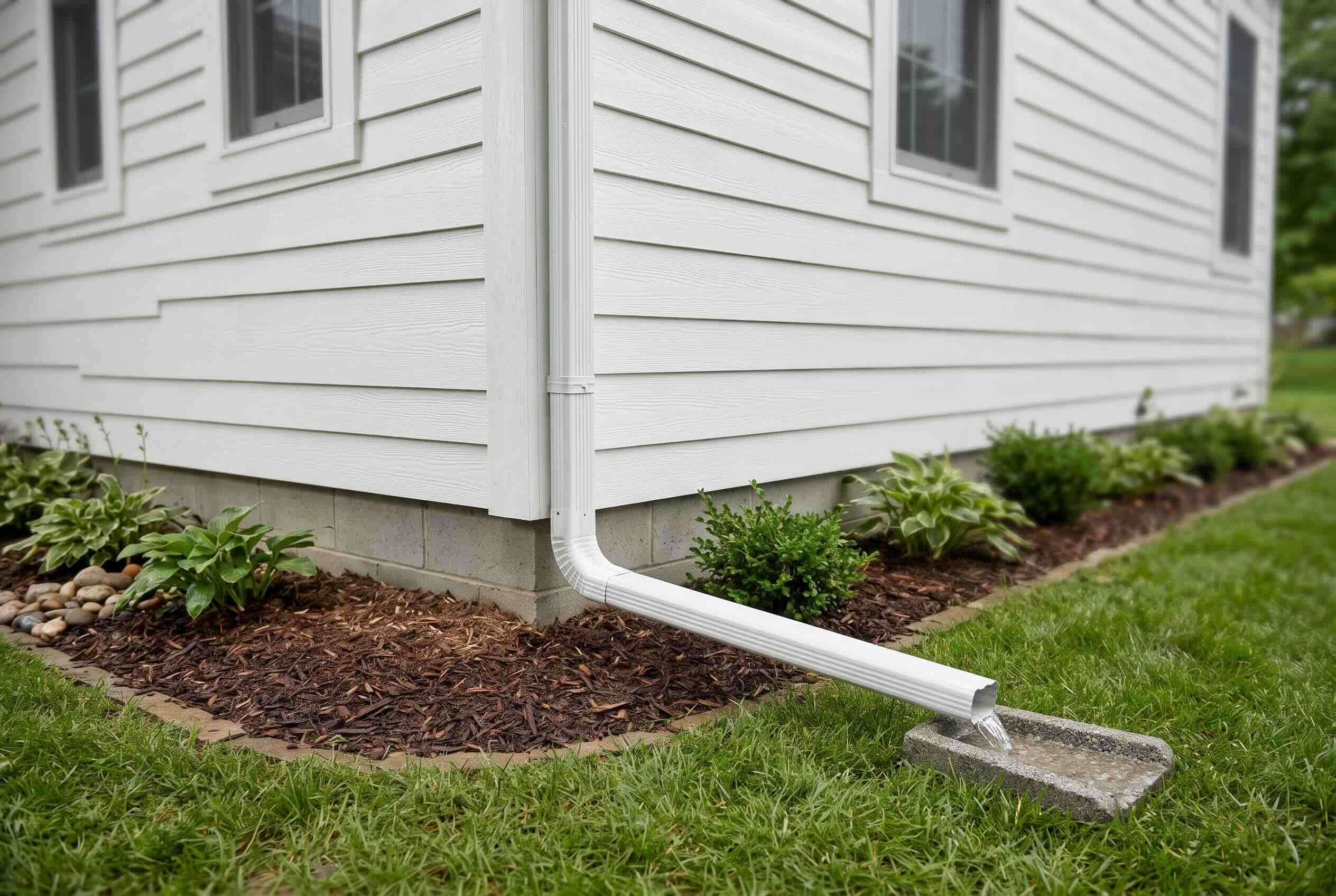
- Divert exterior water: Direct gutters and downspouts away from the foundation to prevent water from entering the space.
- Clear the clutter: Remove stored boxes, yard debris, and old materials that provide hiding spots and nesting material.
- Secure food sources: Store pet food or birdseed in sealed metal containers, well away from the crawl space.
6. Maintain and Re-Inspect Regularly
- Schedule annual checks: Inspect vents, seals, and doors once or twice a year, as houses naturally shift and settle.
- Monitor after changes: Re-check the space after a heavy storm, at the start of rodent season, or after installing new utility lines.
- Act early: Catching and sealing a fresh gap early takes far less work than clearing out an established nest later.
What to Do If Mice Are Already in the Crawl Space
Sealing a crawl space with mice still inside traps them in the walls, which becomes a worse problem than a live mouse. Deal with the population first, then clean up safely:
- Trap and remove first. Set traps along the walls and joists where the droppings and grease marks are heaviest, since mice keep the same routes. Hold off on sealing until the traffic has stopped for a week or two, or close the outer gaps while leaving one monitored exit. A pest pro is worth it for a large or stubborn infestation.
- Clean droppings and nests safely. Dried droppings and urine can carry hantavirus, and sweeping or vacuuming them sends particles into the air. The CDC advises airing the space out first, then wetting the area with a disinfectant or a bleach solution and letting it soak before you wipe it up (CDC, 2026). Wear gloves and a fitted N95 or better respirator, double-bag what you remove, and keep everything wet so the dust stays down. Wipe down the framing and surfaces underneath with the same disinfectant once the fouled material is out.
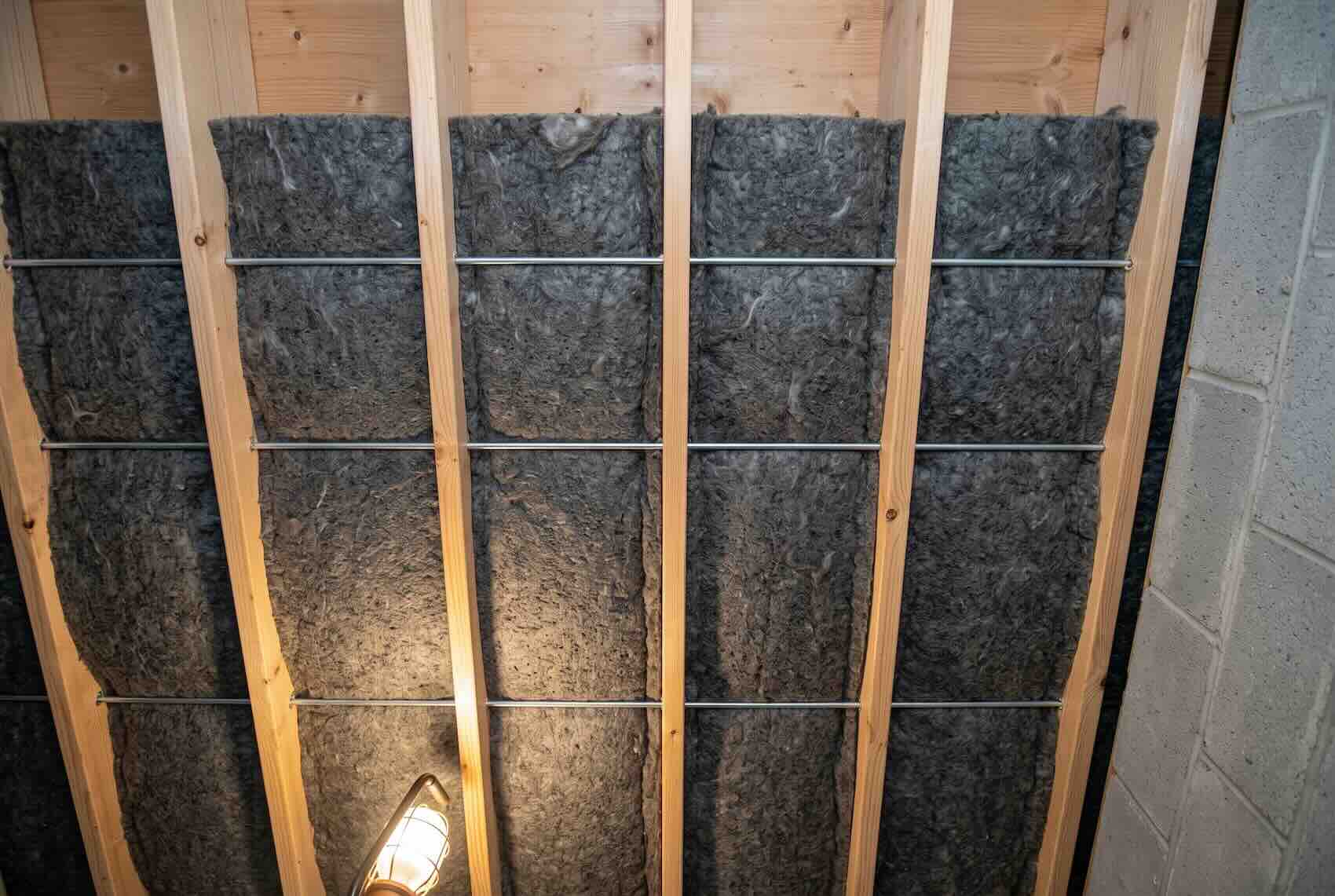
- Inspect and replace damaged insulation. Insulation that mice have nested in or fouled has to come out, since cleaning it is not enough. Once the cavity is clear and sealed, replace it with a material that resists nesting; rodent proof insulation covers which types hold up best.
This is general health guidance, not medical advice. If anyone in the home has a weakened immune system, or the contamination is widespread, it is safer to hire the cleanup out.
FAQ
What smells keep mice out of a crawl space?
Scents like peppermint oil, ammonia, and cloves may temporarily bother a mouse. However, these smells fade quickly. A cold, hungry mouse will easily push past a fading scent to reach warmth. Treat repellents as a very minor, short-term measure, not a permanent solution.
When should you call a pro for mice in a crawl space?
Call one for a large or repeat infestation, for droppings spread across the space, or for a crawl space too tight or hazardous to work in safely. A pro also helps when the fix involves structural repair or a heavy moisture problem. For a few droppings and a couple of gaps, the steps above are within reach of a careful DIY.
Is it safe to go into a crawl space with mice?
It can be, with the right gear and care. The risk is breathing in particles from dried droppings and urine, so air the space out, wear gloves and an N95 or better respirator, and keep surfaces wet while you clean. If the contamination is heavy or you have a health condition, it is safer to stay out and hire the work.
Can mice in the crawl space get into the house?
Yes. A crawl space connects to the rooms above through gaps around pipes, ducts, and wiring, so mice that settle below work their way up. That is why how to keep mice out of crawl space and sealing the openings into the house above it go together.
Conclusion
Ultimately, knowing how to keep mice out of crawl space comes down to a strict, methodical approach. Trap any existing pests first, then permanently seal all vents and gaps with chew-proof hardware cloth and steel wool. Finally, eliminate moisture to remove their incentive to return. For more actionable advice on protecting every level of your home, check out our latest pest control guides on Home Tips Daily.
Sources
Centers for Disease Control and Prevention. (2026). Rodents: Cleaning up after rodents. U.S. Department of Health & Human Services. https://www.cdc.gov/healthy-pets/rodent-control/clean-up.html