


Sprays and plug-in gadgets might temporarily move a rodent along, but the pests will quickly return once the effect fades. Rodent deterrents around outdoor living areas only work when you eliminate what drew them to your patio in the first place. This guide explains how to permanently remove those attractants, block hiding spots, and use repellents effectively. (Note: For large infestations, always call a pest professional).
Why Rodents Are Drawn to Patios, Decks, and Yards
Rodents come to an outdoor space for the same three things they want anywhere: food, water, and shelter. A patio tends to offer all three. Grill grease, dropped crumbs, pet bowls, and bird feeders are easy meals. A pet dish, a dripping spigot, or a saucer under a planter is enough water. The space under a deck, a shed, a woodpile, or a pile of clutter makes a dry, hidden place to nest. Remove those and the rodent deterrents around outdoor living areas you add have far less to fight against.
Remove Food and Water That Attract Rodents Outdoors
Food and water bring rodents in faster than anything else, so this is where the work pays off most. Close these off and the area stops being a destination.
Clean Up BBQ Grease and Food Scraps
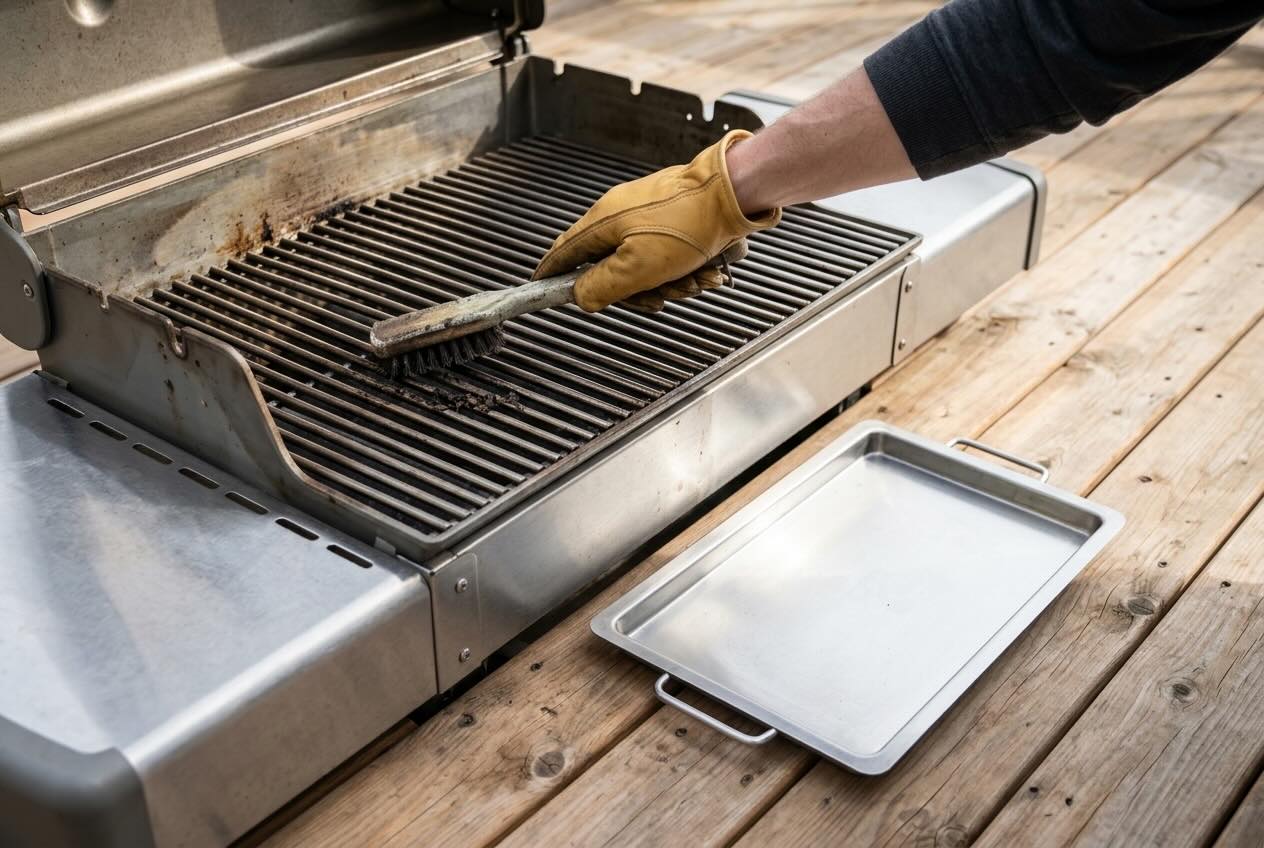
- Maintain the grill: Scrape the grates and empty the grease tray immediately after cooking.
- Sweep up: Clear crumbs around patio tables and always store the grill under a tight cover.
- Remove leftovers: Take all food plates indoors immediately after a meal to eliminate strong odors.
Secure Trash Cans and Store Pet Food
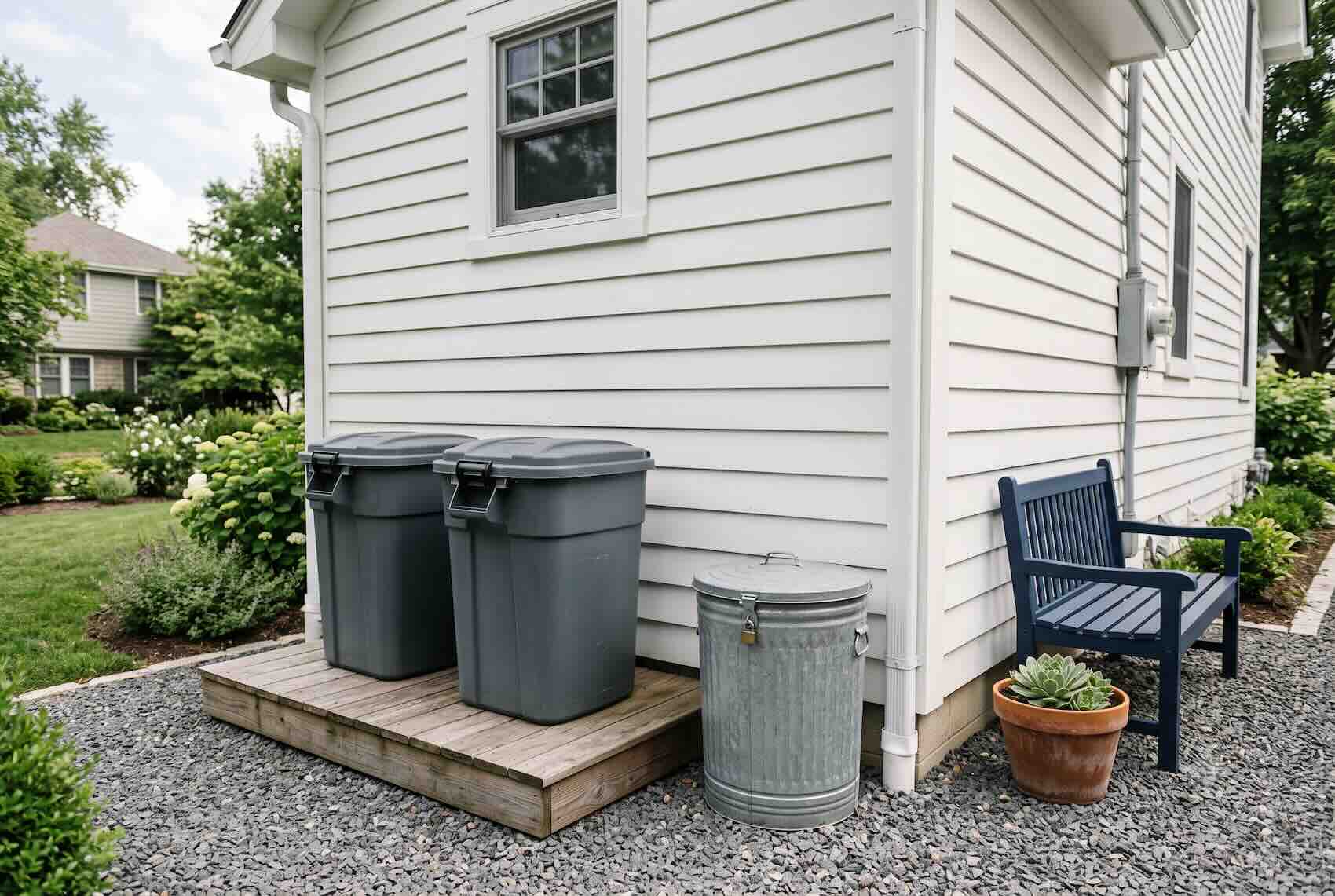
- Upgrade bins: Use garbage bins with tight, latching lids, keep them off the ground if possible, and regularly rinse out sticky residue.
- Use metal containers: Store pet food, birdseed, and grass seed in sealed metal containers, as rodents easily chew through plastic and paper bags.
- Manage compost and pet bowls: Bring pet bowls inside overnight. Use closed compost bins and strictly keep meat and grease out of them.
Remove Standing Water and Bird Feeders
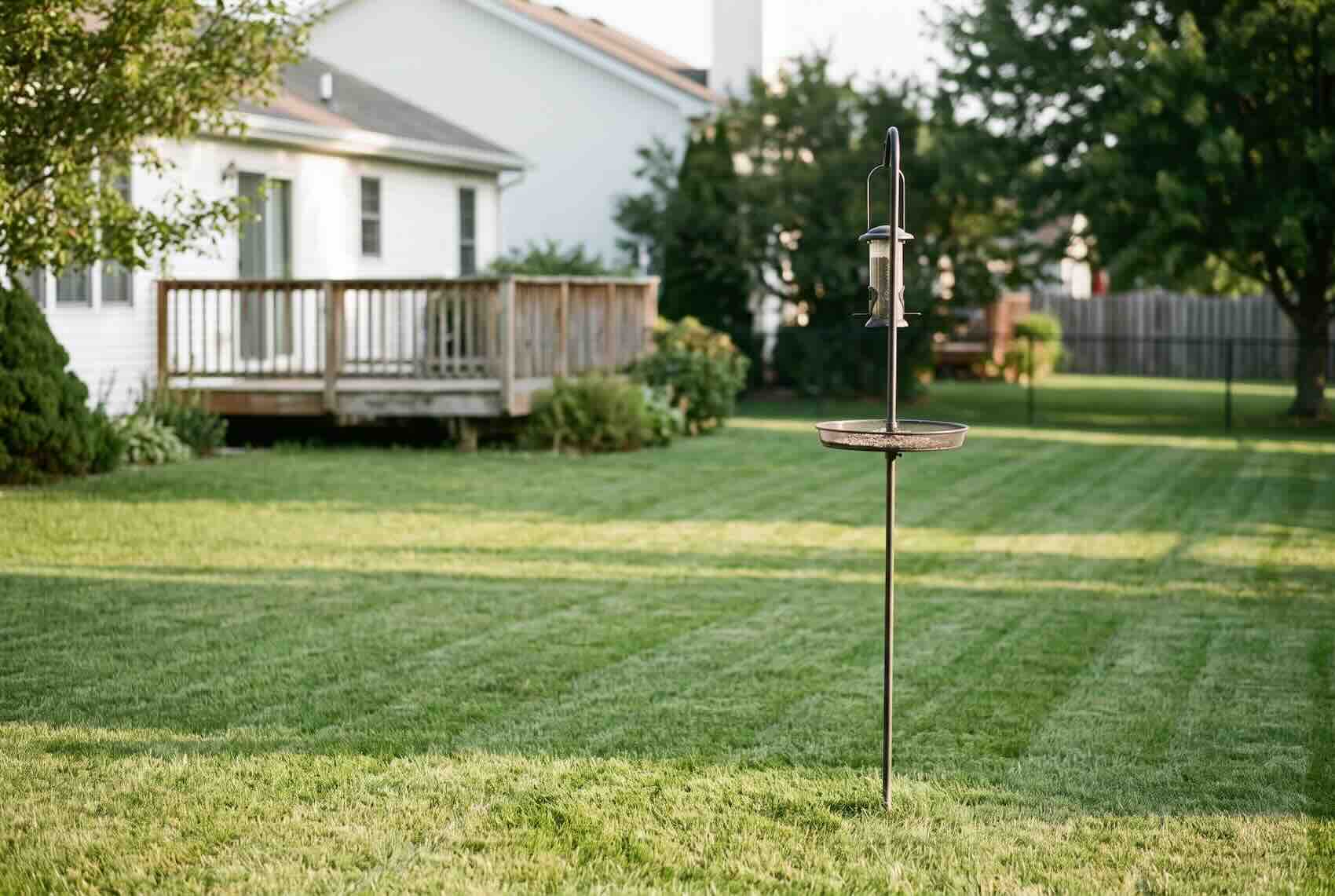
- Eliminate water sources: Tip out planter saucers, fix dripping spigots, empty unused birdbaths, and clear clogged gutters. Watch for hidden puddles from AC lines or leaky sprinklers.
- Relocate bird feeders: Move bird feeders well away from the house, or switch to a no-waste feed, to avoid attracting rodents with dropped seeds.
Block the Shelter Rodents Hide In Outdoors
With the food and water gone, the next job is the hiding places. A rodent wants a dry, covered spot to nest near its food, and most patios have a few.
Seal Under Decks and Sheds With Hardware Cloth
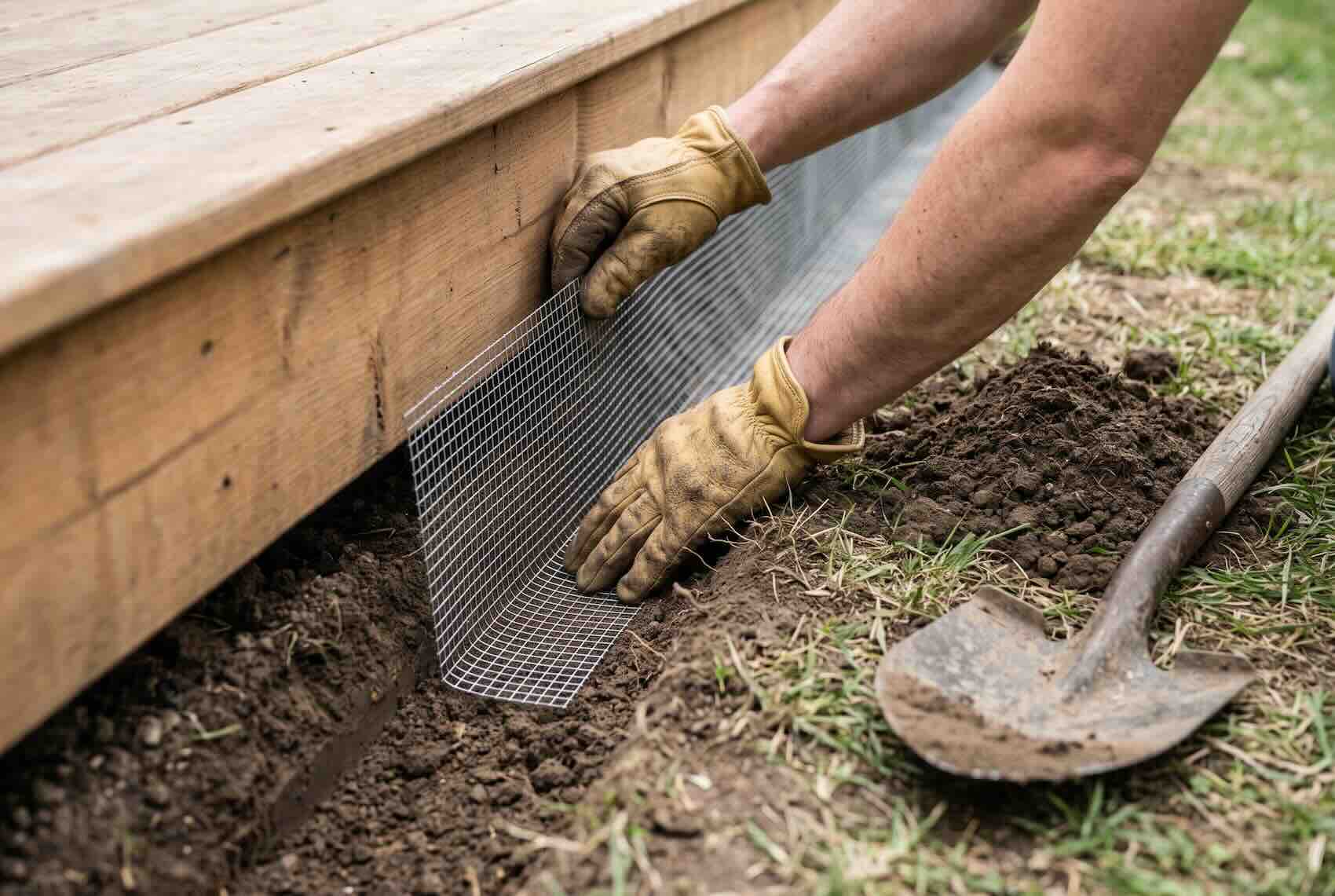
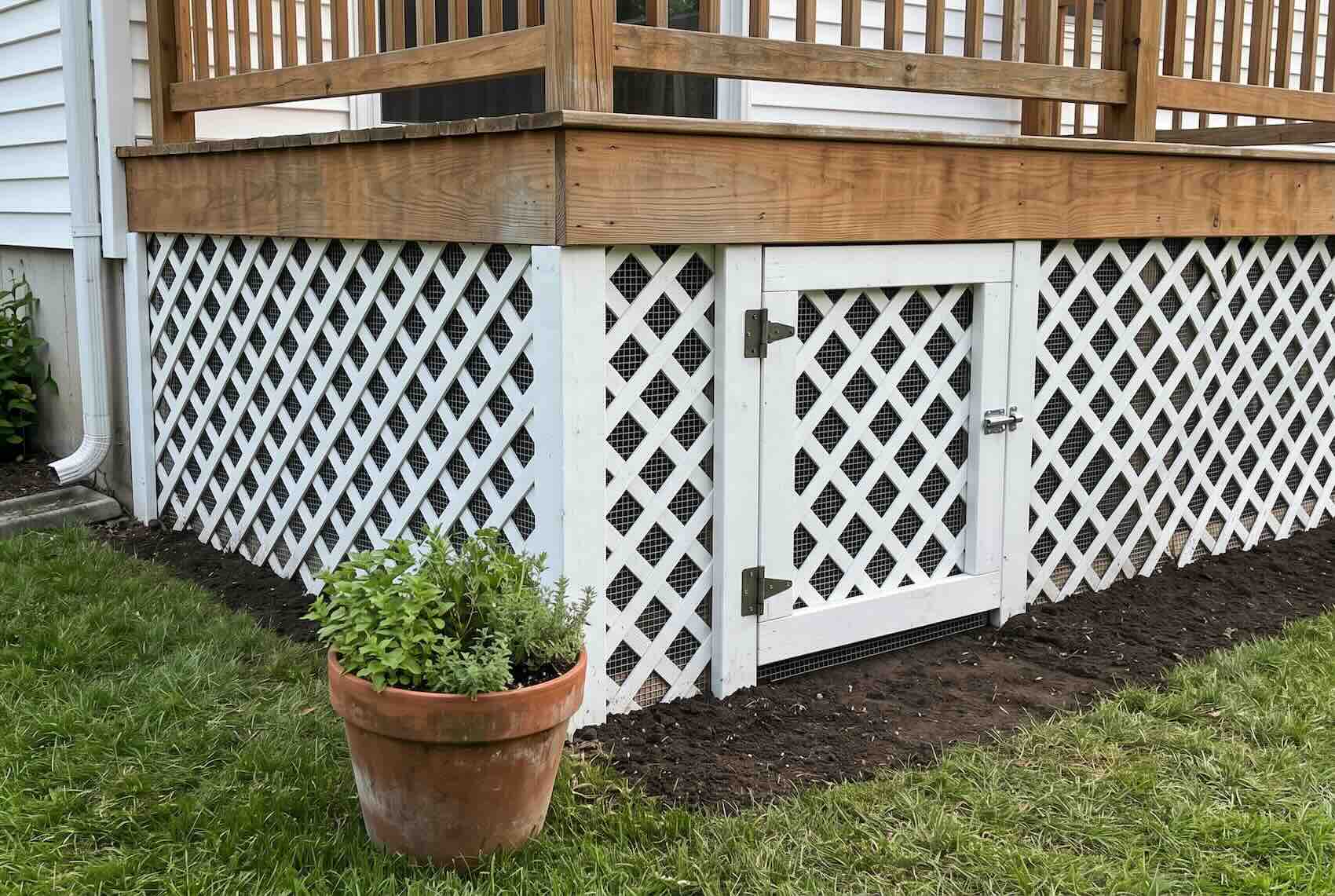
The space under a deck or shed is prime rodent habitat: dark, dry, and out of reach. Closing it off with hardware cloth, the galvanized wire mesh, keeps rodents from denning there. Work through it in order:
- Measure the open sides and buy hardware cloth tall enough to run from the deck frame down below ground level.
- Dig a narrow trench a few inches deep along the open edge, so the mesh buries rather than stops at the surface.
- Set the mesh into the trench and bend the bottom few inches outward into an L, which stops a rodent from digging under it.
- Fasten the top to the deck frame or shed base with screws and washers, leaving no gap a rodent can push through.
- Backfill the trench, tamp it down, and check the line for low spots.
Leave one section you can open for access underneath, and latch it like a small gate. Decorative lattice or skirting on its own does not hold, since a rodent chews or squeezes through it, so back any skirting you want to keep with the same mesh.
Clear Clutter, Debris, and Woodpiles
- Remove yard debris: Clear out piled leaves, old containers, and any clutter stacked against the house.
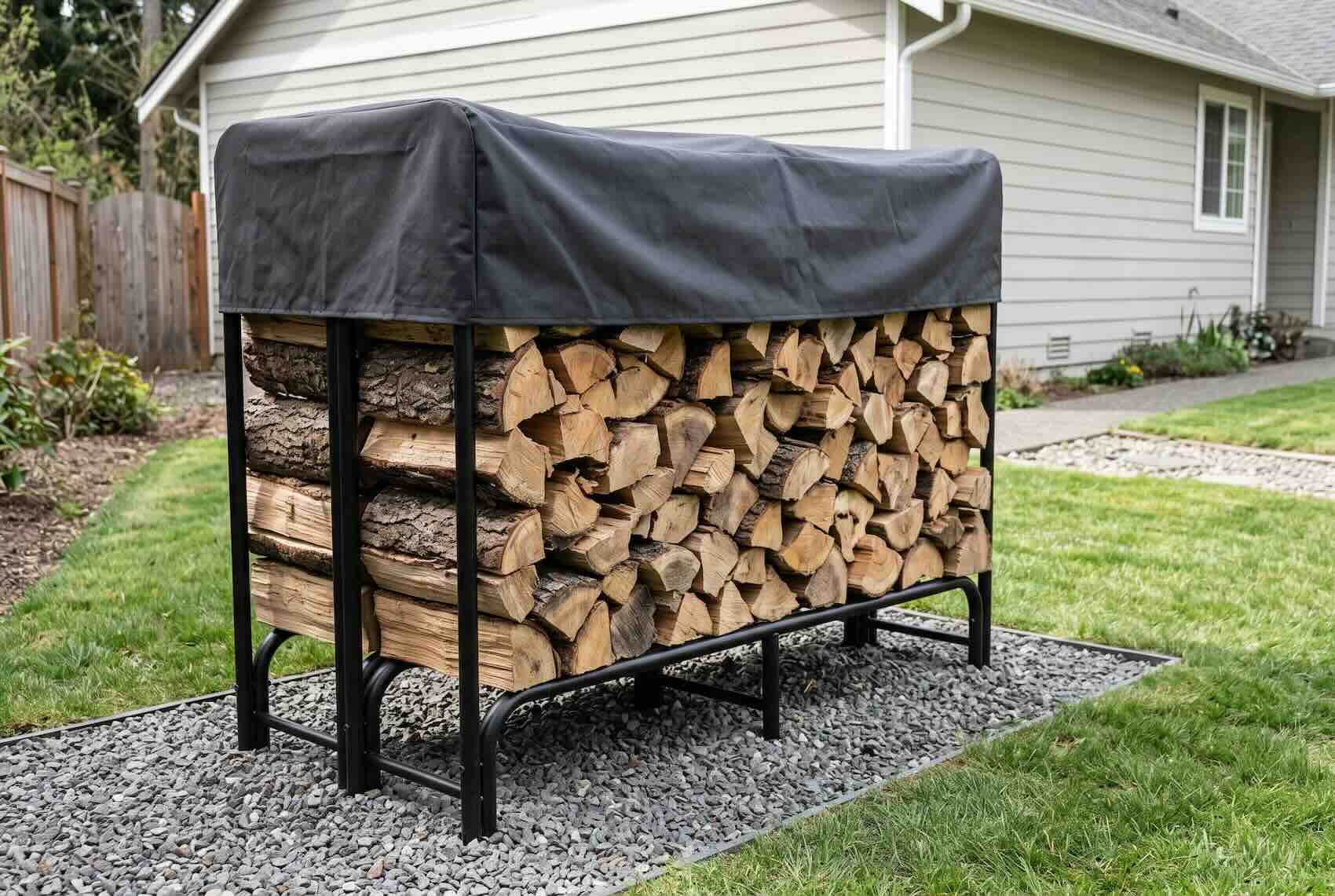
- Elevate firewood: Move woodpiles well away from the walls and store them up off the ground on a rack.
Trim Plants and Keep a Gravel Gap
- Cut back vegetation: Trim shrubs, pull down climbing ivy, and cut overhanging tree branches to remove covered paths and bridges to your roof.
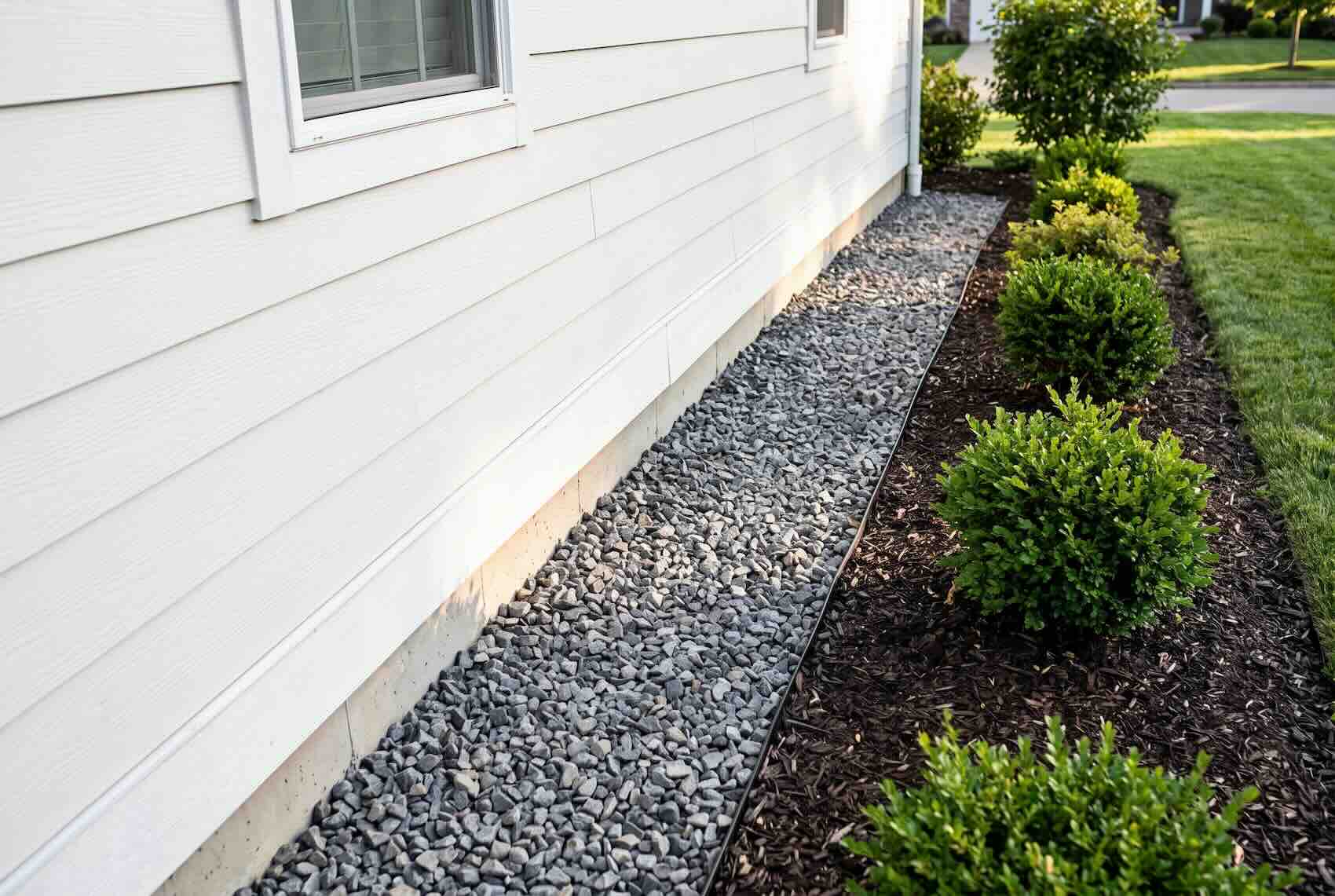
- Add a gravel barrier: Create a foot-wide strip of gravel along the foundation. Rodents dislike crossing this exposed, hard-to-burrow terrain.
Natural Rodent Deterrents for Outdoor Living Areas
Once the draws are gone, a scent can nudge a rodent away from a spot you want to protect. On their own, natural rodent deterrents around outdoor living areas do little. As a supplement to a clean, sealed yard, they have a place.
Peppermint Oil and Mint Plants
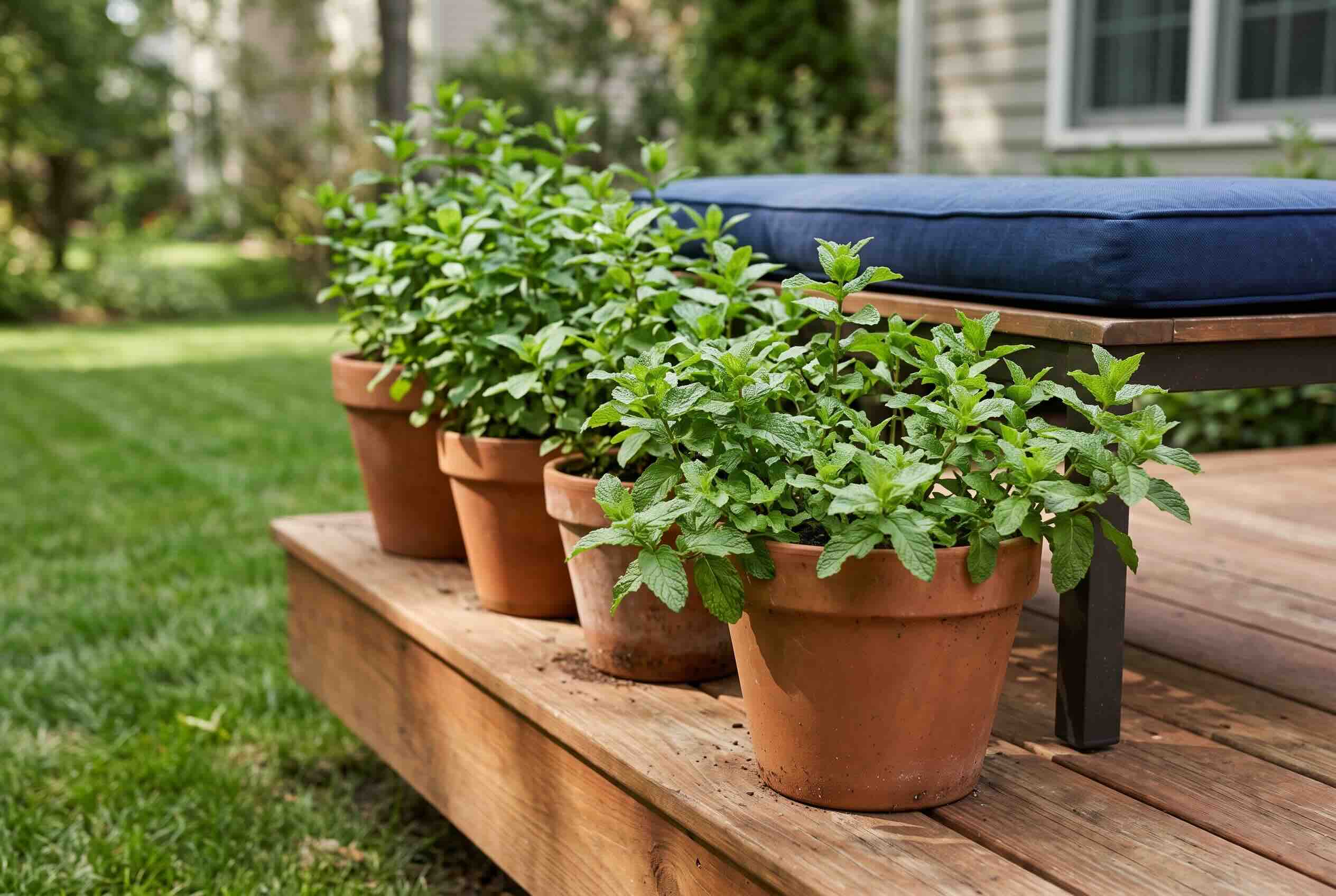
Peppermint is the scent people reach for first. A few drops of peppermint oil on cotton balls, tucked near an entry or along a deck edge, can put a rodent off for a short while, and mint planted in beds adds a steady, low-level version of the same. The catch is that the oil evaporates fast outdoors and washes away in rain, so it needs refreshing often. Concentrated oils like peppermint can also harm cats and dogs, so keep them out of reach of pets.
Vinegar, Predator Scent, and Other Smells (What to Expect)
Vinegar, ammonia, used cat litter, and store-bought predator scents like fox or coyote urine all get suggested as rodent repellents. They can work in the moment, since a rodent reads a predator smell as danger, but the effect is short and fades as the scent weathers. A rodent that is hungry and settled pushes past all of them before long. Use these to steer a rodent away from one spot while you fix the real draws, not as the thing standing between it and your patio.
Do Commercial Rodent Deterrents Work?
Store shelves are full of products that promise to clear a yard, and the honest answer is that they help a little and solve little on their own. Ultrasonic devices claim to drive rodents off with high-frequency sound, but the evidence is thin, and rodents tend to get used to the noise and ignore it. Granules and sprays sold as repellents work on the same scent principle as the home remedies, so they fade and wash away the same way. None of these replace removing food, water, and shelter. Treat commercial rodent deterrents around outdoor living areas as a supplement to that work, in a spot you want extra help, rather than a fix you can buy.
FAQ
Do rodent deterrents harm pets or other animals?
Some can. Concentrated oils like peppermint are toxic to cats and dogs if they lick or breathe in enough, and poison baits are a real danger to pets and to the wildlife that eats a poisoned rodent. Scent repellents and sealing are the pet-safer route. If you use any product, read the label for pet warnings and keep it where animals cannot reach it.
How do you stop rodents without harming the garden ecosystem?
Lead with removal and exclusion rather than poison. Clearing food and water, sealing shelter, and using scents steers rodents off without killing the birds, bees, and helpful insects a garden needs. Poison baits, by contrast, move up the food chain into owls, hawks, and pets. Snap traps and sealing keep the damage to the target.
How long do outdoor rodent deterrents last before you reapply?
Scent-based deterrents are short-lived outdoors, often a few days to a week, and less after rain or heavy sun. Plan to refresh oils and sprays on that kind of schedule. Physical fixes last far longer, since hardware cloth, sealed bins, and a cleared yard hold for months or years with only a periodic check.
Can you keep rodents away without killing them?
Yes, and it is the more lasting approach. Removing the food, water, and shelter makes the area a poor place to live, so rodents move on rather than die off. Scents and a gravel gap reinforce that. The point is to make the patio unrewarding, which keeps new rodents from replacing any you remove.
Why do rodents keep coming back to my patio after I treat it?
Because the treatment covered the symptom, not the cause. A spray or gadget masks a spot for a while, but if the grill grease, the pet food, the water, or the den under the deck is still there, a new rodent fills the gap. This is the pattern behind rodent deterrents around outdoor living areas that disappoint: the deterrent went down, but the draw stayed. Fix the draw and the returns stop.
What time of year are rodents the worst around outdoor areas?
Late summer through fall is the peak, as rodents build up over the warm months and start looking for winter shelter. That is the season to have the yard sealed and cleared, ahead of the push indoors. Spring brings a second rise as populations breed, so a check at both ends of the year keeps you ahead of them.
Conclusion
The products on the shelf are the last part of the job, not the first. Rodent deterrents around outdoor living areas earn their keep only after you clear the food and water, seal the dens under decks and sheds, and cut back the cover that lets rodents reach the patio unseen. Add peppermint, a gravel gap, or a gadget on top of that, and each has something to build on rather than fight alone. Home Tips Daily is here for the rest of the yard-by-yard work of keeping rodents out.