

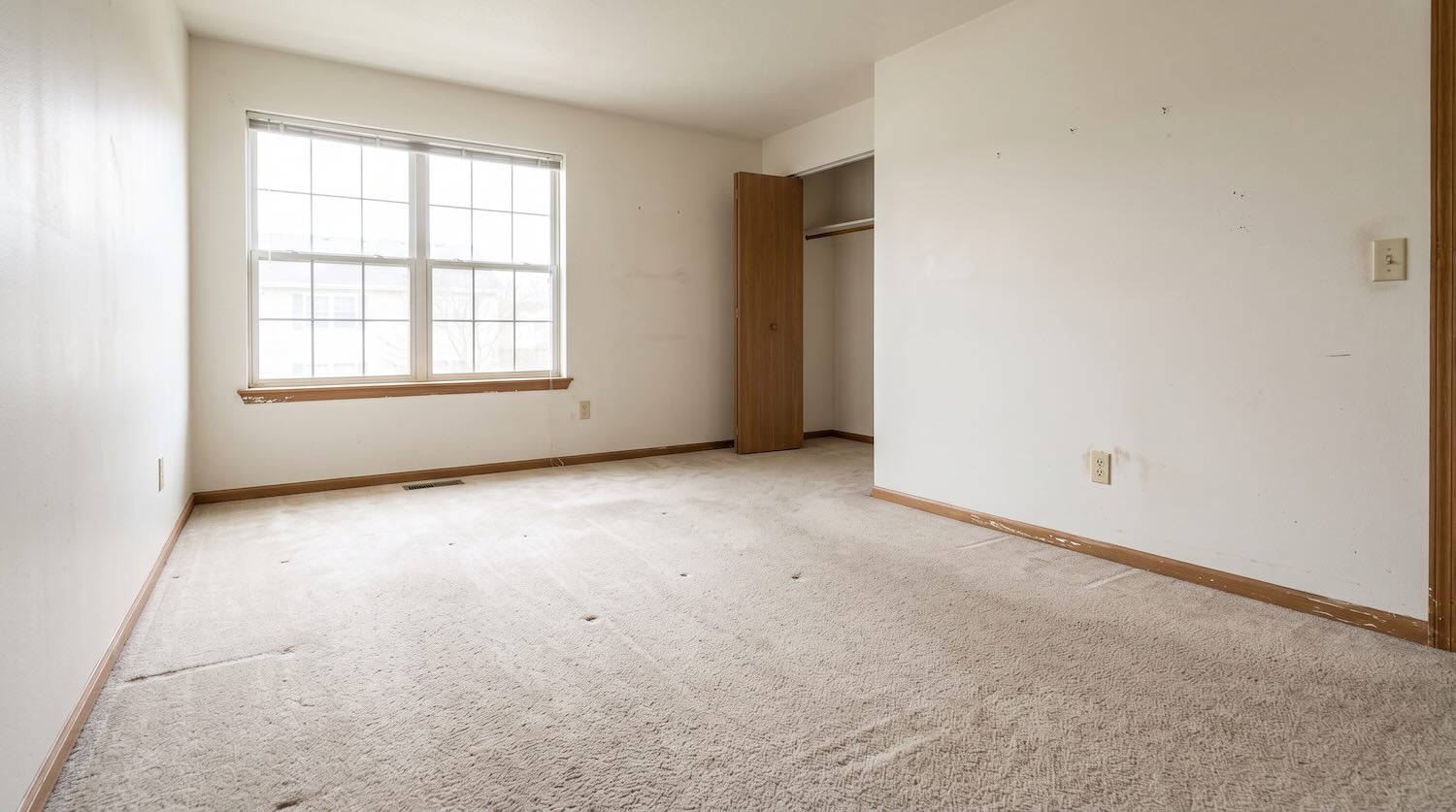
Normal wear and tear is the gradual, unavoidable aging that every property undergoes regardless of how carefully a tenant lives there. Determining exactly what is considered normal wear and tear in an apartment dictates how much of your security deposit actually returns to your pocket. A landlord can lawfully deduct funds for real damage, but they cannot charge you for ordinary deterioration. Understanding this boundary prepares you for the final walkthrough and protects your money. This guide details clear examples, year-by-year timelines, and the depreciation math property managers are legally supposed to use.
Note: This is general information, not legal advice, and specific details vary by state.
What Is Normal Wear and Tear in an Apartment? (With Examples)
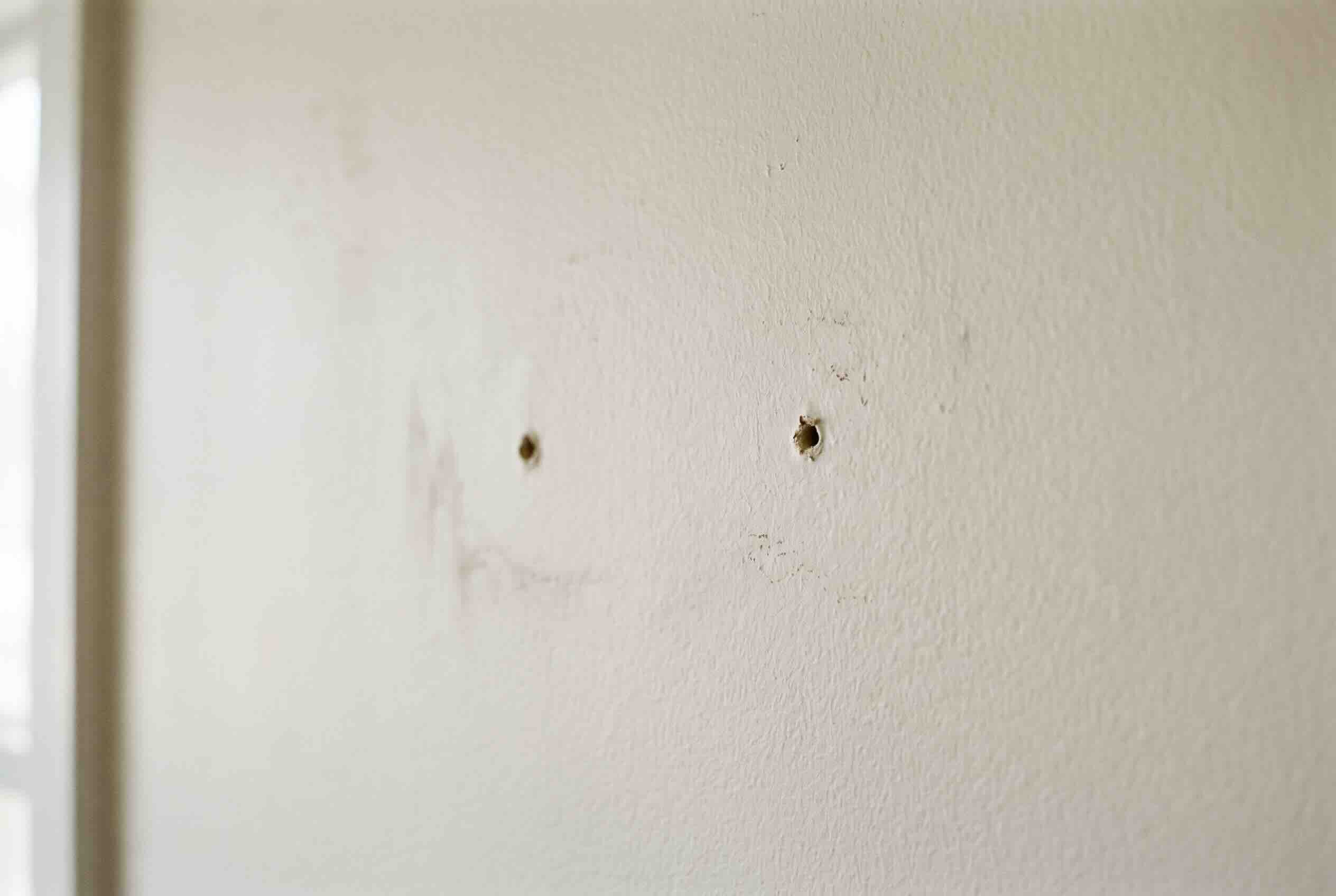
Normal wear represents the natural deterioration resulting directly from everyday household use. The federal standard, drawn from HUD guidance, treats this degradation as inevitable aging. Because this process is unavoidable, it is legally considered the landlord’s cost of doing business and cannot be deducted from your deposit.
The clearest way to recognize expected wear is that no single specific act caused it; the issue simply accumulated naturally over time. Common examples include:
- Paint that has slightly faded or picked up light scuffs.
- Small nail holes from hanging pictures or light frames.
- Carpet that shows light matting or traffic wear in heavily used walkways.
- Minor scuffs and light scratches on hard floors.
- Door handles or cabinet hinges that have loosened with regular opening.
- Curtains or window blinds faded by daily sunlight exposure.
None of these items result from misuse, meaning none of them belong on a deduction list. Damage sits in a different category, and telling the two apart is where most deposit disputes begin.
Normal Wear and Tear vs Tenant Damage
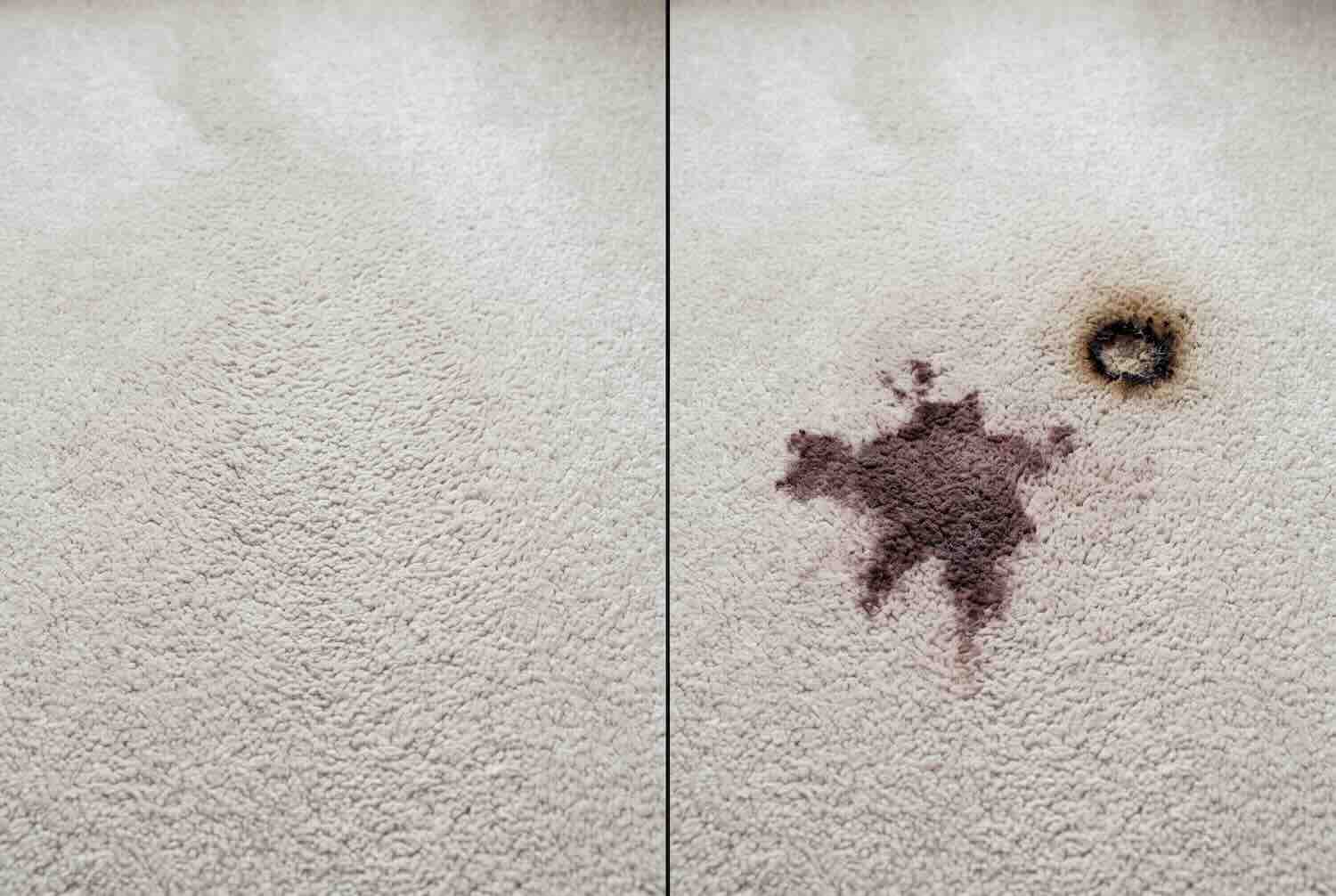
The line separating these two categories comes down to root cause and preventability. Most of what is considered normal wear and tear in an apartment happens on its own through time and ordinary use, while damage results from a specific action, an accident, or clear neglect that a reasonable tenant could have avoided. A carpet that has thinned along a busy hallway qualifies as wear, whereas a wine stain or a cigarette burn in that same carpet constitutes damage.
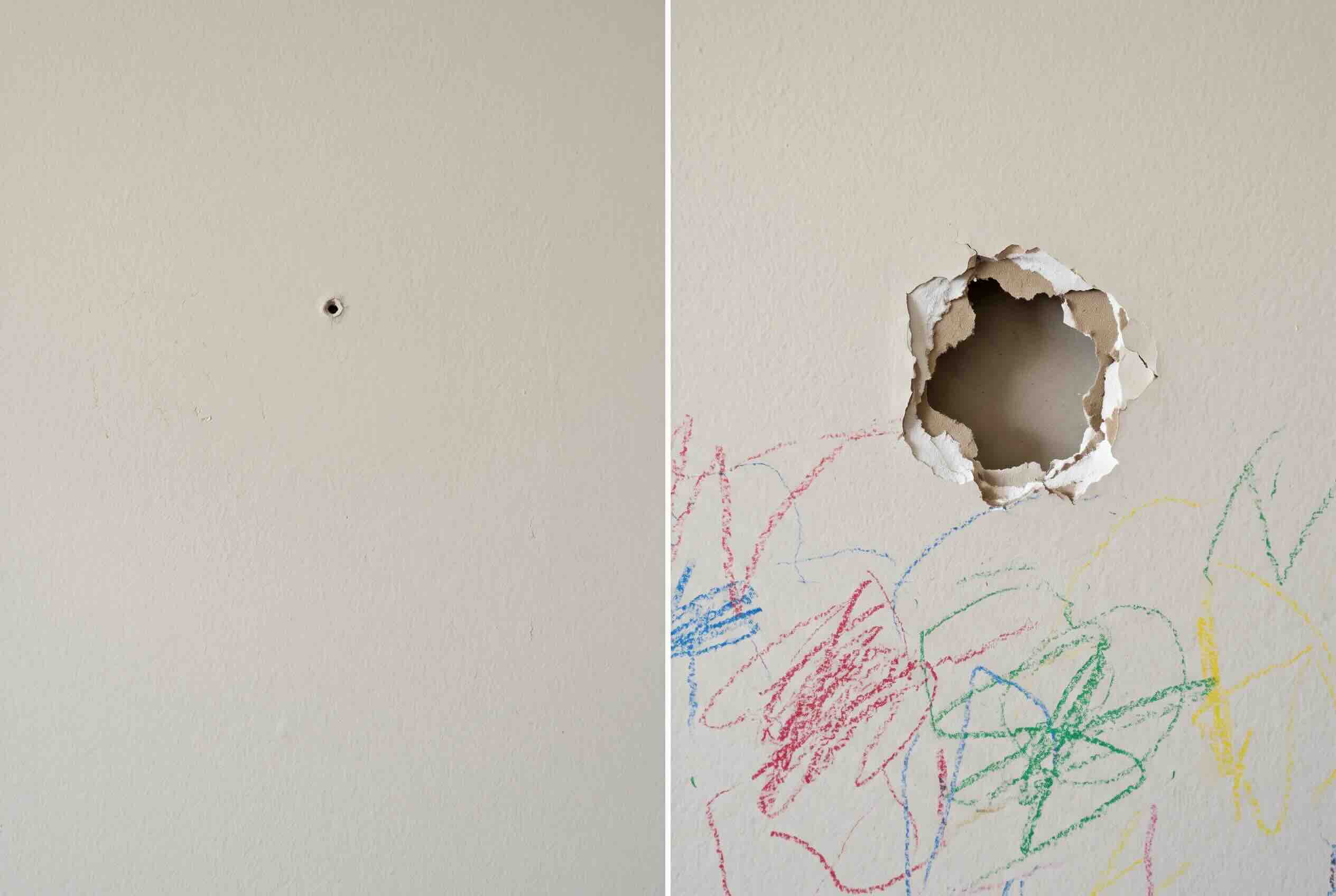
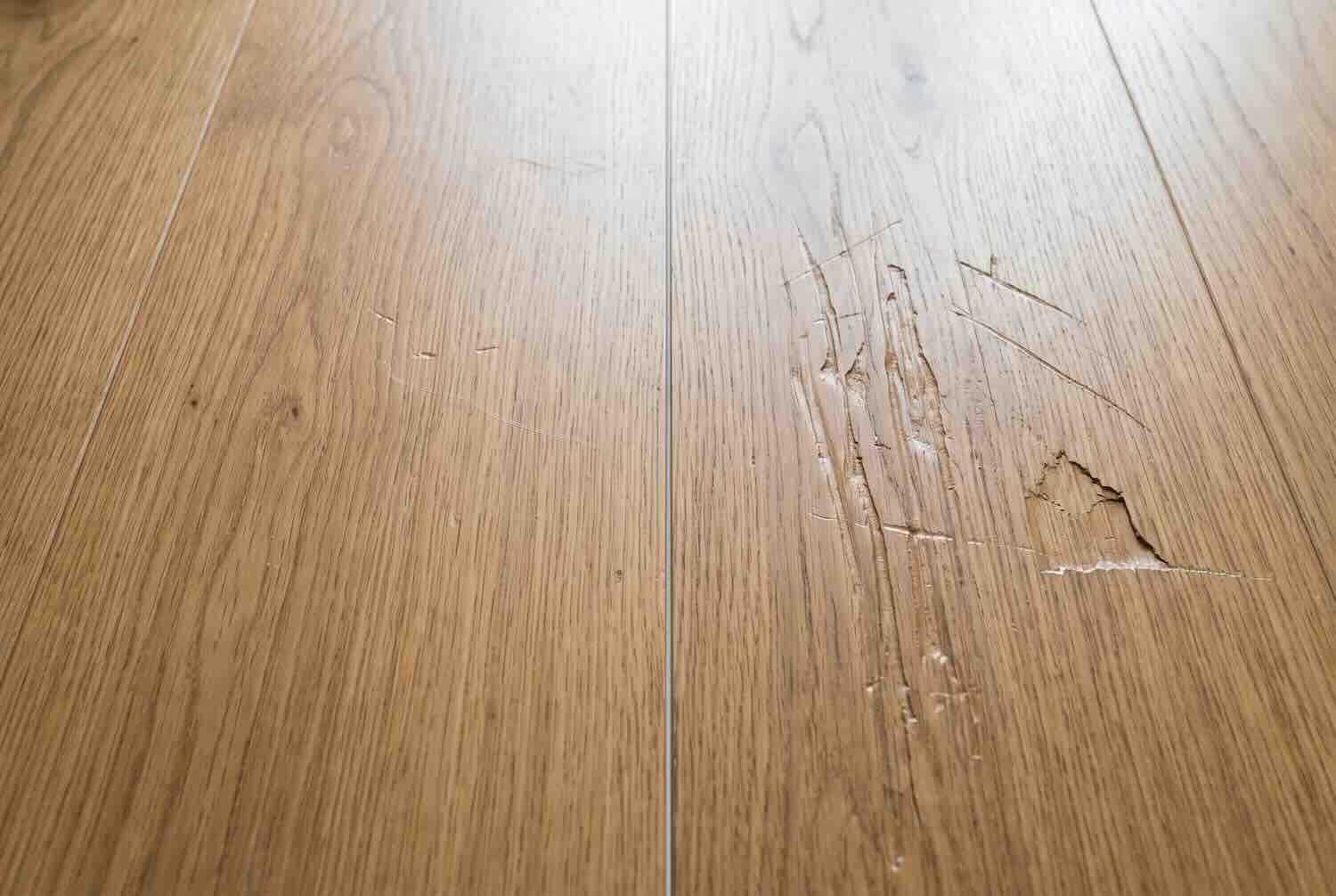
Damage examples usually run opposite to the acceptable wear list. Landlords can rightfully charge for large holes in the drywall, unapproved paint colors, pet urine soaked into padding, deep gouges from dragging heavy furniture, cracked tiles, broken doors, and appliances harmed by obvious misuse. The table below sorts the most common areas so you can see both sides clearly.
| Area | Normal wear | Tenant damage |
| Walls / paint | Faded paint, small nail holes | Large holes, crayon or marker, unapproved colors |
| Carpet | Light matting, traffic wear | Stains, burns, pet urine, tears |
| Flooring | Minor scuffs, light scratches | Deep gouges, chips, water damage |
| Doors | Loose hinges, minor scuffs | Holes, broken or off-track doors |
| Windows | Worn seals, faded screens | Cracked or broken glass |
| Appliances | Normal aging | Breakage from clear misuse |
| Bathroom | Worn grout, thinning caulk | Mold from neglect, cracked fixtures |
| Blinds | Sun fading | Bent, snapped, or missing slats |
What Is Normal Wear and Tear After 2, 3, 5, and 10 Years?
Time shifts what landlords must accept as reasonable deterioration. A minor scuff that might raise an eyebrow after just six months is considered ordinary after five years of occupancy. The milestones below outline roughly how much wear is expected at each stage of a tenancy.
| Length of tenancy | Expected wear |
| After 2 years | Light traffic wear on carpet, minor wall scuffs, small nail holes |
| After 3 years | Even carpet wear in walkways, paint starting to dull |
| After 5 years | Carpet often at the end of its useful life, a repaint commonly due |
| After 10 years | Most finishes fully aged out and due for replacement regardless |
This timeline exists to maintain fairness in both directions. A tenant should never be charged for aging that any occupant would have caused. After enough years, many physical finishes reach the natural end of their life on their own, which is what depreciation math is built to handle.
Life Expectancy and How Deposit Deductions Are Calculated
Landlords cannot legally charge you the full replacement cost for an item that was already nearing the end of its physical lifespan. HUD publishes life-expectancy figures that many property managers and local courts rely on to ensure fair billing.
| Item | Commonly cited HUD useful life |
| Interior paint | 3 to 5 years (depending on finish and traffic) |
| Plush carpet | 5 to 7 years |
| Window blinds | 3 years |
| Vinyl / Linoleum | 5 to 7 years |
A worked example makes this depreciation rule concrete. Say a carpet has a five-year useful life and you damage it in year four. Only one year of monetary value remained, so a fair charge is the prorated cost of that single remaining year rather than a brand-new carpet installation. If that same carpet was already past five years old, its depreciated value is effectively zero, meaning the landlord generally cannot charge you to replace it at all.
>>> See more: How to Prep Walls for Peel and Stick Wallpaper That Sticks
Gray Areas That Cause Disputes
Certain residential issues sit directly on the boundary between acceptable use and punishable neglect, making them the most frequent cause of disagreements. A single nail hole is clearly acceptable wear, but dozens of large drywall anchor holes quickly tip into the damage category. Bathroom mold is similarly judged by its root cause. Light surface mildew resulting from shower steam is usually wear, while thick mold spread by a tenant who never ventilated the room reads as obvious neglect.
Pet marks and heavy appliance use fall into the same murky zone. A few faint paw scuffs on a hardwood floor may pass as daily wear, but chewed baseboards or heavy urine damage will not. The deciding question in each gray-area case remains constant: did ordinary living cause the issue, or did a specific action or failure to act cause it? Thorough documentation settles the debate whenever a charge lands in this zone.
Can a Landlord Charge You for Normal Wear and Tear?
In most states, property owners cannot charge you for standard aging. What they can legally deduct is the cost of repairing actual damage, recovering unpaid rent, and occasionally paying for cleaning that goes well beyond a normal tidy-up. The key distinction here is that cleaning remains separate from wear. A landlord may charge a fee to clean a genuinely filthy unit, but they cannot charge you to refresh finishes that simply aged.
Repainting serves as a frequent flashpoint during move-outs. A landlord generally cannot bill you for a routine repaint they would have needed to do anyway, especially once the current paint has passed its three-to-five-year useful life. Deductions for wear that should have been the landlord’s standard business cost are among the most frequently disputed and easily winnable cases for tenants.
How to Protect Your Security Deposit
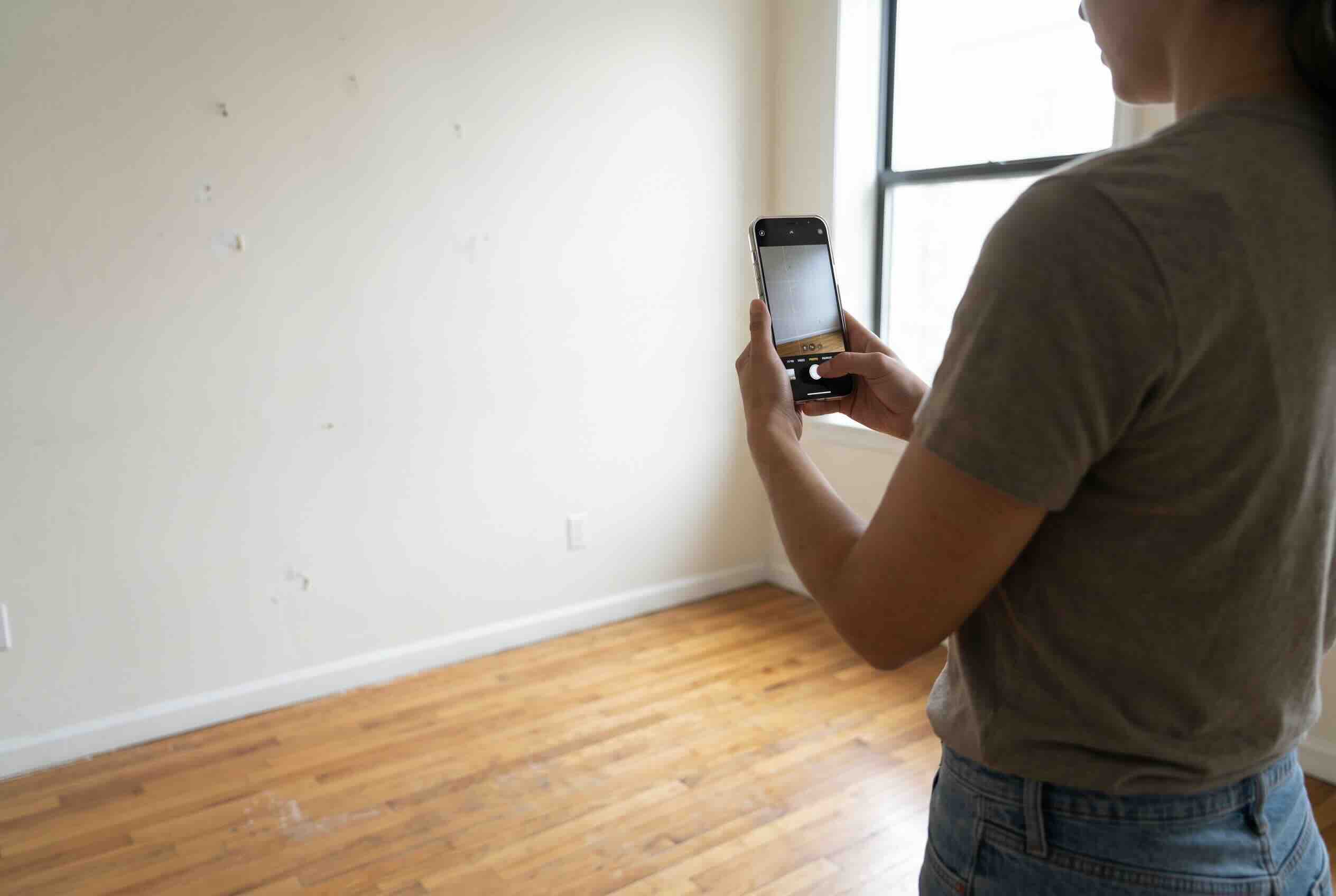
Defending your funds requires solid documentation created on your very first day in the unit. According to recent 2026 rental statistics, only 42% of renters receive their entire deposit back, and a major reason is that most tenants never photograph the unit before moving in.
- Photograph everything at move-in. Take date-stamped photos or video of every single room, including existing flaws, to establish a baseline the landlord cannot argue with later.
- Complete a written move-in checklist. Note pre-existing wear and damage clearly in writing, and ensure both parties sign the document.
- Report issues in writing during the lease. Email your property manager regarding leaks, broken fixtures, or mold so there is a permanent record showing you flagged the issues rather than caused them.
- Photograph again at move-out. Repeat the walkthrough sequence so you have a clear before-and-after comparison for the same spots.
- Demand an itemized statement. If unexpected deductions appear, ask for the itemized list your state likely requires, then formally dispute anything that represents wear rather than damage.
Handling fixable messes yourself before the final walkthrough also helps. Erasing a carpet stain on your own can turn a would-be deduction back into normal wear.
>>> See more: Does Peel and Stick Wallpaper Work in Bathrooms?
Does State Law Change What Counts?
What is considered normal wear and tear in an apartment stays broadly consistent wherever you rent; what differs from state to state is how the rules get enforced. States establish their own local laws dictating how long a landlord has to return your deposit, whether an itemized statement is mandatory, and how financial disputes must be handled.
Some states additionally cap deposit amounts or enforce specific legal notice requirements. The safest move is to verify your own state’s rules before entering into a disagreement. A state tenant-rights organization or your attorney general’s housing website serves as the most reliable place to confirm local details rather than assuming general rules cover everything.
Frequently Asked Questions
Are pet stains ever considered normal wear and tear?
Rarely. While light scuffs from a pet’s daily movement might pass, actual stains, deep urine damage, and chewed surfaces are treated as tenant damage. Furthermore, paying a pet deposit or monthly pet rent does not automatically cover that level of destruction.
Is carpet cleaning always deducted from the deposit?
No. Routine carpet cleaning to reset ordinary traffic wear is usually the landlord’s business cost, although many standard leases specifically require a professional cleaning at move-out. A charge for cleaning up genuine stains or heavy pet odors remains different from a charge for normal aging.
Can a landlord charge for repainting after one year?
They usually cannot charge for a routine repaint, since interior flat paint has a useful life of around three years, making one year of fading ordinary wear. However, they may charge you if you painted the walls an unapproved color or damaged the drywall beyond normal scuffs.
What if the apartment was already worn when I moved in?
Documented pre-existing wear cannot be charged to you. This is exactly why completing a move-in checklist alongside photos is your best protection against unfair charges.
Securing Your Deposit at Move-Out
Understanding the difference between unavoidable aging and active neglect empowers you to fight unfair charges. Once you grasp exactly what is considered normal wear and tear in an apartment, the HUD life-expectancy math makes it easy to determine what a fair deduction looks like. Tenants keep more of their deposit by documenting unit conditions carefully, while landlords ensure cleaner, legal deductions by charging only for real damage at its properly depreciated value.
For more on protecting your deposit, see the Home Tips Daily guide on paying a security deposit before signing a lease.