

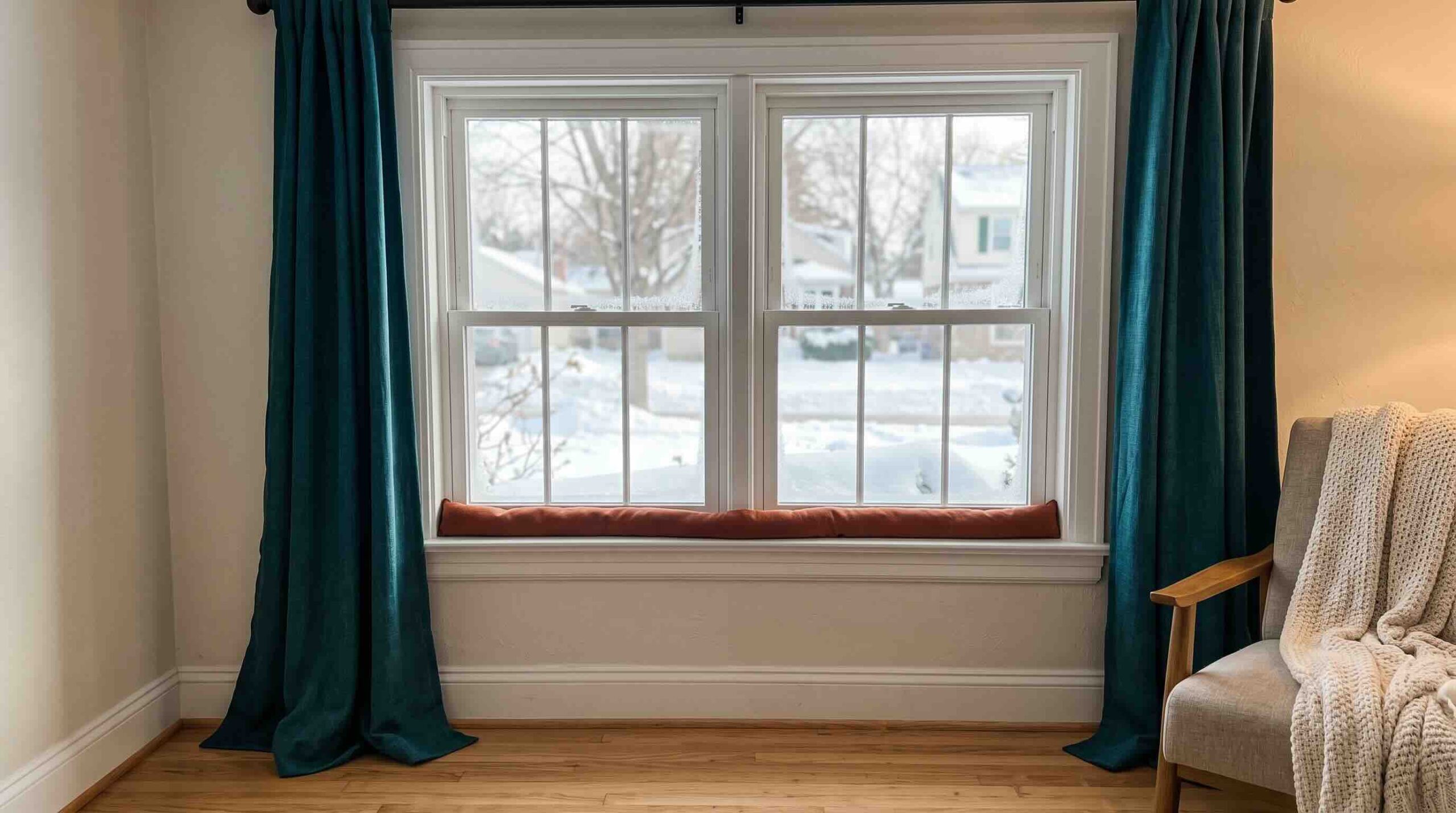
Drafty windows drain your home’s heat and drive up your winter energy bills. Fortunately, you can easily learn how to fix drafty windows without replacing them using inexpensive materials and a single afternoon of work. This guide will show you exactly how to locate the leaks and provide 8 effective ways to seal them, including renter-friendly, removable options.
How to Find Where Windows Are Drafty

If you seal the wrong spot, the draft will continue. Always locate the exact leak before applying a fix. Try these testing methods on a cold or windy day:
- The hand test: Slowly run your hand around the window edges to feel for moving air.
- The smoke test: Hold a lit incense stick near the frame; the smoke will lean away from any air leaks.
- The light test: Look for visible daylight creeping in around the interior frame.
- The fan trick: If it is a mild day, place a box fan blowing outward in another window to pull air into the room, making faint drafts much easier to feel.
Drafts typically originate from three areas: the sash (moving parts), the frame (where the window meets the wall), or the glass itself (common in single-pane windows).
How to Fix Drafty Windows Without Replacing Them (8 Ways)
Once you know exactly where the air gets in, match the appropriate fix to the spot.
1. Add Weatherstripping to the Sash
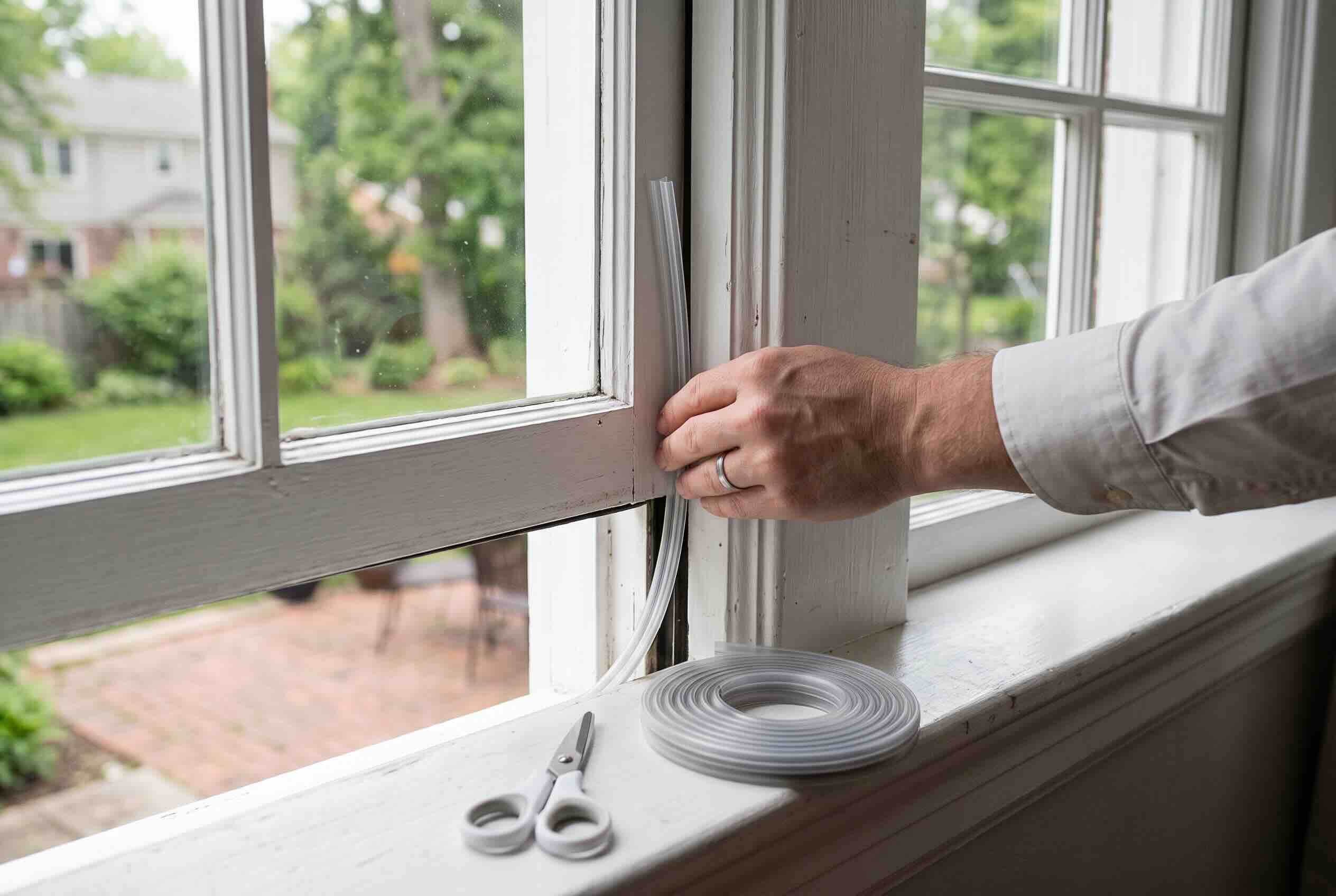
- The fix: Use adhesive-backed foam, felt, or V-seal strips to close the gap where the sash meets the frame.
- Application: Clean the surface, measure the run, and firmly press the strip along the contact edge. V-seal is ideal for double-hung sashes, while adhesive foam works best for sashes pressing against a stop.
- Maintenance: Replace the strips every few years, as foam flattens and felt mats down over time.
2. Caulk Gaps Around the Frame
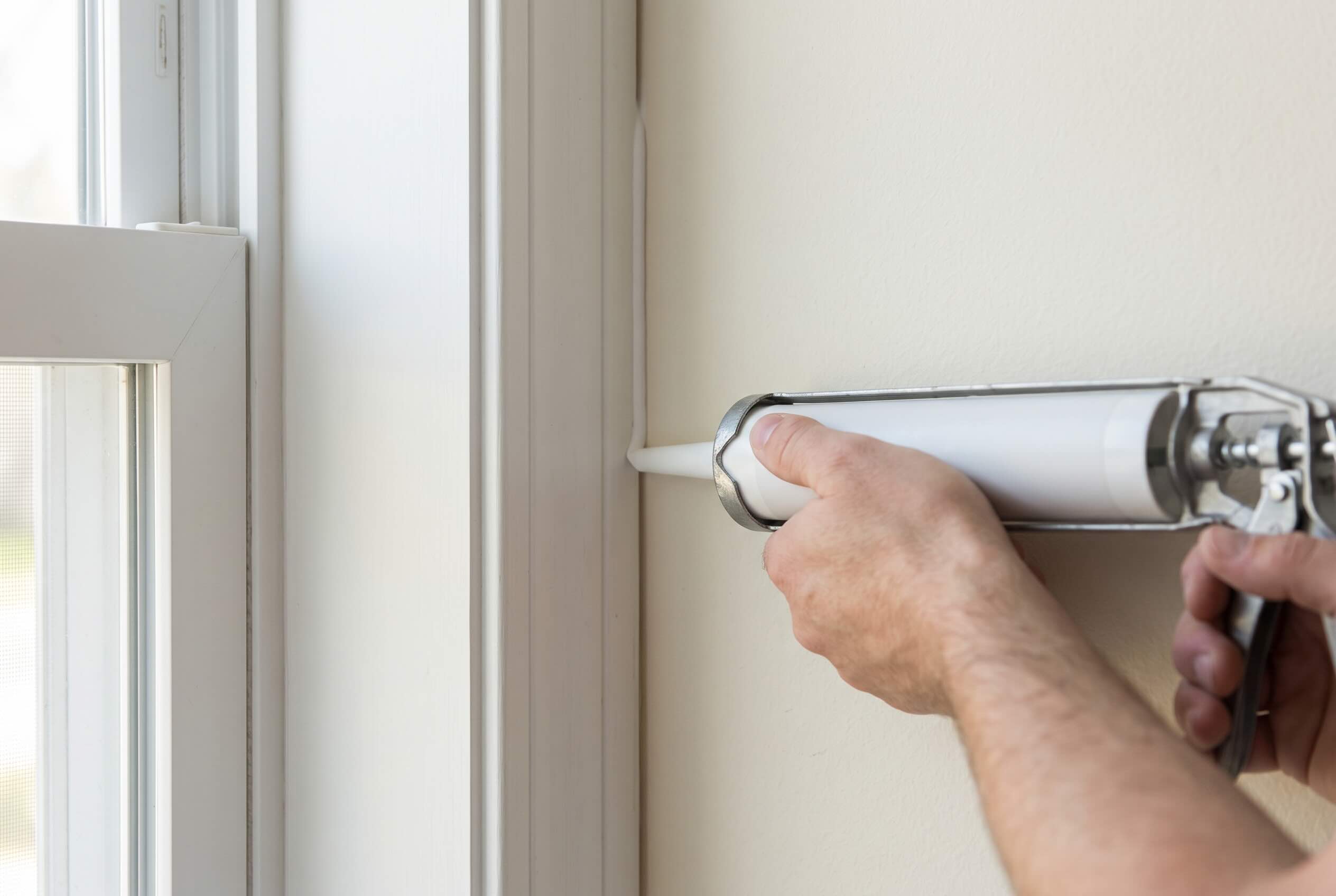
- The fix: Seal static cracks where the window frame meets the wall.
- Application: Always scrape out old, cracked caulk first, as new caulk will not adhere to loose debris. Use paintable interior caulk inside and exterior-grade caulk outside, smoothing the bead with a wet finger for a watertight seal.
- Restriction: Caulk is exclusively for fixed joints, never for moving window parts.
3. Apply Insulating Window Shrink Film
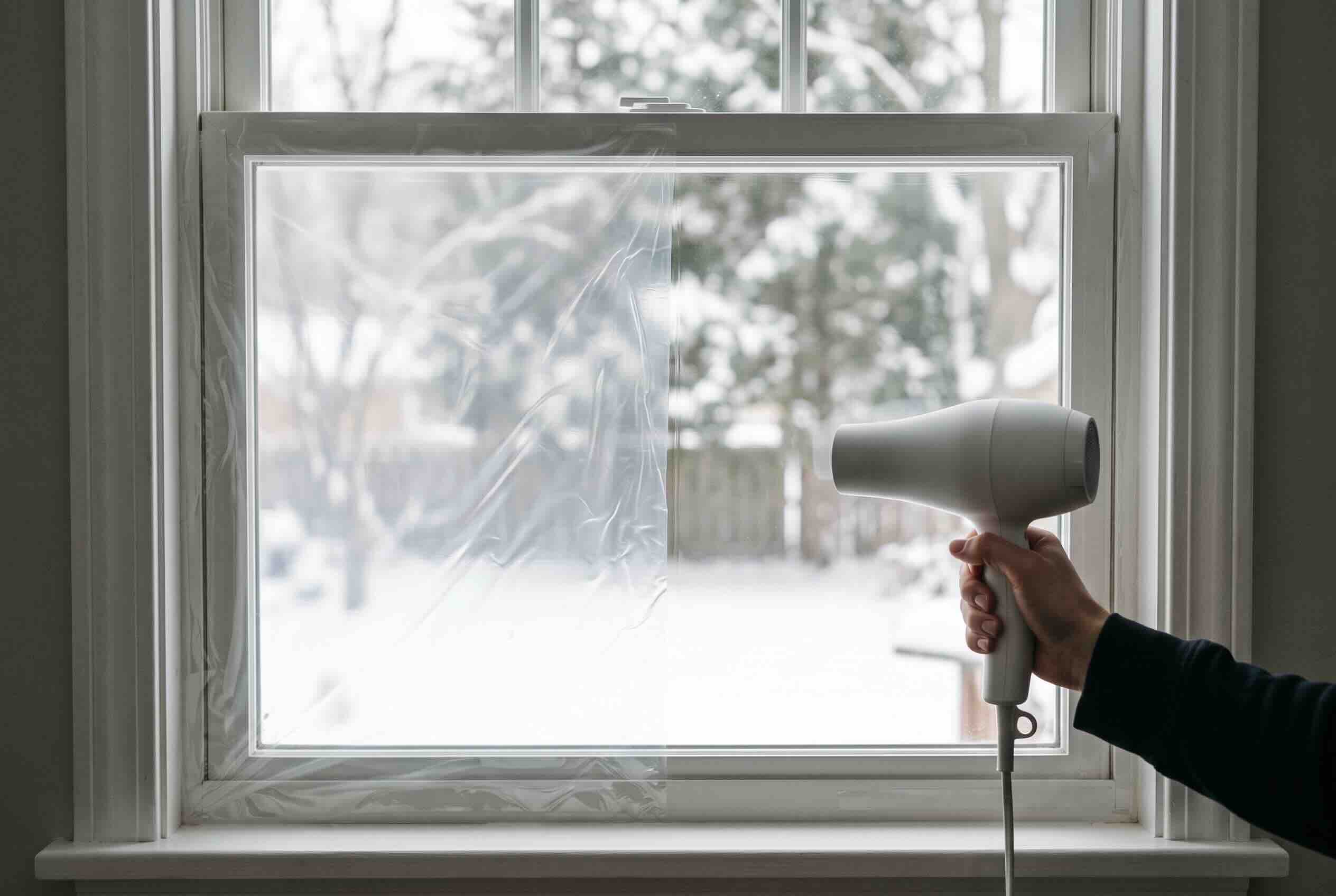
- The fix: Tape clear plastic film over the window and shrink it tight with a hair dryer to create a still-air insulating layer.
- Benefits: It significantly cuts drafts and heat loss through old panes, costs only a few dollars, and leaves no marks for renters.
- Drawback: You cannot open the window again until you remove the film in the spring.
4. Use a Draft Stopper or Snake
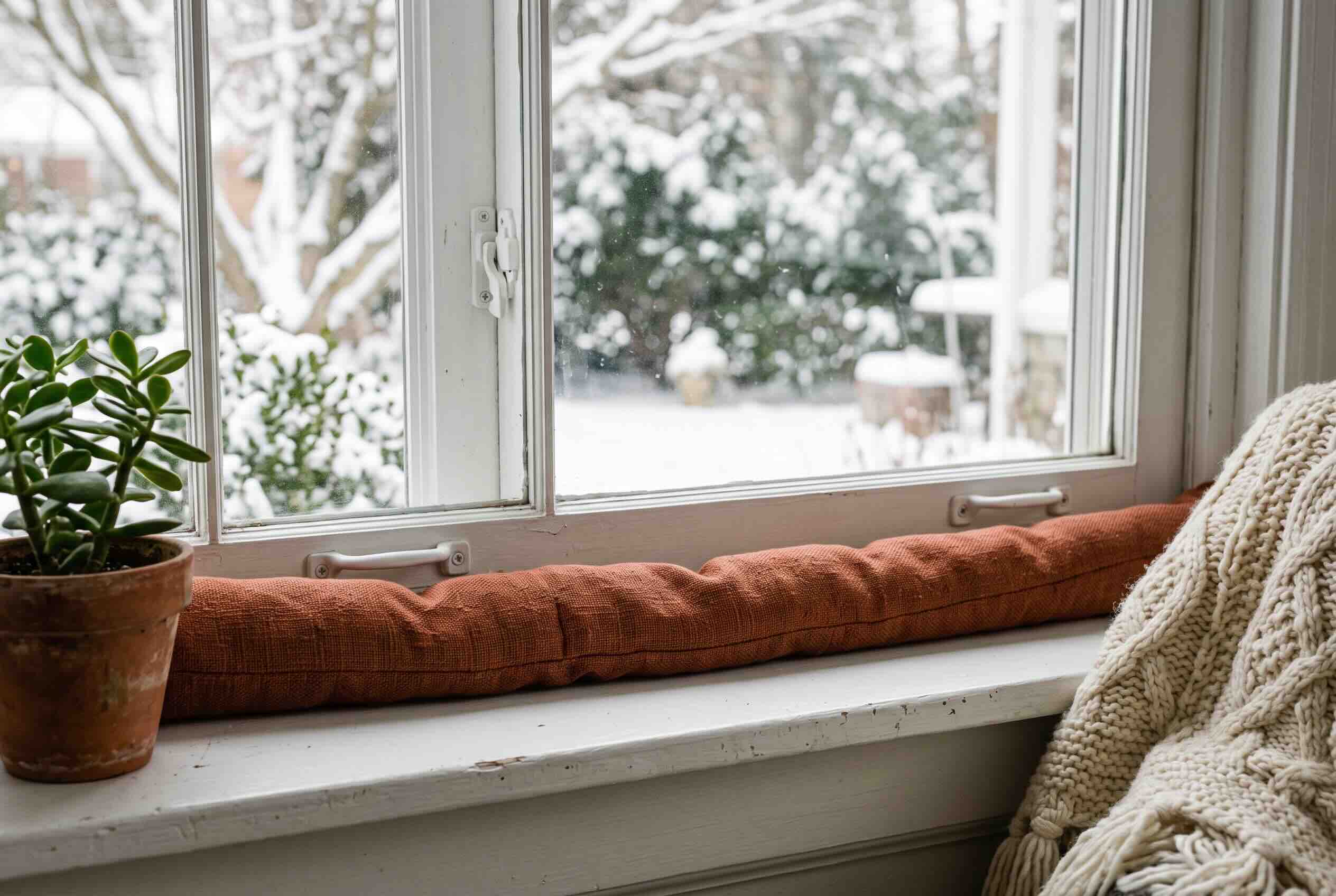
- The fix: Lay a fabric tube or weighted draft snake along the sill to block air sliding under an unseated sash.
- Benefits: It is the quickest, cheapest, and easiest tool-free fix available. Because it simply lifts off, you can still easily open the window. (A rolled towel works in a pinch).
5. Hang Thermal Curtains or Heavy Drapes

- The fix: Add lined thermal curtains to create a barrier between the cold glass and the room.
- Application: Mount the rod high and wide, letting the fabric run past the frame and down to the floor. Keep them securely closed at night to trap heat.
- Expectation: Curtains do not physically seal the leak, but they effectively soften drafts and cut the chill.
6. Seal Gaps With Removable Rope Caulk
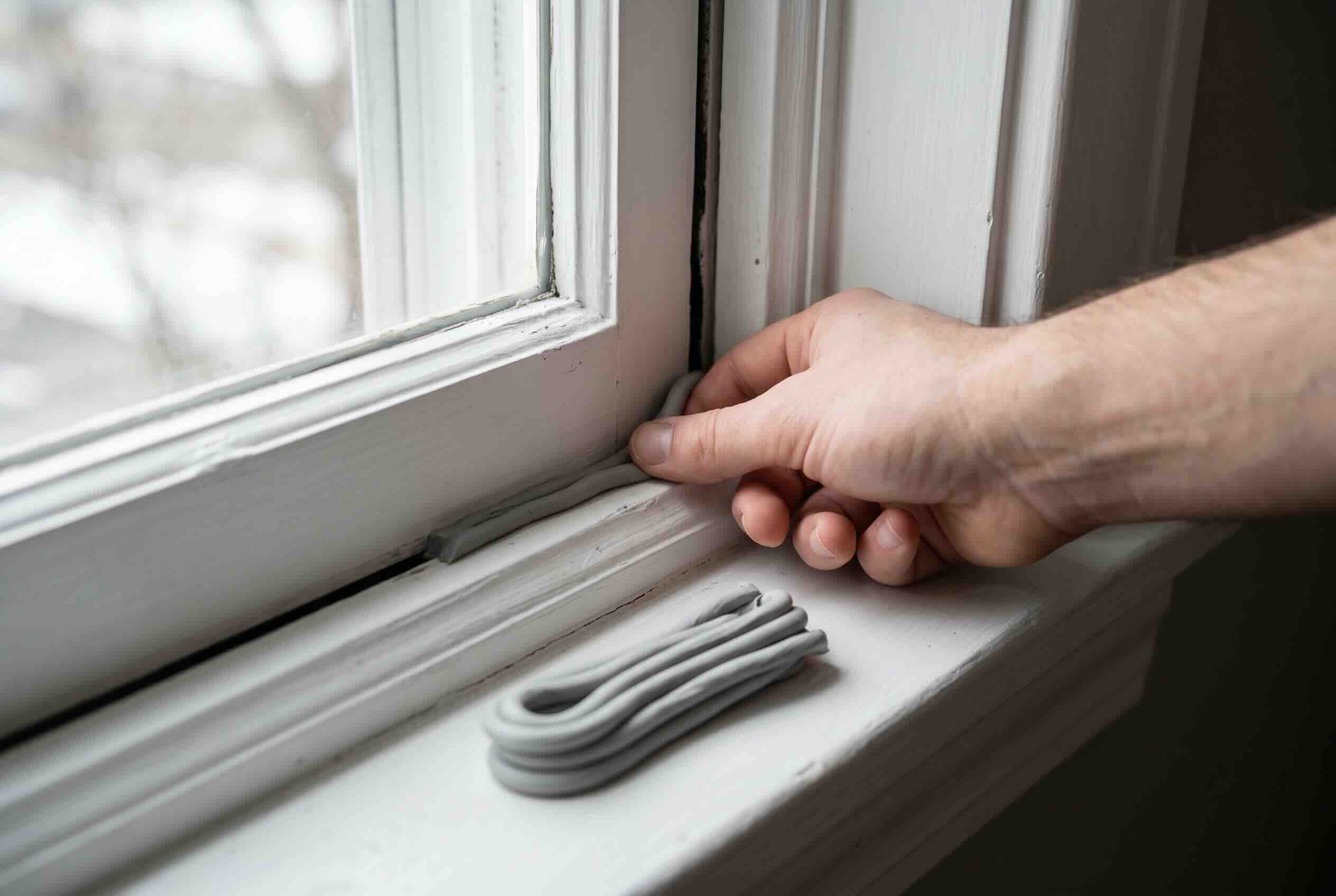
- The fix: Press this soft, putty-like strip directly into gaps by hand, no caulk gun or mess required.
- Benefits: It thoroughly seals leaks for the winter and peels off cleanly in the spring, making it perfect for renters.
- Tip: It is unpaintable, so keep it hidden, and you can reuse it next year if you save the backing.
7. Add Foam Backer Rod to Movable Parts
- The fix: Take up the slack in loose sashes or casements by inserting a foam backer rod or thick weatherstrip into the moving edge.
- Application: Choose a size slightly larger than the gap so the foam compresses tightly into place. Trim any excess and ensure the window still latches properly.
8. Insulate With Bubble Wrap
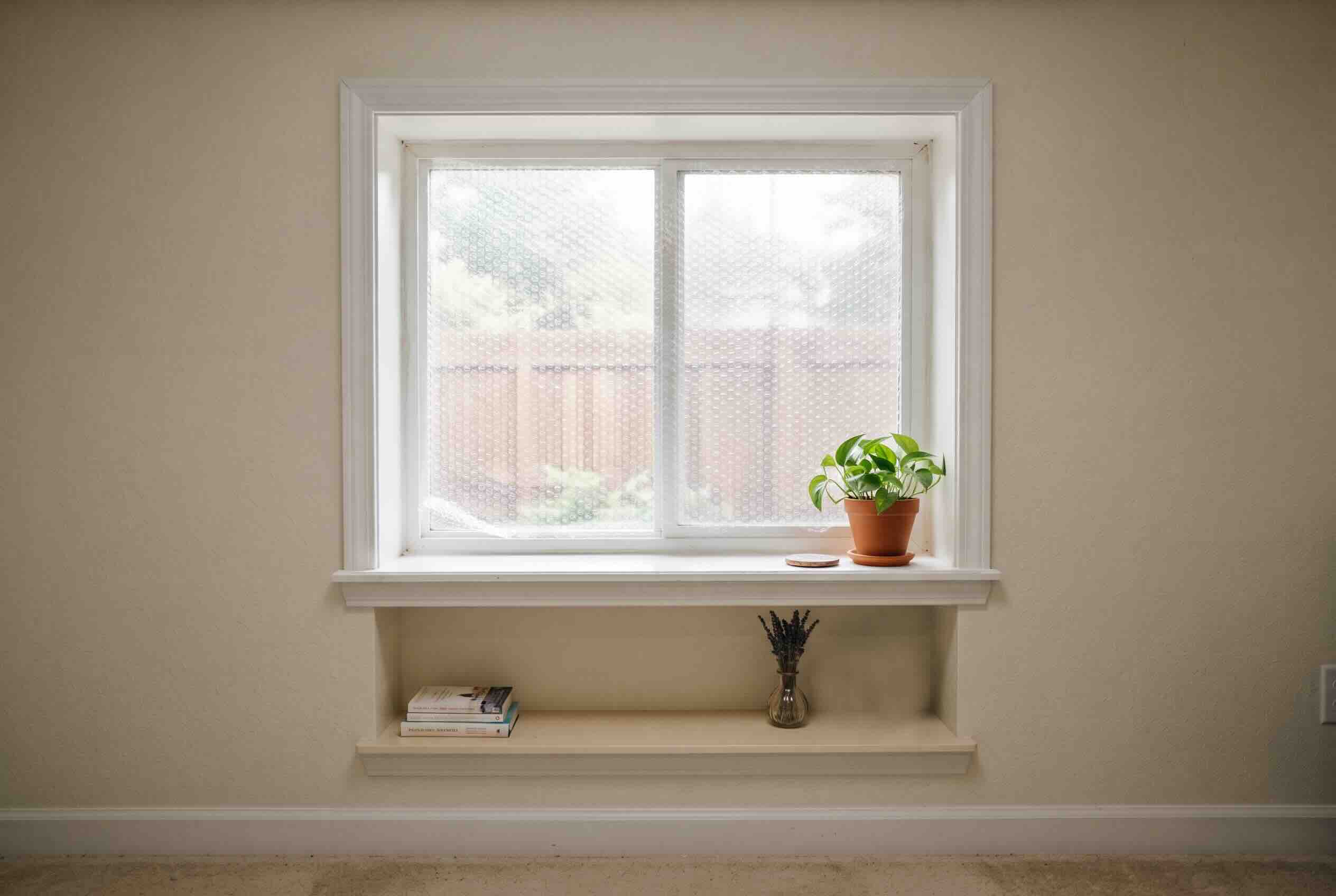
- The fix: Create a rough, still-air insulating layer against the pane for almost zero cost.
- Application: Mist the glass with water and firmly press the bubble side against it. It clings for the entire season without adhesive.
- Best for: Basements or obscured windows, as the bubble wrap will heavily blur your view.
How Much You Save by Sealing Drafty Windows
Sealing leaks pays for itself quickly. While replacing a single window can run into the hundreds or thousands of dollars, a tube of caulk, a pack of weatherstripping, or a film kit costs only a few dollars. While these low-cost fixes do not match a new window for comfort, they provide a solid return on investment. Many of them will pay for themselves within a single heating season. Beyond the energy bill savings, sealing drafts entirely eliminates the uncomfortable cold edge near the glass. Actual savings will vary by climate and window condition, but draft-proofing remains the most cost-effective move you can make.
FAQ
Can you fix drafts around old single-pane windows?
Yes, and they are the windows that gain the most. Single panes leak at the sash, the frame, and through the glass itself, so a mix works best: weatherstrip the sash, caulk the frame, and add shrink film or a storm window over the glass. You will not match a modern double pane, but you can take a cold, leaky window down to a comfortable one.
How do you seal a window that won’t close all the way?
First find out why it will not close, since paint buildup, a swollen sash, or a bent track is often the real problem and is worth fixing on its own. If a gap remains, a foam backer or a thicker weatherstrip on the moving edge takes up the space so the sash seats. Rope caulk seals it shut for the winter when you do not need to open it. A swollen wood sash sometimes frees up with a light sanding of the binding edge once it has dried out.
Are drafty windows a sign of a bigger problem?
Sometimes. A light draft is usually just worn weatherstripping or dried-out caulk. A strong one, or water coming in with the air, can point to a failed seal, rot in the frame, or a gap behind the trim that needs opening up. If you find soft wood or staining, look closer before you seal over it.
How long do these draft fixes last?
It depends on the fix. Caulk and weatherstripping last a few years before they dry out and need redoing. Film and rope caulk are seasonal, going up in fall and coming off in spring. Curtains and draft snakes last for years, since there is nothing to wear out. Plan to check the caulk and weatherstrip each fall.
Do drafty windows cause condensation or mold?
They can play a part. A cold draft and a cold glass surface let indoor moisture condense on the window, and steady dampness on the sill can grow mold over time. Sealing the draft and adding film warms the inner surface, which cuts the condensation. Lowering indoor humidity with a bathroom or kitchen fan also cuts the moisture that lands on cold glass. Wipe up any water that collects and keep the room ventilated.
Conclusion
Knowing how to fix drafty windows without replacing them always starts with accurately locating the leak. Whether you weatherstrip the sash, caulk the frame, or apply insulating film, a few dollars and a single afternoon of work will pay dividends all winter long. For renters, removable options like rope caulk and draft snakes offer consequence-free comfort. For more practical, money-saving home maintenance strategies, explore our latest guides on Home Tips Daily.