


Keeping a home clean while balancing work, family responsibilities, and personal commitments can feel overwhelming. Many households juggle full time jobs, long commutes, school schedules, and social obligations. At the end of the day, cleaning often falls to the bottom of the priority list. Yet a tidy space directly influences mental clarity, productivity, and overall well being.
Quick cleaning strategies don’t require perfection or hours of effort. With the right system, even the busiest people can maintain a home that feels organized and welcoming. The key lies in efficiency, consistency, and smart habits that reduce buildup before it becomes unmanageable.
Why a Tidy Home Matters for Busy Adults
Research consistently shows that clutter increases stress and decreases focus. After a demanding workday, walking into a chaotic space can amplify mental fatigue. On the other hand, a clean environment promotes relaxation and a stronger sense of control.
For working professionals and parents, time remains the most limited resource. Many households have dual incomes, making evenings and weekends precious. Instead of dedicating an entire Saturday to deep cleaning, small daily actions create lasting impact. A tidy home also reduces hidden costs. When surfaces remain organized, misplaced bills, expired food, and forgotten items decrease. That efficiency supports both financial and emotional stability.
The Five Minute Reset Rule
One of the most effective habits for busy households is the five minute reset. Set a timer for five minutes in each high traffic area. Focus only on visible clutter. Put away shoes, stack mail, wipe counters, and straighten cushions.
Five minutes rarely feels burdensome. Most people scroll on their phones longer than that without noticing. When this reset happens daily, mess doesn’t accumulate into overwhelming chaos. This method works especially well in entryways, kitchens, and living rooms. These spaces influence first impressions and daily mood. A brief reset creates immediate visual improvement without draining energy.
Clean as You Move Through the Day
Efficiency improves when cleaning blends into existing routines. Instead of scheduling large blocks of time, attach small tasks to daily habits. For example, wipe the bathroom sink while brushing teeth. Load dishes directly into the dishwasher after meals instead of leaving them overnight. Start a laundry cycle before work so it’s ready for the dryer in the evening. These micro actions reduce weekend workload. They also prevent the psychological weight of unfinished chores.
Focus on High Impact Zones
Not every area requires equal attention. For busy individuals, prioritizing visible and frequently used spaces makes the biggest difference. Kitchens, bathrooms, and main living areas should receive consistent care.
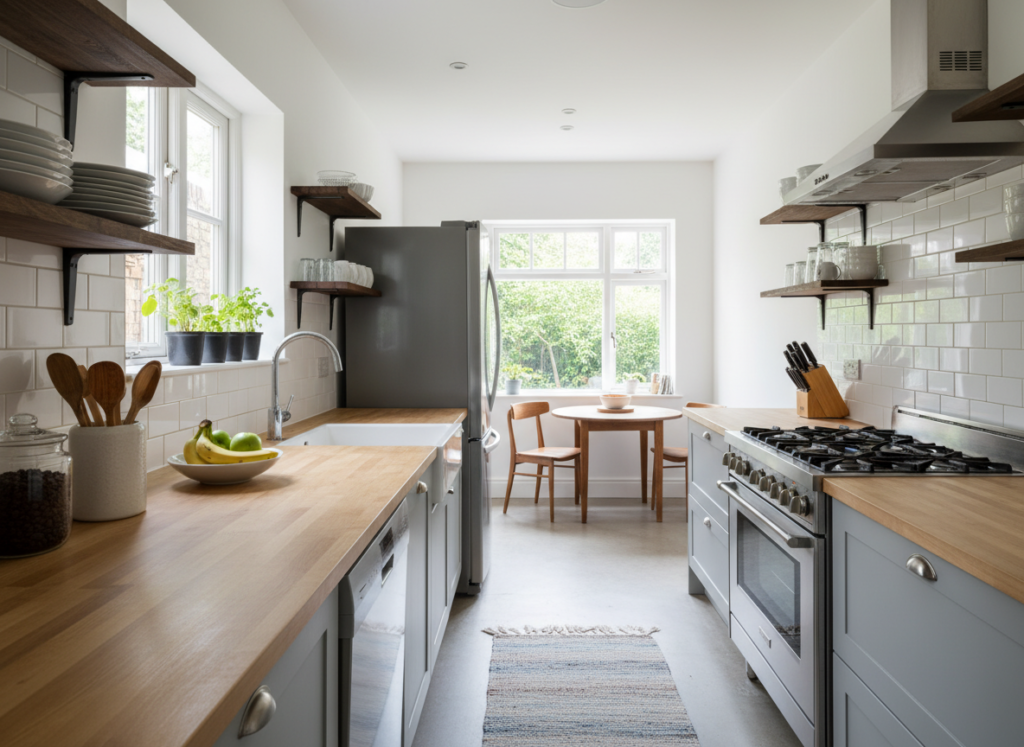
Bedrooms and storage spaces can follow a rotating schedule. When time feels limited, focus on what guests see and what household members use daily. That approach maximizes results without exhausting effort.
The One Touch Rule
Clutter often builds because items get handled multiple times. Mail lands on the counter, moves to the table, then shifts to a desk. Adopting a one touch rule prevents this pattern. When picking up an item, decide immediately where it belongs. Trash goes straight into the bin. Shoes return to the closet. Laundry heads directly to the hamper. This rule eliminates unnecessary steps and reduces surface buildup. Over time, this habit becomes automatic. Busy people benefit from systems that reduce decision fatigue, and the one touch rule does exactly that.
Speed Cleaning Essentials
Busy households don’t need an elaborate collection of supplies. A streamlined kit saves time and storage space. Keep basic tools easily accessible so cleaning doesn’t feel like a complicated project.
- Microfiber cloths for dusting and wiping surfaces
- All purpose cleaner safe for most countertops
- Disinfecting wipes for quick bathroom and kitchen refresh
- A lightweight vacuum or cordless stick vacuum
- A small caddy to carry supplies room to room
When supplies remain convenient, small tasks feel manageable. Searching for products wastes valuable minutes and discourages consistency.
Laundry Shortcuts That Save Hours
Laundry often becomes one of the most time consuming chores. Simplifying this process reduces stress significantly. First, limit sorting by using divided hampers for lights and darks. Second, fold clothes immediately after drying to prevent wrinkles and piles forming on furniture. Third, consider a weekly schedule. Assign specific days for washing towels, bedding, or work clothes. Minimalist wardrobes also help. When closets contain only frequently worn pieces, laundry volume decreases. Busy professionals often find that fewer clothing choices simplify both mornings and maintenance.
Kitchen Cleanup in Under Fifteen Minutes
The kitchen tends to accumulate mess quickly. Cooking, snacks, and daily coffee routines leave behind crumbs and dishes. A nightly fifteen minute routine can reset the entire space. Start by clearing and wiping counters. Load or unload the dishwasher. Sweep high traffic areas. Take out trash if needed. These small actions ensure mornings begin smoothly. Preparing coffee machines and breakfast items the night before adds another layer of efficiency. A clean kitchen sets a positive tone for the entire day.
Declutter in Small Categories
Large scale decluttering projects intimidate busy individuals. Instead of tackling an entire room, focus on one category at a time. Clean out a single drawer, one shelf, or a specific group of items such as expired pantry goods.
Set a timer for ten or fifteen minutes. Short sessions reduce resistance. Over weeks, consistent small efforts transform the overall organization. Don’t aim for perfection. Progress matters more than flawless results. Even removing a handful of unused items creates visible improvement.

Use Technology to Your Advantage
Smart home tools and reminders can simplify cleaning routines. Calendar alerts prompt quick resets. Robotic vacuums maintain floors with minimal effort. Grocery delivery services reduce clutter from bulk impulse purchases.
Busy households thrive when automation handles repetitive tasks. Even simple digital checklists help family members share responsibilities more evenly. Children and partners can participate in short daily resets. Shared accountability lightens the load and builds sustainable habits.
Create Visual Calm Through Simple Design

Cleaning feels easier in uncluttered spaces. Limit decorative items on surfaces. Choose storage solutions that hide everyday objects. Baskets, bins, and drawer organizers prevent scattered mess. When counters remain mostly clear, wiping them takes seconds. When entryways have designated hooks and shelves, items don’t pile up randomly. A streamlined environment reduces cleaning time dramatically. It also promotes mental clarity after long workdays.
Maintain Energy by Avoiding Burnout
Busy people sometimes attempt intense cleaning sessions after weeks of neglect. That approach often leads to exhaustion and inconsistency. Sustainable routines matter more than occasional deep cleans. Schedule one manageable deep cleaning task each week instead of cramming everything into one day. For example, vacuum thoroughly one week and deep clean bathrooms the next. Rotating focus keeps workload reasonable. Rest remains essential too. Overextending leads to resentment toward household responsibilities. Balanced routines support long term success.
Mindset Shifts That Make Cleaning Easier
A tidy home doesn’t require constant effort. It requires consistent habits. Viewing cleaning as maintenance rather than punishment changes motivation. Small daily investments protect time later. When a mess stays under control, emergency cleaning before guests becomes unnecessary. That predictability lowers stress. Busy professionals often thrive on structure. Applying that same structured mindset to home care creates stability across both work and personal life.
Conclusion
Quick cleaning hacks provide practical solutions for individuals balancing demanding schedules and household responsibilities. By focusing on high impact zones, integrating micro tasks into daily routines, and using streamlined tools, busy households maintain order without sacrificing valuable time.
Consistency outweighs intensity. Five minute resets, the one touch rule, and simple decluttering sessions create lasting results. When cleaning becomes part of daily rhythm rather than a separate overwhelming event, maintaining a tidy home feels achievable.
A well kept space supports productivity, reduces stress, and enhances overall quality of life. With smart systems and realistic expectations, even the busiest people can enjoy a home that feels calm, organized, and ready for whatever the week brings.
Related Articles
- 10 Speed Cleaning Techniques: Quick, Time-Saving Tips for Fast, Efficient Home Cleaning on Busy Days
- Minimalist Cleaning Routine: A Practical Way to Save Time and Energy Every Day
- Top Smart Cleaning Tools That Save Time and Simplify Daily Home Cleaning