

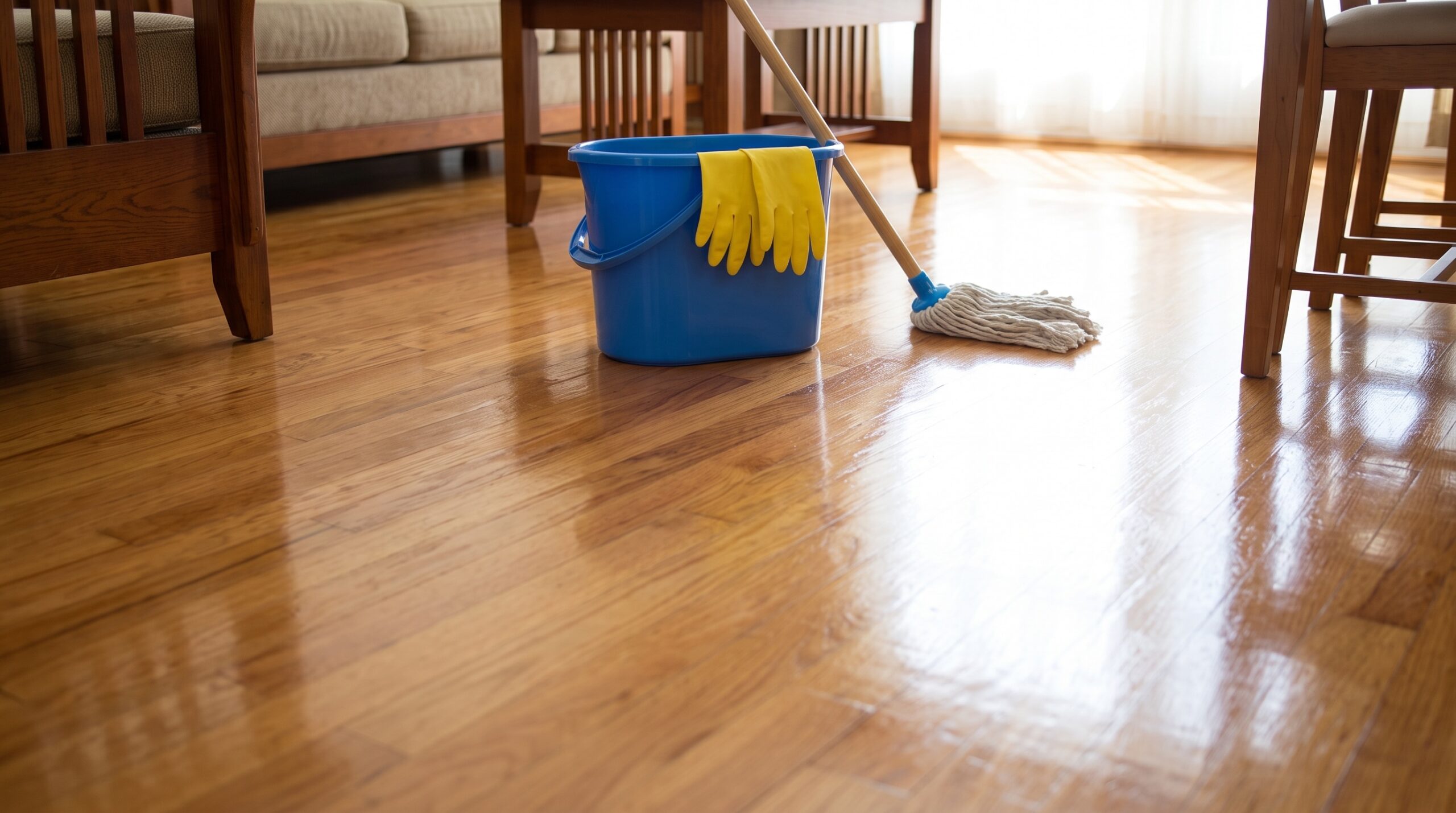
Deep cleaning goes beyond routine tidying and weekly surface wiping. It targets hidden dust, built up grime, overlooked corners, and areas that quietly collect bacteria over time. For busy households balancing work schedules, school commitments, and social obligations, deep cleaning often gets postponed. However, a structured and practical checklist makes the process manageable and far less overwhelming.
A well maintained home supports physical health, mental clarity, and long term property value. Indoor air quality improves when dust and allergens get removed regularly. Appliances last longer when maintained properly. Flooring, cabinetry, and fixtures retain their appearance when cleaned thoroughly and consistently. With the right system in place, deep cleaning becomes a strategic task rather than a stressful event.
Why Deep Cleaning Matters More Than You Think
Many families focus primarily on visible surfaces. Counters get wiped, dishes get washed, and floors get vacuumed. However, while these everyday tasks keep a home looking clean, hidden buildup behind appliances, inside vents, and beneath furniture continues to accumulate. Gradually, this overlooked debris can quietly affect both indoor air quality and overall hygiene.
In homes with children or pets, deep cleaning becomes even more important. Dirt, pollen, and outdoor debris accumulate quickly. High traffic areas experience wear that routine cleaning can’t fully address. Regular deep cleaning reduces allergens and supports healthier living conditions.
Deep cleaning also protects investment. For homeowners, property value depends on upkeep. For renters, maintaining cleanliness prevents security deposit disputes and supports positive landlord relationships. A practical checklist keeps standards high without guesswork.
How Often Should You Deep Clean
Frequency depends on household size, lifestyle, and environment. Many households benefit from a comprehensive deep clean two to four times per year. High traffic homes may require more frequent attention in kitchens and bathrooms. Rather than tackling everything in one exhausting weekend, divide tasks by room or by category. Spreading the workload across several days or weeks keeps energy levels steady and reduces burnout.
Preparing Before You Start
Preparation increases efficiency. Gather all necessary supplies before beginning. Ensure vacuum filters are clean. Check that cleaning solutions are appropriate for your surfaces. Open windows if weather allows to improve ventilation. Declutter first. Removing unnecessary items makes surfaces accessible and speeds up the process. Sorting items before cleaning also helps identify what can be donated or discarded.

Create a realistic schedule. Blocking out dedicated time ensures the task doesn’t get postponed repeatedly. Consistency matters more than perfection.
Deep Cleaning Essentials Checklist
The following checklist covers major areas of the home. Adjust based on your layout and specific needs.
- Dust ceiling fans, light fixtures, vents, and baseboards
- Wash windows inside and wipe down window tracks
- Clean behind and underneath large appliances
- Disinfect high touch surfaces such as door handles and switches
- Scrub tile grout in kitchens and bathrooms
- Vacuum upholstered furniture and mattresses
- Mop floors thoroughly including corners and edges
- Clean inside cabinets, drawers, and pantry shelves
- Wash bedding including pillows and mattress covers
- Replace HVAC filters and check smoke detectors
Use this checklist as a baseline. Some households may add tasks such as chimney inspection, garage organization, or outdoor patio cleaning depending on climate and property type.
Kitchen Deep Cleaning Strategy
The kitchen demands detailed attention because it handles food preparation daily. Grease and residue accumulate gradually, especially on stovetops and cabinet surfaces.
Start by emptying the refrigerator. Discard expired items. Remove shelves and wash them with warm soapy water. Wipe interior walls and door seals thoroughly. Next, clean the oven using a suitable product for your appliance type. Don’t forget the range hood and filter, which often collect grease buildup.
Pull appliances slightly forward to vacuum and mop underneath. This step prevents dust accumulation and discourages pests. Finish by sanitizing countertops, backsplashes, and sink drains. Deep cleaning the kitchen improves hygiene and extends appliance lifespan. It also enhances cooking efficiency by keeping storage organized.
Bathroom Deep Cleaning Strategy
Bathrooms require attention to moisture control and sanitation. Begin by scrubbing tile grout and shower walls. Mineral deposits and soap scum build gradually and may require a dedicated cleaner. Remove and wash shower curtains or clean glass panels thoroughly. Disinfect sink faucets, handles, and toilet bases. Wipe down cabinet interiors and discard expired personal care items.
Pay special attention to ventilation fans. Dust buildup in these areas reduces airflow and increases humidity levels. Improved ventilation helps prevent mold growth and protects structural integrity. A deeply cleaned bathroom feels noticeably fresher and supports healthier daily routines.
Bedroom Deep Cleaning Strategy
Bedrooms influence sleep quality and relaxation. Dust often settles unnoticed under beds and behind dressers. Move furniture carefully to vacuum and mop hidden areas. Wash bedding including pillows and mattress protectors. Vacuum mattresses using upholstery attachments to remove dust mites. Rotate or flip mattresses if recommended by the manufacturer. Wipe down nightstands, lamps, and decorative items. Organize closets by removing unused clothing and donating items no longer needed. A simplified wardrobe reduces future clutter and simplifies maintenance. Clean air and organized surroundings promote better rest and reduce allergens.
Living Areas and Shared Spaces
Living rooms and family rooms gather daily activity. Upholstered furniture absorbs dust and odors. Use appropriate attachments to vacuum sofas, chairs, and cushions. Dust electronic equipment carefully to avoid damage. Clean remote controls and light switches, as they’re frequently touched yet rarely disinfected. Wash throw blankets and pillow covers.
If carpets exist, consider professional deep cleaning annually, especially in homes with pets. Hard flooring should be mopped thoroughly, paying attention to edges and corners where debris collects. A refreshed living space enhances comfort and creates a welcoming environment for guests.
Don’t Forget Often Overlooked Areas
Many deep cleaning efforts skip smaller yet impactful areas. Air vents, baseboards, door frames, and light switches accumulate grime gradually. Wiping these surfaces brightens the entire home.
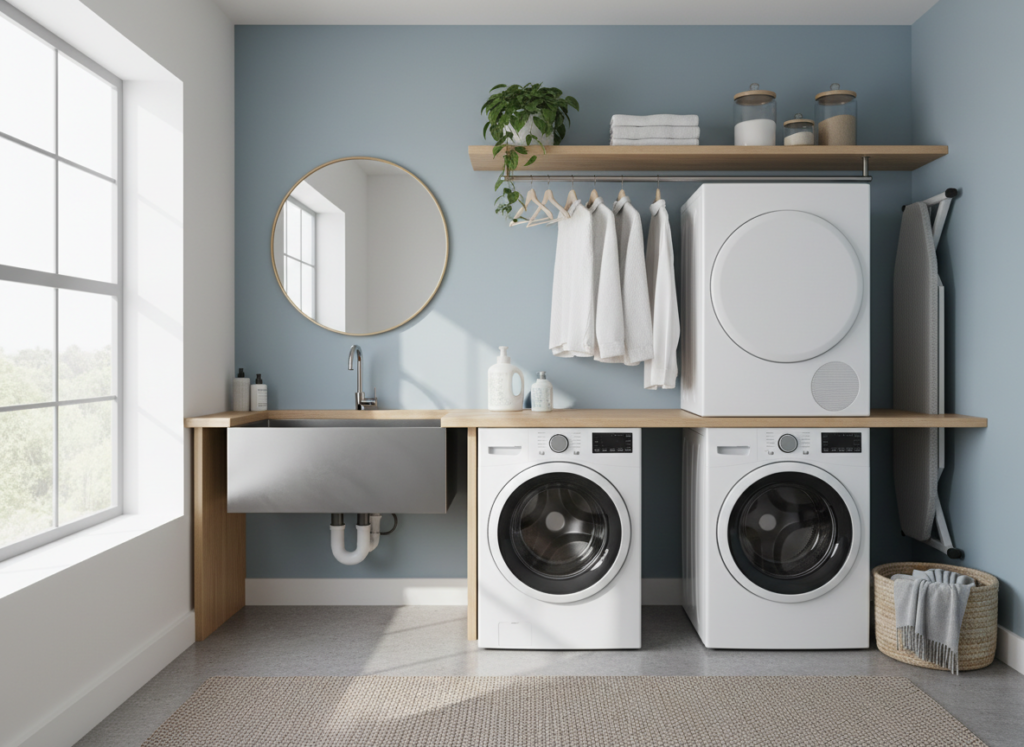
Laundry rooms deserve attention as well. Clean washing machine seals, run a maintenance cycle, and remove lint from dryer vents. This step improves appliance efficiency and reduces fire risk. Entryways benefit from decluttering shoes and coats. Clean doormats and wipe walls where scuff marks appear. These details contribute to overall presentation and cleanliness.
Building a Sustainable Deep Cleaning Routine
Deep cleaning doesn’t have to disrupt your schedule completely. Break tasks into manageable segments. Assign specific rooms to different weekends. Involve family members to share responsibilities.
Use a digital checklist or printable version to track progress. Crossing off tasks provides motivation and prevents repetition or oversight. Maintaining smaller weekly habits makes seasonal deep cleaning easier. When surfaces stay moderately clean throughout the year, comprehensive sessions require less effort.
Health and Safety Considerations
Use cleaning products responsibly. Follow label instructions and avoid mixing chemicals that can create harmful reactions. Wear gloves when handling strong solutions. Ensure proper ventilation during use. For households with allergies or respiratory sensitivities, consider hypoallergenic products and HEPA filter vacuums. Cleaner indoor air improves overall well being.
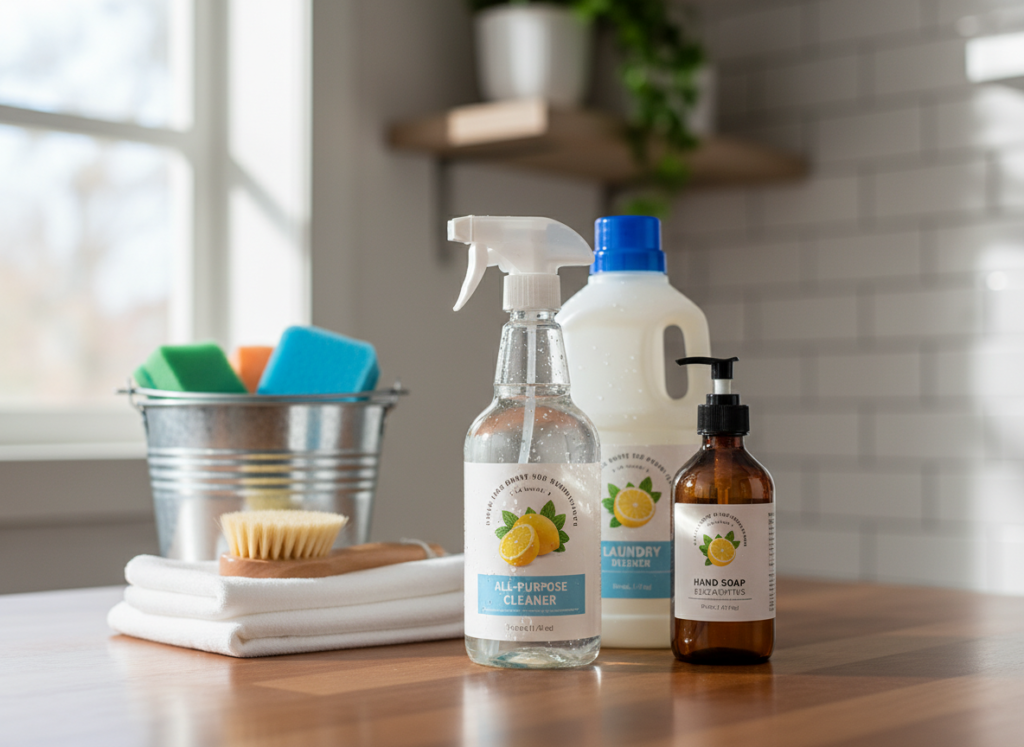
Safety also includes proper lifting techniques when moving furniture. Protect floors and avoid overexertion. Taking measured steps prevents injury during extended cleaning sessions.
Conclusion
A practical deep cleaning checklist transforms an overwhelming task into an organized and achievable process. By preparing properly, dividing responsibilities, and focusing on each room systematically, households maintain healthier and more comfortable living spaces.
Deep cleaning strengthens indoor air quality, preserves property value, and supports long term home maintenance. When approached strategically rather than impulsively, the process becomes efficient and sustainable. With consistency and thoughtful planning, any household can maintain a clean, refreshed home environment that promotes comfort, safety, and peace of mind throughout the year.
Related Articles
- House Cleaning Checklist & Cleaning Schedule: Essential Daily, Weekly, and Monthly Tasks for a Cleaner, More Organized Home
- Pet-Friendly Cleaning Tips: Safe, Effective Ways to Keep Your Home Fresh and Spotless with Dogs and Cats
- Healthy Home Cleaning Practices for Better Physical and Mental Well Being
- Minimalist Cleaning Routine: A Practical Way to Save Time and Energy Every Day
- Top Smart Cleaning Tools That Save Time and Simplify Daily Home Cleaning