

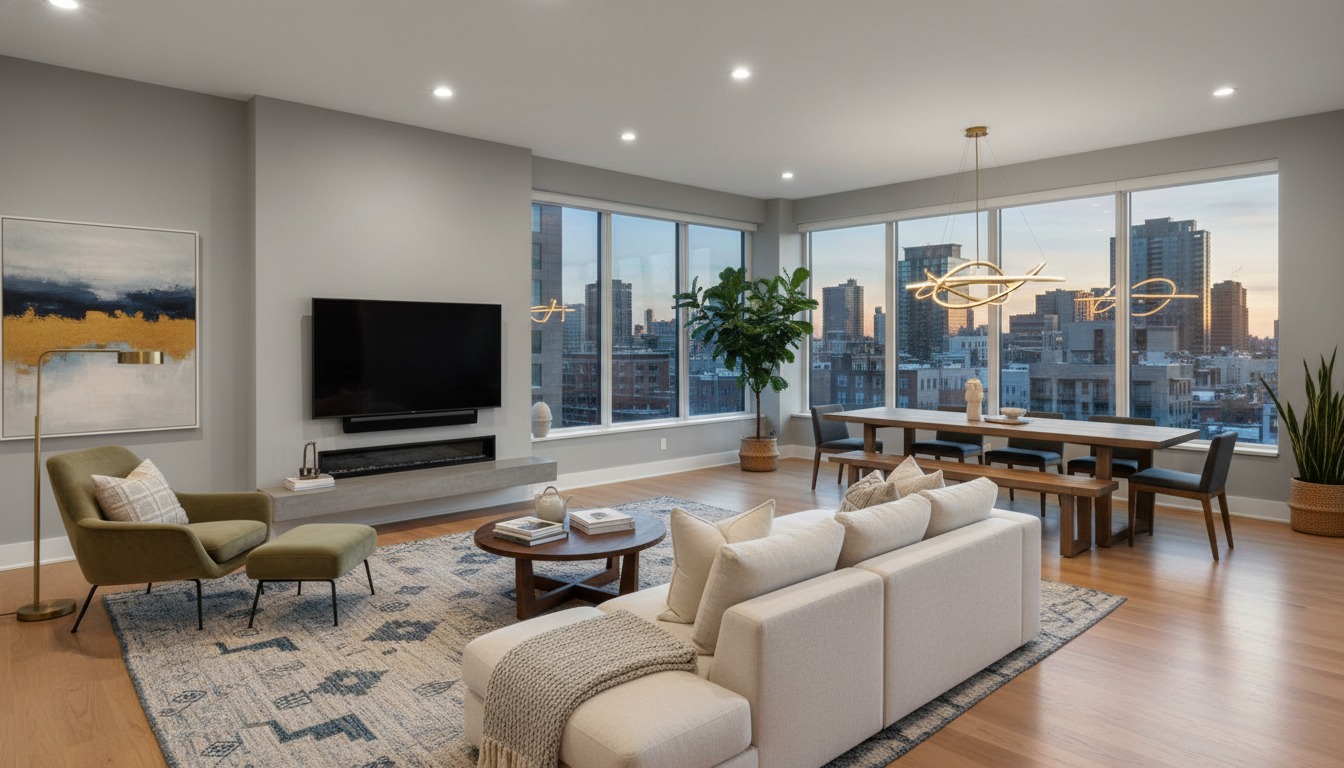
Modern living calls for spaces that look refined yet feel easy to live in every day. Smart modern interior design combines clean aesthetics, functional layouts, and thoughtful technology to create homes that support busy routines without sacrificing comfort. Whether you’re updating a downtown apartment or refreshing a suburban house, the right design choices can help you build a space that’s both visually striking and genuinely livable.
Define Smart Modern Style for Today’s Homes
Smart modern interior design goes beyond minimalism. While clean lines and uncluttered spaces are foundational, the focus is also on functionality, efficiency, and comfort. In many homes across the United States, rooms need to serve multiple purposes. A guest bedroom may double as a home office, and a kitchen often becomes a gathering space for work, homework, and entertaining.
A smart modern approach considers how people actually use their homes. Furniture placement supports natural movement. Storage is integrated rather than added as an afterthought. Technology enhances daily life instead of dominating it. The result feels intentional, balanced, and welcoming rather than stark or cold.
Create an Open Yet Structured Layout
Open concept layouts remain popular, but they work best when there’s subtle structure. Instead of relying on walls to define spaces, use furniture, rugs, and lighting to create visual zones.
In a combined living and dining area, position a sectional to anchor the seating space. A large area rug helps ground the arrangement and prevents the room from feeling scattered. Pendant lighting above a dining table creates a defined focal point without closing off the room.
Traffic flow is essential. Walkways should feel natural and unobstructed. If you’re arranging furniture, leave enough clearance between pieces so the room doesn’t feel cramped. Even in smaller homes, thoughtful spacing improves comfort and functionality.
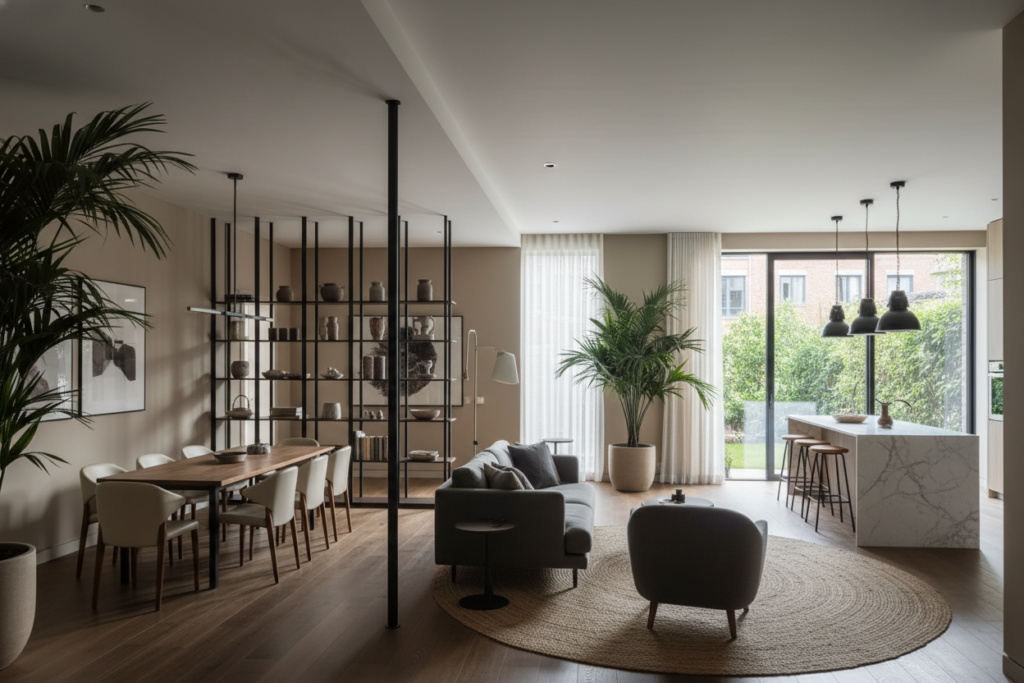
Choose a Balanced and Timeless Color Palette
Color plays a major role in modern interiors. Neutral palettes remain a strong foundation because they create flexibility. Shades of warm white, soft gray, taupe, and muted beige provide a clean backdrop that works well with changing décor.
That doesn’t mean your home has to feel bland. Introduce depth through contrast. A charcoal accent wall, deep navy cabinetry, or rich wood tones can add warmth and sophistication. In many regions, homeowners prefer palettes that reflect natural surroundings, such as earthy greens in wooded areas or sandy hues in coastal communities.
When selecting paint, test samples in different lighting conditions. Natural light shifts throughout the day, and what looks perfect in the morning might feel completely different in the evening. A well considered palette ensures your home feels cohesive from room to room.
Integrate Smart Home Technology Seamlessly
Technology is central to smart modern interior design, but it shouldn’t overwhelm the space. Devices should blend into the design rather than distract from it.
Smart thermostats, automated lighting systems, and voice controlled assistants improve convenience and efficiency. Motorized shades can adjust based on time of day, helping regulate indoor temperature and privacy. Built in charging stations in kitchens or home offices keep countertops free of tangled cords.
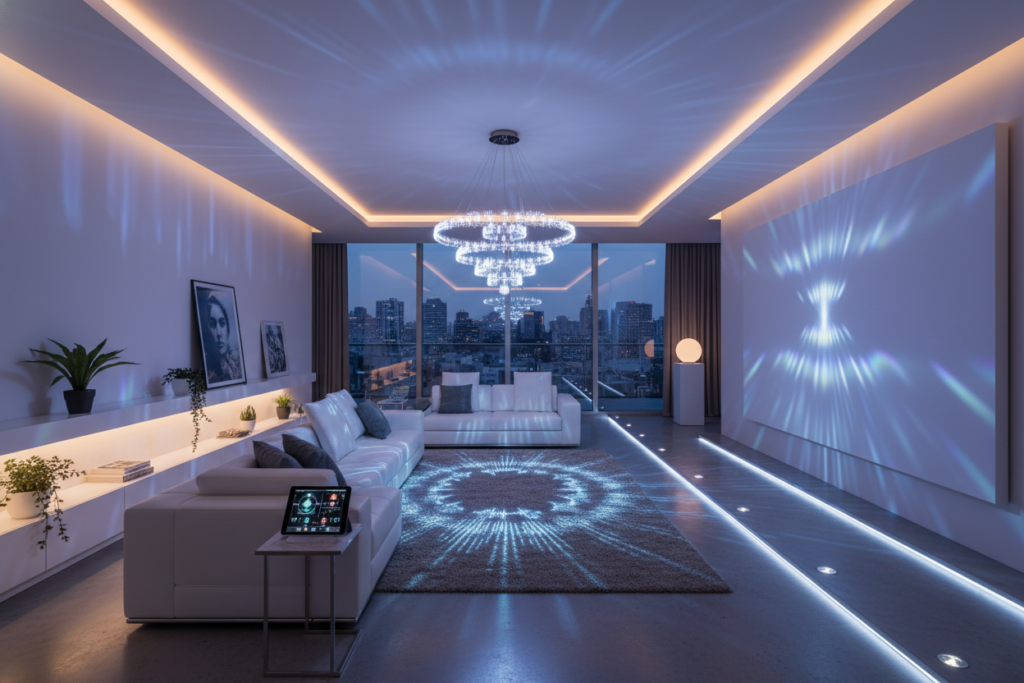
When incorporating technology, plan for concealed wiring and dedicated storage for routers and hubs. Floating media consoles and custom cabinetry can hide equipment while maintaining a clean aesthetic. The goal is to make technology feel like a natural extension of the home rather than a visual intrusion.
Focus on Comfortable and Functional Furniture
Modern interiors often emphasize sleek silhouettes, but comfort shouldn’t be sacrificed. Choose sofas and chairs with supportive cushions and durable upholstery. Performance fabrics are especially useful for families with children or pets because they resist stains and wear.
Look for furniture that offers more than one function. Storage ottomans, lift top coffee tables, and beds with built in drawers help reduce clutter. In smaller homes, modular sectionals can be rearranged to accommodate gatherings or quiet evenings.
Quality matters. Well constructed furniture lasts longer and maintains its appearance over time. Solid frames, sturdy joinery, and high density cushions ensure pieces won’t lose their shape after a few years of use.
Use Lighting to Enhance Mood and Productivity
Lighting design has a significant impact on how a home feels. Instead of relying solely on overhead fixtures, layer different types of lighting to create depth and flexibility.
Ambient lighting provides overall illumination. Task lighting supports activities such as reading, cooking, or working. Accent lighting highlights architectural features or artwork. Combining these layers allows you to adjust the mood depending on the time of day.
In home offices, proper lighting reduces eye strain and improves focus. Adjustable desk lamps and strategically placed floor lamps can make long work sessions more comfortable. In living rooms and bedrooms, dimmers help transition from bright daytime settings to softer evening environments.
Natural light is equally important. Keep windows unobstructed where possible, and select window treatments that allow light control without blocking brightness completely.
Incorporate Texture for Warmth and Depth
Modern interiors sometimes get labeled as cold, but thoughtful use of texture changes that perception entirely. Mixing materials adds warmth and visual interest while maintaining a clean design.
Pair smooth surfaces such as glass or metal with softer elements like wool rugs, velvet cushions, or woven baskets. Wood tones introduce warmth and balance sleek finishes. Even subtle details such as fluted cabinetry or textured wall panels can elevate a room without overwhelming it.
Layering textures also enhances comfort. A plush throw on a streamlined sofa or a thick rug underfoot makes the space feel more inviting. These details ensure your home looks polished while still feeling relaxed and approachable.

Design a Kitchen That Blends Style and Efficiency
The kitchen often serves as the heart of the home. A smart modern kitchen prioritizes both aesthetics and workflow. Clean cabinetry lines, integrated appliances, and streamlined hardware create a cohesive appearance.
Consider storage solutions that maximize organization. Pull out pantry shelves, drawer dividers, and built in recycling bins reduce clutter and improve efficiency. Quartz or solid surface countertops offer durability and easy maintenance, which is especially important in high traffic households.
Lighting under cabinets improves visibility for meal preparation and adds subtle ambiance in the evening. Thoughtful planning ensures your kitchen supports daily routines while maintaining a refined look.
Personalize With Meaningful Décor
A modern home shouldn’t feel generic. Personal touches give your space character and authenticity. Display artwork that resonates with you, whether it’s original pieces, photography from travels, or family heirlooms.
Keep decorative accents intentional. Instead of filling every shelf, curate a few meaningful objects. This approach maintains a clean aesthetic while allowing your personality to shine through.
Indoor plants are another effective addition. They soften modern lines and introduce a sense of vitality. From low maintenance snake plants to statement fiddle leaf figs, greenery enhances both visual appeal and overall atmosphere.
Plan for Long Term Flexibility
Homes evolve as needs change. A flexible design adapts without requiring constant renovation. Choose furniture and finishes that can transition through different life stages.
If you’re setting up a home office, select pieces that could later function in a guest room or study area. Neutral foundational elements make it easier to update accessories and textiles as trends shift. Storage should be scalable. Built-in shelving, closet systems, and multi purpose furniture allow your home to grow with you. By thinking ahead, you won’t have to make frequent major changes to maintain functionality.
Conclusion
Smart modern interior design brings together clean aesthetics, thoughtful technology, and everyday comfort to create homes that truly support modern life. By focusing on functional layouts, balanced color palettes, integrated smart features, and quality furnishings, you can achieve a space that feels both stylish and welcoming. With careful planning and intentional choices, your home can reflect contemporary design while remaining adaptable, comfortable, and uniquely yours for years to come.
Related Articles
- Top 10 Interior Design Trends Shaping Modern Homes Today
- 15 Modern Home Styling Tips to Create a Clean, Stylish, and Updated Living Space with Simple Décor Ideas