

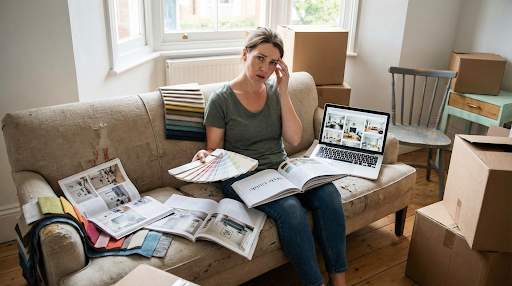
Choosing the right interior design style for your home can feel like an overwhelming task, especially with so many different options to consider. From modern minimalism to bold maximalism, the choices seem endless. However, finding a style that resonates with you is not only possible but can be an exciting and rewarding journey. Interior design is all about making your space feel like home, so it’s essential to select a style that reflects your personality, enhances functionality, and creates the right mood for your lifestyle.
This guide will walk you through practical tips for discovering and choosing the right design style, with a focus on helping you create a space that is both beautiful and functional. Whether you’re starting fresh in a new home or giving your current space a makeover, these tips will set you on the right path.
1. Start with Self-Reflection: Understand Your Personal Style
Before diving into specific design styles, it’s important to understand your personal preferences. What makes you feel at home? What colors and textures appeal to you? Reflecting on these questions will help you identify the elements that resonate most with you. This self-awareness will guide you as you explore different interior design styles.
How to Reflect on Your Personal Style
- Create a mood board: Use Pinterest, magazines, or online tools to collect images of spaces, furniture, and colors that inspire you. Look for common threads in the items you love, whether it’s color, texture, or overall aesthetic.
- Consider your lifestyle: Think about how you use your space. Do you entertain often? Do you need a quiet, serene place to relax? Your lifestyle will influence whether you lean towards a cozy, rustic style or a more sleek, modern look.
2. Research and Explore Popular Design Styles
Now that you have a sense of what appeals to you, it’s time to dive into the world of design styles. There are countless options, but you’ll likely find that some styles resonate more than others. Below are some popular interior design styles to explore, each with its unique characteristics.
Modern Design: Sleek and Functional
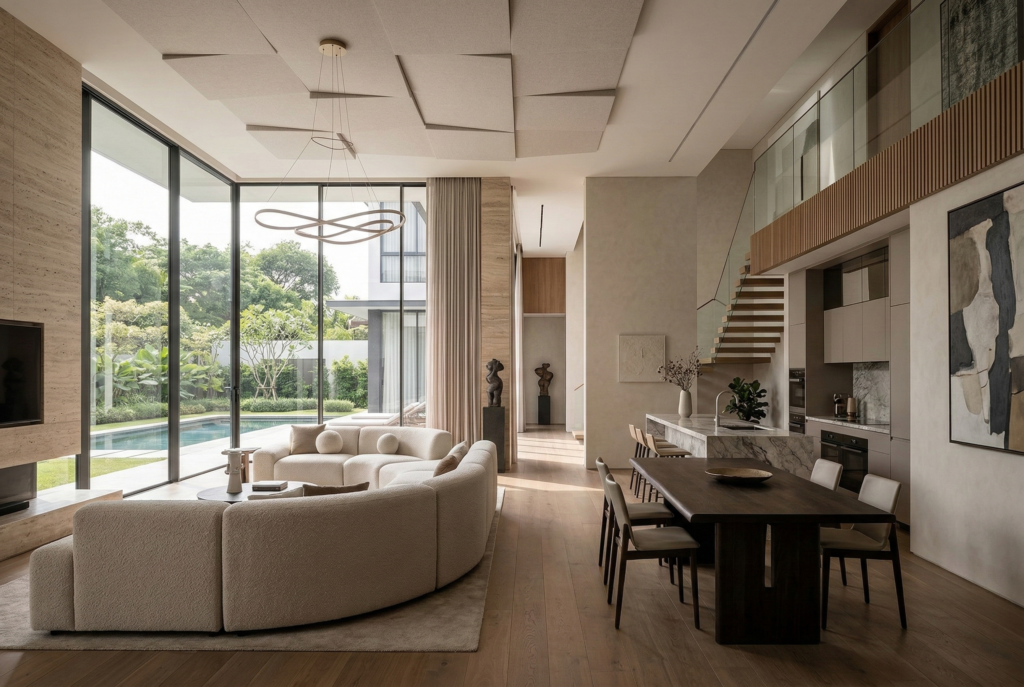
Modern design is known for clean lines, neutral color palettes, and a focus on functionality. It’s perfect for those who enjoy a minimalist approach but still want their space to feel warm and inviting. The emphasis is on simple, sleek furniture, open spaces, and natural materials like wood and stone.
Maximalist Design: Bold, Eclectic, and Full of Personality
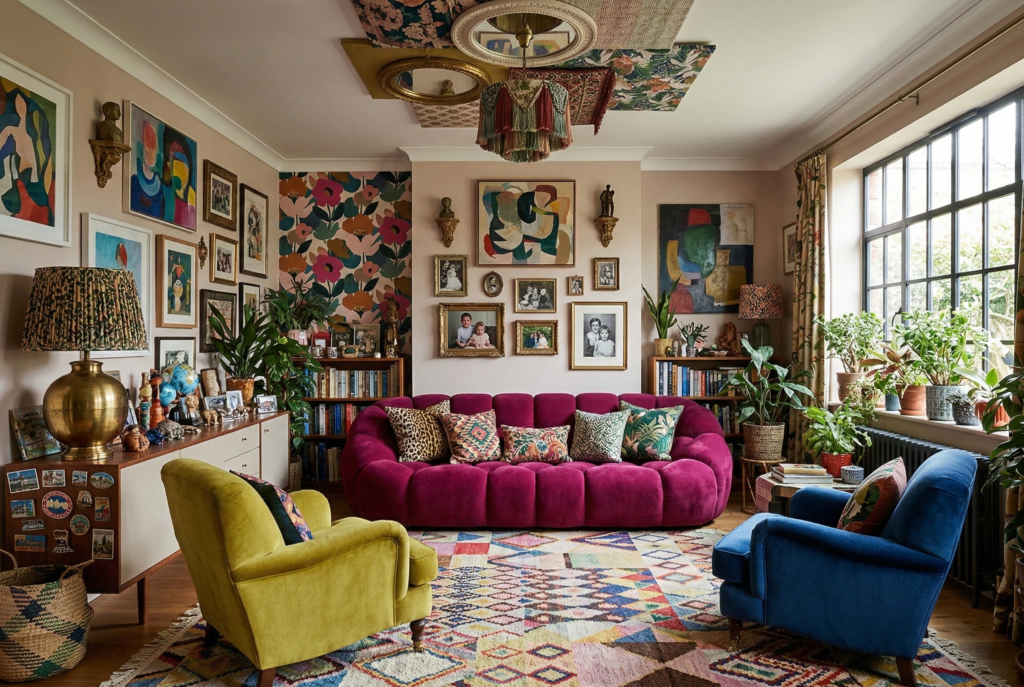
Maximalism is all about more is more. This style embraces bold colors, patterns, and textures. If you love vibrant hues, rich textures, and mixing different styles, maximalism is the perfect choice for you. It’s about creating a space that reflects your personality and tells a story through eclectic décor and unique collections.
Bohemian Style: Free-Flowing, Creative, and Comfortable
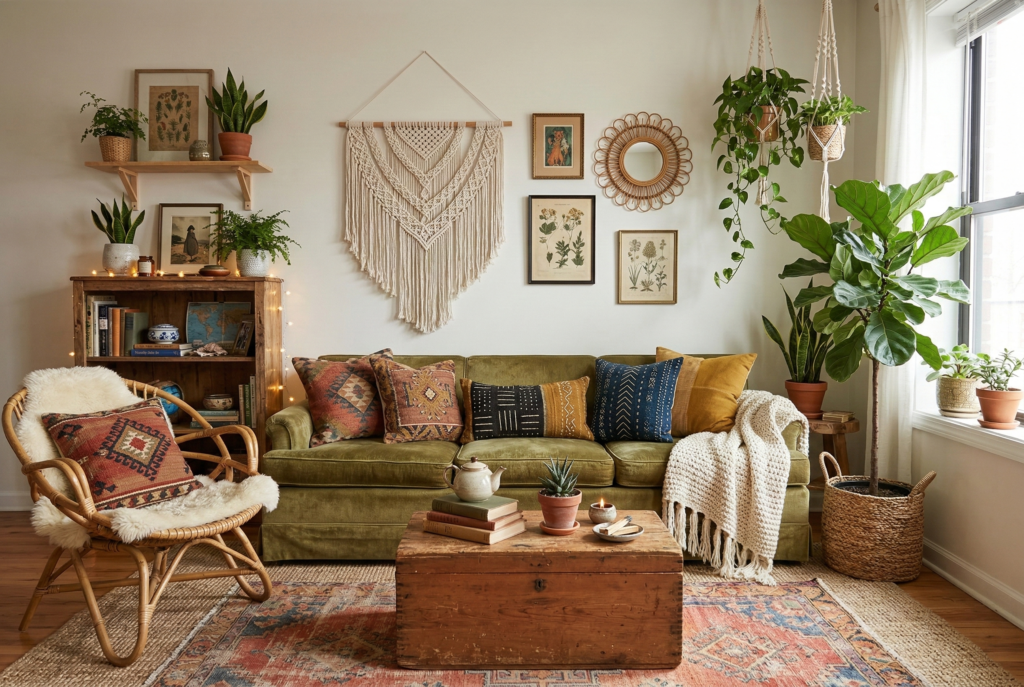
Bohemian design is relaxed, creative, and a bit eclectic. It’s perfect for those who enjoy mixing textures, patterns, and colors in a casual, carefree way. Think vibrant textiles, layered rugs, and vintage furniture combined with plants and natural materials. This style creates an inviting and cozy environment that feels lived-in and full of character.
Scandinavian Style: Simple, Clean, and Cozy
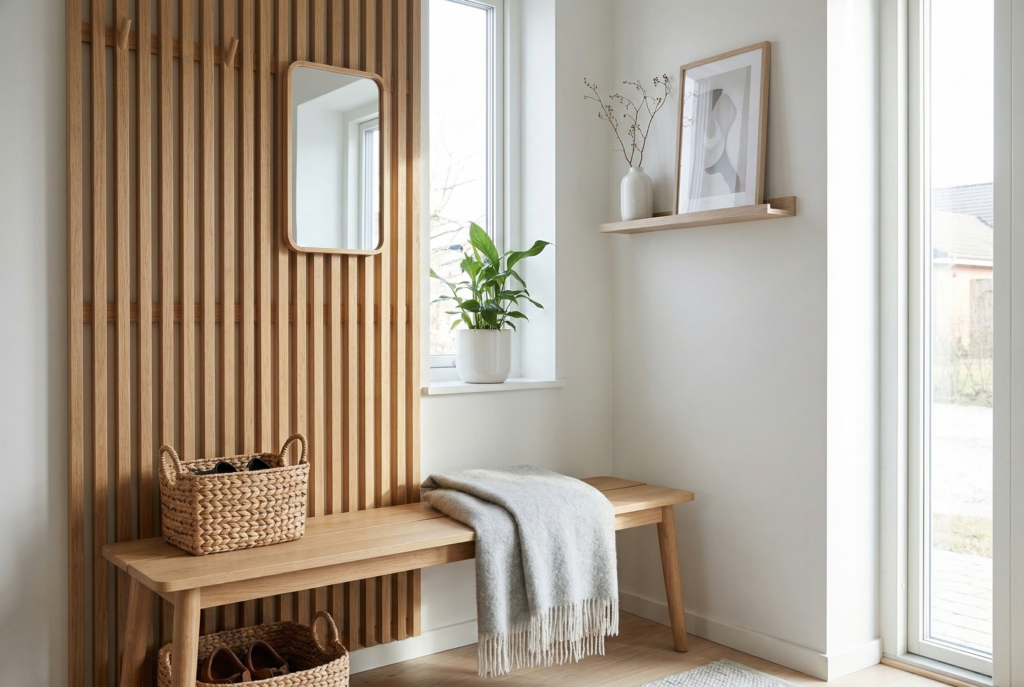
Scandinavian design is characterized by its simplicity and functionality, with an emphasis on creating cozy, inviting spaces. Light wood, clean lines, and a neutral color palette are common elements, as well as natural light and minimalistic furniture. This style is ideal for creating a calm, serene environment with just the right balance of warmth and modernity.
Pro Tip
Explore different styles through online mood boards or showrooms to find the one that best reflects your vision. Don’t hesitate to mix elements from different styles. For example, many people blend modern with bohemian or Scandinavian with maximalist touches for a unique look.
3. Consider Your Space and Architecture
The architecture of your home plays a significant role in determining which design style will work best. Whether you live in a loft apartment, a traditional cottage, or a modern house, the structure and layout of your space will influence your design choices.
How to Match Your Space with Your Style
- Small spaces: If you’re working with a smaller area, consider using lighter colors, simple furniture, and multi-functional pieces. Styles like Scandinavian or modern work well in compact spaces because they emphasize clean lines and efficient use of space.
- Open spaces: For larger rooms or homes with open floor plans, you can afford to experiment with bold colors and layered textures, making maximalist or eclectic designs perfect for these spaces. Consider furniture arrangements that divide large spaces into functional zones.
4. Choose a Color Palette That Reflects Your Mood and Purpose
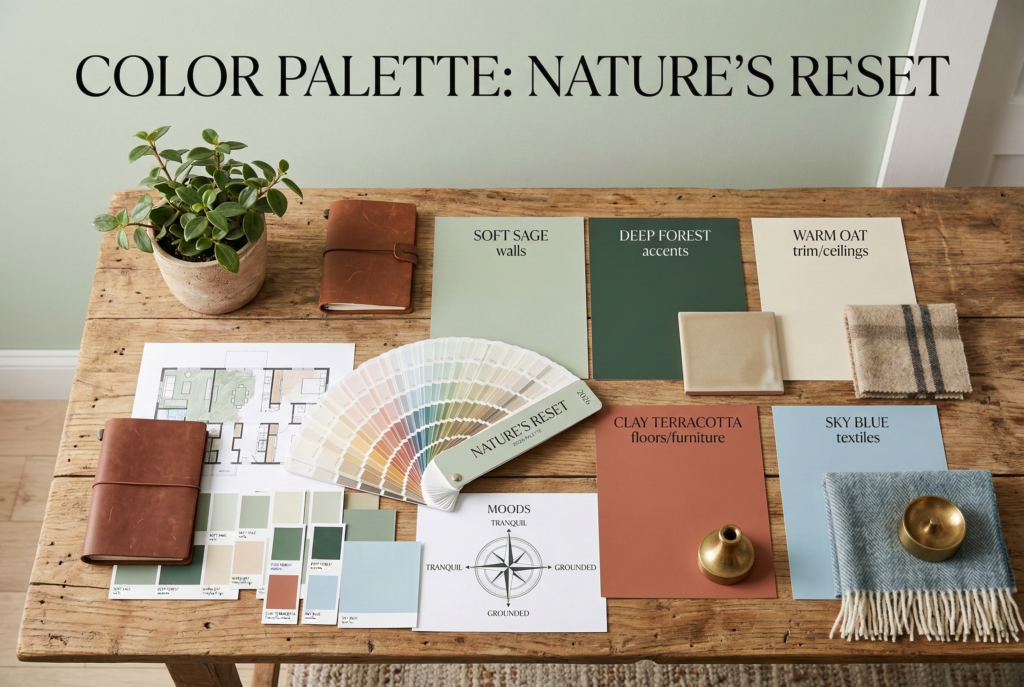
The color palette you choose for your space can significantly affect the room’s mood and functionality. Different colors evoke different emotions, and the right palette can set the tone for your entire home. For example, blues and greens are calming and serene, while bold reds and oranges can energize a space.
How to Choose the Right Colors
- Neutral palettes: If you’re looking for a calming atmosphere, soft neutrals like beige, white, and gray can provide a timeless base for your design. These work especially well in modern, minimalist, or Scandinavian interiors.
- Bold colors: If you’re drawn to dramatic, bold spaces, vibrant tones like emerald green, navy blue, and mustard yellow can be used as accent walls or statement furniture pieces in a maximalist or bohemian style.
- Complementary schemes: Use the color wheel to find complementary colors for accent walls or décor. For instance, pairing blue with orange or green with red can create a balanced yet dynamic visual effect.
5. Layer Your Lighting to Create Mood and Function
Lighting is essential in any interior design, especially when it comes to creating the right ambiance. Lighting is about visibility and setting the mood. To create a balanced environment, use a combination of ambient lighting, task lighting, and accent lighting. Each type of lighting serves a different purpose and contributes to the overall mood of the room.
Pro tip: Consider dimmer switches to adjust the light intensity based on your activities and desired ambiance. A well-lit space can easily transform from bright and energetic during the day to calm and cozy at night with just the right lighting.
6. Mix Different Styles and Personalize
One of the joys of interior design is mixing and matching styles to create a unique space. Rather than sticking strictly to one style, blend elements from different design aesthetics to create something personal and inviting.
How to Mix Styles
Start with a dominant style, like modern or bohemian, and then layer elements from other styles. For example, you can pair a sleek modern sofa with a traditional rug, or mix Scandinavian minimalism with eclectic lighting fixtures. The key is to maintain balance by using a cohesive color palette or shared materials.
Pro Tip
When mixing styles, focus on complementary textures or colors to tie everything together. You can also use statement pieces, like a unique piece of artwork, to serve as the focal point of the room.
7. Personalize Your Space with Art and Accessories
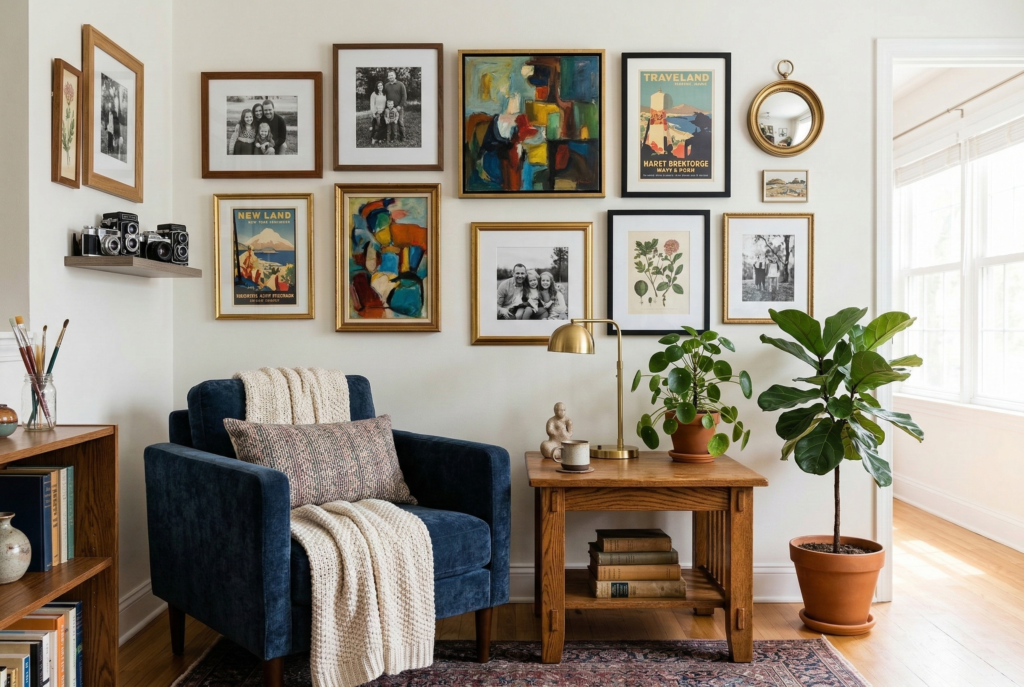
Once you’ve chosen your base style, make sure to personalize your space with art, textiles, and accessories that speak to you. Artwork can make a statement and give the room character, while textiles like throw pillows, blankets, and rugs add warmth and comfort. Don’t be afraid to showcase your interests or hobbies through your decor, whether it’s vintage finds, family heirlooms, or pieces that tell a story.
Useful tip: Layering different materials, like combining vintage textiles with modern furniture, creates a more personalized and dynamic environment.
8. Keep it Practical and Maintainable
The interior design style you choose should also be practical and maintainable for your daily needs. Whether you have children, pets, or a busy schedule, it’s important to consider how your space will hold up over time. For example, opt for durable fabrics like leather or linen in high-traffic areas, and make sure your furniture is functional for your family’s needs.
Additionally, select easy-to-clean materials for kitchens and bathrooms, like quartz countertops and tile backsplashes. Consider slipcovers for sofas to protect against spills and wear.
Conclusion: Create a Space That Reflects You
Choosing the right interior design style is about creating a space that reflects your personality and lifestyle. Whether you’re drawn to modern simplicity, bold maximalism, or an eclectic mix, finding your style will empower you to design a space where you truly feel at home.
Start by reflecting on your preferences, exploring different styles, and thinking about the mood you want to create. The process might take some time, but it’s worth it to have a space that feels uniquely yours. With these practical tips and guidance, you’ll be able to confidently select a design style that transforms your space into a functional, vibrant, and personalized haven.
Related Articles
- 7 Simple Design Tips to Create a Calm, Organized Home Aesthetic and Reduce Stress in Your Living Space
- 12 Timeless Interior Design Ideas That Never Go Out of Style
- 10 Smart Interior Design Ideas That Maximize Small Living Spaces
- Top 10 Interior Design Trends Shaping Modern Homes Today
- 10 Cozy Interior Design Ideas for Creating a Warm and Inviting Home
- Smart Modern Interior Design Ideas for a Stylish and Comfortable Home
- Sustainable Interior Design Ideas for an Eco Friendly and Energy Efficient Home
- Minimalism vs. Maximalism: How to Choose the Best Interior Design Style for Your Home