

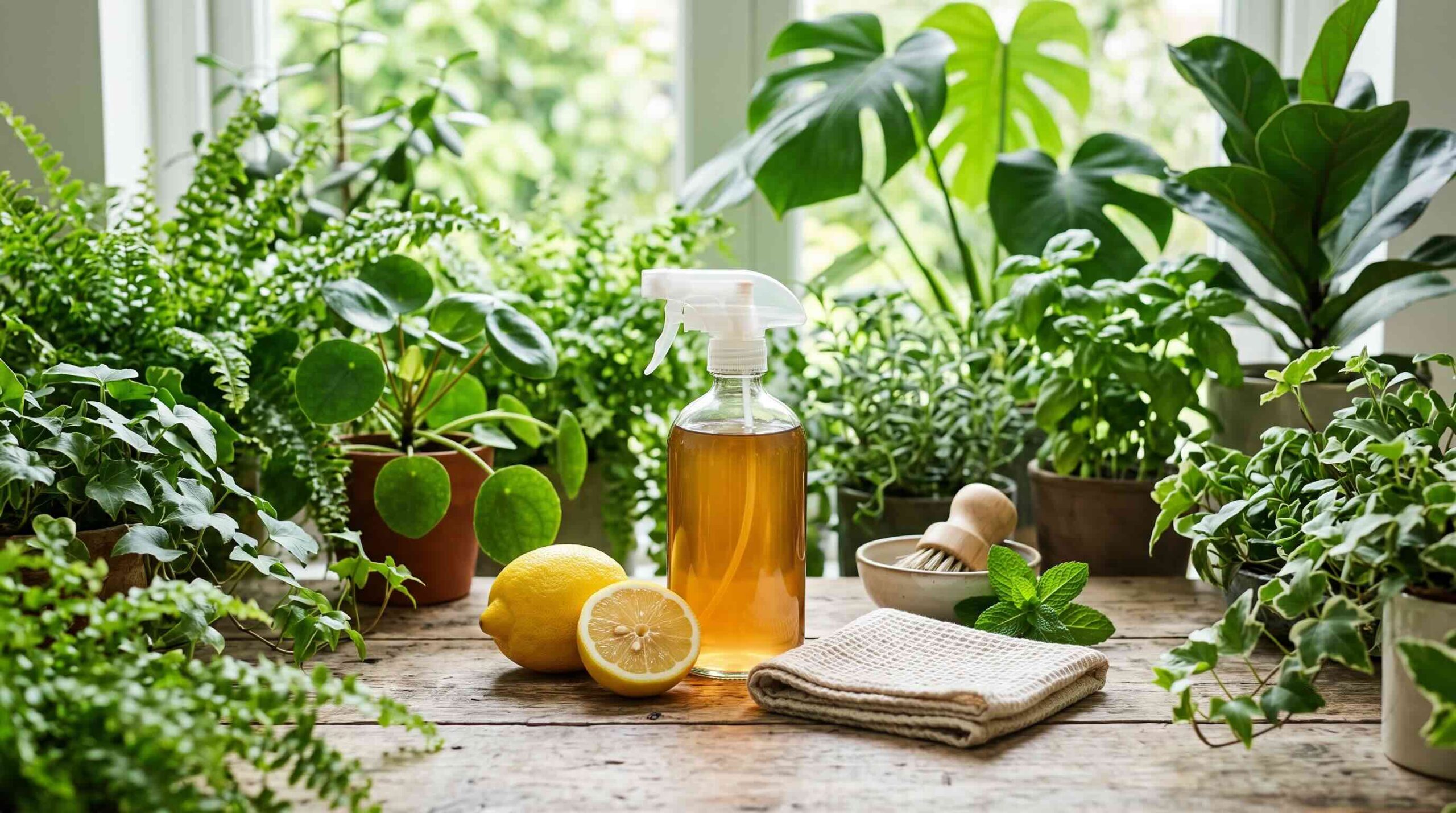
Have you ever felt uneasy about the strong smell of chemicals after cleaning or questioned what’s inside those colored bottles hidden under your sink? You aren’t the only one feeling this way. Many families in the U.S. are starting to rethink what being “clean” means. It’s no longer just about spotless countertops; it’s about having safer spaces, breathing healthier air indoors, and creating eco-friendly habits that benefit long-term health.
This is how green cleaning fits into the picture.
Green cleaning isn’t a passing trend. It involves choosing safer products, adopting better cleaning habits, and using tools that are good for your family, home, and the planet; all while still getting effective results.
This article explains what green cleaning is all about, why it’s important, and simple ways to start doing it today.
What Is Green Cleaning?
Green cleaning means using safe, eco-friendly products and methods that protect both your health and the planet.
Natural cleaning products like vinegar, baking soda, lemon, and hydrogen peroxide; plant-based cleaners that avoid dangerous chemicals; reusable items like glass spray bottles and microfiber cloths; and waste-reduction techniques to steer clear of single-use plastics could all be part of a green cleaning regimen.
Unlike regular cleaners that have VOCs, synthetic scents, and petroleum-based substances, green cleaners prioritize better indoor air, less exposure to harmful chemicals, and packaging that is eco-friendly.
Why Green Cleaning Is Important (If You Have Kids and Pets)
Common cleaning products might include substances tied to headaches, skin problems, asthma attacks, breathing difficulties, or serious health risks over time. Kids and pets are more at risk. They breathe more, stay closer to the ground, and often touch surfaces in the house. Therefore, switching to green cleaning lowers these dangers and creates a safer space for your family.
Major Advantages of Green Cleaning at Home
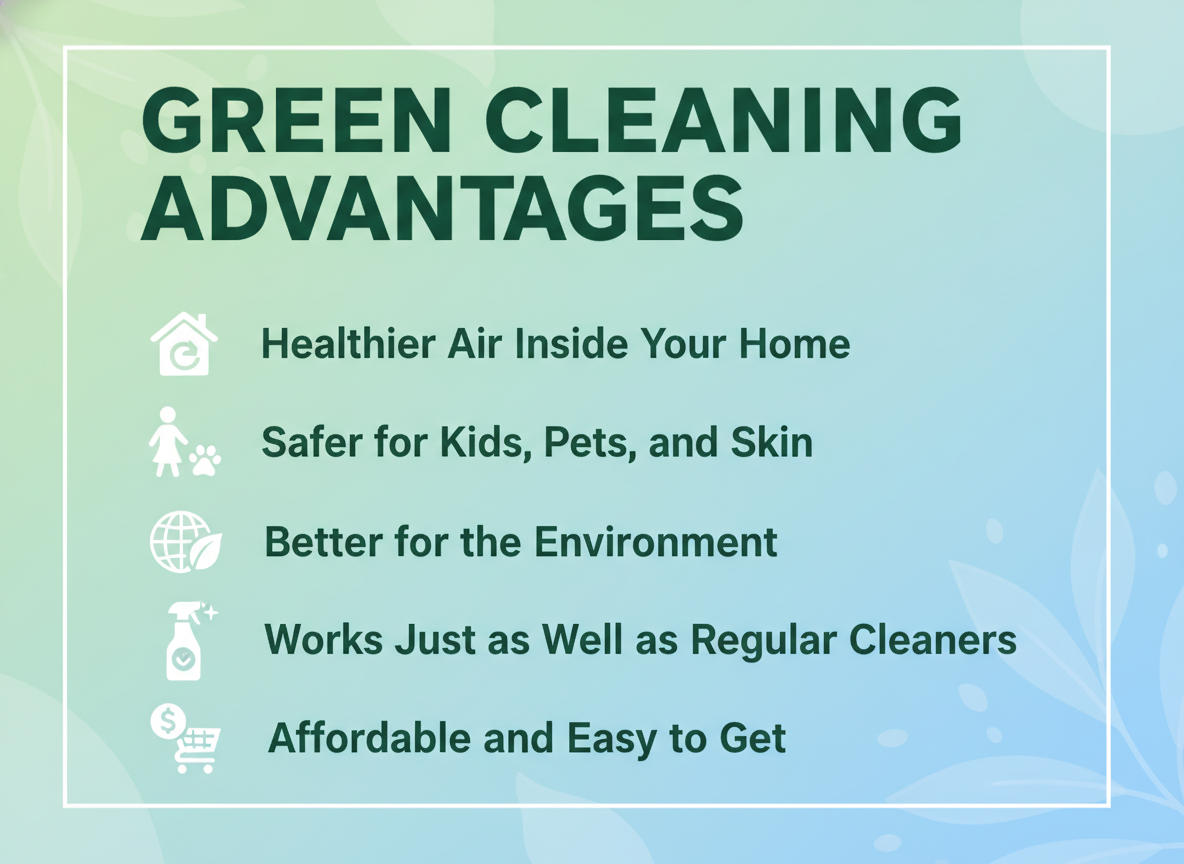
1. Healthier Air Inside Your Home
Traditional cleaning products often release VOCs that stay in the air long after cleaning is done. Eco-friendly cleaners lower these emissions keeping your home’s air fresher without leaving behind a strong chemical odor.
2. Safer for Kids, Pets, and Skin
Non-toxic, plant-based cleaners lower contact with harsh chemicals that might cause skin irritation, allergies, or breathing problems. This is helpful for babies playing on the floor, pets that lick surfaces or their paws, and even adults dealing with asthma or skin issues.
3. Better for the Environment
Switching to green cleaning helps cut down on water contamination, microplastic pollution, and dangerous chemical runoff, while also reducing the amount of packaging that can’t be recycled. Many eco-friendly products now come in containers. You can recycle or refill, and some even break down naturally, making them biodegradable.
4. Works Just as Well as Regular Cleaners
Natural ingredients like baking soda, vinegar, and hydrogen peroxide can tackle grease, remove stains, freshen up surfaces, and even kill germs when used correctly. Newer plant-based cleaners work well too, offering powerful cleaning without any of the harsh side effects.
5. Affordable and Easy to Get
Switching to eco-friendly cleaning doesn’t have to cost a lot. You can make everyday DIY supplies using baking soda, lemon juice, white vinegar, castile soap, or hydrogen peroxide. These versatile items can take the place of a whole cabinet filled with store-bought cleaners.
Simple Green Cleaning Products to Use at Home
Everyday Natural Ingredients
Every component in a green cleaning regimen has a distinct function and is simple to use for regular cleaning. White vinegar works well for removing grease, deodorizing surfaces, and leaving glass free of streaks. Baking soda is an excellent tool for cleaning surfaces, eliminating odors, and removing tough stains. Lemon juice adds a clean, fresh aroma and serves as a natural disinfectant. For cleaning and whitening, hydrogen peroxide (3%) offers a safer substitute for bleach. Castile soap is a mild, multipurpose cleaner that can be used for many different household chores. Essential oils, such as eucalyptus, lavender, or tea tree, can be added if desired to improve fragrance and offer additional natural antibacterial benefits.
Eco-Friendly Cleaning Gear
Reusable microfiber cloths that leave no lint behind, biodegradable sponges made of natural materials, refillable spray containers, washable and reusable mop pads, and long-lasting scrubbing brushes are examples of eco-friendly cleaning gear. When combined, these tools lessen the need for single-use paper towels and cleaning products that contain a lot of plastic.
DIY Green Cleaning Recipes You Should Try
1. General Surface Cleaner
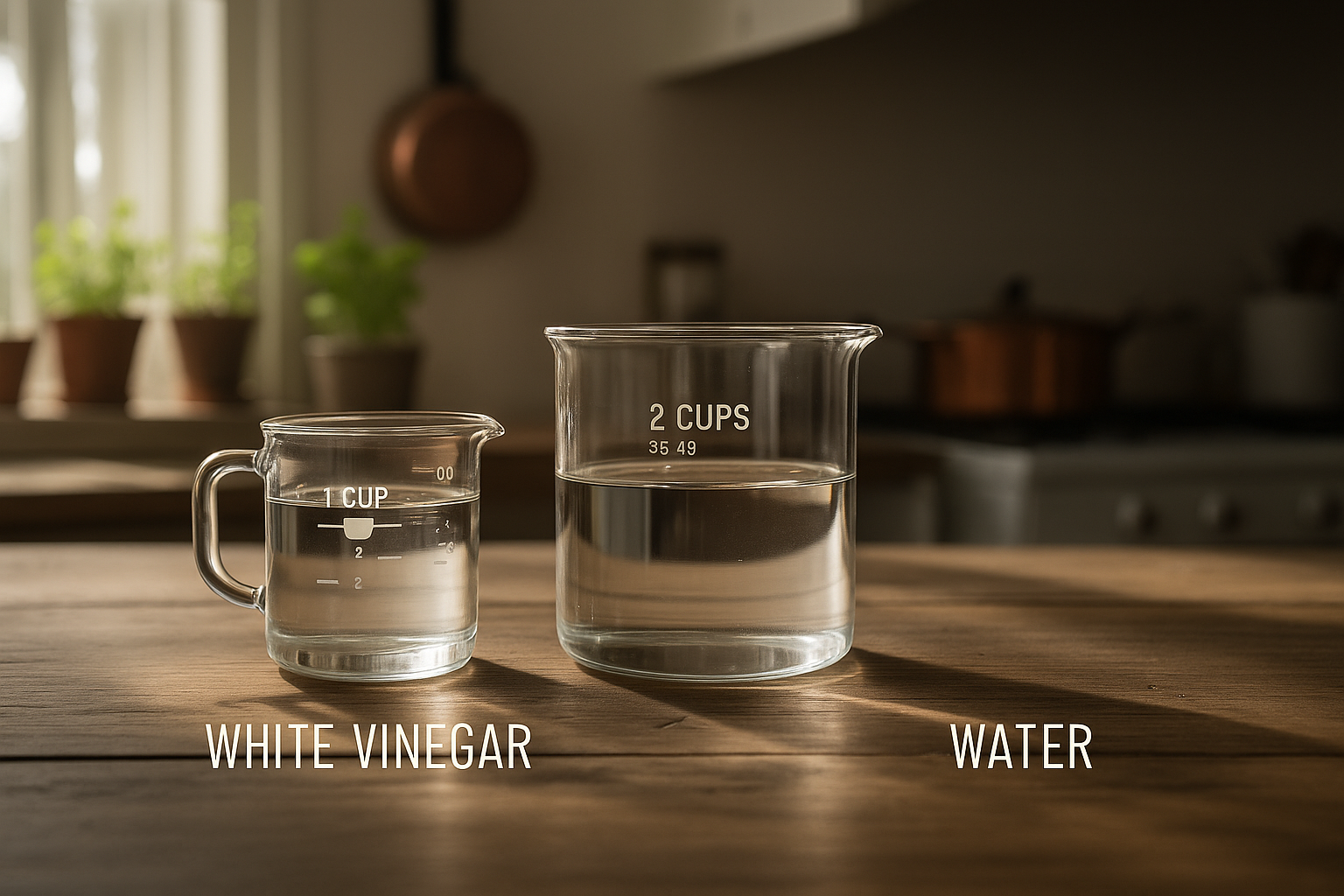
Sinks, stovetops, and counters can all be effectively cleaned with this multipurpose cleaner. To make it, mix 1 cup of white vinegar with 2 cups of water. For a lighter aroma, you can add citrus peels or a few drops of essential oil. For convenient, daily use, store the mixture in a refillable spray bottle after giving it a good shake.
2. Homemade Scouring Scrub
This simple scrubbing paste is ideal for cleaning sinks, tubs, and tackling stubborn dirt. To prepare it, mix 3 tablespoons of baking soda with 1 tablespoon of water. For extra cleaning power, you an optionally add a few drops of Castile soap. Then, stir until a paste forms, apply with a sponge, and scrub gently for effective results.
3. Cleaner for Glass and Mirrors
You can either use 2 cups of club soda or mix equal parts white vinegar and water to clean the glass and mirrors. Apply the mixture and wipe with a microfiber cloth to keep surfaces clear and streak-free.
4. A Natural Odor Remover
This method is designed to eliminate odors, including lingering pet smells. Simply scatter baking soda evenly over carpets or upholstered furniture, let it sit for 15–20 minutes to absorb odors, then vacuum thoroughly to remove the residue and leave the area smelling fresh.
Green Cleaning Compared to Traditional Cleaning
| Feature | Green cleaning | Traditional cleaning |
|---|---|---|
| Ingredients | Uses natural and safe plant-based things | Relies on harmful synthetic chemicals and strong solvents |
| VOCs | Very low to none | Contains a lot |
| Impact on health | Better choice for kids, pets, and allergies | Can cause irritation to skin, lungs, and eyes |
| Environmental impact | Breaks down and creates less waste | Adds to pollution and microplastics |
| Tools | Focuses on items you can reuse and are better for nature | Depends on disposable items |
| Cost | Falls in the lower to medium range | Costs more, sometimes quite a bit |
Easy Steps to Follow for Green Cleaning At Home
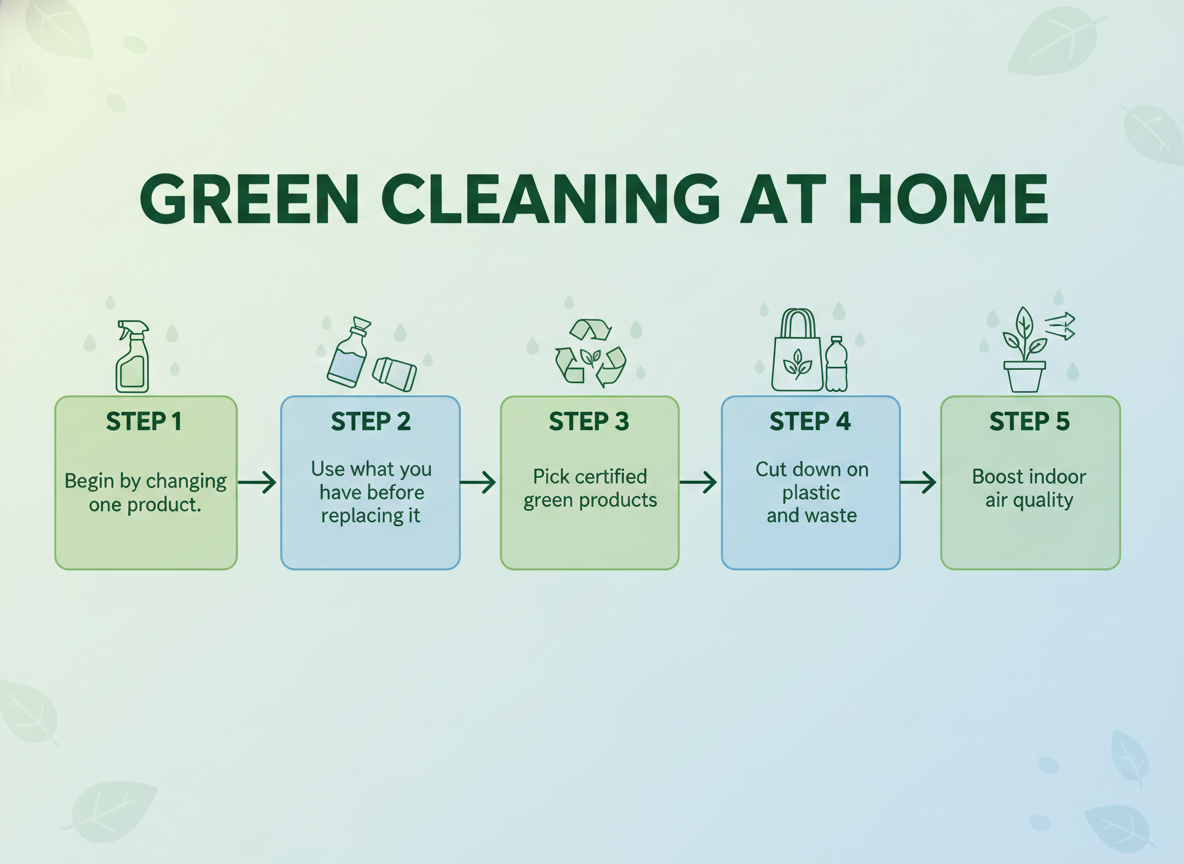
Step 1: Begin by Changing One Product
Overhauling everything all at once isn’t needed. Just start by swapping an all-purpose cleaner, something for glass cleaning, or a scrub made for bathrooms.
Step 2: Use What You Have Before Replacing It
Old T-shirts, jars, and containers work well as cleaning tools.
Step 3: Pick Certified Green Products
Check for reliable certifications such as EPA Safer Choice, Green Seal, and EcoLogo.
Step 4: Cut Down on Plastic and Waste
You can lessen using plastics and waste by choosing concentrated refills, reusing your spray bottles instead of replacing them, and skipping single-use wipes whenever possible.
Step 5: Boost Indoor Air Quality
It focuses on keeping the air in your home clean and breathable while you clean. Open windows to improve ventilation, avoid artificial air fresheners that can introduce unnecessary chemicals, and add houseplants to help naturally purify the air and create a fresher indoor environment.
New Directions in Green Cleaning (2024–2025)
Green cleaning is heading in new directions for 2024–2025. Neighborhood shops are setting up refill stations for detergents and cleaners. Companies are rolling out zero-waste cleaning kits with reusable tools. Plus, electrolyzed water cleaners now use safe sanitization tech. These days, more people are moving towards scent-free living to create allergy-friendly homes. And EPA-certified plant-based disinfectants are gaining ground. Each year brings eco-friendly cleaning options that are easier to find cheaper, and better for daily use.
The Bottom Line: Green Cleaning Helps Make Homes Safe, Healthy, and Eco-Friendly
Choosing green cleaning doesn’t mean settling for less. It means improving how you care for your space. By picking gentler ingredients, cutting back on strong chemicals, and using reusable tools, you help protect your family’s health while also caring for the environment.
You can make this shift step by step. Swap out one product, change one habit, or focus on one room at a time. These small adjustments make your approach to cleaning healthier and more mindful overall.