


Yes, vinegar will kill your grass. The problem is it’s a non-selective herbicide, which means it doesn’t discriminate between the weeds you want gone and the lawn you’re trying to protect. Keep reading to understand exactly why this happens, where it’s actually safe to use vinegar, what you should do if you’ve already made this mistake, and most importantly, the better ways to get rid of weeds in grass without destroying your turf in the process.
Understanding the Real Problem: Why Vinegar Isn’t Smart Enough for Your Lawn
Many homeowners learn this lesson the hard way. It often starts with a few dandelions growing between driveway or walkway pavers. After seeing vinegar promoted online as a simple, natural weed killer, it’s easy to mix up a spray bottle and test it on those weeds. The results seem impressive. Within hours, the leaves begin to brown, and by the next day, the weeds look completely dead.
That early success can create a false sense of confidence.
The next step is often spraying a few weeds creeping into the edge of the lawn near the driveway. At first, the grass may only look slightly stressed, giving the impression that it will recover. Instead, the entire patch gradually turns brown, the grass dies along with the weeds, and the bare spot can take months to repair, even with overseeding and regular watering.

That’s when the real lesson becomes clear. Vinegar wasn’t targeting the weeds. It was acting as a non-selective herbicide, damaging every plant it touched. Understanding the science behind how vinegar works completely changes the way you approach weed control. The confusion often comes from people treating vinegar as a homemade weed killer that’s somehow safer for lawns. In reality, it doesn’t distinguish between unwanted weeds and healthy turf. If it kills the weed, it will usually damage or kill the surrounding grass as well.
Where Vinegar Is Actually Safe to Use
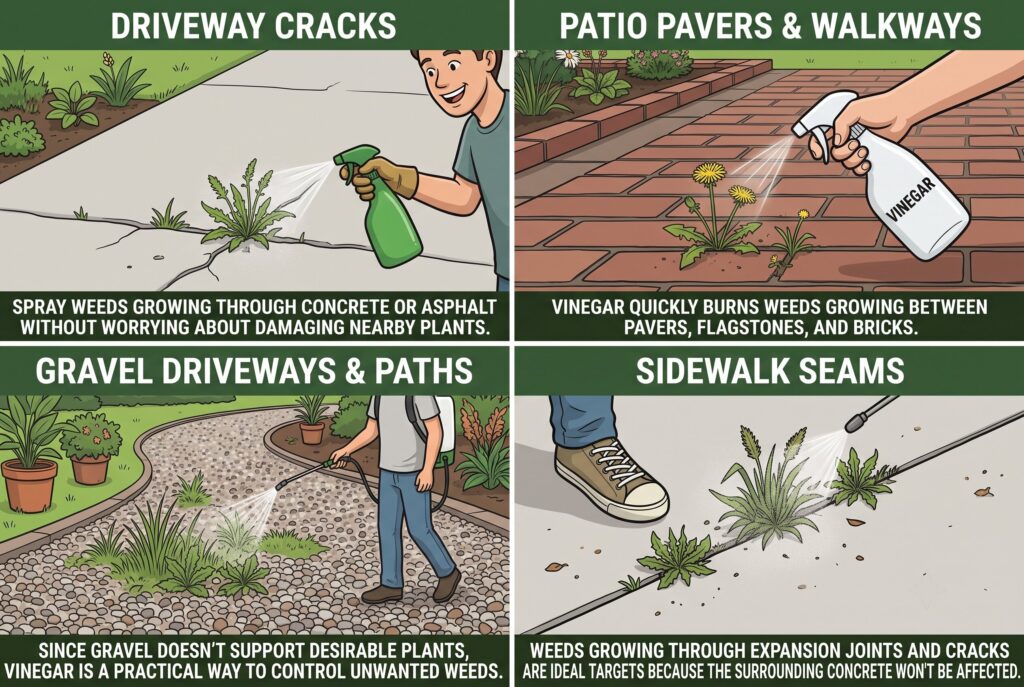
Vinegar works well when you want to kill all vegetation in a specific area. Good places to use it include:
- Driveway cracks: Spray weeds growing through concrete or asphalt without worrying about damaging nearby plants.
- Patio pavers and walkways: Vinegar quickly burns weeds growing between pavers, flagstones, and bricks.
- Gravel driveways and paths: Since gravel doesn’t support desirable plants, vinegar is a practical way to control unwanted weeds.
- Sidewalk seams: Weeds growing through expansion joints and cracks are ideal targets because the surrounding concrete won’t be affected.
In fact, if your goal is to create a vegetation-free area, vinegar can function as an effective homemade weed killer on hard surfaces. Just remember that it should never be used anywhere you want grass to survive. The rule is simple. Only use vinegar where you want every plant to die. If there’s grass, flowers, shrubs, or any other plant you want to keep within spraying distance, choose another weed control method instead.
The Safe Alternative: How to Get Rid of Weeds in Grass the Right Way
Getting rid of weeds in grass requires a different mindset entirely. Instead of looking for a scorched earth solution, you need methods that target weeds specifically while leaving your grass untouched.
Pull Weeds Correctly to Remove the Entire Root

The most reliable approach is honest, old-fashioned hand pulling, but you’ve got to do it right. The key is waiting for soft soil, ideally after rain or irrigation. Grab the weed at its base, not the stem, and pull slowly and steadily. The goal is to remove the entire root system, especially with perennial weeds like dandelions, plantain, and thistles. If you simply snap off the top, the root remains alive and the weed will quickly grow back.
Mow Your Lawn Higher to Naturally Suppress Weeds
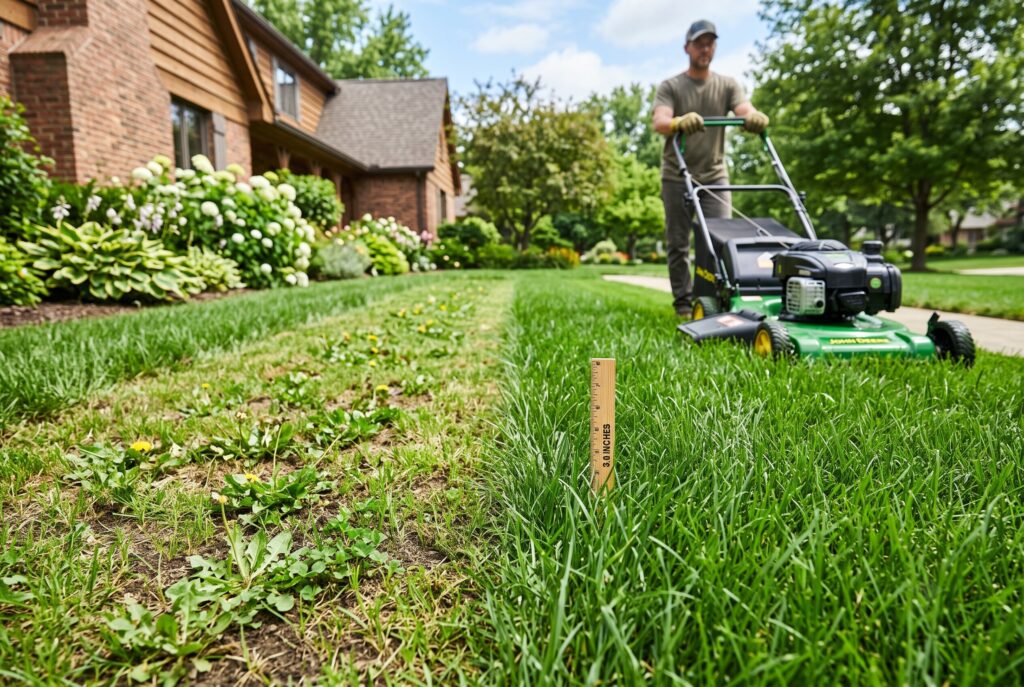
Mowing height is one of the simplest weed-control strategies that often gets overlooked. Keeping your grass taller, generally around 2.5 to 3.5 inches depending on the grass species, allows the lawn to shade the soil. Since many weed seeds require sunlight to germinate, this natural shade prevents them from sprouting. While it won’t eliminate weeds entirely, maintaining the proper mowing height can significantly reduce weed pressure when combined with other lawn care practices.
Prevent Weeds Before They Start with Pre-Emergent Herbicides
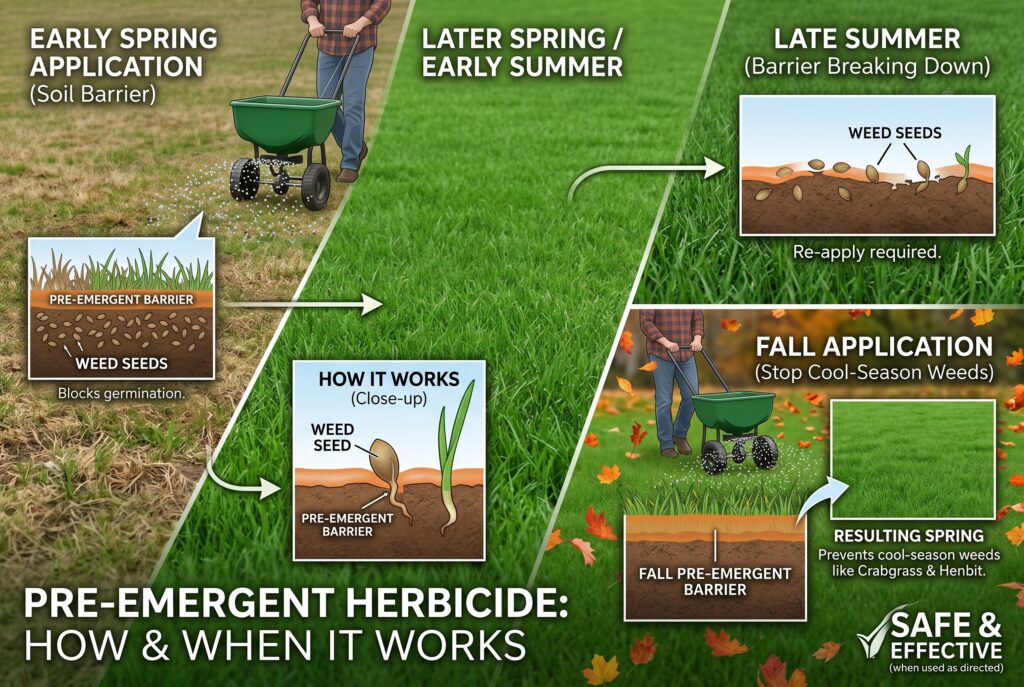
Pre-emergent herbicides work differently from traditional weed killers. Rather than killing existing weeds, they create a barrier that stops weed seeds from germinating. For the best results, apply them in early spring and again in the fall before seasonal weeds begin to sprout. You won’t see weeds dying because they never emerge in the first place. When used according to the label, pre-emergent herbicides are a safe and highly effective way to keep established lawns cleaner throughout the growing season.
Build Healthy Soil for Long-Term Weed Prevention
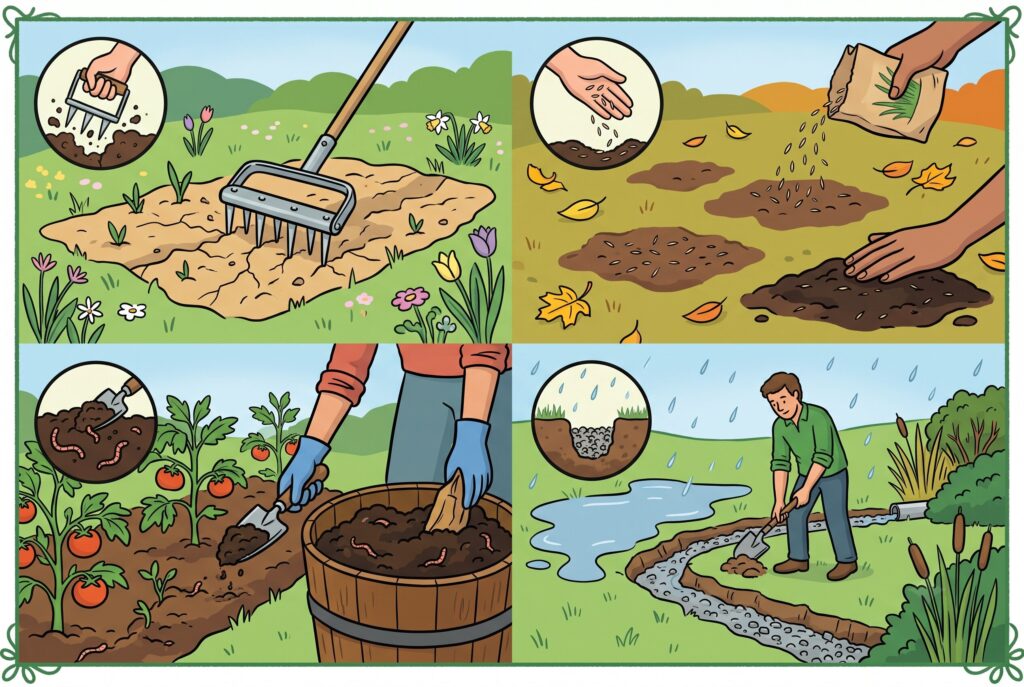
Healthy soil is one of the best long-term defenses against weeds. Thin, compacted, or poorly drained soil creates ideal conditions for unwanted plants to invade, while thick, healthy turf naturally crowds them out. Improve lawn health by aerating compacted soil in spring or fall, overseeding bare patches, incorporating compost to boost organic matter, and correcting drainage problems in wet areas. Although these steps require more effort than simply spraying weeds, they address the underlying conditions that allow weeds to thrive, resulting in a stronger, more resilient lawn over time.
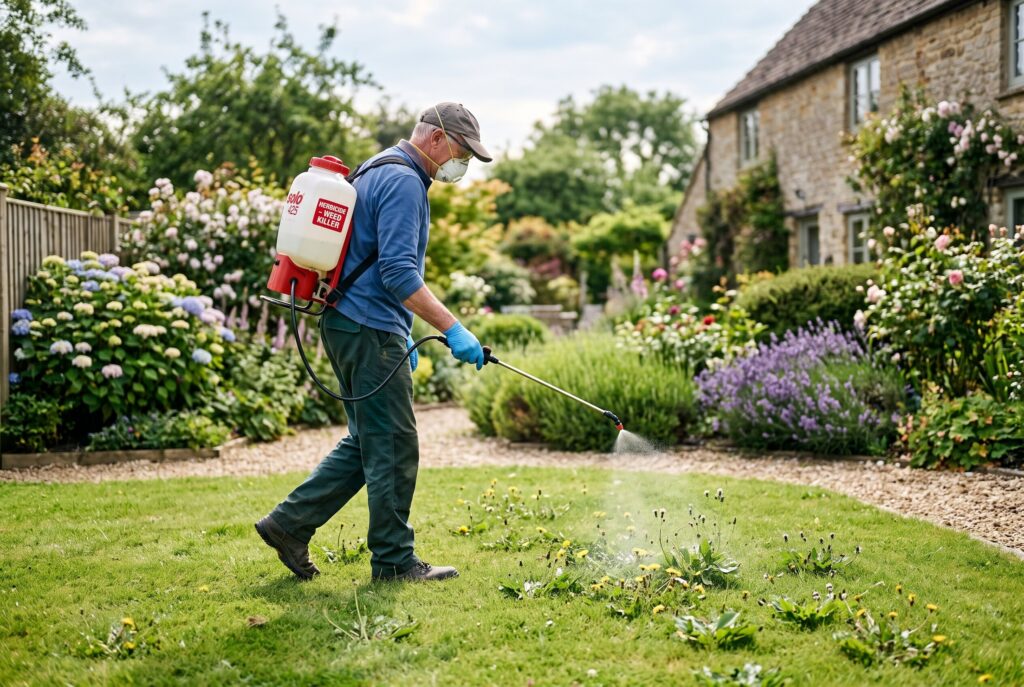
And if you’ve got a specific weed problem that’s stubborn, selective herbicide is still your best friend. These are engineered to kill certain weed species while leaving your specific grass type unharmed. They’re safe, they’re effective, and they were literally invented to solve exactly this problem. A lot of people avoid them because they think they’re worse than vinegar or other natural approaches, but they’re actually the most targeted, least wasteful solution available. You aren’t spraying a large area. You’re targeting specific weeds. It’s precision.
Conclusion
Vinegar is an excellent grass killer for driveways, patios, and other hard surfaces where you don’t want any plants to grow. Your lawn is different. Anyone considering using it on turf should know that vinegar will kill grass just as effectively as it kills weeds. For a healthier lawn, focus on proven methods like pre-emergent herbicides, proper mowing, and selective weed control. The results may take longer, but they’ll protect your grass instead of damaging it.