

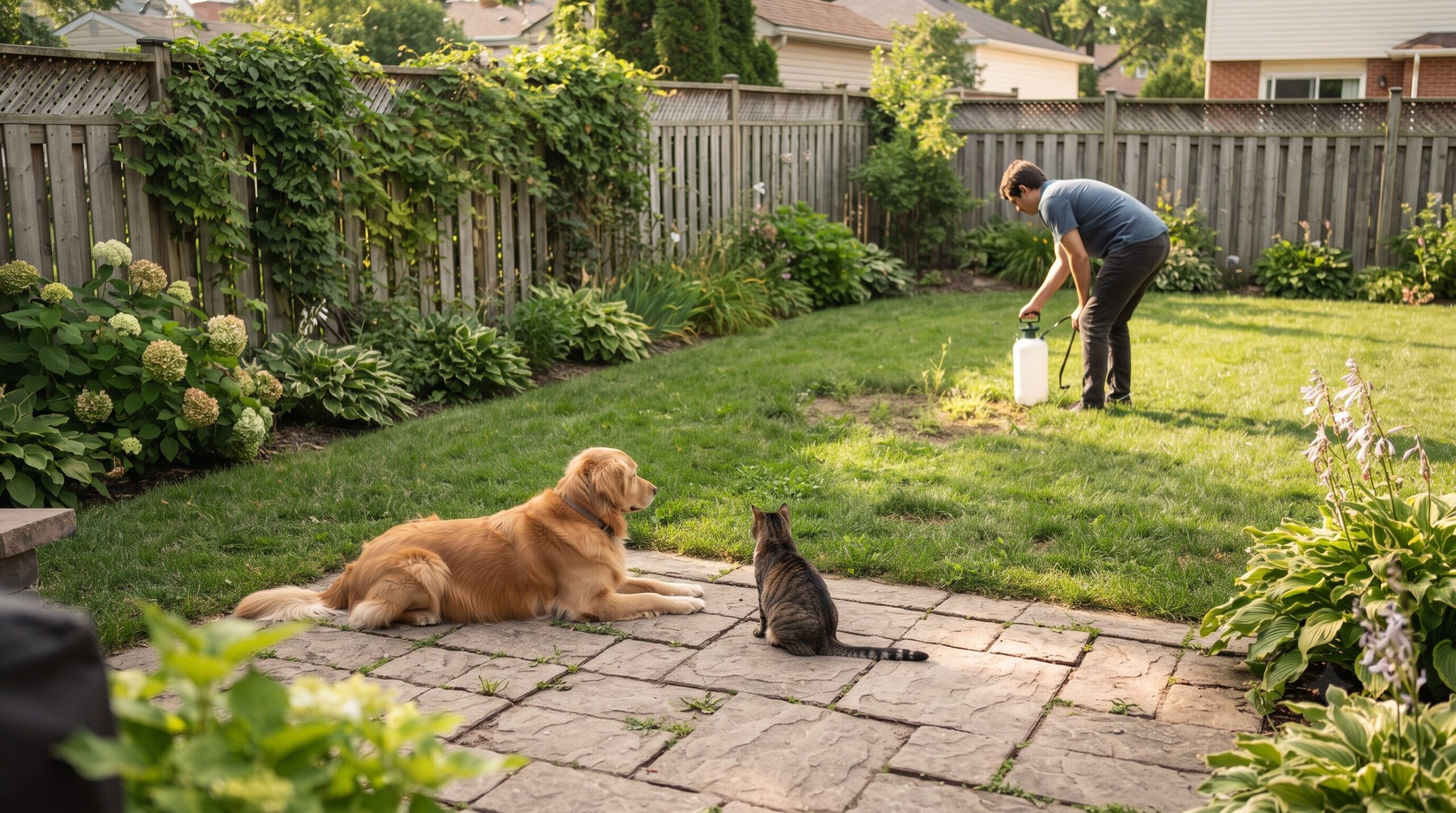
A beautiful lawn shouldn’t come at the cost of your pet’s safety. Many weed killers can leave residues on grass and soil, putting curious dogs and cats at risk if they walk through treated areas or lick their paws afterward.
The good news is that safer options are available. Whether you’re choosing a pet-safe weed killer, trying a homemade weed killer, or wondering how long pets should stay off treated grass, here’s what you need to know.
Can Weed Killer Kill Dogs?
Yes, it can. Not every herbicide is equally dangerous, but certain chemical weed killers have the potential to cause serious poisoning when they’re swallowed or when concentrated residue comes into prolonged contact with a dog’s skin or mouth. Products containing ingredients such as glyphosate or 2,4-D have been associated with poisoning incidents, especially when pets gain access before the treated area is completely safe.
That doesn’t mean every exposure becomes an emergency. In many cases, a dog that briefly walks across treated grass won’t experience severe illness. However, the risk increases significantly if the product is still wet, if your pet licks contaminated paws, or if it accidentally ingests concentrated weed killer.
That’s why many homeowners are choosing a dog-safe weed killer made with less hazardous ingredients.
What Makes a Weed Killer Safe for Pets?
The phrase pet-friendly weed killer can sometimes be misleading. It doesn’t mean a product is completely harmless, and it certainly doesn’t mean pets should be allowed onto freshly treated areas immediately after application.
Instead, a pet-safe weed killer generally refers to products formulated with lower-toxicity ingredients that present a reduced risk when they’re applied according to the manufacturer’s instructions.
Before buying any herbicide, it’s worth taking a few extra minutes to read the label carefully. Products made with plant-based ingredients, biodegradable formulas, or certified organic components are often preferred by pet owners. Just as importantly, the label should clearly explain when it’s safe for children and animals to return to the treated area.
Even then, it’s always better to err on the side of caution. Waiting a little longer than the minimum recommended re-entry time is far safer than allowing your dog back onto the lawn too soon.
Homemade Weed Killer: Does It Really Work?
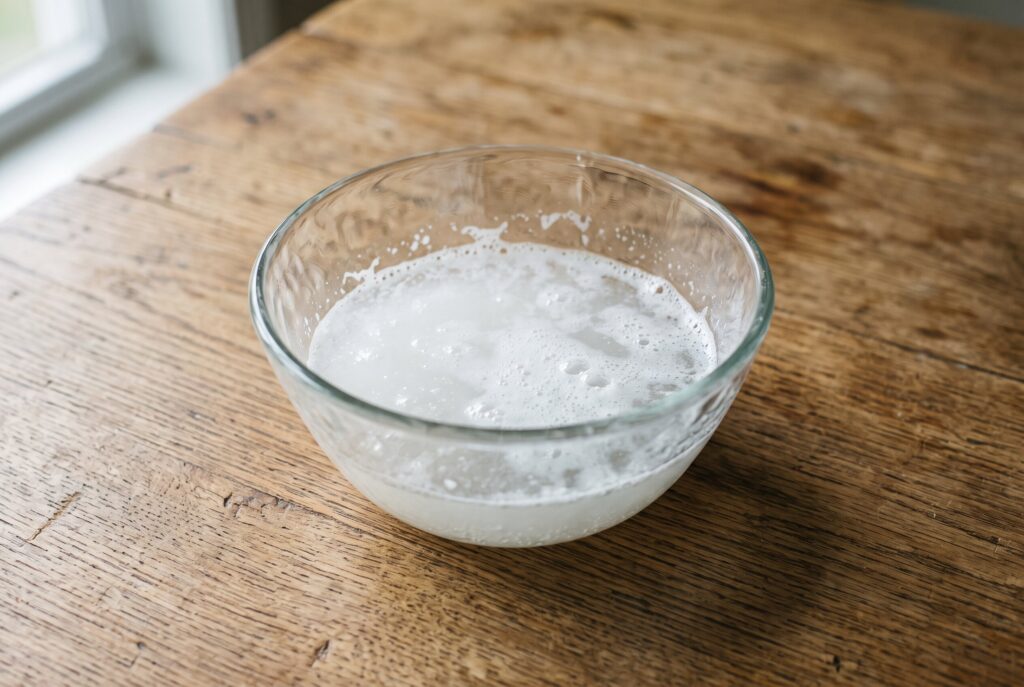
If you’d rather avoid commercial herbicides, a homemade weed killer can work well for small problem areas. A common DIY recipe combines white vinegar, salt, and a little dish soap. The vinegar burns the leaves, while the soap helps the mixture stick to the plant.
Keep in mind that natural doesn’t always mean harmless. Salt can linger in the soil and affect future plant growth, and vinegar will damage any plant it touches, including grass and flowers. Use this type of weed killer only in areas where you don’t want vegetation to grow.
How Long Should You Keep Dogs Off Grass After Using Weed Killer?
If you’ve just treated your lawn, it’s natural to wonder when it’s safe to let your dog back outside. The answer isn’t the same for every weed killer because the ingredients and application methods can vary quite a bit.
Many manufacturers state that pets can return once the treated area is completely dry. Depending on the weather, that may take anywhere from two to four hours for liquid herbicides. Granular products often require watering before they become effective, meaning the waiting period can extend to a full day or even longer. Humidity, rainfall, and temperature also affect drying time. A lawn that appears dry on the surface may still contain residue trapped between grass blades.
If you’re using a conventional chemical herbicide, waiting at least 24 to 48 hours offers an extra margin of safety, especially for puppies, senior dogs, and pets that frequently lick their paws after being outside. While it may feel inconvenient, keeping your dog indoors a little longer is far better than risking unnecessary exposure.
Symptoms of Weed Killer Poisoning in Dogs

Knowing the early warning signs can make a significant difference if your pet is exposed to a herbicide. Some dogs develop symptoms within minutes, while others may not appear ill until several hours later.
Mild exposure often causes excessive drooling, vomiting, diarrhea, or irritation around the mouth. You may also notice redness on the paws if your dog has walked across freshly treated grass.
More serious poisoning can lead to weakness, difficulty walking, muscle tremors, breathing problems, or seizures. These symptoms shouldn’t be ignored, as they may indicate exposure to a concentrated product or a highly toxic ingredient.
The severity of symptoms of weed killer poisoning depends on several factors, including the type of herbicide, the amount involved, and your dog’s size and overall health. Even if the symptoms appear mild at first, it’s always safest to contact your veterinarian if you suspect chemical exposure.
What to Do If Your Dog Is Exposed to Weed Killer

If you believe your dog has come into contact with a weed killer, don’t panic, but act quickly.
Start by moving your pet away from the treated area. If the product is on its paws or fur, rinse the affected areas thoroughly with lukewarm water to remove as much residue as possible. If your dog has the product around its mouth, gently flush the area with clean water.
Resist the urge to make your dog vomit unless a veterinarian specifically tells you to do so. Some chemicals can cause additional damage when they’re brought back up through the esophagus.
If possible, keep the original product container or take a photo of the label before contacting your veterinarian. Knowing the active ingredients can help determine the most appropriate treatment and whether emergency care is needed.
Natural Ways to Prevent Weeds Without Harsh Chemicals

Choosing a pet-friendly weed killer is only part of the solution. A healthy lawn naturally resists weeds, reducing the need for herbicides in the first place.
Regular mowing, proper watering, and seasonal fertilization help grass grow thicker, leaving fewer open spaces for weeds to establish themselves. Applying mulch around flower beds can also suppress unwanted growth while helping the soil retain moisture.
For isolated weeds growing in patios or driveway cracks, pouring boiling water or removing them by hand is often just as effective as spraying chemicals. These simple methods require a little more effort, but they eliminate the concern of chemical residue altogether.
Combining good lawn care with occasional use of a homemade weed killer or a trusted weed killer safe for pets is usually the most sustainable approach for homeowners who want a beautiful yard without compromising their pets’ well-being.
Final Thoughts
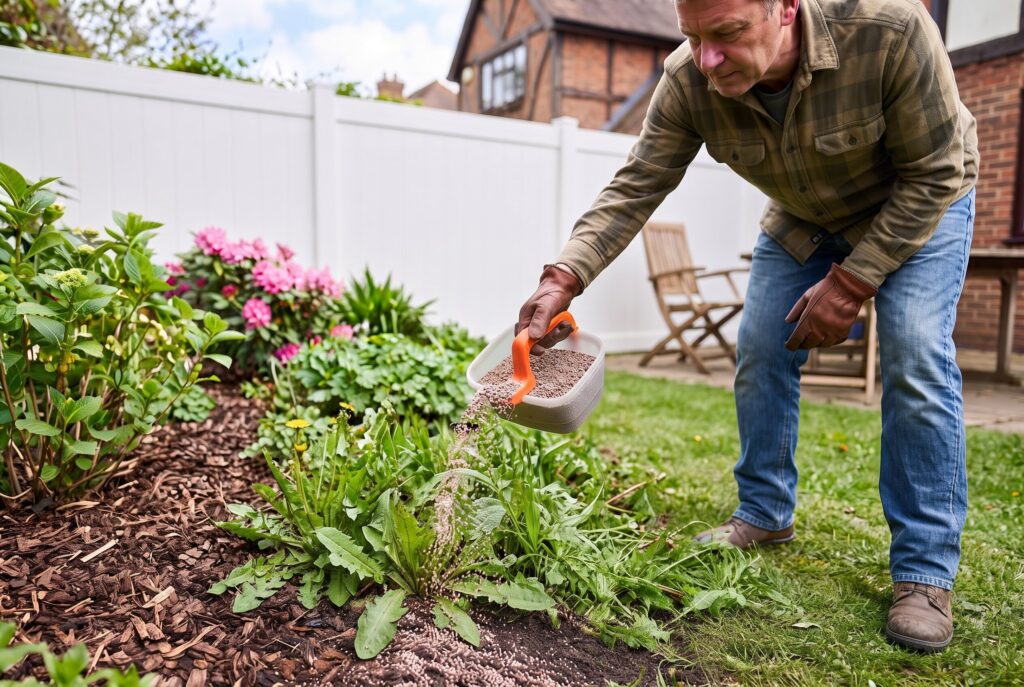
A weed-free lawn is nice, but a healthy, happy dog matters more. The good news is that you don’t have to choose between the two. With the right product, careful application, and a little patience before letting your pet back outside, you can control weeds while keeping your yard a safe place to play.
When in doubt, follow the label instructions and take the more cautious approach. Waiting an extra day is a small inconvenience compared with the peace of mind that comes from knowing your dog is protected.