

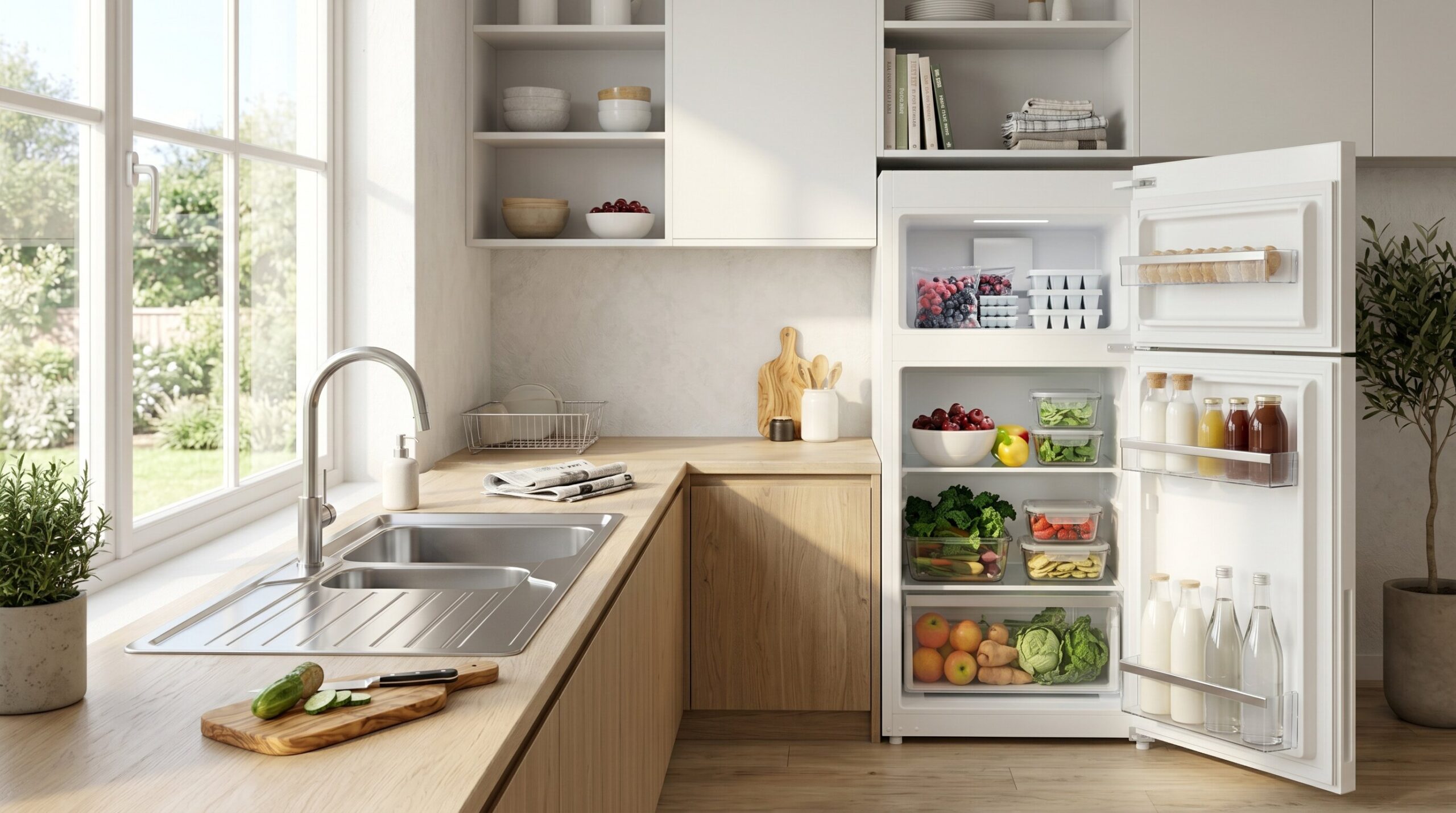
Opening the door to a midnight snack only to find a scent resembling a science experiment is a major headache. It’s frustrating when a kitchen feels clean but the air says otherwise. Understanding how to remove odors from fridge units doesn’t require a professional. While the standard box of baking soda in fridge shelves is a classic fix, it’s often insufficient for deep, lingering smells. This guide offers seven modern, tested hacks to ensure a kitchen stays fresh and inviting in 2026.
Why Your Refrigerator Smells Bad (Even After Cleaning)
It’s a common mistake to assume odors only come from rotting food. Even after the trash is gone, smells linger because of adsorption, which is where odor molecules attach to plastic walls and rubber gaskets.
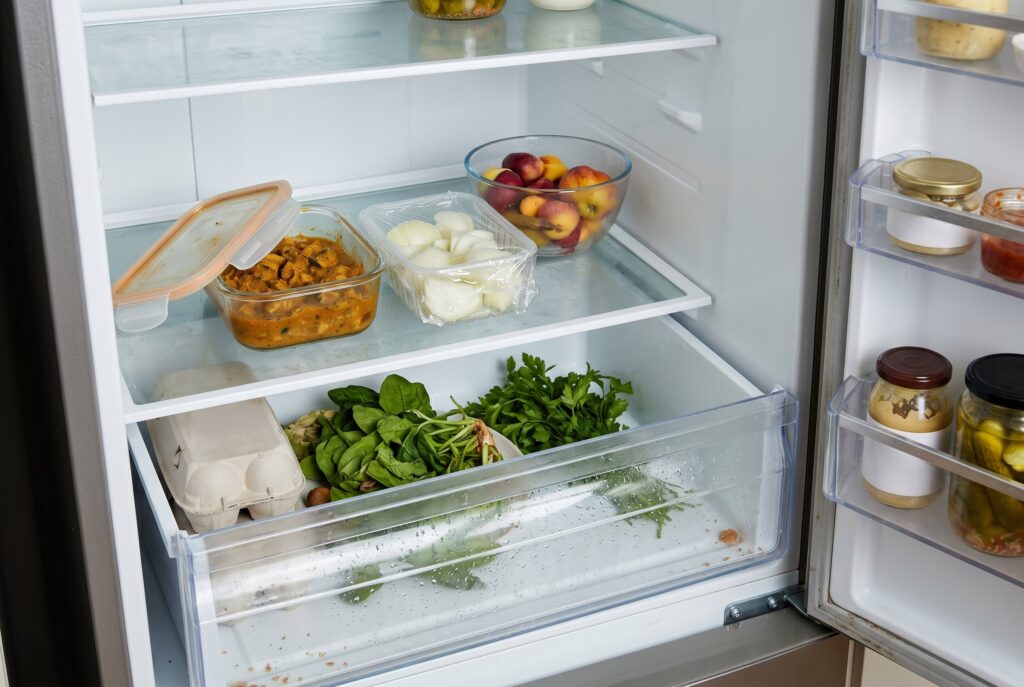
Bacteria thrive in the dark, humid corners of crisper drawers, while excess moisture leads to mold in the seals. Sometimes the issue is mechanical, such as a hidden drip pan or a neglected air filter that hasn’t been changed in years.
Phase 1: The Non-Negotiable Deep Clean
Before any hack works, the unit needs a fresh start. Achieving the best results for how to remove odors from fridge interiors begins with emptying every shelf, including the condiments from 2024.
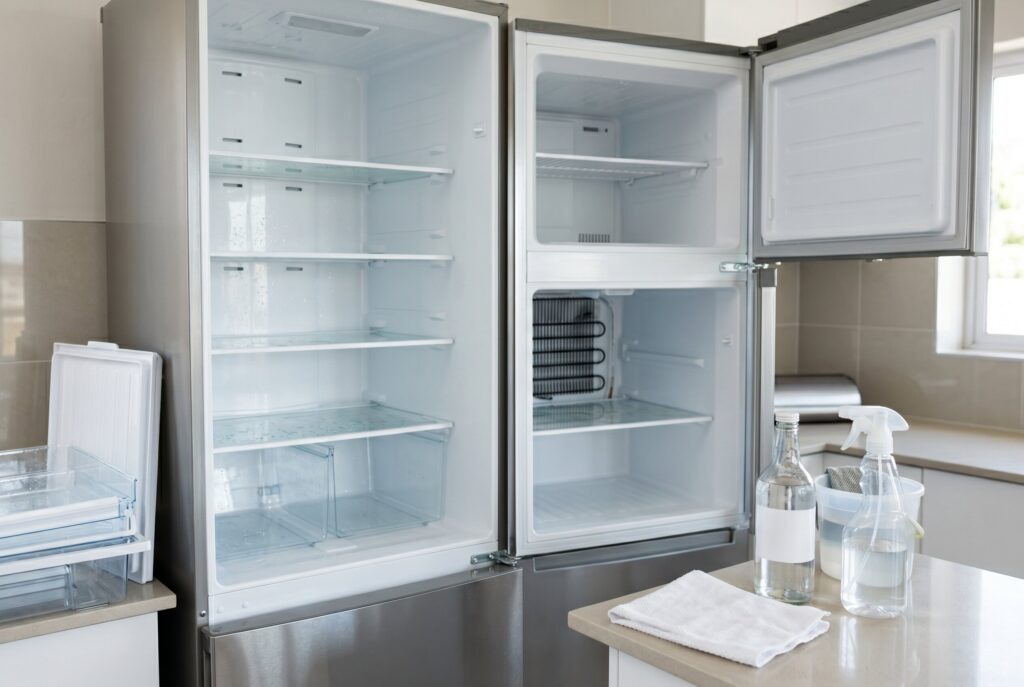
Unplugging the appliance allows for a full defrost, which is vital for freezer smell removal because it releases trapped scents in the ice. A cleaning solution of one part white vinegar to two parts warm water works effectively on most surfaces. For deeper sanitization, a diluted bleach solution of one tablespoon per gallon of water is safe for food contact surfaces according to the USDA.
Phase 2: 7 Instant Hacks to Eliminate Stubborn Fridge Smells
When standard cleaning isn’t enough, these specific fridge deodorizer methods provide a stronger defense against the most difficult scents.
1. The Classic: Baking Soda in Fridge
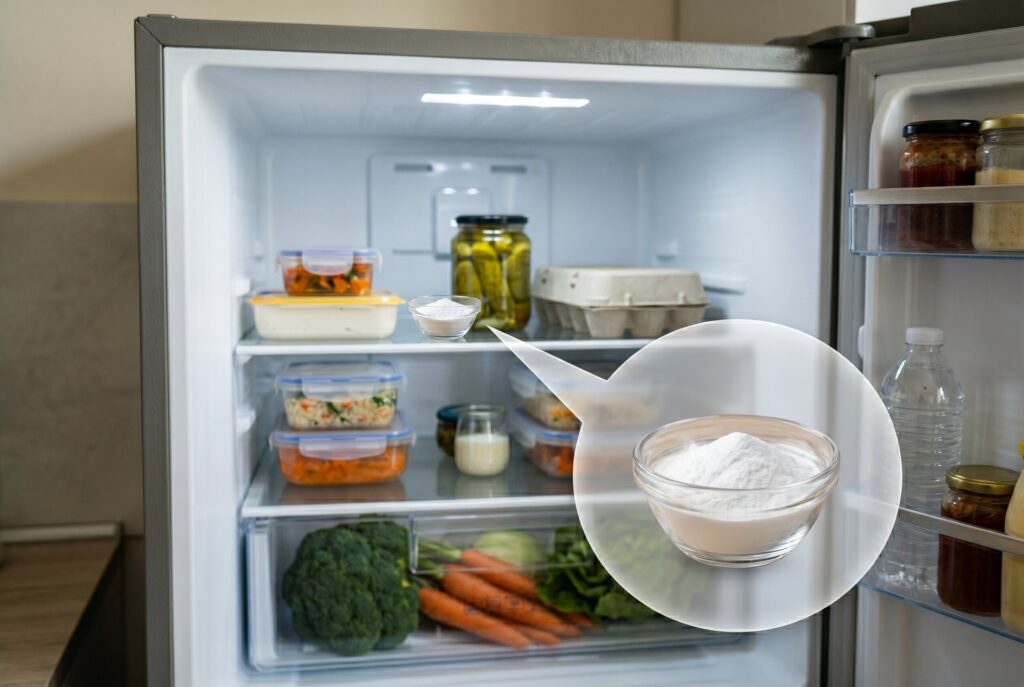
Most people leave the box in a corner, but that setup lacks the necessary surface area to be truly effective. For baking soda in fridge to succeed, it’s better to spread a whole box across a rimmed baking sheet. Placing this on a middle shelf for twenty four hours allows the powder to neutralize acidic odor molecules much faster than a small opening in a box.
2. Activated Charcoal (The Heavy Duty Fix)
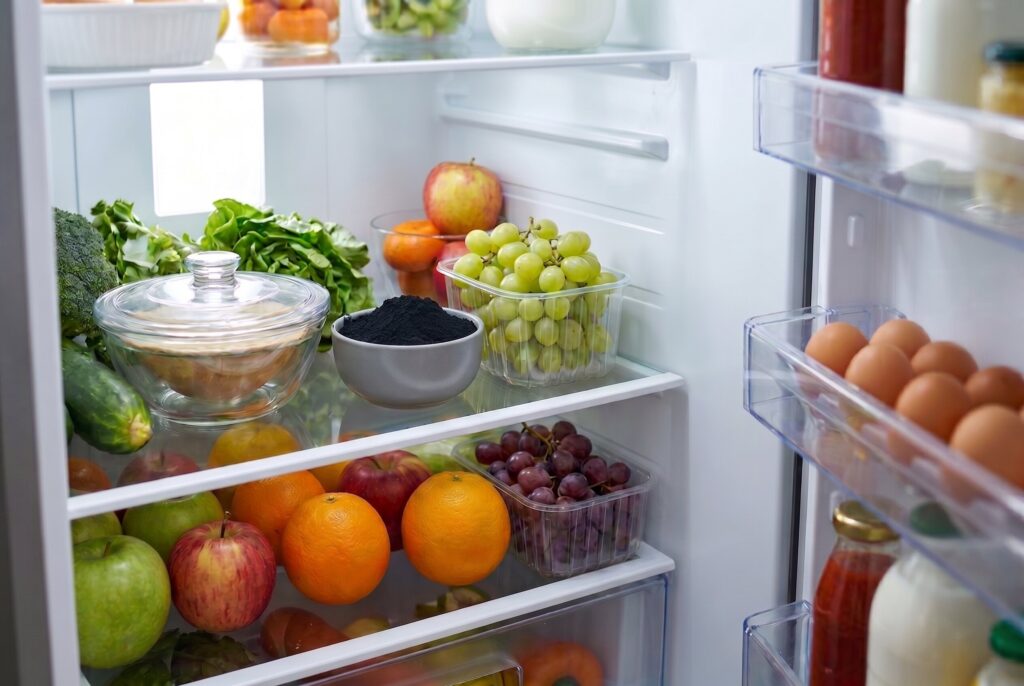
For odors that won’t leave after a power outage or spoiled meat, activated charcoal is a superior refrigerator deodorizer. It’s significantly more porous than baking soda and can handle heavy duty adsorption. A smart money saving tip is buying activated charcoal from the aquarium section of a pet store, as it’s the same material used in high end appliance filters but at a fraction of the cost.
3. The Vintage Newspaper Hack
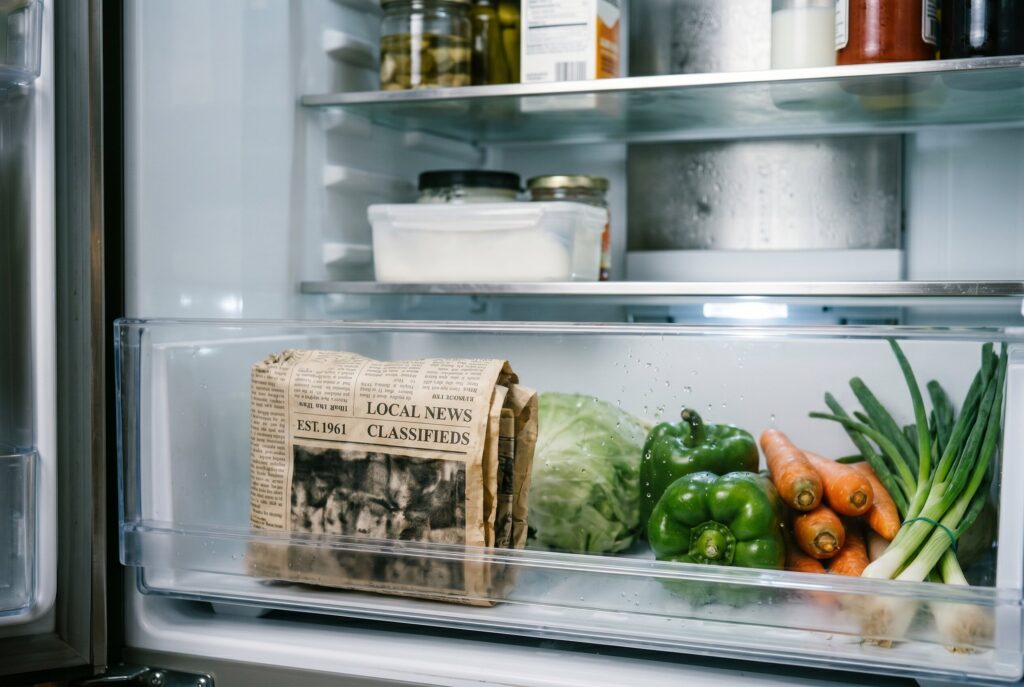
This vintage secret remains useful in 2026 because the carbon in the ink and the porous wood fibers in the paper absorb both moisture and smells. Crumpling several sheets of newspaper and spritzing them lightly with water before stuffing them into the crisper drawers is a proven method. Leaving them for a few days ensures the paper pulls out the lingering humidity that feeds mold.
4. Used Coffee Grounds
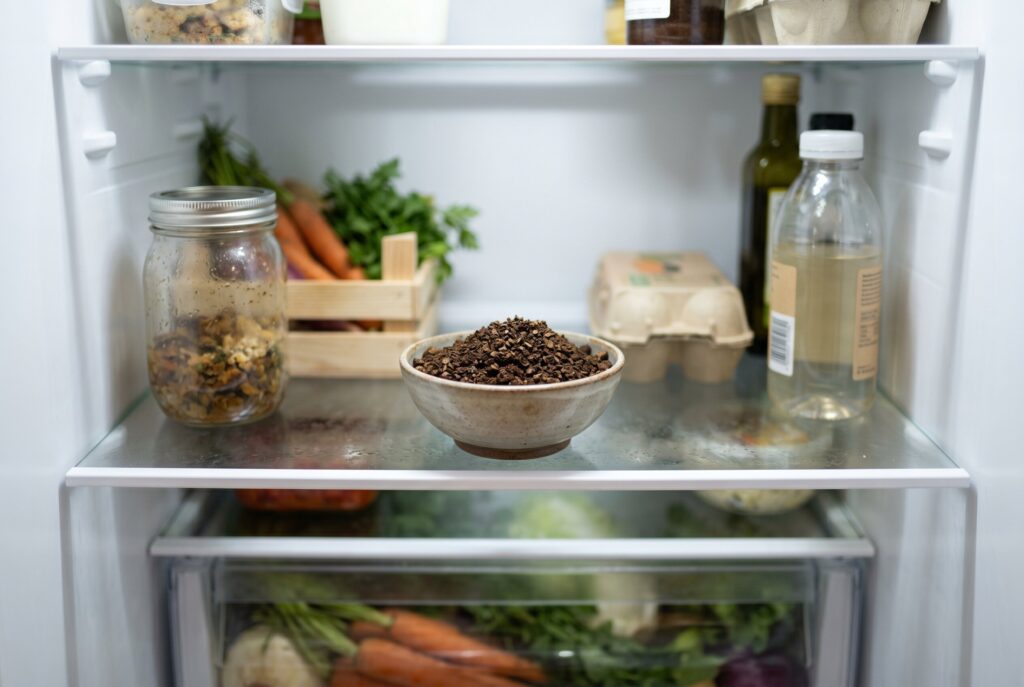
Coffee grounds are a fantastic fridge deodorizer because they don’t just absorb bad air: they replace it with a subtle, pleasant aroma. Dried grounds are best for this task. It’s important to use dried grounds so they don’t grow mold themselves while sitting in the fridge.
5. Vanilla Extract on Cotton Balls
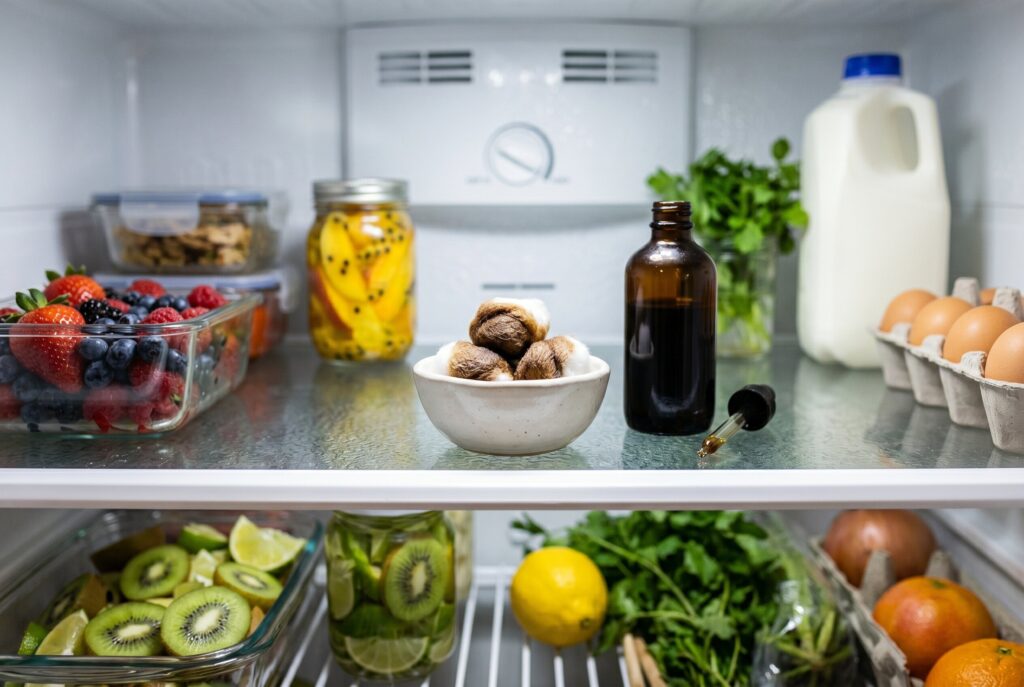
A popular trend involves soaking cotton balls in real vanilla extract and placing them in a small dish at the back of a shelf. It creates a spa-like atmosphere in the kitchen. This method is especially helpful for masking the sterile scent that follows a deep bleach cleaning.
6. Lemon Halves with Salt
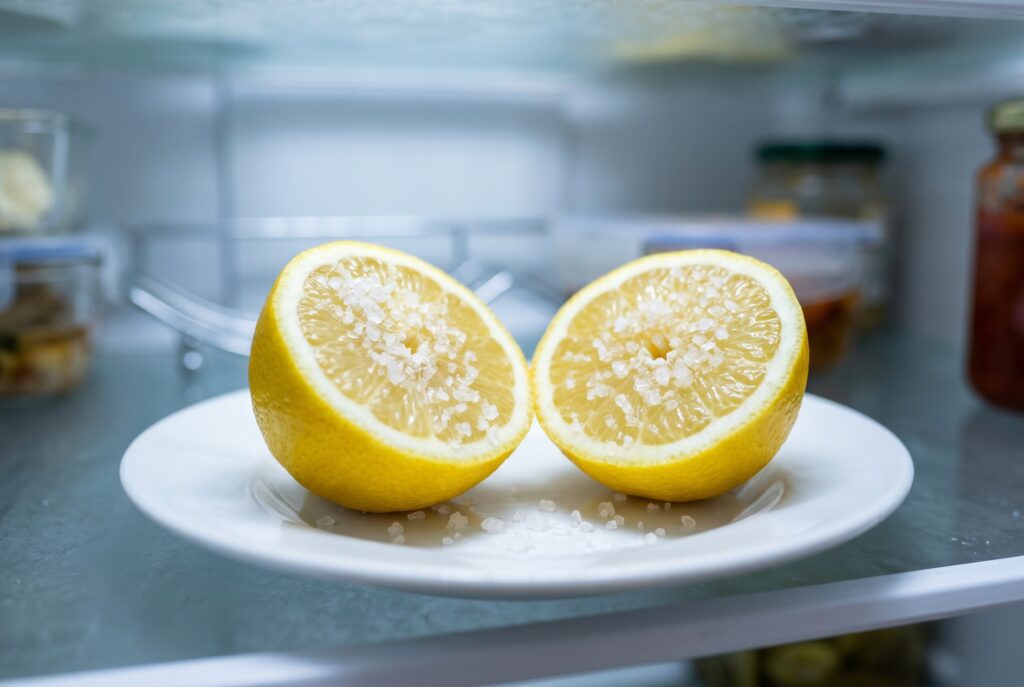
Citric acid acts as a natural sanitizer while salt works as a desiccant to pull moisture out of the air. Slicing a lemon in half and covering the exposed surface with coarse salt creates a powerful, natural refrigerator deodorizer. It leaves a fresh citrus scent without using synthetic chemicals near food.
7. Dry Oats
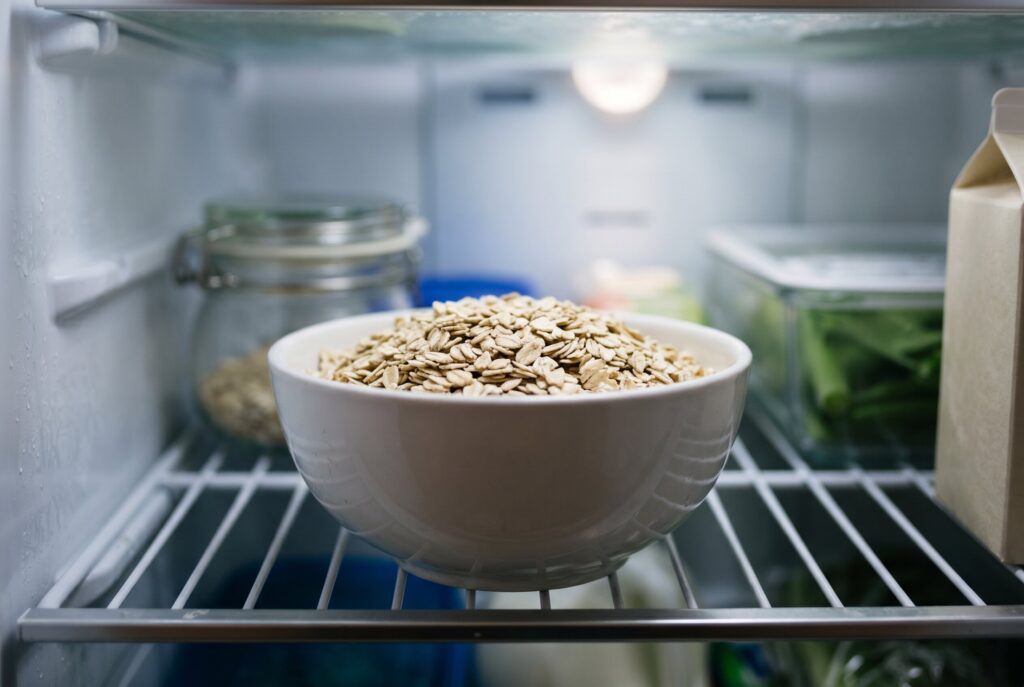
Oats are highly absorbent and safe for use near any food group. Placing a bowl of dry oats in a smelly fridge or freezer helps pull in odors and moisture passively. It’s a low cost solution that works well in the freezer where other liquid based hacks might freeze and lose effectiveness.
Advanced Troubleshooting: Hidden Odor Sources
If the scent won’t vanish after these steps, the source is likely in a hidden area. The drip pan underneath the unit catches condensation and can grow mold or collect spilled liquids that leaked through the floor of the appliance. Removing the front grill to wash this pan with soapy water is a vital maintenance step.
Additionally, the rubber gaskets around the door are a common playground for bacteria. Scrubbing inside the folds with a toothbrush and vinegar ensures no mold remains. Finally, modern units often contain an air filter that requires replacement every six months to remain effective.
Prevention: Keep Your Fridge Fresh in 2026
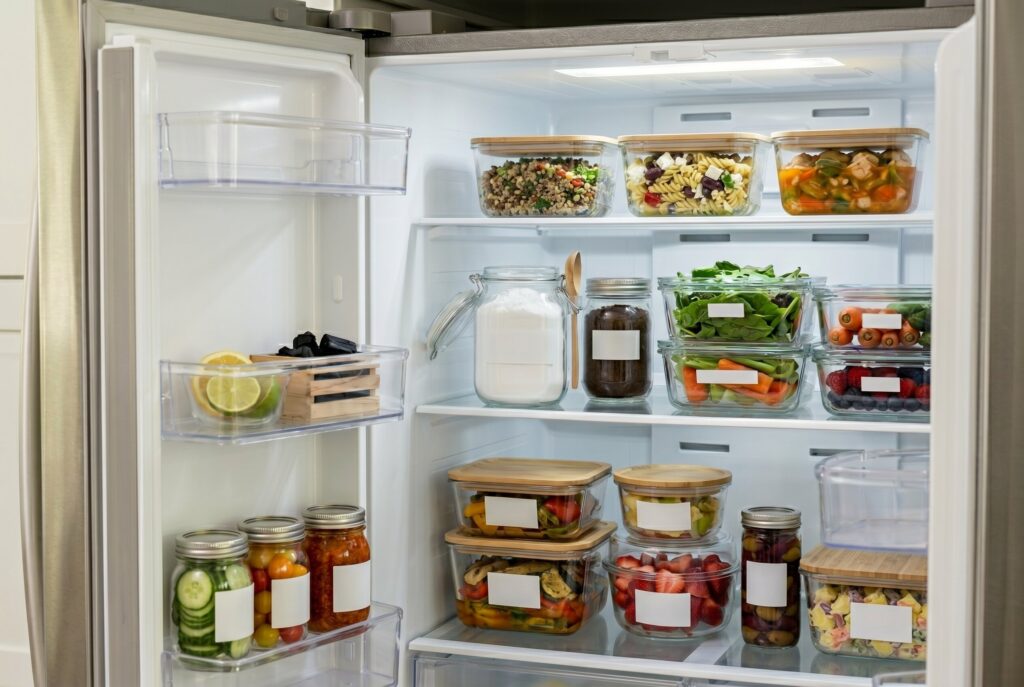
The best fridge deodorizer is a good habit. Using airtight glass or acrylic containers prevents smells from escaping and spreading throughout the unit. Maintaining a temperature between thirty seven and forty degrees Fahrenheit inhibits bacterial growth without freezing the produce. A designated spot for items nearing their expiration date also ensures nothing rots in the back corners.
FAQ: Common Questions About Refrigerator Odors
How long does baking soda in the fridge last?
For regular maintenance, the powder should be replaced every thirty days, but for heavy odors, replacing it every few days is necessary until the scent is gone.
Is it safe to clean with bleach?
Yes, a very diluted solution is safe, but it can’t be mixed with vinegar or ammonia because that creates dangerous fumes.
Why does the freezer smell like fish?
This is often due to ice cubes absorbing food odors from the fridge section. Cleaning the freezer and using lidded ice trays won’t allow this to happen.
Can newspaper ink stain the fridge?
Spritzing it lightly with water won’t cause the ink to run enough to stain plastic shelves, but it’s best to place it in the plastic bins.
Check the drip pan today if a smell persists. It’s the most common hidden culprit that standard cleaning won’t reach.
Conclusion
Maintaining a fresh kitchen environment starts with a thorough deep clean and ends with the right application of science. Combining traditional methods like placing baking soda in fridge interiors with advanced solutions like activated charcoal ensures a professional level of freshness.
Understanding how to remove odors from fridge setups isn’t always about the obvious spills; it’s often about addressing hidden spots like door gaskets and the drip pan. Whether a household chooses a natural DIY fix or a specialized refrigerator deodorizer, consistency remains the most effective tool for long-term results.
It’s the perfect moment to check the drip pan or acquire a dedicated fridge deodorizer to ensure the kitchen stays as fresh as the groceries inside.
Related Articles
- DIY Fridge Deodorizer: 7 Baking Soda Hacks (2026)
- How to Organize Your Fridge for Meal Prep: Practical Tips to Maximize Space and Speed Up Weekly Cooking
- 10 Smart Tips to Organize Your Fridge and Freezer: Maximize Space and Improve Efficiency