

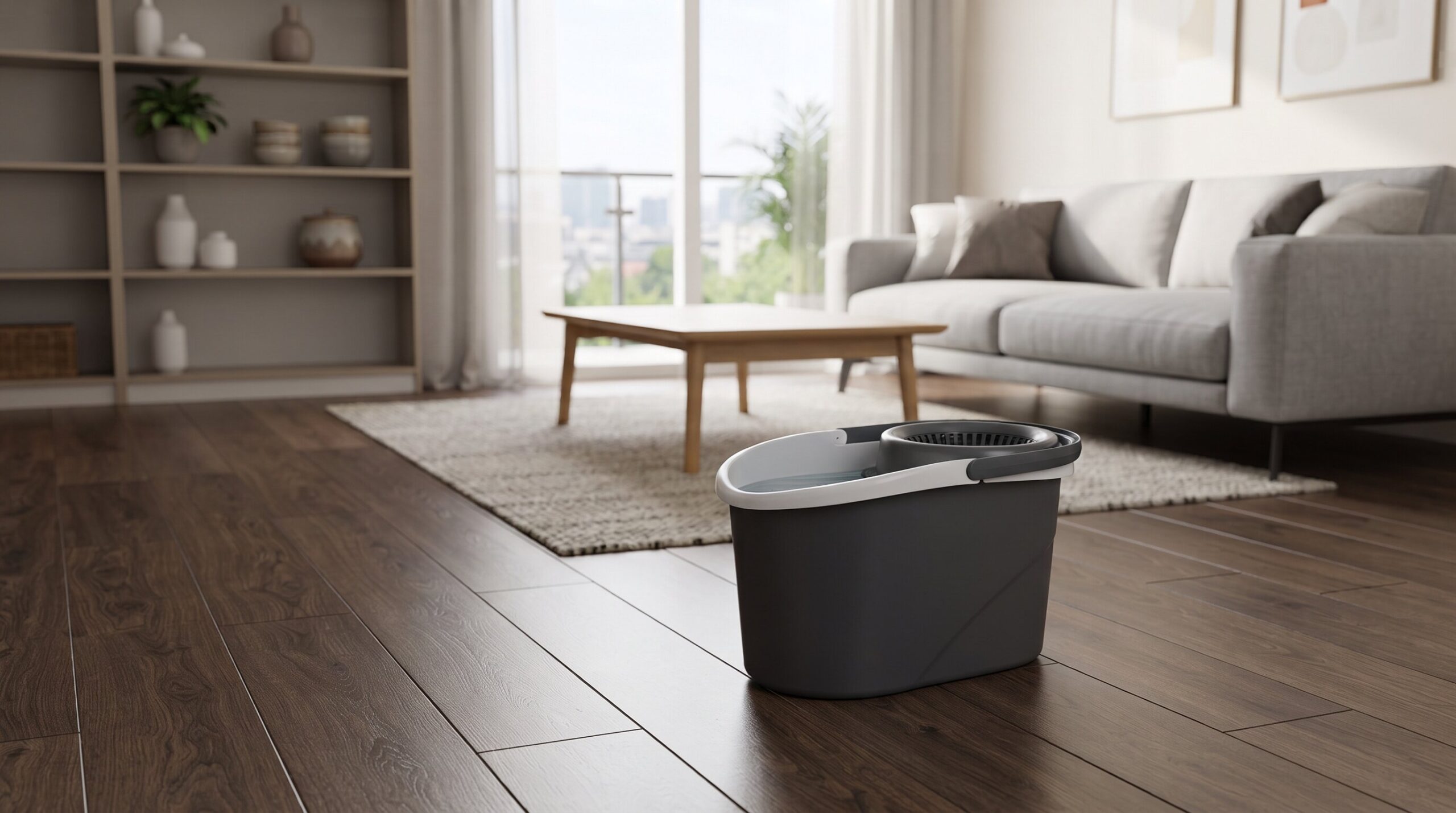
Instead of removing dirty water, most people end up spreading it around the floor, a common mistake in learning how to mop a floor the right way. The fix isn’t a fancier cleaner. It’s the two bucket method and a bit of attention to how the mop actually moves across the ground. As for timing, kitchens and entryways need a pass once or twice a week, while bedrooms and living rooms can stretch to once a month. The following guide walks through the correct mopping method for every floor type and answers the question many homeowners have: how often should you mop your floors?
Step 1: The Prep Nobody Wants to Do
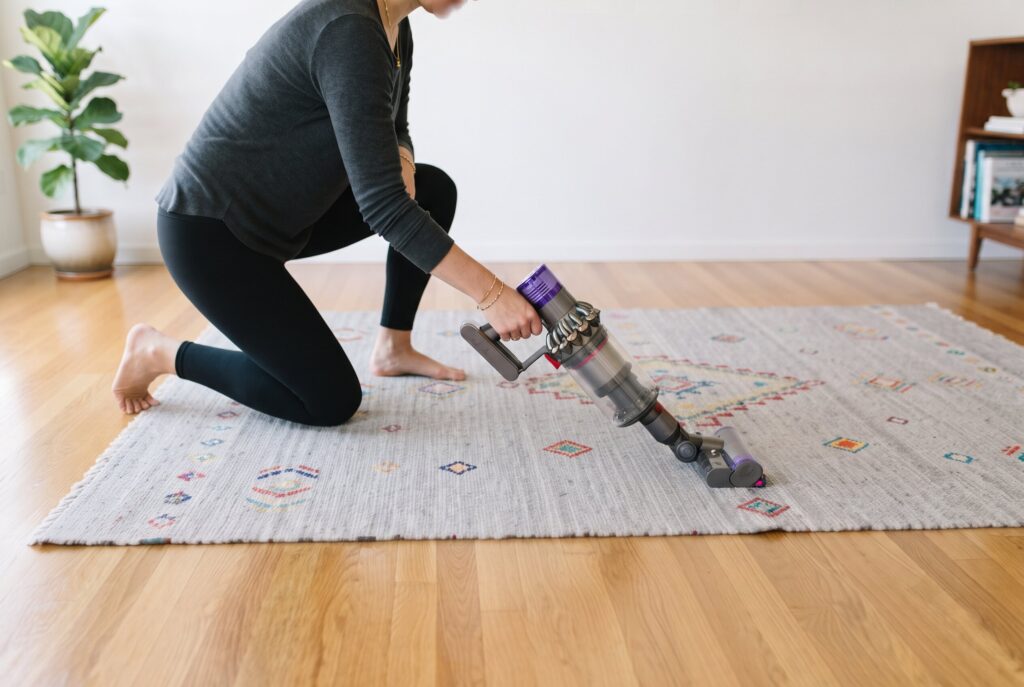
Mopping a floor that hasn’t been swept first produces exactly one result: mud. Fine dust and hair get pushed into wet streaks rather than lifted away, which defeats the entire purpose of the job. Sweep or vacuum thoroughly before touching a bucket.
Clearing rugs, chairs, and anything else in the walking path matters too. A clean, unobstructed line lets the mop cover the room in even passes instead of weaving around obstacles and missing corners.
Step 2: The Two-Bucket Method Behind the No Streaks Trick
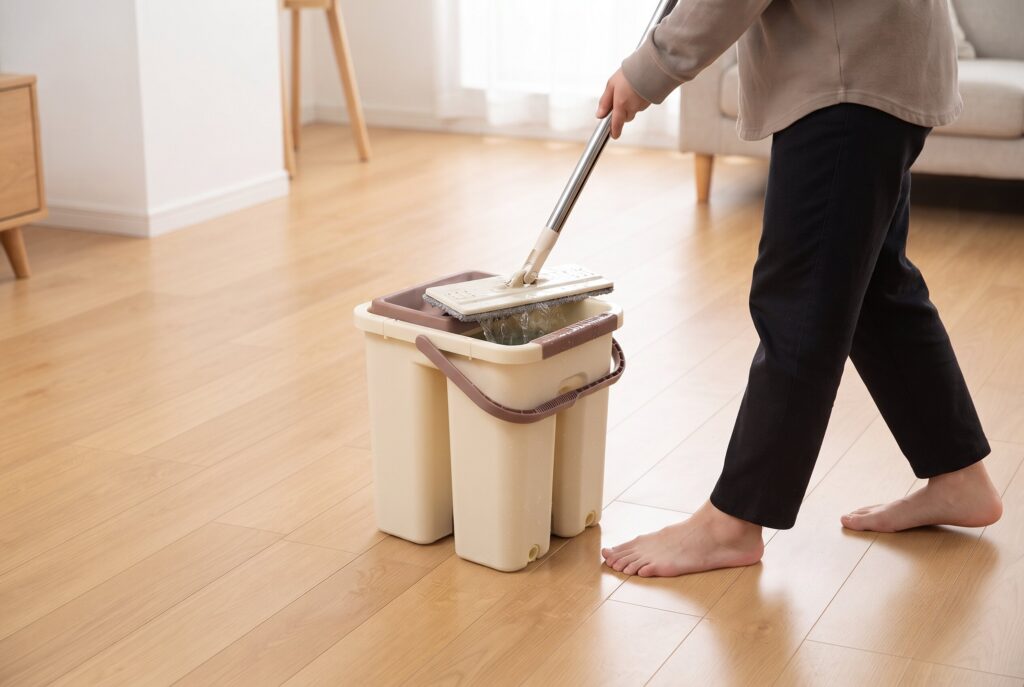
Dunking a dirty mop straight back into the soapy water bucket is the single biggest reason floors end up hazy once they dry. That one habit undoes everything mopping the floor was supposed to fix.
Two buckets solve it cleanly. One holds the cleaning solution. The other holds plain water and nothing else. Mop the floor in one section, rinse the head in the plain water bucket, wring it out, then dip back into the solution for the next section. Swap the rinse water the moment it turns cloudy, usually after two or three sections, since a dirty rinse bucket defeats the whole point of having one. It adds thirty seconds per pass and eliminates streaking almost entirely.
Step 3: The Physical Motion Actually Matters
Buckets and cleaners only do half the work. The actual hand motion behind the mop determines whether dirt gets lifted away or just shuffled around the room. The right motion also shifts depending on the surface, for example, how to mop hardwood floors properly means paying closer attention to moisture and grain direction than a generic swipe would.
Figure Eight for String Mops
A string mop works best with a gentle figure eight motion rather than aggressive back and forth scrubbing. The curved path keeps loosened dirt collecting in front of the mop head instead of getting pushed back onto sections that are already clean, which is the actual mechanism behind fewer streaks and more even coverage.
Straight Lines for Sponge Mops
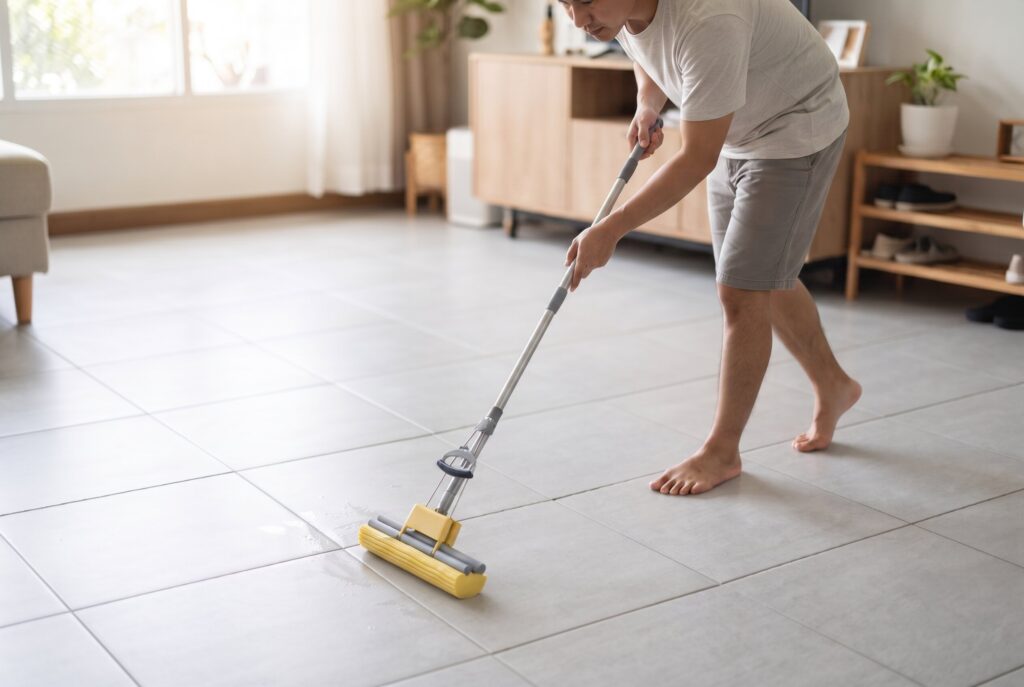
A flat sponge mop requires a slightly different technique. Instead of pushing it back and forth randomly, move the mop in straight, overlapping lines while gradually working backward toward the doorway. This technique pairs especially well with tile, going further into grout care and streak prevention specific to that surface. Overlapping each pass by a few inches is what prevents the thin missed strips that show up once the floor dries, and working toward the doorway keeps you from stepping on freshly cleaned areas before they’ve had time to dry. Keep the mop evenly damp rather than soaking wet, since too much pressure just pushes excess water into the seams instead of lifting it off the surface.
How Often Should a Floor Actually Get Mopped
The right cleaning schedule depends less on a strict weekly routine and more on how much use each area of your home receives. A hallway that sees constant foot traffic will need attention much sooner than a guest room that stays untouched most of the week. Instead of following a one-size-fits-all calendar, it is better to adjust your mopping routine based on dirt buildup, spills, and daily activity.
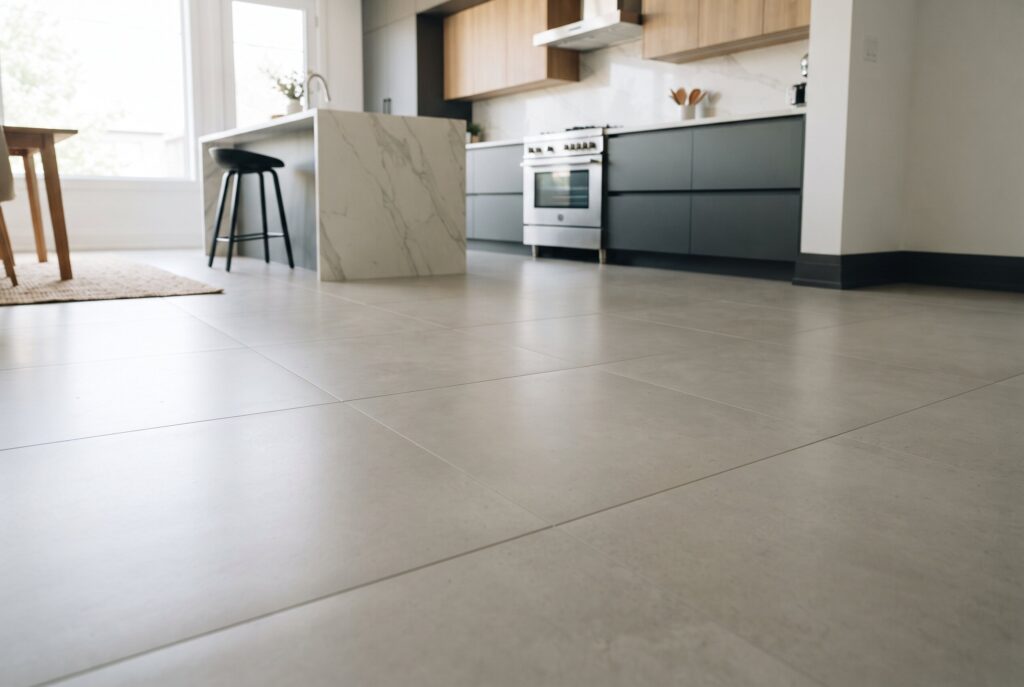
High traffic areas such as kitchens, entryways, hallways, and bathrooms usually need mopping once or twice a week. These spaces collect everything tracked in from outside, along with cooking grease, food residue, moisture, and everyday grime. Because dirt is repeatedly pressed into the surface through constant walking, waiting too long between cleanings can make buildup harder to remove and leave floors looking dull.
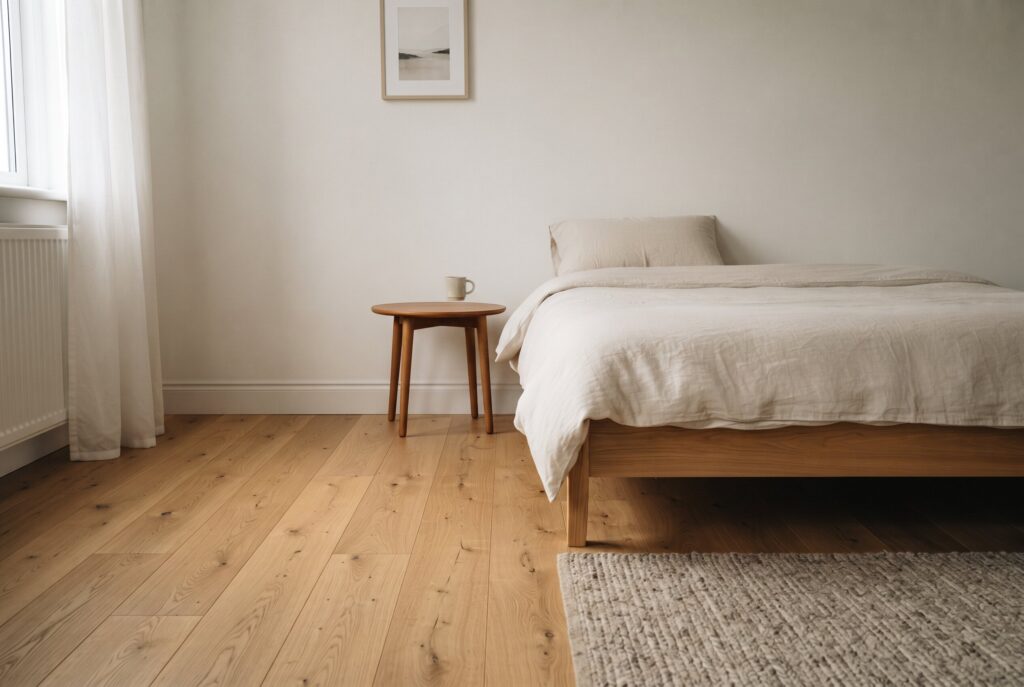
Low traffic areas like bedrooms, guest rooms, and home offices require much less frequent mopping. Regular sweeping or vacuuming can keep dust and debris under control, while a deeper mop is often only needed about once a month. Cleaning these rooms too often does not necessarily make the floor cleaner, and excessive moisture exposure can even shorten the life of certain flooring materials.
Three Mistakes Worth Avoiding
- Overloading the solution with cleaner is the first one. More product doesn’t mean cleaner floors, it means a sticky, dulling residue left behind once the water evaporates.
- Using hot water on hardwood is the second. Hot water cuts through grease beautifully on tile, but on wood it breaks down protective wax coatings faster than cold or lukewarm water would. For buildup that a regular mop pass can’t fix, how to deep clean hardwood floors covers the steps for restoring shine without sanding.
- Skipping the mop rinse after finishing is the third. A mop left dirty between uses grows bacteria and starts smelling long before it looks visibly filthy, which just reintroduces grime the next time it’s used.
Conclusion
Mopping isn’t just a chore to check off. It’s the last move in resetting a home so it actually feels lived in and cared for. Between the two-bucket method, paying attention to how the mop moves across each surface, and choosing the right tool, whether that’s a best mop for hardwood floors or a best mop for tile floors, streaks and dull grout stop being a recurring problem. Set a rhythm that matches how each room actually gets used, from weekly in the kitchen to monthly in the bedroom, and the payoff shows up the moment shoes come off and bare feet hit a floor that’s genuinely clean.