

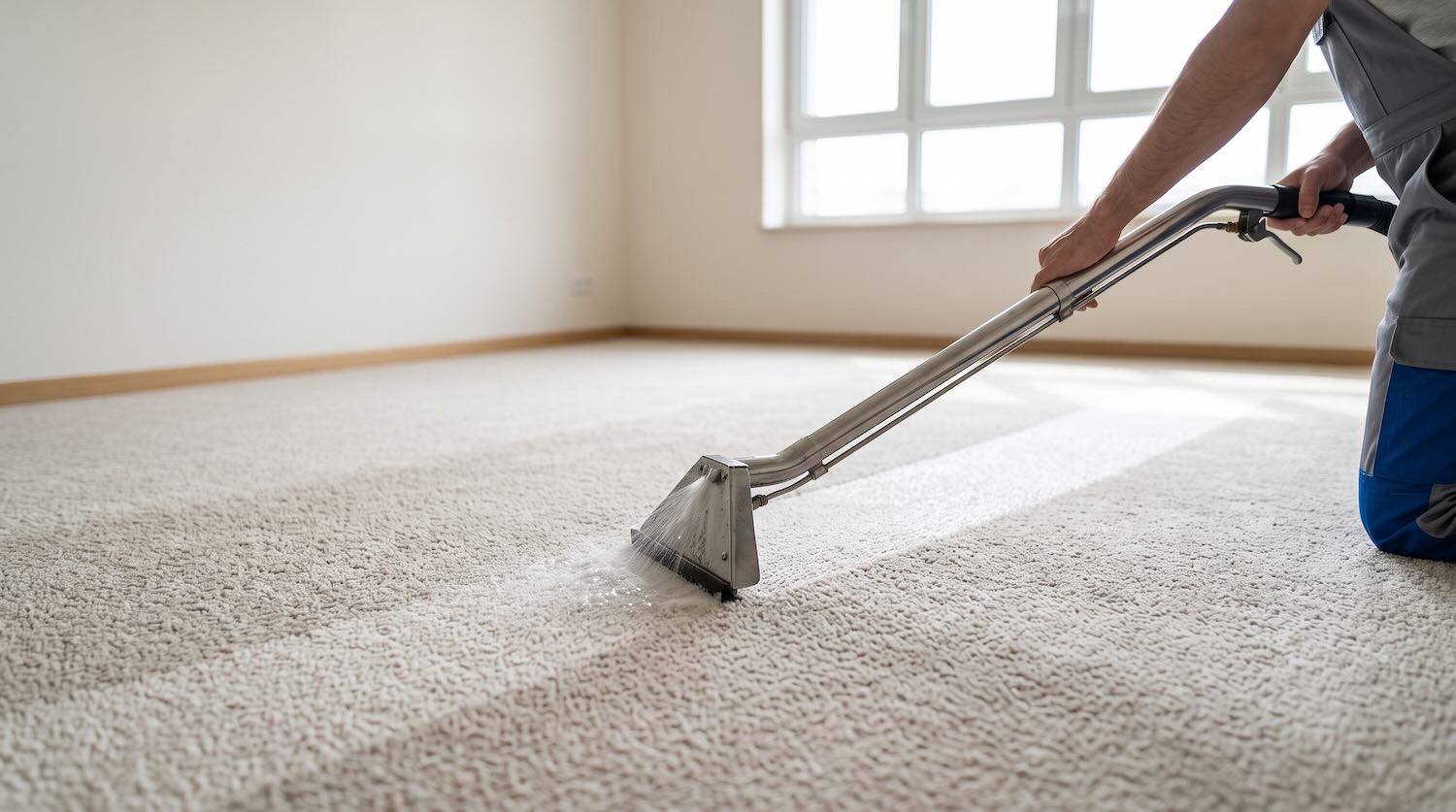
You hand back the keys, the deposit statement arrives, and you spot a line for carpet cleaning you were not expecting. Renters immediately wonder: can a landlord charge for carpet cleaning, or is that money supposed to stay in your pocket?
Landlords can sometimes pass this cost on to tenants, but far less often than move-out invoices suggest. Routine cleaning operates as a standard turnover cost, meaning owners can only bill you for cleaning tied to damage beyond normal wear. When these disputes reach a courtroom, judges tend to side with tenants on plain routine cleaning claims.
Note: This is general information, not legal advice. Carpet-cleaning and deposit rules vary by state, so confirm local laws.
Can a Landlord Charge You for Carpet Cleaning?
Yes, but only in specific circumstances. Routine carpet cleaning between tenants serves as a normal turnover expense, and most states place that financial burden on the landlord rather than the tenant. A landlord can lawfully charge you when the cleaning addresses damage that goes past ordinary wear, when the treatment cost exceeds a standard shampoo, or when a valid lease clause and state law both back the fee. Courts typically lean toward the tenant when a landlord bills for a plain, routine cleaning with no documented damage behind it.
When a Landlord CAN Charge
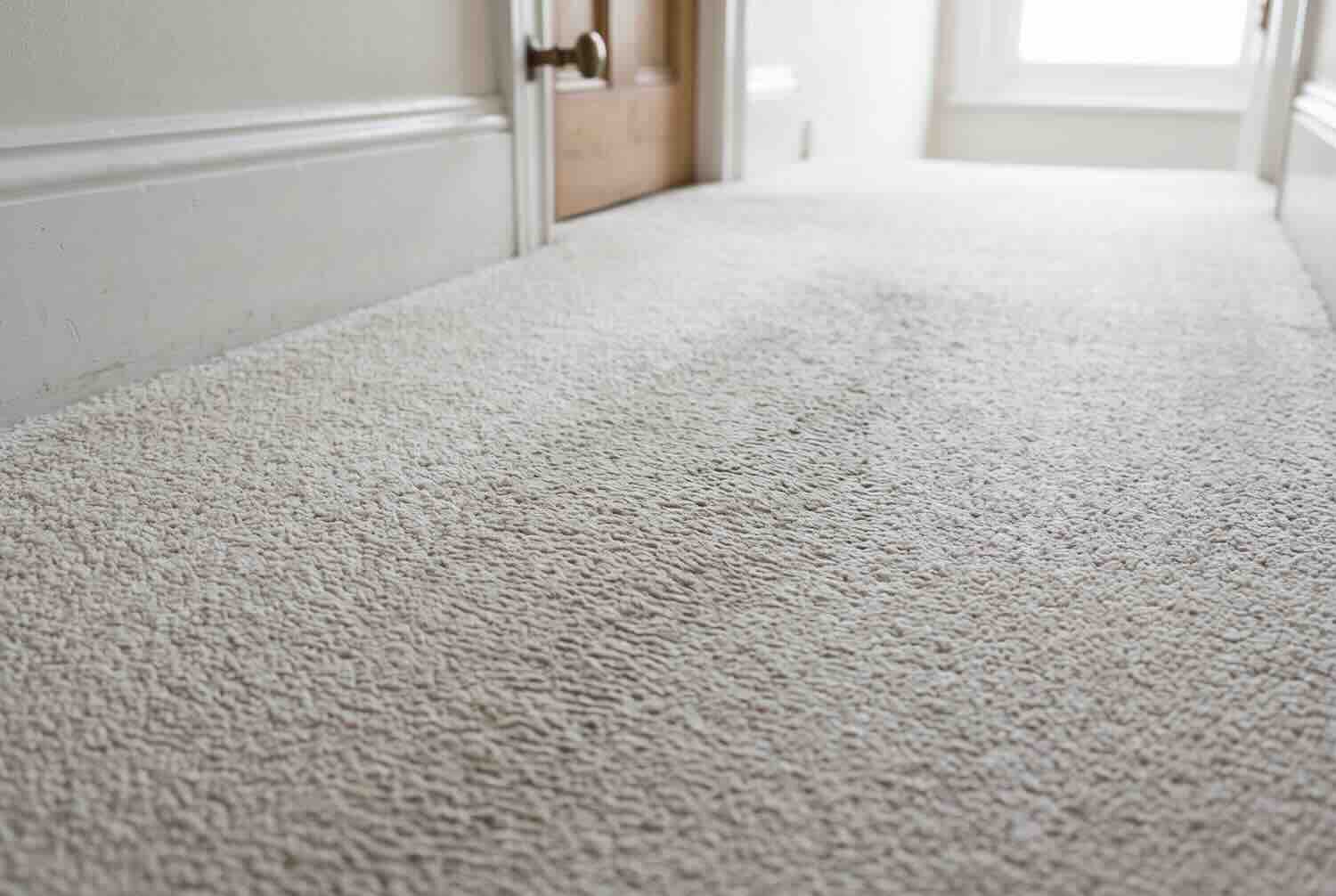
A landlord stands on solid ground to charge your deposit in a few defined situations. The required cleaning must tackle something beyond normal daily use.
- Set-in stains or pet odor: Heavy soiling or smells soaked into the padding that a routine pass will not fix justify a deduction.
- Excessive costs: The charge holds up when the necessary work costs meaningfully more than a standard cleaning.
- Skipped requirements: You can be billed if you skipped a professional cleaning that your lease validly required.
- Documented damage: Any recorded harm that forces a deep cleaning beyond ordinary turnover practices falls on the tenant.
When a Landlord CANNOT Charge
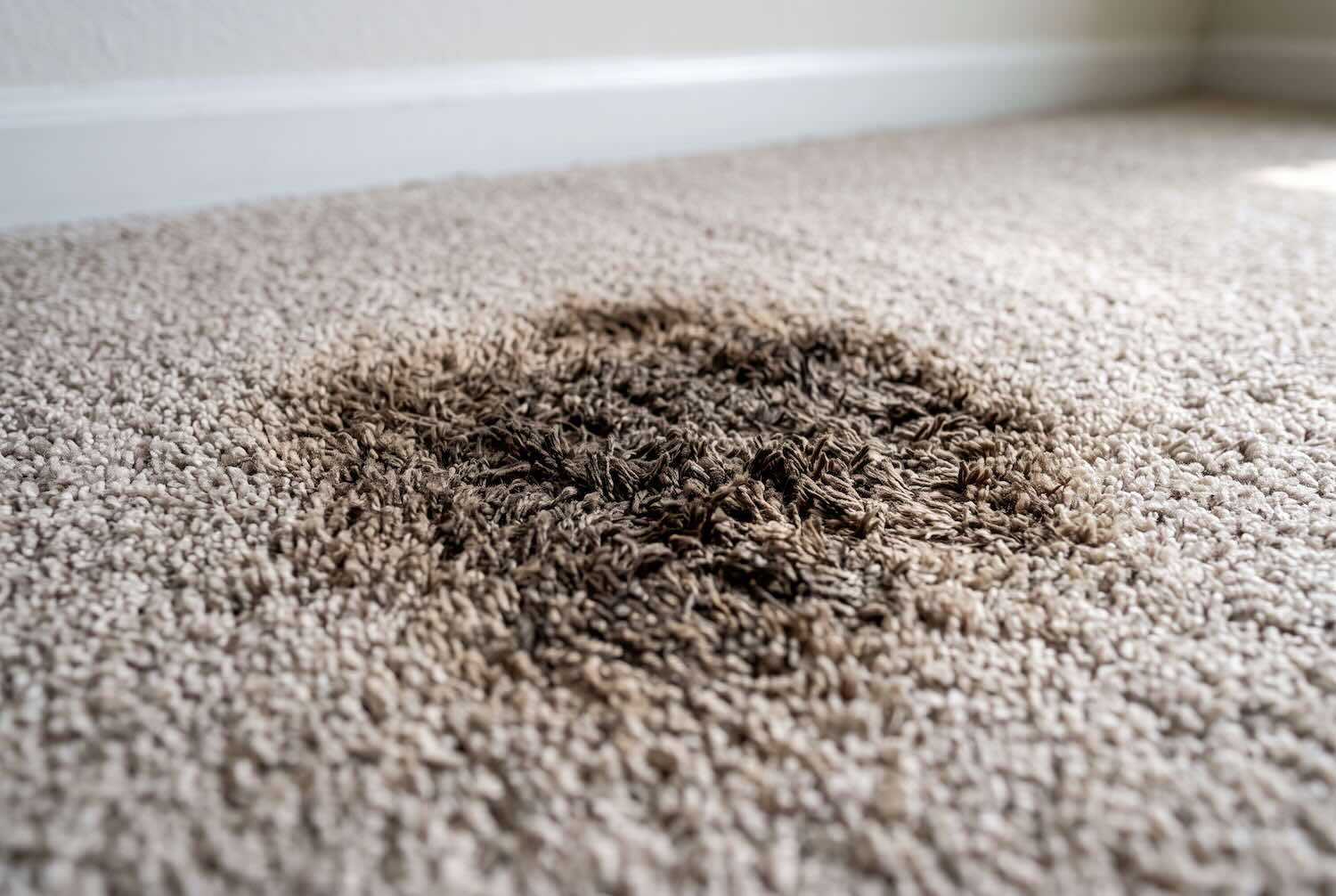
Several situations put the cleaning cost squarely back on the property owner.
- Routine traffic wear: Cleaning to reset ordinary foot traffic is a turnover expense, sitting in the same category as painting a unit between tenants.
- Expired lifespan: A landlord cannot charge you when the carpet has already reached the end of its useful life.
- Lack of documentation: The owner absorbs the cost if nothing documents the carpet’s condition at move-in or move-out.
- Pre-existing wear: You are not responsible for wear that was already there the day you moved in.
>>> See more: What Is Considered Normal Wear and Tear in an Apartment?
Carpet Life Expectancy and Depreciation
Carpet age dictates what a landlord can fairly recover from your deposit. Industry and HUD figures commonly put a carpet’s useful life somewhere between five and ten years. Rental-grade plush carpet often sits nearer the lower end, lasting around five to seven years. Once a carpet passes the end of that span, its depreciated value approaches zero. A landlord generally cannot bill you to clean or replace a fixture that was already due for replacement.
A worked example makes this math concrete. If a carpet has a seven-year useful life and you stain it beyond cleaning in year five, two years of value remain. A fair charge reflects that remaining slice rather than the full price of new carpet. If that same carpet were already eight years old, its depreciated value would be zero, placing the replacement cost on the landlord.
Does a Lease Clause Requiring Carpet Cleaning Hold Up?
Many leases include a clause requiring professional carpet cleaning at move-out, but a written rule does not automatically settle the question. In some states, a specific and clearly written cleaning requirement remains enforceable, meaning skipping it will cost you. In other jurisdictions, courts have voided blanket professional-cleaning clauses when those rules try to shift ordinary wear-and-tear costs onto the tenant. Those costs legally sit with the landlord. Read your lease closely and check whether your state honors or limits that kind of clause before you pay.
How Much Does Carpet Cleaning Cost?
Knowing the standard going rate lets you spot an inflated move-out invoice. Professional carpet cleaning typically costs between $25 and $75 per room, or roughly $120 to $200 for a standard two-to-three-room apartment. This pricing depends on the square footage, the carpet type, and how soiled the fibers are. If a landlord’s deduction lands well above local rates for the same work, that pricing gap alone is worth questioning when you dispute the charge.
How to Dispute an Unfair Carpet Cleaning Charge

A methodical response works better than an angry email if the deduction looks like standard turnover dressed up as damage. Work through these steps in order.
- Get the charge itemized in writing. Ask for a line-by-line breakdown plus copies of any receipts or invoices. A vague statement listing a generic fee with nothing behind it proves hard for a landlord to defend.
- Compare it against your move-in record. Pull your dated move-in photos or signed checklist and line them up against the move-out claim to show what the carpet actually looked like when you arrived.
- Do the depreciation math. Weigh the carpet’s age against its useful life. If it was near or past its end-of-life, the recoverable value shrinks toward zero.
- Send a formal dispute letter. Put your objection in writing, cite your state’s itemization rules and the wear-versus-damage standard, and request the disputed amount back by a specific date.
- Escalate to small claims. Small-claims court is the standard next step if the landlord refuses to budge and the sum justifies the effort. Bring your photos, receipts, and depreciation numbers.
>>> See more: How Long Does Peel and Stick Wallpaper Last? (Real Numbers)
Does It Vary by State?
The core wear-versus-damage principle remains consistent across the U.S., but the enforcement machinery shifts from state to state. How long a landlord has to return your deposit and itemize deductions varies, commonly landing in the 14-to-30-day range. State law also dictates whether a mandatory professional-cleaning clause is enforceable in the first place. Your state’s tenant-rights office or the attorney general’s housing page serves as the reliable place to confirm those specifics.
Frequently Asked Questions
Can a landlord charge for carpet cleaning if there were pets?
Possibly, but only for cleaning that addresses actual pet damage like deep urine odor, stains, or soiling beyond a normal shampoo. Routine cleaning that any tenant would trigger stays the landlord’s cost. A pet deposit or pet rent you already paid may cover part of the remaining damage.
Do I have to professionally clean the carpet before moving out?
Only if your lease requires it and your state enforces that kind of clause. You generally cannot be billed for professional cleaning of ordinary wear on top of the requirement, so check the lease wording and your local law.
Can a landlord charge for full carpet replacement instead of cleaning?
Not at full price if the carpet was aging. Replacement is fair only when damage goes beyond what cleaning can fix. The final bill is reduced by the carpet’s used-up lifespan rather than charged as if the material were brand new.
Can a landlord charge for carpet cleaning if I already cleaned it myself?
Usually not, provided your cleaning returns the carpet to a normal condition and you can prove it. Keep dated move-out photos and any machine rental receipts. A landlord who re-cleans out of personal preference generally absorbs that cost.
What if the carpet was already old or dirty when I moved in?
Documented pre-existing conditions cannot be charged to you. This is exactly why a move-in checklist and dated photos matter, as they cap what a landlord can later claim you caused.
Conclusion
A carpet-cleaning charge holds only as much weight as the documented damage behind it. When the final statement arrives, one question decides your next move: can a landlord charge for carpet cleaning in this situation, or is the bill really just turnover the owner should absorb?
Routine cleaning stays the landlord’s cost in most cases, while a charge for real damage is legitimate but capped by the carpet’s remaining useful life, not billed as a full replacement. Landlords who document conditions and bill only for genuine harm rarely lose these disputes, while tenants who keep move-in photos and receipts rarely overpay. For a broader view of where cleaning ends and damage begins, explore Home Tips Daily’s guides covering normal wear and tear.