

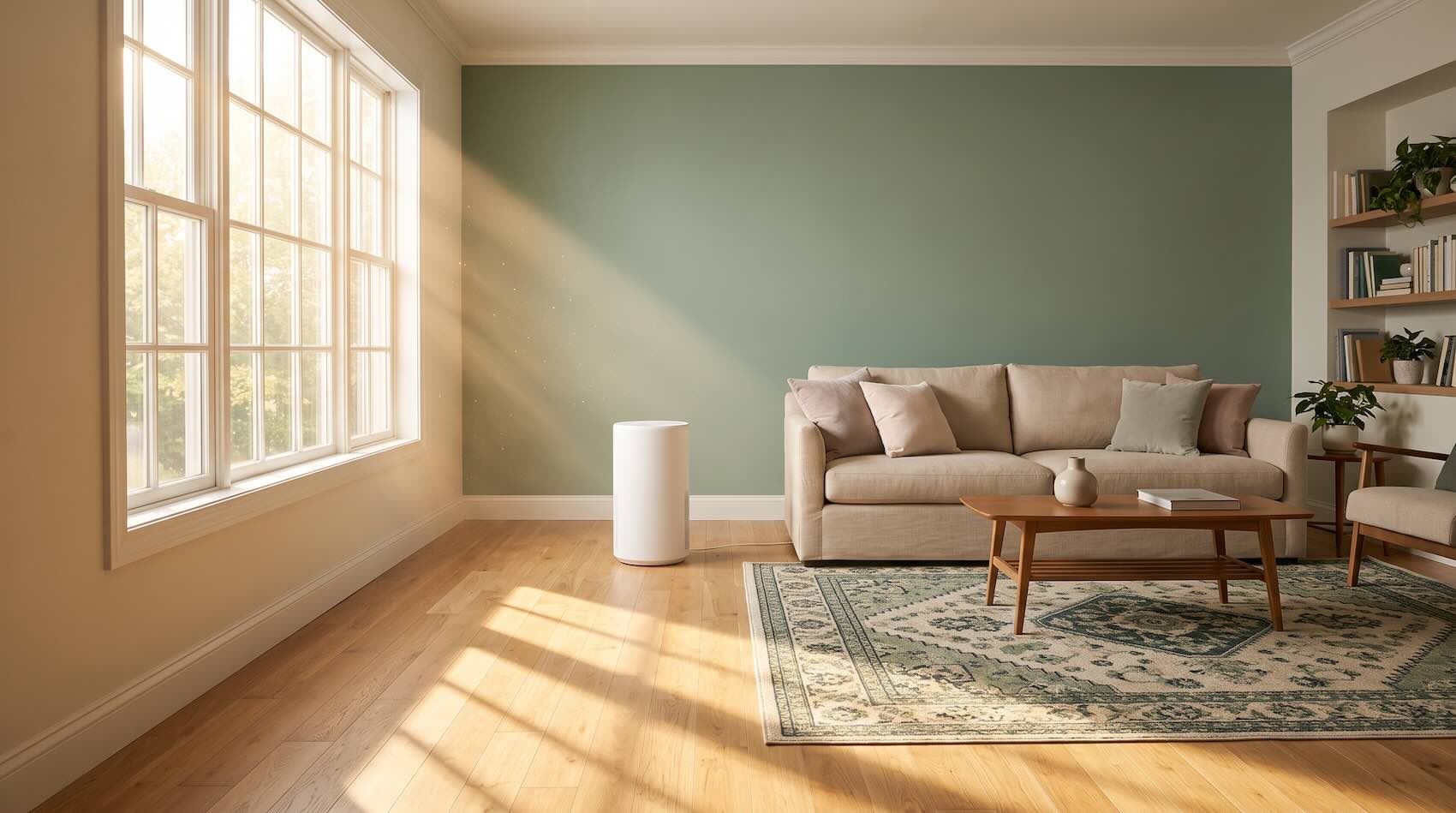
Dust every surface on Saturday and the film is back by Wednesday, the frustration that sends people searching for how to reduce dust in apartment life. Most guides stop at wiping, but the film on your shelf is really dust that settled out of the air. Wipe the surface and keep landing from above; clean the air too, with a filter and a few habits, and far less dust settles. This Home Tips Daily guide covers both halves of the equation so your place stays clean for weeks between heavy cleanings, not just a single day.
Why Apartments Are Prone to Dust
Apartment living comes with a few built-in dust factors, which explains why basic wiping falls short.
- Shared HVAC systems: Some buildings share central climate control, so air and the dust it carries can circulate between units, bringing a mix of neighbors’ shed skin, fabric fibers, and pet dander into your rooms.
- Sealed construction: Energy-efficient design limits fresh-air exchange, which can keep fine particles suspended indoors instead of letting them clear out.
- Dense foot traffic: Shared building entries mean grit gets tracked inside throughout the day.
Household dust itself is mostly dead skin, textile fibers, soil from outside, and pet dander, so it keeps forming no matter where you live.
How to Reduce Dust in Apartment, Step by Step
The surface side of the fight is about doing the right things in the right order, so you are not just moving dust around the room. Build these habits into how you clean, starting with the sequence that keeps you from re-dusting what you just finished.
Clean in the Right Order (Vacuum, Then Wipe)
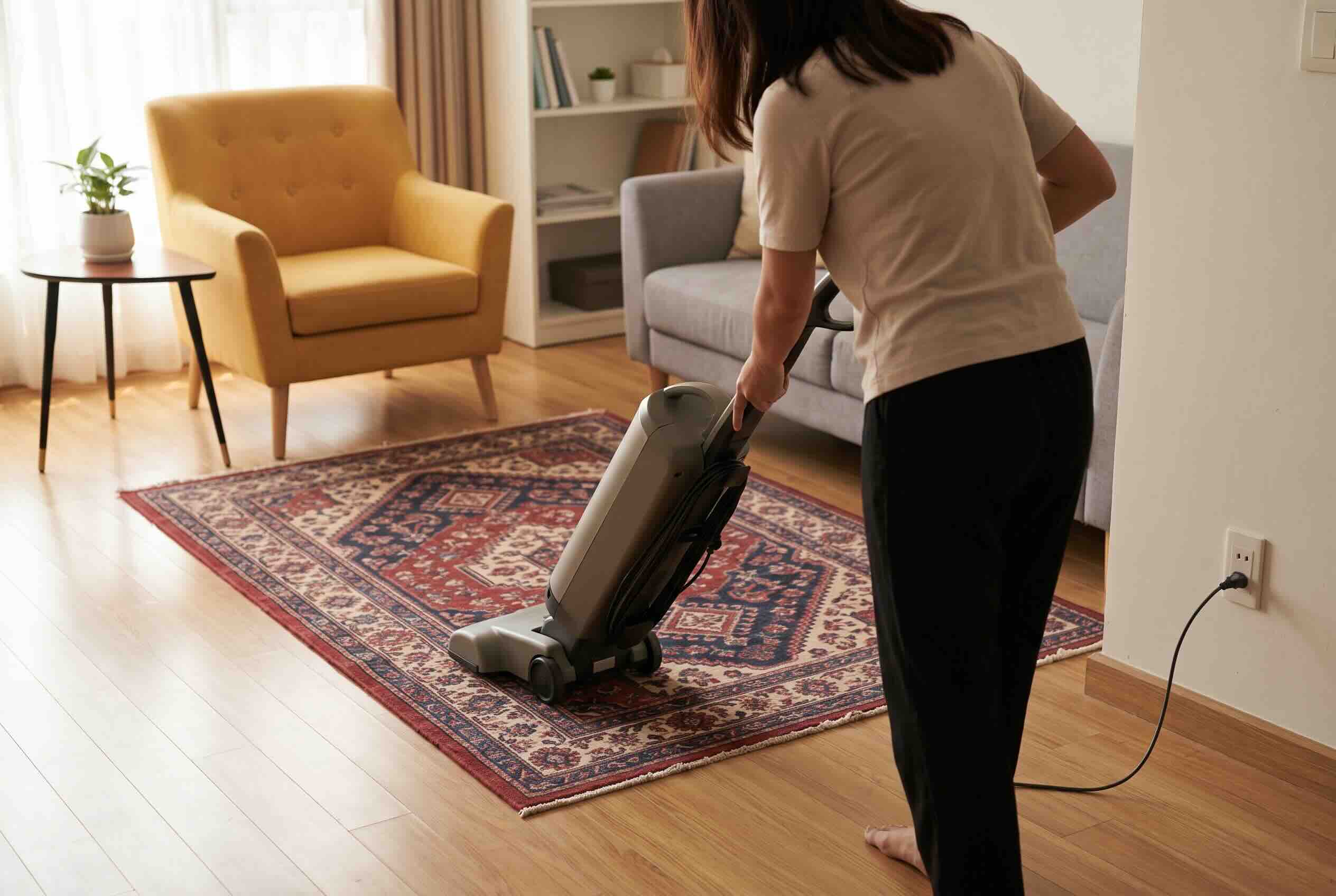
Cleaning in the wrong order sends dust back into the air to resettle on surfaces you already cleaned. This sequence keeps it moving out of the room instead:
- Work top to bottom. Start with high spots like fans, shelves, and the tops of frames, so anything that falls lands on areas you have yet to clean.
- Vacuum with a HEPA filter next. Run a HEPA vacuum over floors, rugs, and upholstery to pull out the reservoir of settled dust, since a HEPA filter traps fine particles instead of blowing them back into the room.
- Damp-wipe surfaces last. With the bulk removed, wipe hard surfaces so you are catching the final fine film rather than pushing a full load around.
Wipe With Damp Microfiber, Not a Feather Duster
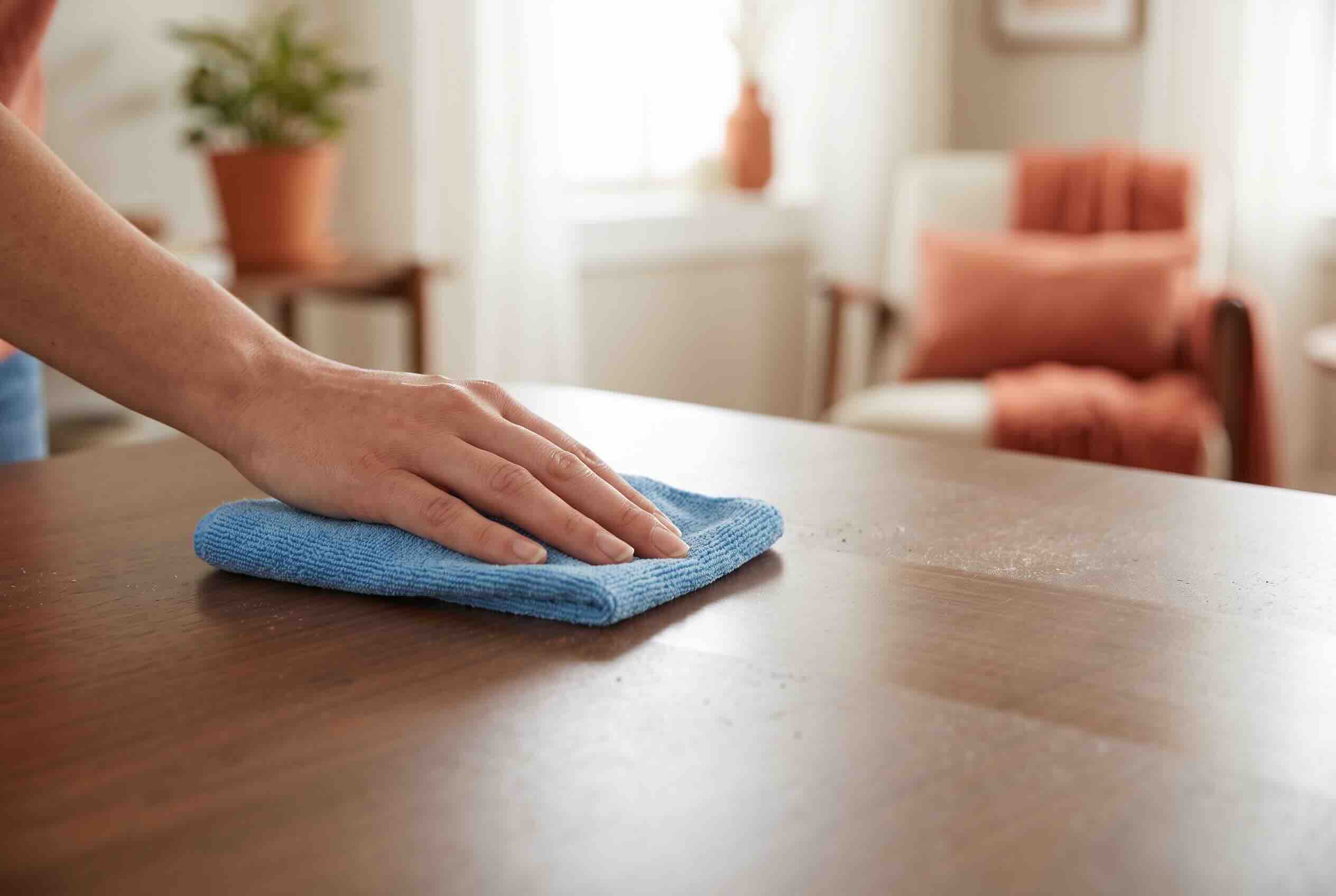
A feather duster mostly relocates dust, launching it into the air to land somewhere else in the room. Damp microfiber does the opposite, because the fibers grab and hold particles rather than scattering them. Lightly dampen the cloth with water or a little cleaner, wipe in one direction instead of swirling, and rinse it out as it loads up. Dry dusting has its place for delicate items, but for most surfaces, damp microfiber is what removes dust rather than rearranging it.
Wash Bedding Weekly in Hot Water
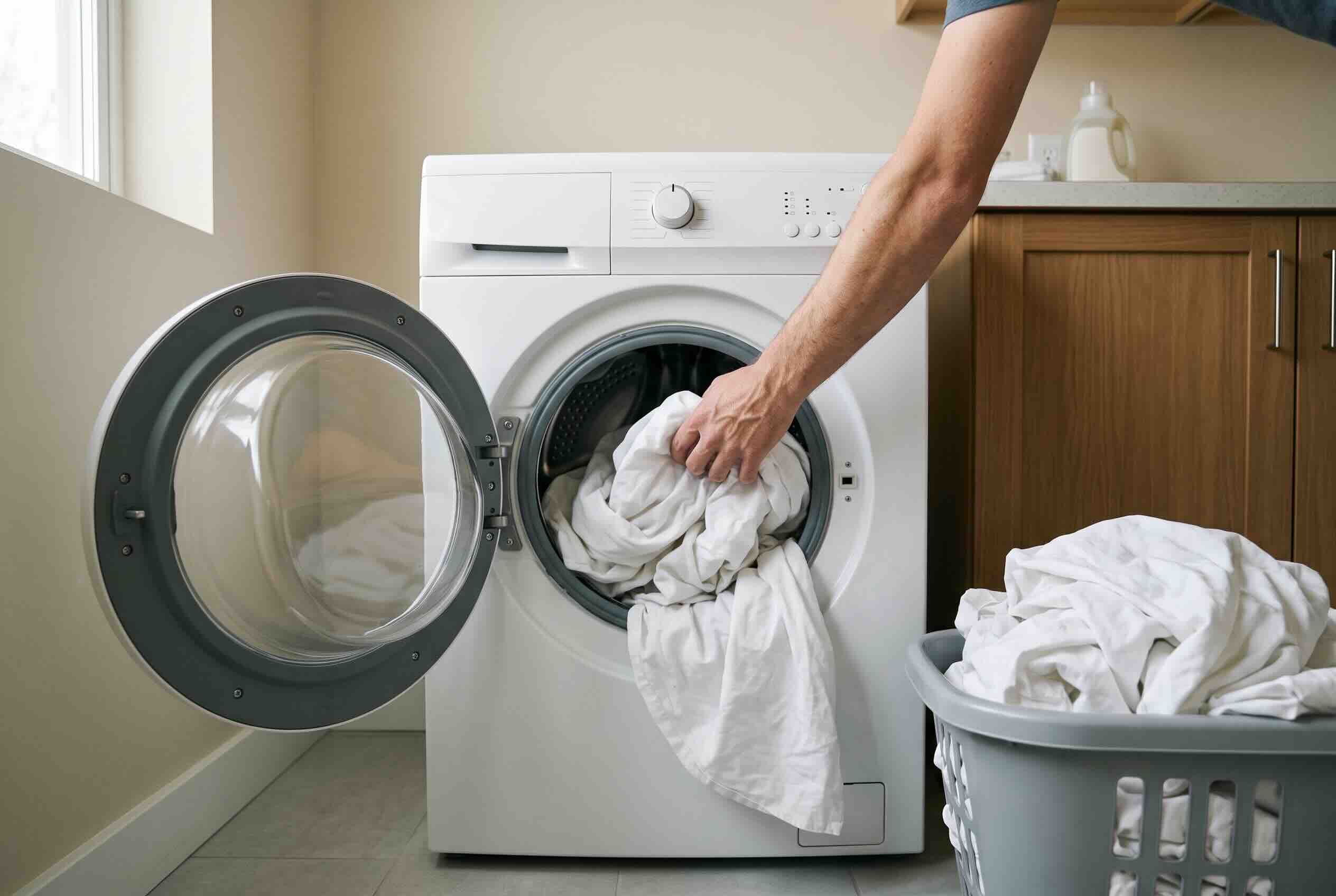
Your bed is one of the largest dust reservoirs in the apartment, packed with shed skin and the dust mites that feed on it. Wash sheets and pillowcases weekly in the hottest water the fabric allows, since killing dust mites takes water around 130°F, hotter than a typical 120°F water-heater setting. When fabrics cannot handle that heat, a hot dryer cycle afterward does much of the same work. Cutting the mite population at the bed removes one of the biggest sources of allergenic dust in the whole place.
Cut Clutter and Soft Surfaces
Every object and soft surface in a room is a place for dust to collect, and the more of them you keep, the more dust you sign up for. Thinning out knickknacks, open shelving, and stacks of paper gives dust fewer places to settle and makes what remains faster to wipe. Swapping some fabric pieces for smooth ones, like a leather or vinyl chair in place of a heavily upholstered one, cuts the fibers that shed into the air. You do not have to live like a minimalist, but fewer dust traps means less dust to chase.
Vacuum Rugs, Upholstery, and Curtains
Soft furnishings hold far more dust than they show, releasing it into the air every time you sit down or brush past. Vacuum rugs, upholstered furniture, and curtains with a HEPA machine on a regular schedule, not just the open floor. For pieces that can be laundered, like slipcovers and washable curtains, a wash every month or two clears out what a vacuum leaves behind. Treating textiles as dust reservoirs rather than decoration you ignore removes a source most people overlook.
Keep Dust at the Door
A large share of indoor dust walks in on shoes or drifts through open windows, so the entryway is worth defending:
- Take shoes off at the door, which keeps tracked-in soil and pollen off your floors and out of the air.
- Put a coarse mat outside and a washable one just inside to catch grit before it spreads through the apartment.
- Close windows on high-pollen or high-pollution days, when outdoor air brings in more dust than it clears out.
Groom Pets Outside or in the Bathroom
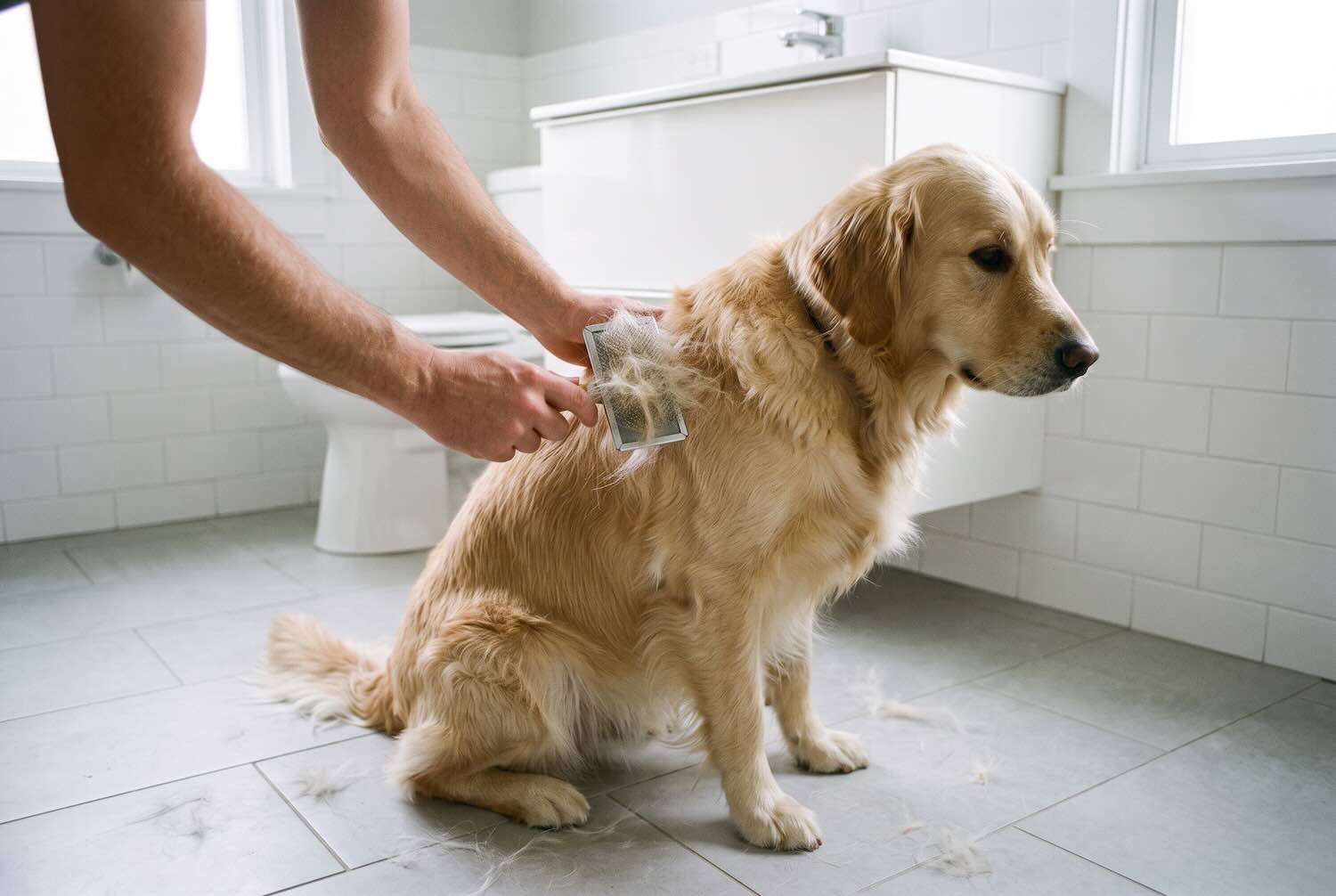
Pets are a steady dust source, shedding dander and fur that goes airborne and settles everywhere. Brushing and grooming them outdoors, or in a bathroom you can wipe down afterward, keeps that shedding out of carpeted, hard-to-clean rooms. Regular grooming also means less loose hair and dander overall, not only in one spot. If a pet sleeps in your bed, washing their bedding on the same hot cycle as yours keeps another reservoir in check.
Reduce Dust Through Your HVAC and Air
Surfaces are only half the battle, because most dust is airborne before it ever lands. The systems that move and clean your air do the quiet work of catching particles before they reach a shelf.
Use the Right HVAC Filter to Trap Dust (MERV 8 to 11)
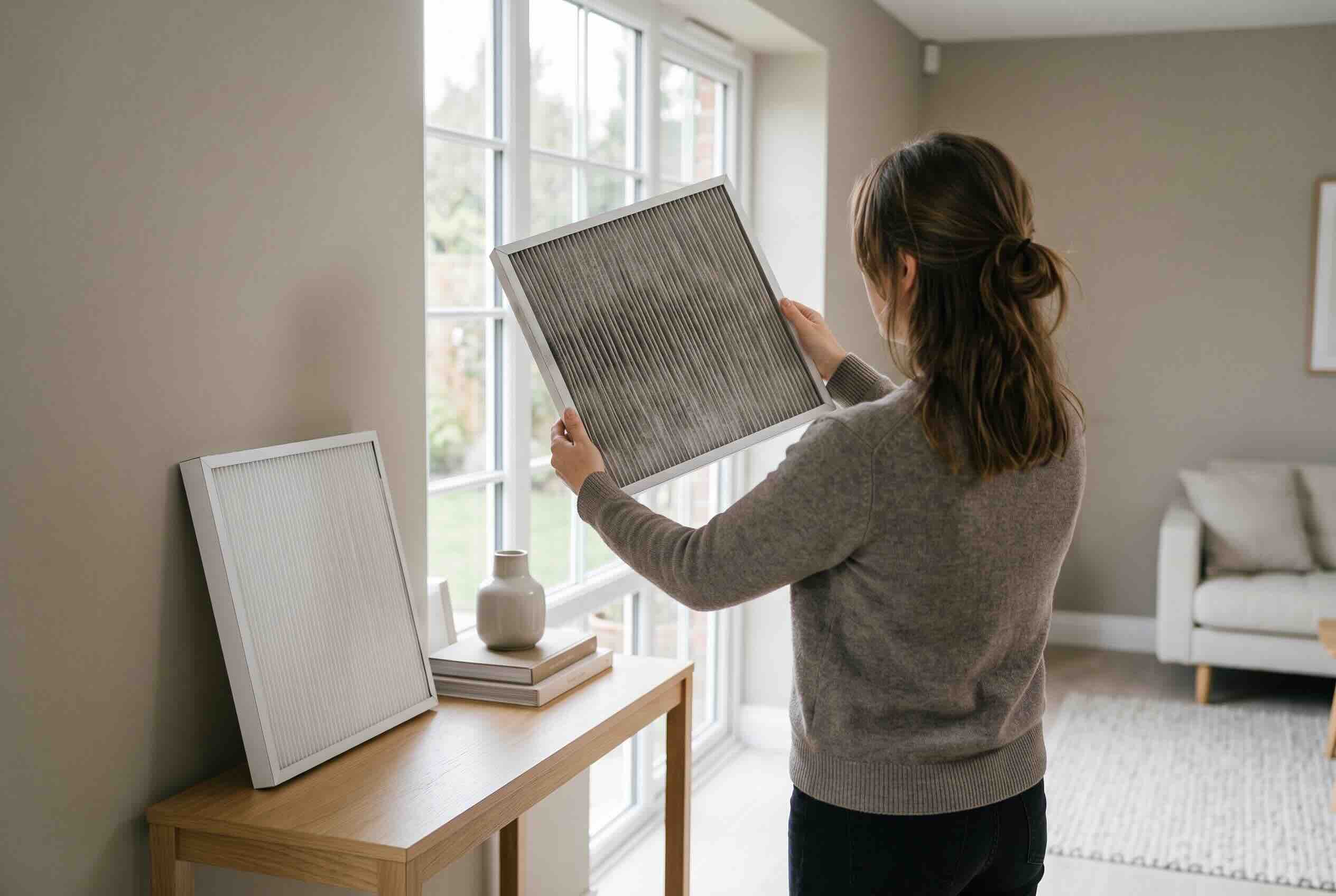
Your HVAC filter is the most effective dust catcher in the apartment, but only when it is the right grade and actually clean. A filter rated MERV 8 to 11 traps fine dust without choking airflow the way a denser filter can in a system not built for it. Check it monthly and replace it when it looks gray and loaded, usually every one to three months. If you control your own unit, this single change does more for airborne dust than any amount of wiping. And if that same system rattles or hums while it runs, our guide on how to reduce AC noise in an apartment handles the noise side with the same renter-safe approach.
>>> See more: How to Reduce AC Noise in Apartment: Renter Fixes That Work
Clean Vents and Registers So They Stop Blowing Dust
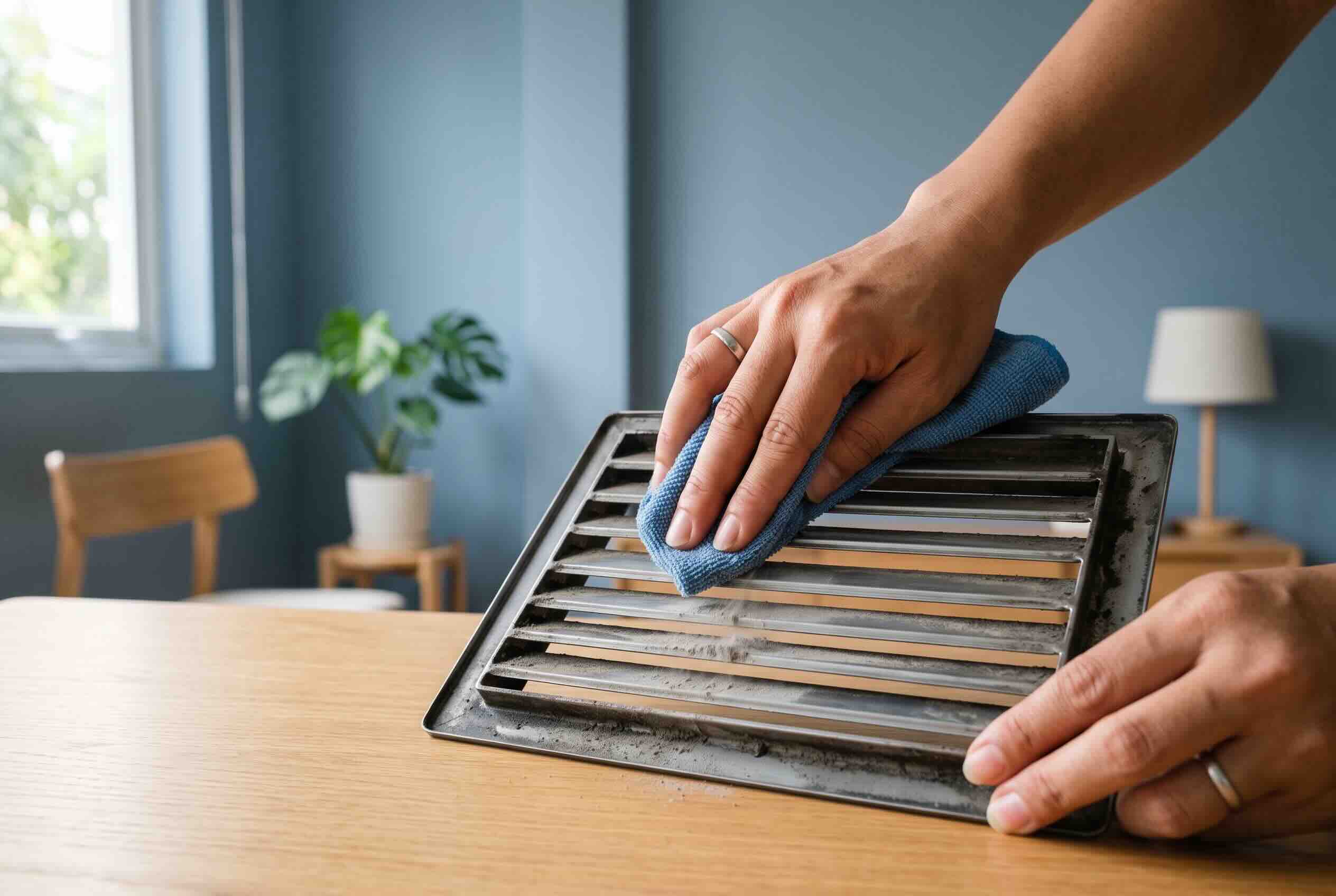
Supply vents and return registers collect a fuzz of dust that gets blown back into the room every time the system starts up. Pop off the register covers, vacuum them and the visible duct opening with a brush attachment, and wipe the slats with damp microfiber. Do this seasonally, or whenever you notice buildup on the vent edges. You cannot reach deep into the ducts as a renter, and you should not try, but the accessible parts still make a visible difference.
Keep Humidity at 40 to 50% to Stop Dust Mites
Dust mites thrive in humid air and struggle when it dries out, so humidity is a lever most people overlook. Keeping indoor relative humidity between 40 and 50% makes the environment inhospitable to mites without drying the air uncomfortably. A small hygrometer tells you where you stand, and a dehumidifier or the AC brings a damp apartment down into range. In dry winter months the reverse can happen, so aim for the middle rather than either extreme.
Use an Air Purifier to Catch Airborne Dust
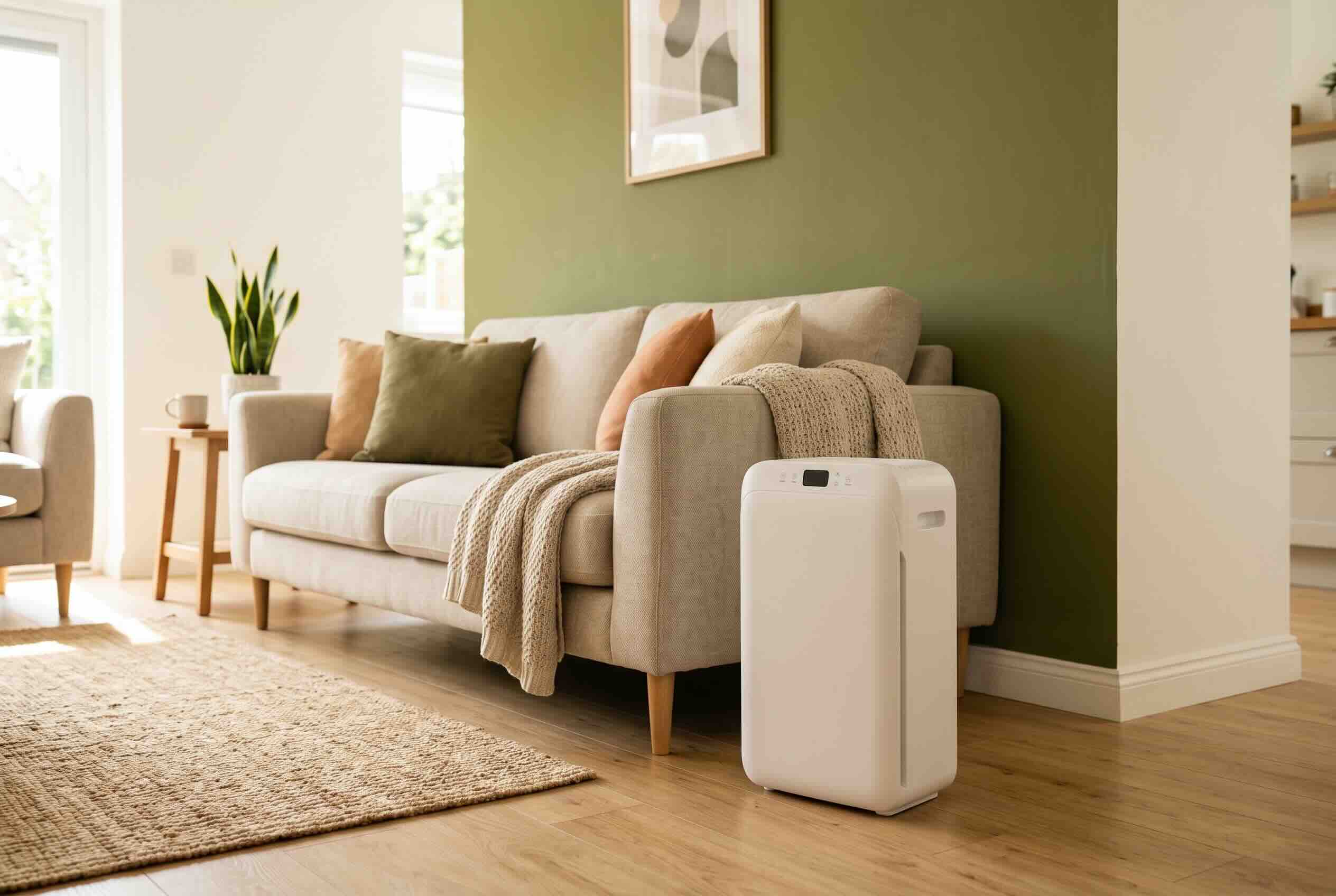
A portable air purifier with a HEPA filter pulls dust out of the air before it settles, which is exactly the part surface cleaning cannot reach. Size it to the room, run it where you spend the most time, and keep it going rather than switching it on only after you clean. Replace its filter on the maker’s schedule, since a saturated filter stops doing its job. For a renter, it is the closest thing to upgrading the building’s air without touching the building.
A Weekly and Monthly Dust Routine
The habits above are the core of how to reduce dust in apartment living, and they hold up best as a light, steady rhythm rather than one exhausting deep clean. This cadence keeps dust from piling up:
- Midweek: a quick damp-microfiber wipe of the surfaces you touch most, to catch settling dust before it builds.
- Weekend: a HEPA vacuum of floors, rugs, and upholstery, plus a hot wash of the week’s bedding.
- Monthly: clean the vents and registers, check or change the HVAC filter, and wash or vacuum curtains and other textiles.
FAQ
Does opening windows reduce dust or make it worse?
It depends on what is outside. On a clear, low-pollen day, fresh-air exchange helps clear suspended indoor dust. On a high-pollen, windy, or polluted day, an open window brings in more than it removes, so time your ventilation to the outdoor conditions.
Do houseplants actually reduce dust, or add to it?
Mostly a wash, with a small catch either way. Leaves trap a little settling dust, which helps if you wipe them, but soil and dried foliage shed particles of their own. They are not a real dust-control tool, so keep them for other reasons.
Is a robot vacuum good enough to control apartment dust?
As a maintenance tool between deeper cleans, yes, especially a model with a HEPA filter run daily. It keeps the floor reservoir down, but it will not reach shelves, upholstery, or the air, so treat it as one layer rather than the whole plan.
Why is my bedroom dustier than the rest of the apartment?
Because it is full of dust reservoirs and you spend hours shedding skin in it. Bedding, the mattress, carpet, and fabric all collect and release dust, and lying still lets it settle where you notice it. Weekly hot washes and a purifier help the bedroom most of all.
How long does dust stay airborne after I disturb it?
Fine particles can hang in the air for hours before settling, which is why wiping right after vacuuming just lays down a fresh coat. Let a room settle, or run a purifier, before you do the final damp wipe.
Can I reduce dust without buying any equipment?
Yes. Shoes off at the door, weekly hot bedding washes, damp-microfiber wiping in the right order, cutting clutter, and keeping windows closed on bad-air days all cost nothing and hit the biggest sources.
Conclusion
The reason dust feels like a losing battle is that most people fight it only where they can see it. Once you treat it as an air problem first, the surface part gets easier: the right HVAC filter and a purifier catch particles before they land, humidity in the right range keeps mites down, and a shoes-off habit stops dust at the door before it can circulate.
That shift is the heart of how to reduce dust in apartment living, and it is what makes a place stay clean for weeks instead of days. For more renter-friendly ways to keep an apartment healthy and low-maintenance, the rest of the Home Tips Daily guides are here when you need them.