

If you are shopping for rodent proof insulation, you are really asking one thing: which material will a mouse leave alone? While no material is completely immune to a determined pest, the difference in resistance is significant, and standard fiberglass is highly vulnerable. Borate-treated cellulose and closed-cell foam resist nesting far better, though even they hold up only once the gaps mice use are sealed shut. Material and sealing work together here. One note up front: a heavy infestation, or insulation fouled with droppings and urine, is a health hazard, and clearing it is often a job for a pro rather than a weekend project.
Can Rodent Proof Insulation Really Keep Rodents Out?
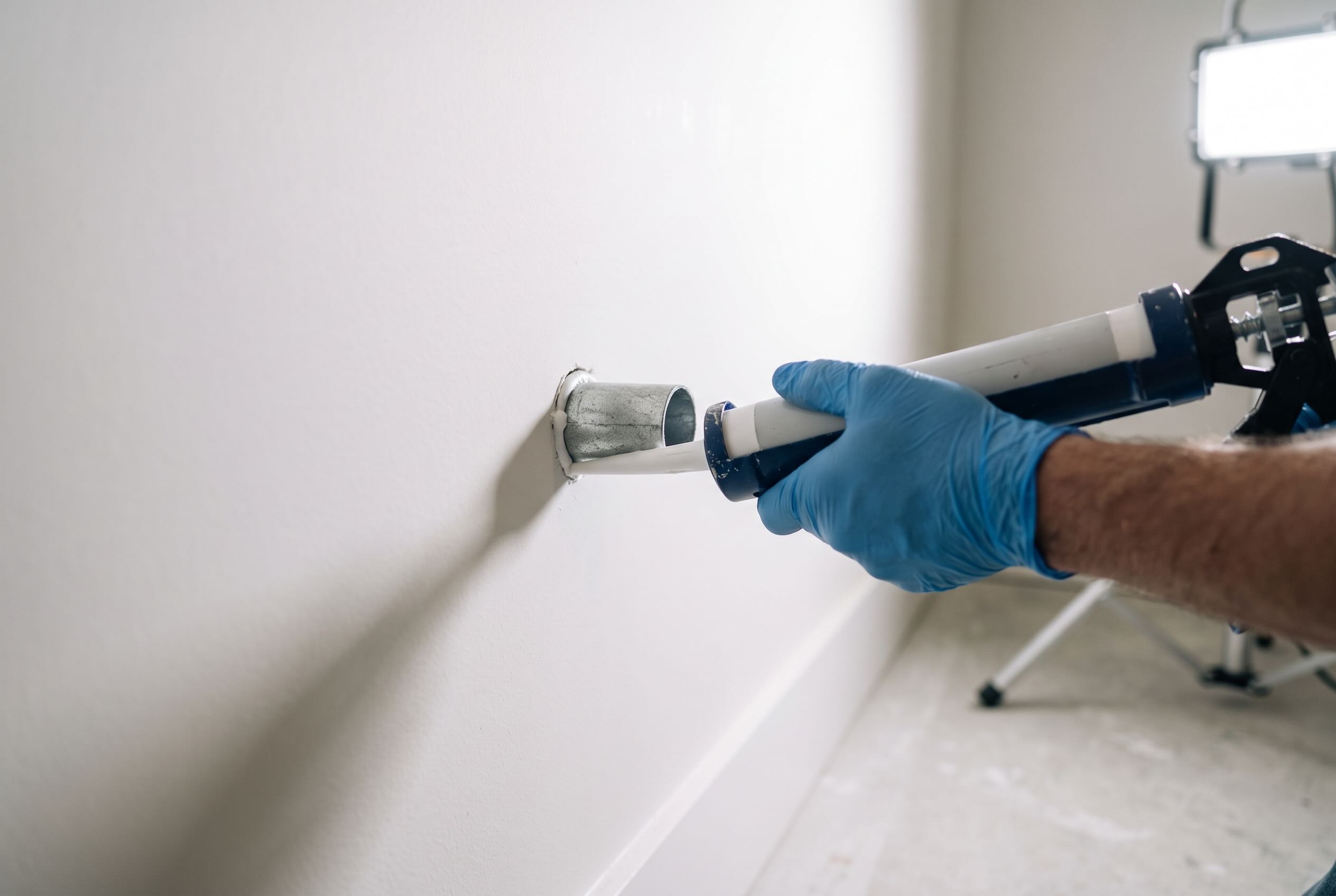
The honest answer is that insulation can be rodent-resistant, but not rodent-proof. The label “proof” oversells it, since no insulation stops a determined mouse. The better products just make poor nesting material and slow a mouse down. What keeps rodents out is a two-part approach: choosing insulation they dislike, and closing the gaps they use to get in.
That second part matters more than most people expect, because mice rarely chew through insulation to reach the inside. Instead, they enter through existing gaps, such as a dime-sized hole around a pipe, a space under a door, or a torn vent screen. Only after passing these exterior breaches do they meet the insulation. Sealing the entry points mice use is the step that matters most. There is a fair question about whether the sealant holds, since mice can gnaw soft fillers. The guide on using calk is worth reading before you rely on one method. Insulation choice supports that sealing work. It does not replace it.
Best Rodent Resistant Insulation Types Compared
Not all insulation reacts to mice the same way. Here is how the common types stack up, from the ones that resist rodents to the one that all but houses them.
Borate-Treated Cellulose (Pest-Control / TAP)
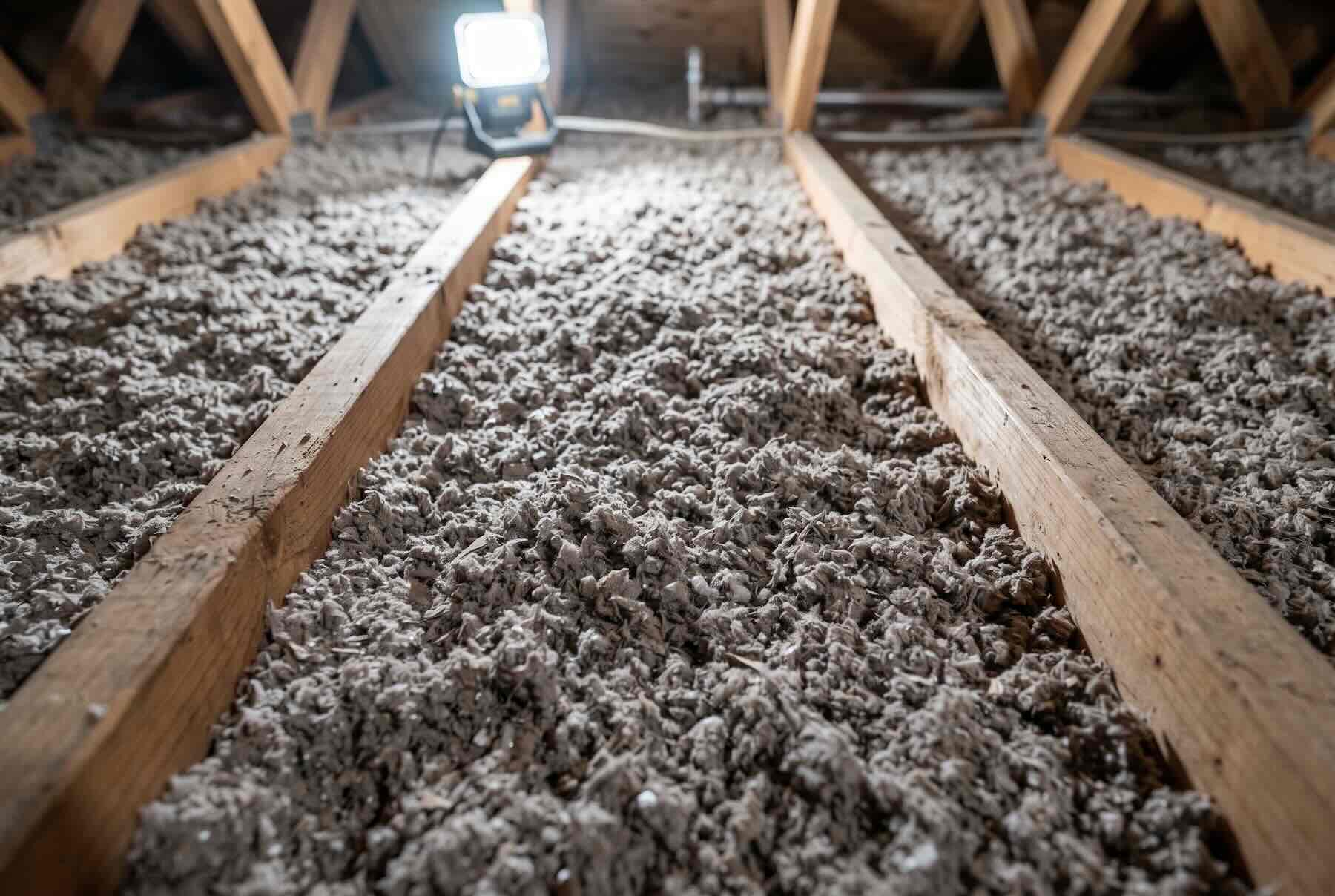
Cellulose treated with borate, sold as pest-control cellulose or TAP (Thermal, Acoustical, Pest-control), is the closest thing to rodent proof insulation on the market. The borate is a mineral additive that deters insects and makes the material an unappealing, even toxic, nesting choice for pests, while the dense, loose fill is awkward to tunnel through. It also performs well as insulation and blows easily into attics and wall cavities. It is not a sealed barrier, so it still needs the entry points closed, but as a material it is one of the strongest picks you can make.
Spray Foam
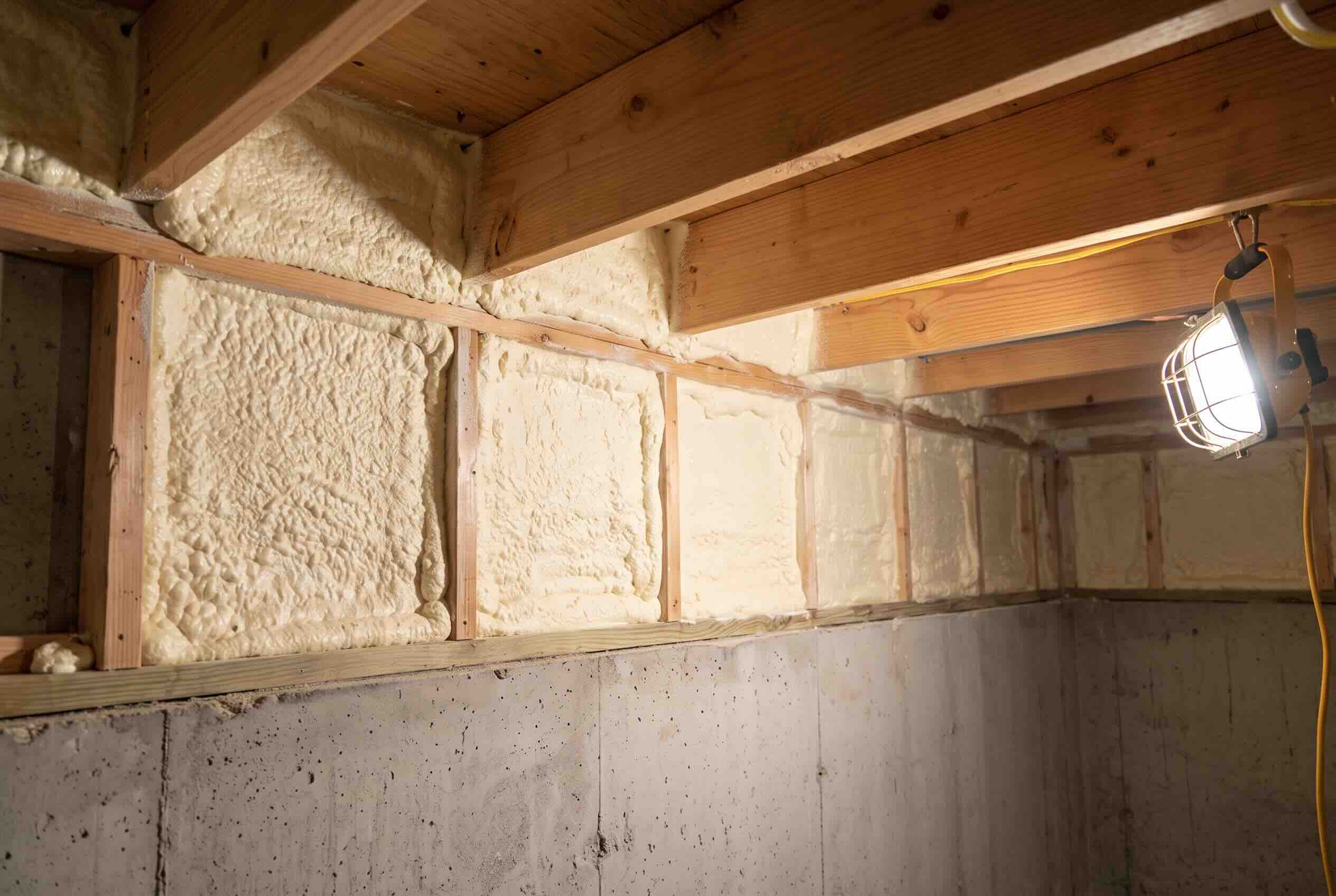
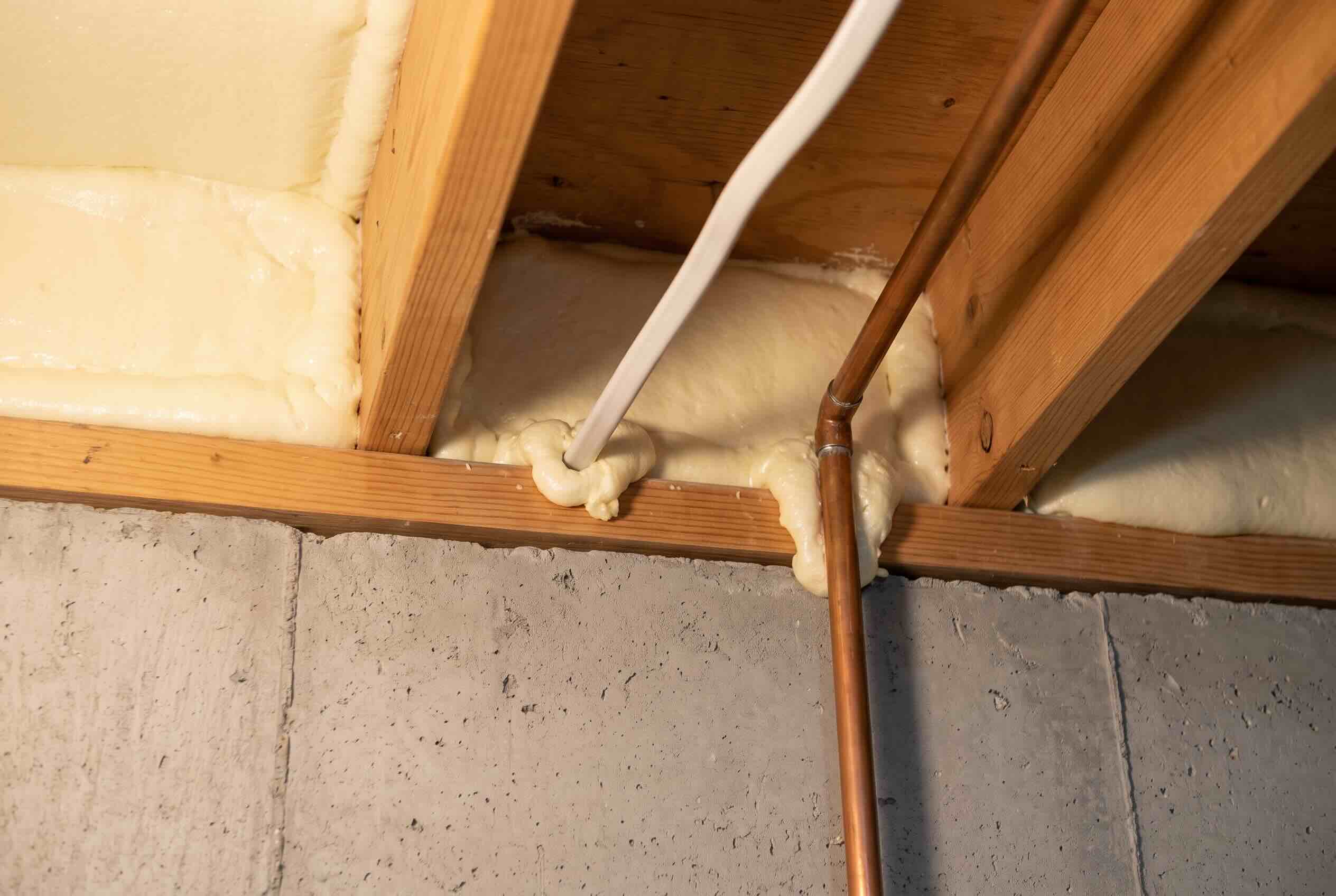
Closed-cell spray foam does two jobs at once: it insulates, and it seals. Expanding into gaps and cracks as it cures, it removes the openings mice use, which is why it rates well for rodent resistance. Mice can gnaw foam if they are already inside and motivated, so it is not a chew-proof wall, but a continuous foam layer leaves far fewer easy entries than loose batts do. The trade-offs are cost and installation, since it is one of the pricier options and is best applied by a pro.
Mineral Wool / Rockwool
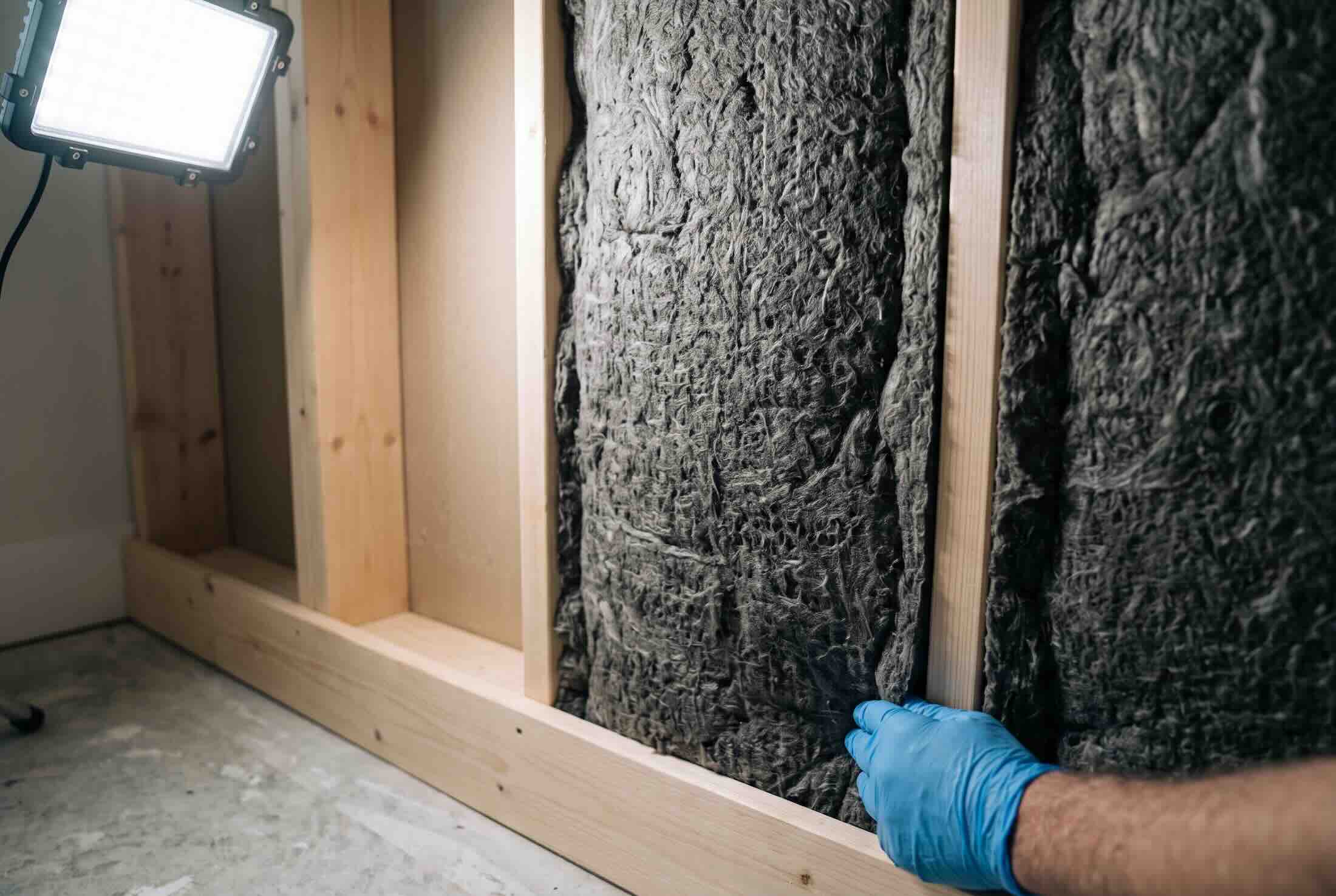
Mineral wool, also called rockwool, is spun from stone and is dense, firm, and hard for a mouse to burrow into or shred for a nest. It does not chemically deter pests the way borate does, but its density and texture make it a poor nesting spot, and it adds fire resistance as a bonus. It comes in batts and boards, which makes it a practical pick for walls and rim joists where you want something more solid than fluffy fiberglass.
Fiberglass
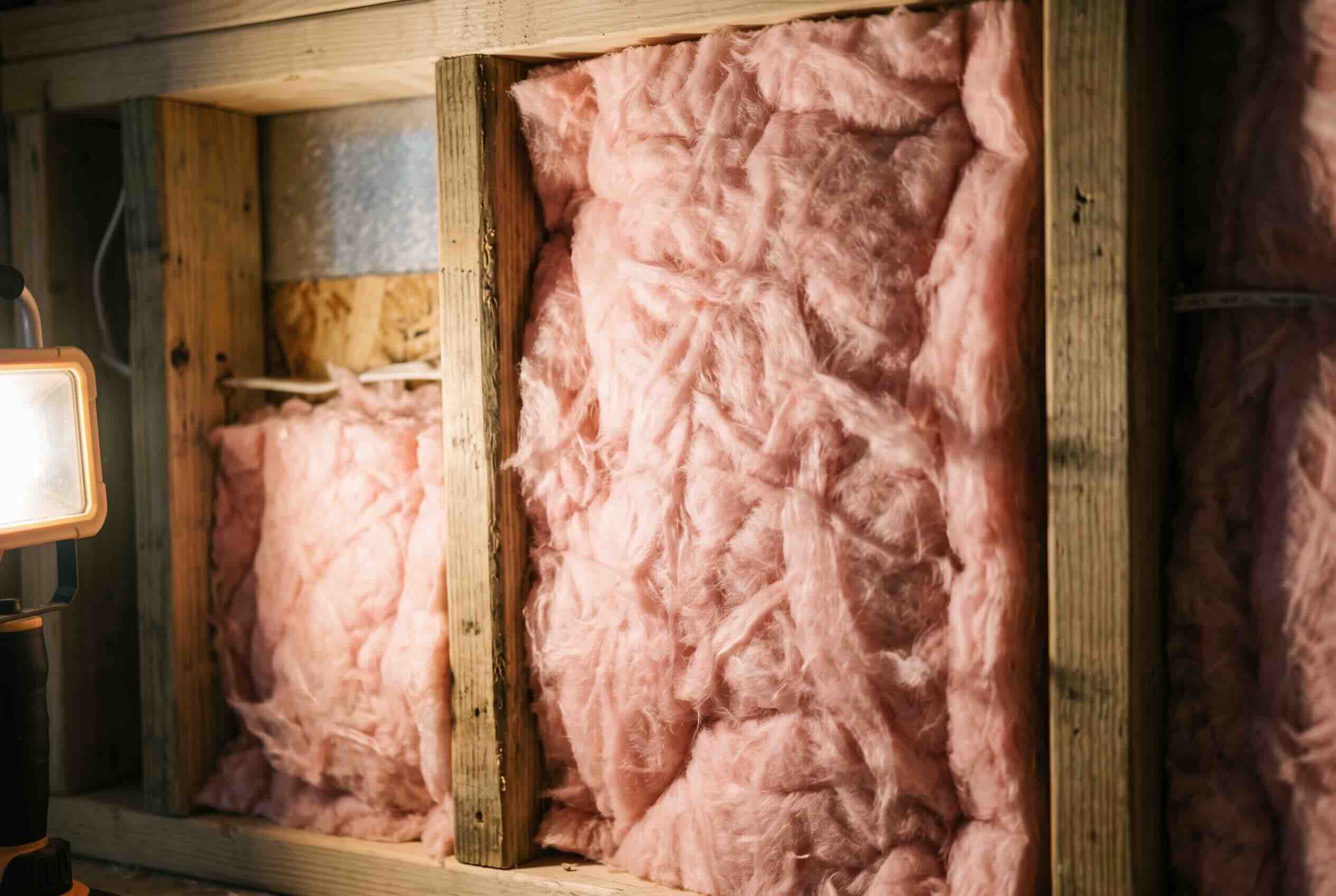
Fiberglass is the one to be wary of. The soft, fluffy batts are easy to burrow into, simple to shred, and warm, which makes them close to ideal nesting material from a mouse’s point of view. It offers no chemical deterrent and no structural resistance, so mice move in, tunnel through it, and foul it with droppings and urine. Having fiberglass is not a reason to panic, but it is the type most worth pairing with thorough sealing, and the first to replace if mice have gotten into it.
What to Avoid
Beyond plain fiberglass, steer clear of any loose, soft, untreated batt used with no sealing plan. Take bold “rodent proof” labels with a grain of salt too, since none are a substitute for closing entry points. Do not rely on scent repellents or ultrasonic gadgets built into a product as your main defense, since the evidence for those is thin. The rule of thumb: the material should make nesting hard, and the sealing is what keeps mice out.
| Type | Rodent resistance | Cost | Where it’s best |
| Borate-treated cellulose (TAP) | High | Moderate | Attics and walls, blown in |
| Closed-cell spray foam | High, also seals | High | Rim joists, gaps, air sealing |
| Mineral wool / rockwool | Moderate to high | Moderate | Walls and rim joists, firm batts |
| Fiberglass | Low | Low | Budget jobs, only with sealing |
| Loose untreated batts | Low | Low | Best avoided where mice are a risk |
No single row is the whole answer, since the best choice depends on the area and your budget, and every one of them still needs the entry points sealed to earn its keep.
How to Protect Insulation From Rodents by Area
Different parts of the house call for different materials and different sealing, so rodent proof insulation is really a set of area-by-area decisions rather than one product for the whole house.
Attic
The attic is the most common battleground for rodent infestations, requiring a careful combination of deterrent materials and strict gap control:
- Choose the right material: Blown-in borate cellulose is a strong choice for this common rodent battleground.
- Seal the gaps: Pair your insulation with thorough sealing along roof-line gaps, vents, and any spots where wires or pipes pass through.
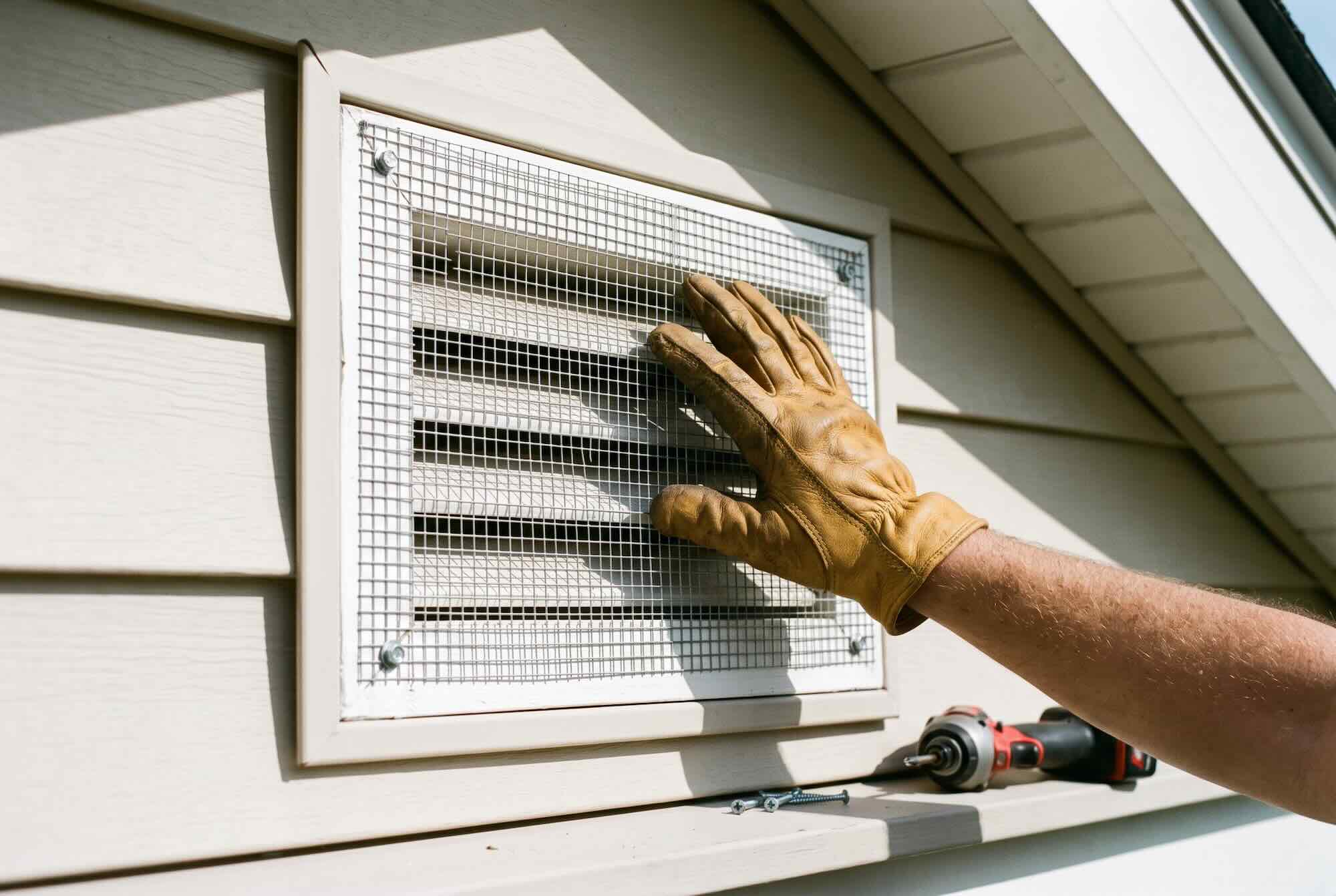
- Upgrade vent screens: Screen all vents with hardware cloth, as mice can easily slip through standard vent mesh.
Crawl Space
Because crawl spaces provide a dark, damp, and highly accessible entry route from the outside, choosing a moisture-resistant material is critical:
- Address the environment: Crawl spaces are damp, dark, and a favorite route for mice coming in from the outside.
- Insulate and seal: Use closed-cell foam on the rim and walls, as it simultaneously insulates, seals gaps, and stands up well to moisture.
- Plan a dedicated project: Completely locking down this area requires specific steps, which are covered in dedicated guides on how to keep mice out of a crawl space.
Walls
Wall cavities are difficult to access once closed, so you must carefully select your materials and seal penetrations during the construction or renovation phase:
- Time it right: Since walls are hard to reach once closed up, prioritize this step during a renovation or a re-insulation project.
- Upgrade materials: Choose dense-packed borate cellulose or mineral wool batts, which resist nesting much better than standard fiberglass.
- Seal penetrations: Ensure that any wall penetration made for plumbing or wiring is completely sealed as soon as it is created.
Rim Joists
The junction where your home’s framing meets the foundation is notoriously drafty and accessible, demanding an expanding sealant to properly close all hidden gaps:
- Target the gaps: The band where the framing meets the foundation is often riddled with gaps, making it a prime entryway for rodents.
- Use closed-cell foam: This is the go-to material for this area because it perfectly seals and insulates the space.
- Avoid fiberglass: Standard fiberglass batts leave this critical spot leaky and provide an easy place for mice to nest behind.
How to Replace Insulation Damaged by Mice
>>> How to Clear Ice From Gutters and Frozen Downspouts Safely
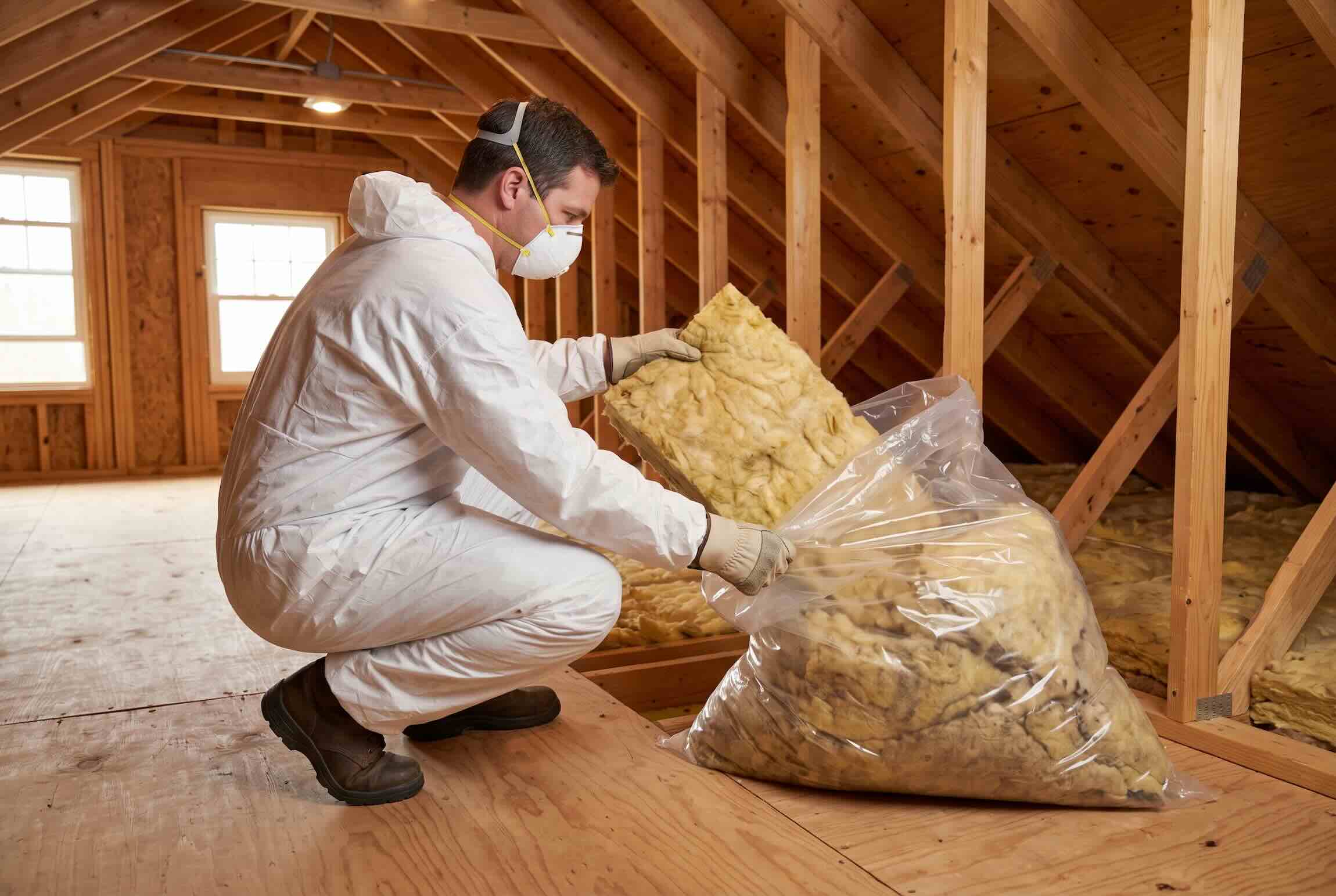
Once mice have nested in insulation, cleaning it is not enough; fouled material has to come out. This is also where health matters, because dried rodent droppings and urine can carry hantavirus, and disturbing them sends particles into the air. Work through it in order:
- Confirm the damage. Look for the signs of an active infestation: droppings, the musty ammonia smell of urine, matted or tunneled insulation, gnaw marks, and nesting debris. Compressed, patchy insulation and grease trails along the beams point the same way.
- Gear up before you disturb anything. The CDC advises against sweeping or vacuuming dry droppings, since that stirs virus-carrying particles into the air. Air out the space for about half an hour first, and wear gloves and a fitted respirator rated N95 or higher for anything beyond a stray dropping.
- Wet down and disinfect. Spray the droppings, nests, and surrounding insulation with a disinfectant or a bleach solution, roughly one part bleach to ten parts water, and let it soak for around five minutes before you touch it. Keeping it wet is what keeps the particles down.
- Remove and bag the contaminated material. Lift out the fouled insulation, double-bag it in sealed plastic, and dispose of it by your local rules. Wipe down the framing and surfaces underneath with the same disinfectant.
- Seal the entries, then re-insulate. With the cavity open and clean, close every gap the mice used before new insulation goes in, or you are simply rebuilding their home. Then install a rodent-resistant material suited to that area.
A few droppings and a small patch, you can handle yourself with the right gear. A widespread infestation, heavy contamination, or fouled insulation across a whole attic is a job for a pro, both for the health risk and the scale. If anyone in the home has a weakened immune system, lean toward hiring the cleanup out.
FAQ
Is rodent-proof insulation worth the cost?
Yes, if you are already insulating or re-insulating. Paying the modest premium for borate cellulose or closed-cell foam over plain fiberglass actively lowers the risk of a costly infestation. However, tearing out perfectly sound insulation just to swap it is rarely worth the expense. Either way, the bigger return comes from sealing entry points, which costs little and does the most.
Can you spray or add something to make insulation rodent-resistant?
Somewhat. Borate can be built into a cellulose product, but spraying a repellent onto existing fiberglass is a weak, short-lived fix that mice tend to ignore. There is no additive that turns nest-friendly insulation into a barrier. The dependable upgrades are replacing the material or, more to the point, sealing the gaps mice come through.
How much does rodent-proof insulation cost to install?
It depends on the material, the area, and whether you do it yourself. As a rough guide (Angi, 2026; HomeAdvisor, 2026; This Old House, 2026):
- Borate cellulose: about $0.60 to $2.30 per square foot.
- Mineral wool: about $1 to $1.50 per square foot.
- Closed-cell spray foam: the affordable alternative to a professional installer.
Whatever the number, weigh it against the cost of repeat infestations and the wiring and water damage mice cause, which adds up quickly.
Do mice come back after you replace the insulation?
They will if the entry points are still open. New insulation on its own does not keep mice out, so replacing it without sealing the gaps tends to invite them back within a season. The replacement lasts when it is paired with sealing and, where needed, ongoing exclusion work around the exterior.
Does rodent-proof insulation help with other pests too?
Borate-treated cellulose does, since borate deters many insects, including ants and cockroaches, alongside rodents. Spray foam helps indirectly by sealing the cracks insects use, the same way it blocks mice. Plain fiberglass and mineral wool offer little pest benefit beyond being less inviting to nest in than loose fluff.
Will homeowners insurance cover mouse-damaged insulation?
Usually not. Home insurance generally excludes damage from rodents and other pests, treating it as a maintenance issue rather than a sudden accident, so mouse-fouled insulation is typically the owner’s cost. Policies vary, so read yours and ask your insurer. This is general information, not financial or legal advice.
Conclusion
Ultimately, rodent proof insulation provides a strong line of defense, but it is not a standalone guarantee. Upgrading to borate-treated cellulose or closed-cell foam makes your home unappealing to pests, but thoroughly sealing every exterior gap is what actually keeps them out. Make closing those entry points your first priority, and rely on Home Tips Daily for more practical guides to shutting pests out of your home.