


A well-maintained kitchen is the heart of a functional home, and keeping your appliances clean is a crucial part of maintaining it. From the fridge that stores your food to the oven that helps you cook, kitchen appliances work hard every day. However, over time, they can accumulate grease, grime, and even bacteria, which can affect their performance and the hygiene of your home. This complete kitchen appliance cleaning guide will provide you with practical, easy-to-follow steps to deep clean and maintain all your major kitchen appliances, helping them last longer and perform better.
Why Kitchen Appliance Cleaning Matters
Proper cleaning and maintenance are essential for ensuring your kitchen appliances perform efficiently and remain safe to use. Dirty appliances can:
- Hinder performance: Grease and grime build-up can affect efficiency, causing appliances to work harder and use more energy.
- Cause unpleasant odors: Stale food, spills, and mold can create musty, foul odors.
- Increase risk of foodborne illnesses: Appliances like refrigerators and dishwashers, if left uncleaned, can harbor harmful bacteria and allergens.
- Shorten appliance lifespan: Neglecting appliance maintenance can lead to breakdowns, repairs, and replacements far earlier than necessary.
Refrigerator Cleaning: Keep It Fresh and Functional
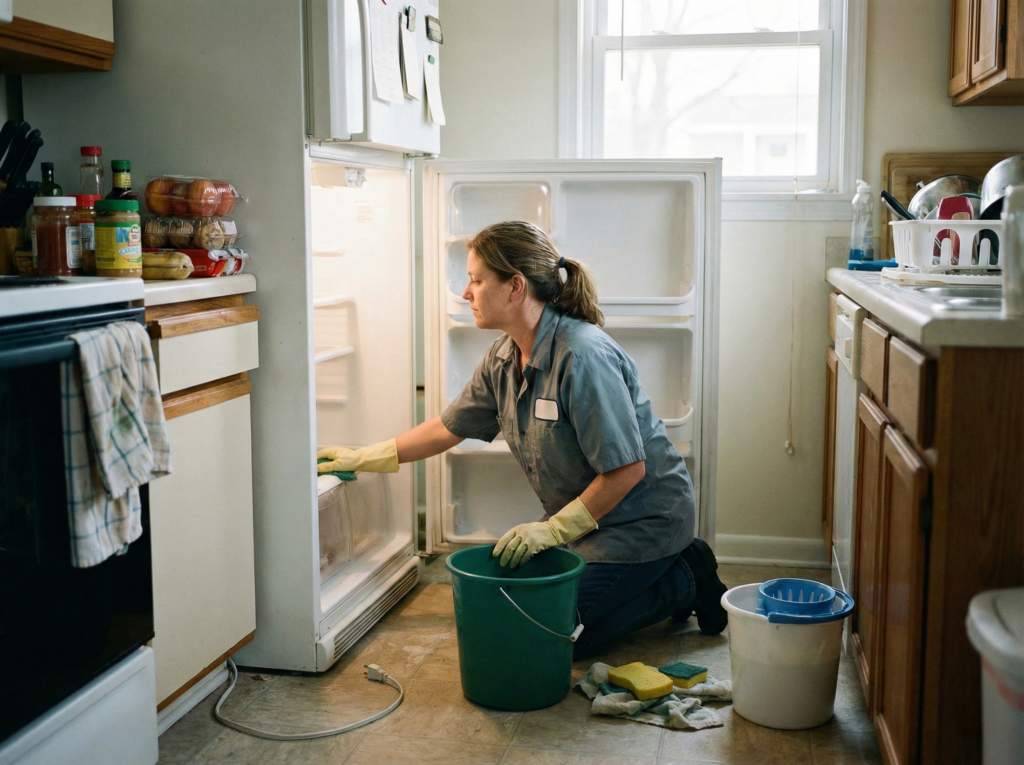
The refrigerator is one of the hardest-working appliances in your kitchen, and it’s crucial to keep it clean to maintain food safety and efficiency. Start by emptying your fridge and discarding any expired or spoiled food. Once it’s empty, remove the shelves and drawers. Wash them with warm, soapy water or a mixture of baking soda and vinegar to remove odors and stains.
For the interior, wipe down the walls using a soft cloth and a solution of water and vinegar to clean up any spills or stains. The condenser coils, located at the back or underneath the fridge, should also be cleaned regularly. Dust and dirt on the coils can cause the fridge to overheat, which decreases its efficiency. A coil cleaning brush or vacuum with a brush attachment works well for removing dust.
To prevent odors, place an open box of baking soda inside your fridge. Make sure to check the door seals regularly, as food crumbs and spills can affect the airtight seal and cause the fridge to work harder.
Deep Cleaning Your Oven
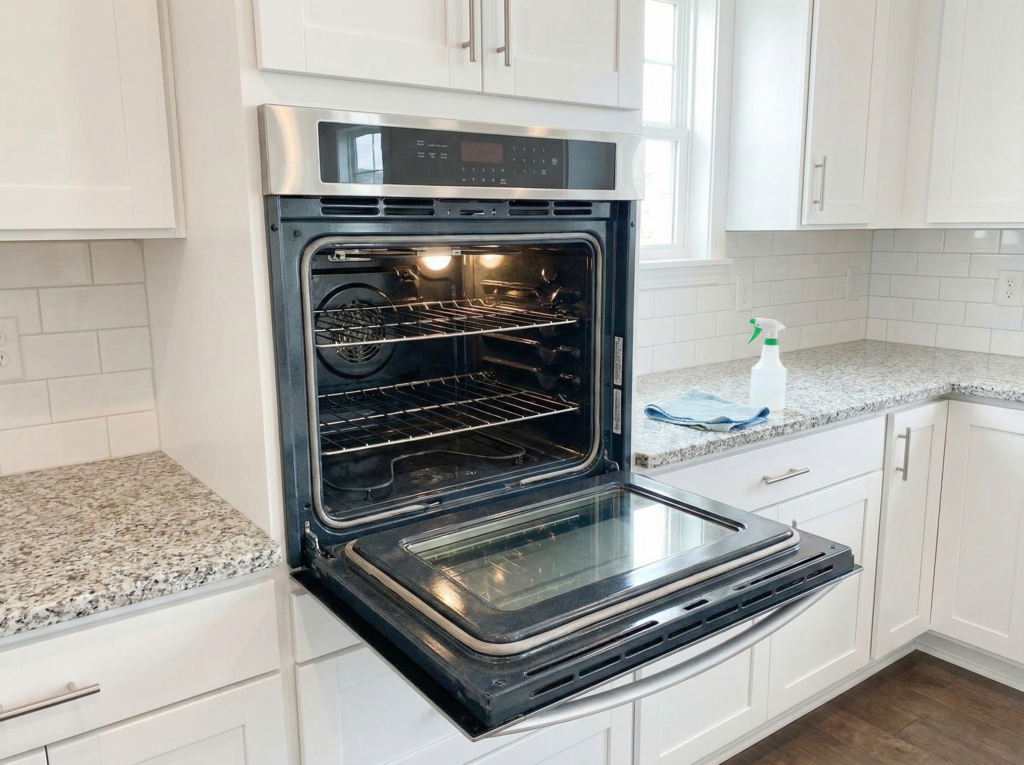
Ovens can get dirty fast, especially if you bake or roast frequently. Cleaning your oven regularly helps maintain even cooking temperatures and prevents any unpleasant smells. Follow these steps to deep clean your oven:
- Use self-cleaning mode (if available): Many modern ovens come with a self-cleaning feature that heats up the oven to a high temperature, burning off grime and grease. Simply activate this mode and let the oven do the hard work for you.
- Clean the oven racks: Remove the racks and soak them in warm, soapy water. Use a scrubbing brush to remove any stubborn stains.
- Tackle stubborn spots: If your oven doesn’t have a self-cleaning feature, make a baking soda paste (mix baking soda and water) and apply it to the interior. Let it sit for a few hours, then scrub with a soft sponge.
- Clean the oven door: Wipe the exterior with a mixture of vinegar and water. For tough grease, use a non-toxic degreaser.
Tip: Avoid using harsh chemicals inside the oven. Instead, rely on natural cleaners like vinegar, baking soda, and lemon juice.
Dishwasher Maintenance

The dishwasher is an essential appliance for any kitchen, but over time, it can develop food buildup, grease, and soap scum. Start by cleaning the filter, which is often located at the bottom of the dishwasher. Removing and rinsing the filter will help prevent clogs and ensure proper drainage.
Next, run a cleaning cycle with either a dishwasher cleaner or a cup of white vinegar to clean the interior. This will help remove odors, grease, and mineral deposits. If you notice any buildup on the spray arms, use a soft brush or toothpick to remove debris. Clean the door and rubber seals with a damp cloth and mild soap, as these areas can trap food particles and moisture, leading to mold or mildew growth.
To maintain your dishwasher’s performance, it’s helpful to wipe down the interior regularly and leave the door slightly ajar after use to allow it to dry properly.
Microwave Cleaning Made Easy
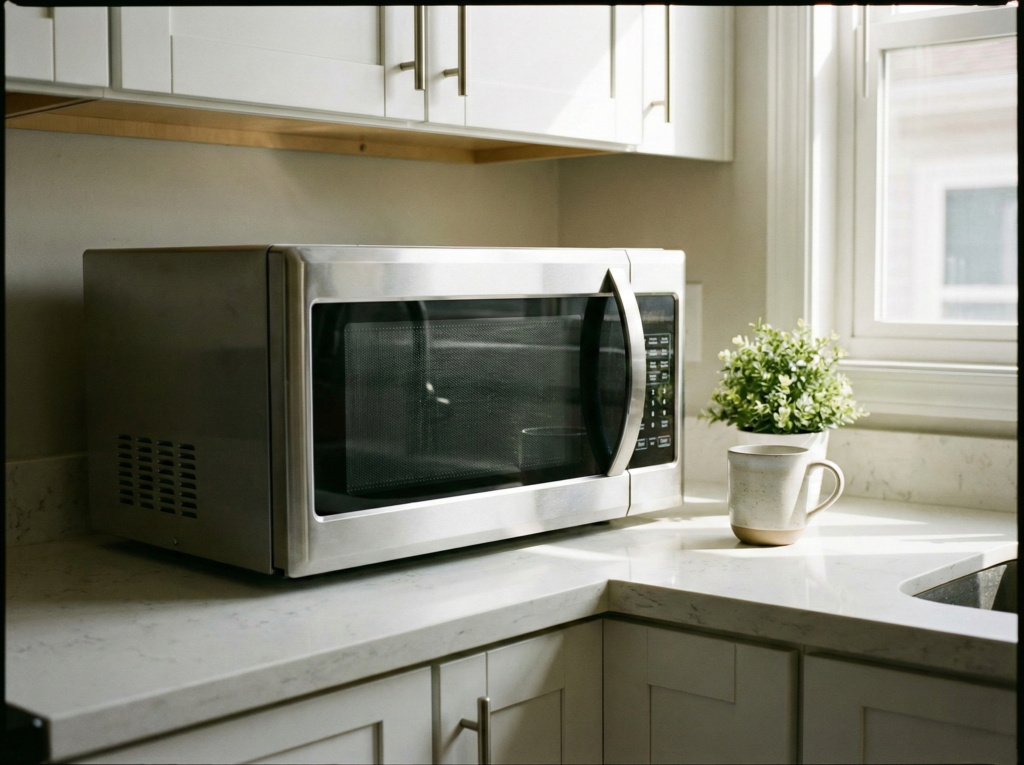
Microwaves tend to accumulate food splatters and grease. To clean the inside, place a bowl of water with lemon slices or vinegar inside and heat it for 3-5 minutes. The steam will loosen food splatters, making them easier to wipe away. Once done, use a soft cloth to clean the walls, ceiling, and turntable.
For stubborn spots, create a paste using baking soda and water and gently scrub the interior. Don’t forget to clean the exterior of the microwave, including the control panel. A microfiber cloth dampened with warm water is perfect for wiping it down.
After cleaning, leave the microwave door open for a few hours to air out any remaining moisture or odors.
Blender and Food Processor Care
Blenders and food processors are common in many kitchens, but they often become clogged with food residue. After each use, rinse the parts immediately to prevent food from hardening and sticking.
If food remains, disassemble the blender or food processor, wash the components with warm soapy water, and use a soft brush to clean the blades and tight spaces. For stubborn odors, blend a mixture of water and lemon juice or baking soda. This will help freshen the interior and remove lingering smells. Be sure to wipe the exterior with a damp cloth to keep the appliance looking clean and free from grease or dust.
Coffee Maker Maintenance
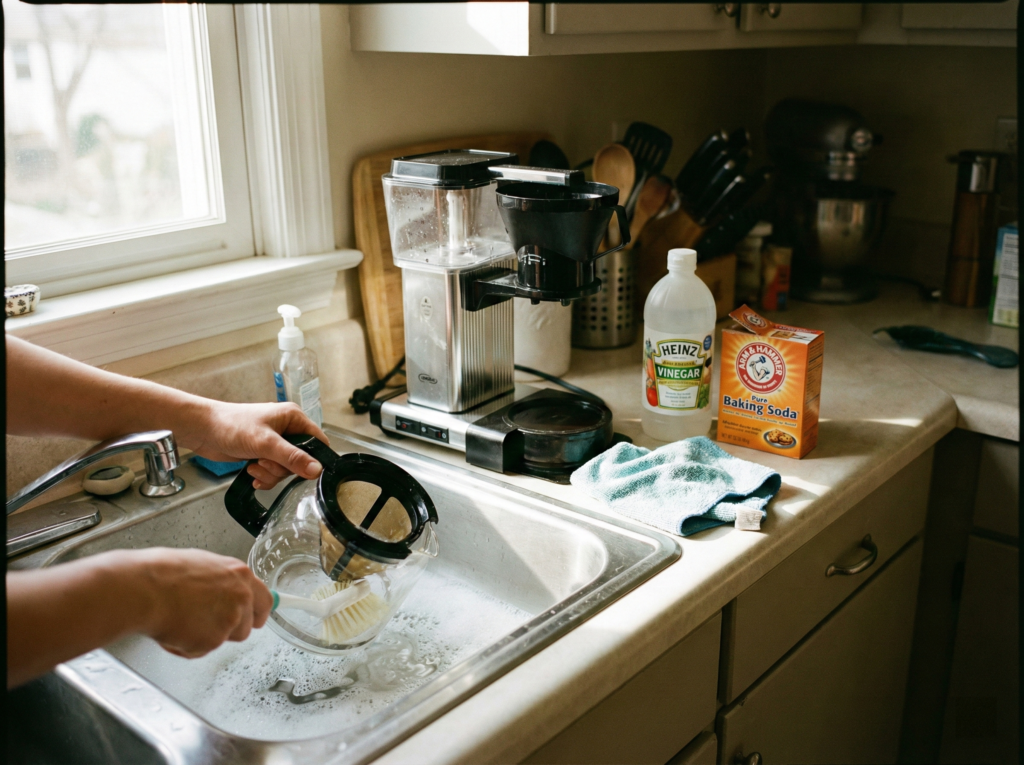
Coffee makers can quickly develop mineral buildup and become clogged, especially if you use tap water. To clean, run a cycle with a mixture of white vinegar and water. This will break down any mineral deposits and disinfect the machine. After running the vinegar cycle, rinse the machine by running a cycle with just water to clear out the vinegar residue.
Clean the filter regularly to prevent buildup and keep the coffee maker running smoothly. For stubborn stains or coffee residue, use a soft brush to scrub around the interior components. It’s also a good idea to wipe down the exterior of the coffee maker regularly to keep it clean and free from coffee splatters.
Toaster and Toaster Oven Care
Toasters and toaster ovens can accumulate crumbs and grease. To clean, unplug the toaster and remove the crumb tray. Wash the tray with warm, soapy water, and wipe down the interior and exterior with a damp cloth. For a toaster oven, remove the racks and trays, wash them separately, and clean the interior with a non-abrasive cleaner. Avoid using abrasive pads that could scratch the surfaces of the oven or toaster.
To prevent crumbs from building up, clean the toaster regularly by emptying the crumb tray after each use.
Troubleshooting Common Appliance Issues Due to Dirty Appliances
While regular cleaning prevents many problems, dirt buildup can sometimes cause appliance malfunctions. For example, a refrigerator with dirty condenser coils will work harder and use more energy. A clogged dishwasher filter can cause water to drain improperly, and an oven with too much grease can overheat and affect cooking times. Ensuring that your appliances are cleaned regularly will reduce the likelihood of these problems occurring.
Eco-Friendly Cleaning Solutions for Appliances

For those looking for environmentally friendly options, there are several natural ingredients that can effectively clean appliances without using harsh chemicals. Vinegar, baking soda, and lemon juice are all excellent alternatives to commercial cleaners. These ingredients are safe, non-toxic, and often just as effective in tackling grease and grime.
Conclusion
Regularly cleaning and maintaining your kitchen appliances is essential not just for hygiene but for the longevity and efficiency of the devices. By following these practical cleaning tips, you can ensure that your appliances remain in good working order, saving money on repairs and replacements in the long run. Whether you’re dealing with a stubborn oven stain, a dirty refrigerator, or a coffee maker with mineral buildup, these essential cleaning practices will help keep your kitchen appliances functioning like new.
Incorporating regular cleaning into your kitchen routine doesn’t have to be overwhelming. With a few simple steps, your appliances will stay clean, your kitchen will run efficiently, and you’ll be able to maintain a healthy, organized environment for your family.
Related Articles
- How to Deep Clean Your Kitchen in 1 Hour: A Complete Step-by-Step Guide
- What Is Green Cleaning? Key Benefits for a Safer, Healthier, and More Eco-Friendly Home