

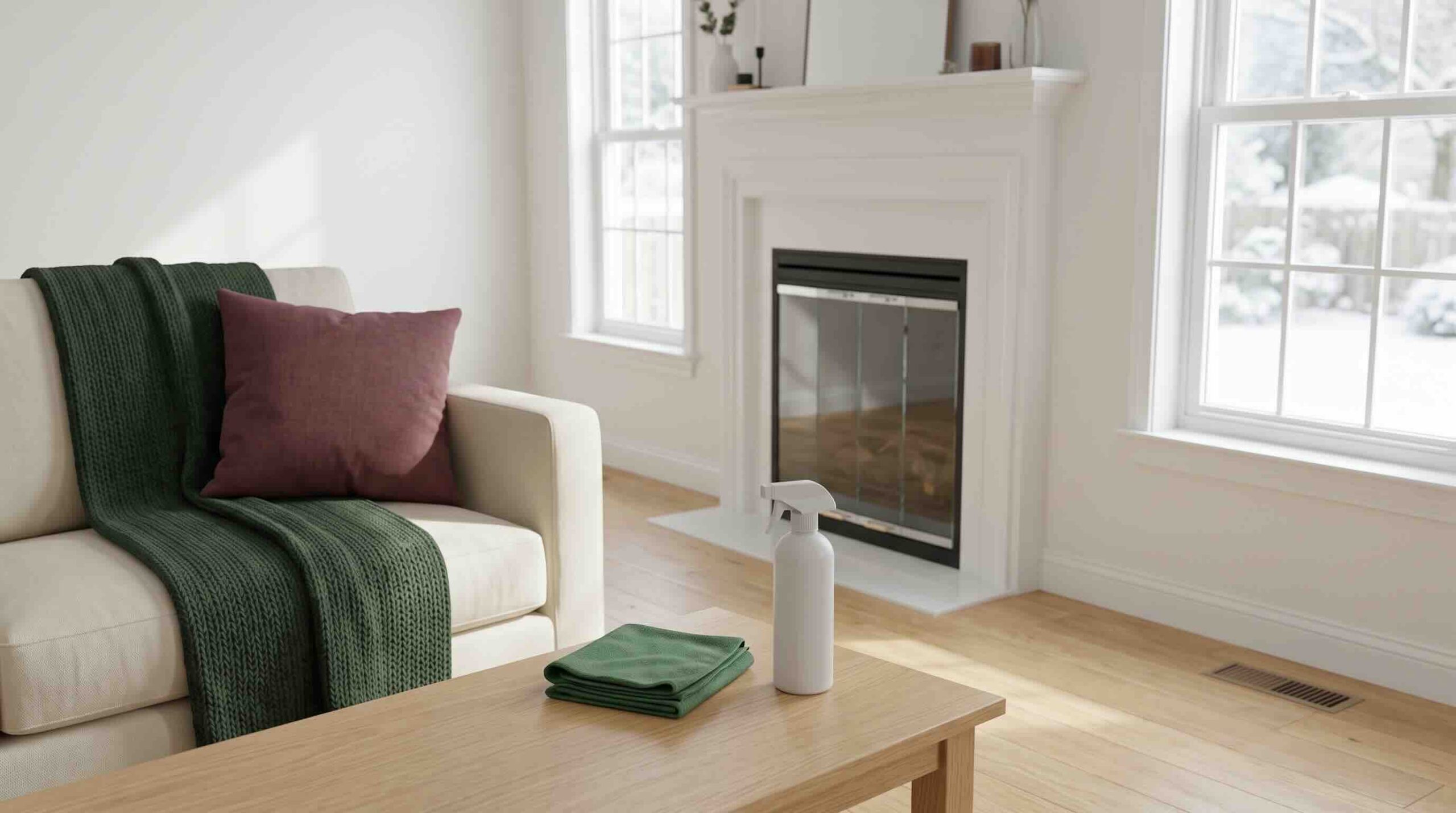
A winter house cleaning checklist is divided into two distinct parts: a few critical jobs you must do once at the start of the season, and a short routine you repeat throughout it. Because closed windows trap dust and forced-air heating circulates dander, your home gets dirtier in winter despite your best efforts.
This guide breaks down exactly what to clean, how often to do it, and the mistakes to avoid. Print or save the schedule below to keep your home fresh until spring.
Why Your House Gets Dirtier in Winter
Winter makes a home dirtier in ways that have nothing to do with how often you clean, which is the quiet logic behind this winter house cleaning checklist. Four things change once the cold sets in, and each one leaves its own mess.
Closed Windows Trap Dust and Germs
With the windows shut for months, the air stops turning over. Dust, pet dander, cooking grease, and cold-season germs build up indoors instead of airing out. That stale, closed-up air is a major reason winter is peak cold-and-flu season inside. The mess still arrives, even when the motivation to deep-clean drops.
Forced-Air Heat Circulates Dust Through Every Room
A forced-air furnace does more than warm the house, it moves air, and dust along with it. Every cycle pulls air through the ducts and pushes it back out the vents, carrying dust, dander, and debris from room to room and dropping it on every surface. A dirty filter makes it worse, since what the filter misses just recirculates. This is why surfaces dust over faster in winter than in summer.
Snow and De-Icing Salt Get Tracked Inside
Every trip in from the cold brings something with it. Snow melts into puddles at the door, while abrasive de-icing salt rides in on boots, leaving a white, gritty residue. Salt is corrosive and will dull or pit hard floors if left sitting, meaning the entryway takes the brunt of winter damage.
Condensation and Shower Steam Feed Mold
Warm, damp indoor air meets cold surfaces in winter, and the water that condenses out feeds mold. It beads on cold window glass and sills, and shower steam with nowhere to vent sinks into bathroom grout and silicone. Those damp, still spots are where mold takes hold over a closed-up winter. The bathroom and the windows are the places to watch.
>> Read More: 10 Winter Cleaning Tips to Keep Your Home Fresh, Cozy, and Easy to Maintain During Cold Weather Months
Winter House Cleaning Checklist by Room
Here is the whole winter house cleaning checklist in one place, sorted by task, room, and how often. Print it or save it, then read on for the detail behind each area. The last column is where to tighten up if someone is sick, you have pets, or allergies are in play.
| Task | Room | Frequency | Do it more often if |
| Wipe high-touch surfaces | Every room | Weekly | Someone is sick (daily) |
| Vacuum and damp-dust | Every room | Weekly | Allergies (HEPA, damp cloth) |
| Clean vents and registers | Every room | Monthly | Forced-air heat, allergies |
| Wipe baseboards | Every room | Monthly | Pets, allergies |
| Dust ceiling fans and fixtures | Every room | Monthly | Allergies |
| Shake and wash entry mats | Entryway | Weekly | Snowy climate |
| Clean salt residue off floors | Entryway | Weekly | After every storm |
| Vacuum upholstery, wash throws | Living room | Weekly to monthly | Pets (weekly) |
| Clear fireplace ash and glass | Living room | Weekly in use | Daily use |
| Clean behind fridge and stove | Kitchen | Monthly | Crumbs draw pests |
| Wash bathroom exhaust fan cover | Bathroom | Seasonal | Mold, high humidity |
| Scrub grout and silicone | Bathroom | Monthly | Mold returns |
| Wash bedding | Bedrooms | Weekly to biweekly | Sick, allergies (weekly, hot) |
| Change HVAC filter | Utility | Every 1 to 3 months | Pets, allergies (monthly) |
| Clean dryer vent | Utility | Seasonal | Heavy use |
Tasks for Every Room
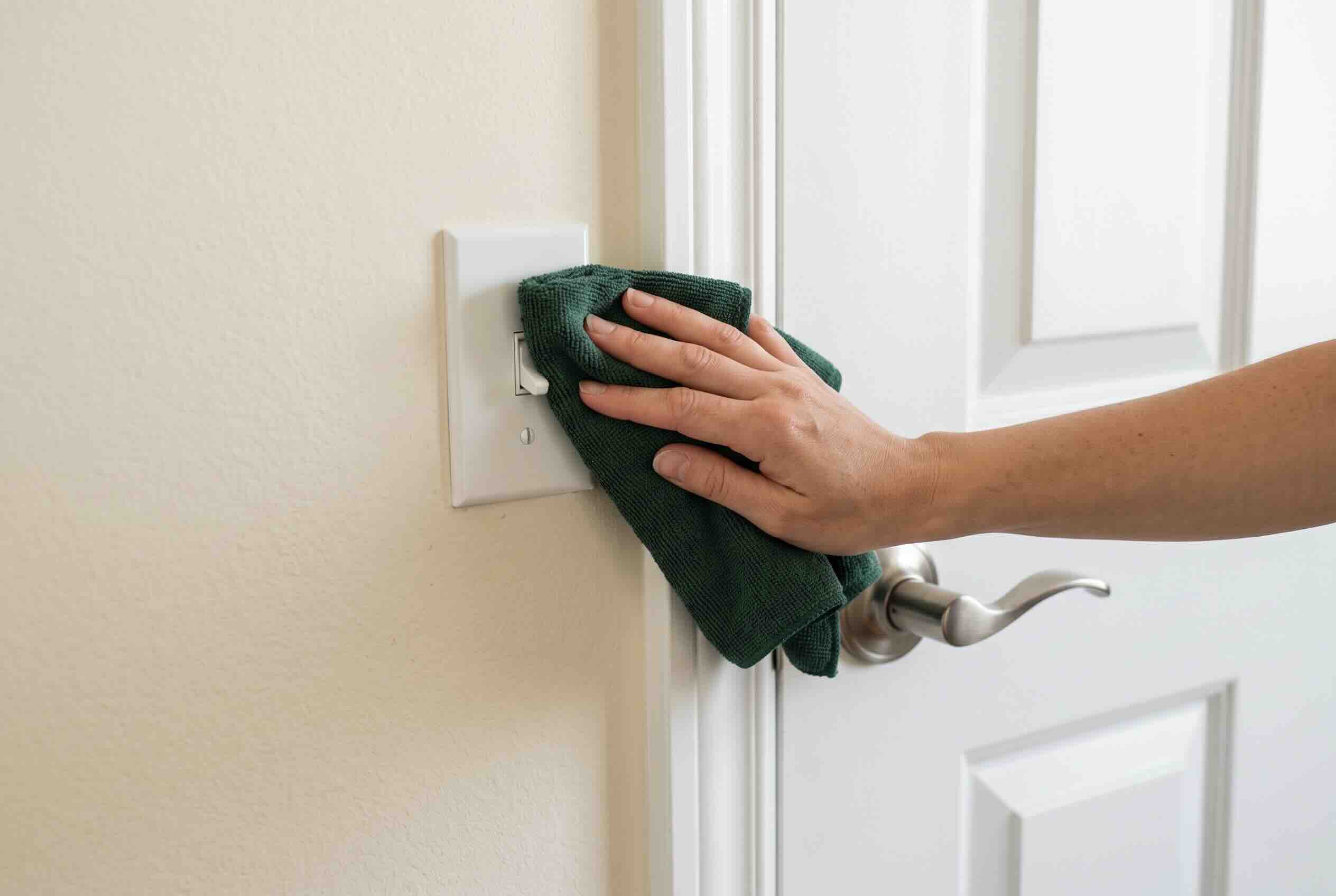
Some jobs repeat in every room, and in winter they matter more. Hit the high-touch surfaces, the handles, switches, remotes, and faucets, each week, since germs linger longer in closed-up air. Wipe the vents, registers, and baseboards monthly, since forced-air heat keeps dust moving onto them. Dust the ceiling fans and fixtures, and clear the clutter off surfaces so the cleaning goes faster. Two notes: if someone is sick, disinfect the high-touch spots daily, and if allergies are in the house, use a HEPA vacuum and a damp cloth so you lift dust rather than scatter it.
Entryway and Mudroom
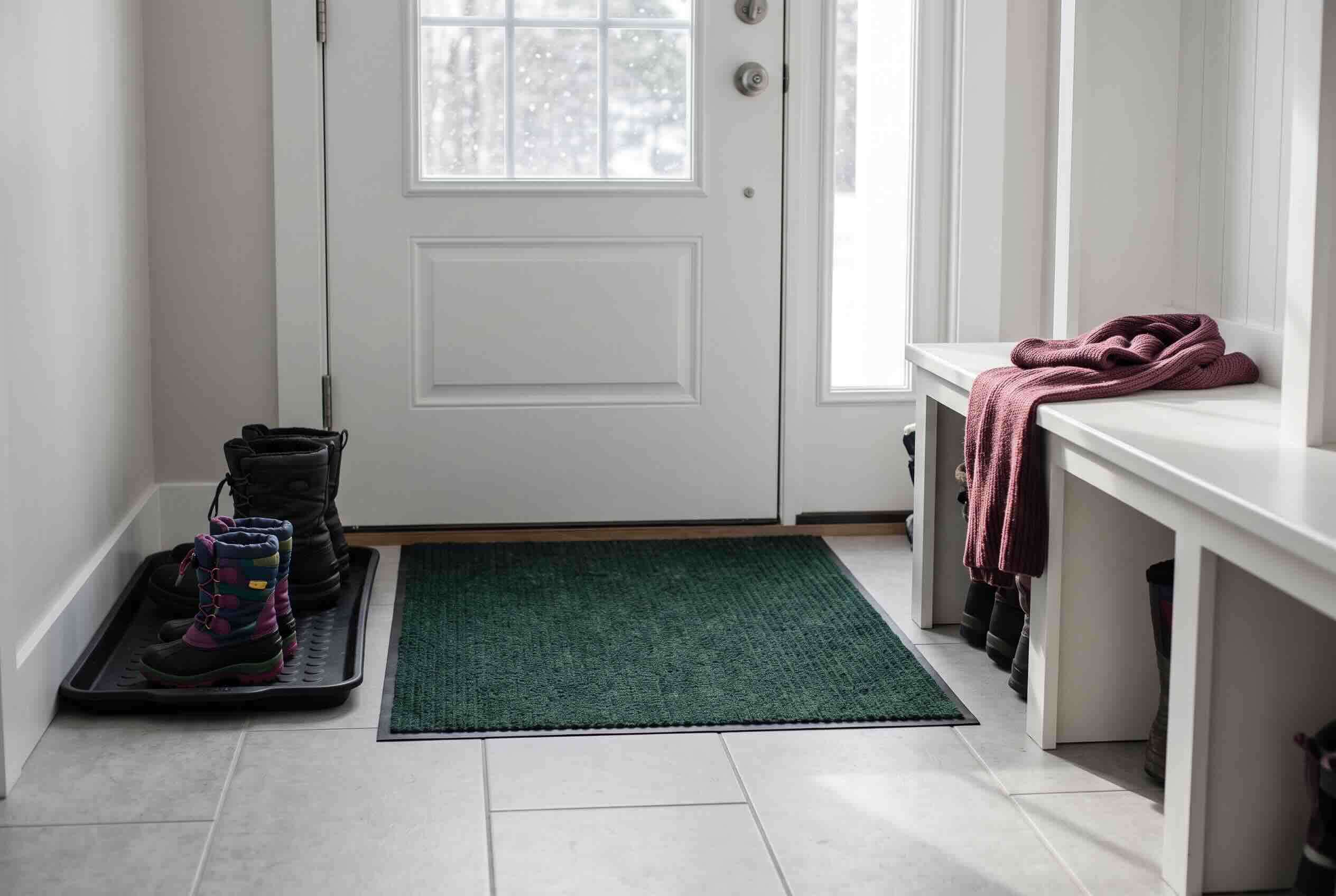
The entryway fights salt and snow, demanding the most frequent attention. Shake out the mats weekly and wipe salt residue off the floor before it ruins the finish. Set a boot tray with a lip to catch drips and create a staging spot for winter gear. If you have pets, wipe their paws right at the door; salt irritates their pads and is toxic if licked.
Living Room
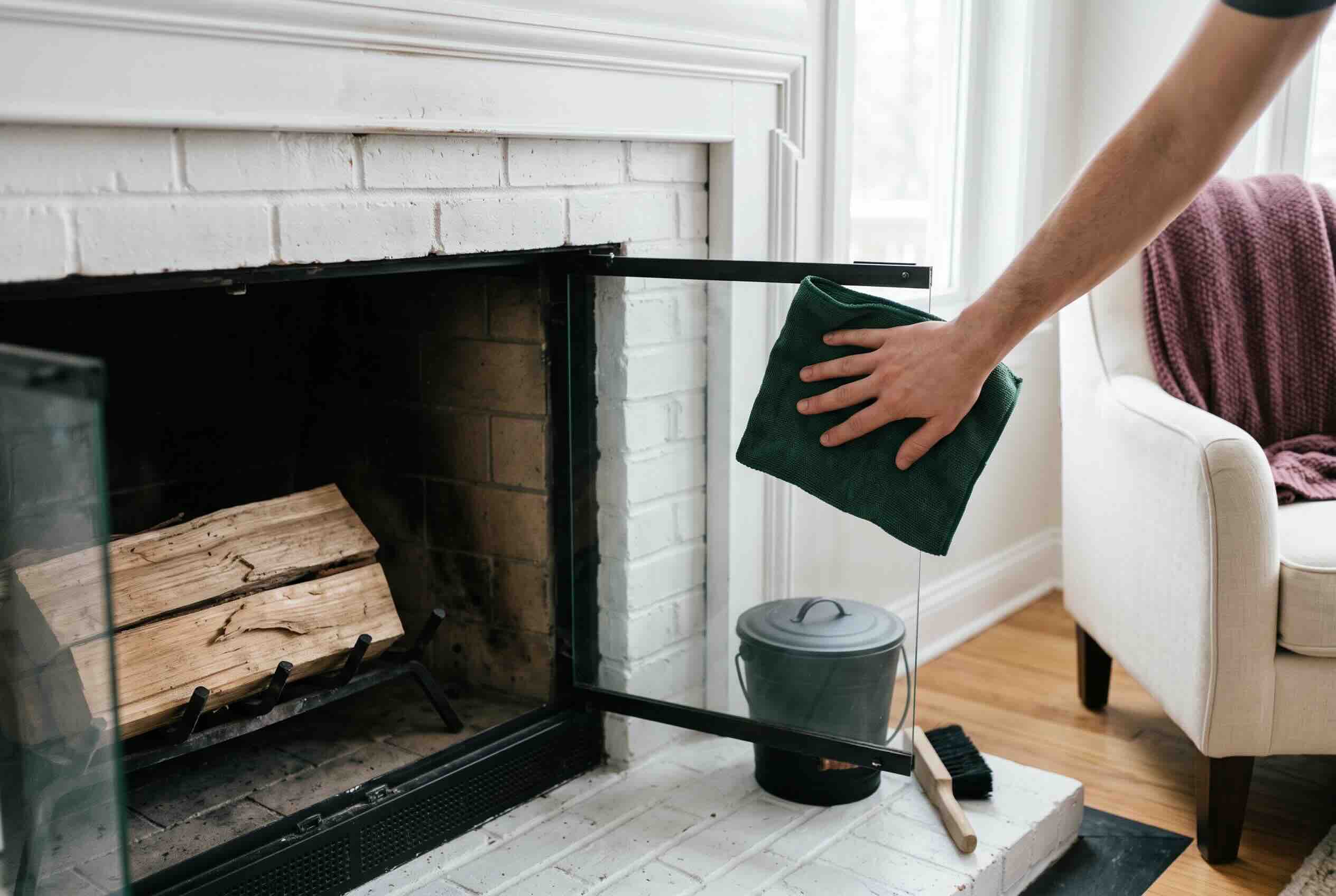
The living room gets more use in winter, and it shows. Vacuum the fabric sofa, wash the throws and blankets that pile up, clean the curtains that trap dust, and if you run a fireplace, clear the ash and wipe the glass regularly. One note: with pets shedding indoors all season, vacuum the upholstery more often than feels necessary.
Kitchen
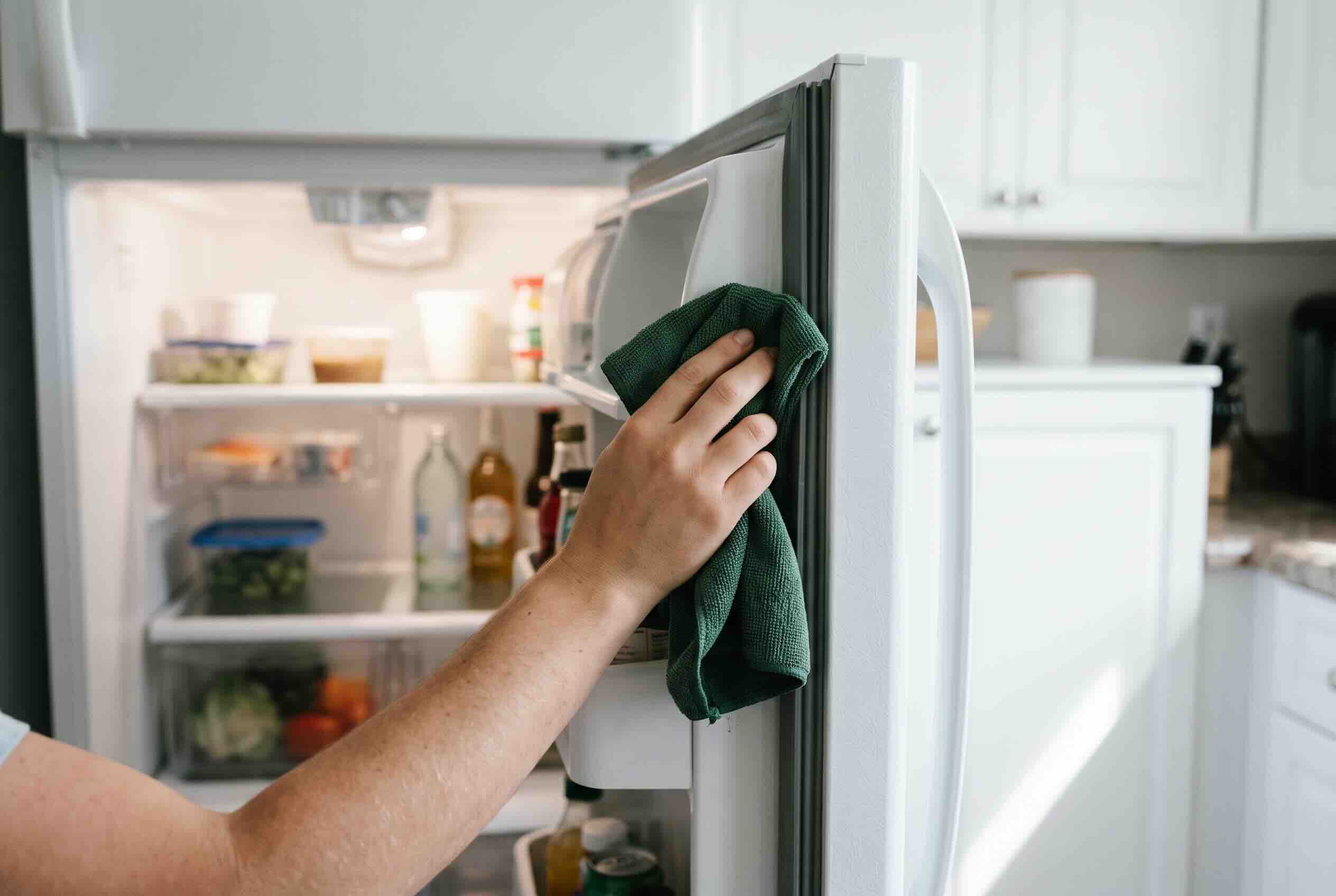
The kitchen runs hard through the holidays and cold months. Wipe handles and the stovetop daily, swap sponges often, and clean behind the fridge and stove where crumbs collect. Those hidden crumbs draw rodents looking for winter shelter, so proactively seal mice entry points if you find droppings back there. Clean the oven after holiday cooking, and wipe the refrigerator door gasket so it seals tight.
Bathroom
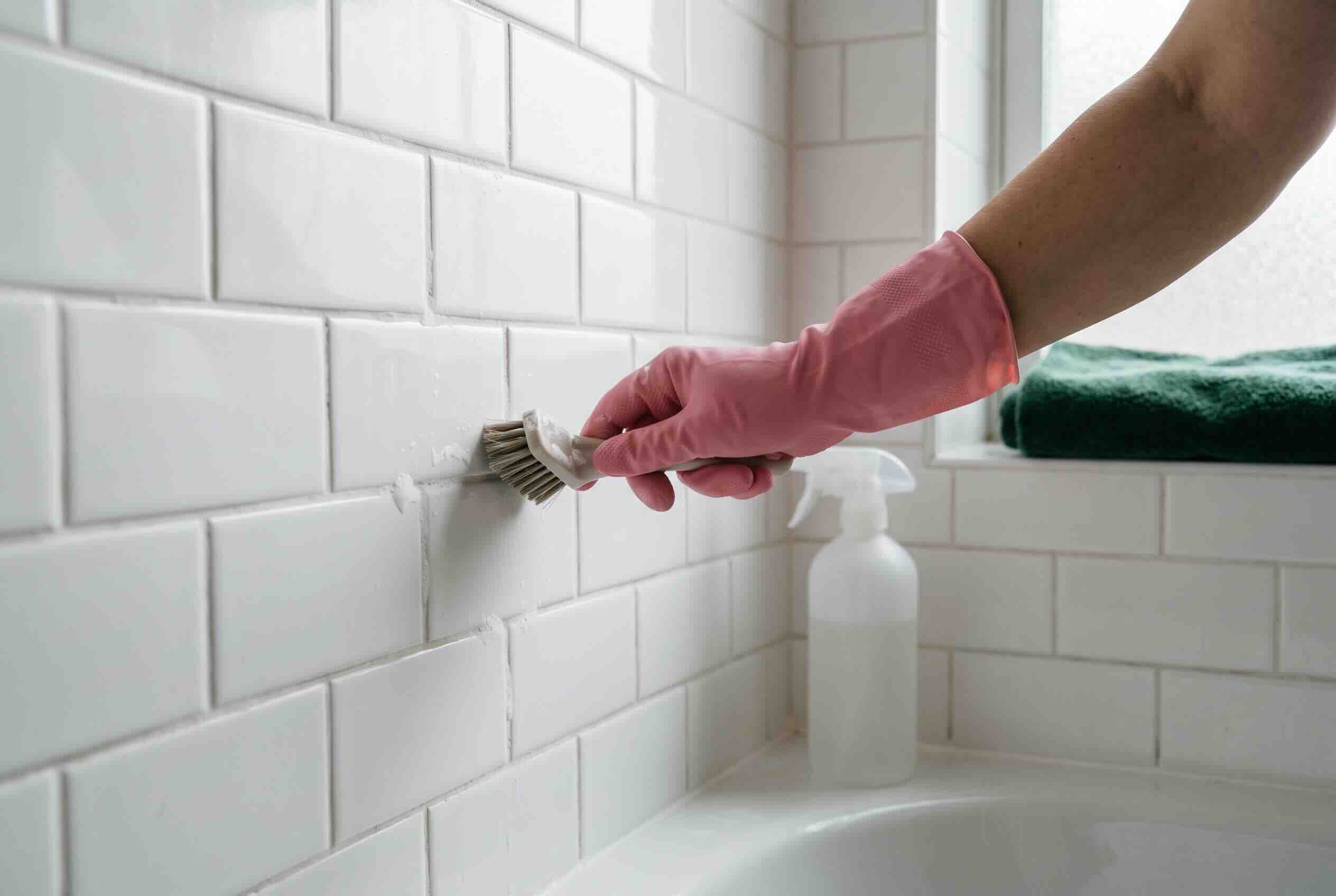
The bathroom is where winter damp does its worst damage. Run the exhaust fan during every shower so steam vents instead of settling. Scrub any mold that starts in the grout or silicone, descale crusted showerheads, and wash the shower curtain. If grime gets out of control, block off an afternoon to thoroughly deep-clean a bathroom.
Bedrooms
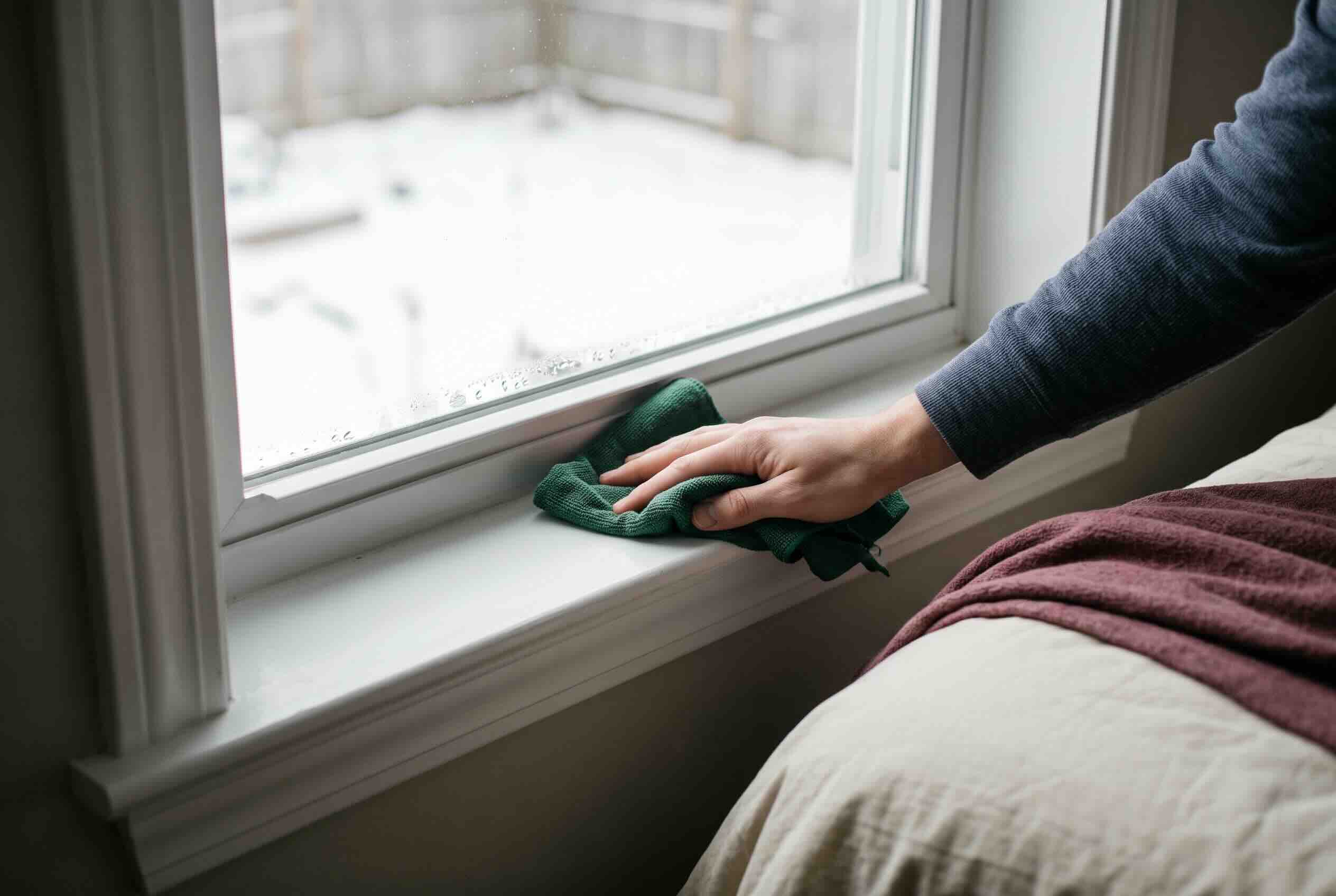
Bedrooms collect dust and dead air over a closed-up winter. Wash the bedding on a regular cycle, vacuum the mattress, wipe the windowsills where condensation collects, and clean any humidifier so it does not grow mold. On how often to wash bedding, the usual advice is every one to two weeks, but drop to weekly, in hot water, if someone is sick or has allergies, since that is what clears dust mites and germs.
Laundry and Utility Areas
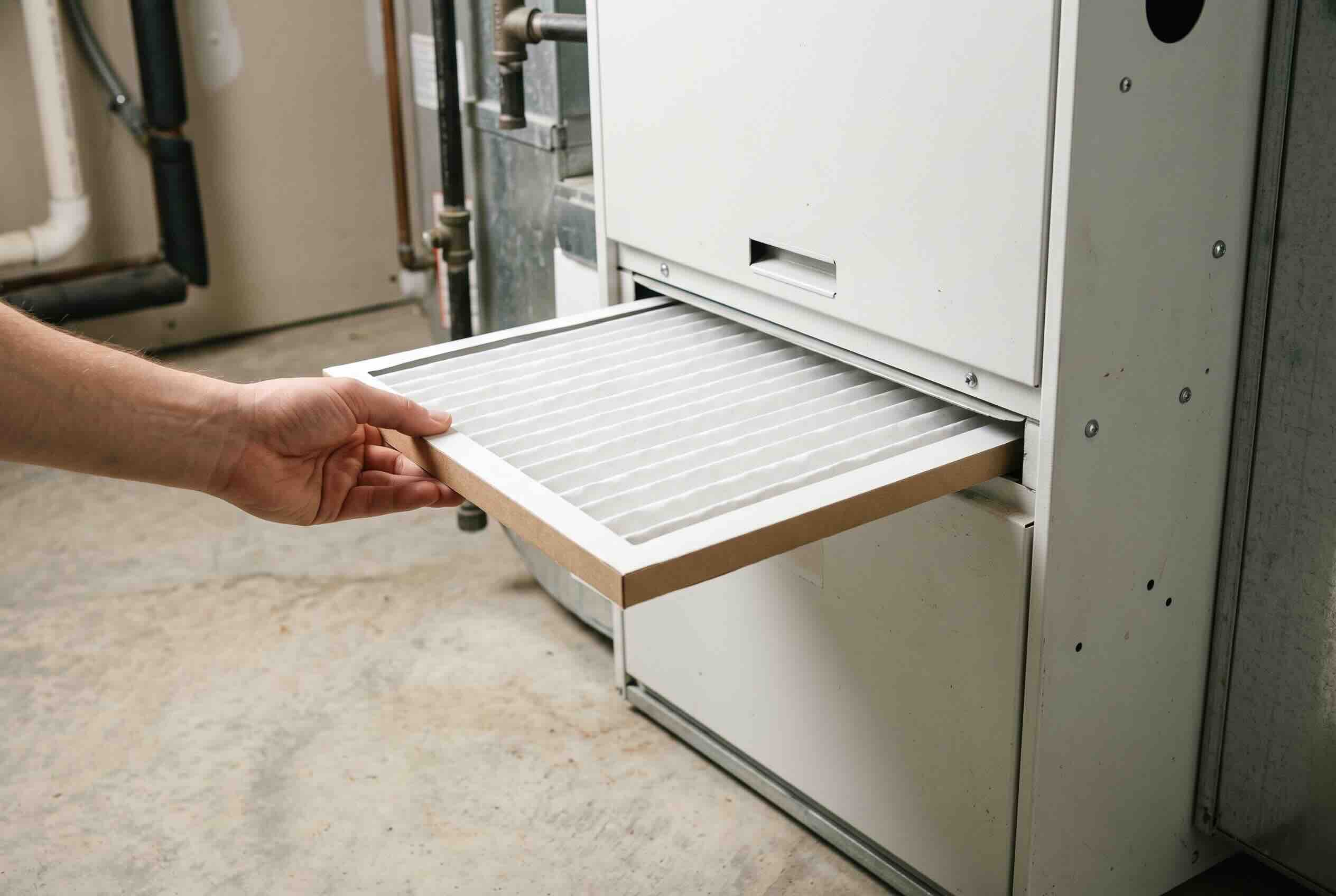
These rooms hold the jobs that protect the whole house. Change the HVAC filter every one to three months through heating season, more often with pets or allergies, since a clean filter is what keeps dust from recirculating. Clean the dryer vent, which clogs with lint and is both a fire risk and an efficiency drain. Run a cleaning cycle on the washing machine so it does not turn musty. These are the seasonal jobs worth doing first.
Winter Cleaning Mistakes to Avoid
A few winter cleaning habits cause more trouble than the dirt. Watch for these as the season sets in.
Mixing Bleach With Vinegar or Ammonia
This one is a safety matter, not a preference. Bleach mixed with vinegar gives off chlorine gas, and bleach mixed with ammonia gives off chloramine, and both harm your lungs and eyes. The mix happens by accident when you reach for two cleaners at once in a closed-up winter bathroom. Use one cleaner at a time, rinse between them, and keep a window cracked or the fan running for airflow.
Using Vinegar on Hardwood and Stone Floors
Vinegar gets recommended for everything, but its acid etches natural stone like marble and granite and wears the finish off hardwood over time. Use a cleaner made for the surface instead, a stone-safe one for stone and a wood floor cleaner for wood. Save the vinegar for glass and tile.
Letting Indoor Humidity Climb Above 50 Percent
Winter air is dry, so people add moisture, but too much feeds the mold and dust mites you are trying to clear. Keep indoor humidity under about 50 percent, since above that the bathroom, the windows, and the closets start to grow mold. A hygrometer and a working bathroom fan do more here than extra scrubbing.
Keeping Every Window Shut All Winter
Sealing the house completely tight traps stale air, dust, and dampness. Crack a window for a few minutes on milder days to turn the air over and clear out odors. If you keep windows shut because of intense cold air leaks, you must learn how to fix drafty windows without replacing them rather than suffocating your home.
FAQ
Should gutter cleaning be part of winter house cleaning?
It belongs just before winter rather than during it. Clogged gutters freeze and back up, forcing water under the roof and into the walls. Understanding exactly what happens if you don’t clean your gutters is crucial, but once the cold sets in, leave any ladder work to a professional.
How long does a full winter deep clean take?
Plan for most of a day up to a weekend for a whole home, depending on its size and how far behind it is. The one-time tasks, the filter, the dryer vent, and the fan, take an afternoon between them. Splitting the rest by room over a few days keeps it from becoming one long slog.
Who handles winter cleaning tasks in a rental?
Day-to-day cleaning is the tenant’s, while the bigger systems, the HVAC filter, the dryer vent, and anything structural, often fall to the landlord, though it depends on the lease. Check what yours assigns, and report issues like a failing bathroom fan or a mold problem in writing. This is general information, not legal advice, and it varies by lease and by state.
What cleaning supplies do you need for winter cleaning?
A short kit covers most of it: a HEPA vacuum, microfiber cloths, a multi-surface cleaner, a stone- or wood-safe floor cleaner, a bathroom cleaner for mold, a hygrometer, and spare HVAC filters. Add a disinfectant for the high-touch surfaces when someone is sick. Keep one cleaner for each surface rather than mixing them, for the safety reason above.
Where to Start With Your Winter House Cleaning Checklist
If the whole winter house cleaning checklist feels like a lot, start with the three jobs you only do once:
- Change the HVAC filter, so the heat stops pushing dust through the house.
- Clean the dryer vent, to cut the fire risk and dry loads faster.
- Clean the bathroom exhaust fan, so winter steam vents instead of growing mold.
With those done, let the weekly and monthly schedule above carry the rest. Print the Winter-Cleaning-Checklist-Printable, stick it where you will see it, and the dust, salt, and mold stay ahead of you rather than piling up. Home Tips Daily is here for the rest of the season’s upkeep.