

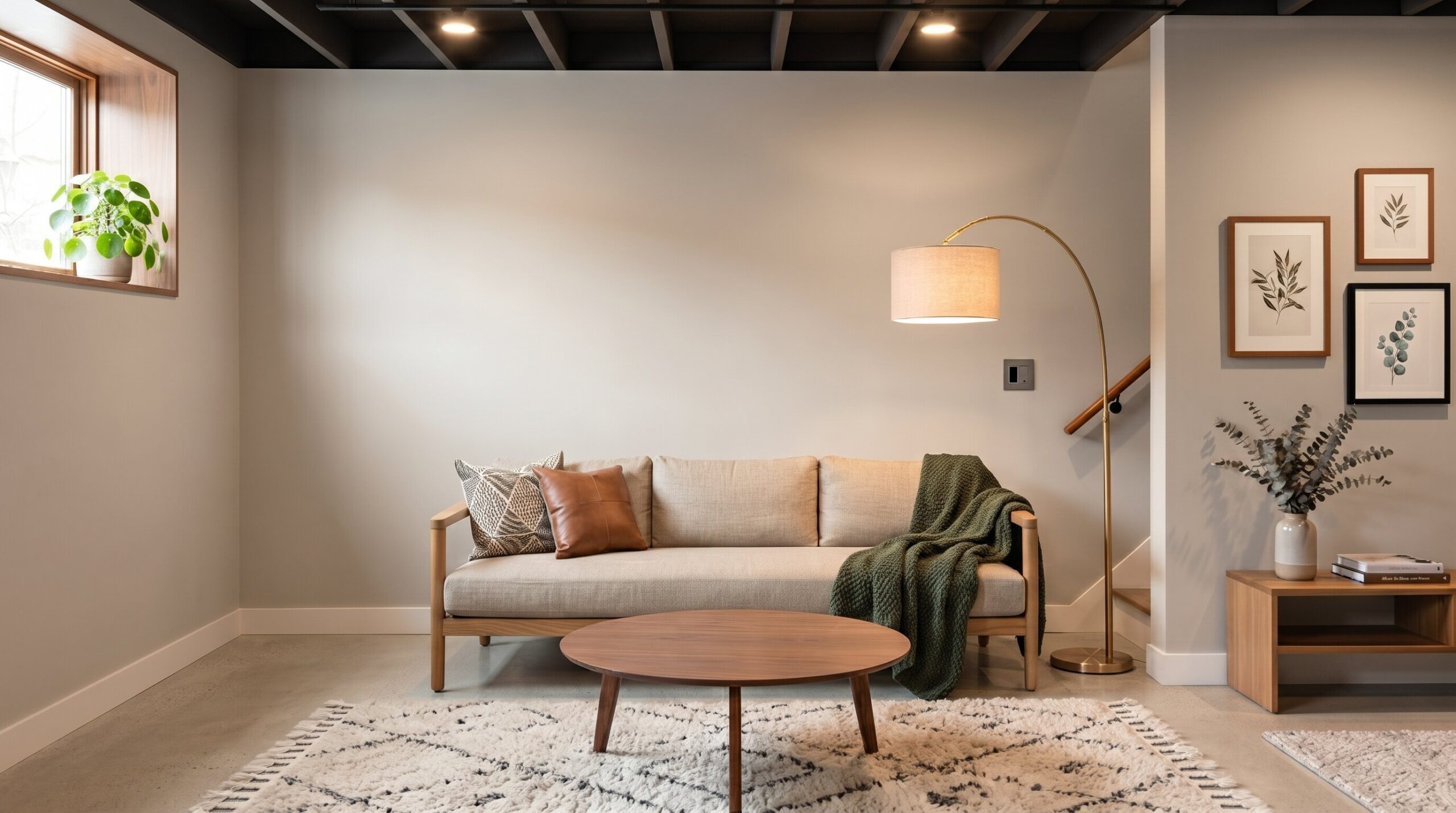
Anyone who has ever renovated a lower level knows the frustration of drywall. The dust spreads everywhere, the mudding takes patience, and sanding can make the project feel endless. That is why the smartest basement wall ideas focus on clean, fast, and practical wall coverings that do not require traditional drywall finishing. Before you pick a finish, though, read the prep section below. Basement walls fail from moisture far more often than from bad style choices.
Before You Cover Any Basement Wall
Concrete foundation walls sit against soil, so they almost always pass some moisture into the room. Covering them without a plan can trap that moisture and lead to mold behind an otherwise beautiful wall.
- Test for moisture first. Tape a roughly 2 by 2 foot sheet of plastic tightly to the bare wall and leave it for one to three days. Moisture under the plastic means water is coming through the wall. Moisture on the room side means the air is humid, which a dehumidifier can usually handle.
- Fix water problems before finishing. Active leaks, standing water, and white mineral deposits called efflorescence point to drainage issues. Check gutters, downspouts, and grading first, and bring in a waterproofing contractor if the wall stays wet.
- Use foam and furring, not direct contact. The most reliable approach is rigid foam insulation against the concrete, then wood or metal furring strips on top to attach your wall covering. Avoid pressing fiberglass batts directly against concrete, since they can hold moisture.
- Know the code on exposed foam. Building codes in many areas require foam insulation inside a basement to be covered by a thermal barrier, most commonly 1/2 inch drywall, unless the foam product is specifically rated to be left exposed. Some decorative coverings may not qualify on their own, so check with your local building department before you insulate. If drywall is required, it can go up as a code layer with minimal finishing and then be covered with the panels below.
Wood and Plywood Basement Wall Ideas
1. Plywood Sheets
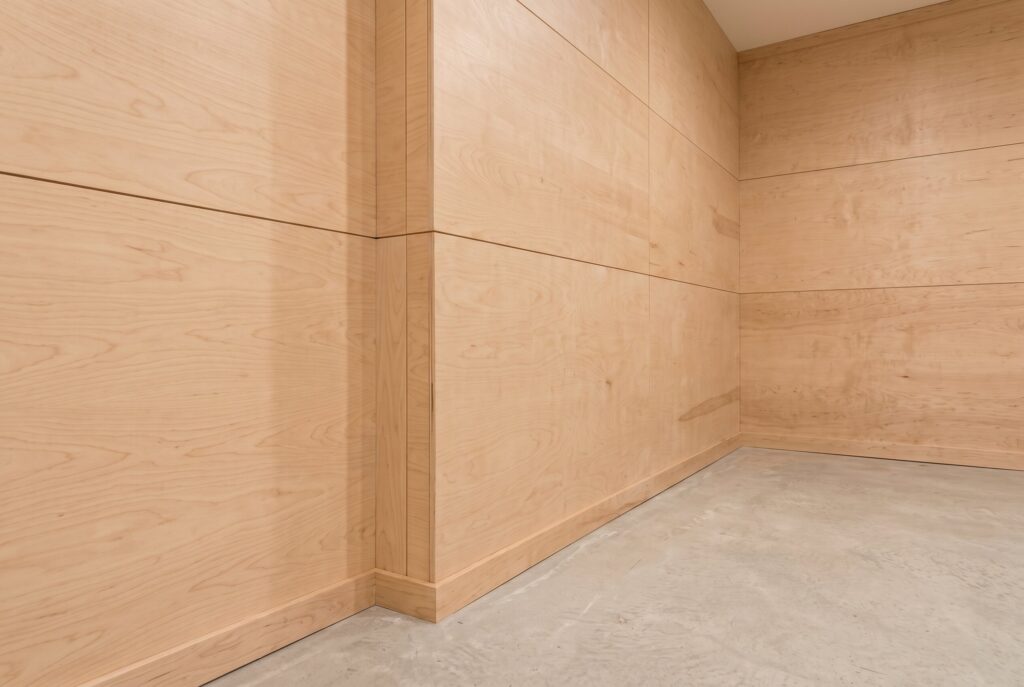
Plywood is one of the simplest ways to cover basement walls if you want warmth without complicated construction. Light birch or oak plywood can soften concrete walls instantly, especially when paired with simple furniture, a large area rug, and soft lighting. Mount it on furring strips over foam insulation rather than directly on the concrete, and seal all edges and faces so the panels resist humidity.
2. OSB Board
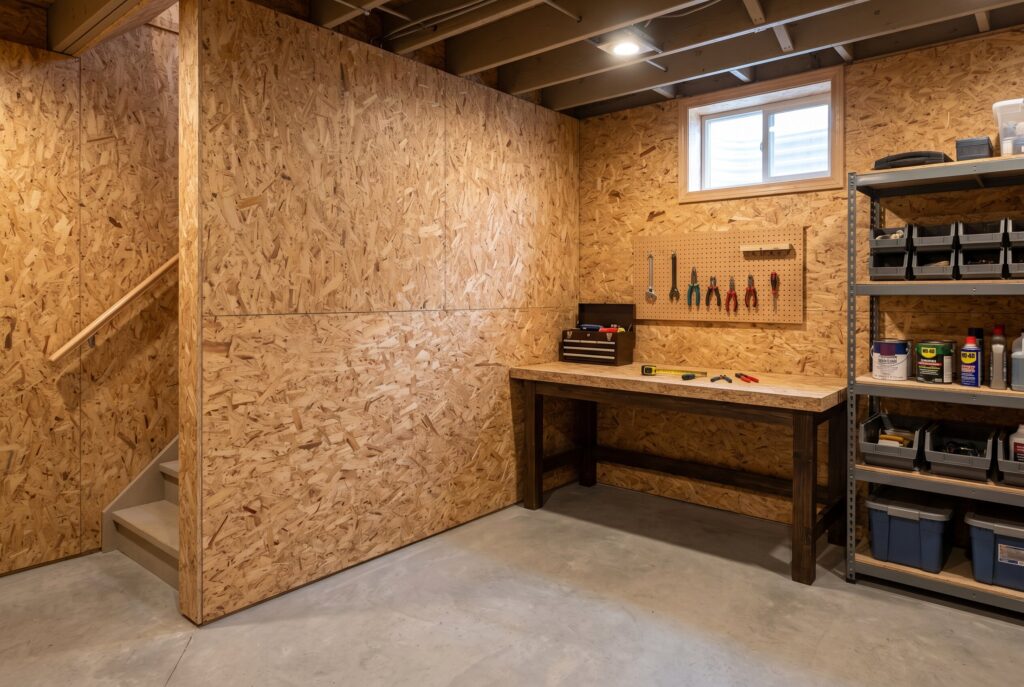
OSB board creates a raw, textured look that works well in utility rooms, workshops, and casual hangout spaces. It is affordable, easy to cut, and visually stronger than plain concrete. OSB swells quickly when it gets wet, so use it only in basements that stay dry, install it on furring strips, and paint or seal every face. For a cleaner finish, paint it matte black, warm white, or sage green.
3. Reclaimed Pallet Wood
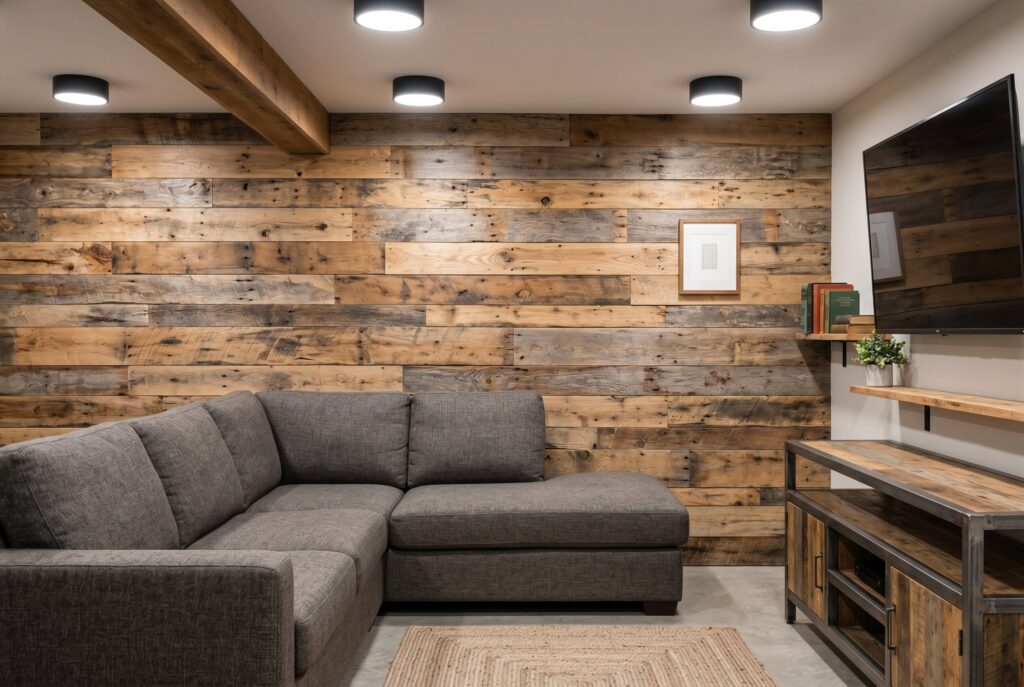
Reclaimed pallet wood adds character to a basement feature wall. Use it behind a large L shaped sofa, media console, or reading nook to create a relaxed rustic focal point. Choose only pallets stamped HT, which means heat treated, and skip any marked MB, since those were fumigated with methyl bromide. Sand each board well and seal the surface to reduce splinters and dust.
4. Shiplap
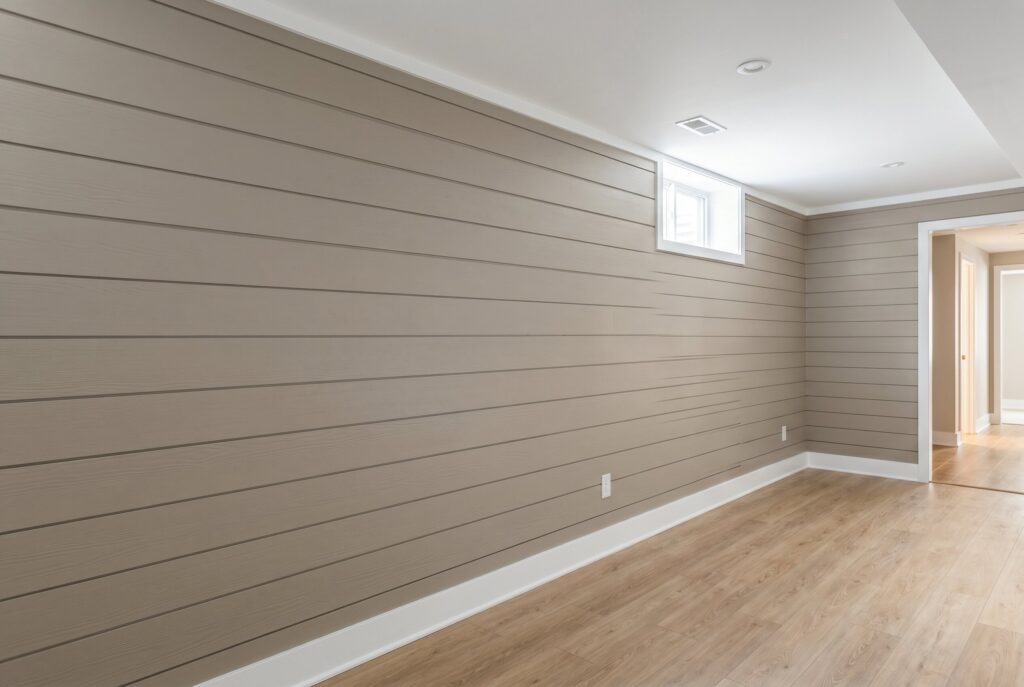
Shiplap is ideal for a Modern Farmhouse basement. White shiplap can make a low ceiling feel brighter, while warm taupe or soft gray creates a calmer lounge effect. Install the boards horizontally across furring strips, and you get finished basement walls without the cold appearance of concrete.
5. Beadboard Panels
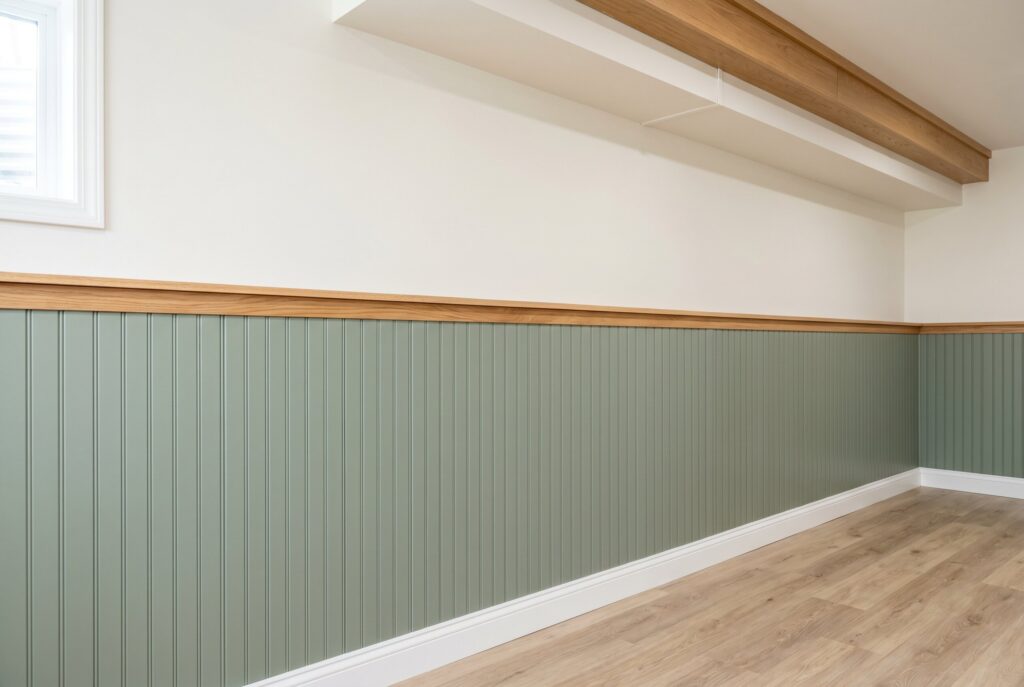
Beadboard panels work beautifully on the lower half of a wall. Painted sage green with a slim oak cap rail, they create visual height and help distract from awkward basement ceiling ideas such as low ducts or exposed beams.
6. Wood Slat Panels
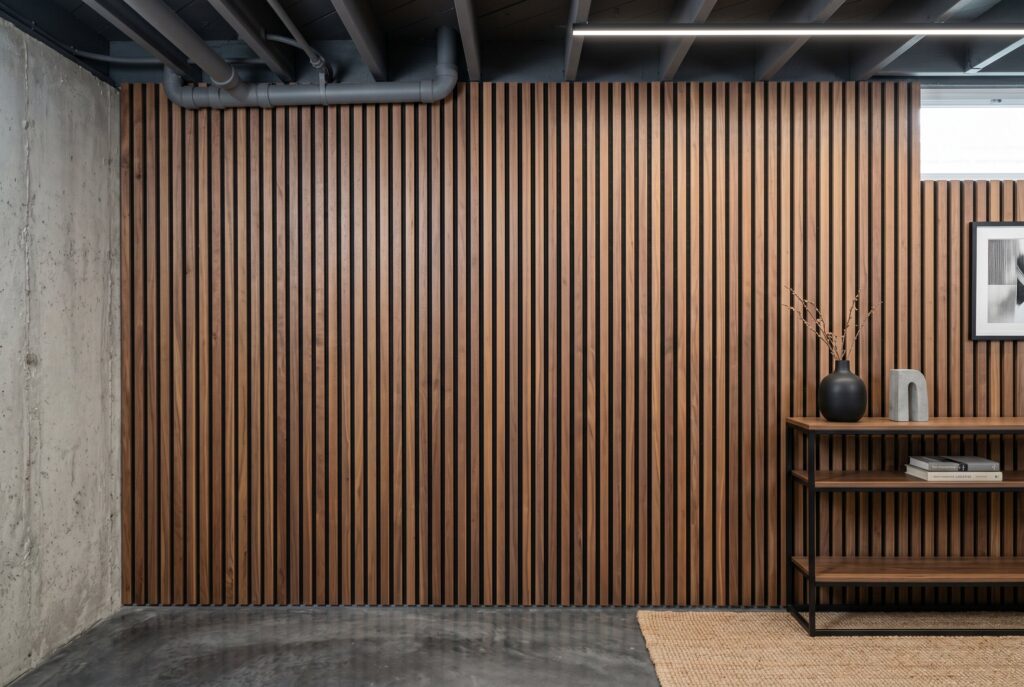
Wood slat panels bring a Japandi mood into the basement. Walnut slats over black felt add rhythm, warmth, and sound absorption, making them excellent for lounges, offices, and media rooms. Most slat panels screw into furring strips or studs, which makes them easy to add over a prepared wall.
>>> See more: What Is Considered Normal Wear and Tear in an Apartment?
Storage Walls for Basements
7. Pegboard Walls

Pegboard turns unused wall space into storage. It is perfect for tools, craft supplies, sports gear, and hobby zones. Paint the board to match the room so the system feels intentional instead of purely utilitarian.
8. Slatwall Systems
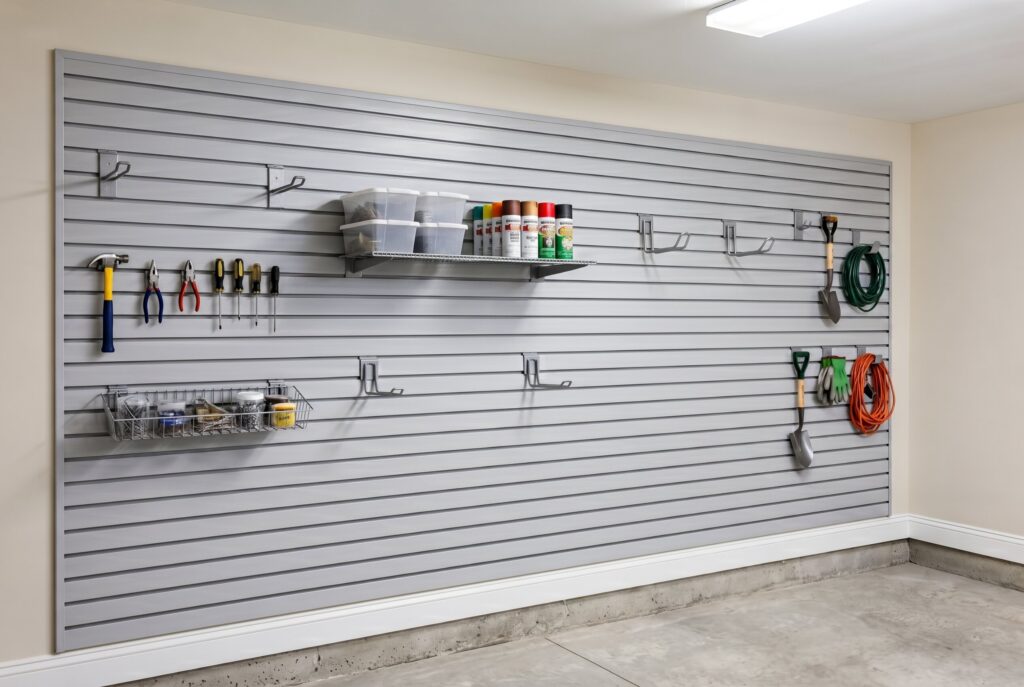
Slatwall systems are stronger and more flexible than pegboard. They can hold shelves, hooks, baskets, and bike racks, making them ideal for basements that need to function as both storage and living space. PVC slatwall is a good choice if the room runs damp.
9. Cork Board Walls
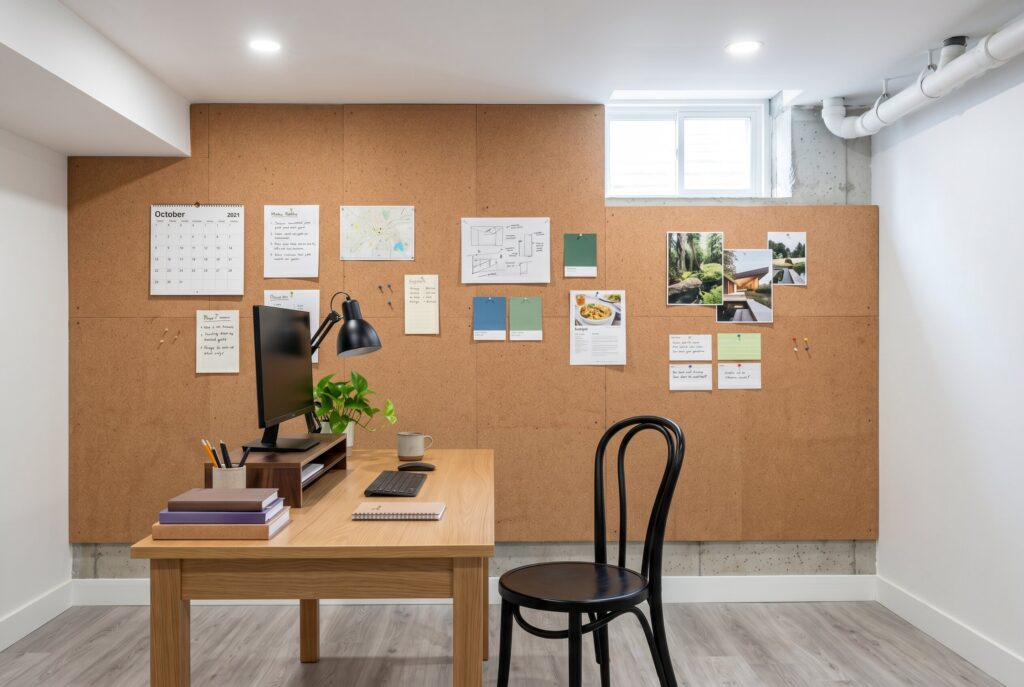
Cork panels create a soft, practical wall for a basement home office, study zone, or kids’ art area. They absorb a little sound, feel warmer than drywall, and allow the wall to become a large pinboard for notes, calendars, and inspiration. Keep cork to walls that passed the moisture test, since it can grow mold in damp conditions.
Industrial and Faux Texture Basement Walls
10. Painted Concrete Block
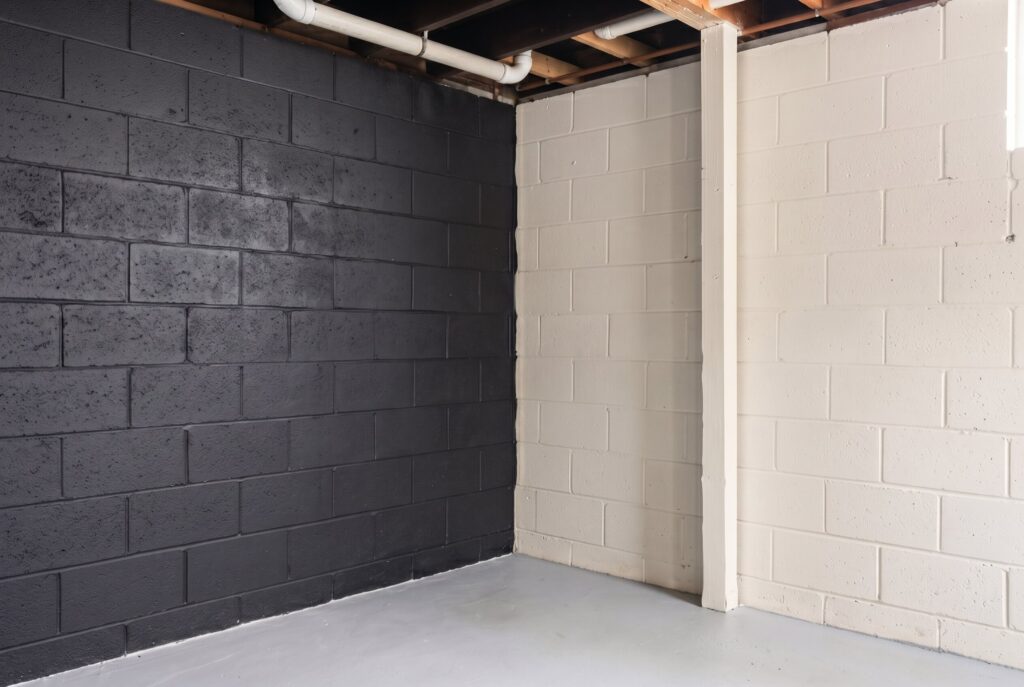
Among unfinished basement ideas, painted concrete block is the fastest transformation. Scrub off any efflorescence, use masonry primer, then choose a durable masonry paint. A waterproofing masonry paint can help with minor dampness, but it will not stop an active leak. Matte black feels dramatic, while warm white makes the basement feel cleaner and larger.
11. Corrugated Metal Sheets
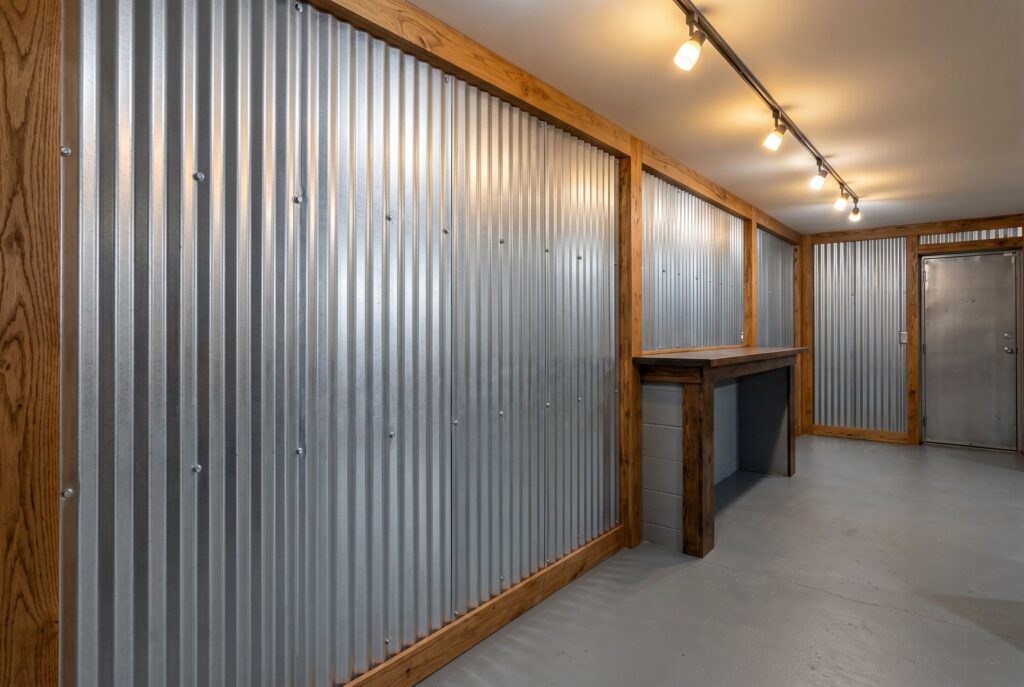
Corrugated metal adds an industrial edge, especially near a workshop, game room, or basement bar. It is durable and visually bold, but balance it with wood, fabric, and warm lighting so the space does not feel too cold.
12. Faux Brick Veneer
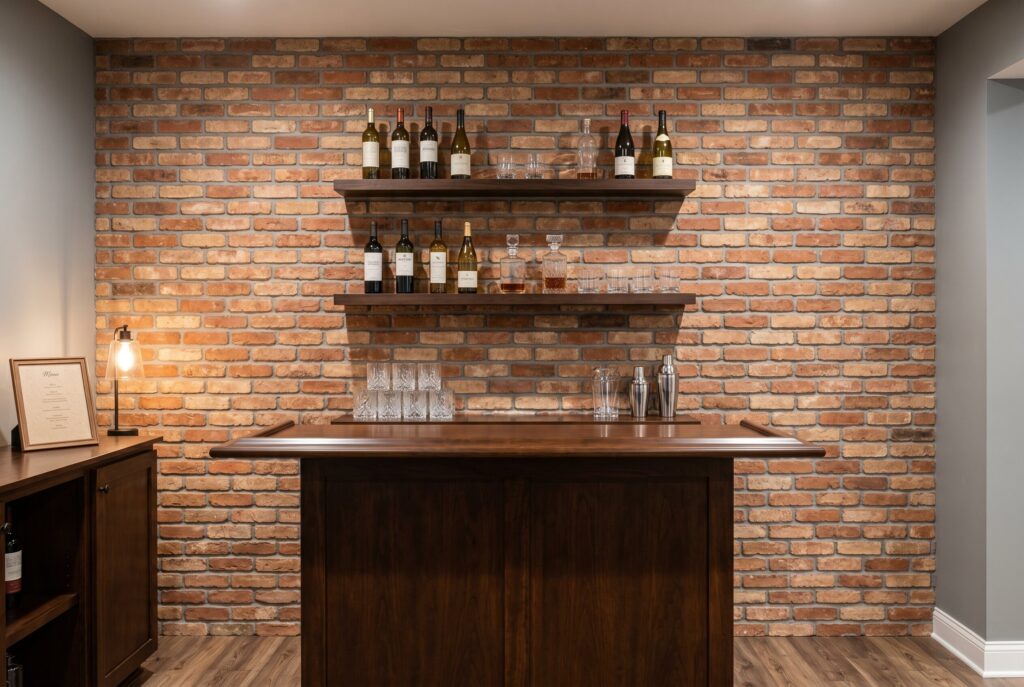
Faux brick veneer gives the basement the feeling of a wine cellar, speakeasy, or urban lounge. It is much easier to install than real brick and creates instant texture behind shelving, a bar, or a media wall. Many lightweight faux brick and stone panels are made from polyurethane or other plastics, so check the product’s fire rating and keep them away from furnaces and water heaters.
13. Faux Stone Panels
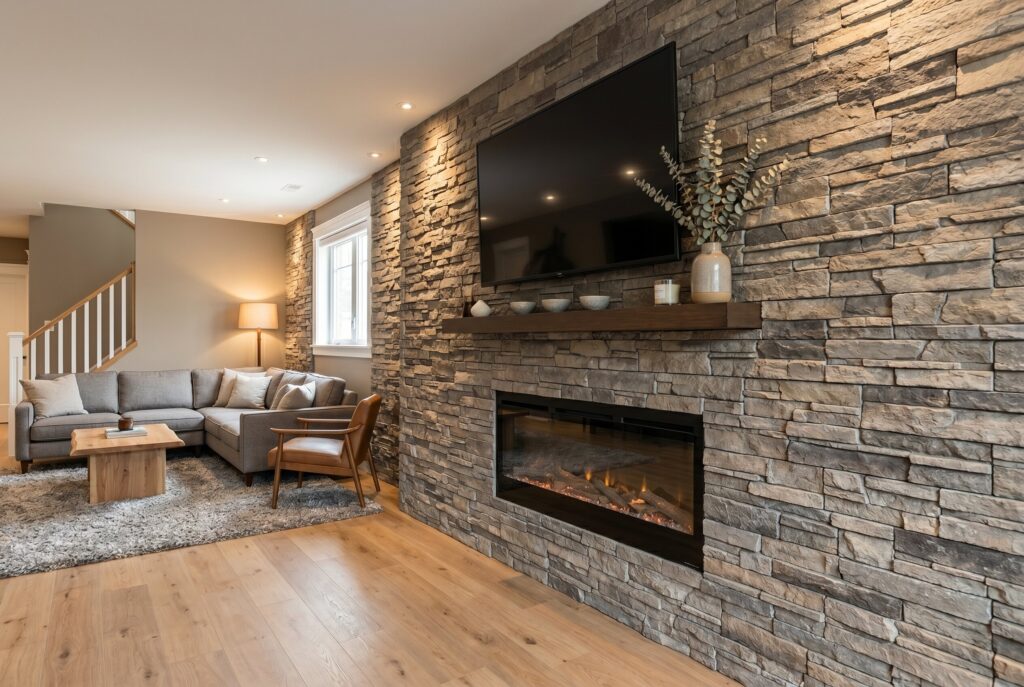
Faux stone panels are excellent around a minimalist fireplace mantel or TV wall. They create depth and a sense of permanence without the weight and cost of natural stone. Around a real fireplace, follow the fireplace manufacturer’s clearance rules and use only panels rated for that location.
Moisture-Resistant Basement Wall Panels
14. PVC Wall Panels
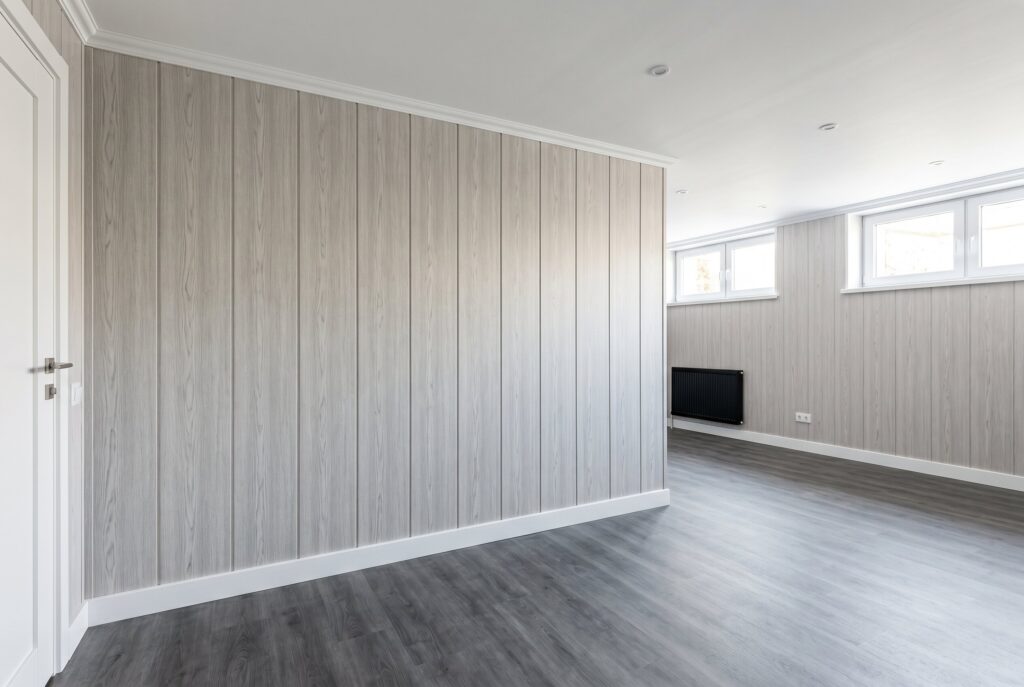
PVC wall panels are one of the most practical choices for moisture prone basements. They resist water, clean easily, and can coordinate with waterproof basement flooring for a complete low maintenance room. Even waterproof panels still need a dry wall behind them, so fix any leaks first.
15. Cement Board
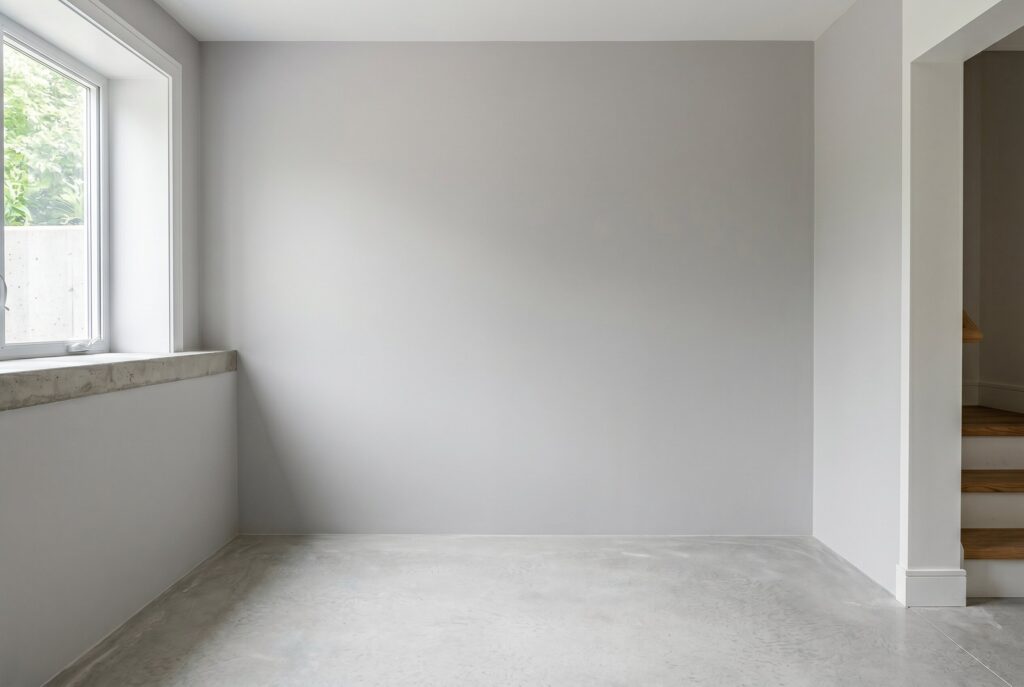
Cement board is a smart substrate in areas that may face moisture, such as laundry rooms, bathrooms, or utility spaces. It is not decorative by itself, but it provides a strong base for tile, stone veneer, or other finishes. Its seams are taped with mesh tape and thinset rather than joint compound, so there is still no drywall mudding involved.
16. FRP Panels
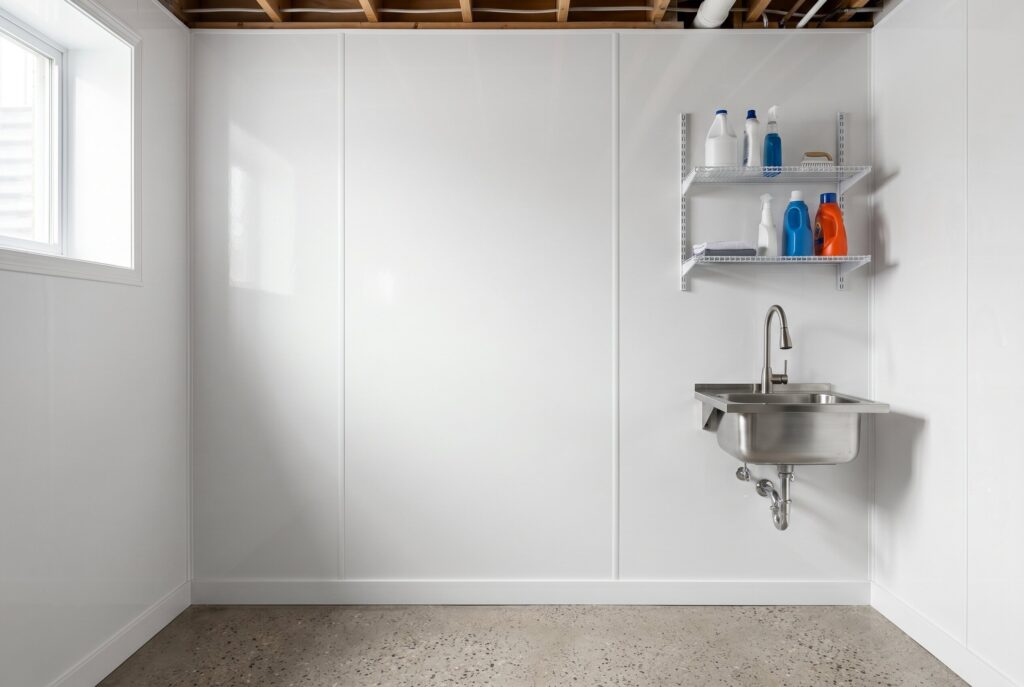
FRP panels are glossy, durable, and easy to wipe down. They are especially useful in basement laundry rooms, pet wash areas, and storage spaces where function matters more than softness.
17. WPC Wall Louvers
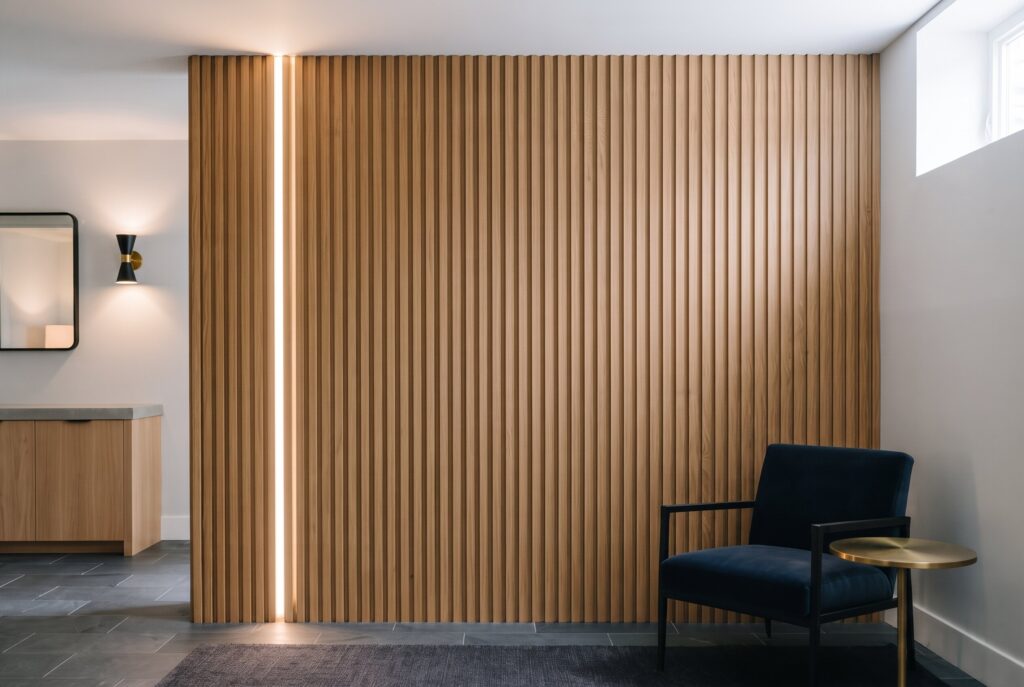
WPC louvers combine the warm look of wood with stronger moisture resistance. They are useful when you want vertical texture, a modern look, and a wall surface that feels more resilient than natural timber.
Soft, Acoustic, and Temporary Basement Wall Coverings
Fabric and foam soften a basement beautifully, but they also burn more easily than wood or metal, and basements often hold furnaces and water heaters. Choose fire-rated products where possible and keep soft materials well away from any heat source.
18. Heavy Drapes or Curtains
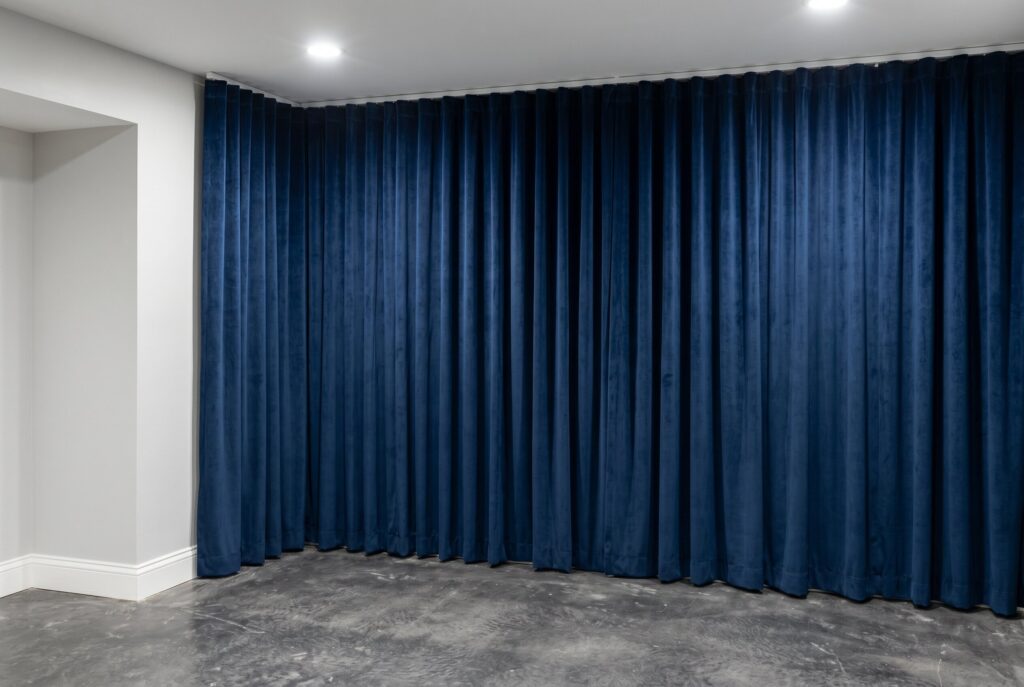
Floor to ceiling curtains can hide unattractive concrete walls quickly. Linen feels relaxed, while velvet adds richness. This is one of the easiest renter friendly options because it requires minimal permanent change. Hang the rod a few inches out from the wall so air can circulate behind the fabric.
19. Acoustic Panels
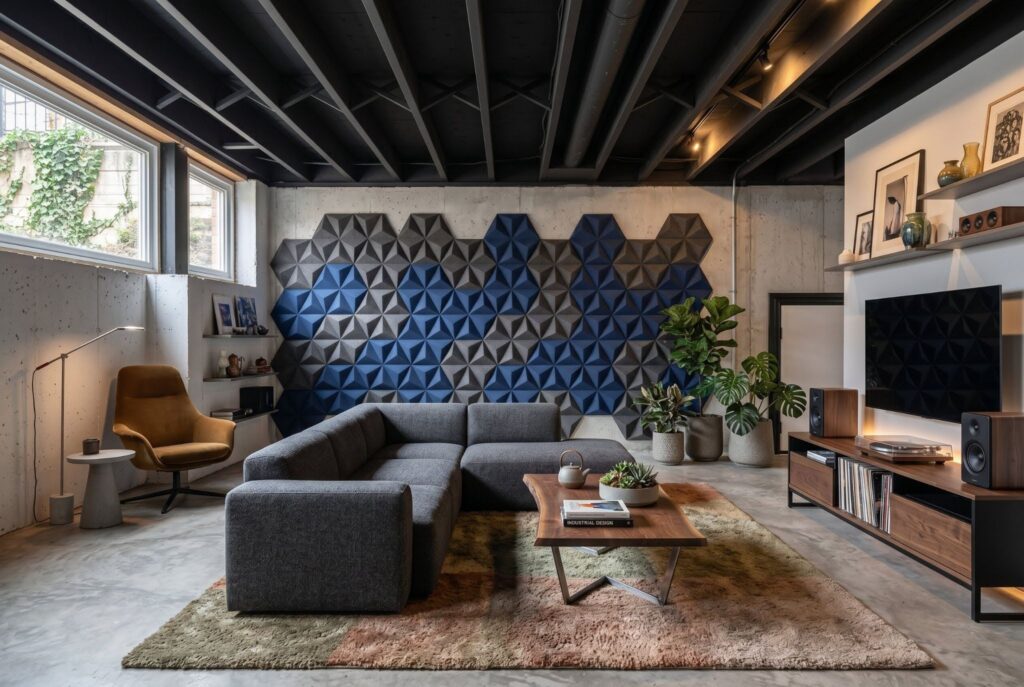
Acoustic panels are essential for basement man cave ideas that involve gaming, music, podcasts, or movies. They reduce echo and make the room feel more comfortable for long hours of entertainment. Many inexpensive foam panels are made of polyurethane, which is highly flammable, so look for panels with a Class A fire rating, or choose fabric-wrapped mineral wool or fiberglass panels instead.
20. Fabric Covered Wall Panels
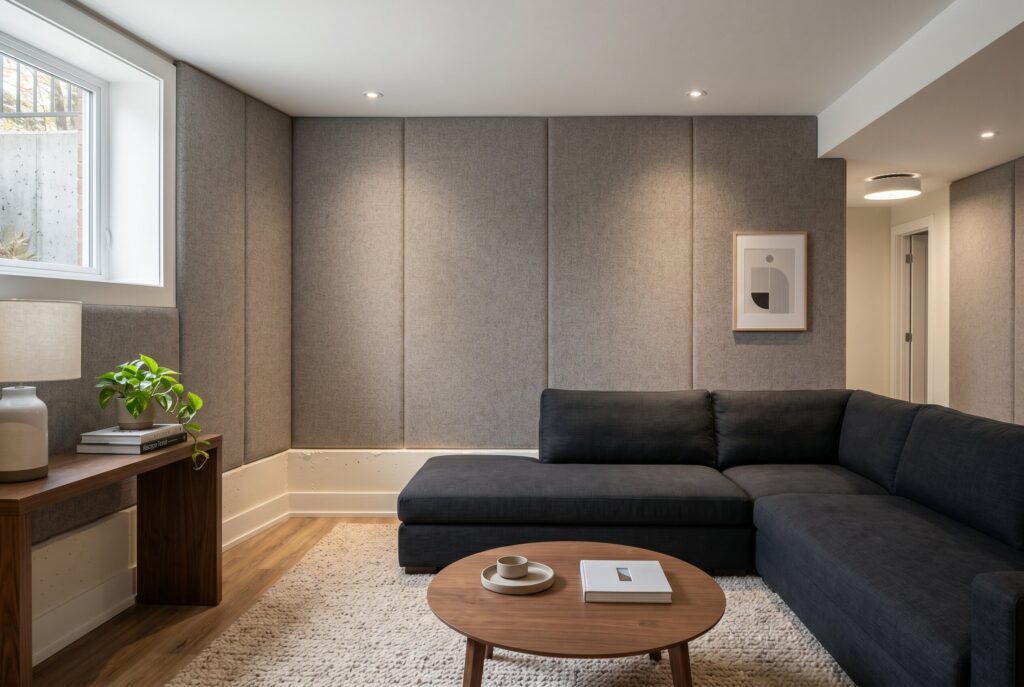
Fabric covered panels add softness and comfort to basement lounges. They work well behind a large U shaped sofa, especially when the goal is to create a cozy family room where people can relax barefoot on a warm rug. Use flame retardant fabric and install the panels only on walls that stay dry.
21. Peel and Stick Fabric Wallpaper
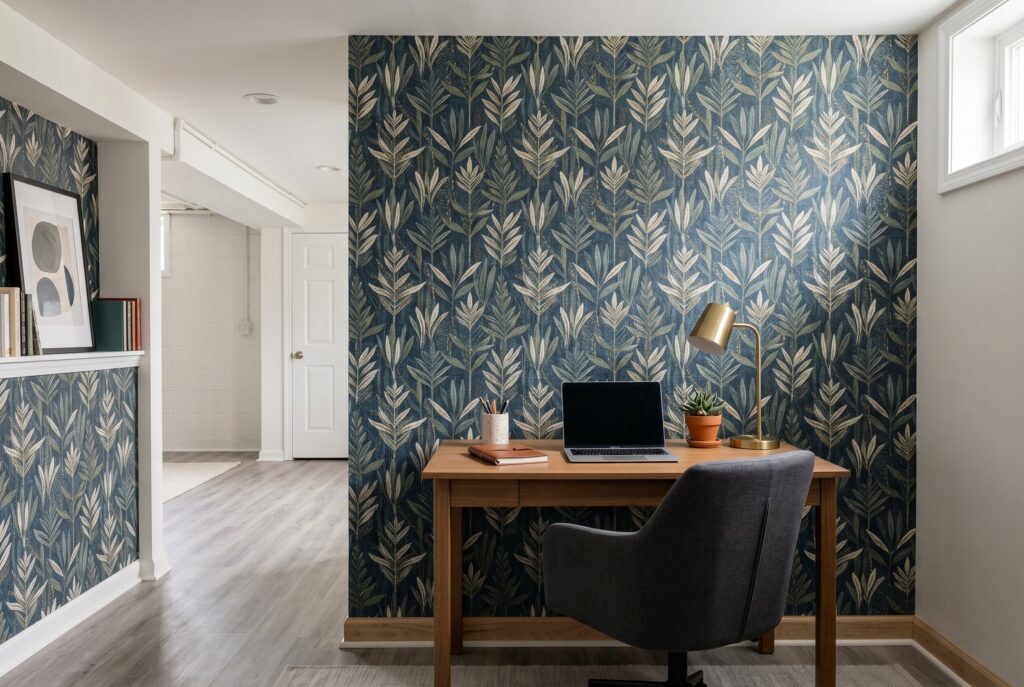
Peel and stick fabric wallpaper offers pattern without commitment. It will not stick well to bare concrete, so apply it over smooth panels or sealed plywood, and follow our tips on how to prep walls for peel and stick wallpaper. It is a simple way to add personality to small basement offices, playrooms, or guest areas.
22. Upholstered Faux Leather Panels
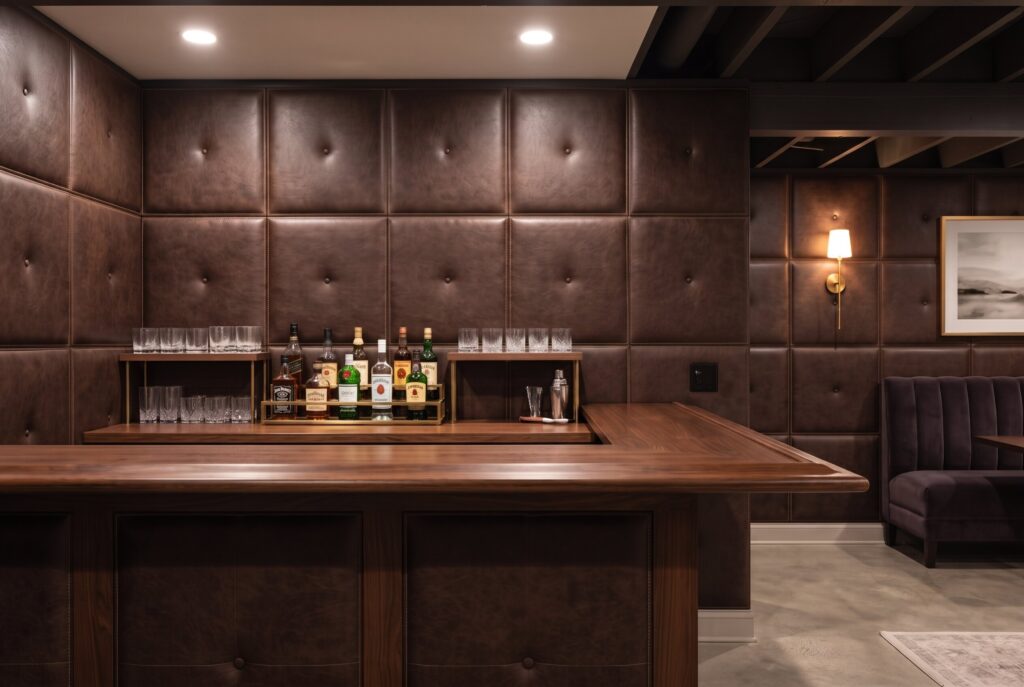
Faux leather panels bring a luxurious feel to basement bar ideas and lounge walls. Use them behind a bar counter, banquette, or media zone to create a polished, intimate atmosphere, and keep them away from any heat source.
23. Faux Greenery Wall
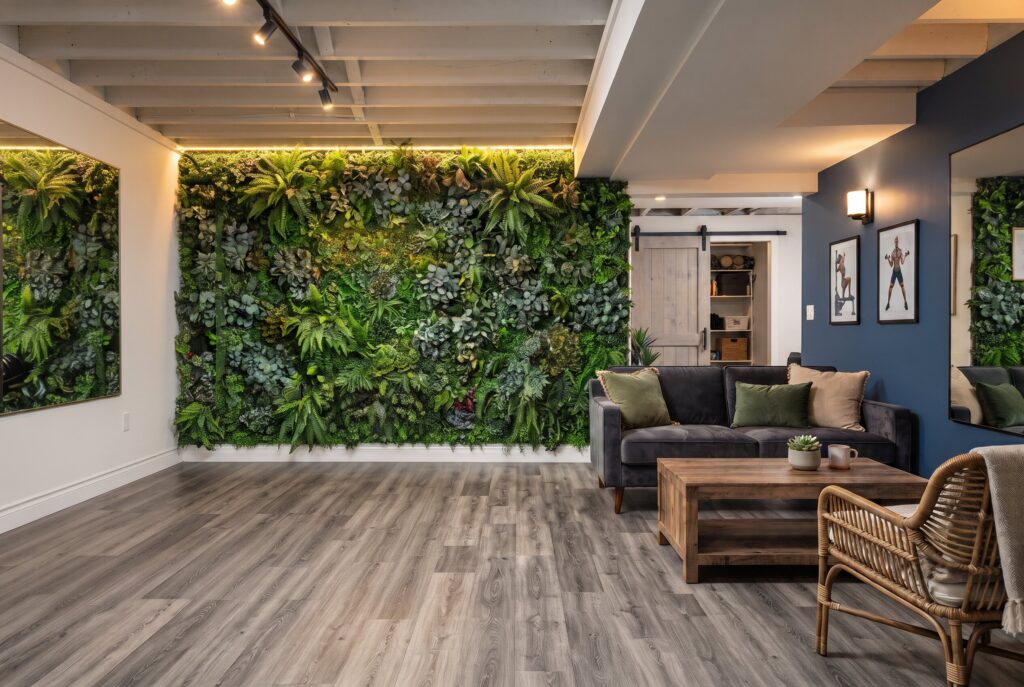
A faux greenery wall brings color into a windowless basement. It works especially well behind a workout zone, bar shelf, or small seating nook where natural light is limited.
Basement Wall Coverings Compared
| Material | Moisture Tolerance | Best Installed Over | DIY Difficulty |
|---|---|---|---|
| Plywood or shiplap | Fair | Furring strips on foam | Moderate |
| OSB | Poor | Furring strips, dry walls only | Easy |
| Wood slat panels | Fair | Furring strips or studs | Moderate |
| Pegboard or slatwall | Fair (PVC slatwall: good) | Furring strips or studs | Easy |
| Cork | Poor | Smooth, dry panels | Easy |
| Painted concrete block | Good for minor dampness | Bare masonry | Easy |
| Faux brick or stone panels | Good | Furring or a solid backer | Moderate |
| PVC or FRP panels | Excellent | Furring or a solid backer | Moderate |
| Cement board | Excellent | Framing, as a tile base | Moderate to hard |
| Fabric, foam, or curtains | Poor | Dry walls, away from heat | Easy |
Basement Wall FAQs
Can I attach wall panels directly to concrete?
Some products, like PVC panels and masonry paint, can go on or near bare concrete, but most wood and fabric coverings should not. The safer approach is rigid foam against the concrete with furring strips on top, which keeps the finish away from moisture and adds insulation.
What is the cheapest way to cover basement walls?
Painting the concrete with masonry primer and paint is usually the least expensive option. Curtains and OSB are also low cost, though OSB only suits basements that stay dry.
Do basement walls need insulation?
In many U.S. climates, energy codes call for insulation on finished basement walls, and it also makes the room more comfortable. Rigid foam board is the most common choice against concrete, and codes in many areas require it to be covered by a thermal barrier. Check your local requirements before you start.
How do I know if my basement walls are too damp to cover?
Tape a sheet of plastic to the wall for one to three days. If moisture collects behind it, water is coming through the concrete and should be addressed before you add any finish. Musty smells, peeling paint, and white powdery deposits are other warning signs.
Conclusion
The best basement wall ideas aren’t only about beauty. They are about choosing materials that respect the reality of below grade spaces. Before covering any wall, check for moisture, stains, cracks, musty smells, and signs of water movement. Once the basement is dry and ready, you can skip the dust and frustration of drywall mudding by choosing wall coverings that suit your lifestyle. Warm wood creates calm, PVC protects against dampness, acoustic panels improve comfort, and faux textures add instant character. With the right plan, even an unfinished basement can become a clean, cozy, and highly useful extension of your home.