

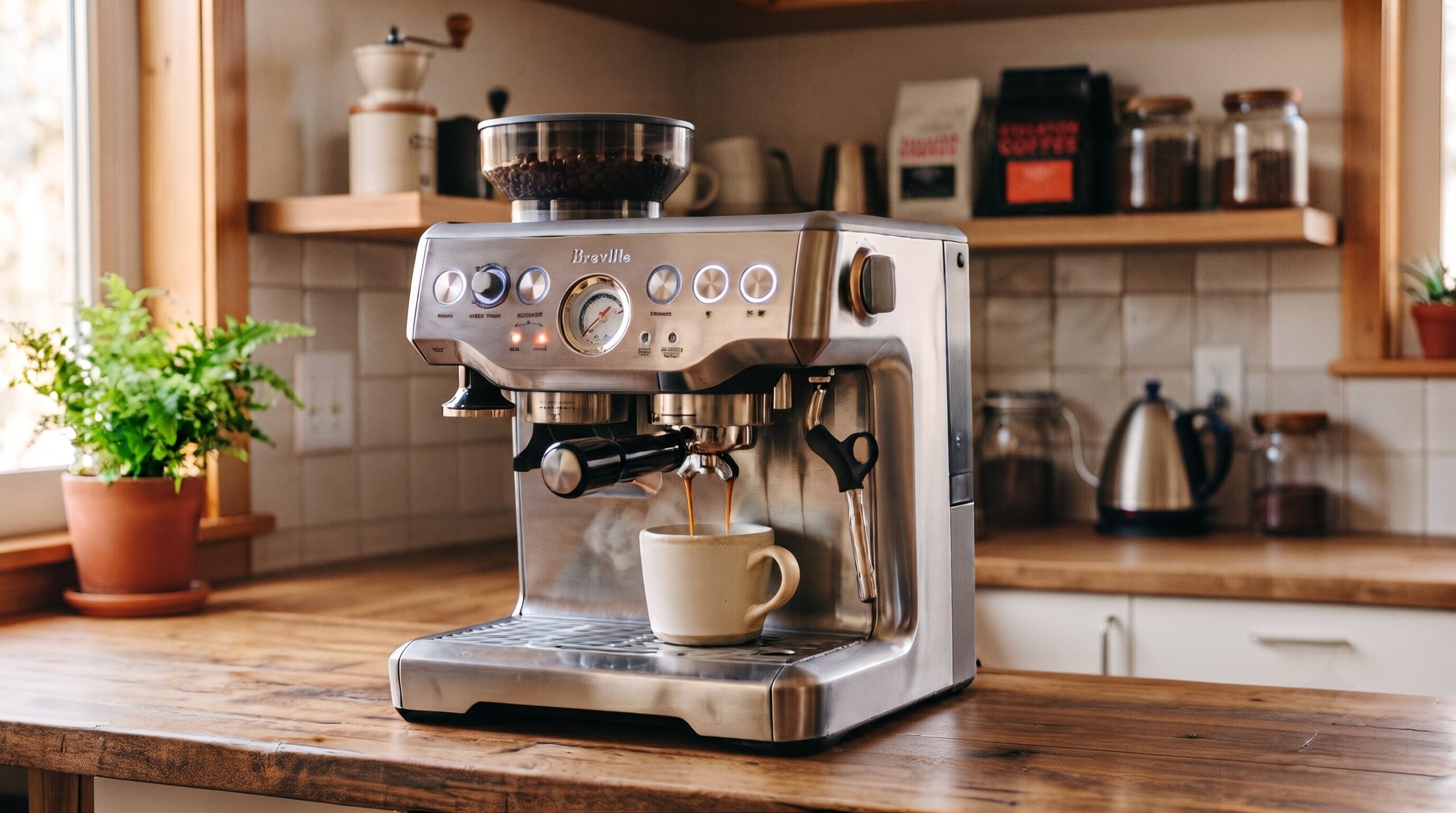
A coffee maker quietly affects your morning more than almost any appliance in the kitchen. When it works properly, you barely notice it. Coffee tastes rich, brewing feels fast, and the kitchen smells comforting. But once mineral buildup, stale coffee oils, and trapped moisture begin collecting inside the machine, everything changes. Brewing slows down, coffee tastes bitter or sour, strange smells appear, and the machine slowly loses performance. Many people assume their coffee beans are the problem when the real issue is hidden inside the coffee maker itself.
The good news is that learning how to descale a coffee maker with vinegar isn’t complicated. One of the most effective solutions is already sitting in most kitchens: white distilled vinegar. When used correctly, vinegar can dissolve mineral scale, remove buildup, improve flavor, and extend the life of your machine without expensive products.
To clean and descale a coffee maker with vinegar, fill the water reservoir with equal parts white vinegar and water, run a brew cycle halfway, pause for 30 to 60 minutes so the solution can loosen mineral deposits, then complete the cycle. Afterward, run 2 to 3 clean-water rinse cycles to remove vinegar residue and prevent sour coffee taste. Jump to the step-by-step instructions.
Why You Should Clean and Descale Your Coffee Maker Regularly

Mineral Buildup Slowly Chokes the Machine
Every time water moves through your coffee maker, tiny minerals remain behind. If you live in a hard-water area, calcium and magnesium deposits accumulate surprisingly fast inside heating elements, tubes, and internal valves.
At first, you may not notice anything. Then the brew cycle becomes slightly slower. The machine sounds louder. Water sputters unevenly. Eventually, your coffee maker struggles to push water efficiently at all. This is why regular descaling matters so much. Descaling removes mineral scale before it becomes severe enough to damage performance or shorten appliance lifespan.
Coffee Oils Turn Rancid Over Time
Coffee contains natural oils that coat the inside of the machine during brewing. Those oils cling to the carafe, filter basket, lid, and internal surfaces. Fresh coffee oils smell rich and pleasant. Old coffee oils smell burnt, stale, and bitter. If your coffee suddenly tastes harsh even after buying fresh beans, old residue may be contaminating every brew. Cleaning coffee maker parts regularly removes these oils before they begin affecting flavor.
Mold and Mildew Love Damp Reservoirs
Many people forget that coffee makers remain warm and damp long after brewing finishes. A closed reservoir lid traps moisture, which creates ideal conditions for mold and mildew. In NSF International’s 2011 household germ study, coffee reservoirs ranked among the germiest spots in the home, and yeast and mold turned up in about half of the reservoirs tested.
This problem becomes worse if old water sits inside the machine overnight or if coffee grounds remain in the basket for hours. Mold growth may start invisibly inside hidden areas before you ever notice smell or discoloration. That is why daily coffee maker maintenance habits matter as much as deep cleaning. Something as simple as leaving the reservoir lid open after brewing can help moisture evaporate properly. For more ways to keep moisture problems in check around the house, see our tips to prevent mold and mildew.
Dirty Machines Can Shorten Appliance Lifespan
Scale buildup forces the heating system to work harder. Internal clogs increase strain on pumps and water flow systems. Over time, neglected buildup can permanently damage the machine. Many people replace coffee makers long before necessary simply because they never maintained them properly. Regular descaling can help preserve both brewing speed and internal components for years longer.
Hard Water Makes Everything Worse
Hard water accelerates almost every coffee maker problem. Mineral scale forms faster, buildup becomes thicker, and internal cleaning becomes more difficult. If your faucets develop white chalky residue or your kettle collects scale quickly, your coffee maker is experiencing the same issue internally. In these homes, cleaning every month is often smarter than waiting several months between cycles. Other water-using appliances are affected too; our guide to getting rid of mildew smell in a washing machine uses a similar vinegar approach.
>>> 2000s Tuscan House Makeovers: 17 Fixes for a Dated Home
Cleaning vs Descaling: Why They Aren’t the Same Thing
Cleaning Removes Oils, Residue, and Visible Dirt
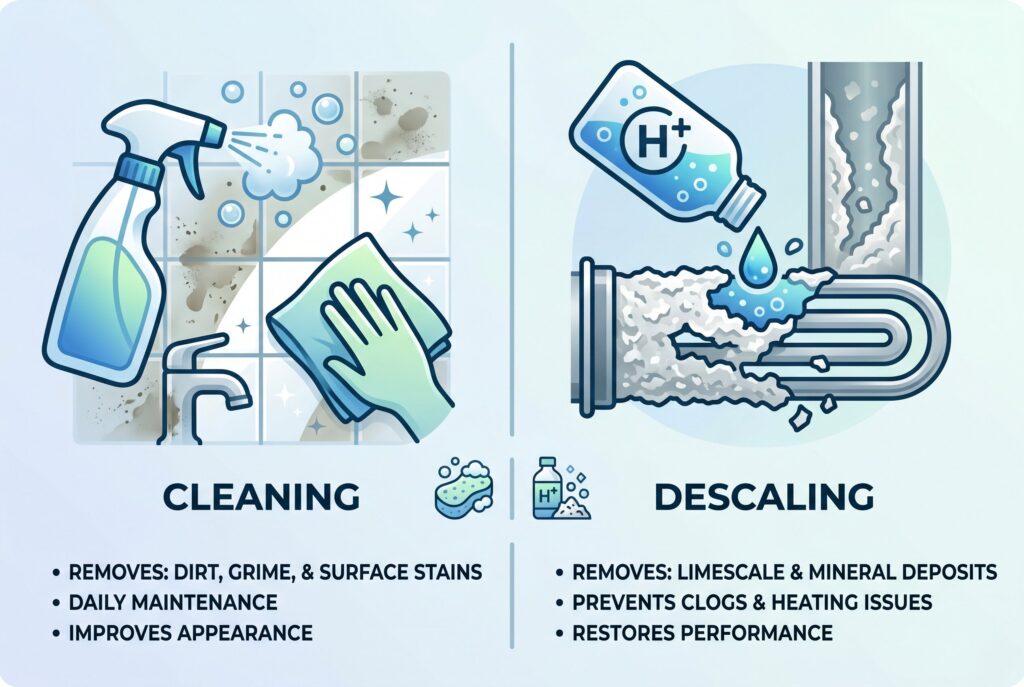
Cleaning focuses on surfaces that touch coffee directly. This includes the carafe, filter basket, lid, warming plate, reusable filter, and removable components. Dish soap and warm water are best for these areas because they break down oily residue effectively. Vinegar helps internally, but soap handles greasy buildup better on exposed parts.
Descaling Removes Mineral Deposits Inside the Machine
Descaling specifically targets internal mineral buildup caused by water. This buildup forms inside hidden tubes, heating elements, and water channels where soap can’t reach. A coffee machine descaler, vinegar solution, or citric acid solution dissolves these mineral deposits so water can flow normally again.
Why Both Processes Matter
A coffee maker can look spotless on the outside while remaining clogged internally. On the other hand, a freshly descaled machine may still smell stale if removable parts were never washed properly. The best coffee maker maintenance routine includes both: clean removable parts regularly and descale the internal system consistently.
What You Need to Clean a Coffee Maker with Vinegar
- White Distilled Vinegar: Plain white distilled vinegar with about 5% acidity, the standard kind sold for cooking, works best because it’s clear, inexpensive, food-safe, and acidic enough to dissolve mineral scale effectively. Avoid apple cider and other dark vinegars, which can leave a stronger smell and color behind.
- Fresh Filtered Water: Fresh water is necessary for both the cleaning solution and rinse cycles. Filtered water is especially useful in hard-water areas because it reduces future buildup.
- Dish Soap: Dish soap removes oily coffee residue from removable parts far better than vinegar alone. Use gentle soap rather than heavily perfumed products.
- Soft Cloth or Sponge: A soft sponge prevents scratches on glass carafes, stainless surfaces, and plastic components. Avoid abrasive scrubbers that can damage finishes.
- Baking Soda for Stubborn Carafe Stains: Baking soda works well for removing old coffee stains from glass carafes. Combined with warm water, it creates a gentle cleaning paste that helps lift discoloration without scratching. For heavy stains, add a handful of ice, a spoonful of salt, and a squeeze of lemon juice to the carafe and swirl; the ice and salt scrub while the lemon cuts through residue.
Why You Should Avoid Bleach
Bleach should never move through a coffee maker. It’s too harsh for food-contact appliances and can leave harmful residue behind. Vinegar and approved descaling solutions are far safer. Keeping your coffee maker clean starts with using safe cleaning ingredients and maintaining a regular schedule, and it helps to store your vinegar and descaler with the rest of your organized cleaning supplies so they’re easy to grab.
How to Clean and Descale a Coffee Maker with Vinegar Step by Step
Step 1: Empty the Coffee Maker Completely
Discard old grounds, remove the used filter, empty leftover coffee, and pour out stale water from the reservoir. Starting with a fully empty machine prevents old residue from circulating during the cleaning process.
Step 2: Wash Removable Parts Thoroughly
Wash the carafe, basket, lid, and reusable filters using warm soapy water. Pay attention to corners where oils collect invisibly. Rinse thoroughly and let the parts dry while the internal descaling cycle runs. Once the machine is unplugged and cool, wipe the warming plate with a damp cloth and a little dish soap to remove burnt-on coffee drips.
Step 3: Mix the Vinegar Solution Properly
For most machines, use a 1:1 vinegar-to-water ratio. For example, if your machine holds 10 cups, use 5 cups white vinegar and 5 cups of water. If your manual gives a different ratio, follow it instead.
Step 4: Begin the Brew Cycle
Pour the vinegar solution into the reservoir and start brewing normally. Allow roughly half the solution to brew into the carafe before stopping the cycle temporarily. This method works for most standard drip machines. If your coffee maker has a “Clean” button or cleaning mode, use it instead; it runs the solution through more slowly so it has more time to work on the scale.
Step 5: Pause the Machine for 30 to 60 Minutes
This pause is one of the most important steps. Letting the vinegar sit inside the internal system gives the acid time to loosen hard mineral deposits that simple flowing water can’t remove quickly. Machines with heavy buildup may benefit from the full 60-minute soak.
Step 6: Finish the Brew Cycle Completely
Restart the coffee maker and let the rest of the solution pass through. You may notice cloudy liquid, floating particles, or loosened mineral flakes inside the carafe. That is normal during successful descaling.
Step 7: Run Multiple Fresh-Water Cycles
Run at least 2 to 3 full fresh-water cycles until no vinegar smell remains. For sensitive taste buds, an additional rinse cycle may still help. Never skip this final rinse step, because leftover vinegar can affect flavor. If a faint vinegar smell lingers, run one cycle with a teaspoon or so of baking soda dissolved in a full reservoir of water, then finish with another plain-water rinse.
How to Descale a Keurig or Single-Serve Coffee Maker with Vinegar
Single-serve machines don’t have a carafe or a half-cycle pause, so the process is a little different. Keurig recommends its own descaling solution, and some manufacturers prefer their branded products, so check your manual first. If vinegar is allowed:
- Remove any pod, empty the drip tray, and take out the water filter if your model has one.
- Fill the reservoir with white vinegar, or an equal mix of vinegar and water.
- Place a large mug on the drip tray and run brew cycles at the largest cup size, without a pod, emptying the mug each time.
- When the reservoir is nearly empty, let the machine sit for about 30 minutes so the vinegar can work on the scale inside.
- Run the remaining solution through, then rinse the reservoir and run at least 10 to 12 cycles of fresh water until there’s no vinegar smell or taste.
How Often Should You Descale a Coffee Maker?
- Daily Coffee Drinkers: If you brew coffee every day, descale every 1 to 2 months. Frequent brewing moves more minerals through the machine, causing faster buildup.
- Hard Water Homes: Hard-water households often need monthly descaling. Mineral accumulation happens far more aggressively in these environments.
- Light or Occasional Use: If you only brew occasionally, every 2 to 3 months may be enough. However, removable parts should still be cleaned often because stale oils develop even without heavy use.
- Follow Manufacturer Recommendations: Some brands recommend cleaning after approximately 40 to 80 brew cycles. Modern programmable machines may even display cleaning reminders automatically. Always check your manual before using vinegar because some manufacturers prefer commercial descaling solutions instead.
Vinegar vs Citric Acid vs Commercial Descaler
- Vinegar Pros and Cons: Vinegar is cheap, accessible, and effective for many drip coffee makers. However, some people dislike the smell, and certain manufacturers discourage its use.
- Why Citric Acid Is Popular: Citric acid often leaves less odor behind and can work extremely well against hard-water scale. Many people prefer it for repeated maintenance cleaning. A common starting point is about 1 to 2 tablespoons of food-grade citric acid powder dissolved in a full reservoir of water; follow the package directions if they differ, and rinse the same way you would after vinegar.
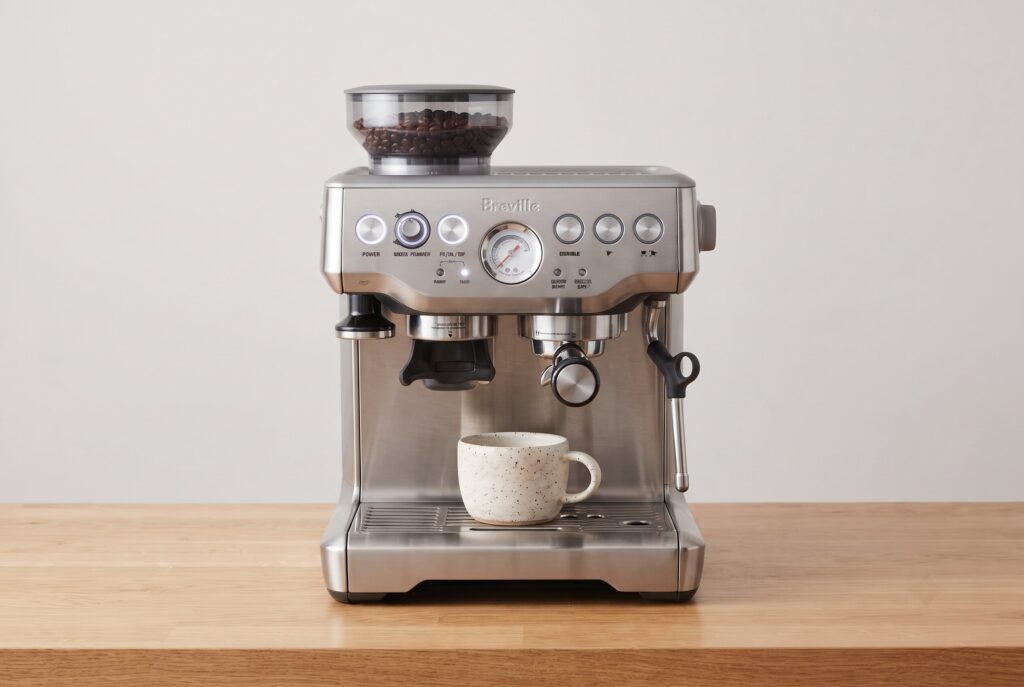
- Commercial Coffee Machine Descaler Options: Commercial descalers are designed specifically for appliances and may be safest for expensive espresso machines or specialty brewers. Many espresso machine makers recommend their own descaler rather than vinegar, so check the manual before using anything else.
- Which Method Works Best for Hard Water?: For heavy hard-water buildup, citric acid or commercial descaling products may outperform vinegar. Vinegar still works well for routine maintenance, especially on standard drip coffee makers.
How to Keep Your Coffee Maker Clean Longer
Use Filtered Water Whenever Possible
Using filtered water instead of tap water can significantly reduce mineral and limescale buildup inside your coffee maker over time. This not only helps the machine stay cleaner for longer, but also improves the taste and aroma of your coffee by preventing unwanted impurities from affecting the flavor.
Empty Grounds Immediately After Brewing
After brewing, wet coffee grounds can quickly become a breeding ground for moisture, bacteria, and unpleasant odors. Removing the used grounds right away keeps the filter basket fresh, prevents mold growth, and makes daily cleaning much easier.
Leave the Lid Open Briefly
Once you finish brewing, leave the coffee maker lid or reservoir slightly open for a short time. Proper airflow allows any trapped moisture to evaporate naturally, helping prevent mildew, mold, and stale smells from developing inside the machine.
Rinse the Carafe Every Day
Coffee oils and residue can build up surprisingly fast inside the carafe if it isn’t cleaned regularly. A quick daily rinse with warm water helps prevent stubborn stains, lingering bitterness, and unpleasant odors from forming over time.
Never Leave Old Coffee Overnight
Old coffee oxidizes rapidly and leaves behind strong smells and sticky residue that can affect the flavor of future brews. Emptying and rinsing the carafe immediately after use helps maintain freshness and keeps your coffee maker cleaner overall.
Frequently Asked Questions
Can you use apple cider vinegar to clean a coffee maker?
It can dissolve scale, but white distilled vinegar is the better choice. It’s clear, inexpensive, and less likely to leave a lingering smell or color behind.
How many times should you run vinegar through a coffee maker?
One full vinegar cycle with a 30- to 60-minute pause is usually enough. If the machine had heavy buildup and still brews slowly, repeat the vinegar cycle once more, then finish with 2 to 3 plain-water rinses.
Can vinegar damage a coffee maker?
Occasional descaling with diluted vinegar is generally fine for standard drip machines. Some manufacturers, especially of espresso machines and some single-serve brewers, recommend their own descaler instead, so always check your manual.
How do you get the vinegar taste out of a coffee maker?
Run additional fresh-water cycles until the smell is gone. If it lingers, run one cycle with a little baking soda dissolved in water, then rinse again with plain water.
Why is my coffee maker still slow after descaling?
Heavy scale may need a second vinegar cycle or a stronger commercial descaler. Also check the spray head and filter basket for clogs. If the machine is still slow after repeated descaling, the pump or heating element may be wearing out.
Do you still need to descale if you use filtered water?
Yes, but less often. Filtered water reduces mineral buildup, but it rarely removes all minerals, so an occasional descaling cycle is still worth doing.
Final Thoughts
Learning how to clean and descale a coffee maker with vinegar properly is one of the easiest ways to improve coffee quality instantly. Better beans help, but clean equipment matters just as much. Regular descaling removes mineral buildup before it slows brewing. Cleaning removable parts removes bitter oils before they affect flavor. Small daily habits prevent mold, mildew, and stale smells from developing inside the machine.
Vinegar remains one of the most practical solutions for most drip coffee makers in 2026, especially when combined with proper rinsing and regular maintenance. The key is consistency. A clean coffee maker doesn’t just brew faster. It makes every cup taste fresher, smoother, and far more enjoyable.