

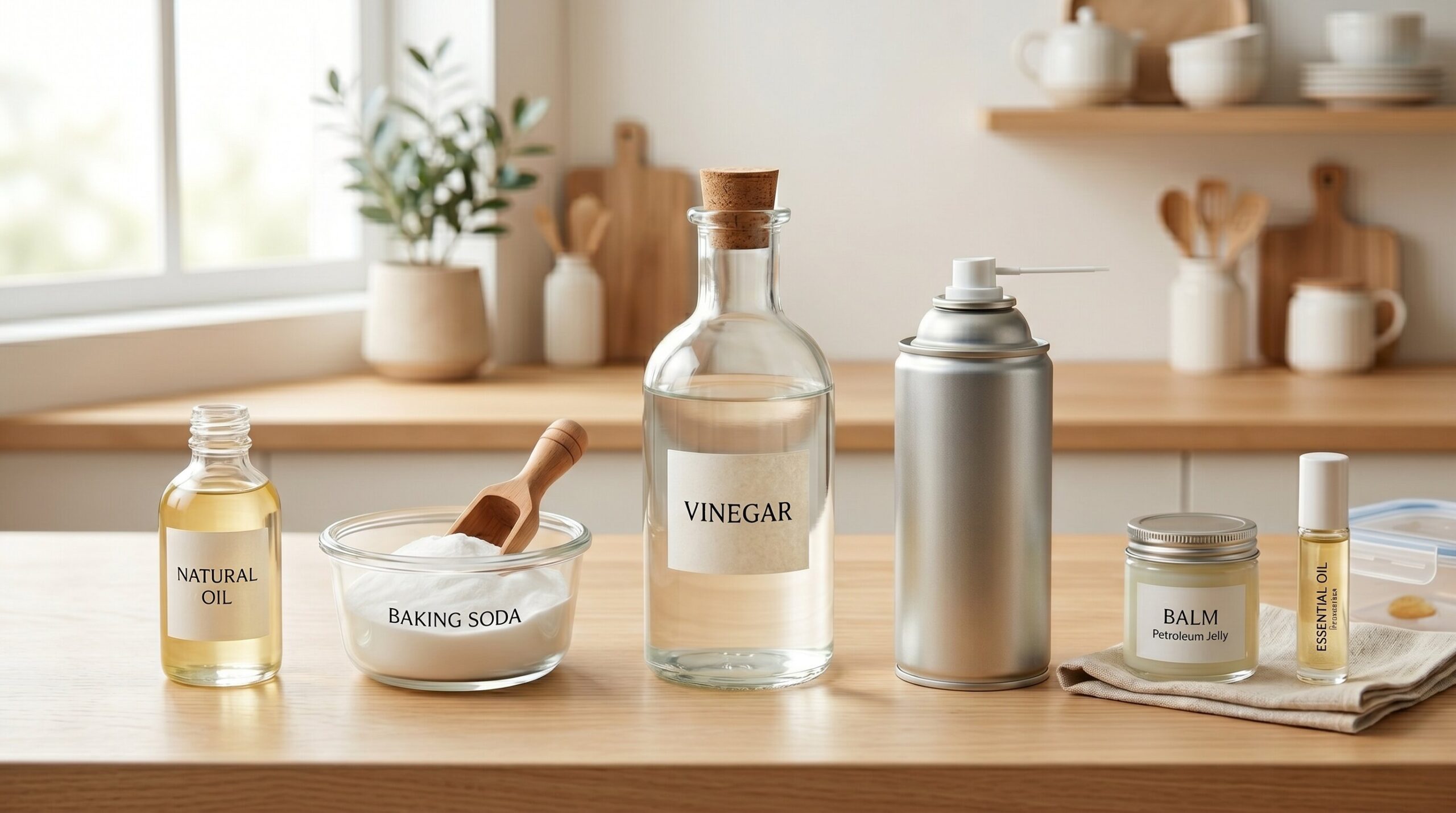
Finding a perfect storage bin or a sleek new reusable water bottle often ends with a minor frustration: a price tag that refuses to let go. The paper peels back slowly, but a jagged, greyish patch of gunk remains to collect lint and dust. While basic household solutions like vinegar or a hair dryer are common, those methods often fail against industrial-strength tape or labels baked on by the sun.
Removing sticker residue without leaving a cloudy or scratched surface requires a more technical, expert-led approach. This guide details five specialized methods to help anyone learn how to get sticky residue off plastic while maintaining the item’s original condition.
The Golden Rules of Professional Adhesive Removal
Before a solvent is chosen, specific rules must be followed to prevent accidental damage to the plastic surface. A spot test is mandatory, as even gentle cleaners can react poorly with certain materials, causing a dull or cloudy appearance. Metal tools must be avoided at all costs.
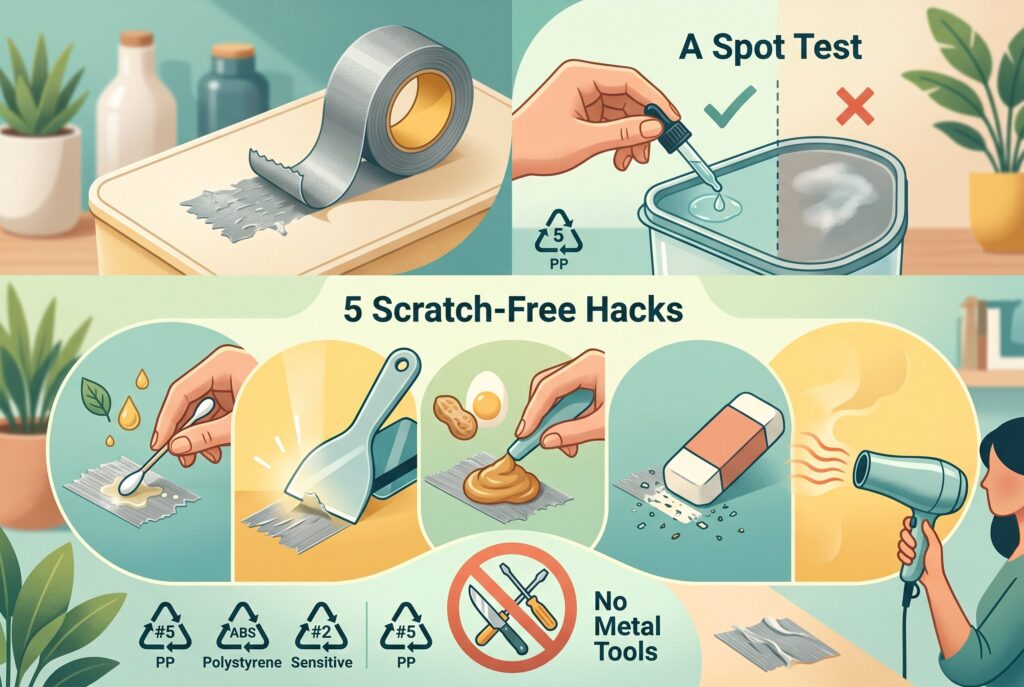
While a butter knife or screwdriver might seem effective, metal is harder than plastic and will likely leave permanent gouges. Checking the recycling symbol on the bottom of an item provides a helpful safety guide. Plastic labeled as #5 (Polypropylene) is generally more durable, whereas others like ABS or Polystyrene are highly sensitive to chemical exposure.
5 Pro Hacks to Get Rid of Sticker Residue
When soapy water is insufficient, these five techniques utilize scientific principles rather than brute force to break down molecular bonds and show how to remove adhesive safely.
1. The “Flash Freeze” Method (Thermal Cold)

Instead of applying heat, which can warp thin materials, the opposite extreme can be used. Placing the item in a freezer for thirty minutes or applying an ice pack directly to the area makes the adhesive brittle. Once frozen, the glue often snaps off in pieces without smearing across the surface.
2. The Pencil Eraser Trick (Mechanical Friction)
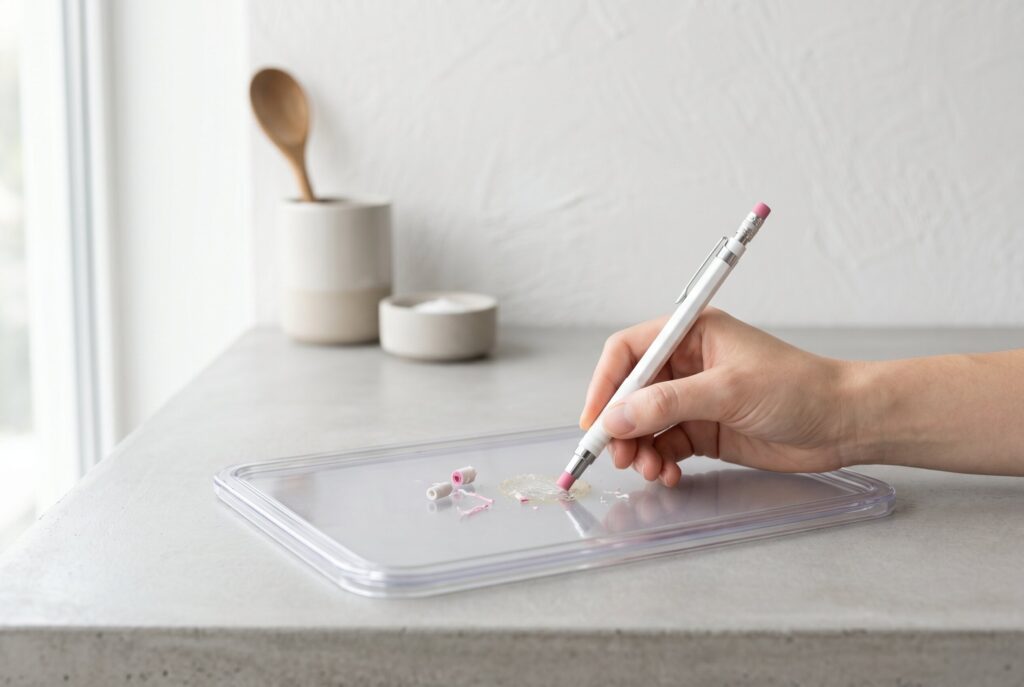
This method is highly effective for the thin, tacky layer left behind once the paper label is removed. Using a clean, high-quality pencil eraser and rubbing it over the spot creates mechanical friction. This causes the glue to roll into tiny beads that are easily brushed away, ensuring a safe removal for sensitive surfaces.
3. The Baking Soda Paste (Gentle Abrasive)
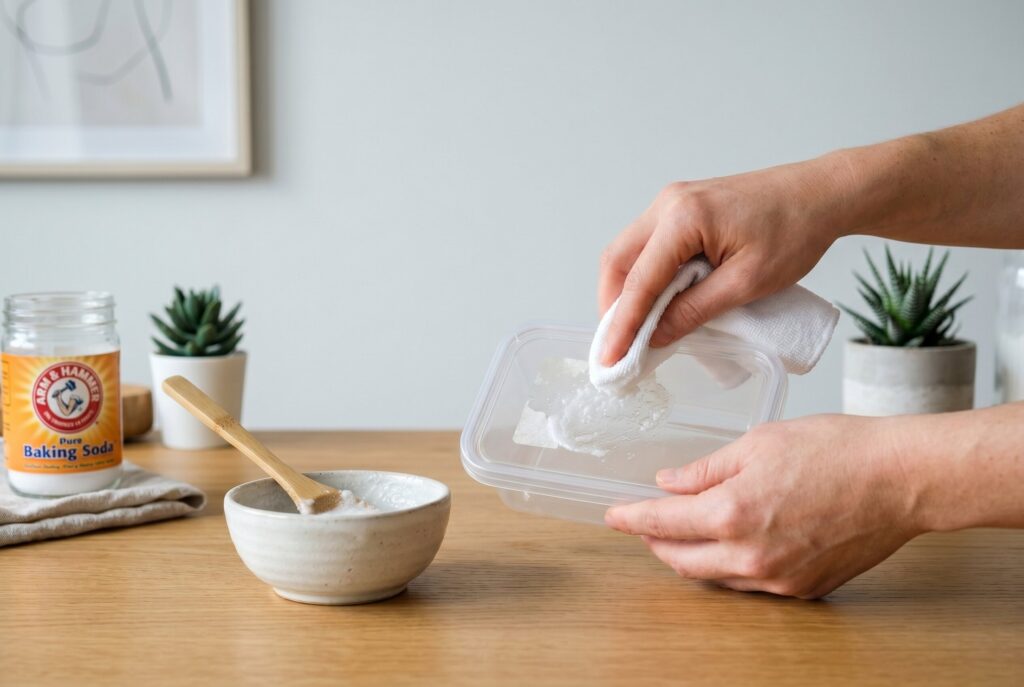
Stubborn spots can be treated with a thick paste made of baking soda and a small amount of water. Baking soda acts as a fine, gentle abrasive that scrubs the glue away without damaging the plastic underneath. The paste should be applied and allowed to sit for five minutes before being wiped away with a cloth.
4. Lubricants and Specialty Polish (Turtle Wax)
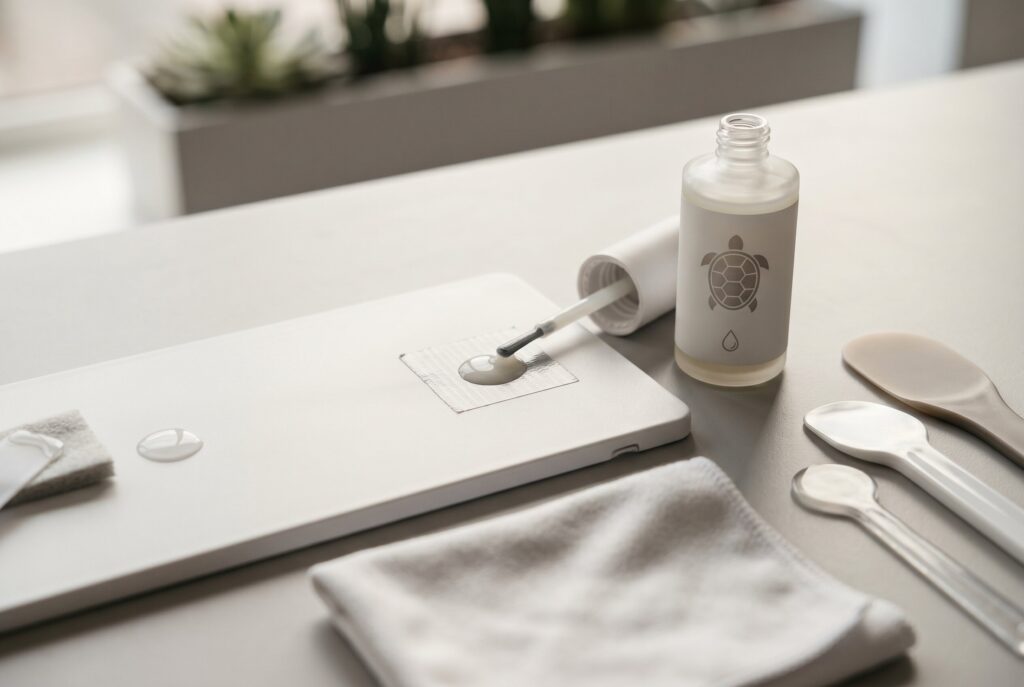
For surfaces where clarity is a priority, automotive products like Turtle Wax or specialty lubricants provide an ideal solution. These products are designed for delicate car paints and plastics. They penetrate the adhesive layers to loosen the chemical bond, allowing the residue to slide off the surface easily.
5. The “Plastic Razor” Technique

Professionals often rely on plastic razor blades or scrapers to remove adhesive from plastic. If a dedicated tool is unavailable, an old credit card or plastic gift card serves the same purpose. These tools provide enough rigidity to get under the edge of a label but are soft enough to protect the plastic from scratches.
Advanced Solutions: When DIY Is Not Enough
In cases involving industrial adhesives, such as how to remove duct tape residue that has hardened over time, standard pantry staples may not suffice. Turning to commercial products like 3M adhesive remover or Goo Gone is often necessary. These formulas contain specific compounds designed to target acrylic or epoxy-based glues. As always, a hidden spot test should be performed before full application.
Common Mistakes: How to Avoid Ruining Plastic
The most frequent error when trying to remove sticker residue is reaching for the wrong chemical in a moment of frustration. A severe warning is issued regarding acetone, commonly found in nail polish remover.
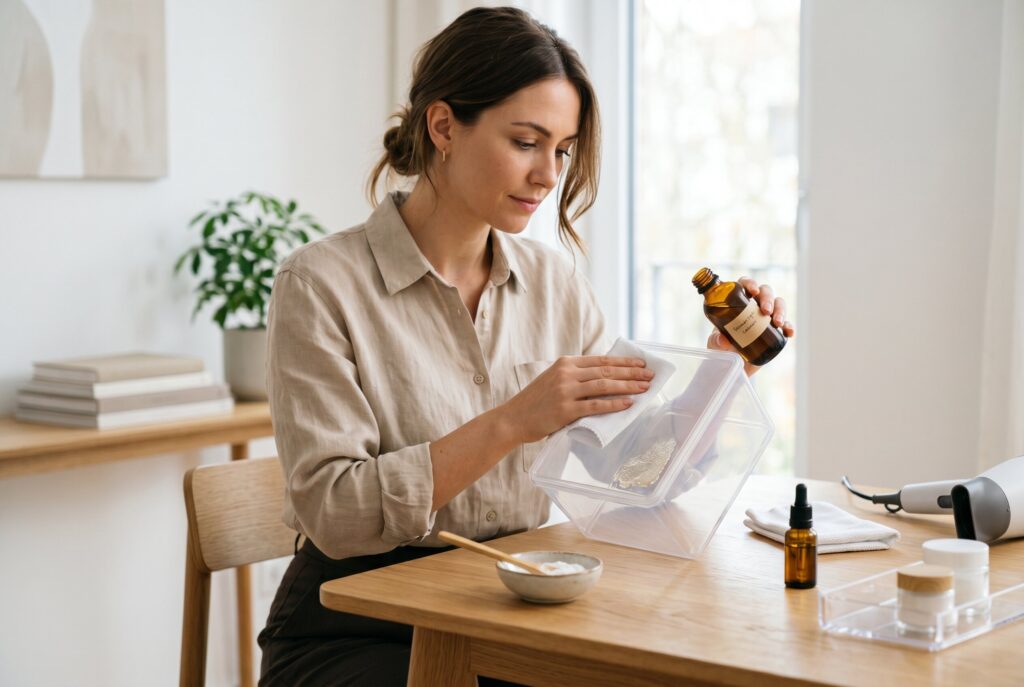
Acetone can permanently melt or cloud plastics like ABS, Polystyrene, and clear acrylics. Heat hazards are also a concern, as hair dryers held too close or for too long can cause plastic to deform or warp. Furthermore, only safe methods like baking soda or oil should be used on food-grade containers to ensure health safety.
Beyond Plastic: Mastering Other Surfaces
Mastering these techniques allows for the treatment of various other surfaces in a household setting. When considering how to remove stickers from car surfaces, the Turtle Wax method is recommended to protect the paint’s clear coat.
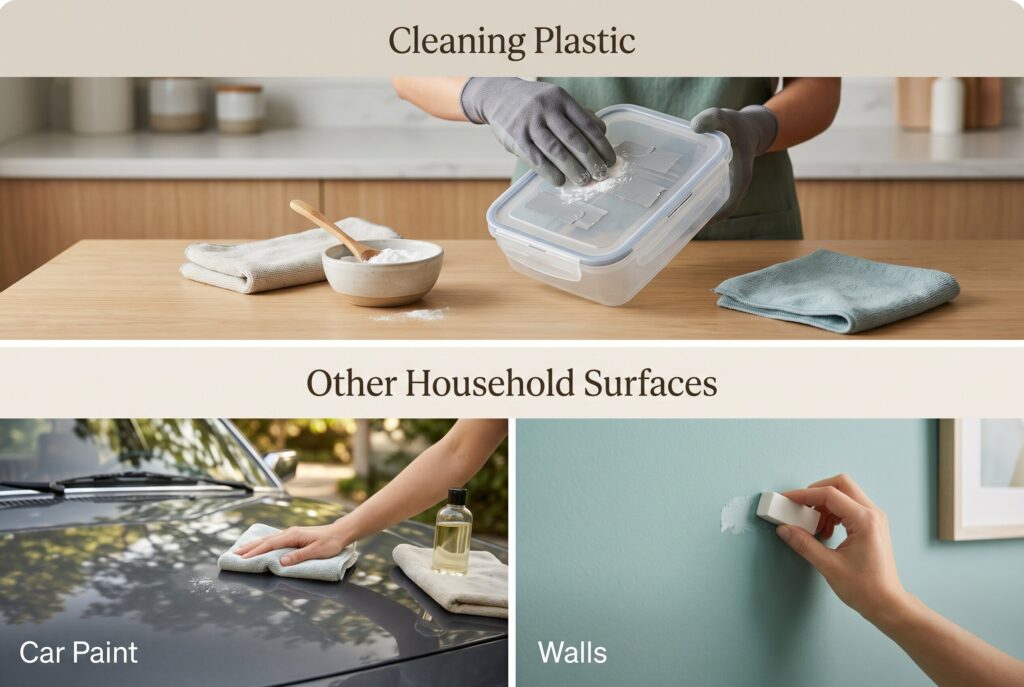
For those wondering how to remove adhesive from wall surfaces, solvents should be avoided as they may strip the paint. Instead, a pencil eraser or a dry baking soda paste is generally the safest option.
Why It Matters: The Upcycling Trend
In 2026, the movement toward upcycling and zero-waste living continues to gain momentum. Many people now prefer to clean and reuse plastic bins or jars rather than purchasing new ones. Learning how to get rid of sticker residue is a fundamental step in this process, supporting a minimalist and sustainable lifestyle by keeping home organization tools functional and aesthetically pleasing.
Related Articles
- How to Remove Adhesive from Wall: 5 Paint-Safe Methods (2026)
- How to Remove Duct Tape Residue: 7 Heavy-Duty Methods (2026)
- How to Get Sticker Residue Off Clothes: 9 Safe Adhesive Removers
- How to Remove Stickers from Glass: 15 Easy DIY Glue Remover Methods for a Streak-Free Finish