

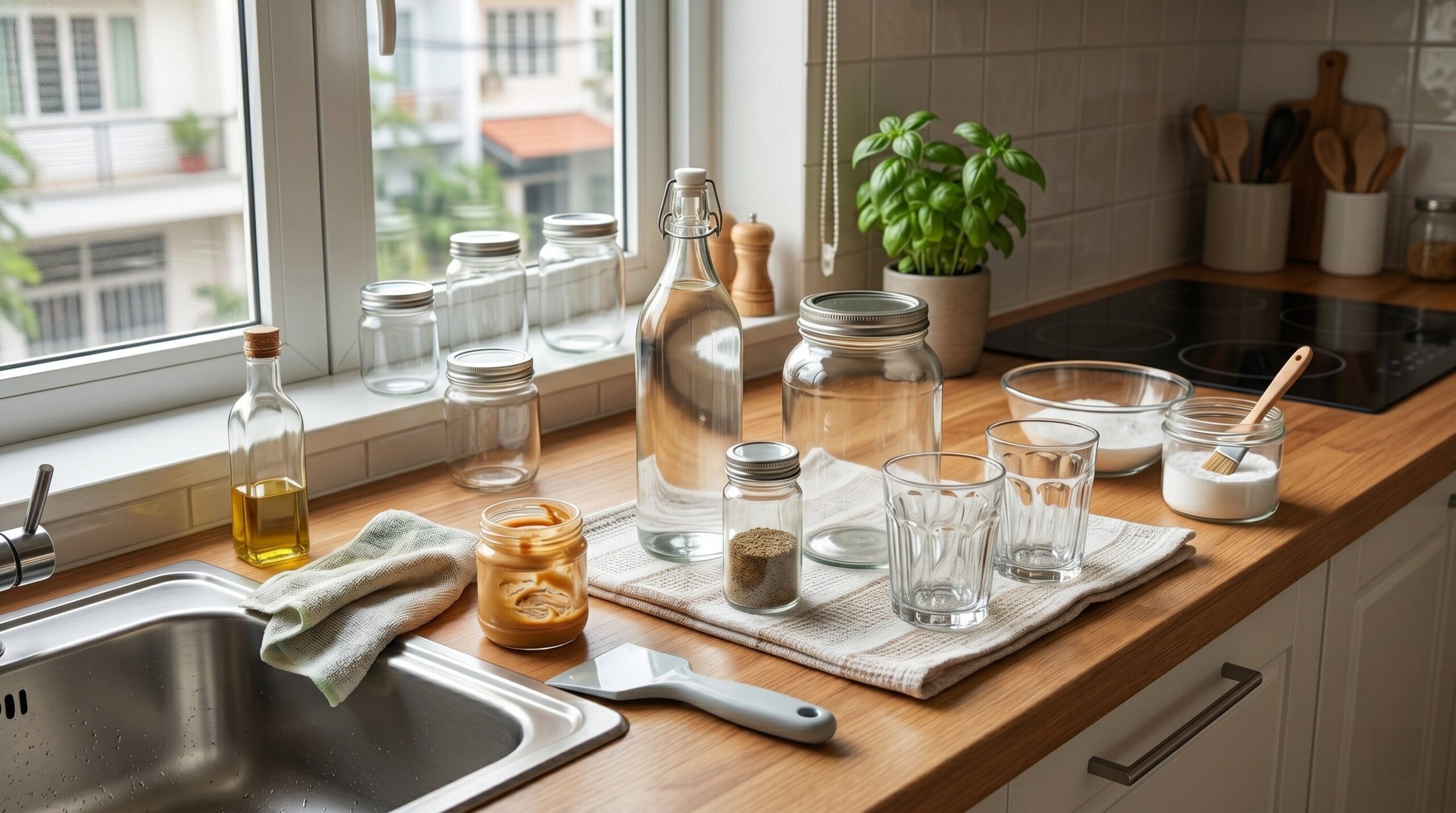
Discovering a perfect vintage glass jar or a sleek new set of storage bins often leads to the minor frustration of a stubborn price tag. That notorious sticky, greyish gunk left behind can seem to worsen with intensive scrubbing.

Whether the goal is to remove sticker residue from a delicate heirloom or a vehicle bumper, the challenge is universal. Providing practical, tested methods for how to remove adhesive ensures that household surfaces return to a pristine state.
Quick Overview: The Efficiency Matrix
| Method | Best for | Effectiveness | Effort level |
| OxiClean Soak | Bulk glass jars | 5 out of 5 | Low (Zero effort) |
| Coconut Oil | Food-safe containers | 5 out of 5 | Medium (Time-intensive) |
| Goo Gone | General household use | 4 out of 5 | Medium (Some scrubbing) |
| Hair Dryer | Plastic and Non-porous | 3 out of 5 | Low (Thermal application) |
The Science of Sticky: Why Some Hacks Fail
Before a professional glue remover is even considered, understanding the chemical principle of “like dissolves like” is essential. Most modern adhesives are composed of non-polar substances, which explains why water or simple acids like vinegar often fail to dissolve the bond entirely.
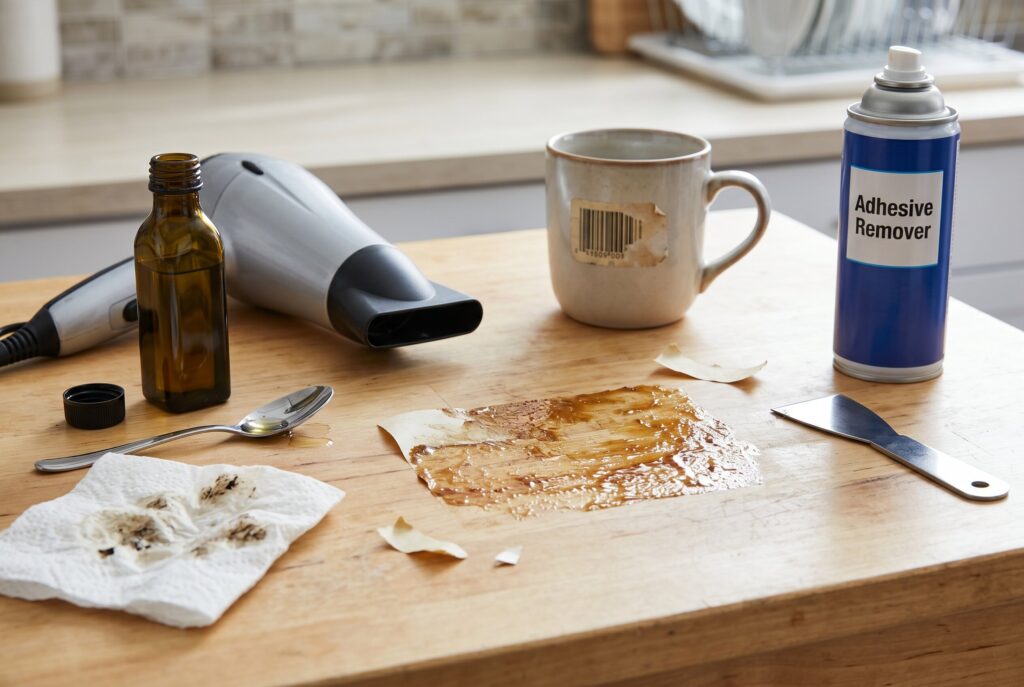
To effectively understand how to get rid of sticker residue, one must typically utilize a non-polar solvent, such as oil, to break molecular bonds or apply heat to physically loosen the polymer structure.
9 Best Adhesive Remover Hacks Tested for 2026
1. The Hands-Off Winner: OxiClean and Hot Water
For large-scale projects involving numerous glass jars, OxiClean serves as the most efficient primary solution. This method utilizes oxygen-based cleaners to break the bond between the label and the surface without the need for manual agitation. Items are simply submerged in hot water mixed with OxiClean and left to sit until the labels float away. It’s rated the definitive zero effort choice for a busy schedule.
2. The Kitchen Champion: White Vinegar

White vinegar is a highly accessible and eco-friendly choice, particularly for food-contact surfaces such as ceramic plates and glass spice jars. The acetic acid within the vinegar works to disrupt the chemical structure of specific light adhesives. While it may require a brief soak, it remains a favorite when low cost and chemical safety are the primary objectives.
3. The Overnight Secret: Coconut Oil
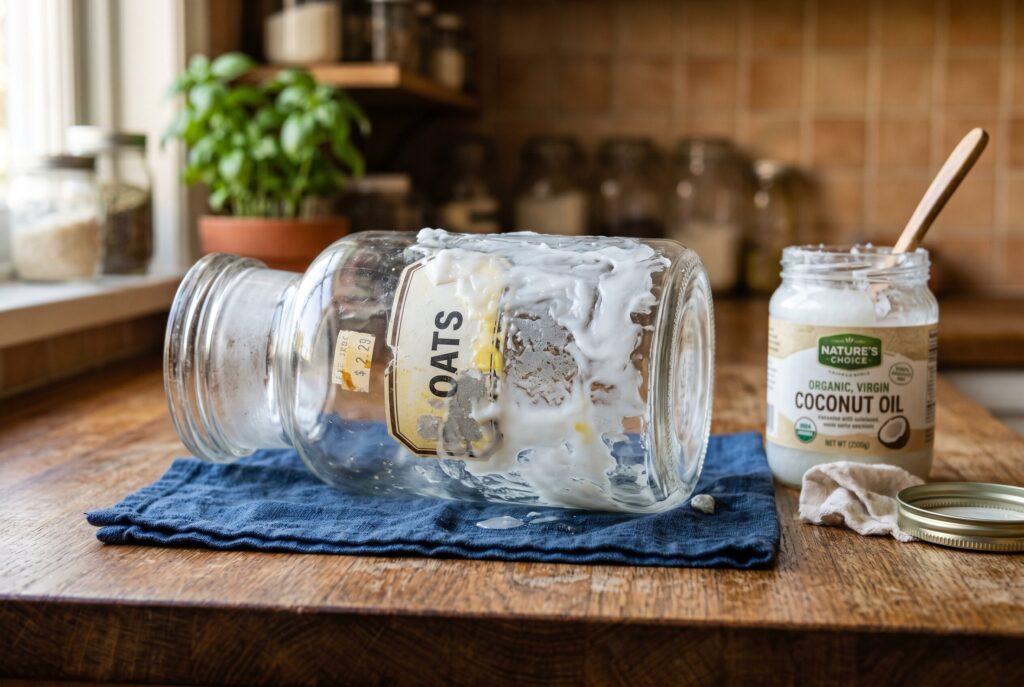
As a reliable fallback for the most stubborn or aged residue, coconut oil provides a safe and effective solution. The natural fats in the oil slowly permeate and soften the adhesive bond, allowing it to be wiped away easily. Even if other attempts fail, applying coconut oil and allowing it to sit overnight can often salvage a frustrated cleaning attempt and help how to get rid of sticker residue without damaging the surface.
4. Industrial Strength: 3M Adhesive Remover
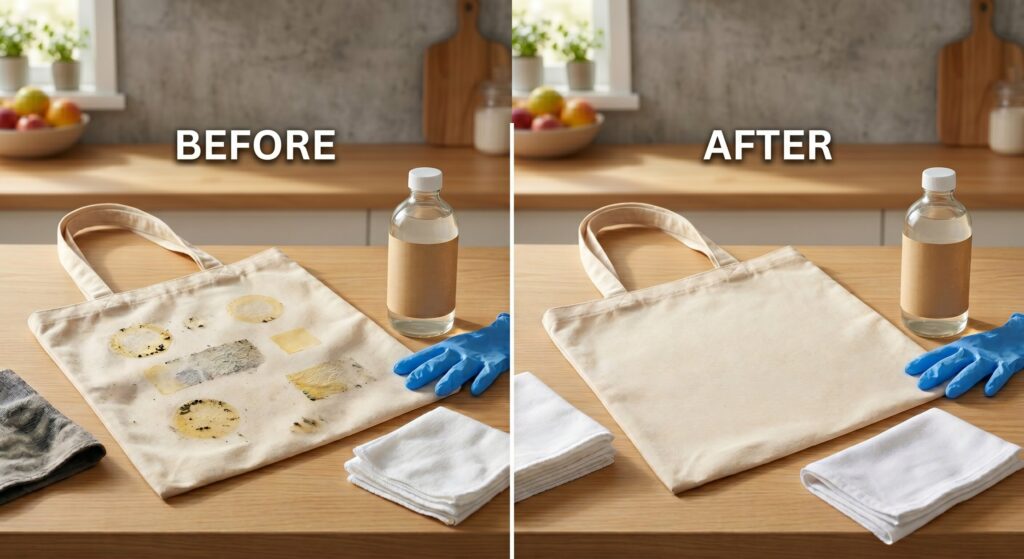
When dealing with professional-grade decals, vehicle wraps, or 3M Command strips, a stronger chemical approach is often necessary. This specialized 3M adhesive remover is designed to penetrate heavy-duty adhesives that standard household items can’t touch. Due to its strength, use in a well-ventilated area is recommended to ensure safety during the process.
5. The Household Standard: Goo Gone

Perhaps the most recognizable sticker remover on the market, Goo Gone is a staple for rapid household cleaning. It’s particularly effective for addressing price tags or tape marks on hard, non-porous surfaces. Although some manual scrubbing may still be required compared to the oil method, Goo Gone adhesive remover remains a commercial leader for immediate results.
6. Thermal Dissolution: Hair Dryer or Heat Gun
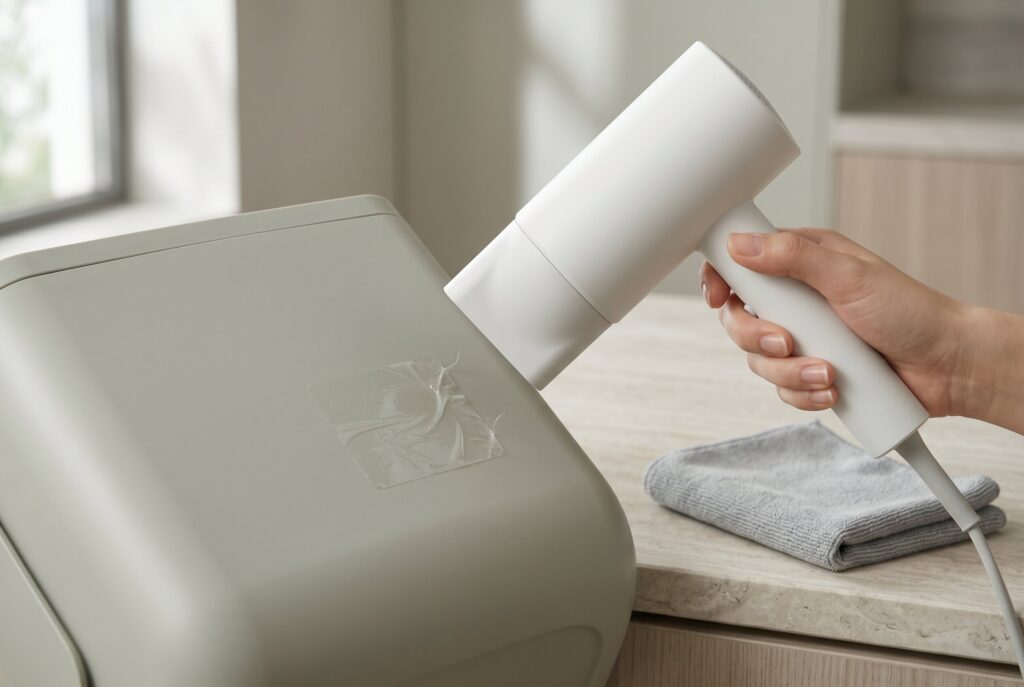
Applying heat is an ideal strategy for surfaces that can’t be submerged or soaked, such as electronics and certain plastics. High temperatures effectively soften the polymers within the glue, making it much easier to peel the sticker away in one piece. However, caution must be exercised on thin plastics to prevent warping or permanent surface damage.
7. The Solvent Classic: Isopropyl Alcohol

Rubbing alcohol is a standard tool for those looking for how to get sticker residue off glass or metal surfaces. A cloth or cotton ball soaked in alcohol can quickly dissolve light residue or lingering ghosting marks left by old labels. It’s important to note that alcohol may damage specific painted finishes or cause certain plastics to become cloudy.
8. The Lubricant Hack: WD-40

Beyond its traditional mechanical uses, WD-40 acts as a powerful solvent for stubborn adhesives on ceramic and metal. The product is sprayed directly onto the residue, left for several minutes to penetrate, and then wiped away. Any surface that will come into contact with food must be washed thoroughly with soap and water after this application.
9. The Pantry Alternative: Peanut Butter or Mayonnaise
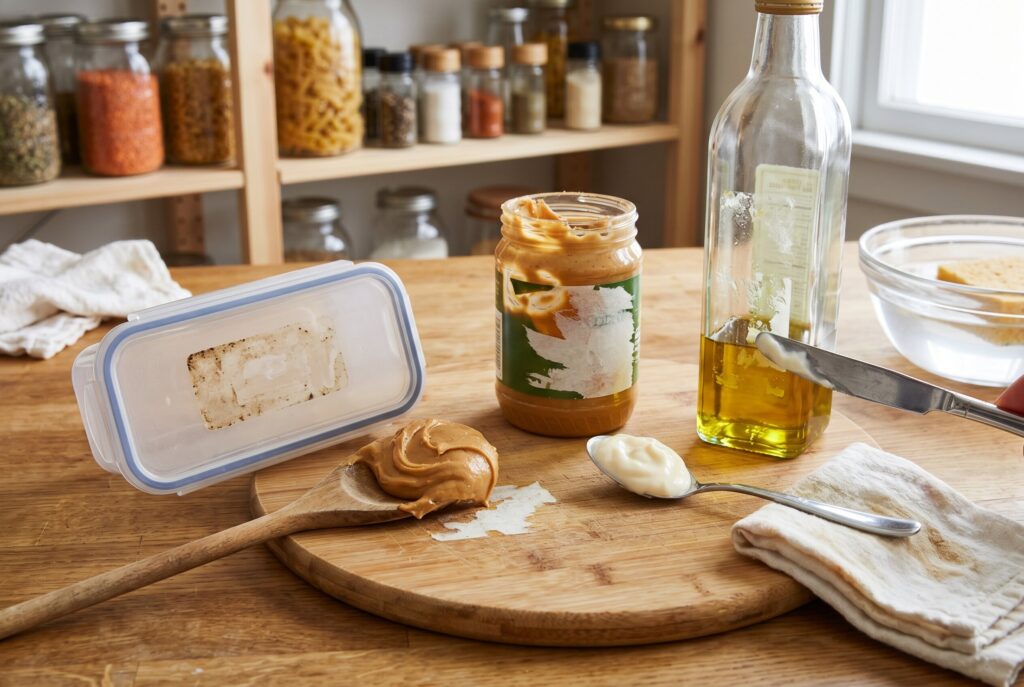
The high oil content in common pantry staples makes them surprisingly effective for surfaces sensitive to industrial chemicals. These ingredients work because their natural oils break down the structure of the adhesive without damaging the underlying material. This is an excellent alternative for those who prioritize non-toxic cleaning methods within the home.
Strategic Advice on How to Get Rid of Sticker Residue by Material
Selecting a cleaning method depends heavily on the material underneath the residue to avoid permanent damage. How to remove stickers from glass, heat or oils are generally the most effective as glass is non-porous and resilient. In contrast, when learning how to get sticky residue off plastic, one should avoid acetone and instead prefer mild oils or warm soapy water to prevent the plastic from melting.

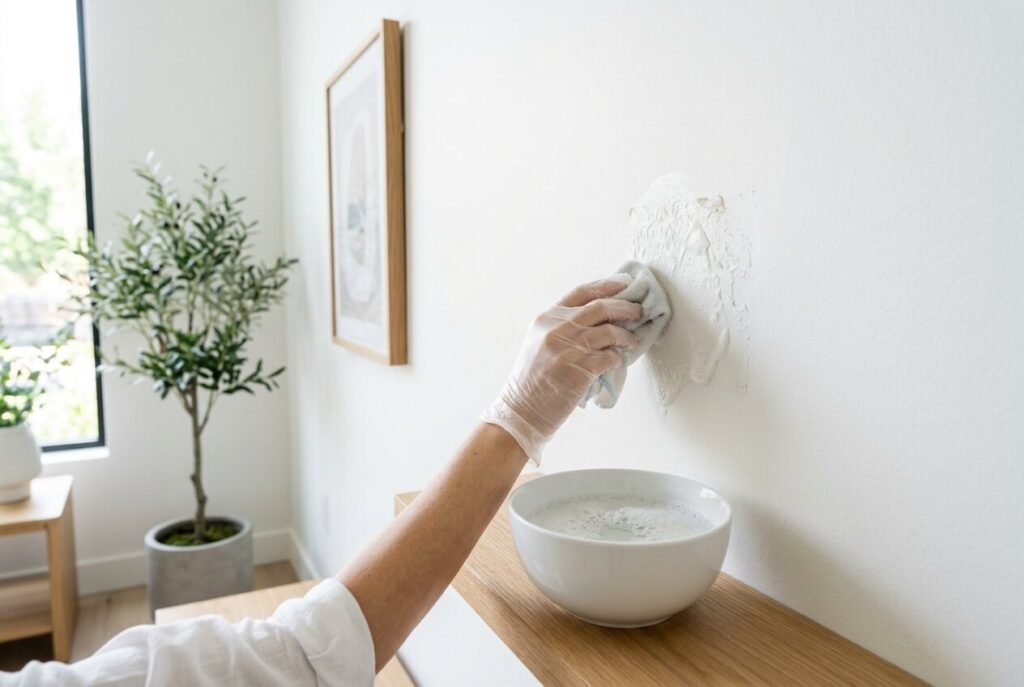
For vertical surfaces, determining how to remove adhesive from wall paint requires the use of gentle heat to loosen the bond without stripping the finish. If the goal is how to remove duct tape residue, which is often thicker and more persistent, a solvent like Goo Gone or WD-40 is typically necessary. For textiles, knowing how to get sticker residue off clothes involves using gentle solvents that won’t leave permanent oil stains on the fabric.
Crucial Safety Warnings for DIY Cleaners
Before applying any chemical, one should always test the chosen adhesive remover on a small, inconspicuous area to ensure the finish isn’t compromised. Using harsh industrial chemicals like xylene or acetone on plastics and painted wood can lead to melting or stripping the surface entirely.
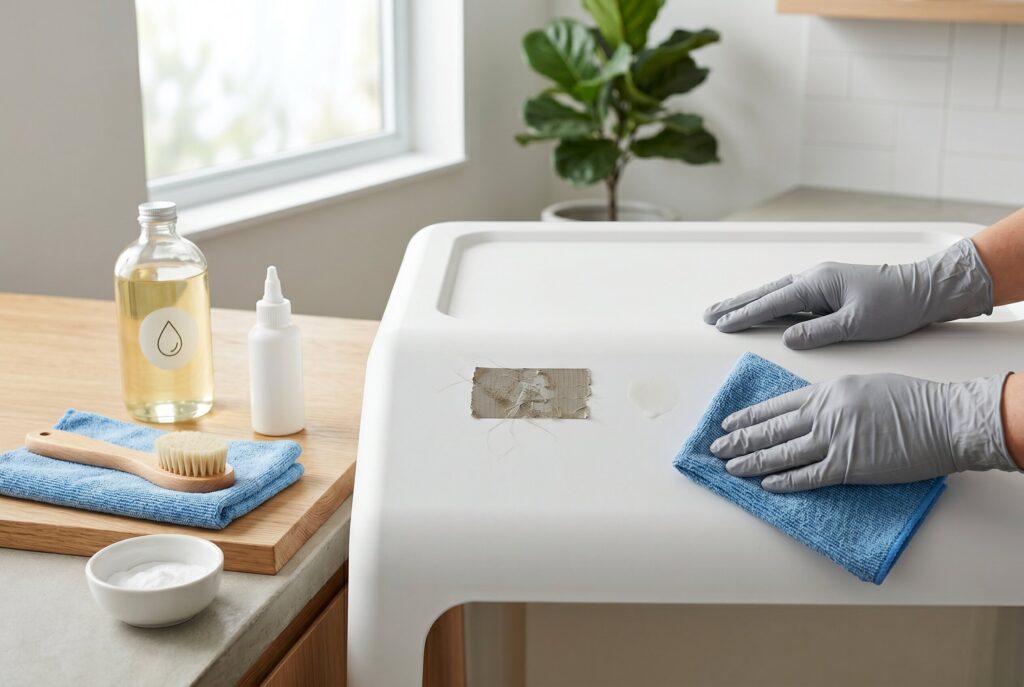
For specialized needs involving human contact, products such as medical adhesive remover, denture adhesive remover, or even an adhesive remover for skin should be utilized as they are formulated for safety.
The Verdict: Selecting the Best Method
Choosing the right tool depends on the balance between speed and material safety. Goo gone adhesive remover remains the fastest option for general tasks, while OxiClean is the most efficient for bulk processing.
For those seeking non-toxic alternatives, coconut oil and white vinegar are the top performers. These strategies align with 2026 trends of upcycling and zero-waste living, allowing items to be repurposed easily instead of being discarded. Utilizing these methods transforms a frustrating household chore into a simple, effective step toward an organized home.